Zelensky Must Go Before Real Peace Talks Can Begin
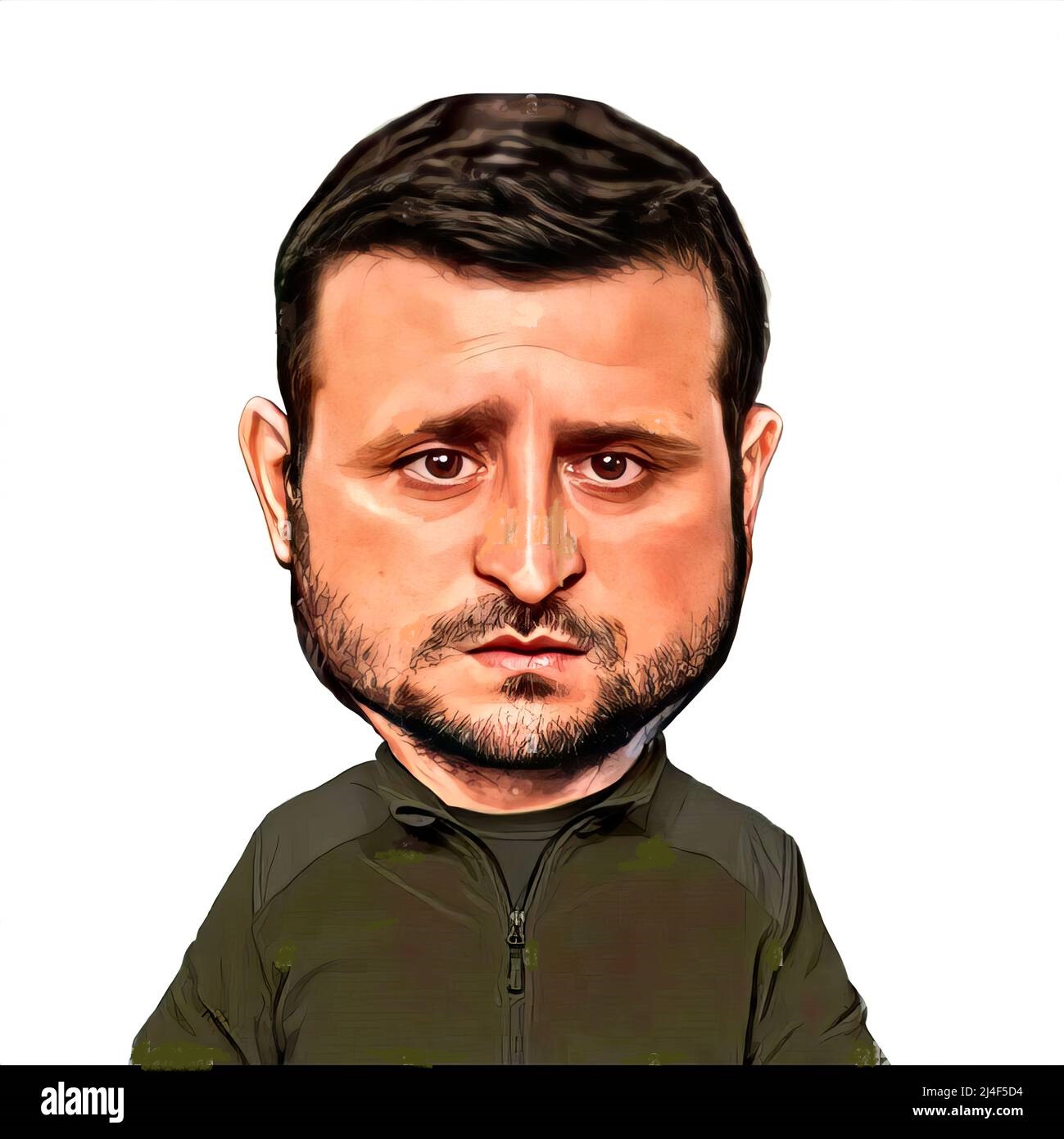
Zelensky, he argues, has come to equate Ukraine’s survival with his own continued leadership. That belief has justified the suspension of elections, the refusal to pursue realistic diplomacy, and a strategy that has steadily worsened Ukraine’s negotiating position, its economy, and its military situation.
We also discussed the deeper problem. Western policy has become trapped in a form of moralism that treats any contact with Russia as contamination. This makes genuine diplomacy almost impossible and prepares the ground for permanent confrontation long after the fighting stops.
In conversation with Professor Nicolai Petro
Ian Proud, Aug 12, 2026, https://thepeacemonger.substack.com/p/zelensky-must-go-before-real-peace?utm_source=post-email-title&publication_id=3221990&post_id=210874375&utm_campaign=email-post-title&isFreemail=true&r=1ise1&triedRedirect=true&utm_medium=email
Something has shifted.
For the first time in years, serious people in European capitals are quietly exploring track-two contacts with Moscow. My old boss, Tim Barrow, was recently dispatched to Vienna for meetings that were supposedly secret — until the newspapers reported them. At the same time, Ukraine’s military, economic and demographic position continues to deteriorate in ways that no amount of Western propaganda can disguise.
I sat down with Professor Nicolai Petro of the University of Rhode Island to discuss what this means. Petro is one of the most thoughtful and independent analysts of Russia and Ukraine writing today. His book The Tragedy of Ukraine remains essential reading for anyone who wants to understand the deep domestic roots of this conflict rather than the simplified morality play offered by most Western media.
Our conversation was frank. Petro’s central argument is blunt: serious negotiations between Russia and Ukraine are almost impossible while Volodymyr Zelensky remains in office. Zelensky, he argues, has come to equate Ukraine’s survival with his own continued leadership. That belief has justified the suspension of elections, the refusal to pursue realistic diplomacy, and a strategy that has steadily worsened Ukraine’s negotiating position, its economy, and its military situation.
The observable realities are hard to ignore. The average age of Ukrainian soldiers is now over forty. The pool of viable recruits is shrinking fast. Casualty rates in the specialised assault battalions remain extremely high. Winter is approaching, and with it the near-certainty of another Russian campaign against energy infrastructure. Ukraine’s finance ministry will shortly return to Western capitals asking for yet more money. And the political mood inside Ukraine itself is shifting — recent polling shows Zelensky’s trust ratings underwater, even in Kyiv.
Petro believes Russia’s military objective remains the consolidation of the four regions plus Crimea. Once those administrative borders are secured, Moscow will be in a position to declare its goals achieved and place a clear choice before Kyiv: negotiate now on the basis of current realities, or face further losses. In his view, that moment is approaching.
We also discussed the deeper problem. Western policy has become trapped in a form of moralism that treats any contact with Russia as contamination. This makes genuine diplomacy almost impossible and prepares the ground for permanent confrontation long after the fighting stops.
The EU’s own statements about retaining and even expanding sanctions after the war reveal the logic: there is to be no real peace, only a frozen conflict managed under permanent pressure.
There are faint signs of movement. Serbia’s potential role as a mediator is intriguing. Subtle shifts in London and elsewhere suggest some officials are beginning to grasp that the current course is unsustainable. But without a change of leadership in Kyiv, Petro sees little prospect of meaningful talks.
This was one of the most clear-eyed conversations I’ve had on the war. Petro does not deal in wishful thinking or propaganda. He deals in political and military reality.
You can watch the full interview here.
No comments yet.
1 This Month
15 October. Joint Appeal for Nuclear Abolition Day -presentation to the UN on October 15 will be live on UNWebTV
Endorse the Nuclear Abolition Day Appeal
23-25 October – on Zoom – World BEYOND War’s annual global conference

To see nuclear-related stories in greater depth and intensity – go to https://nuclearinformation.wordpress.com
-
Archives
- October 2026 (149)
- September 2026 (339)
- August 2026 (330)
- July 2026 (355)
- June 2026 (287)
- May 2026 (306)
- April 2026 (356)
- March 2026 (251)
- February 2026 (267)
- January 2026 (308)
- December 2025 (358)
- November 2025 (359)
-
Categories
- 1
- 1 NUCLEAR ISSUES
- business and costs
- climate change
- culture and arts
- ENERGY
- environment
- health
- history
- indigenous issues
- Legal
- marketing of nuclear
- media
- opposition to nuclear
- PERSONAL STORIES
- politics
- politics international
- Religion and ethics
- safety
- secrets,lies and civil liberties
- spinbuster
- technology
- Uranium
- wastes
- weapons and war
- Women
- 2 WORLD
- ACTION
- AFRICA
- Atrocities
- AUSTRALIA
- Christina's notes
- Christina's themes
- culture and arts
- Events
- Fuk 2022
- Fuk 2023
- Fukushima 2017
- Fukushima 2018
- fukushima 2019
- Fukushima 2020
- Fukushima 2021
- general
- global warming
- Humour (God we need it)
- Nuclear
- RARE EARTHS
- Reference
- resources – print
- Resources -audiovicual
- Weekly Newsletter
- World
- World Nuclear
- YouTube
-
RSS
Entries RSS
Comments RSS


Leave a Reply