Delayed robot probe of Fukushima reactor begins

Feb. 8, 2022
The operator of the damaged Fukushima Daiichi nuclear power plant has begun its delayed robot probe of the inside of the facility’s No.1 reactor.
Tokyo Electric Power Company, or TEPCO, had planned to start the survey of the reactor’s containment vessel on January 12, but postponed it due to mechanical trouble.
Engineers noticed during preparations that data from radiation-measuring equipment installed in a robot was not shown correctly.
The engineers later found out that electromagnetic waves emitted from the robot’s device for extending and winding up cables had affected its radiometers. They solved the problem, and confirmed that the data was then shown accurately.
TEPCO started the survey on Tuesday morning. Officials of the utility say they initially planned to end the probe by August, but that the schedule will be moved back due to the delay.
The probe is part of efforts to remove molten fuel debris from inside the reactor.
Fukushima Operators Send Robot Into Worst-Hit Melted Reactor

Feb. 8, 2022
By MARI YAMAGUCHI, Associated Press
TOKYO (AP) — A remote-controlled robot on Tuesday was used to probe the hardest-hit nuclear reactor at Japan’s wrecked Fukushima plant, as officials push forward with clean-up operations that have been mired in delays and controversy.
An earthquake and tsunami in 2011 unleashed a disastrous meltdown at Fukushima Daiichi’s three reactors that partly sunk their radioactive cores into the plant’s concrete foundations, making removal extremely difficult.
The plant’s operator, Tokyo Electric Power Company Holdings, said the submersible robot was sent into Unit 1’s primary containment vessel to install a guiding path for five subsequent robots, which will attempt to asses and take samples of the melted fuel that emits fatally high radiation.
Tuesday’s probe followed five years after the operators sent another robot into the same and badly-damaged reactor, but failed to get any images of the melted fuel.
The robot-led work, which was postponed from mid-January due to mechanical glitches, is expected to last for a few days before full-fledged probes begin.
Earlier probes showed that the fuel at Unit 1 is submerged by highly radioactive water as deep as 2 meters (6.5 feet).
Five other robots, co-developed by Hitachi-GE Nuclear Energy and the International Research Institute for Nuclear Decommissioning, a government-funded consortium, will be separately sent in for the investigation over the next several months.
The probe at Unit 1 aims to measure the melted fuel mounds, map them in three dimensions, analyze isotopes and their radioactivity, and collect samples, Tokyo Electric officials said.
Those are key to developing equipment and a strategy for a safe and efficient melted fuel removal.
About 900 tons of melted nuclear fuel remain inside the plant’s three reactors, including about 280 tons in Unit 1, and its removal is a daunting task that officials say will take 30-40 years. Critics say that’s overly optimistic.
Remote-controlled robots with cameras have provided only a limited view of the melted fuel in areas too dangerous for humans to reach. In 2017, super-high levels of radiation and structural damage hampered investigating Unit 1.
Details of how the highly radioactive material can be safely removed, stored and disposed at the end of the cleanup have not been decided.
Tokyo Electric hopes to use a robotic arm to remove a first scoop of melted fuel later this year from Unit 2, where internal robotic probes have made the most progress.
Fisherman and residents of Fukushima’s outlying areas have protested the operator’s plans to discharge into the nearby sea radioactive waters from the reactors, after treating and diluting them to safely releasable levels.
Taiwan lifts Fukushima food ban as it looks to Japan for trade pact support
The island will ease restrictions to allow in produce from five Japanese prefectures more than a decade after the nuclear disaster.
Decision will help smooth the way for Taiwan’s bid to join the CPTPP, Cabinet spokesman says.

8 Feb, 2022
Taiwan will largely lift a ban on some Japanese food imports imposed after the 2011 Fukushima nuclear disaster as it seeks closer cooperation with Tokyo.
Citing the need to join global trade pacts, including the Comprehensive and Progressive Agreement for Trans-Pacific Partnership (CPTPP), the island’s government announced on Tuesday it would conditionally lift the ban on food from Fukushima and four other Japanese prefectures later this month.
“For 11 years, Japan has imposed restrictive measures even more stringent than international standards to reduce the risk in relation to food, leading to more than 40 countries, including the 11 member states of the CPTPP to fully lift the ban on related Japanese food imports,” Cabinet spokesman Lo Ping-cheng said.
Lo said many European countries had also relaxed their bans or required radiation-free certificates for the imports.
“All over the world today, only Taiwan and China maintain the ban, and even Hong Kong and Macau have partially lifted the ban,” he said.
Lo said that after years of reviews and consultations with food experts and scientists as well as examination of international standards and practices, the island finally decided to conditionally remove the ban.
Under the plan, food from Fukushima, Gunma, Chiba, Ibaraki and Tochigi prefectures will be allowed in but aquatic products, tea, and dairy products will require proof that they are radiation-free and have certificates of origin.
General bans on wildlife meats, mushrooms and certain kinds of vegetables will remain in place.
Lo said the removal would help smooth the way for the island’s bid to join the CPTPP, which requires high standards for membership.
“For Taiwan to take part in the world trade and economic system and to join the high-standard CPTPP, we need to meet international criteria and refrain from ignoring scientific proof,” he said, adding Taiwan had discussed the issue many times with Japan and must remove unreasonable obstacles if it wants to join the Asia-Pacific trade body.
But he also stressed that the removal was not part of a deal in exchange for Japan’s support on CPTPP entry, though it would help the island’s bid.
John Deng, Taiwan’s top trade negotiator, said Taiwan applied to join the CPTPP last year and through its overseas representative offices or bilateral trade meetings, it had sought support from the 11 member states – Australia, Brunei, Canada, Chile, Japan, Malaysia, Mexico, New Zealand, Peru, Singapore, and Vietnam.
He said the CPTPP’s review committee had yet to examine Taiwan’s application because it had been busy with Britain’s membership bid over the past year.
Meanwhile, Taiwanese President Tsai Ing-wen said on her Facebook account on Tuesday that her government would not neglect the health concerns of the public and would uphold food safety on the island.
The main opposition party, the Kuomintang, however, blasted the Tsai government for ignoring public opinion that the food products be banned.
The decision comes despite a 2018 referendum that supported the 2011 ban.
Observers said the decision had more to do with the island’s hopes of winning security and military support from Japan to counter growing threats from Beijing.
“Participation in the CPTPP is a reason, but more importantly, Tsai wants to use the measure to befriend Japan so that it will join the United States to help defend Taiwan in the event of a potential cross-strait conflict,” said Wang Kung-yi, director of the Taiwan International Strategic Study Society, a Taipei-based think tank.
He said Tsai had done all she could to seek support from the US.
Wang said Tsai had also tried hard to cement ties with Japan to counter the mainland especially after former Japanese prime minister Abe Shinzo said any mainland Chinese attack against Taiwan, either direct or indirect, would affect Japan’s national security.
Beijing considers Taiwan its territory that must control, by force if necessary. It has warned the US and Japan – which both recognise the mainland diplomatically – against military and official support for the island.
Tokyo High Court rejects some of the evidence used in the second appeal against the former management of TEPCO

Feb. 9, 2022
A trial to hold the former management of Tokyo Electric Power Company (TEPCO) criminally liable. In the second appeal hearing, the court rejected the witness examination and on-site inspection at the Fukushima Daiichi nuclear power plant that the designated lawyer acting as the prosecutor had requested.
Tsunehisa Katsumata, former chairman of TEPCO, who was the top management of TEPCO at the time of the nuclear accident, and three other members of the former management team, were charged with manslaughter and forced to stand trial for allegedly failing to take countermeasures against the tsunami at the Fukushima Daiichi Nuclear Power Plant and causing the death of a patient at a nearby hospital due to evacuation.
The Tokyo District Court in the first trial acquitted them, saying that they could not have foreseen the tsunami, and the designated lawyer acting as the prosecutor appealed.
In the first trial of the appeal held last November, the court’s decision was closely watched, as the court demanded the adoption of documents and witness interviews of experts to support the reliability of the government’s earthquake assessment.
Ms. Riko Muto, head of the Fukushima Nuclear Power Plant Appeal Team, said, “I trust the conscience of the court to find out why the nuclear accident occurred, why it could not have been prevented, and who is responsible for this.
The second trial was held on the 9th. The presiding judge of the Tokyo High Court, Keisuke Hosoda, adopted as evidence the documents submitted by the designated lawyer acting as the prosecutor.
On the other hand, he dismissed as “unnecessary” the questioning of three witnesses, including experts involved in the formulation of the government’s earthquake assessment, and refused to conduct on-site inspections at the Fukushima Daiichi Nuclear Power Plant and other facilities.
Hiroyuki Kawai, lawyer for the Fukushima Nuclear Power Plant Lawsuit Group: “I feel disappointed. I didn’t see the slightest sign of a desire to determine the responsibility of the defendants for causing the biggest pollution incident in Japan’s history.
“We don’t know if it’s debris.” Bumpy deposits at the bottom of the reactor.
February 9, 2022
On February 9, Tokyo Electric Power Company (TEPCO) released a video of the bottom of the containment vessel of the Unit 1 reactor at the Fukushima Daiichi Nuclear Power Plant (Okuma and Futaba towns, Fukushima Prefecture) taken by an underwater robot during an internal investigation. From the images, it was confirmed that orangeish bumpy deposits were spreading and adhering to the structure inside the vessel. It is possible that it is nuclear fuel (debris) that melted down during the accident. We don’t know if it is debris at this stage,” said Kenichi Takahara, a spokesman, at a press conference.

A video of the bottom of the containment vessel of the Unit 1 reactor shows a bumpy deposit spreading from the bottom center to the right side of the vessel at TEPCO’s Fukushima Daiichi Nuclear Power Plant (Courtesy of TEPCO)
According to TEPCO, it is unclear how high the confirmed deposit is; a survey in March 2017 confirmed a deposit of 90 centimeters high near this location. According to TEPCO, the height of the debris is unknown.

A part of the piping that was cut off for the introduction of the robots has sunk to the bottom of the containment vessel of the Unit 1 reactor (Courtesy of TEPCO)
By around 1:50 p.m. on the 9th, the underwater robot that was deployed on the afternoon of the 8th had moved through the water inside the containment vessel and attached four guide rings with a diameter of 30 centimeters at intervals to the structure inside the vessel. The purpose of these rings was to prevent cables from getting tangled in the structure when the robot, which will be used in the future, moves around, and we were finally ready for a full-scale investigation.

In the containment vessel of the Unit 1 reactor, an underwater robot moves through the vessel while attaching rings to the structure (TEPCO)

Oil-like suspended matter was observed on the water surface inside the containment vessel of the Unit 1 reactor. The yellow glow in the center is a pipe illuminated by a light (TEPCO)
The radiation level in the water was 1 to 2 sievert per hour. The radiation level in the water was 1 to 2 sievert per hour. The exposure limit for workers at the nuclear power plant is 50 millisieverts per year, and even if one were to enter the water, it would take only 1 to 3 minutes to reach the exposure limit, so people are not allowed to go near the water.

A worker opens a valve leading to the containment vessel of the Unit 1 reactor to insert a robot (Courtesy of TEPCO)

Workers insert an underwater robot outside the containment vessel of the Unit 1 reactor (Courtesy of TEPCO)
Of the three reactors that suffered core meltdowns in the March 2011 accident, video footage shows deposits of what appears to be debris in Units 2 and 3, but no debris was found in Unit 1 during the 2005 survey.
Removing the debris is the most difficult task, and it is estimated that a total of 880 tons has melted down in Units 1-3. TEPCO is aiming to collect a few grams of debris from the Unit 2 reactor by the end of this year. (Shinichi Ogawa, Kenta Onozawa)
https://www.tokyo-np.co.jp/article/159265?fbclid=IwAR08nc1U0duYKVLHyBgjGnoRnhVI944BMtWrN-6F8HNVGUlKXTpkkFAItm4
NATO operationalizes space as its fifth battleground — Anti-bellum
NATOAllied Command TransformationFebruary 8, 2022 NATO’s New Space Policy Launches Activity for Allied Command Transformation NATO’s new space policy is a crucial step towards implementing space as an operational domain….Allied Command Transformation is prepared to contribute to this new effort. NATO is not new to space. The relationship began in 1966 and continues today. The […]
NATO operationalizes space as its fifth battleground — Anti-bellum
Anticipating events: Germany, Estonia provide military field hospital to Ukraine — Anti-bellum

ERR NewsFebruary 9, 2022 Estonia, Germany hand Ukraine ‘keys’ to new military field hospital Symbolic keys to a new €5.3 million field hospital were handed to Ukraine by Estonia and Germany on Monday. The medical facility was funded and donated by the two NATO allies. Germany funded the purchase of the field hospital, while the […]
Anticipating events: Germany, Estonia provide military field hospital to Ukraine — Anti-bellum
Environmental Working Group (EWG) urges Biden to reject ‘outrageous’ call for more nuclear power subsidies in clean energy agenda

“Nuclear power is truly an example of privatizing profits and socializing risks.”
EWG urges Biden to reject electric utility executives’ call for more nuclear power subsidies in clean energy agenda. https://www.ewg.org/news-insights/news-release/2022/02/ewg-urges-biden-reject-electric-utility-executives-call-more WASHINGTON – President Joe Biden is meeting today with top executives from several investor-owned electric utilities who want Congress to approve vital clean energy tax credits as part of Biden’s Build Back Better agenda. But they are also seeking new federal subsidies for existing nuclear power plants that the Environmental Working Group is urging the president to oppose.“Nuclear power is truly an example of privatizing profits and socializing risks.”
The Build Back Better plan is a broad infrastructure proposal and includes some important tax credits that the utilities support. They would help expand utility-scale solar projects and boost sales of electric vehicles, crucial steps in fighting the climate emergency.
But the call for wasting more federal tax dollars propping up uneconomic and dangerous nuclear power plants too is an outrageous request, noted EWG.
“Nuclear power is a relic of the electricity sector, and a dangerous and extremely expensive one that has cost taxpayers billions of dollars,” said EWG President Ken Cook. “The federal government must stop throwing away money propping up the nuclear industry and instead make critical investments to expand safe, clean renewable energy.”
“President Biden and congressional leaders can and should unravel the federal government’s long history of pouring scarce resources into this failed industry and its legacy of radioactive waste and the enormous threat it poses to the public,” said Cook.
Nuclear power has never been financially viable and never will be, so new subsidies make no sense. It has the distinction of a permanent negative learning curve – costs always rise and never decline – despite 60 years of taxpayer-funded research and development, construction risks dumped onto ratepayers to lure private financing, a series of bailouts worth tens of billions to the industry, and billions wasted on upgrades to keep aging power plants running that could have been much more wisely spent replacing them.
“It is time to systematically replace nuclear power with modern clean energy technology and to stop burdening ratepayers and taxpayers with this financial albatross,” said Cook. “Nuclear power is truly an example of privatizing profits and socializing risks.”
In its 2021“None of the Above” series calling out dirty and dangerous power sources that should quickly be replaced by clean, safe and renewable energy, such as solar and wind, EWG likened nuclear power to “nothing more than a public works project with no prospects for the future that has failed financially while generating huge amounts of radioactive waste, with no viable method of disposal, that will linger for thousands of years.”
The Environmental Working Group is a nonprofit, non-partisan organization that empowers people to live healthier lives in a healthier environment. Through research, advocacy and unique education tools, EWG drives consumer choice and civic action. Visit www.ewg.org for more information.
Ahead of regulatory approval the US Dept of Energy wants Govt to grant $4 billion for Small Nuclear Reactors development

Bloomberg Business Week, 7 Feb 22, –………………………… Congress has ordered the Nuclear Regulatory Commission to replace a rules framework that dates to the 1950s. The new guidelines aren’t expected until at least 2025……… To prove the safety of designs, for instance, the commission demands data from similar plants, but none of the smaller installations have been built in the U.S., so there’s no performance history.
……….. the U.S. Department of Energy has gotten ahead of the NRC. The department is asking Congress for as much as $4 billion over seven years for advanced reactor development.
Beneficiaries include TerraPower, a startup founded by Bill Gates that’s working on a project in Wyoming; X-energy, which is planning a high-temperature, gas-cooled reactor in Washington state; and Kairos Power, which aims to build a 35-megawatt salt-cooled test reactor in Tennessee and applied for a construction license last September.
…………… these plants face staunch opposition. Environmental groups say that small reactors—some have a capacity of only 1.5MW, about 0.1% the size of a traditional plant—still produce enough radioactive material to present a contamination risk. And building more plants, even small ones, will add to the pile of toxic waste that no one can figure out what do with. “To the extent that there will be efforts to weaken the regulatory envelope, we will aggressively push back,” says Geoff Fettus, an attorney with the Natural Resources Defense Council.
Globally, more than 70 small modular reactors, with a total capacity of about 12 gigawatts, have been proposed or are under development in at least five countries, according to the International Atomic Energy Agency. The only one that’s been built is a floating reactor in the Russian town of Pevek, on the Arctic Sea, where it’s used to power mining operations. Gregory Jaczko, who served as NRC chair from 2009 to 2012, says the lack of movement on such plants around the world suggests we would be wrong to count on them as a way out of the climate crisis. “They’re just not ready,” he says. “And by the time they could be ready, they’re not going to be useful.”
UK’s nuclear submarine graveyard- but one is to be recycled – perhaps for Australia?

The first vessel that’s going to be recycled from the so-called ‘submarine graveyard’ in Devonport has been named – but there’s no word yet on when it’ll actually happen. The last one was decommissioned in 1980 – but thirteen of them remain tied up there. HMS Valiant will be the first to be recycled – but no date’s been set for that yet. Planet Radio 9th Feb 2022
Planet Radio 9th Feb 2022
https://planetradio.co.uk/greatest-hits/devon/news/nuclear-submarine-recycled-devonport/
Why Isn’t Anyone…. — The Climate in Emergency
Talking about the total lack of real snow in the Winter Olympics as a climate issue? I mean, it’s not especially a climate issue, apparently the Beijing area just doesn’t get a lot of snow–it’s a weird place to put a Winter Olympics, but its always been like that. But Sochi had a similar problem […]
Why Isn’t Anyone…. — The Climate in Emergency
Japan halts shipment of black rockfish caught off Fukushima over radiation

February 8, 2022
TOKYO, Feb 8 (Reuters) – Japan’s health ministry said on Tuesday it had ordered the suspension of shipments of black rockfish caught off Fukushima prefecture after radiation exceeding an upper limit was detected in a catch late last month.
The development comes on the heels of an announcement by Taiwan that it would relax a ban on food imports from Japan put in place after the 2011 Fukushima nuclear disaster.
The suspension means the targetted fish would not be shipped, regardless of the destination, a ministry official said.
Criminal case of the three TEPCO former executives in appeal

A trial in which three former executives of Tokyo Electric Power Company (TEPCO) were forcibly prosecuted by a resolution of the Public Prosecutors Examination Council for failing to prevent the accident at the Fukushima Daiichi Nuclear Power Plant.
This is a detailed record of the second trial.
The second trial of TEPCO’s forced prosecution began, with the former management once again claiming innocence.
The second trial of the three former executives of Tokyo Electric Power Company (TEPCO), who were forcibly prosecuted over the accident at the Fukushima Daiichi Nuclear Power Plant and acquitted in the first trial, began, with the former executives once again claiming their innocence.
Tsunehisa Katsumata, 81, former chairman of TEPCO, Ichiro Takekuro, 75, former vice president of TEPCO, and Sakae Mutoh, 71, former vice president of TEPCO, were indicted for involuntary manslaughter by a resolution of the Public Prosecutors Examination Council for causing the deaths of 44 people, including hospitalized patients in Fukushima Prefecture, during the evacuation process from the nuclear power plant accident.
The Tokyo District Court in the first trial acquitted all three defendants in September 2019, saying that there was no way they could have foreseen the huge tsunami.
The second trial began at the Tokyo High Court on April 2, 2021, and the designated lawyer stated that the first trial decision was wrong because it forcibly denied the reliability of the “long-term assessment,” which is the basic premise of the national government’s view on tsunamis, and argued that the three had a duty to build a seawall and take measures to prevent flooding of buildings.
On the other hand, the lawyer for the former management team reiterated their not guilty plea, saying, “The measures to prevent a huge tsunami were massive and took a long time, and even if they had started before the nuclear accident, they would not have been ready in time.
The next hearing will be held in February 2022, and it will be decided whether or not the judge will conduct an on-site inspection of the plant, as requested by the designated lawyer.
A representative of the victims and their families said, “The focus is on whether the court will conduct an on-site inspection of the plant.
Yuichi Kaito, a lawyer who represented the victims and their families at the hearing, held a press conference and said, “The biggest focus of the second trial is whether the court will conduct an on-site inspection of the plant. Although the court did not make a decision today, I hope that this is an indication of the court’s attitude that it wants to carefully consider the issue. If they do, I think it will increase the possibility that the not guilty verdict of the first trial will be reviewed.
Survivors: “Not guilty is impossible
The father of Hisao Sato, 62, of Fukushima Prefecture, was unable to evacuate from Futaba Hospital in Okuma Town, where he had been hospitalized, after the nuclear accident, and remained there with medical staff and died three days later.
Regarding the fact that the three former executives of TEPCO have once again claimed their innocence, Mr. Sato said, “I couldn’t go and pick up the people who were left behind even if I wanted to because the nuclear power plant exploded. There were tears around the eyes of his father, and I believe he suffered and died. Tokyo Electric Power Company (TEPCO) is absolutely responsible, and there is no way they are innocent.
https://www3.nhk.or.jp/news/special/toudensaiban/?fbclid=IwAR19G_iZOeA8x_1s-x6bDhzeGxz3jsDC-Y90iDjpB0zPEoaIT8QCPahEP-0
Fukushima Unit 1: First internal investigation in 5 years

2022/02/08
The Tokyo Electric Power Company (TEPCO) began an internal investigation of the containment vessel at the Unit 1 reactor of the Fukushima Daiichi Nuclear Power Plant on February 8. An underwater robot was used to collect information on the sediment accumulating at the bottom of the vessel and the molten nuclear fuel (debris) underneath. This is the first time in about five years since March 2017.
According to the images taken by the camera mounted on the robot, the bottom of the containment vessel was bumpy, as if something had accumulated there. A TEPCO official said, “We don’t know yet whether it is a deposit or not, and we will proceed with the investigation.
The investigation was scheduled to start on January 12, but was postponed due to problems during the preparation work. TEPCO is now reconsidering the process, which was set to last until August.
https://www.minpo.jp/globalnews/moredetail/2022020801001260?fbclid=IwAR0YiLHqKhJNuprOuxehkLnPzsAYBMFHgQ_0hcLHnWwpllUn9CFD2zSjR10
Criminal trial of Fukushima nuclear power plant to reach climax at high court on Feb. 9; adoption or rejection of on-site inspection and other measures key
Feb. 7, 2022
The trial to hold former executives of Tokyo Electric Power Company (TEPCO) criminally responsible for the accident at the Fukushima Daiichi Nuclear Power Plant is reaching a climax in the appeals court. The second trial, to be held at the Tokyo High Court on February 9 at 2:00 p.m., is expected to determine the future course of the trial, according to the designated lawyer acting as the prosecutor and a criminal litigation support group. The reason is that the presiding judge, Keisuke Hosoda, will decide whether to accept or reject (1) the on-site inspection at the nuclear power plant site and (2) the examination of three experts.

Since mid-January, a group of residents who have sued and accused TEPCO executives, criminal lawsuit supporters, and lawyers have held a series of press conferences and meetings to explain the current status of the trial, and on January 21, they submitted a list of signatures in front of the Tokyo High Court demanding a fair trial.
There are about 30 class-action lawsuits across the country seeking damages from TEPCO and the government as civil liability for the Fukushima nuclear accident, with more than 12,000 plaintiffs in total. The total number of plaintiffs is over 12,000. Including individual lawsuits, there are more than 400 cases, but this is the only case in which criminal liability has been sought.
In June 2012, the Fukushima Nuclear Power Plant Complaint Group filed a complaint against TEPCO executives and government officials. In June 2012, a group of Fukushima nuclear power plant complainants filed a complaint against TEPCO executives and government officials, and prosecutors repeatedly dropped the case. After the prosecutors’ panel twice voted that the case was worth prosecuting, former TEPCO chairman Tsunehisa Katsumata and former vice presidents Ichiro Takekuro and Sakae Mutoh were indicted for manslaughter, and their trial has been ongoing since June 2005. The prosecution alleged that the defendants failed to take protective measures and shut down the reactors when they could have foreseen the possibility of flooding of the buildings, loss of power supply, and explosion due to a tsunami exceeding 10 meters in height, which is the height of the site of the plant.
The Tokyo District Court (presiding Judge Kenichi Nagabuchi) acquitted all three defendants in September 2007, but Yuichi Kaito, a lawyer with the Criminal Litigation Support Lawyers Association, and others pointed out the “biggest and most fundamental error” in the original verdict. The lawyers for the criminal case, including Yuichi Kaido, claimed that the “biggest and most fundamental error” in the original ruling was that the government’s Headquarters for Earthquake Research Promotion (SUIBON) stated that “there was no foreseeable possibility of a tsunami exceeding 10 meters” without properly judging the reliability of the “long-term assessment” released in July 2002. In response to the long-term assessment, which predicted that a tsunami earthquake of magnitude 8.2 could occur anywhere along the Japan Trench from off the coast of Sanriku to off the coast of Boso, the court only ruled whether the plant should be shut down, and did not examine the “foreseeability appropriate for imposing the obligation to avoid the consequences of building seawalls and making facilities watertight. The report criticizes the government for not examining the “foreseeability that is appropriate for imposing the obligation to avoid the consequences of building seawalls and making facilities watertight.
The designated attorneys reiterated the necessity of on-site inspections in the appeals court. It is obvious at the site that the facilities of the Fukushima Daiichi Nuclear Power Plant were built on the ground where a high quay was dug into the sea, and it is easy to understand where a tsunami barrier should have been installed and where watertight construction should have been carried out. It should be.
Three witnesses have been called: Atsuo Watanabe, a former nuclear power plant design engineer at Toshiba Corporation, to provide additional evidence on the specifics of the measures taken to avoid the consequences of submerging the facility and their feasibility; Nobuo Hamada, a former director of the Earthquake and Volcano Division at the Japan Meteorological Agency, and Kunihiko Shimazaki, chairman of the Long-Term Assessment Department at SUIMOTO, to prove the reliability of the long-term assessment.
Takashi Soeda, a science journalist, said, “There are many things that would have been buried in the dark without the criminal trial. (1) Based on surveys of past tsunami deposits, it was possible to predict a tsunami as large as the 869 Teikan earthquake, and Tohoku Electric Power Co. and other companies besides TEPCO had been working on tsunami countermeasures. (2) TEPCO and its employees agreed that a 15.7-meter tsunami was inevitable, but senior management prioritized avoiding management risk over avoiding accident risk and delayed tsunami countermeasures (3) In order to delay countermeasures, Sakae Muto asked the Japan Society of Civil Engineers (3) Mr. Sakae Muto had instructed the Japan Society of Civil Engineers to delay the countermeasures by stalling for time and laying the groundwork for experts to discuss the matter.
One of the victims, Ruiko Muto, a resident of Tamura City, Fukushima Prefecture, said, “If the district court’s decision is confirmed as it is, it would be extremely unjust. Ten years have passed since the accident, and in Fukushima there is no justice at all. We must not leave this kind of society to future generations. I hope the court will show justice.
http://www.kinyobi.co.jp/kinyobinews/2022/02/07/antena-1067/?fbclid=IwAR1x4Hq2ILZ432ZlOn6MVRjkDvOKbjq7QFw9PGIB48Jcg6PlB8X_wTHfyGA
1 This Month
26 April – Chernobyl: Inside the Meltdown airs on National Geographic on Sunday 26th April from 4pm
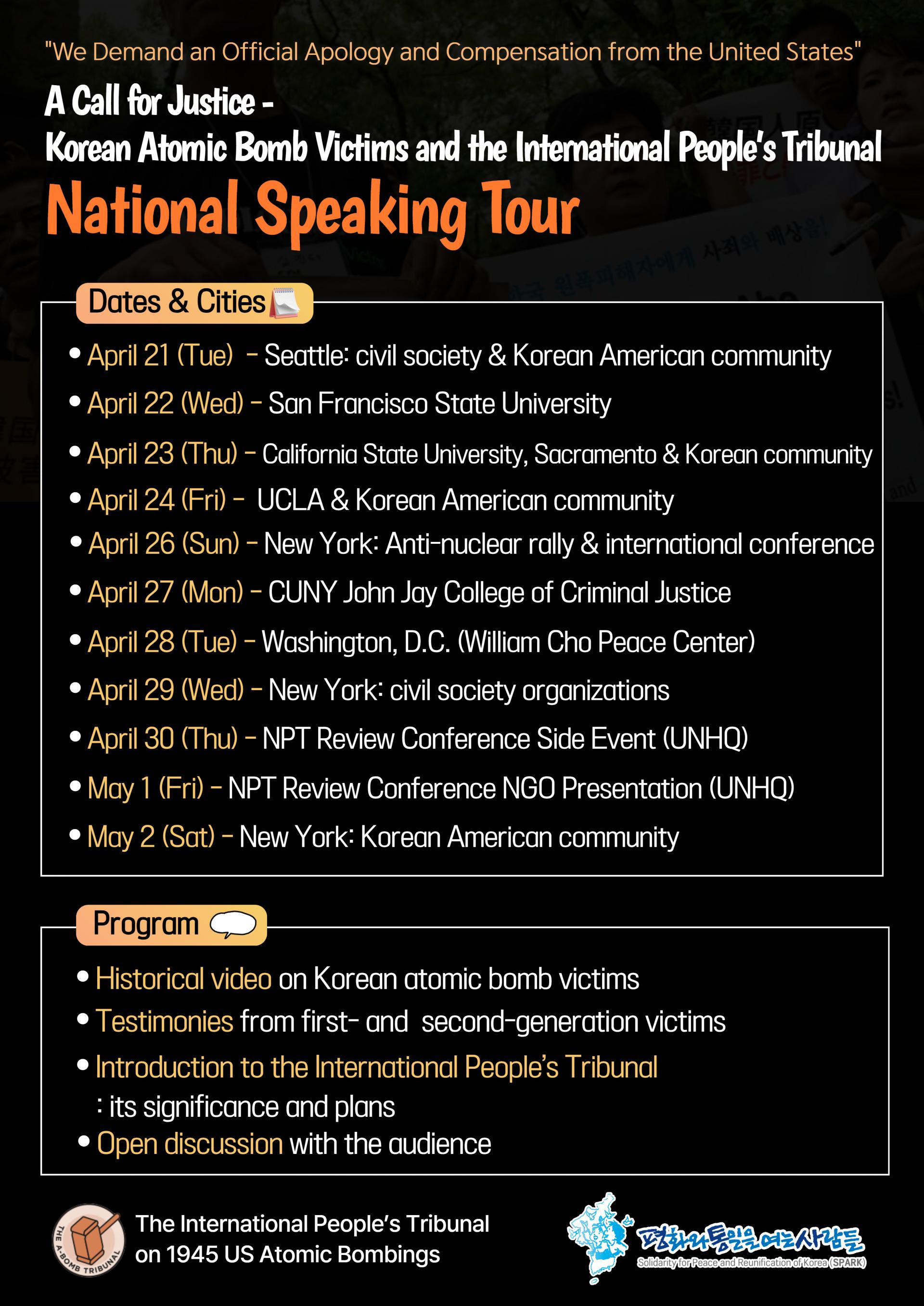
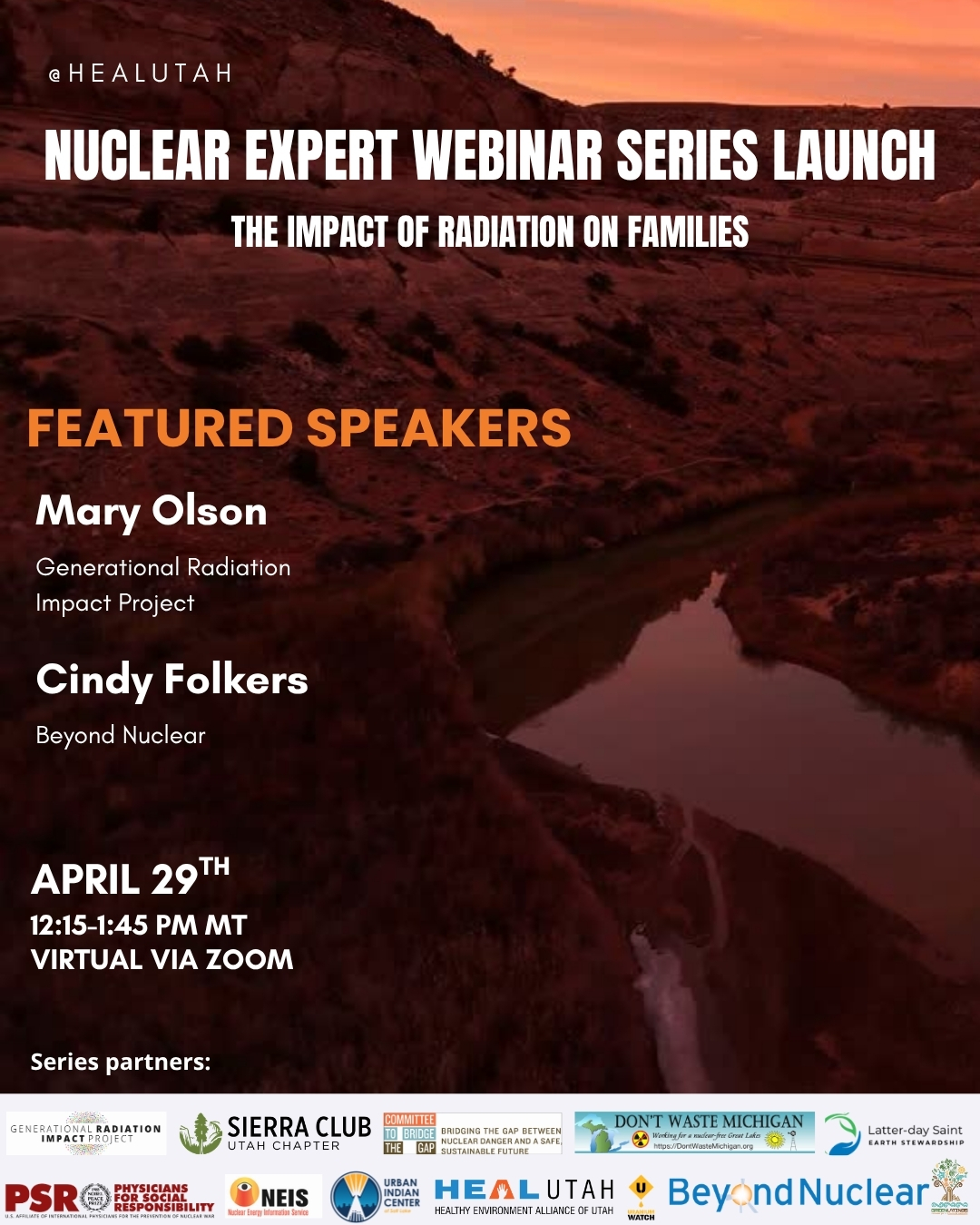
29 April – Nuclear Expert Webinar #1 – Radiation Impacts on Families with Mary Olson and Cindy Folkers
- 12:15 PM MT – 1:45 PM MT
- Location: Virtual – REGISTER TODAY

4 May -West Suburban Peace Coalition to discuss Iran war at May Educational Forum
Monday, May 4, 7:00 – 8:00 PM Central Standard Time
Title: : How Trump’s Narrative Tries to Shape the Reality of the War on Iran.
Contact Walt Zlotow, zlotow@hotmail.com 630 442 3045 for further information
14 May – online event From Bombs to Data Centres: the Face of Nuclear Colonialism
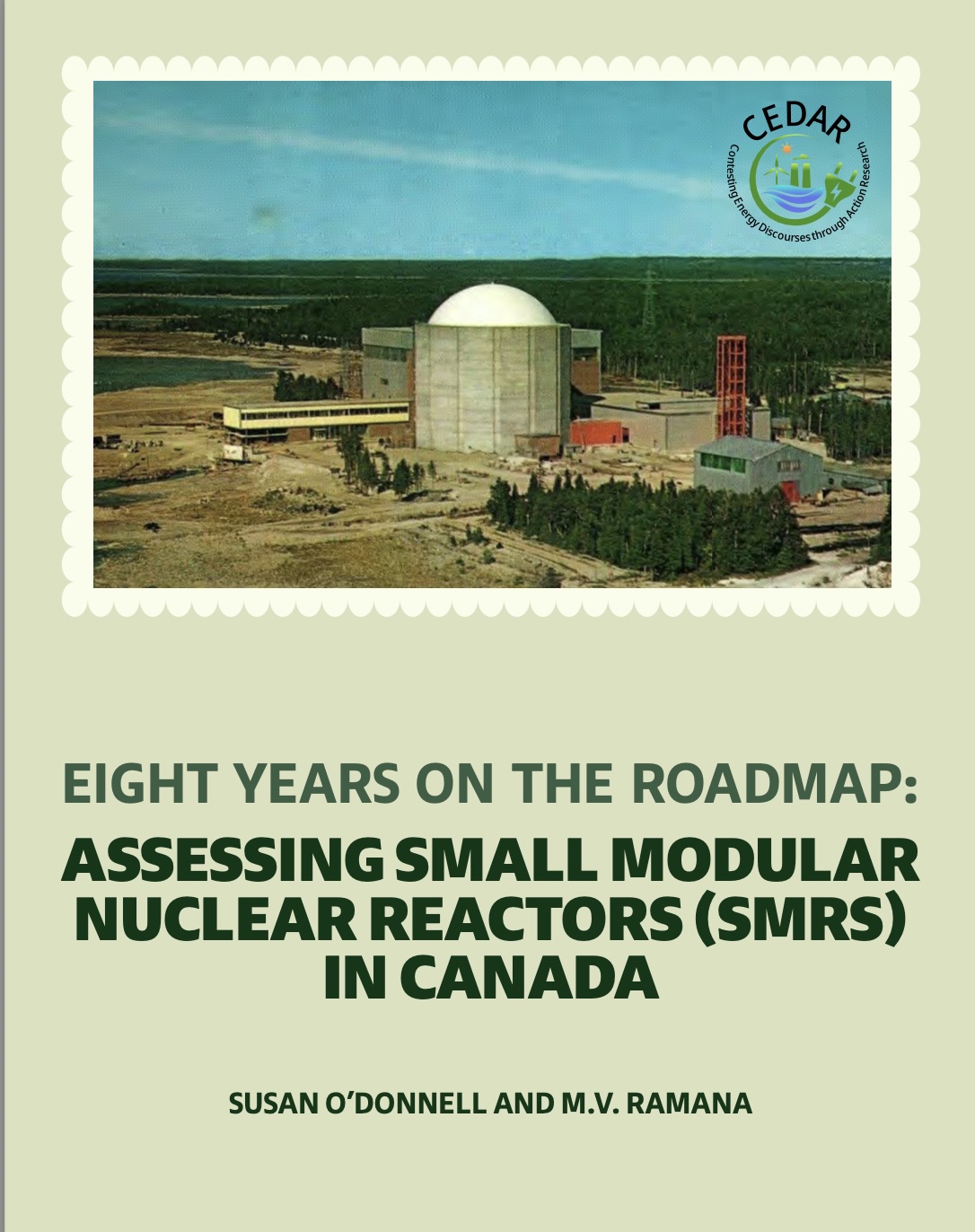

Pine Ridge Uranium is the real threat, not Tehran- Tell Burgum: Stop the Extraction.
Chernobyl: The Lost Tapes – A good documentary on Chernobyl on SBS available On Demand for the next 3 weeks– https://www.sbs.com.au/ondemand/tv-program/chernobyl-the-lost-tapes/2352741955560
To see nuclear-related stories in greater depth and intensity – go to https://nuclearinformation.wordpress.com
-
Archives
- April 2026 (288)
- March 2026 (251)
- February 2026 (268)
- January 2026 (308)
- December 2025 (358)
- November 2025 (359)
- October 2025 (376)
- September 2025 (257)
- August 2025 (319)
- July 2025 (230)
- June 2025 (348)
- May 2025 (261)
-
Categories
- 1
- 1 NUCLEAR ISSUES
- business and costs
- climate change
- culture and arts
- ENERGY
- environment
- health
- history
- indigenous issues
- Legal
- marketing of nuclear
- media
- opposition to nuclear
- PERSONAL STORIES
- politics
- politics international
- Religion and ethics
- safety
- secrets,lies and civil liberties
- spinbuster
- technology
- Uranium
- wastes
- weapons and war
- Women
- 2 WORLD
- ACTION
- AFRICA
- Atrocities
- AUSTRALIA
- Christina's notes
- Christina's themes
- culture and arts
- Events
- Fuk 2022
- Fuk 2023
- Fukushima 2017
- Fukushima 2018
- fukushima 2019
- Fukushima 2020
- Fukushima 2021
- general
- global warming
- Humour (God we need it)
- Nuclear
- RARE EARTHS
- Reference
- resources – print
- Resources -audiovicual
- Weekly Newsletter
- World
- World Nuclear
- YouTube
-
RSS
Entries RSS
Comments RSS
 nuclear-news