Taiwan to talk to Japan on radioactive wastewater discharge
November 9, 2020
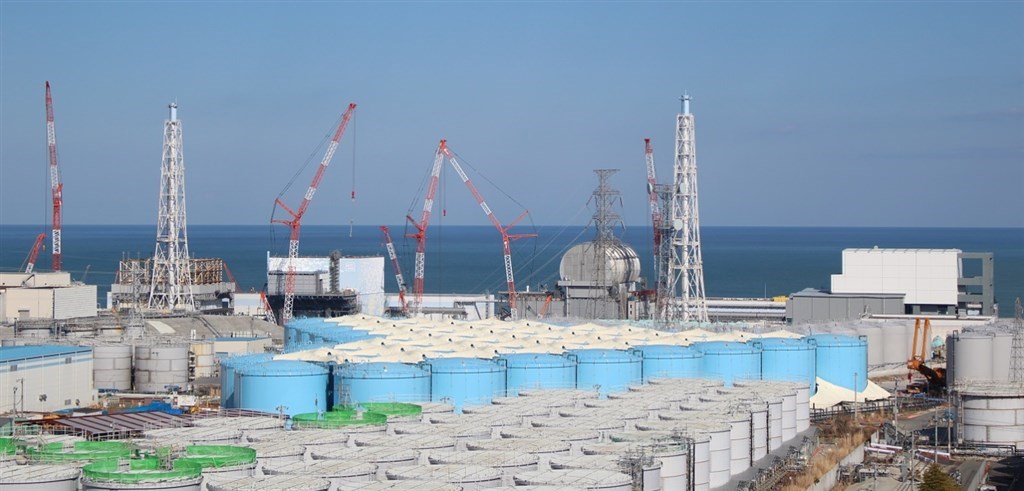
Taipei, Nov. 9 (CNA) Taiwan’s Atomic Energy Council said Monday it will continue to contact Japan on how the country plans to deal with contaminated water from the Fukushima Daiichi nuclear power plant, which is expected to run out of storage space in 2022.
The power plant has been shut down since it experienced a nuclear meltdown in 2011 after Japan was hit by a massive tsunami and earthquake, and it currently stores more than 1 million cubic meters of water containing tritium, a radioactive variant of hydrogen.
Tritium cannot be removed from water with existing technology, but because it poses a relatively low risk to human health, it is common for nuclear plants to dump water with tritium into the ocean after diluting it.
The Fukushima plant’s plan to dump its stored water that way has received pushback from people who live in the region, especially fishermen, who fear that it will damage the region’s reputation, according to local media reports.
Another option is to evaporate the wastewater into the air, according to the International Atomic Energy Agency.
In August 2019, the company that runs the power plant, Tokyo Electric Power Company Holdings Inc., announced that storage space for the contaminated water would run out in 2022.
This issue was brought up in Taiwan on Monday by Legislator Wu Szu-yao (吳思瑤) from the ruling Democratic Progressive Party, who asked the Atomic Energy Council to come up with contingency plans.
In response, the council said that the Japanese government has not yet decided when and how it will deal with the wastewater.
The council reached out to the Japanese government in September 2019 and March 2020 to ask about the situation and remind Japan to share timely information about the situation in accordance with a memorandum signed between the two countries in 2014.
It said it will keep in contact with Japan to obtain necessary information.
The council has also conducted tests to monitor the level of tritium in Taiwan’s surrounding waters and found that current levels are normal, it said.
(By Fan Cheng-hsiang and Chiang Yi-ching)
No comments yet.
1 This Month

of the week – Shut Down Drone Warfare!


Tell the Ukrainian Government to Drop Prosecution of Peace Activist Yurii Sheliazhenko

Petition to revoke the licensing of the Near Surface Nuclear Disposal Facility (NSDF) at Chalk River. https://www.ourcommons.ca/petitions/en/Petition/Details?Petition=e-7247
To see nuclear-related stories in greater depth and intensity – go to https://nuclearinformation.wordpress.com
-
Archives
- March 2026 (251)
- February 2026 (268)
- January 2026 (308)
- December 2025 (358)
- November 2025 (359)
- October 2025 (376)
- September 2025 (257)
- August 2025 (319)
- July 2025 (230)
- June 2025 (348)
- May 2025 (261)
- April 2025 (305)
-
Categories
- 1
- 1 NUCLEAR ISSUES
- business and costs
- climate change
- culture and arts
- ENERGY
- environment
- health
- history
- indigenous issues
- Legal
- marketing of nuclear
- media
- opposition to nuclear
- PERSONAL STORIES
- politics
- politics international
- Religion and ethics
- safety
- secrets,lies and civil liberties
- spinbuster
- technology
- Uranium
- wastes
- weapons and war
- Women
- 2 WORLD
- ACTION
- AFRICA
- Atrocities
- AUSTRALIA
- Christina's notes
- Christina's themes
- culture and arts
- Events
- Fuk 2022
- Fuk 2023
- Fukushima 2017
- Fukushima 2018
- fukushima 2019
- Fukushima 2020
- Fukushima 2021
- general
- global warming
- Humour (God we need it)
- Nuclear
- RARE EARTHS
- Reference
- resources – print
- Resources -audiovicual
- Weekly Newsletter
- World
- World Nuclear
- YouTube
-
RSS
Entries RSS
Comments RSS
 nuclear-news
Leave a comment