U.N. experts urge Japan not to rush discharge of radioactive water and not ignore human rights obligations on nuclear waste disposal
June 9, 2020
U.N. experts urge Japan not to rush discharge of radioactive water
Four United Nations human rights experts on Tuesday urged the Japanese government against rushing to discharge radioactive water from the Fukushima nuclear plant into the sea until consultations are made with affected communities and neighboring countries.
“We are deeply concerned by reports that the Government of Japan has accelerated its timeline for the release of radioactive wastewater into the ocean without time or opportunity for meaningful consultations,” the experts said in a press release.
The experts are imploring the government to delay its decision on releasing the radioactive water until after the coronavirus pandemic has been contained, so proper attention can be dedicated to the issue.
The concern was raised as public consultations on the release of the plant’s wastewater have been accelerated, and opinions will be solicited by next Monday. Such consultations were initially scheduled until after the now-postponed Tokyo Olympic and Paralympic Games.
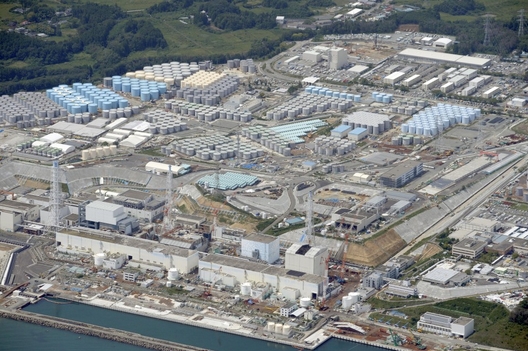
Japan is considering ways to safely dispose of the water contaminated with radioactive materials, including releasing it into the Pacific Ocean and evaporating it. Tanks used to store the water are expected to be filled by summer 2022.
The experts — U.N. special rapporteurs respectively on hazardous wastes, rights to food, rights to assembly and association, and rights of indigenous people — took note of credible indications that the postponement of the games sped up the government’s decision-making process.
With the pandemic also preventing in-depth consultations with relevant stakeholders, the rapporteurs called on the Japanese government to give “proper space and opportunity for consultations on the disposal of nuclear waste that will likely affect people and peoples both inside and outside of Japan.”
“COVID-19 must be not be used as a sleight of hand to distract from decisions that will have profound implications for people and the planet for generations to come,” they said, raising the alarm that a discharge will pose a grave threat to the livelihoods of local fishermen.
Fukushima: Japan must not ignore human rights obligations on nuclear waste disposal – UN experts
GENEVA (9 June 2020) – UN human rights experts* today urged the Japanese Government to delay any decision on the ocean-dumping of nuclear waste water from the reactors at Fukushima Daiichi until after the COVID-19 crisis has passed and proper international consultations can be held.
“We are deeply concerned by reports that the Government of Japan has accelerated its timeline for the release of radioactive waste water into the ocean without time or opportunity for meaningful consultations,” the independent experts said. Credible sources indicate the postponement of the 2020 Olympics enabled the Government’s new decision-making process for release of the waste.
They said the Government’s short extension for the current public consultation was grossly insufficient while COVID-19 measures limited opportunities for input from all affected communities in Japan, as well as those in neighbouring countries, including indigenous peoples.
“COVID-19 must be not be used as a sleight of hand to distract from decisions that will have profound implications for people and the planet for generations to come,” the experts said. “There will be grave impacts on the livelihood of local Japanese fisher folk, but also the human rights of people and peoples outside of Japan.”
They said there was no need for hasty decisions because adequate space was available for additional storage tanks to increase capacity, and the public consultation originally was not expected to be held until after the 2020 Olympics.
“We call on the government of Japan to give proper space and opportunity for consultations on the disposal of nuclear waste that will likely affect people and peoples both inside and outside of Japan. We further call on the Government of Japan to respect the right of indigenous peoples to free prior and informed consent and to respect their right to assemble and associate to form such a consent.”
The experts have communicated their concerns to the Government of Japan. UN experts have previously raised concerns over the increase of exposure levels to radiation deemed “acceptable” for the general public, and for the use of vulnerable workers in efforts to clean up after the nuclear disaster.
ENDS
*The experts: Mr. Baskut Tuncak, Special Rapporteur on the implications for human rights of the environmentally sound management and disposal of hazardous substances and wastes; Mr. Michael Fakhri, Special Rapporteur on the right to food; Mr. Clément Nyaletsossi Voule, Special Rapporteur on the rights to freedom of peaceful assembly and of association; and Mr. José Francisco Calí Tzay, Special Rapporteur on the rights of indigenous peoples.
https://www.ohchr.org/EN/NewsEvents/Pages/DisplayNews.aspx?NewsID=25940&LangID=E
No comments yet.
1 This Month

of the week – Shut Down Drone Warfare!


Tell the Ukrainian Government to Drop Prosecution of Peace Activist Yurii Sheliazhenko

Petition to revoke the licensing of the Near Surface Nuclear Disposal Facility (NSDF) at Chalk River. https://www.ourcommons.ca/petitions/en/Petition/Details?Petition=e-7247
To see nuclear-related stories in greater depth and intensity – go to https://nuclearinformation.wordpress.com
-
Archives
- April 2026 (103)
- March 2026 (251)
- February 2026 (268)
- January 2026 (308)
- December 2025 (358)
- November 2025 (359)
- October 2025 (376)
- September 2025 (257)
- August 2025 (319)
- July 2025 (230)
- June 2025 (348)
- May 2025 (261)
-
Categories
- 1
- 1 NUCLEAR ISSUES
- business and costs
- climate change
- culture and arts
- ENERGY
- environment
- health
- history
- indigenous issues
- Legal
- marketing of nuclear
- media
- opposition to nuclear
- PERSONAL STORIES
- politics
- politics international
- Religion and ethics
- safety
- secrets,lies and civil liberties
- spinbuster
- technology
- Uranium
- wastes
- weapons and war
- Women
- 2 WORLD
- ACTION
- AFRICA
- Atrocities
- AUSTRALIA
- Christina's notes
- Christina's themes
- culture and arts
- Events
- Fuk 2022
- Fuk 2023
- Fukushima 2017
- Fukushima 2018
- fukushima 2019
- Fukushima 2020
- Fukushima 2021
- general
- global warming
- Humour (God we need it)
- Nuclear
- RARE EARTHS
- Reference
- resources – print
- Resources -audiovicual
- Weekly Newsletter
- World
- World Nuclear
- YouTube
-
RSS
Entries RSS
Comments RSS
 nuclear-news
Leave a comment