Gov’t plan to cut back radiation tests on produce draws mixed reactions

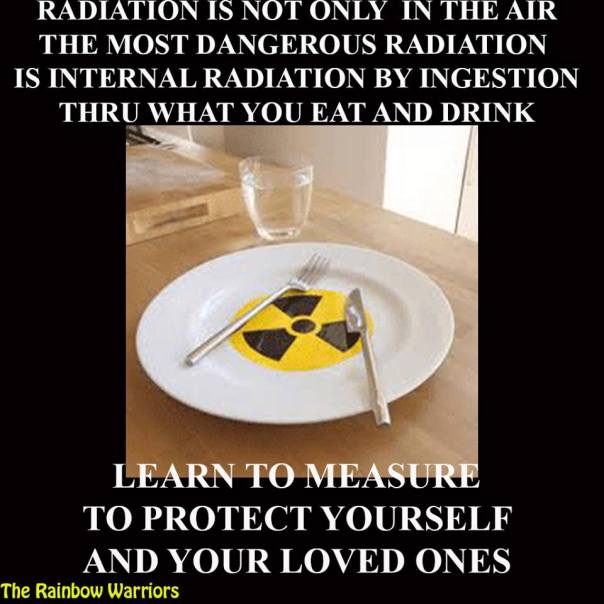
The national government suggested it would scale back radiation tests on produce from Tokyo and 16 other prefectures affected by the Fukushima nuclear disaster, at a citizen-oriented event in Tokyo on Feb. 2, drawing mixed reactions from those in attendance.
A draft policy was put together by government bodies including the Ministry of Agriculture, Forestry and Fisheries and the Consumer Affairs Agency and calls for allowing reduction of the tests from the 2017 fiscal year. The plan was influenced by the fact that there are now almost no cases of agricultural products that exceed the regulatory limit for radioactive cesium of 100 becquerels per kilogram. Under the draft policy, the Tokyo Metropolitan Government or any of the affected prefectural governments whose agricultural products were at half or less of the limit for the past three years could choose to scale back their tests.
Representatives from consumer groups and Fukushima producers were present at the Feb. 2 meeting. There were many voices of opposition against the draft policy, saying it was too early to cut back the tests, or that the requirement for scaling them back should be stricter than half or less of the regulatory limit. On the other hand, another attendee said that over the last five years the tests had cost around 4 billion yen and the money should “be spent toward more meaningful goals.”
According to the testing results from fiscal 2011 through fiscal 2015, during the first two years the percentage of products like vegetables, fruits, tubers and meats from these areas with radioactive cesium in excess of the regulatory limit was between 0.1 percent and 5.9 percent, but since 2013 no excessive radiation has been detected.
The central government plans to hold an event to exchange ideas on the matter on Feb. 17 and get a better understanding of public opinion, before deciding on whether to actually downsize the testing.
http://mainichi.jp/english/articles/20170203/p2a/00m/0na/004000c
No comments yet.
1 This Month
10 March A LIVE WEBINAR THE REAL EFFECTS OF NUCLEAR POWER
What the Industry Isn’t Telling Us
1:00 PM Mountain, 2 pm Central, 3 pm Eastern. Live on the Keepers of the Water Facebook page



18 March Webinar @ 1 PM EST: An Assessment of SMR Projects: The Case of Canada
register for the zoom:
https://us02web.zoom.us/webinar/register/WN_o8BIIOUvQ2ONJR1nta65DQ#/registration


of the week – STOP SMALL MODULAR REACTORS IN CANADA
To see nuclear-related stories in greater depth and intensity – go to https://nuclearinformation.wordpress.com
-
Archives
- March 2026 (109)
- February 2026 (268)
- January 2026 (308)
- December 2025 (358)
- November 2025 (359)
- October 2025 (376)
- September 2025 (258)
- August 2025 (319)
- July 2025 (230)
- June 2025 (348)
- May 2025 (261)
- April 2025 (305)
-
Categories
- 1
- 1 NUCLEAR ISSUES
- business and costs
- climate change
- culture and arts
- ENERGY
- environment
- health
- history
- indigenous issues
- Legal
- marketing of nuclear
- media
- opposition to nuclear
- PERSONAL STORIES
- politics
- politics international
- Religion and ethics
- safety
- secrets,lies and civil liberties
- spinbuster
- technology
- Uranium
- wastes
- weapons and war
- Women
- 2 WORLD
- ACTION
- AFRICA
- Atrocities
- AUSTRALIA
- Christina's notes
- Christina's themes
- culture and arts
- Events
- Fuk 2022
- Fuk 2023
- Fukushima 2017
- Fukushima 2018
- fukushima 2019
- Fukushima 2020
- Fukushima 2021
- general
- global warming
- Humour (God we need it)
- Nuclear
- RARE EARTHS
- Reference
- resources – print
- Resources -audiovicual
- Weekly Newsletter
- World
- World Nuclear
- YouTube
-
RSS
Entries RSS
Comments RSS
 nuclear-news
Leave a comment