Deformed fruits and vegetables discovered near Fukushima – is this for real?
“We have seen some evidence of increased mutation rates in plants and barn swallows in Fukushima, but we have not had the funding to do the sort of rigorous science that is necessary to examine such questions in a convincing manner” says Timothy Mousseau, a biology professor at the University of South Carolina (USC) who is currently studying fauna near Fukushima.
“The vegetable photos are suggestive but, at present, are only anecdotal. Follow-up studies need to be conducted by qualified researchers to verify the validity of these observations.”
2 Comments »
Leave a reply to xnkmfjkbd Cancel reply
1 This Month
26 April – Chernobyl: Inside the Meltdown airs on National Geographic on Sunday 26th April from 4pm

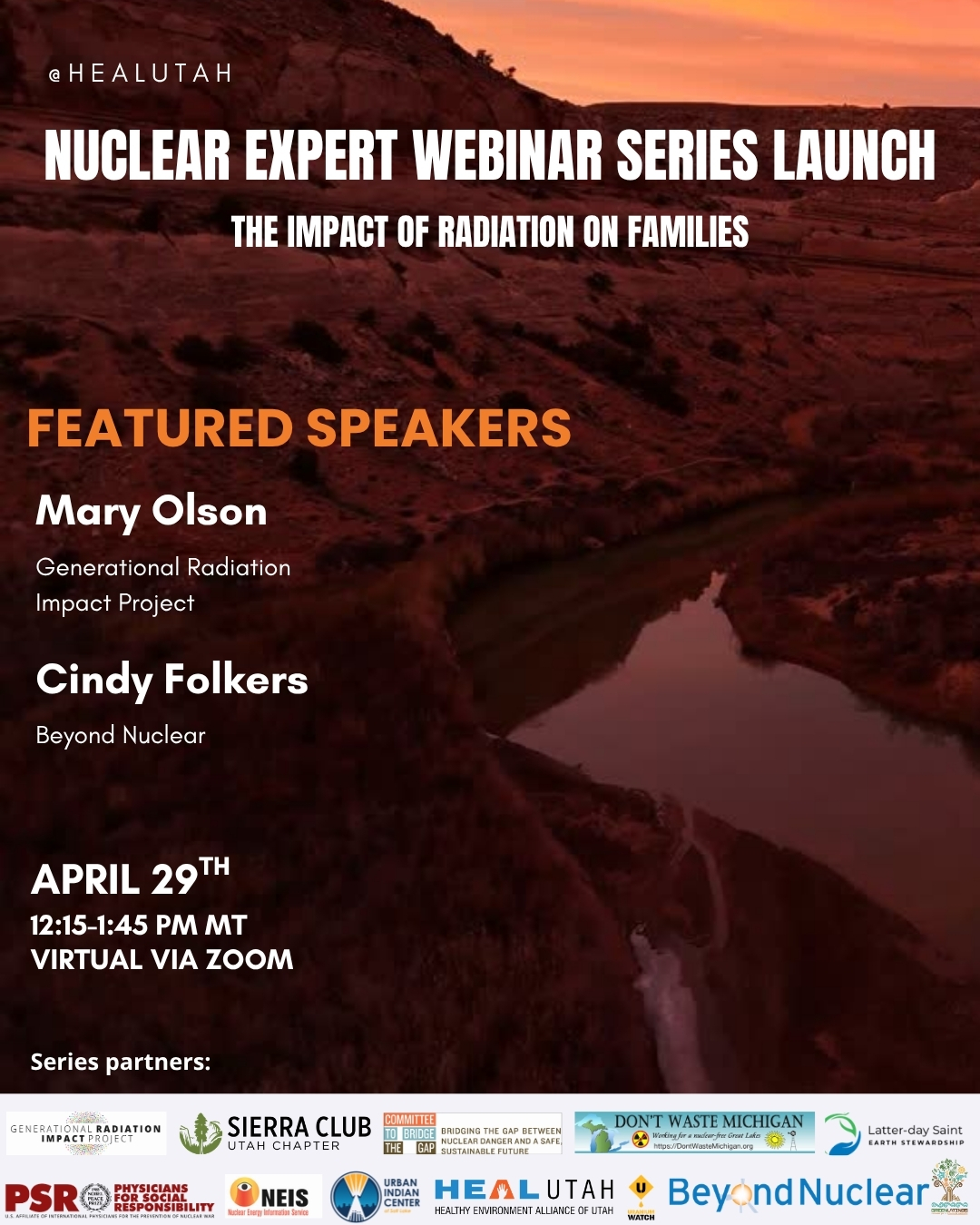
29 April – Nuclear Expert Webinar #1 – Radiation Impacts on Families with Mary Olson and Cindy Folkers
- 12:15 PM MT – 1:45 PM MT
- Location: Virtual – REGISTER TODAY

4 May -West Suburban Peace Coalition to discuss Iran war at May Educational Forum
Monday, May 4, 7:00 – 8:00 PM Central Standard Time
Title: : How Trump’s Narrative Tries to Shape the Reality of the War on Iran.
Contact Walt Zlotow, zlotow@hotmail.com 630 442 3045 for further information
14 May – online event From Bombs to Data Centres: the Face of Nuclear Colonialism

Pine Ridge Uranium is the real threat, not Tehran- Tell Burgum: Stop the Extraction.
Chernobyl: The Lost Tapes – A good documentary on Chernobyl on SBS available On Demand for the next 3 weeks– https://www.sbs.com.au/ondemand/tv-program/chernobyl-the-lost-tapes/2352741955560
To see nuclear-related stories in greater depth and intensity – go to https://nuclearinformation.wordpress.com
-
Archives
- April 2026 (317)
- March 2026 (251)
- February 2026 (268)
- January 2026 (308)
- December 2025 (358)
- November 2025 (359)
- October 2025 (376)
- September 2025 (257)
- August 2025 (319)
- July 2025 (230)
- June 2025 (348)
- May 2025 (261)
-
Categories
- 1
- 1 NUCLEAR ISSUES
- business and costs
- climate change
- culture and arts
- ENERGY
- environment
- health
- history
- indigenous issues
- Legal
- marketing of nuclear
- media
- opposition to nuclear
- PERSONAL STORIES
- politics
- politics international
- Religion and ethics
- safety
- secrets,lies and civil liberties
- spinbuster
- technology
- Uranium
- wastes
- weapons and war
- Women
- 2 WORLD
- ACTION
- AFRICA
- Atrocities
- AUSTRALIA
- Christina's notes
- Christina's themes
- culture and arts
- Events
- Fuk 2022
- Fuk 2023
- Fukushima 2017
- Fukushima 2018
- fukushima 2019
- Fukushima 2020
- Fukushima 2021
- general
- global warming
- Humour (God we need it)
- Nuclear
- RARE EARTHS
- Reference
- resources – print
- Resources -audiovicual
- Weekly Newsletter
- World
- World Nuclear
- YouTube
-
RSS
Entries RSS
Comments RSS
 nuclear-news
Deformed fruits and vegetables discovered near Fukushima – is this for real? « nuclear-news
xnkmfjkbd http://www.gq75c811su3ji6sdkc3o36d5651q3va2s.org/
axnkmfjkbd
[url=http://www.gq75c811su3ji6sdkc3o36d5651q3va2s.org/]uxnkmfjkbd[/url]
this is a more substantiated link on dna damage and you can google TMouseau reports for bird deformities and conclusions
this article says that the fruit story is unsubstantiated but if it is effecting the birds and insects (butterfly study) then its a no brainer to suppose that dna damage would occour to flora and fauna.. there is also some evidence of dna damage to humans also .. you can google the evidence that sorrounds that but i would refer you to the findings of Yablakov in Chernobyl and reports from Chernobyl Children International
peace