Dumpling soup from Fukushima like grandma used to make

“Ganimaki suiton” (front) from Minamisoma, Fukushima Prefecture and “mami suiton” (back) of Naraha.
The Japan Football Village (J-Village) is a soccer training facility located in Naraha, Fukushima Prefecture, where Yoshiteru Nishi, chef for the national soccer team, works.
It is located about 20 kilometers from the Fukushima No. 1 nuclear power plant. After the 2011 accident at the plant, J-Village was used as a base for decommissioning work.
The green grass pitch was covered in gravel and turned into a parking lot. The restaurant was closed.
That summer, Nishi was asked to cook for the decommissioning workers. He had seen the workers eating canned or boil-in-the-bag foods.
“There are people who need my skills,” Nishi thought, and opened a cafeteria at the facility. He served a buffet of fried chicken, grilled fish, simmered dishes and more. He wanted to support those working in a grueling environment with nutritious meals.
Meanwhile, he opened a restaurant in the neighboring town of Hirono, where eating and drinking establishments remained closed due to the nuclear power plant accident.
“I wanted to create a place where the residents returning from evacuation spots can eat warm meals and feel relaxed,” the 54-year-old chef says.
The menu includes “suiton,” a local dumpling soup with chicken and vegetables that was popular at J-Village. Former national team coach Philippe Troussier once commented, “This is grandma’s taste,” and named it “mami suiton” (mommy’s suiton).
Nishi also introduced another version of suiton called “ganimaki,” a local specialty of Minami-Soma.
Ganimaki is a soup of “mokuzu-gani” (Japanese mitten crab) caught in local rivers. They are finely crushed and run through a sieve. When poured into boiling water, the essence floats up in fluffy form. In Minami-Soma, it is a dish served on festive occasions.
When he was small, Nishi would busy himself catching the deep-green-colored crabs in the river. When his mother stir-fried them with eggs, they tasted heavenly.
Due to radiation contamination caused by the Fukushima plant accident, the Japanese mitten crabs of Minami-Soma are not allowed to be consumed.
“I yearn for them all the more,” Nishi says.
For the recipe, he used crabs caught in Iwaki in southern Fukushima Prefecture.
“The food culture of Fukushima has been nurtured by the large number of people who live here,” Nishi says. “I will strive to keep the tradition alive.”
http://www.asahi.com/ajw/articles/AJ201607270008.html
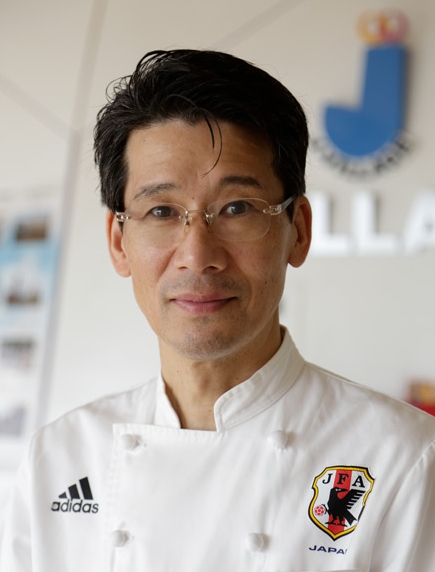
The Japan Football Village (J-Village) is a soccer training facility located in Naraha, Fukushima Prefecture, where Yoshiteru Nishi, chef for the national soccer team, works.
1 This Month


18 March Webinar @ 1 PM EST: An Assessment of SMR Projects: The Case of Canada
register for the zoom:
https://us02web.zoom.us/webinar/register/WN_o8BIIOUvQ2ONJR1nta65DQ#/registration


of the week – STOP SMALL MODULAR REACTORS IN CANADA
To see nuclear-related stories in greater depth and intensity – go to https://nuclearinformation.wordpress.com
-
Archives
- March 2026 (129)
- February 2026 (268)
- January 2026 (308)
- December 2025 (358)
- November 2025 (359)
- October 2025 (376)
- September 2025 (258)
- August 2025 (319)
- July 2025 (230)
- June 2025 (348)
- May 2025 (261)
- April 2025 (305)
-
Categories
- 1
- 1 NUCLEAR ISSUES
- business and costs
- climate change
- culture and arts
- ENERGY
- environment
- health
- history
- indigenous issues
- Legal
- marketing of nuclear
- media
- opposition to nuclear
- PERSONAL STORIES
- politics
- politics international
- Religion and ethics
- safety
- secrets,lies and civil liberties
- spinbuster
- technology
- Uranium
- wastes
- weapons and war
- Women
- 2 WORLD
- ACTION
- AFRICA
- Atrocities
- AUSTRALIA
- Christina's notes
- Christina's themes
- culture and arts
- Events
- Fuk 2022
- Fuk 2023
- Fukushima 2017
- Fukushima 2018
- fukushima 2019
- Fukushima 2020
- Fukushima 2021
- general
- global warming
- Humour (God we need it)
- Nuclear
- RARE EARTHS
- Reference
- resources – print
- Resources -audiovicual
- Weekly Newsletter
- World
- World Nuclear
- YouTube
-
RSS
Entries RSS
Comments RSS
 nuclear-news