Don’t throw good money after bad to the nuclear industry
we have to stop making the problem worse. We shouldn’t be throwing good money after bad and using taxpayer dollars to subsidize the construction of new nuclear plants. Instead, we should be deepening our commitment to an aggressive transition toward cleaner energy resources, like solar and wind, that don’t cause catastrophic meltdowns, don’t cause massive spills on our coastlines, and don’t contribute to global warming. Clean energy can also create more jobs and make our energy supply much more safe and secure.
What’s next for nuclear power: Michael Brune – CNNMoney.com, 24 march 11, “……The situation at Fukushima is still developing, so we don’t yet know how bad it is, but certainly it’s quite frightening. Over the past few years those of us who have been critical of nuclear power have been perhaps a little bit lonelier than we were 20, 25 years ago. But the reality is that the industry hasn’t changed all that much, and the risks that were inherent in nuclear power in the 1970s and 1980s, as we’re seeing, are still very present today……we’ve known for a long time that the consequences of partial or full meltdowns are high, and that it’s almost impossible to design backup systems that eliminate human error or eliminate the impact of natural tragedies.
What do we do with the Diablo Canyon nuclear plant in California, for instance, which is designed to withstand an earthquake of only 7.5? There are a lot of plants like this one in the United States that aren’t fully equipped to deal with a range of catastrophic events.
I’d say that there are a couple of different rational responses to a crisis like this. One, we should look at the country’s most vulnerable, riskiest plants and set them on a rapid timeline for being decommissioned. We probably can’t shut down the entire nuclear fleet in the short term. It’s providing about 20% of our electricity.
Two, we have to stop making the problem worse. We shouldn’t be throwing good money after bad and using taxpayer dollars to subsidize the construction of new nuclear plants. Instead, we should be deepening our commitment to an aggressive transition toward cleaner energy resources, like solar and wind, that don’t cause catastrophic meltdowns, don’t cause massive spills on our coastlines, and don’t contribute to global warming. Clean energy can also create more jobs and make our energy supply much more safe and secure.
What’s next for nuclear power: Michael Brune – FORTUNE Features – Fortune on CNNMoney.com
Vermont and New York lead the movement to shut down nuclear reactors
Shut down dangerous old nuclear reactors, Greenpeace USA, by Jarred Cobb – March 24, 2011 “….The federal government has failed for years to provide appropriate oversight of nuclear reactors, but fortunately, two states are leading the fight to close down their dangerous old nuclear reactors. In New York, Governor Andrew Cuomo has been a longtime critic of Indian Point, and has called for a safety review of the reactors. In Vermont, where the state legislature voted overwhelmingly last year to close Vermont Yankee as scheduled in 2012, over 600 people gathered outside the reactor on Sunday to show solidarity with the people of Japan and call for the plant to be shut down.This Monday, March 28, people across the country will be showing their support for the people of Japan and calling for a world free of nuclear disasters. To find a Stand with Japan vigil near you, go to: www.greenpeace.org/usa/vigilsforjapan.
Radiation exposure send Fukushima workers to hospital
Reactor workers exposed to radioactive water , – ABC News (Australian Broadcasting Corporation), 25 March 11, Water that three workers were exposed to at Japan’s crisis-hit Fukushima Daiichi nuclear plant contained radioactive materials 10,000 times the normal level, the plant’s operator said. Continue reading
World’s nuclear arsenals even more risky than nuclear power plants
 Current events at Fukushima remind us of the negligence of nuclear power companies in building nuclear power plants on earthquake fault lines or vulnerable coastlines. But they should also remind us of the even greater negligence of the nuclear weapon states in maintaining their arsenals of 20,000 nuclear weapons — most with yields over 100 times greater than the Hiroshima and Nagasaki bombs, and many on hair trigger alert, ready to launch within minutes.
Nuclear Energy and Weapons: Uncontrollable in Time and Space, Alyn Ware, 23 March 11, “……natural disasters and accidents will happen. If it can go wrong sooner or later it will go wrong, and Murphy’s law and nuclear energy do not mix. …..
Japan’s nuclear crisis has brought back to public consciousness the basic truth that the effects of nuclear disasters — whether from nuclear energy or nuclear weapons — are uncontrollable in time and space. Continue reading
some headlines in a hurry
we are short of time today – here are a few bits and pieces
Over 21,000 dead, missing amid nuke crisis
Workers are close to restoring power to a nuclear plant’s overheating reactors as Japan’s earthquake toll of dead or missing passes 21,000.
http://news.theage.com.au/breaking-news-world/over-21000-dead-missing-amid-nuke-crisis-20110321-1c2it.html
Fears for British nuclear plans after Japan crisis
The crisis at the Fukushima plant in Japan could delay plans for a new generation of British nuclear power stations, dealing a blow to the atomic energy industry’s hopes for a £30-billion boost.
http://news.theage.com.au/breaking-news-world/fears-for-british-nuclear-plans-after-japan-crisis-20110321-1c2io.html
Headway as Fukushima pumps restart
Engineers restore power to cooling pumps in two reactors at the Fukushima No. 1 nuclear power plant.
http://www.theage.com.au/world/headway-as-fukushima-pumps-restart-20110320-1c2b4.html
Crisis of faith for nuclear brahmins
Across the countries of Asia, the leaders of their nuclear industries have moved with the remote authority and mystique of brahmin or Shinto priests, intoning ancient and arcane scriptures, conducting rites and interpreting the heavens.
http://www.theage.com.au/opinion/politics/crisis-of-faith-for-nuclear-brahmins-20110318-1c0fz.html
Warwick McFadyen: Past becomes present as Fukushima fallout stirs deep memories
Devastation and radiation resurrect postwar Japan, both there and beyond.
http://www.theage.com.au/opinion/politics/past-becomes-present-as-fukushima-fallout-stirs-deep-memories-20110320-1c24q.html
Reactors will never reopen, says official
THE damaged Fukushima Daiichi nuclear plant must be scrapped, the country’s top government spokesman has said. He also revealed ”abnormal levels” of radiation had again been detected in milk and spinach taken from areas near the plant.
http://www.smh.com.au/environment/reactors-will-never-reopen-says-official-20110320-1c297.html
Damaged nuke plant must be scrapped: Japan
Japan’s top government spokesman says the country’s tsunami-ravaged nuclear plant must eventually be scrapped.
http://wwwsmh.com.au/environment/energy-smart/damaged-nuke-plant-must-be-scrapped-japan-20110320-1c2eo.html
‘Samurai’ praised as reactor slowly cools
The men and women working to prevent a nuclear catastrophe at Japan’s Fukushima Daiichi power plant last night appeared to be winning the battle
http://www.theaustralian.com.au/samurai-praised-as-fukushima-reactor-slowly-cools/story-fn84naht-1226025040858
Planned nuclear plants raise fears here
The nuclear crisis in Japan will raise fears about the risk to Australia from nuclear power plants being considered by Australia’s Asian neighbours
http://wwwtheaustralian.com.au/planned-nuclear-plants-in-asia-raise-fears-here/story-fn84naht-1226025038567
Daiichi in annals of nuclear ignominy
BEFORE the earthquake, nuclear power was one of the economic mainstays of this pretty Japanese prefecture, along with seafood and agriculture.
http://www.theaustralian.com.au/how-inadequate-equipment-turned-a-desperate-situation-into-a-tragedy/story-fn84naht-1226025040536
Chernobyl solution not an impossibility
JAPAN appears to be considering a “Chernobyl solution” to end its nuclear crisis.
http://www.theaustralian.com.au/if-cooling-fails-japan-may-bury-reactor/story-fn84naht-1226025038550
Saving a reactor with car batteries
THE staff risking their lives to try to save the stricken nuclear plant have become heroes, but anger is spreading.
http://www.theaustralian.com.au/saving-a-reactor-with-car-batteries/story-fn84naht-1226025003364
Fukushima nuclear plant shut for good
THE quake and tsunami-hit Fukushima nuclear plant will never operate again as a power station, the Japanese government says.
http://www.heraldsun.com.au/news/breaking-news/fukushima-nuclear-plant-shut-for-good/story-e6frf7k6-1226025025196
Nuclear fuel pond contains entire fuel core of Fukushima Daiichi’s No 4 reactor
Nuclear update: Entire reactor core stored in fuel pond, New Scientist, 18 March 2011“…..Reliable, validated information is still lacking on water levels and temperatures at the spent fuel ponds, but the IAEA announced on Friday that prior to the earthquake,
The entire fuel core of reactor Unit 4 of the Fukushima Daiichi nuclear power plant had been unloaded from the reactor and placed in the spent fuel pond located in the reactor’s building. Continue reading
IAEA chief says battle to stabilise Fukushima nuclear planr “a race against time”
Japan nuclear crisis a ‘race against time’ March 19, 2011 – International Atomic Energy Agency chief Yukiya Amano says Japan’s battle to stabilise a crippled nuclear power plant is “a race against time”.Speaking in Tokyo, 250km from the stricken Fukushima Number One plant, Amano also said the IAEA has brought its own monitoring equipment to test for radiation levels in the Japanese capital…….Japan nuclear crisis a ‘race against time’
Japanese residents flee Tokyo in fear of radiation
Japan nuclear plant: no quick getaway for thousands trying to flee the radiation zone, Telegraph, 18 march 11, “…….. the main road out of Tokyo quickly became clogged with traffic …….We’re fleeing the radiations,” said Katsuya Terakado, a 37-year-old carpenter who, with his girlfriend, Rie Yanai, were entering their seventh hour of queuing for petrol,
Radiation detectors set off by passengers from Tokyo
Tokyo passengers set off radiation detectors at O’Hare, WLS 17 march 11, CHICAGO – Passengers arriving this week on a flight from earthquake-and tsunami-ravaged Tokyo set off radiation detectors at O’Hare Airport, city officials acknowledged Thursday.“We are aware that occurred [Wednesday]. We are working with Customs and Border Protection on this issue,” Aviation Commissioner Rosemarie Andolino said, referring all questions to the U.S. Department of Homeland Security.
Andolino refused to say how the incident was handled or what happened to the Tokyo passengers in question.“The protection of the person coming off the plane is very important in regards to any radiation — especially within their families and anything else,” Mayor Daley said.WLS 890AM
UK nuclear power programme under review
Japan crisis: UK nuclear review to report in two months, BBC News. 7 March 2011 SA review of the safety of UK nuclear plants will publish its initial findings in May, officials say. Continue reading
The huge risks of the nuclear industry make secrecy essential
the nuclear industry is high risk at very large scales; when something goes wrong it affects millions of people. The industry has to mask the huge risk and to do so needs to control information……he development of the nuclear sector is not only a risk to the health of the people, it also inherently brings a greater risk for democracy.
Masking the high risk of nuclear energy, Mail & Guardian Online, ESTIENNE RODARY AND DAVID FIG: ENERGY Mar 18 2011 n the aftermath of the earthquake and the tsunami, Japan is facing the most important nuclear accident worldwide since 1986 when a nuclear reactor exploded at Chernobyl. Continue reading
The world waits for outcome at Fukushima, ? shift from nuclear power
What’s the Cost of Shifting Away from Nuclear Power? TIME, by Bryan Walsh Wednesday, March 16, 2011 The news from the Fukushima Daiichi nuclear plant in Japan just keeps getting worse. Energy Secretary Steven Chu said that at least a “partial meltdown” seemed to be happening, and today the U.S. government advised its citizens to stay at least 50 miles away from the Fukushima plant. Continue reading
Nuclear reactors are simply too dangerous
In 1965 Dr Edward Teller stated, “In principle, nuclear reactors are dangerous… In my mind, nuclear reactors do not belong on the surface of the earth.
Nuclear Power Reactors Do Not Belong on the Surface of the Earth, THE HUFFINGTON POST, Sheldon Filger, 17 March 11, “………..In 1956, the Director of the Oak Ridge National Laboratory, Alvin Weinberg, said that, “there is an understandable drive on the part of men of good will to build up the positive aspects of nuclear energy simply because the negative aspects are so distressing.” Continue reading
Dr Helen Caldicott warns on the seriousness of the Japanese nuclear crisis
Caldicott: Japan may spell end of nuclear industry worldwide | Independent Australia, 16 March 11, People all over the world are watching updates on the Japanese nuclear emergency in growing horror and disbelief. Despite soothing words from nuclear energy industry promoters, each update today has signalled fresh disaster and even more drastic warnings. Anti-nuclear campaigner Dr Helen Caldicott says it could spell the end of the nuclear industry worldwide. David Donovan reports……The UK Telegraph has raised the spectre of a potential “nuclear nightmare” and is calling this the second worst nuclear disaster in history.
“The Fukushima crisis now rates as a more serious accident than the partial meltdown at Three Mile Island in the US in 1979, and is second only to the 1986 Chernobyl disaster, according to the French nuclear safety authority. After insisting for three days that the situation was under control, Japan urgently appealed to US and UN nuclear experts for technical help on preventing white-hot fuel rods melting.”
Dr. Michiko Kaku, a theoretical physicist at the City University of New York, yesterday offered a dire worst case scenario.
“The worst-case scenario is a steam/hydrogen gas explosion which blows the reactor vessels apart, sending uranium dioxide fuel rods and radioactive debris into the air. This might happen if the core is fully exposed for a few hours, which is a distinct possibility. This is what happened at Chernobyl, when such an explosion blew about 25 per cent of the core’s radioactive by-products into the air.”…..
Caldicott: Japan may spell end of nuclear industry worldwide | Independent Australia
Refuting misinformation on renewable energy in Tennessee
Solar energy was “very, very expensive” 10 or 12 years ago, but the price of solar has been dropping for a decade and almost every credible analyst predicts it will continue declining over the next decade, becoming cost-competitive along the way.

TVA’s talking points on renewables reveal a lack of sophistication By Sam Gomberg . Special to the Oak Ridger Mar 07, 2011 KNOXVILLE, Tenn. — Ever notice that when TVA talks about nuclear, they just can’t help include some off-hand remark dismissing the Valley’s renewable energy resources? Continue reading
1 This Month
26 April – Chernobyl: Inside the Meltdown airs on National Geographic on Sunday 26th April from 4pm
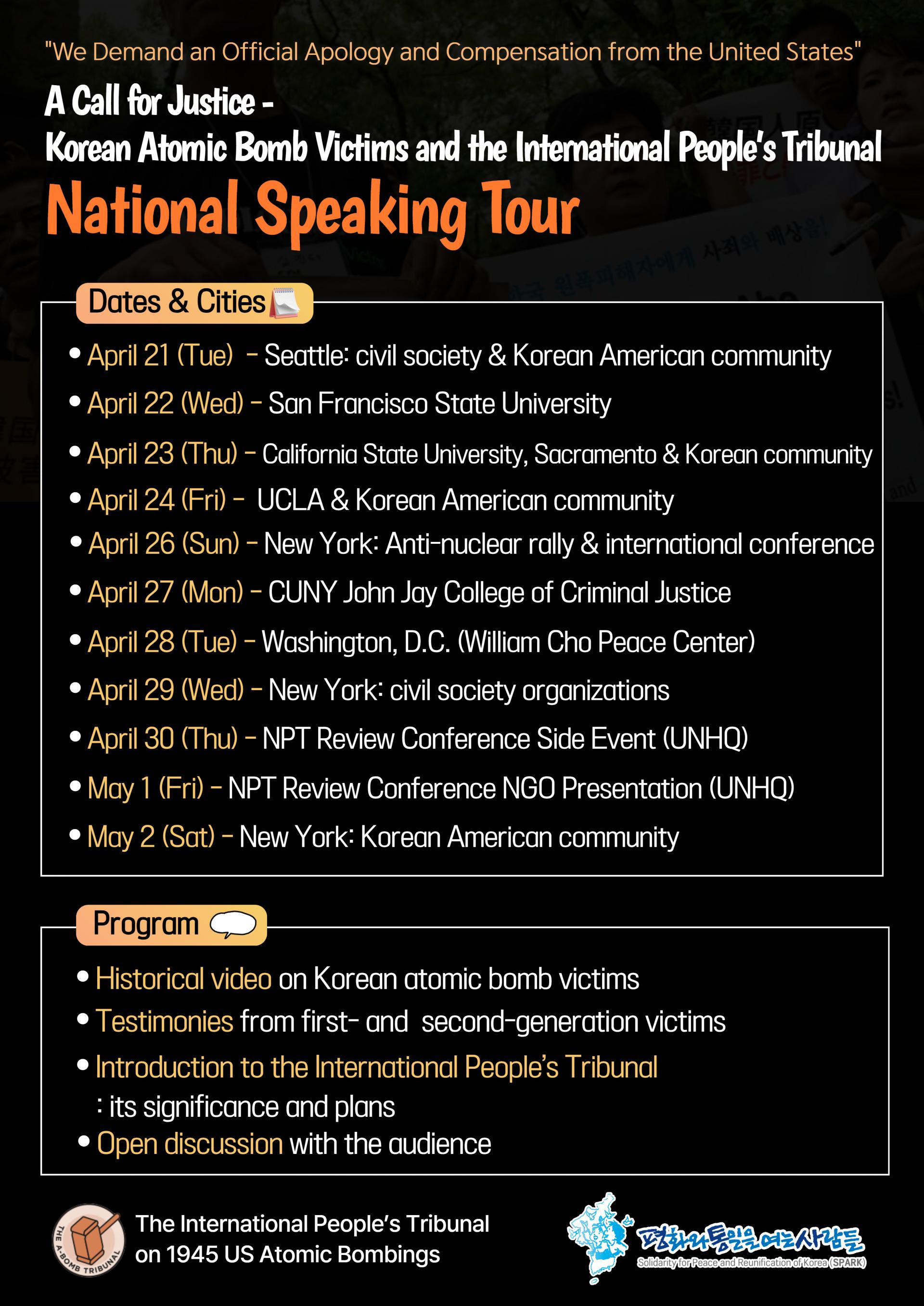

4 May -West Suburban Peace Coalition to discuss Iran war at May Educational Forum
Monday, May 4, 7:00 – 8:00 PM Central Standard Time
Title: : How Trump’s Narrative Tries to Shape the Reality of the War on Iran.
Contact Walt Zlotow, zlotow@hotmail.com 630 442 3045 for further information
14 May – online event From Bombs to Data Centres: the Face of Nuclear Colonialism
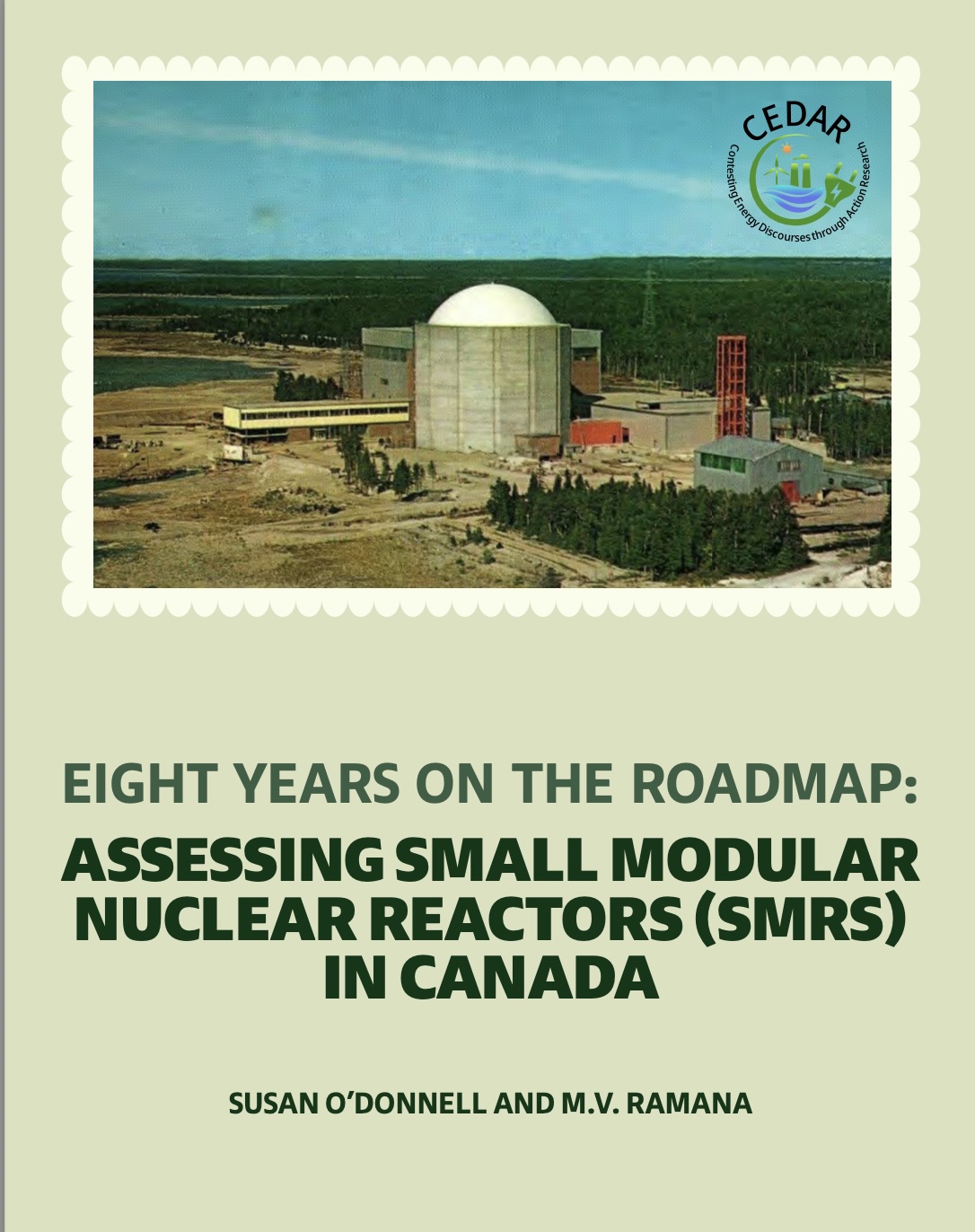

Pine Ridge Uranium is the real threat, not Tehran- Tell Burgum: Stop the Extraction.
Chernobyl: The Lost Tapes – A good documentary on Chernobyl on SBS available On Demand for the next 3 weeks– https://www.sbs.com.au/ondemand/tv-program/chernobyl-the-lost-tapes/2352741955560
To see nuclear-related stories in greater depth and intensity – go to https://nuclearinformation.wordpress.com
-
Archives
- April 2026 (288)
- March 2026 (251)
- February 2026 (268)
- January 2026 (308)
- December 2025 (358)
- November 2025 (359)
- October 2025 (376)
- September 2025 (257)
- August 2025 (319)
- July 2025 (230)
- June 2025 (348)
- May 2025 (261)
-
Categories
- 1
- 1 NUCLEAR ISSUES
- business and costs
- climate change
- culture and arts
- ENERGY
- environment
- health
- history
- indigenous issues
- Legal
- marketing of nuclear
- media
- opposition to nuclear
- PERSONAL STORIES
- politics
- politics international
- Religion and ethics
- safety
- secrets,lies and civil liberties
- spinbuster
- technology
- Uranium
- wastes
- weapons and war
- Women
- 2 WORLD
- ACTION
- AFRICA
- Atrocities
- AUSTRALIA
- Christina's notes
- Christina's themes
- culture and arts
- Events
- Fuk 2022
- Fuk 2023
- Fukushima 2017
- Fukushima 2018
- fukushima 2019
- Fukushima 2020
- Fukushima 2021
- general
- global warming
- Humour (God we need it)
- Nuclear
- RARE EARTHS
- Reference
- resources – print
- Resources -audiovicual
- Weekly Newsletter
- World
- World Nuclear
- YouTube
-
RSS
Entries RSS
Comments RSS
 nuclear-news