Canadian government in the grip of the nuclear lobby’s NICE dishonest spin about small nuclear reactors.
”…………….To date, not a single SMR has been built in Canada, but no matter, the technology is the current darling of nuclear power circles, and not just at home, either; other countries, from China to the United States, are pursuing the development of SMRs. Currently, 12 proposals for SMR development are winding their way through the Canadian Nuclear Safety Commission’s (CNSC) pre-licensing vendor review process, which enables CNSC staff to provide feedback on proposed designs at a company’s request. But not a single project has yet been approved.
For the time being, any vision of SMRs is largely aspirational. A Conference Board of Canada report in March on SMRs outlined that from concept to commercialization, the technology will require about a billion dollars of development expenditure. The same report noted that as an emerging technology, costs are still uncertain, and the “risky pre-commercial phase needs capital investment, but governments will be reluctant without major private capital commitment.”
It’s early days for financing the technology. For instance, one infusion of federal funds, the $50 million granted to New Brunswick’s Moltex Energy in mid-April, only supports research and development, employee recruitment and the expansion of academic, research and supply chain partnerships, not the physical construction of that firm’s SMR.
Beyond financial considerations, the Liberal government will have a tough time convincing environmentalists to embrace the merits of SMRs, or any nuclear power, as a clean energy source. More than 100 groups have signed a letter issued by the Canadian Environmental Law Association condemning the government’s push to pursue nuclear power and SMRs. Among their concerns are that SMRs are more expensive to develop than renewable energy and that the reactors are “dirty and dangerous,” creating new forms of radioactive waste that are especially dangerous to manage.
For now, however, nothing is slowing the momentum. In mid-April, the Canadian Nuclear Association triumphantly announced Alberta was joining Ontario, New Brunswick and Saskatchewan in the development of SMRs.
Those aren’t the only recent developments in the burgeoning SMR industry. Ontario Power Generation is teaming up with SMR developer Ultra Safe Nuclear Corporation to develop a micro modular reactor at Chalk River. Ontario Power Generation is also carrying out engineering and design work on SMRs with GE Hitachi, Terrestrial Energy, and X-energy…….
Europe is now shifting away from nuclear power. In 2019, solar installed capacity exceeded nuclear for the first time in the EU, with 130 gigawatts versus 116 gigawatts, according to the World Nuclear Industry Status annual report, which provides independent assessments of global nuclear developments. And a technical expert group convened in the EU chose not to recommend nuclear energy when asked to advise on screening criteria that would substantially contribute to climate change mitigation or adaptation while “avoiding significant harm” to other environmental objectives.,…..
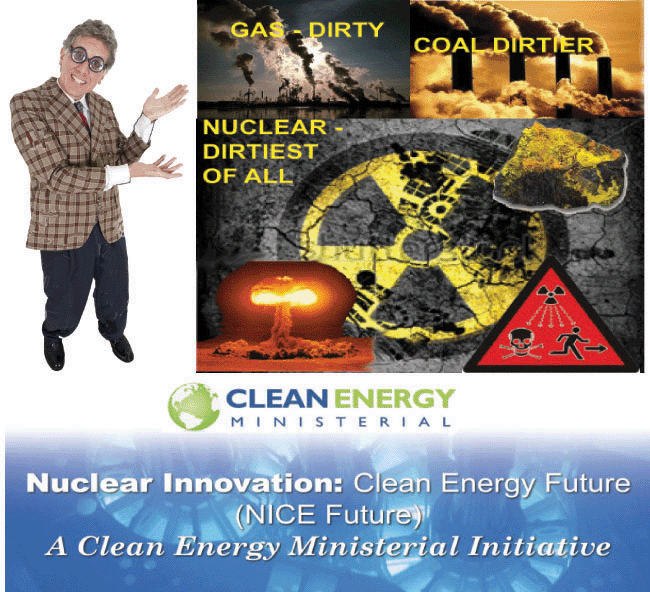
the federal government has been lobbying hard on behalf of the industry since at least 2019. The Department of Natural Resources, for instance, is a member of the international initiative Nuclear Innovation: Clean Energy Future, or as it’s better known, NICE, Besides Canada, members include Japan, the United States, and a number of nuclear associations. The goal “is to ensure that nuclear energy receives appropriate representation in high-level discussions about clean energy.”
Freelance researcher Ken Rubin turned up a number of documents using freedom-of-information requests that showed the federal government is collaborating with NICE and others to promote nuclear power and SMRs. The federal government, for example, offered $150,000 for the development of a “Top 20 book of short stories” on “exciting near-term nuclear innovations” designed to showcase nuclear power as an environmental force for good. The book includes stories on the safe storage of nuclear waste as well as on the emerging SMR market.
According to the book, uses for the latter technology include “energy parks” providing heat for industrial processes, steam for heating and electricity for cooling homes, offices and shops, all without emissions. The story breathlessly declares: “This isn’t science fiction.”
No matter how hard the government lobbies the public for a NICE future, though, it’s going to remain a tough sell to Canadian environmentalists. While the environmentalists have nothing specific to fight yet, given that a viable SMR has yet to be built, they’ll be ready when the technology reaches development. Already, a who’s who of groups has signed a letter protesting the next thing in nuclear.
Theresa McClenaghan, CELA’s executive director and counsel, told Canada’s National Observer: “It’s not a climate answer for many reasons, including the fact it’s not realistic and it’s way too far down the road for us to meet any serious climate targets. We’ve characterized it as a dirty, dangerous distraction.”
Susan O’Donnell, a researcher and adjunct professor in the Department of Sociology at the University of New Brunswick and a nuclear activist, says SMRs are too slow and costly as a climate crisis solution. “It’s important to remember that these technologies basically don’t exist yet,” she said. “They’re at a very early stage in development. They are speculative technologies. It will take at least a decade to get them off the drawing board and then it will take much longer than that to find out if they work.” – from the Bulletin of the Atomic Scientists , 20 May 21
Thyroid cancer in Fukushima children increased 20-fold — Beyond Nuclear International

In addition to thyroid cancer, other types of malignancies and other diseases triggered or adversely affected by ionized radiation are expected to increase. The FMU thyroid studies represent the only scientific study that can provide any relevant information at all about the health consequences of the Fukushima nuclear disaster. And they are currently in danger of being undermined by the proponents of nuclear energy such as IAEA, which has entered a cooperation with FMU and by the Japanese government, which is trying to dispel any concerns about the meltdowns and nuclear energy as a whole.
Increases are real and can’t be attributed to “screening effect”
Thyroid cancer in Fukushima children increased 20-fold — Beyond Nuclear International
Latest results of the Fukushima thyroid screenings confirm worrying trend https://wordpress.com/read/feeds/72759838/posts/3354864780 By Dr. Alex Rosen, 23 May 21,
In 2011, people in Japan were exposed to radioactive fallout. Some still live in contaminated regions where they are exposed to elevated levels of radiation on a daily basis: radioactive hot-spots on the side of the road, in rice paddies or in sandboxes, contaminated mushrooms or algae, contaminated groundwater, and recontamination from forest fires or flooding.
One of the most dreaded effects of radioactive exposure is the development of cancer through mutation of the DNA. Thyroid cancer in children is certainly not the most dangerous form of radiation-induced cancer, but it is probably the easiest to detect. For one thing, the latency periods before a cancer develops are relatively short, while at the same time, thyroid cancer in children is an extremely rare disease, so that even a slight absolute increase can be statistically detected.
Accordingly, in 2011, there was great pressure on Japanese authorities to investigate the development of thyroid cancer in children and adolescents in Fukushima by conducting long-term screening examinations.
For almost 10 years now, Fukushima Medical University has been regularly examining the thyroid glands of people who lived in Fukushima Prefecture at the time of the meltdowns and were under 18 years of age. Initially, this group consisted of about 368,000 individuals. Of these, 300,000 (about 82%) were successfully screened in the first few years. After the initial screening (2011-2014), follow-up examinations of these children took place every two years. The second examination has already been completed, the third examination is in its final stage, the fourth series of examinations has been running since 2018, and the fifth since 2020.
In the initial investigation in Fukushima, 116 abnormal biopsies were found. Amongst these, 101 cases of cancers were found that were so aggressive that they required surgery. The patients with abnormal biopsies were 6 to 18 years old (average of 14.9 years) at the time of the nuclear disaster. This unexpectedly high number was explained by Fukushima Medical University as a screening effect, the phenomenon of identifying more cases of disease in large-scale screening than would be expected. While the exact magnitude of this screening effect in the first round is unknown, it can be ruled out that the increased cancer rates in subsequent screenings are consequences of a screening effect, because all of these children had already been examined and found to be cancer-free in previous screenings. They must therefore have developed the cancer between the screening examinations.
In the 2nd screening round, 54 cancer cases were found in 71 abnormal biopsies (age at the time of the nuclear disaster 5-18, average of 12.6 years), in the 3rd screening round, another 27 cases were found in 31 abnormal biopsies (age at the time of the nuclear disaster 5-16, average of 9.6 years), and in the current 4th round, 16 new diagnoses have been made in 27 abnormal biopsies (age at the time of the nuclear disaster 0-12, average of 8.0 years). A total of 46 children with suspicious fine-needle biopsies are still under observation and have not yet undergone surgery. The steadily decreasing average age in the screenings is striking: with time, more and more cancer cases are becoming apparent in patients who were still very young at the time of the nuclear disaster, even under 5 years of age.
Incidentally, adolescents in the study cohort who turn 25 are excluded from the main study and transferred to a newly created cohort, the “Age 25 Milestone” group. In this group, 4 additional cases of thyroid cancer have been registered, with 7 conspicuous biopsies so far. The number of unreported cases is likely to be much higher: the participation rate in this study is just 8%. The creation of a new study cohort is generally seen as a measure by FMU to further reduce the number of diagnosed cancer cases.
In addition, there are 11 thyroid cancer cases diagnosed in children from the study cohort, but not during the official screenings. These patients were seen and diagnosed at Fukushima University Hospital. These 11 cases are not reported in the official results, although they show identical tumor entities and occurred in patients who are in the actual study cohort. The 11 cases came to light in June 2017. How many more cases have been diagnosed but not reported since then is unknown. In addition, data from other hospitals in Japan are not available, and patients from contaminated areas outside Fukushima Prefecture are not examined at all, so the unreported number of thyroid cancer cases among patients who were children in the contaminated areas at the time of the meltdowns is likely to be much higher. Nevertheless, the total number of thyroid cancer cases in Fukushima currently stands at 213 (198 official cases from the serial examinations, 4 cases from the Age 25 Milestone cohort and 11 cases from the Fukushima University Hospital).
It is interesting to compare these figures with the overall Japanese incidence rate. The official incidence rate of thyroid cancer in children under 25 in Japan is about 0.59 per 100,000 per year, which means that in the cohort of about 218,000 children, about 1.3 new thyroid cancer cases per year would be expected. Today, 10 years after the beginning of the nuclear disaster, just under 13 thyroid cancer cases would thus have been expected in the study population.
However, the actual number of thyroid cancer cases in Fukushima of 213 is higher by a factor of 16. If we consider only the 112 cases diagnosed after the initial screening and thus not suspected to be caused by a screening effect of any kind, the number of confirmed cases is 20 times higher than the number of expected thyroid cancer cases (5.5 new cases after the end of the initial 1st screening in 2014)
In the following graph, [on original] the officially confirmed thyroid cancer cases (in blue) are compared to the cases expected mathematically in the screening cohort (in orange). It can be seen that the number of cases increased steadily over the course of the initial screening, and continue to increase beyond that, in the years 2014-2020 – an effect that cannot be explained by any kind of screening effect. [Graph on original explains this]
In addition, the geographic distribution of thyroid cancer rates corresponds to the level of radioactive contamination. A significantly higher incidence of thyroid cancer in children was recorded in the 13 most severely contaminated municipalities in eastern Fukushima than in the less contaminated areas in the north, south and central parts of the prefecture. The incidence was lowest in the western part of the prefecture, where the radioactive fallout was also least pronounced.
In the following graph, [on original] the officially confirmed thyroid cancer cases (in blue) are compared to the cases expected mathematically in the screening cohort (in orange). It can be seen that the number of cases increased steadily over the course of the initial screening, and continue to increase beyond that, in the years 2014-2020 – an effect that cannot be explained by any kind of screening effect.
There seems to be a system behind this trend: Fukushima Medical University, which is in charge of the study, has been sending staff to schools in the prefecture for years to educate children about their “right not to participate” and the “right not to know”. On the study forms, there is now a prominent “opt-out” option for people who wish to be removed from the screening. FMU seems to encourage people to opt out of the study. The drop in participation can also be explained by the removal of people over 25 years from the main study. Are FMU staff concerned that the disturbing trend of increasing numbers of thyroid cancer cases will continue? Are they uncomfortable with data that contradicts the thesis, propagated since the beginning of the nuclear disaster, that the multiple meltdowns would not lead to additional cancers?
In addition to thyroid cancer, other types of malignancies and other diseases triggered or adversely affected by ionized radiation are expected to increase. The FMU thyroid studies represent the only scientific study that can provide any relevant information at all about the health consequences of the Fukushima nuclear disaster. And they are currently in danger of being undermined by the proponents of nuclear energy such as IAEA, which has entered a cooperation with FMU and by the Japanese government, which is trying to dispel any concerns about the meltdowns and nuclear energy as a whole.
The people of Japan have an inalienable right to health and to life in a healthy environment. The examination of children’s thyroid glands benefits not only the patients themselves, whose cancers can be detected and treated at an early stage, but also the entire population, which is affected by irradiation from radioactive fallout.
The correct continuation and scientific monitoring of thyroid examinations are therefore in the public interest and must not be thwarted by political or economic motives. It is important to continue to critically accompany these developments from the outside.
Dr. Alex Rosen is a pediatrician and Co-Chair of the German affiliate of IPPNW
Note: this article was first published in IPPNW Germany’s member magazine ippnw forum in 03/21
Headline photo showing thyroid cancer by National Human Genome Research Institute (NHGRI) from Bethesda, MD, USA/Wikimedia Commons
Russia’s Arctic Council leadership now facing up to the problem of nuclear reactors dumped in the ocean
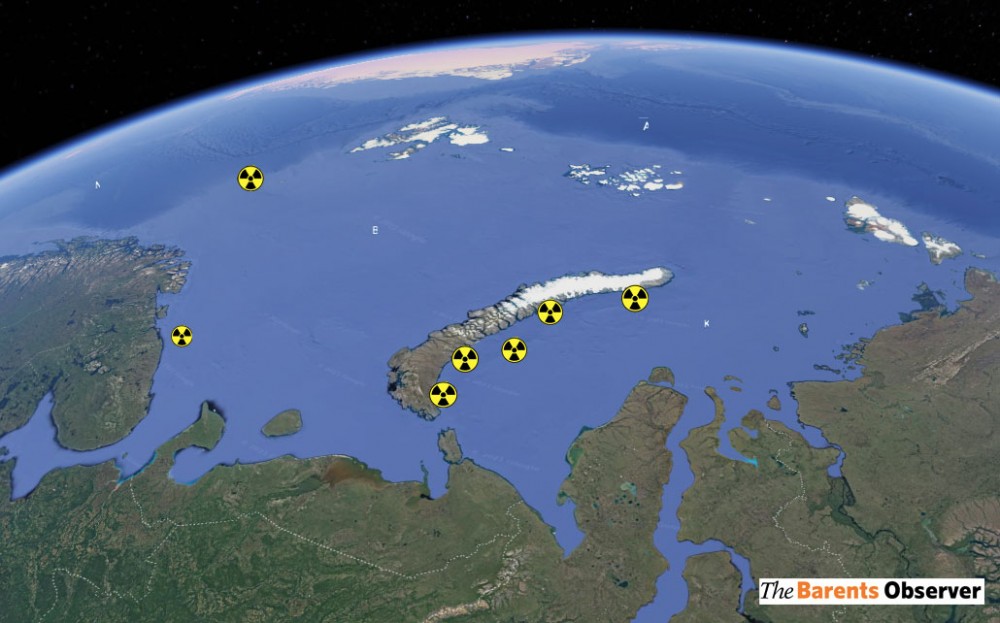
Reactors are dumped at several locations in the Kara Sea in addition to the two submarines K-159 and K-278 that sank in the Barents- and Norwegian Seas. Map: Barents Observer / Google Earth
Tackling dumped nuclear waste gets priority in Russia’s Arctic Council leadership https://thebarentsobserver.com/en/nuclear-safety/2021/05/lifting-nuclear-waste-kara-sea-gets-priority-russias-arctic-council
The reactors from the submarines K-11, K-19, and K-140, plus the entire submarine K-27 and spent uranium fuel from one of the old reactors of the Lenin-icebreaker have to be lifted from the seafloor and secured. Thomas Nilsen
Russia’s Foreign Ministry invites international experts from the other Arctic nations to a June 2022 conference on how to recover the sunken radioactive and hazardous objects dumped by the Soviet Union on the seafloor east of Novaya Zemlya.
No other places in the world’s oceans have more radioactive and nuclear waste than the Kara Sea.
While mentality in Soviet times was «out of sight, out of mind», the Kara Sea seemed logical. Ice-covered most of the year, and no commercial activities. That is changing now with rapidly retreating sea ice, drilling for oil-, and gas and increased shipping.
The submarine reactors dumped in shallow bays east of the closed-off military archipelago of Novaya Zemlya were all brought north for a good reason, they had experienced accidents and posed a radiation threat at the navy yards where people were working.
Dumping the reactors in shallow waters, someplace at only 50 meters, meant they could be lifted one day when technology allowed.
There is momentum now. For environmental and foreign policy reasons, Russia needs to take action now,” says nuclear safety expert Andrey Zolotkov. He works with Bellona Murmansk, an advocacy group promoting international cooperation to secure hazardous radioactive objects in Russia’s Arctic region. Zolotkov is pleased to see Moscow highlighting steps to secure the sunken reactors in the Kara Sea.
“Ecology is one of the few topics where Russia and foreign partners can conduct constructive dialogue nowadays,” he says.
However, Zolotkov underlines, “the issue of urgency can only be discussed after at least one expedition to the flooded objects.”
A worst-case scenario would be a failed lifting attempt, causing criticality in the uranium fuel, again triggering an explosion with following radiation contamination of Arctic waters.
Technical survey needed
With Russia now holding the chair of the Arctic Council, Zolotkov hopes such expedition can take place within the next two-year period.
A Russian-Norwegian expedition to the K-27 submarine in Stepovogo bay in 2012 took samples for studying possible radioactive leakages. Now, the Bellona expert, calls for an expedition to thoroughly study the strength of the hull and look for technical options on how to lift the heavy submarine and reactor compartments.
“Decades on the seafloor do not pass without impacts,” Andrey Zolotkov explains.
A previous study report made for Rosatom and the European Commission roughly estimated the costs of lifting all six objects, bringing them safely to a yard for decommissioning, and securing the reactors for long-term storage.
The estimated price-tag for all six is €278 million, of which the K-159 in the Barents Sea is the most expensive with a cost of €57,5 million. Unlike the submarines and reactors that are dumped in relatively shallow waters in the Kara Sea, the K-159 is at about 200 meters depth, and thus will be more difficult to lift.
In addition, about 17,000 objects were dumped in the Kara Sea in the period from the late 1960s to the early 1990s.
Most of that is containers with solid radioactive waste from the naval yards on the Kola Peninsula and in Severodvinsk. Some radioactive waste also originated from the repair and maintenance of the fleet of civilian nuclear-powered icebreakers in Murmansk.
Most of the objects are metal containers with low- and medium-level radioactive waste. The challenge today, though, are the reactors with high-level waste and spent uranium fuel, objects that will pose a serious threat to the marine environment for tens of thousands of years if nothing is done to secure them.
According to the Institute for Safe Development of Nuclear Energy, part of Russia’s Academy of Science, the most urgent measures should be taken to secure six objects that contain more than 90% of all the radioactivity.
The Arctic Council in late 2019 took a formal decision to establish a Working Group on radiation Emergency Prevention, Preparedness and Response (EPPR).
The effects of radioactive waste water released into the ocean

when radionuclides are present in seawater alongside commonly-occurring metals like copper, the DNA damage caused by radionuclides to the mussels was increased.
the need for transparency when it comes to nuclear technology has never been greater
After all, we are what we eat: our health as a global community depends on the health of the environment, and a contaminated ocean knows no geographical or political borders.
Nuclear power: how might radioactive waste water affect the environment? https://theconversation.com/nuclear-power-how-might-radioactive-waste-water-affect-the-environment-159483 Awadhesh Jha
Professor of Genetic Toxicology and Ecotoxicology, University of Plymouth April 30, 2021 It’s been just over a decade since the fourth most powerful earthquake of the modern era triggered a tsunami that struck Fukushima on the eastern coastline of Japan, causing thousands of deaths and leaving hundreds of thousands unable to return home. That tsunami was also responsible for the world’s worst nuclear accident since the Chernobyl disaster.
When the 14-metre wave flooded the Fukushima Daiichi plant, it shut down emergency generators, triggering a series of heat-induced meltdowns.Now, the Japanese government’s decision to allow the release of more than one million tonnes of radioactive water from the plant into the ocean has dividedopinion.
Water is a vital tool for all nuclear power stations: it’s used to cool their heat-generating radioactive cores. During the cooling process, the water becomes contaminated with radionuclides – unstable atoms with excess energy – and must be filtered to remove as many radionuclides as possible.
The filtered water is then stored in huge steel tanks or released into nearby bodies of water. As huge amounts of water are required by every plant, most nuclear facilities are built on coastlines – or, in the case of Chernobyl, surrounded by huge lakes. That way, filtered waste water can be discharged into the ocean or lake once it’s been assessed and confirmed safe by authorities.
This is how workers at Fukushima dealt with waste water while the plant was operating. But since the tsunami hit in 2011, authorities have used more than a million tonnes of water to try and cool the plant’s disabled reactors, which are still hot thanks to the long-term release of energy from the nuclear power source. All that radioactive water – which is more contaminated than standard waste water – has to go somewhere. The decision to release it into the oceans is – some would argue – the most pragmatic long-term solution.
What could the impacts be?
The process of filtering and diluting the huge amounts of water to meet safety standards will take a few years to complete. Then, we’d usually expect the water to be released gradually in small volumes through coastal pipelines. That way, any potential effects of releasing the radioactive waste will be minimised. However, the fact is that we don’t know exactly what those effects will be on marine – or human – life, given the sheer volume of water set to be released from the Fukushima plant.
Our own research has shown that a number of marine species could have their DNA damaged through extended exposure to radionuclides in seawater. It’s important to note that our conclusions are mostly drawn from studies in the lab, rather than in the real world; when a nuclear accident takes place, human safety takes priority and biological assessment often takes place decades after the original event.
That being said, our experiments with both marine and freshwater mussels found that when radionuclides are present in seawater alongside commonly-occurring metals like copper, the DNA damage caused by radionuclides to the mussels was increased. Much, much more research is needed to understand the effects of exposure to different types of radionuclides on different species.
In the meantime, anger towards Japan’s decision from fishing communities is understandable. In a world where global dependence on fisheries for food is increasing – and at least 10% of the world’s population depend on fisheries for their livelihood – a potentially contaminated environment could result in a contaminated food chain, raising consumer concerns.
We also know that around 95% of cancers in humans are triggered by exposure to toxic substances present in the environment, food included. If these substances damage genetic material within our cells, that damage must be repaired. Otherwise, the damaged cell either dies or divides. And when the latter happens, the damage – which can cause genetic mutations – is passed on to dividing cells in a process that may lead to diseases like cancer.
If that genetic damage happens to egg or sperm cells, it may be passed down from parent to child, triggering new diseases in future generations. To neutralise these complex threats, it’s key to ensure that only safe levels of nuclear waste are being released into the ocean.
Where do we go from here?
As new nuclear plants emerge in the effort to tackle climate change, the need for transparency when it comes to nuclear technology has never been greater: especially if we are to build public confidence in the benefits of nuclear energy.
When nuclear reactors are mentioned, it’s disasters which tend to spring to mind. Yet considering the long history of nuclear power generation, serious accidents – involving loss of life and severe damage to the environment – are extraordinarily rare. The huge amounts of data gathered from each disaster site have enabled powerful advances in nuclear security, making future accidents even less likely. Meanwhile, waste from the world’s nuclear reactors is being managed safely every day, although long-term solutions to waste disposal still pose a challenge.
Rapidly developing technology like nuclear fusion – mimicking the Sun’s way of generating energy by fusing hydrogen atoms to form helium, and converting that helium into energy – may eventually slash generation of nuclear waste. There’s also room for improvement of our existing nuclear facilities to help minimise waste generation: for example, by forcing radioactive byproducts to decay faster.
But while we still rely on nuclear power, the most urgent priority is to set internationally accepted regulations for radiation exposure levels across different species. After all, we are what we eat: our health as a global community depends on the health of the environment, and a contaminated ocean knows no geographical or political borders.
United States considered nuclear strike on China over Taiwan in 1958, classified documents reveal
United States considered nuclear strike on China over Taiwan in 1958, classified documents reveal https://www.scmp.com/news/world/united-states-canada/article/3134511/united-states-considered-nuclear-strike-china-over
The US also assumed that the Soviet Union would aid China and retaliate with nuclear weapons, according to the documents
Former military analyst Daniel Ellsberg is famous for his 1971 leak to US media of a top-secret Pentagon study on the Vietnam war known as the Pentagon Papers
US military planners pushed for nuclear strikes on mainland China in 1958 to protect Taiwan from an invasion by Communist forces, classified documents posted online by Daniel Ellsberg of The Pentagon Papers television show.
US planners also assumed that the Soviet Union would aid China and retaliate with nuclear weapons – a price they deemed worth paying to protect Taiwan, according to the document, first reported by The New York Times.
Former military analyst Ellsberg posted online the classified portion of a top-secret document on the crisis that had been only partially declassified in 1975.
Ellsberg, now 90, is famous for his 1971 leak to US media of a top-secret Pentagon study on the Vietnam war known as the Pentagon Papers.
llsberg told the Times that he copied the top-secret Taiwan crisis study in the early 1970s, and is releasing it as tensions mount between the United States and China over Taiwan.
Had an invasion taken place, General Nathan Twining, the chairman of the Joint Chiefs of Staff at the time, “made it clear that the United States would have used nuclear weapons against Chinese airbases to prevent a successful air interdiction campaign,” the document’s authors wrote.
If this did not stop an invasion, then there was “no alternative but to conduct nuclear strikes deep into China as far north as Shanghai,” the document said, paraphrasing Twining.
In the event, US president Dwight D Eisenhower decided to rely initially on conventional weapons.
The 1958 crisis ended when Communist forces halted artillery strikes on islands controlled by Taiwan, leaving the area under the control of Nationalist forces under Chiang Kai-shek.
China considers Taiwan to be a rebel province that will one day return to the mainland’s fold, by force if necessary.
Washington has recognised Beijing since 1979, but maintains relations with Taipei and is its most important military ally.
In recent months the Chinese air force has increased incursions into Taiwan’s air defence identification zone.
New study into mental health of atomic bomb test veterans

Eastern Daily Press 22nd May 2021, A nuclear test veteran blamed himself for the birth defects which he
believed he passed on to members of his family, his daughter has revealed.
Suzanna Ward spoke as a new study was launched into the mental health of
the children, wives and widows of nuclear veterans. Around 22,000 British
servicemen witnessed nuclear tests on mainland Australia, the Montebello
Islands off Western Australia and Christmas Island in the South Pacific,
during the 1950s and 1960s.
https://www.edp24.co.uk/news/new-study-into-mental-health-of-nuclear-veterans-7991116
Iran says IAEA access to nuclear sites images has ended
Iran says IAEA access to nuclear sites images has ended
Iran says IAEA access to nuclear sites images has ended https://www.aljazeera.com/news/2021/5/23/iran-says-iaea-access-to-nuclear-sites-images-has-ended
Three-month monitoring deal between Tehran and the UN nuclear watchdog expires, raising questions over talks.3 May 2021
The speaker of Iran’s parliament said a three-month monitoring deal between Tehran and the UN nuclear watchdog has expired and that its access to images from inside some Iranian nuclear sites would cease.
The announcement on Sunday raised further questions about the future of indirect talks under way between the United States and Iran on reviving the 2015 Iran nuclear deal.
“From May 22 and with the end of the three-month agreement, the (IAEA) agency will have no access to data collected by cameras inside the nuclear facilities agreed under the agreement,” state TV quoted parliament speaker Mohammad Baqer Ghalibaf as saying.
The International Atomic Energy Agency and Tehran struck the three-month monitoring agreement in February to cushion the blow of Iran reducing its cooperation with the agency, and it allowed monitoring of some activities that would otherwise have been axed to continue.
IAEA chief Rafael Grossi is in talks with Iran about extending the agreement.
European diplomats said last week that a failure to agree upon an extension would plunge the wider, indirect talks between Washington and Tehran on reviving the 2015 deal into crisis. Those talks are due to resume in Vienna this week.Play Video
The IAEA had planned for Grossi to hold a news conference on Sunday but it said he was still “consulting with Tehran” and that his news conference had been postponed until Monday morning.
An unnamed Iranian official was quoted as saying the agreement between the IAEA and Tehran could be extended “conditionally” for a month.
“If extended for a month and if during this period major powers … accept Iran’s legal demands, then the data will be handed over to the agency. Otherwise, the images will be deleted forever,” according to the member of Iran’s Supreme National Security Council.
Without commenting on the parliament speaker’s earlier announcement, Iran’s president, Hassan Rouhani, said on Sunday that Tehran would continue the talks in Vienna “until reaching a final agreement”.
He also repeated an earlier statement that “Washington has agreed to lift sanctions” on Iran, according to Iranian state media.
US says unclear if Iran ready to return to pact.
Iran and global powers have held several rounds of negotiations since April in Vienna, Austria, working on steps that Tehran and Washington must take, on sanctions and nuclear activities, to return to full compliance with the nuclear pact.
Iran began gradually breaching terms of the 2015 pact with world powers after former President Donald Trump withdrew the United States from the deal in 2018 and re-imposed sanctions.
On Sunday, US Secretary of State Antony Blinken said that it remains unclear whether Iran is “ready and willing” to take the necessary steps to return to compliance with the multination nuclear agreement.
European External Action Service (EEAS) Deputy Secretary-General Enrique Mora and Iranian Deputy at Ministry of Foreign Affairs Abbas Araghchi during a meeting of the JCPOA Joint Commission in Vienna, Austria [File: EU Delegation in Vienna/Handout/Reuters]Speaking before a fifth round of talks in Vienna on rescuing that deal, Blinken was asked about Iranian reports that Washington had already agreed to lift some of the sanctions that have crippled the Iranian economy.
“We know what sanctions would need to be lifted if they’re inconsistent with the nuclear agreement,” he said on ABC’s This Week.
He added that more importantly, “Iran, I think, knows what it needs to do to come back into compliance on the nuclear side, and what we haven’t yet seen is whether Iran is ready and willing to make a decision.
Dalgety Bay – 20,000 tonnes of radioactive material from the area to screen, – clean-up begins at last.

Scotsman 23rd May 2021, 30 years on, Scotland’s radioactive beach clean-up begins at last. It’s not a scene which might usually be welcome, but locals in the Fife town of Dalgety Bay have been waiting decades for this – ever since highly dangerous radioactive material was detected on the shoreline more than 30 years ago. Contamination was first identified there in 1990, but the source – luminous paint used on aircraft navigation dials – dates back to theSecond World War.
The area was once home to Donibristle military airfield,
where a large number of planes were dismantled after the end of the
conflict in 1945 and the debris burned and buried. Part of the foreshore at
Dalgety Bay has been off limits to the public since 2011 due to the health
risks posed by radioactive debris.
Radium was used to coat instrument
panels so they could be seen in the dark, but it is radioactive and toxic
to human health, with a half life of 1,600 years. Work to clean up
potentially deadly radioactive contamination has got under way at Dalgety
Bay in Fife, caused by debris from aircraft used during the Second World
War.
David Barratt, Fife councillor for Inverkeithing and Dalgety Bay, has
welcomed the work finally getting started. He said: “It has taken over 30
years and significant pressure from the community to get to this point.
“I’m delighted that works are now under way and grateful to Sepa for
all their effort in ensuring it will be done right, providing a permanent
solution.
“It should send a clear message that it doesn’t matter how much
time passes, the polluter should always pay. “Time will tell if its
smooth sailing from here and whether a 2022 completion date is possible.
They have around 20,000 tonnes of material from the area to screen and the
more contamination they find, the longer it will take, but at least now we
know it will be safe, however long it takes.”
Changes to Waste Isolation Pilot Plant could hide plan to expand this nuclear waste facility.
New Mexico weighs changes to permit for nuclear waste dump CARLBAD, N.M. (AP) 23 May 21, — U.S. officials are pushing state regulators to clear the way for a new ventilation shaft to be built at the federal government’s nuclear waste repository in southern New Mexico, but watchdog groups say modifying the Waste Isolation Pilot Plant’s permit to allow for the construction could open the door to expansion.
The state Environment Department’s Hazardous Waste Bureau held a virtual hearing over the past week to gather comments on the proposed permit change. A final decision is anticipated in mid-October.
Ventilation has been an issue since 2014, when a radiation release contaminated parts of the underground facility and forced an expensive, nearly three-year closure, delayed the federal government’s cleanup program and prompted policy changes at national laboratories and defense-related sites across the U.S.
Officials with the U.S. Energy Department have said the new shaft is needed to repair a “crippled” ventilation system, the Carlsbad Current-Argus newspaper reported………
The proposal is supported by leaders from the nearby city of Carlsbad, where many of the plant’s employees live.
……………… Cynthia Weehler, a Santa Fe resident and representative of activist group Stop Forever WIPP, argued the utility shaft was indicative of the Energy Department gradually expanding the repository using individual projects rather than proposing the overall goal of altering the facility’s mission to extend its lifetime.
She said that if New Mexico approves the permit, it would seem to be “colluding” with the Energy Department “to relabel a new mission and a future expansion.”
“It will lead us to an operation we didn’t consent to,” Weehler said. https://apnews.com/article/nm-state-wire-new-mexico-nuclear-waste-business-science-171b011df1d62d4a433b78f8c03e1760
A world based on 100% renewable energy by 2035 is technically and economically feasible

Renew Extra 22nd May 2021, Dave Elliott: 100% renewable energy ‘is possible by 2035’. A world based on 100% renewable energy is possible, and we are able to transform the energy system fast enough to avoid the climate catastrophe!’ So says the Joint declaration of the global 100% renewable energy strategy group.
Set up initially by a core of 7 leading climate and energy scientists, including Prof. Mark Jacobson from Stanford in the USA, and Prof Christopher Breyer from LUT in Finland, and then backed by 40 other scientists, it claims that ‘a 100% renewable electricity supply is possible by 2030, and with substantial political will around the world, 100% renewable energy is also technically and economically feasible across all other sectors by 2035.
A 100% RE system will be more cost effective than will a future system based primarily on fossil and nuclear power. The
transformation to 100% renewables will boost the global economy, create millions more jobs than lost, and substantially reduce health problems and mortality due to pollution’.
https://renewextraweekly.blogspot.com/2021/05/100-renewable-energy-is-possible-by-2035.html
Anxieties on the impact of pandemic on the Hinkley Point C nuclear power project, -major delays could result

Telegraph 23rd May 2021, EDF has warned that the coronavirus pandemic could cause major delays to its £23bn Hinkley Point C nuclear power plant. Talks are continuing between the French state-owned power business and British officials about potential hold-ups caused by the Covid crisis. Hinkley’s start date has already been pushed back to June 2026 due to a six-month delay caused by the pandemic. It was originally due to come online in 2025 when it was given the go-ahead in 2016. EDF first raised concerns over the possible delays at the start of the pandemic with the Low Carbon Contracts Company (LCCC), the government-owned company that acts as counterparty on clean energy subsidy contracts. Under its subsidy contract, Hinkley Point C is guaranteed £92.50 per MwH for 35 years. The Somerset site – eing built by EDF and its Chinese partner CGN – will become the UK’s first nuclear power plant in decades. However, the length of this 35-year term will be cut if Hinkley is not generating by May 2029 – reducing the guaranteed income for EDF. It can be cancelled altogether if the plant is not operational by October 2033. EDF said it has not applied to the LCCC for a specific extension to those deadlines, but that on principle it may be entitled to an extension because Covid is a “force majeure” event – an unforeseen event that affects a company’s ability to deliver on its contract. It stressed that the June 2026 schedule for Hinkley Point C to start generating, which was announced in January, remains unchanged and the project is making good progress. “We anticipate that it may take some time to establish the true impact of Covid-19 on complex construction projects such as Hinkley Point, as it is still unknown when Covid-19 restrictions will cease.” https://www.telegraph.co.uk/business/2021/05/23/edf-warns-delays-hinkley-due-pandemic/ |
Discharging Fukushima radioactive waste water to the ocean would violate Japan’s legal and environmental obligations
The Legal Case Against Japan’s Fukushima Wastewater Decision, https://thediplomat.com/2021/05/the-legal-case-against-japans-fukushima-wastewater-decision/
The proposed discharge of wastewater from the Fukushima nuclear plant into the Pacific Ocean would violate Japan’s legal and environmental obligations. By Xiuxiu Zhang, Jeffrey Thaler, and Danning Zhu, May 21, 2021
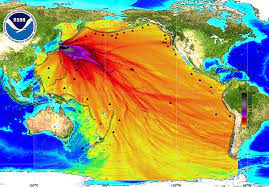
Since the devastating March 2011 Japanese earthquake and tsunami, which damaged the Fukushima Daiichi nuclear power plant, 1.25 million tons of seawater have been pumped through the damaged nuclear units to prevent the melted fuel rods in three damaged reactors from overheating. The contaminated water has been stored in more than 1,000 steel tanks on site. But in April 2021, the Japanese government announced that it would, beginning in 2023 and for decades thereafter, discharge all of the treated wastewater into the Pacific Ocean as part of the plant’s decommissioning process.
Many countries that share a sea border with Japan (especially China, South Korea, and Russia), as well as domestic fishing and export interests, have raised a variety of objections and concerns. Yet with little fanfare in American media, the United States – which has both Alaska and Hawaii at risk – has supported Japan’s plan. The ecological and human risks at stake are potentially huge: The seawater may contain radioactive tritium, strontium-90, and C-14 (the latter known to bioaccumulate in marine ecosystems). Yet international political positioning seems to be playing a greater role than environmental concerns in national responses. Could that change before 2023?
A variety of international treaties, conventions, and agreements, as well as fundamental environmental protection principles, are relevant to the discharge of wastewater from Fukushima.
In 1958, the first United Nations Conference on the Law of Sea adopted the Convention on the High Seas in Geneva, which became effective on September 30, 1962. Pursuant to Article 25 of the Convention, “Every State shall take measures to prevent pollution of the seas from the dumping of radioactive waste, taking into account any standards and regulations which may be formulated by the competent international organizations.” Also in 1958, the Resolution on Pollution of the High Seas by Radioactive Materials was adopted by the first United Nations Conference on the Law of Sea. One of its recommendations was that the International Atomic Energy Agency (IAEA), in consultation with existing groups and established organs having acknowledged competence in the field of radiological protection, should pursue whatever studies and take whatever action is necessary to assist states in controlling the discharge or release of radioactive materials to the sea, in promulgating standards, and in drawing up internationally acceptable regulations to prevent pollution of the sea by radioactive materials in amounts that would adversely affect people and marine resources.
The 1996 London Protocol, signed by many nations, prohibited the dumping of all wastes and other materials is prohibited except certain non-toxic materials that do not contain levels of radioactivity greater than de minimis (exempt) concentrations as defined by the IAEA. In 1999, the IAEA defined “de minimis” risk levels in terms of those of “no regulatory concern” and based on practices and sources that are “inherently safe.”
Last and not least, the United Nations Convention on the Law of the Sea (UNCLOS) is an international treaty ratified by over 160 countries, including China, South Korea, and Japan – but not the United States. UNCLOS stipulates that the ocean is the common heritage of mankind. Pursuant to Article 192, all states have the obligation to protect and preserve the marine environment. UNCLOS also established a complete legal framework that regulates all marine areas, the use of the ocean, and marine resources, as well as the protection and maintenance of the marine environment, marine scientific research, and the development and transfer of marine technology.
Moreover, Article 194 of UNCLOS requires that member countries must: 1) take, individually or jointly as appropriate, all practicable measures necessary to prevent, reduce and control pollution of the marine environment from any source; and 2) take all measures necessary to ensure that activities under their jurisdiction or control are so conducted as not to cause damage by pollution to other states and their environment, and that pollution arising from incidents or activities under their jurisdiction or control does not spread beyond the areas where they exercise sovereign rights in accordance with this Convention. Last, UNCLOS Article 195 specifies that countries shall act so as not to transfer, directly or indirectly, damage or hazards from one area to another or transform one type of pollution into another.
In light of the very clear obligations set forth in UNCLOS and the other conventions, how is the potential Fukushima nuclear wastewater discharging being viewed by neighboring countries?
Both the United States and the IAEA have voiced support for Japan’s announced plans for the Fukushima discharge plan. The IAEA said it would provide technical support for what it deemed to be a feasible means of disposal of the contaminated seawater. A week later the Biden administration voiced its support for what it said was a plan meeting international safety standard.
However, many others did not share those views, both within and outside of Japan. Domestic fishing, environmental, public health, and export interests objected both to the process leading up to the announcement and to the plan itself. They viewed the risks as being too great, and the added pollutant burden to the Pacific Ocean to be too much and with far-ranging scope affecting more than just Asia.
Indeed, calculations by Germany’s Geomar Helmholtz Center for Ocean Research predict that once the wastewater from the Fukushima nuclear power plant is discharged into the sea, radioactive materials will spread to most of the Pacific’s marine life and ecology within 57 days.
Neighboring countries such as China, South Korea, and Russia all voiced vigorous concerns, and warned that imports of Japanese seafood and agricultural products could be restricted – and that consumer confidence in purchasing such goods would be damaged. South Korea has threatened to take the issue to international judicial tribunals for review. How the dispute would be resolved pursuant either to the International Court of Justice, or to one of the various Conventions, remains to be seen. But in the meantime, there are some fundamental environmental protection principles and agreements that the United States in particular seems to be overlooking.
First, the treatment of Fukushima nuclear wastewater should give priority to the alternatives that have the least impact on the marine environment. The precautionary principle is the first principle of environmental law all over the world. Environmental policies and environmental laws should not just be after-the-damage-happens responses, but also should prevent hazards and harms to the environment and human organisms before they occur.
Under the precautionary principle, pollution avoidance is superior to pollution reduction. Avoiding the discharge of Fukushima nuclear wastewater should be superior to behaviors that comply with certain standards but can still cause environmental damage. Although the Fukushima wastewater is treated, the environmental impact of treated wastewater on marine life and ecological environment should be evaluated by marine, biological, and nuclear experts from various countries bordering the Pacific Ocean. In addition, the discharge of Fukushima nuclear wastewater is unprecedentedly huge, and the half-life of some of the radioactive elements means they will continue to pose a threat to the marine environment and marine life for decades. The materials are neither de minimis, nor “inherently safe.” Radioactive materials will also be transferred to the terrestrial environment and humans through marine life and other channels.
A second environmental principle is that of environmental hazard prevention or mitigation. It is akin to a precept to “do no harm” to the health of people, wildlife, fisheries, and natural resources. The ultimate goal is to ensure the protection of existing environmental quality and the possibility of future improvement. The environment must not be further deteriorated, and if pollution damage has occurred, it must be restored. Given that the Fukushima wastewater still exceeds Japanese discharge standards, it is impossible to say that in just two years the discharge will not cause damage to sea life of the Pacific Ocean.
Third, the principle of equity is formed by the concept of ecological compromise, which is concerned primarily with considering the interests of all potentially impacted parties and resources – both international and domestic. The principle of equity is essentially a balancing of interests, which extends to international environmental protection issues and is closely related to the principle of cooperation articulated in UNCLOS and other agreements. Japan’s discharge of nuclear wastewater is not only related to the life and health of its residents and the safety of its ecological environment, but also to the global marine environment. It will impact neighboring countries and even the global ecological environment and people’s rights to life and health. In essence, Japan is placing the costs of its nuclear waste upon other peoples, and upon the Pacific marine life, which has no voice of its own.
UNCLOS stipulates that the ocean is the common heritage of humanity, and that all countries have the obligation to protect and preserve the marine environment. Japan has an international obligation to ensure that the activities under its jurisdiction or control do not cause pollution damage to other countries and their environment, and to ensure that the pollution caused by events or activities within its jurisdiction or control does not extend beyond the area where it exercises sovereign rights in accordance with this Convention. Other countries may pursue remedies through either the International Tribunal for the Law of the Sea, the International Court of Justice, an arbitration tribunal organized in accordance with Annex VII of the Maritime Convention, or a special arbitration tribunal organized in accordance with Annex VIII of the Maritime Convention.
Even the United States, which is not a signatory to UNCLOS, might have some recourse should it change its political position. For example, in mid-2018 the U.S. Environmental Protection Agency and the Japan Atomic Energy Agency executed a Letter of Intent to cooperate “in the field of radiation protection.” As part of that agreement, the two agencies were to share radiation risk assessment models and related data. But, interestingly, the two countries also agreed to share “information on the uncertainty of radiation risk assessment, including the sharing of a report by the EPA on the uncertainty of EPA radionuclide cancer risk coefficients.” Given such acknowledged uncertainty, it would seem at least premature for the U.S. to be opining that the discharge of over 1 million gallons of heavily contaminated nuclear-radiated seawater is safe and poses no risks to human or other life. Indeed, back in 1975 the Japanese and American governments signed an Agreement “on cooperation in the field of environmental protection” in which both countries acknowledged “the responsibilities of each Government for the protection and improvement of the global environment.”
That “global environment” extends beyond Japan’s territorial waters, and any unilateral decision by Japan to discharge pollutants that could materially harm the environment across a significant part of non-Japanese waters would seem to be at odds with its responsibilities agreed to the international agreements we have summarized herein, as well as with the fundamental principles of and duties imposed by environmental protection for current and future generations of human and non-human life on our planet.
The dark legacy of a nuclear meltdown – The Santa Susana Field Laboratory.
Newsletter: The dark legacy of a nuclear meltdown, and what it means for climate change L.A. Times, By SAMMY ROTH. STAFF WRITER MAY 20, 2021
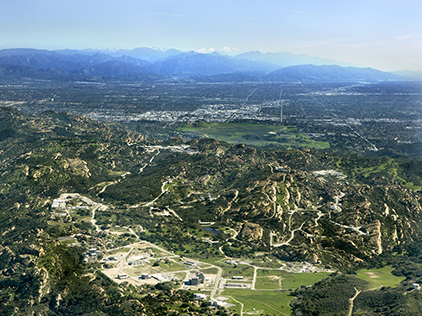
”………………The Santa Susana Field Laboratory.
Despite growing up in Los Angeles, until recently I knew next to nothing about Santa Susana, which is nestled in the Simi Hills west of the San Fernando Valley. As my L.A. Times colleagues have chronicled, it was a nuclear reactor and rocket engine test facility for decades, and the site of a partial nuclear meltdown in 1959. Today more than 700,000 people live within 10 miles.
Santa Susana is an incredibly toxic site.
And the parties responsible for the long legacy of radioactive waste and other contaminants — namely Boeing, NASA and the federal Department of Energy — have done hardly anything to clean it up.
“That work was supposed to be completed by 2017. Yet much of it has not even started,” columnist Michael Hiltzik wrote last year.
Santa Susana is also the subject of a new documentary, “In the Dark of the Valley,” which is making the rounds on the film festival circuit. It’s a gut-wrenching story about children living near the field lab who have been diagnosed with cancer, and whose mothers have banded together to demand a full cleanup, in hopes that other families won’t suffer like theirs have.
The film focuses on Melissa Bumstead, whose daughter Grace Ellen was diagnosed with a rare and aggressive form of leukemia at age 4. Bumstead started a Change.org petition that has garnered more than 700,000 signatures, calling on politicians including Gov. Gavin Newsom to compel Boeing and the federal agencies to live up to their long-unfulfilled promises.
“I’m not going to stop. So we’ll just have to find out who has more endurance, me or them,” she says in the film’s closing moments. “The thing that’s heartbreaking is that it’s just going to continue. But it’s the kids who have to suffer, and it’s the parents who have to bury them.”
…. there’s been research suggesting that Santa Susana may pose a serious health risk to people nearby.
In 1997, UCLA scientists reported that field lab workers exposed to higher doses of radiation from 1950 through 1993 were more likely to die of cancer. A decade later, University of Michigan researchers found that people living within two miles of the site had been diagnosed with thyroid, bladder and other cancers at a 60% higher rate than people living more than five miles away.
The scope of the contamination far exceeds a single meltdown more than 60 years ago.
Daniel Hirsch — a retired UCLA and UC Santa Cruz lecturer whose students originally uncovered the meltdown, which was hidden from public view for two decades — says there were several accidents at the field lab, worsened by a lack of containment domes for the nuclear reactors. There were shockingly unsafe waste disposal practices too. For years, workers used rifles to shoot barrels of toxic chemicals to make them ignite or explode. Radioactive waste was also routinely burned in open-air pits, Hirsch said.
This was completely illegal. They weren’t supposed to be doing it,” he said
Hirsch runs the anti-nuclear group Committee to Bridge the Gap, and he’s been trying to get Santa Susana cleaned up for more than 40 years. His concerns include the continued presence of cancer-causing chemicals that can seep into groundwater, or be flushed down into the San Fernando and Simi valleys during rainstorms — or become airborne during a wind-driven wildfire.
That was a major worry during the 2018 Woolsey fire, which was ignited by a Southern California Edison electrical line at the field lab. State officials said the wildfire smoke wasn’t any more dangerous to breathe than usual, but Hirsch had a hard time believing that.
“They set up the air monitor two days after the fire,” he said.
……….. Hirsch and many local residents say Boeing and the federal government have repeatedly tried to weasel out of their commitments. And the Department of Toxic Substances Control hasn’t put up much of a fight, critics say. In January, for instance, the agency agreed to confidential talks with Boeing to resolve a dispute over the extent of the cleanup.
Another wrinkle is NASA’s recent decision to nominate the entire field lab for inclusion in the National Register of Historic Places, citing its Native American cave drawings and archaeological relics. Critics fear the historic designation is a thinly veiled attempt by NASA to shirk some of its cleanup obligations, a charge the space agency denies, as my colleague Louis Sahagún reported.
…… I was definitely jarred by Hirsch’s response when I told him I had hiked in the Simi Hills, within a few miles of the Santa Susana Field Lab, and asked whether he would feel safe doing the same. He didn’t hedge. He told me he would not.
“Every area around the site has been found to have contamination,” he said. https://www.latimes.com/environment/newsletter/2021-05-20/long-legacy-nuclear-meltdown-climate-change-boiling-point
Scientists turn a blind eye to the fraud that is the ITER nuclear fusion project

ITER Is a Suicidal Plan That Would Discredit Nuclear Fusion, Scientist Says, Again, New Energy Times, By Steven B. Krivit, Dec. 5, 2020 A retired plasma physicist has given New Energy Times permission to republish critical letters he wrote about the ITER fusion reactor project many years ago. He has done this despite risks associated with publicly criticizing the international project.
Ernesto Mazzucato spent his entire career — from 1965 to 2014 — working at the Princeton Plasma Physics Laboratory, a U.S. Department of Energy national laboratory. Mazzucato continues to work on his own fusion concepts.He told us about pressure from some of his peers from 1996 to 2006 when he openly criticized the ITER project, but he asked us to withhold those details for fear that it would interfere with his present access to resources and the ability to publish in peer-reviewed journals.
Mazzucato is the second retired fusion physicist from the Princeton laboratory with whom New Energy Times has spoken who is critical of ITER. The first was Mazzucato’s colleague, Daniel Jassby, who has been publishing critical articles about ITER on the Bulletin of Atomic Scientists Web site.Jassby was the first scientist to provide New Energy Times with clear values for the ITER reactor power requirements, following our attempts to obtain this information directly from the ITER organization.
Mazzucato told New Energy Times that he “suffered dearly” shortly after Science magazine published his first critical comments in 1996.
I knew that speaking out was risky, but I had to say what was on my mind,” Mazzucato said. “I thought that ITER would ruin fusion, and I had spent all my life working on fusion. ITER was the wrong track.”Mazzucato told New Energy Times that, decades earlier, at the beginning of the discussions about the ITER concept, the conversation was purely about physics. The conversation soon shifted to the bait-and-switch scheme, as Nobel laureate Masatoshi Koshiba called it.
“The scientists were not talking about power production,” Mazzucato said, “but then slowly, the bureaucrats were put in charge of this project, and they started talking about a power gain, that ITER would produce 10 times more power than it would use.“But none of the scientists said anything. We all knew that the power values only applied to the particles, not the overall reactor.”These are the three letters Mazzucato provided.
1996 Mazzucato Letter to Science
In his first letter, Mazzucato responded to an article published in Science magazine by Andrew Lawler about the ITER projec
For the United States to concentrate its efforts on the construction of ITER, which by my estimates would require at least twice the $8 billion cited by Lawler, [Andrew Lawler, “U.S. Power Outage Won’t Dim ITER,” Science, Jan. 19, 1996, p. 282] would halt significant progress in domestic thermonuclear research.It is tantamount to a suicidal plan that would discredit nuclear fusion as an economically viable form of energy production………….
The construction of ITER, by absorbing all the available funds, would inevitably prevent development in these critical areas. From Lawler’s article, it appears that ITER finds its strongest support in a “wealthy and influential association of major corporations…..” This sounds like an ominous repetition of history, as our problems today with nuclear fission power plants originated when the nuclear industry decided to bring to prominence the first fission reactor concept that appeared to work. Similarly, the adoption of this probably faulty device would have catastrophic consequences for the development of nuclear fusion energy……………..
Turning a Blind Eye
Mazzucato is the first fusion scientist I know who a) noticed the discrepancy between ITER’s planned power values and the publicized power values and b) openly objected to the false claims its promoters were making about the promised power gain of the reactor. Nobel Prize winner Masatoshi Koshiba had also sounded the alarm sometime between 2001 and 2004, calling the ITER project a bait-and-switch trick.
Mazzucato told me that all of his colleagues knew that the bureaucrats in charge of the project were tricking the public. Assuming he’s right, then there are thousands of fusion experts who saw what was going on and did and said nothing about it. It’s not the first time in history that something terrible was happening in a community and was known as an open secret within that community. But it is the first time in modern history that something like this, on this scale, has happened in science.
By 2003, the deception was firmly established, as evident by Robert Stern’s statement in the New York Times on Jan. 31, 2003: “ITER would provide a record 500 megawatts of fusion power for at least 500 seconds, a little more than eight minutes, during each experiment. That would meet the power needs of about 140,000 homes.”
In reality, a fusion reactor designed with the parameters of ITER, if configured to convert its thermal output to electricity, wouldn’t be able to power a single light bulb.
Public statements like Stern’s, published without the authors’ knowledge that they were false, were the norm for more than two decades. Either no fusion scientists except Mazzucato and Koshiba read news accounts about ITER and realized what was happening, or the majority of fusion scientists saw that the “mistakes” significantly favored their field, and they turned — and continue to turn — a blind eye to what has now developed into the largest science fraud in modern history.
By 2003, the deception was firmly established, as evident by Robert Stern’s statement in the New York Times on Jan. 31, 2003: “ITER would provide a record 500 megawatts of fusion power for at least 500 seconds, a little more than eight minutes, during each experiment. That would meet the power needs of about 140,000 homes.”
Public statements like Stern’s, published without the authors’ knowledge that they were false, were the norm for more than two decades. Either no fusion scientists except Mazzucato and Koshiba read news accounts about ITER and realized what was happening, or the majority of fusion scientists saw that the “mistakes” significantly favored their field, and they turned — and continue to turn — a blind eye to what has now developed into the largest science fraud in modern history. https://news.newenergytimes.net/2020/12/05/iter-is-a-suicidal-plan-that-would-discredit-nuclear-fusion/?fbclid=IwAR3p1jpgpyN7_un8Y7OrnCUTzC9p1lOIVFA5MyMKS67lUBEIlC2g4DeIY-0
“You can forget about the protection of area of outstanding natural beauty because if Sizewell C nuclear goes ahead nowhere is safe”

Sizewell C: Bill Turnbull says nuclear plant will cause ‘devastation’ Presenter Bill Turnbull has told a Planning Inspectorate hearing the Sizewell C nuclear power station would cause “awful devastation”. BBC , 21 May 21,
The former BBC Breakfast anchor was speaking on the last day of a four-day public hearing into the proposed plant on the Suffolk coast.
He said he was speaking on behalf of “those who have no voice – the rare and abundant wildlife around Sizewell”.
Turnbull, who is now a presenter on Classic FM, spoke in the final session of the hearing, saying it was “in sorrow, because [Sizewell C] will be awful devastation”.
He said he lived about two and a half miles away from the proposed power plant, where “the wildlife is extraordinary”.
He expressed concern over the impact on local birds including nightingales, cuckoos and owls and called the proposed link road to the plant a “highway of destruction”.
Turnbull questioned building the plant next to RSPB Minsmere, asking the Planning Inspectorate “has the world gone that mad?”.
The 65 year old asked if the power plant was approved, “what message would it send?”
“You can forget about the protection of area of outstanding natural beauty because if Sizewell C goes ahead nowhere is safe,” he said.
The Planning Inspectorate also heard from actress Diana Quick, who said she had “became convinced nuclear was a dubious option” for energy generation.
Quick, who received a Bafta nomination for her role in Brideshead Revisited, said she was “very concerned about the pollution, from many sources, such as light, dust, and traffic fumes”.
She also said her home village, Theberton, had been flooded “with mud and water” and this could increase with the building of the power plant.
William Kendall, a farmer, food and drink entrepreneur and chairman of soft drinks manufacturer Cawston Press, also spoke at the hearing.
He said as a “lifelong environmentalist” he used to support Sizewell C, but subsequently saw “several neighbours and friends upset” by the plans.
Mr Kendall, who is also president of Suffolk Wildlife Trust, said he now believed there was an “overwhelming case against” the plant.
He said it would “leave our local tourism industry millions of pounds worse off”.
Mr Kendall said he had also spoken to politicians who were against Sizewell C, saying: “If you turn down this application no tears will be shed here or in Whitehall.”………..
A decision on the power plant is not expected until later this year. https://www.bbc.com/news/uk-england-suffolk-57202548
1 This Month

Read the Public Inquiry Report, the Commissioners’ report, Surrendering Australia: The AUKUS Deception is available to download for free at aukuspublicinquiry.com. Or just watch the replay of the National Press Club Luncheon.


19 November – Webinar – The Reality of Reprocessing
Time: 11:00 AM Pacific Time (US & Canada) / 2:00 PM Eastern / 7:00 PM UK / 8:00 PM CET
Register for the Zoom Event Here



Shut down the radiation-damaged Heysham nuclear reactors now
To see nuclear-related stories in greater depth and intensity – go to https://nuclearinformation.wordpress.com

Say No to NASA’s Reckless Nuclear Reactor on the Moon
Say No to NASA’s Reckless Nuclear Reactor on the Moon
-
Archives
- November 2026 (103)
- October 2026 (302)
- September 2026 (339)
- August 2026 (330)
- July 2026 (355)
- June 2026 (287)
- May 2026 (306)
- April 2026 (356)
- March 2026 (251)
- February 2026 (267)
- January 2026 (308)
- December 2025 (358)
-
Categories
- 1
- 1 NUCLEAR ISSUES
- business and costs
- climate change
- culture and arts
- ENERGY
- environment
- health
- history
- indigenous issues
- Legal
- marketing of nuclear
- media
- opposition to nuclear
- PERSONAL STORIES
- politics
- politics international
- Religion and ethics
- safety
- secrets,lies and civil liberties
- spinbuster
- technology
- Uranium
- wastes
- weapons and war
- Women
- 2 WORLD
- ACTION
- AFRICA
- Atrocities
- AUSTRALIA
- Christina's notes
- Christina's themes
- culture and arts
- Events
- Fuk 2022
- Fuk 2023
- Fukushima 2017
- Fukushima 2018
- fukushima 2019
- Fukushima 2020
- Fukushima 2021
- general
- global warming
- Humour (God we need it)
- Nuclear
- RARE EARTHS
- Reference
- resources – print
- Resources -audiovicual
- Weekly Newsletter
- World
- World Nuclear
- YouTube
-
RSS
Entries RSS
Comments RSS

