$14 billion to build Vogtle nuclear plant. If it makes losses, $8.3 billion loan guarantee from govt?
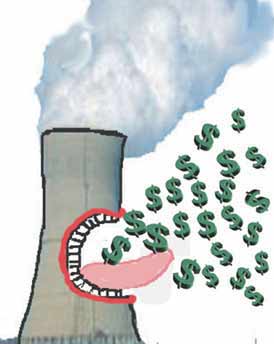 The Vogtle plant will cost $14 billion at least to build……..If things go as planned, the reactors will be making electricity four to five years from now. If not, the company is seeking an $8.3 billion loan guarantee from the federal government to cover losses.
Nuclear Safety, Cost Issues Loom As U.S. OKs Reactor, NPR, by CHRISTOPHER JOYCE February 10, 2012 The nuclear industry is celebrating the federal Nuclear Regulatory Commission’s decision to give the go-ahead for a utility company to build two new nuclear reactors in Georgia, the first license to be granted for a new reactor in the U.S. since 1978. But last year’s accident at reactors in Fukushima, Japan, still clouds the future of nuclear power, as does the cost of new power plants.
Southern Co. will build the reactors at its Vogtle site in Georgia, where two older reactors already operate. Scott Peterson, vice president of the industry’s Nuclear Energy Institute, says it’s not a “nuclear renaissance,” but instead a “first wave” for new reactors….
Costs But demand for electricity is flat, and the price of natural gas, also used to make electricity, is low. Continue reading
Nuclear Regulatory Commission Chairman warns on safety factors for Vogtle new nuclear plant
 Southern’s `Monumental Accomplishment’ Tempered by Fukushima, Bloomberg, By Brian Wingfield – Feb 9, 2012 The chief regulator’s dissent in a vote that approved the first U.S. permit in 34 years to build a nuclear reactor is fueling a debate over safety as the first anniversary of Japan’s nuclear disaster nears.
The U.S. Nuclear Regulatory Commission voted 4-1 yesterday to award Southern Co. (SO) of Atlanta a license to build two reactors at its Vogtle plant near Augusta, Georgia. The agency should have required the company to implement lessons from Japan’s nuclear crisis last year, said Chairman Gregory Jaczko, who opposed the license.
“Right now we know there are things that need to be fixed, things that need to be changed, or at least things that need to be analyzed,” Jaczko said yesterday in an interview at NRC headquarters in Rockville, Maryland. “For us to issue this license, and say ‘we’ll deal with them later,’ to me is kind of putting the cart before the horse.” Continue reading
The lower price of gas is causing the stillbirth of the nuclear ‘renaissance’
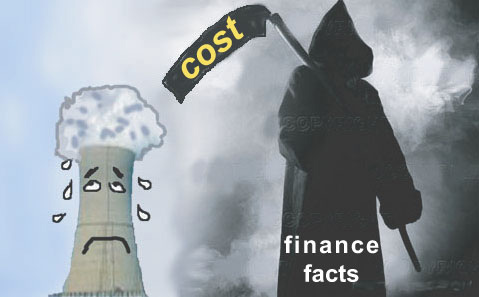 Nuclear Power vs. Natural Gas, February 10, 2012, NYT, By MATTHEW L. WALD When critics say nuclear power is risky, they often mean the risk of an accident. But people in the nuclear industry say that the bigger threat is natural gas.
To look like a smart move, the $14 billion nuclear project undertaken by the Southern Company and its partners must meet several challenges, including actually completing the job for that figure, always a question in nuclear construction.
But for the 104 nuclear reactors now running in this country, and for many of the ones that have retired, the big issue has always been the price of electricity from competing sources. And generally, that comes down to a prediction about the future cost of natural gas, which usually sets the price of electricity on the grid in much of the United States.
The nuclear industry must also reckon with the prospect that in the 2020’s or 2030’s, that the United States will get more serious about limiting carbon dioxide emissions, which would be a plus for nuclear operators. Substituting gas for coal does reduce emissions, but there is still far too much carbon in natural gas to allow its widespread use if the electric system is to reduce its emissions by 80 percent by 2050. That was the national goal endorsed by President Obama when he ran for president in 2008.
In fact, some electricity experts say that if the economy as a whole has to cut emissions by 80 percent, the electric sector will have shoulder even deeper reductions, given that other areas, like transportation, can probably manage less….
John W. Rowe, the chairman of Exelon, the nation’s biggest nuclear utility, had said that he would not build a new reactor at today’s natural gas prices. Referring to the geologic formations from which natural gas is extracted, he said in a recent speech, “Shale is good for the country, bad for new nuclear development.”
“There must be a shortage of natural gas and stable high prices to make the economics right, ‘’ he said of nuclear power in a speech to a nuclear group. And the Union of Concerned Scientists, a group that is generally critical of nuclear energy, argues that new reactors will be more expensive than other “readily available alternatives, including energy efficiency, renewable energy and natural gas.” http://green.blogs.nytimes.com/2012/02/10/natural-gas-vs-nuclear-power/
Doctors want to make sure that use of medical radiation does more good than harm

ensuring that a diagnostic procedure involving ionizing radiation is necessary for a patient’s care and should be expected to do more good than harm
Radiation Risks From Diagnostic Procedures Examined, Doctors’ Lounge: February 09, 2012, Feb. 9 (HealthDay News) — National strategies should be developed for the use of evidence-based criteria and improved oversight of equipment to minimize radiation exposure for patients undergoing diagnostic procedures, according to a study published online Feb. 3 in CA: A Cancer Journal for Clinicians. Continue reading
Process for terminating Cotter company’s radioactive license in Colorado
The majority of the documents being reviewed currently concern characterization of the soil and groundwater contamination on site and cleanup criteria.
Cotter documents under review, Company in process to terminate radioactive materials license, Canon City Daily Record, By RACHEL ALEXANDER 02/10/2012 A public meeting was held Thursday with the Colorado Department of Public Health and Environment and Cotter Corp. to discuss three upcoming department decisions.
The documents currently under review by CDPHE, the Environmental Protection agency and the public are the New Evaporation Pond
Conceptual Design; the Onsite Soil Excavation and Groundwater Characterization Process Plan; and the Soil Remediation Criteria
Selection.
This is the first round of documents that are being developed by Cotter as part of the process to terminate its radioactive materials
license and the deletion of the site from the Superfund list. Continue reading
Multi $billion radioactive cleanup at Hanford not going well
 Problems plague cleanup at Hanford nuclear waste site, By Peter Eisler, USA TODAY HANFORD SITE, Wash. – Seven decades after scientists came here during World War IIto create plutonium for the first atomic bomb, a new generation is struggling with an even more daunting task: cleaning up the radioactive mess. The U.S. government is building a treatment plant to stabilize and contain 56 million gallons of waste left from a half-century of nuclear weapons production. The radioactive sludge is so dangerous that a few hours of exposure could be fatal. A major leak could contaminate water supplies serving millions across the Northwest. The cleanup is the most complex and costly environmental restoration ever attempted.
And the project is not going well. Continue reading
Effort to clean up Hanford radioactive spill
Plan developed to clean up highly radioactive Hanford spill BY ANNETTE CARY, TRI-CITY HERALD 02/06/12 Hanford officials have settled on a plan to clean up what may be the most highly radioactive spill at the nuclear reservation.
It depends on calling back into service the 47-year-old, oversized hot cell where the spill occurred to protect workers from the radioactive cesium and strontium that leaked through the hot cell to the soil below.
Radioactivity in the contaminated soil, which is about 1,000 feet from the Columbia River, has been measured at 8,900 rad per hour. Direct exposure for a few minutes would be fatal, according to Washington Closure. Continue reading
New ways to store surplus renewable energy
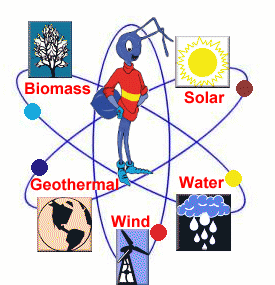 As the use of renewable energy spreads, some companies are storing energy as heat rather than cold. And some are harnessing batteries at the point of generation.
 Surplus Renewable Energy: An Update, NYT, By MATTHEW L. WALD, 9 Feb 2012 Last year I wrote about sudden surges in renewable energy that set up a conflict between wind producers in the Pacific Northwest and the Bonneville Power Administration, a federal agency that runs hydroelectric dams and the regional grid. ….
…at a two-day National Electricity Forum sponsored by the Energy Department and others, the federal energy secretary, Steven Chu, on Wednesday proposed a different set of solutions to the problem, which is likely to emerge elsewhere as installations of renewable energy expand and systems have to cope with surges or deficits of power they cannot predict. Continue reading
Vermont’s renewable energy kickstarts energy independence for the State
Local renewable industry poised to make ‘Vermont energy strong’ , VT Digger, Gabrielle Stebbins, 9 Feb 2012 Montpelier, Vermont – Vermont’s local renewable energy industry— made up of diverse manufacturers, construction contractors, installers, developers, and suppliers— announced today the industry is equipped to help make “Vermont energy strong” in the 21st Century.
The industry, which ranges from local fabricators assembling electrical boards and contractors that specialize in hot water, solar, wind, hydro, geothermal and biomass heating installations to regional and international manufacturers of innovative renewable energy technologies, held a press conference on pending policy issues today in Montpelier.
“The benefits of a strong renewable industry flow throughout the state by creating local jobs, producing energy locally, and providing energy security,” said Gabrielle Stebbins, Executive Director of Renewable Energy Vermont (REV), the state trade association representing more than 300 renewables and efficiency businesses in the state. “Growing our own renewable energy in-state is in keeping with Vermonters’ desire for self reliance, a clean energy future that leaves a better legacy for our children, and keeping our dollars local.” Continue reading
Secrecy over possible plutonium from Felon 22 air crash
 The list of witnesses who were interviewed and their statements were withheld, as were the findings of the investigators and the health reports on the victims of the crash.
Radiation fears still cloud the crash of Felon 22, by Lee Bennett, Feb 08, 2012 | San Juan Record – From the time Felon 22 tore apart in the skies over Monticello, UT, in January, 1961, there were fears that atomic bombs on board the plane might have spilled radioactive debris.
………a Pentagon report listed the crash “among 29 documented nuclear accidents that have occurred since 1950.” Continue reading
A novel idea for nuclear waste plans – ban lawsuits!

 Lawmaker suggests limiting judicial review of nuclear waste sites Las Vegas Review Journal, BY STEVE TETREAULT STEPHENS WASHINGTON BUREAU Feb. 8, 2012 WASHINGTON — The nuclear waste blue ribbon commission has recommended the government try a new cooperative approach to recruit volunteer states to host a high-level radioactive waste site.
But when several commissioners testified Wednesday in Congress, Rep. Mo Brooks, R-Ala.,
offered another idea — don’t allow lawsuits. Continue reading
9 Organisations planning court action against Vogtle nuclear plant license
 Anti-nuke groups plan court action to block Georgia plant, Charlotte Business Journal by John Downey, February 8, 2012, The U.S. Nuclear Regulatory Commission is expected to vote Thursday on whether to license the Southern Co. ’s proposed 2,234-megawatts Vogtle nuclear plant.
But anti-nuclear activists are asking the commission to delay the vote as they prepare to file a federal suitnext week against the proposed licensing. Continue reading
Uranium company’s bribes to law-makers can backfire
Lawmaker: Trip to France dissuaded him on uranium mining, Pilot Online.com. 7 Feb 12, “……..The bulk of the largesse directed at Cosgrove was the $12,449 spent by Virginia Uranium, the company lobbying to establish a uranium mine in Pittsylvania County. The
company sent Cosgrove and several other lawmakers to visit a mine site in France.The purpose of the trip, Cosgrove said, was to reassure the Virginia legislators that uranium could be mined safely with no chance of contaminating Lake Gaston, a major source of Hampton Roads’ drinking water that lies downstream from the proposed mine site.
But the trip persuaded him of the exact opposite, Cosgrove said. “They never showed us beyond any doubt that there couldn’t be some catastrophic effect on our drinking water,” he said. As a result, “I came back thinking that uranium mining is probably not in the best
interest of Hampton Roads.”… http://hamptonroads.com/2012/02/lawmaker-trip-france-dissuaded-him-uranium-mining
The facts on renewable energy in Southern USA
 Mythbusting facts about renewable energy in
 the southern U.S., http://www.renewableenergyworld.com/rea/blog/post/2012/02/mythbusting-facts-about-renewable-energy-in-the-southern-u-sRenewable Energy World, By Lauren Glickman , February 7, 2012
Renewable energy sources (like wind power) and energy efficiency can help the southern U.S. meet what is expected to be growing future electricity demand, but a lingering set of myths is hampering their development in the region, according to a new study, “Myths and Facts About Electricity in the U.S. South,” by researchers from Duke and Georgia Tech. These misimpressions could have serious consequences–the South’s population is expected to increase by 28 percent over the next 20 years, and wise use of resources will be needed to satisfy energy demand while reducing energy-related pollution.
The researchers used economic and energy modeling to examine the myths. To avoid repeating the myths and thereby giving them further credence, I’m going to list some selected findings with the most significance for wind power as a set of “mythbusting facts” instead:
Future growth in electricity demand in the South can be met by renewable energy and efficiency: Continue reading
Call for independent radiation monitoring of nuclear plant in San Clemente
Group Wants New Radiation Monitors In San Clemente, Concerns About ‘Information Flow’ From San Onofre Nuclear Plant, KPBS, February 7, 2012, By Ed Joyce, Inspectors at the plant are trying to find signs of a leak at the Unit 3 reactor. The leak forcedSouthern California Edison, which operates the facility, to take the reactor offline. The other reactor, Unit 2, was already offline for scheduled maintenance and refueling.
……..members of an environmental group want the San Clemente City Council to demand public release of inspection findings before the two reactors are restarted.
Gary Headrick is the founder of San Clemente Green. He plans to bring up several items at tonight’s San Clemente City Council meeting.
“We have some immediate concerns about wanting to get an independent radiation monitoring system in San Clemente,” said Headrick. “That way we won’t have to rely on the sources from the industry to tell the public exactly what’s going on. Maybe they have a conflict of interest and they don’t want to share all the information right away, that’s what we saw happen in Japan and information was delayed getting to the public.”
He also wants the City of San Clemente to pay for an epidemiological study of cancer trends near the nuclear plant…… http://www.kpbs.org/news/2012/feb/07/group-wants-new-radiation-monitors-san-clemente/
1 This Month




Shut down the radiation-damaged Heysham nuclear reactors now
To see nuclear-related stories in greater depth and intensity – go to https://nuclearinformation.wordpress.com

Say No to NASA’s Reckless Nuclear Reactor on the Moon
Say No to NASA’s Reckless Nuclear Reactor on the Moon
-
Archives
- October 2026 (279)
- September 2026 (339)
- August 2026 (330)
- July 2026 (355)
- June 2026 (287)
- May 2026 (306)
- April 2026 (356)
- March 2026 (251)
- February 2026 (267)
- January 2026 (308)
- December 2025 (358)
- November 2025 (359)
-
Categories
- 1
- 1 NUCLEAR ISSUES
- business and costs
- climate change
- culture and arts
- ENERGY
- environment
- health
- history
- indigenous issues
- Legal
- marketing of nuclear
- media
- opposition to nuclear
- PERSONAL STORIES
- politics
- politics international
- Religion and ethics
- safety
- secrets,lies and civil liberties
- spinbuster
- technology
- Uranium
- wastes
- weapons and war
- Women
- 2 WORLD
- ACTION
- AFRICA
- Atrocities
- AUSTRALIA
- Christina's notes
- Christina's themes
- culture and arts
- Events
- Fuk 2022
- Fuk 2023
- Fukushima 2017
- Fukushima 2018
- fukushima 2019
- Fukushima 2020
- Fukushima 2021
- general
- global warming
- Humour (God we need it)
- Nuclear
- RARE EARTHS
- Reference
- resources – print
- Resources -audiovicual
- Weekly Newsletter
- World
- World Nuclear
- YouTube
-
RSS
Entries RSS
Comments RSS

