Radiation concerns: Evacuation advised for foreigners from Tokyo
Foreigners Advised to Leave Tokyo; US Citizens OK’ed to Evacuate, by: Nancy Roberts 18 March 11, As conflicting information fueled further fears over the potential for radiation emanating from the Fukushima nuclear facility, Germany, Britain and Australia have advised their citizens to leave Tokyo, some 170 miles from the affected plant. Americans have been advised to move beyond a 50 mile radius from the facility, far greater than the 12-mile limit set by the Japanese government.
US citizens and dependents working for the American Embassy or other government institutions have been authorized to evacuate at government expense. The American Embassy remains open, and American dependents have not been ordered to leave, but may “exercise the opportunity” to evacuate, according to Under Secretary of State Patrick F. Kennedy……Foreigners Advised to Leave Tokyo; US Citizens OK’ed to Evacuate
Fukushima cooling effort increasingly being done by robots
More robots sent in to tackle crisis at Fukushima, New Scientist, 24 march 11, Robots from other nations are joining in the efforts to stabilise the Fukushima Daiichi nuclear plant.In addition to the Monirobo radiation monitoring robots reported previously, the Japanese have also used an unmanned fire engine. This was operated by the Tokyo Fire Department, which introduced its first robot, the Rainbow 5 water sprayer, in 1986. Such robots are used for fires which are too large or too hazardous for human fire-fighters to approach. The engine sprayed seawater from an eight-hundred-metre hose directly into the spent fuel rod pool at No. 3 reactor for thirteen hours to prevent overheating.A much more powerful unmanned water cannon has now been flown in from Australia. Made by Bechtel Corporation, the system is manoeuvred into place remotely and can spray nine thousand litres a minute out to a distance of a hundred and fifty metres…… One Per Cent: More robots sent in to tackle crisis at Fukushima
Fukushima radioactive emissions – a guarded secret
”The notion that you can track an air parcel precisely as it travels across the Pacific is fanciful,” he said. “The difficulty in doing that is we really don’t know what is being emitted.” That information, if known at all, is being closely held by Japanese authorities and the U.S. government,
Computer models aid Japanese nuclear response, The Washington Post, By Andrew Freedman, 23 March 11, U-Md. research team wants more data made public. As the Japanese nuclear crisis continues to unfold, the airborne spread of radioactive materials from the stricken reactors at the Fukushima Daiichi power station continues to be a key concern of Japanese and American officials. Continue reading
Chairman of Japan’s nuclear watchdog call for rethink on nuclear power
Nuclear energy promoter apologises The Australian, March 24, 2011 The pro-nuclear chairman of Japan’s atomic watchdog has called for a worldwide review of the nuclear energy industry after admitting that mistakes had been made in the design of the Fukushima power plant.In comments that will provide ammunition for anti-nuclear campaigners, Haruki Madarame said assumptions behind the building of the now dangerously radioactive nuclear plant had been wrong and global safety guidelines for the industry should be reconsidered.His admission and accompanying apology represented a U-turn from an individual who has advised the Japanese government on nuclear matters for 30 years and chaired its Nuclear Safety Commission since April last year.”As a person who promoted nuclear power, I have a personal feeling of apology,” he said. Nuclear energy promoter apologises | The Australian
Mixed oxide fuel means danger for No 3 Fukushima nuclear plant
New Problems Arise at Japanese Nuclear Plant, NYTimes.com, By KEITH BRADSHER March 23, 2011 “…..Fukushima Daiichi’s Reactor No. 3 began belching black smoke for an hour late in the afternoon, leading its operator, Tokyo Electric Power Company, to evacuate workers.. No. 3 is considered one of the most dangerous of the reactors because of its fuel — mixed oxides, or mox, which contain a mixture of uranium and plutonium and can produce a more dangerous radioactive plume if scattered by fire or explosions. The cooling system at Reactor No. 5, which was shut down at the time of the earthquake and has shown few problems since, also abruptly stopped working on Wednesday afternoon, said Hiro Hasegawa, a spokesman for Tokyo Electric.New Problems Arise at Japanese Nuclear Plant – NYTimes.com
Fukushima nuclear plant will be scrapped
Japan signals nuclear plant to be scrapped – ABC News (Australian Broadcasting Corporation), 21 March, The Japanese government has signalled the Fukushima nuclear power plant at the centre of an ongoing crisis will be scrapped……Japan signals nuclear plant to be scrapped – ABC News (Australian Broadcasting Corporation)
Wide area around Fukushima nuclear plant will be radioactively contaminated for decades
 “Given the weather, it is likely that contaminations have occurred beyond that, up to 100 kilometres or so.”…..
Contamination at Fukushima nuclear plant for decades, says France’s Nuclear Safety Authority | Herald Sun, From: NewsCore * March 22, 2011 LOCAL contamination from Japan’s quake-damaged Fukushima nuclear power plant would be a problem that would last “for decades and decades”, France’s Nuclear Safety Authority (ASN) said. Continue reading
Tokyo Electric Power Company (Tepco) faked nuclear safety records
 for many in Japan, Tepco’s track record of safety issues and attempts to cover them up add to suspicion over a flow of opaque, erratic information about Fukushima.
Power company failed to maintain safety checks, Kimiko De Freytas-Tamura SMH March 21, 2011 OSAKA: Days before Japan plunged into an atomic crisis after a giant earthquake and tsunami knocked out power at the ageing Fukushima nuclear plant, its operator had admitted faking repair records.
The revelation raises more questions about the scandal-tainted past of the Tokyo Electric Power Company (Tepco) and the government’s perceived soft regulation of the industry. Continue reading
Radiation in air, seawater and food show seriousness of Japan’s nuclear disaster
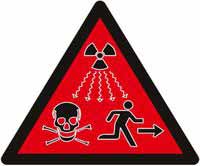 the measurements from food and water were important because they helped confirm that “there has been a very serious release of radioactivity” at Fukushima…..
UPDATE 4-Japan nuclear progress tempered by seawater concern, By Scott DiSavino and Kate Kelland. NEW YORK/LONDON, March 21 (Reuters) – The reconnection of power at the earthquake-damaged reactors in Japan is a big step in managing the nuclear crisis, experts said on Monday, but concerns about radiation in the air, seawater and food showed the dangers are far from over. Continue reading
Raised levels of radioactivity in seawater, in some foods – Japan
Radioactive food fears grow in Japan, By Hayden Cooper and wires ABC News (Australian Broadcasting Corporation), 22 March 11, Japan is continuing to deal with a nuclear emergency as fears of food contamination grow and high levels of radioactive substances are found in seawater near the crippled Fukushima plant.The news comes amid another setback in efforts to cool the earthquake-crippled nuclear plant, with officials spotting grey smoke coming from the roof of the No. 3 reactor……. Continue reading
Asia Pacific countries monitor radiation from Fukushima nuclear plant
As winds took the contaminated clouds from the battered Fukushima Daiichi nuclear plant out into the Pacific Ocean towards Hawaii and the US west coast, Japan’s nearest Asian neighbours stepped up their monitoring of potential nuclear fallout…..Taiwan-based EVA Airways said it would cancel 56 flights between Japan and Taiwan because of radiation concerns.
Radiation fears sweep the region | The Australian, James Hookway and Michael Sainsbury March 17, 2011, FEARS of a cross-border nuclear disaster swept across the Asia Pacific region yesterday as Japan’s nuclear crisis deepened, with experts and officials trying to calm fraying nerves in countries as far away as The Philippines and Canada. Continue reading
All Japan’s wind farms survived the earthquake and tsunami
Some of Japans nuclear capacity has, in effect, phased itself out- very painfully. It will be interesting to see if a new direction is now taken in Japan, and indeed elsewhere.
Phasing out nuclear in Japan, environmentalresearchweb, 21 march 11, All Japans wind farms evidently survived the recent disastrous quake and tsunami – even a semi-offshore one. With nuclear power’s reputation besmirched, following the spectacular failures at Fukushima, is that the way ahead for Japan? Continue reading
At Fukushima, radiation leak continues, spent fuel storage pool a big problem
A separate storage pool for spent fuel rods also is drawing the attention of some Tepco and safety officials. The area, which takes fuel rods from all six reactors, is located near the No. 4 reactor. The pool is nearly full with 6,375 units of fuel, according to Tepco.
Japan Nuclear Dangers Linger Despite Progress, WSJ, By PETER LANDERS And NORIHIKO SHIROUZU, MARCH 20, 2011,As of late Sunday, power was still out at reactors No. 3 and No. 4, the two most troublesome during the nine-day fight to keep the nuclear plant from spinning out of control. Until Tokyo Electric Power Co. fully restores power at the reactors and turns on cooling systems knocked out after the March 11 earthquake and tsunami, it faces continued radiation leakage from spent fuel rods stored at the two reactors. Continue reading
Serious problems continue at Fukushima nuclear plant
Snapshot: Japan’s nuclear crisis Mar 20, 2011 TOKYO (Reuters) – Following are main developments after a massive earthquake and tsunami devastated northeast Japan and crippled a nuclear power station, raising the risk of uncontrolled radiation.
IAEA says some positive developments but overall situation remains very serious. Continue reading
Japan’s hibakusha see a repeat of Hiroshima’s radiation horror
Sasamori is a hibakusha, or heat radiation survivor — a name given to those who lived through the atomic bombs dropped on Hiroshima and Nagasaki by the United States at the end of World War II.
For them, radiation is an invisible enemy that has haunted them, claimed their loved ones, altered their bodies and threatened their lives…….The hibakusha like Sasamori have lived in uncertainty, watching their childhood friends fall ill and wondering if their bodies were ticking time bombs for radiation-related diseases.
 Hiroshima survivors fear new nuclear fallout, By Madison Park, CNN, March 18, 2011 Los Angeles — The cities flattened by last week’s earthquake look eerily similar to the decimated buildings Shigeko Sasamori saw after an atomic bomb was dropped on her hometown in 1945.
1 This Month
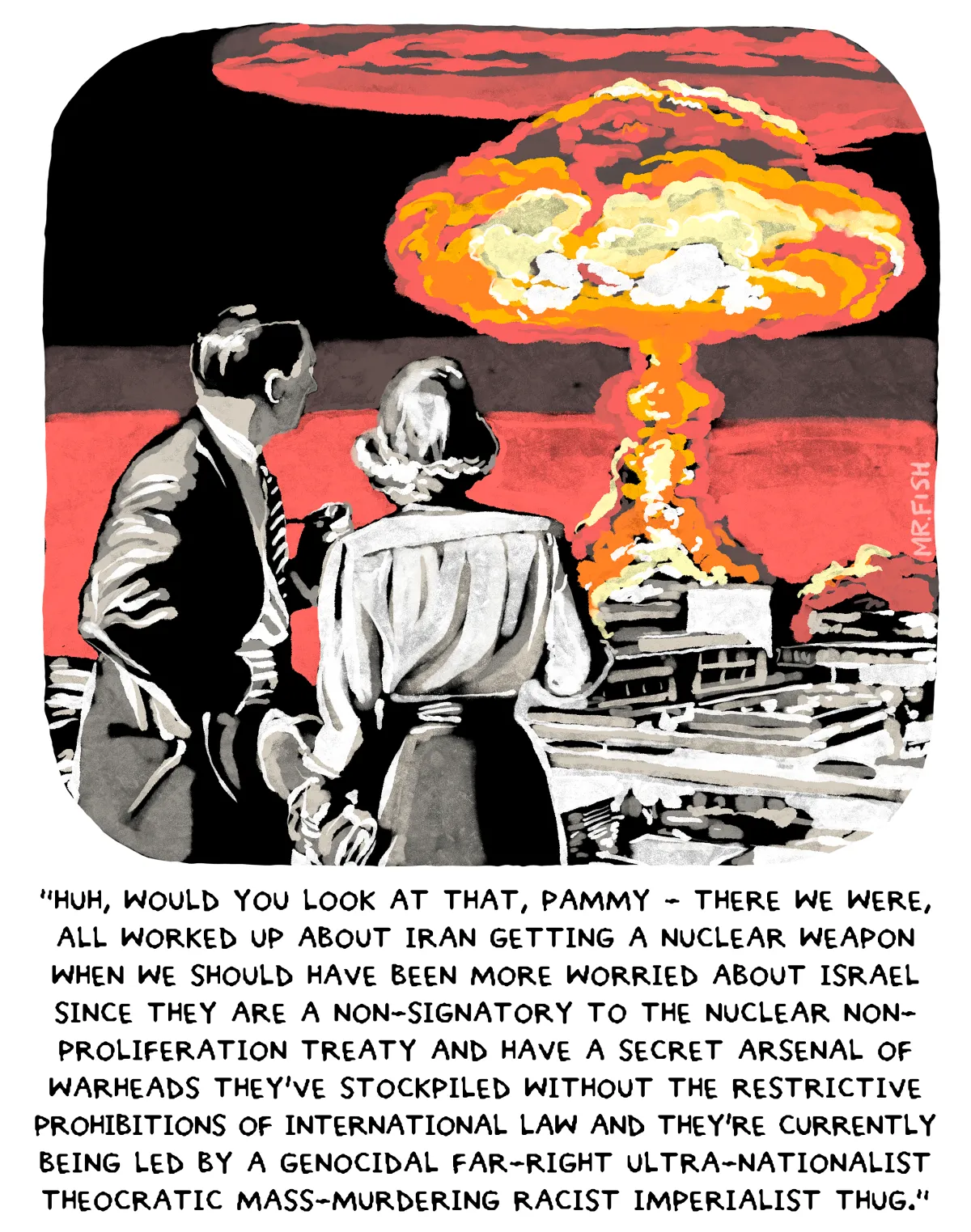
1 June Webinar – The High Cost of Nuclear Power – Register


of the week– Nuclear Reactor Information Task Force
To see nuclear-related stories in greater depth and intensity – go to https://nuclearinformation.wordpress.com
-
Archives
- May 2026 (262)
- April 2026 (356)
- March 2026 (251)
- February 2026 (268)
- January 2026 (308)
- December 2025 (358)
- November 2025 (359)
- October 2025 (376)
- September 2025 (257)
- August 2025 (319)
- July 2025 (230)
- June 2025 (348)
-
Categories
- 1
- 1 NUCLEAR ISSUES
- business and costs
- climate change
- culture and arts
- ENERGY
- environment
- health
- history
- indigenous issues
- Legal
- marketing of nuclear
- media
- opposition to nuclear
- PERSONAL STORIES
- politics
- politics international
- Religion and ethics
- safety
- secrets,lies and civil liberties
- spinbuster
- technology
- Uranium
- wastes
- weapons and war
- Women
- 2 WORLD
- ACTION
- AFRICA
- Atrocities
- AUSTRALIA
- Christina's notes
- Christina's themes
- culture and arts
- Events
- Fuk 2022
- Fuk 2023
- Fukushima 2017
- Fukushima 2018
- fukushima 2019
- Fukushima 2020
- Fukushima 2021
- general
- global warming
- Humour (God we need it)
- Nuclear
- RARE EARTHS
- Reference
- resources – print
- Resources -audiovicual
- Weekly Newsletter
- World
- World Nuclear
- YouTube
-
RSS
Entries RSS
Comments RSS
 nuclear-news