Repair work at Fukushima nuclear reactor hampered by high radiation levels
 High Radiation Levels Continue to Hamper Work at Crippled Japanese Nuclear Plant, Voice of America, 26 March 11, Steve Herman | Tokyo High radiation levels at a crippled Japanese nuclear power plant continue to slow efforts to bring the situation under control. The Fukushima-1 complex has suffered repeated trouble since a massive earthquake and tsunami struck on March 11.
Workers at the Fukushima-1 nuclear plant are trying to remove pools of highly radioactive water that may have seeped from reactor cores or where used fuel rods are stored at four of the six reactors.
It is the latest challenge at the crippled facility, which has been beset by a series of hydrogen explosions and radiation leaks since the March 11 tsunami destroyed its cooling system. Since then, fire engines and concrete trucks have been used to pour thousands of tons of seawater onto the reactors and into the fuel rod pools……
High Radiation Levels Continue to Hamper Work at Crippled Japanese Nuclear Plant | News | English
USA nuclear firms not able to shake India’s Nuclear Liability Act

 Emboldened anti-nuclear activists marched on the Indian Parliament today, and the WikiLeaks website gave critics more fodder this week by releasing a U.S. diplomatic cable that reported money was offered to lock down Indian legislators’ support for the nuclear pact……the government has been weakened by scandals. … In this light, it is safe to say that the Indian [liability] legislation will not be amended to accommodate the interests of GE and Westinghouse.”..
Japan Disaster Refuels Liability Debate in U.S.-India Nuclear Pact, NYTimes.com, By ELANA SCHOR March 25, 2011“…..Amid that uncertainty over how much of the radiation seeping from the Fukushima plant could have been kept in check, a heated debate has erupted in India over the evolution of its still-undersized nuclear industry and the implementation of its 6-year-old deal with Washington. Continue reading
In Japan nuclear regulators and the regulated are the same people
 The commission has no idea what the hell is going on,” he told The Independent. “Bureaucrats leave the government and go to TEPCO. The regulator and the regulated are the same people.”….”The government wanted more nuclear power and steamrollered anyone who got in its way. ..
Murky past of Japan’s troubled nuclear industry revealed, The main nuclear power operator has cut corners over the years – with the government’s knowledge.The Independent, 24 March 11, Daniel Howden reports in Fukushima prefecture, 25 March 2011 “…..TEPCO were told from the start that the primary containment vessels, based on 50-year-old US technology, were too small.
China selling off old nuclear reactor models to Pakistan
China to Sell Outdated Nuclear Reactors to Pakistan, Voice of America, Stephanie Ho | Beijing March 24, 2011 China is pressing ahead with nuclear energy cooperation with Pakistan, despite concerns that it is shipping decades-old technology to its South Asian neighbor. This comes as China suspended approvals for new nuclear power plants within China to review safety standards following the recent earthquake/tsunami disaster in Japan. Continue reading
India’s Nuclear Liability Law has new relevance, as Fukushima disaster unfolds
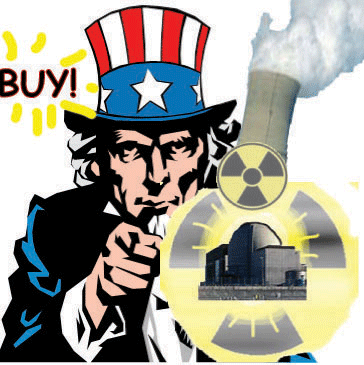 The Obama administration is keen to see the Indian liability law changed, warning that any supplier burden could jeopardize investment gains teed up by the U.S.-India civil nuclear pact in 2005, but the Japanese crisis stands to throw a wrench in that effort…..Should the prospect of nuclear suppliers and operators battling in court over any Indian safety lapse dissuade U.S. companies from entering that country’s market, it would compound the financial blow already expected within the industry as a result of the Fukushima crisis
Japan Disaster Refuels Liability Debate in U.S.-India Nuclear Pact, NYTimes.com, By ELANA SCHOR March 25, 2011 Nuclear-powered nations are taking a hard look at safety in the wake of Japan’s struggle to stave off a meltdown. But as the thorny question of liability emerges, a push to reassess who pays for post-disaster rebuilding could flare up in India — where the United States hopes to gain from a nascent nuclear boom Continue reading
Radioactive iodine 1250 times legal limit in sea off Japan
Radioactive iodine in sea off Japan, Sydney Morning Herald, March 26, 2011 – The operator of Japan’s disaster-hit Fukushima nuclear plant has detected radioactive iodine 1250 times the legal limit in Pacific Ocean waters nearby, the nuclear safety agency says…….Radioactive iodine in sea off Japan
Upward trend of radiation from Fukushima causes anxiety over tap water
The overall situation at the Fukushima plant remains of serious concern, the International Atomic Energy Agency said. The deposition of radioactive iodine and cesium varies across 10 prefectures on a day to day basis but “the trend is generally upward,”
Anxiety in Tokyo over radiation in tap water The Star, 24 March 11, TOKYO (AP): Workers loaded trucks with boxes of bottled water to distribute across the city Thursday after residents cleared store shelves following warnings that Tokyo’s tap water had elevated radiation coming from Japan’s tsunami-damaged nuclear complex. Continue reading
US-India nuclear agreement locks India into subordinate role
The WikiLeaks disclosures don’t bring out any new facts. Many of them had been raised earlier, ………particularly on the Indo-US nuclear agreement…..That the civilian nuclear accord was merely a ruse to seal a strategic partnership and interlock a proud, independent nation into a subordinate relationship is established by these revelations…….The US government has admitted the cables are genuine
Nuclear deal was ruse to subordinate India to the US, DNA Mar 25, 2011, By Nilotpal Basu | Mumbai The stream of almost unending revelations that comes out everyday punctures the credibility of the Manmohan Singh government.
Radioactive iodine and cesium from Fukushima nuclear plant
Report: Emissions from Japan plant approach Chernobyl levels, USA Today, By Michael Winter, 24 March 11. Emissions of radioactive iodine and cesium from the crippled Fukushima Dai-ichi nuclear plant have approached levels after the Chernobyl nuclear disaster in 1986, New Scientist reports. Austrian researchers made the calculations by using the global network of detectors designed to sniff out clandestine nuclear bomb tests.
Iodine-131 is being released at daily levels 73% of those detected after Chernobyl, while the daily amount of cesium-137 is about 60%, according to researcher from Austria’s Central Institute for Meteorology and Geodynamics…… Report: Emissions from Japan plant approach Chernobyl levels –
TEPCO shareholders to lose their whole investment
After repaying borrowings due this year and next, Tepco should have 8 trillion of net debt,
Tokyo nuclear firm protected, but not shareholders. Reuters , Mar 24, 2011 By John Foley HONG KONG — The owner of Japan’s stricken nuclear reactors should emerge from the wreckage intact. But shareholders in Tokyo Electric Power, whose Fukushima complex was damaged by this month’s earthquake, could lose their entire investment. Continue reading
Japanese nuclear plant beset by new problems
an even bigger problem when the water inside the reactor is much more radioactive than usual and is under extremely high pressure, as it has been in all three reactors at the Fukushima Daiichi plant at various times since the earthquake and tsunami…..
 New Problems Arise at Japanese Nuclear Plant, NYTimes.com, By KEITH BRADSHER March 23, 2011 “……..nuclear engineers say some of the most difficult and dangerous tasks are still ahead — and time is not necessarily on the side of the repair teams. Continue reading
Conflicting information on state of spent nuclear fuel rods at Fukushima
“We believe that secondary containment has been destroyed and there is no water in the spent fuel pool, and we believe that radiation levels are extremely high, which could possibly impact the ability to take corrective measures.”
Foreigners Advised to Leave Tokyo; US Citizens OK’ed to Evacuate, by: Nancy Roberts 18 March 11, Conflicting Information on Exposed Fuel Rods US Nuclear Regulatory Commission Chairman Greg Jacszko testified before Congress on Wednesday that he believes there is no water in the spent fuel pool in one of the Fukushima reactor buildings, leaving the fuel rods exposed and in danger of overheating: Continue reading
Winds could carry Fukushima nuclear radiation across Japan’s mainland
Global rescue teams depart as winds threaten to turn nuclear cloud inland * Brendan Nicholson The Australian * March 22, 2011 AUSTRALIAN authorities have warned that the wind direction in the region surrounding the stricken Japanese nuclear reactors was set to change last night and could carry radioactive contamination over the mainland.
The Australian Radiation Protection and Nuclear Safety Agency said the prevailing wind had been carrying radiation out to sea since the Fukushima Daiichi power stations were damaged. But during the next 36 hours, a wind change is likely to produce a complex pattern of wind directions over mainland Japan.”Any radioactivity that may occur from deterioration in the current status of any of the Fukushima Daiichi reactor units is predicted to pass across mainland Japan during this time.”
ARPANSA said the wind should swing back out over the ocean after that time.ARPANSA has recommended that Australians within 80km of the power plant move out of the area….Global rescue teams depart as winds threaten to turn nuclear cloud inland | The Australian
Japan’s history of falsified nuclear safety records
In 2002 TEPCO was caught falsifying safety records and was forced to shut down all 17 of its reactors, including those at the stricken Fukushima I facility, located some 240km north of Tokyo in eastern Japan, on the Pacific coast. TEPCO executives admitted to over 200 submissions of false technical data in the previous two decades. The only reason TEPCO was caught was because a US nuclear engineer working at TEPCO came forward with the information,
Who controls nuclear control agencies? Japan’s earthquake caused a nuclear crisis which could be repeated in other countries .. Al Jazeera Stephen Leahy 23 Mar 2011 As Japan struggles to confront a nuclear disaster that could be the worst in history, it seems clear that any discussion about the safety of nuclear energy should address the independence of regulatory agencies. Continue reading
25 embassies in Tokyo shut due to nuclear radiation concerns
Nuclear fears shut 25 embassies in Tokyo Herald Sun, March 23, 2011 THE nuclear emergency following the earthquake and tsunami in Japan has led 25 embassies to temporarily shut their doors in Tokyo, Foreign Minister Takeaki Matsumoto said today.As of yesterday; “eight of them had transferred their functions outside Tokyo or Japan”, Matsumoto told AFP by email……Nearly two weeks after the double disaster ravaged the country’s Pacific coast on March 11, workers were battling to avert catastrophe at a crippled nuclear power plant, located 250 kilometres northeast of Tokyo.
The foreign ministry’s press division said the following countries had closed their doors: Angola, Bahrain, Benin, Botswana, Burkina Faso, Croatia, Dominican Republic, Ecuador, Finland, Germany, Ghana, Guatemala, Kenya, Kosovo, Lesotho, Liberia, Libya, Malawi, Mauritania, Mozambique, Namibia, Nepal, Nigeria, Panama and Switzerland Nuclear fears shut 25 embassies in Tokyo | Herald Sun
1 This Month
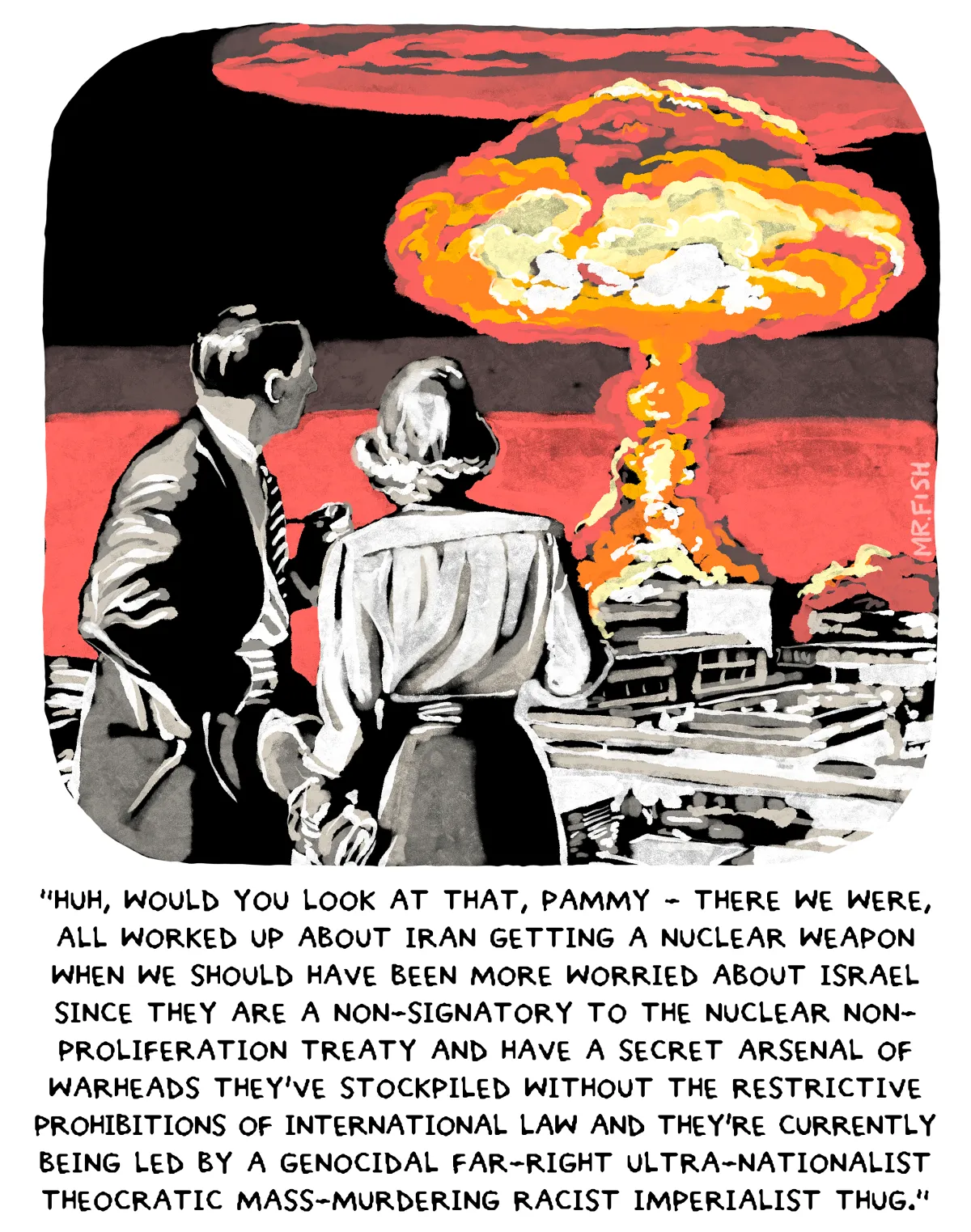
1 June Webinar – The High Cost of Nuclear Power – Register
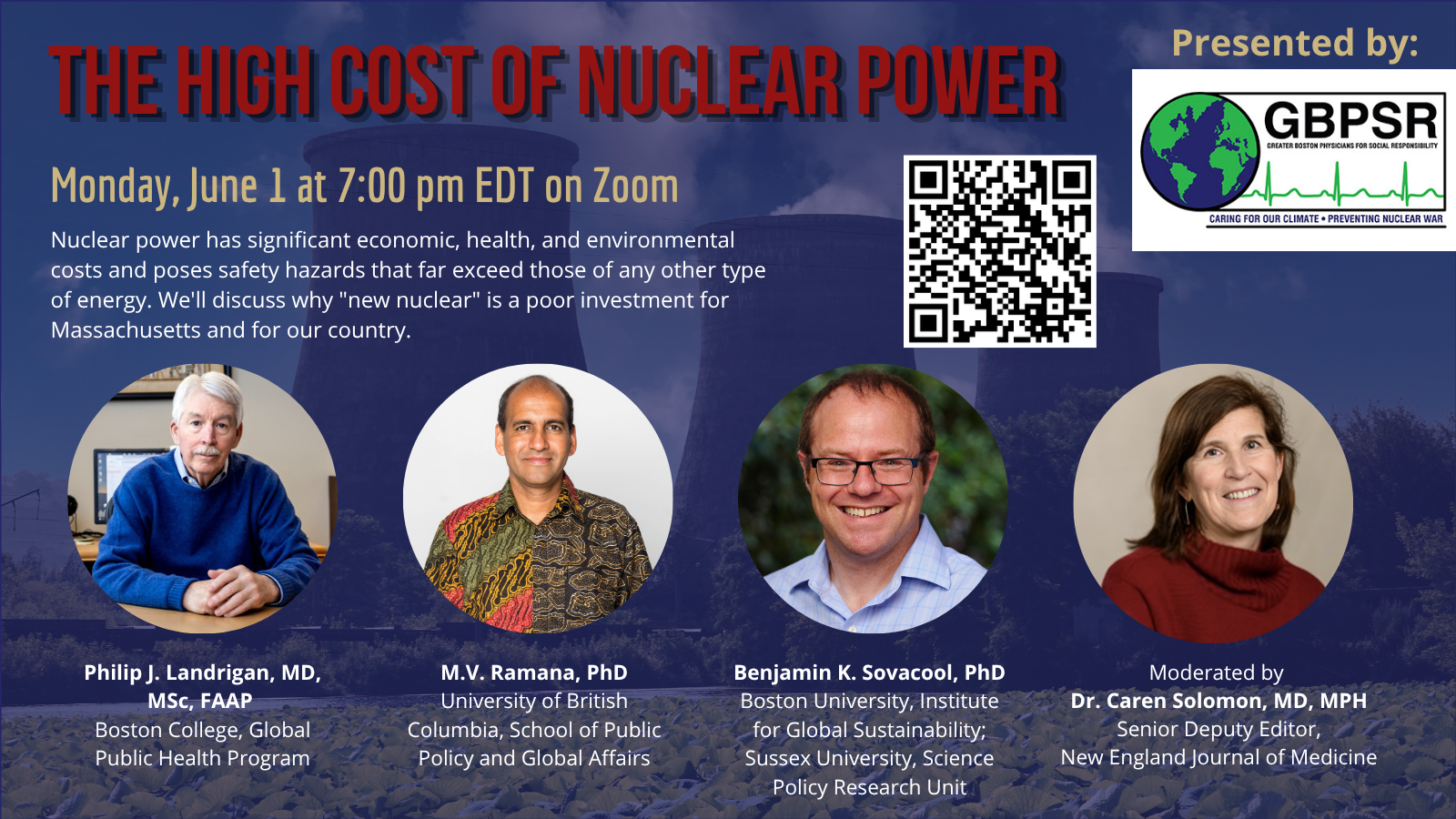


of the week– Nuclear Reactor Information Task Force
To see nuclear-related stories in greater depth and intensity – go to https://nuclearinformation.wordpress.com
-
Archives
- May 2026 (262)
- April 2026 (356)
- March 2026 (251)
- February 2026 (268)
- January 2026 (308)
- December 2025 (358)
- November 2025 (359)
- October 2025 (376)
- September 2025 (257)
- August 2025 (319)
- July 2025 (230)
- June 2025 (348)
-
Categories
- 1
- 1 NUCLEAR ISSUES
- business and costs
- climate change
- culture and arts
- ENERGY
- environment
- health
- history
- indigenous issues
- Legal
- marketing of nuclear
- media
- opposition to nuclear
- PERSONAL STORIES
- politics
- politics international
- Religion and ethics
- safety
- secrets,lies and civil liberties
- spinbuster
- technology
- Uranium
- wastes
- weapons and war
- Women
- 2 WORLD
- ACTION
- AFRICA
- Atrocities
- AUSTRALIA
- Christina's notes
- Christina's themes
- culture and arts
- Events
- Fuk 2022
- Fuk 2023
- Fukushima 2017
- Fukushima 2018
- fukushima 2019
- Fukushima 2020
- Fukushima 2021
- general
- global warming
- Humour (God we need it)
- Nuclear
- RARE EARTHS
- Reference
- resources – print
- Resources -audiovicual
- Weekly Newsletter
- World
- World Nuclear
- YouTube
-
RSS
Entries RSS
Comments RSS
 nuclear-news