Jaitapur nuclear project highlights conflict of interest
 Despite assurances by the government, experts feel an honest assessment of hazards is impossible. “Like the International Atomic Energy Authority, the Indian DAE too is trapped in conflict of interest. They are both the promoters and regulators of atomic energy. How can one expect an honest assessment from them?” asks Krishna. “Safety audit should be independent,” says Bidwai. Even Environment Minister Jairam Ramesh has called for an independent regulatory body for nuclear energy. “Fukushima has changed everything,” says Krishna
 JAITAPUR’S own Fukushima | Hard News After the Fukushima nuclear disaster, it’s time for a moratorium on all unsafe nuclear complexes in India, Sadiq Naqvi 12 April 11, “…….”JAPAN HAS CHANGED the paradigm of debate vis-à-vis the proposed Jaitapur nuclear park,” says Vivek Montero of the Konkan Bachao Samiti. He says that the Fukushima disaster has shown that radioactivity affects everything, all life, agriculture, plantations, animals, human lives. “People have categorically stated their position. The question is not of compensation. We don’t want the project, that’s all,” he adds. Continue reading
Delay in clearance for Nuclear Power Corporation of India’ Jaitapur project
Centre’s clearance for nuke reactors awaited – Hindustan Times, 12 April 11, The aftershocks of the nuclear emergency in Japan are being felt in India, leading to a delay in getting clearance for constructing the first two reactors at the proposed Jaitapur Nuclear Power Plant in Ratnagiri district. The Nuclear Power Corporation of India (NPCIL) that builds and operates nuclear plants is yet to get the Jaitapur project sanctioned by the Central government. Continue reading
Dangerous nuclear work done by low paid contract workers
 thousands of untrained, itinerant, temporary labourers who handle the bulk of the dangerous work at nuclear power plants here and in other countries,….
Japan’s two-tiered work force, with an elite class of highly paid employees at top companies and a subclass of labourers who work for less pay, have less job security and receive fewer benefits. Such labour practices have both endangered the health of these workers and undermined safety at Japan’s 55 nuclear reactors
Lured to work with radiation, Hiroko Tabuchi Interviews with past and current workers at Fukushima Daiichi and other plants in Japan paint a bleak picture of what happens on the nuclear circuit. Hiroko Tabuchi The Hindu 11 April 11, “ ….
Untrained labour Continue reading
Thousands rally against nuclear power, in Japan
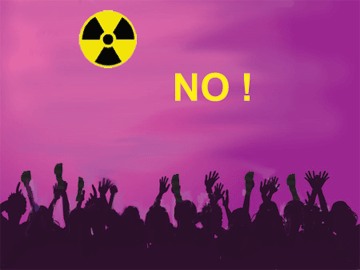 ‘‘We hope to halt the Hamaoka plant which is said to be the most dangerous, and the campaign to halt nuclear plants will spread elsewhere.’‘
17,500 gather for Tokyo rallies against nuclear plants , Japan Today, 11 April 2011 TOKYO —About 17,500 people gathered Sunday for two rallies held in Tokyo against nuclear power plants amid the prolonged crisis at the Fukushima Daiichi Nuclear Power Station some 220 kilometers to the northeast. Continue reading
Fukushima nuclear reactors still not under control
 Engineers at the damaged Fukushima Daiichi plant north of Tokyo said on Sunday they were no closer to restoring the plant’s cooling system which is critical if overheated fuel rods are to be cooled and the six reactors brought under control.
The Japan Times said authorities would soon forcibly close the 20 km zone, stopping people returning to their shattered homes to pick through the rubble for belongings.
Japan set to extend nuclear evacuation zone | Reuters, 11 April 11, – Japan plans to extend the evacuation zone around its crippled nuclear plant because of high radiation levels, local media reported on Monday, with engineers no closer to regaining control of six reactors hit by a giant tsunami one month ago. Continue reading
India’s ramshackle infrastructure a danger for nuclear safety
Japan crisis fuels India nuclear safety concerns, Daily Times. 11 April 11, “…….experts say the government has not properly addressed a crisis scenario, given India’s ramshackle infrastructure and largely untested emergency procedures. The Department of Atomic Energy has “cavalierly minimised” the potential of an accident, said Balaram’s letter, which was also signed by Gopalakrishnan and former power secretary E.A.S. Sharma.The Japanese crisis has focused domestic attention on India’s plans to construct what would be one of the world’s largest nuclear plants at Jaitapur in a seismically sensitive region of Maharashtra state.French company Areva has signed a $9.3 billion deal to supply the first two of Jaitapur’s six planned third-generation pressurised water reactors.But the region has experienced 92 earthquakes since 1985, including one measuring 6.2, according to environmental group Greenpeace.“The dangers have been swept under the carpet,” Greenpeace spokesman Hofeza Merchant said.
“With our corrupt and poor quality practices inherent in the system, it is very dangerous to meddle with such high-risk projects,” said B. Ramakrishnam Raju, convenor of the National Alliance of People’s Movements.
Daily Times – Leading News Resource of Pakistan – Japan crisis fuels India nuclear safety concerns
Young generation supporting an old anti nuclear activist
A wave of younger people are checking daily Geiger-counter readings online and carrying “No Nukes” signs up and down the streets of trendy Tokyo neighborhoods. Two separate protests in the capital on Sunday attracted more than 10,000 people, who called for a moratorium on nuclear power.
In Japan, new attention for longtime anti-nuclear activist – The Washington Post, By Michael Alison Chandler, April 10, Long before the ghostly images of Fukushima’s nuclear workers in white suits and gas masks appeared in newspapers and magazines around the world, photographer Kenji Higuchi was recording the lives and risks of the industry’s front-line laborers. Continue reading
Safety fears stop Turkey-Japan nuclear talks
Turkey, Japan suspend nuclear plant talks amid safety concerns, 11 April 2011, Monday / TODAY’S ZAMAN , İSTANBUL Turkey, Japan suspend nuclear plant talks amid safety concerns
India’s public do not regard nuclear energy as safe
survey of nearly 10,000 people by pollsters Chanakya, part of New Delhi’s RNB Research, showed 77 percent of Indians were worried about atomic safety.
Japan crisis fuels India nuclear safety concerns, Daily Times -, 11 April 11, NEW DELHI: Japan’s nuclear crisis has fuelled public unease in India over ambitious government plans to ramp up nuclear power capacity to feed the country’s growing, energy-hungry economy…. Continue reading
Japan’s low-skilled, low paid, nuclear workers
The biggest problem is the nuclear one,” said Itsunori Onodera, a lawmaker with the opposition Liberal Democratic Party, whose hometown of Kesennuma was ravaged by the tsunami. “If the area of nuclear contamination spreads, people won’t live there and there’ll be no reconstruction.”
McDonald’s Wage For Nuclear Job Shows Japan Towns Fading, Bloomberg, By John Brinsley and Aki Ito – Apr 11, 2011 A week before becoming ground zero for the world’s biggest nuclear crisis since 1986, the Fukushima Dai-Ichi plant offered $11 an hour for full-time maintenance work in an area of Japan that was lagging even before last month’s earthquake and tsunami struck. The wage, the same as McDonald’s Corp. (MCD) pays for part-time work in Tokyo, shows the scale of the northern Tohoku region’s economic blight and indicates towns may never recover from the disaster….. Continue reading
Psychological impact of Fukushima nuclear crisis
The crisis will likely drag on for months, hindered by a major conundrum: how to keep reactors cool while also disposing of highly radioactive water pooling in and under the plant.
One month on psychological impact is only sinking in – The Irish Times – Mon, Apr 11, 2011 DAVID McNEILL in Tokyo The cherry blossom season is party time in Japan, but this year it has been overshadowed by tragedy and loss…..Lights in Tokyo are dimmed, restaurants are half empty and most cherry blossom parties are a muted affair, overshadowed by the tragedy that befell the northeast on March 11th and the nuclear crisis that it sparked in Fukushima, 250km (155 miles) up the coast from the capital…. Continue reading
Prevention of nuclear meltdown causes radioactive water problem
Cleaning the water could take many years, if not decades to complete. The cost could run into tens of billions of dollars..
 Containing a calamity creates another nuclear nightmare, Sydney Morning Herald, Julie Makinen, Ralph Vartabedian April 9, 2011, TOKYO: For nearly four weeks, Japanese emergency crews have been spraying water on the damaged Fukushima nuclear reactors in a desperate attempt to avert the calamity of a full meltdown.The improvised solution to one nuclear nightmare is spawning another: what to do with the millions of litres of water that has become highly radioactive as it washes through the plant. Continue reading
Continuing danger of explosion at Fukushima nuclear plant
The nitrogen injection was the latest in a series of efforts to prevent another nuclear catastrophe in Japan,…..Radioactive particles have settled in the area around the plant, contaminating water, vegetables, dairy products and other food. More explosions could spread the poisonous material farther.
But the nitrogen injection itself carries risk, since it could disperse radioactive vapour into the environment………
Explosion still a risk at Japan nuclear plant Workers inject nitrogen gas to reduce chances of blow-up but are running out of space to store radioactive water. Al Jazeera: 07 Apr 2011 After stopping the leak of highly radioactive water from a crippled nuclear plant north of Tokyo, Japanese authorities have begun injecting nitrogen into part of the facility in order to prevent a hydrogen explosion. Continue reading
Authorities just don’t have accurate data on Fukushima nuclear crisis
nuclear fuel in the core of one of the stricken reactors had probably leaked from its thick steel pressure vessel, its most important protective barrier. If that proved to be accurate, it would raise the prospect of continuing fuel leaks and high levels of radioactive releases that would vastly complicate containment and the cleanup
Lack of Data Heightens Japan’s Nuclear Crisis, New York Times, By HIROKO TABUCHI and KEITH BRADSHER April 8, 2011 TOKYO — Nearly one month after Japan’s devastating nuclear accident, atomic energy experts, regulators and politicians around the world are still puzzling over a basic question: How much danger is still posed by the Fukushima Daiichi nuclear power plant? Continue reading
Food imports from 12 Japanese areas now banned in China
China bans farm produce imports from 12 areas of Japan because of radiation worries Canadian Business Online, 9 April 11, BEIJING (AP) – China has banned imports of farm produce from 12 areas near Japan’s stricken nuclear power plant. Continue reading
1 This Month
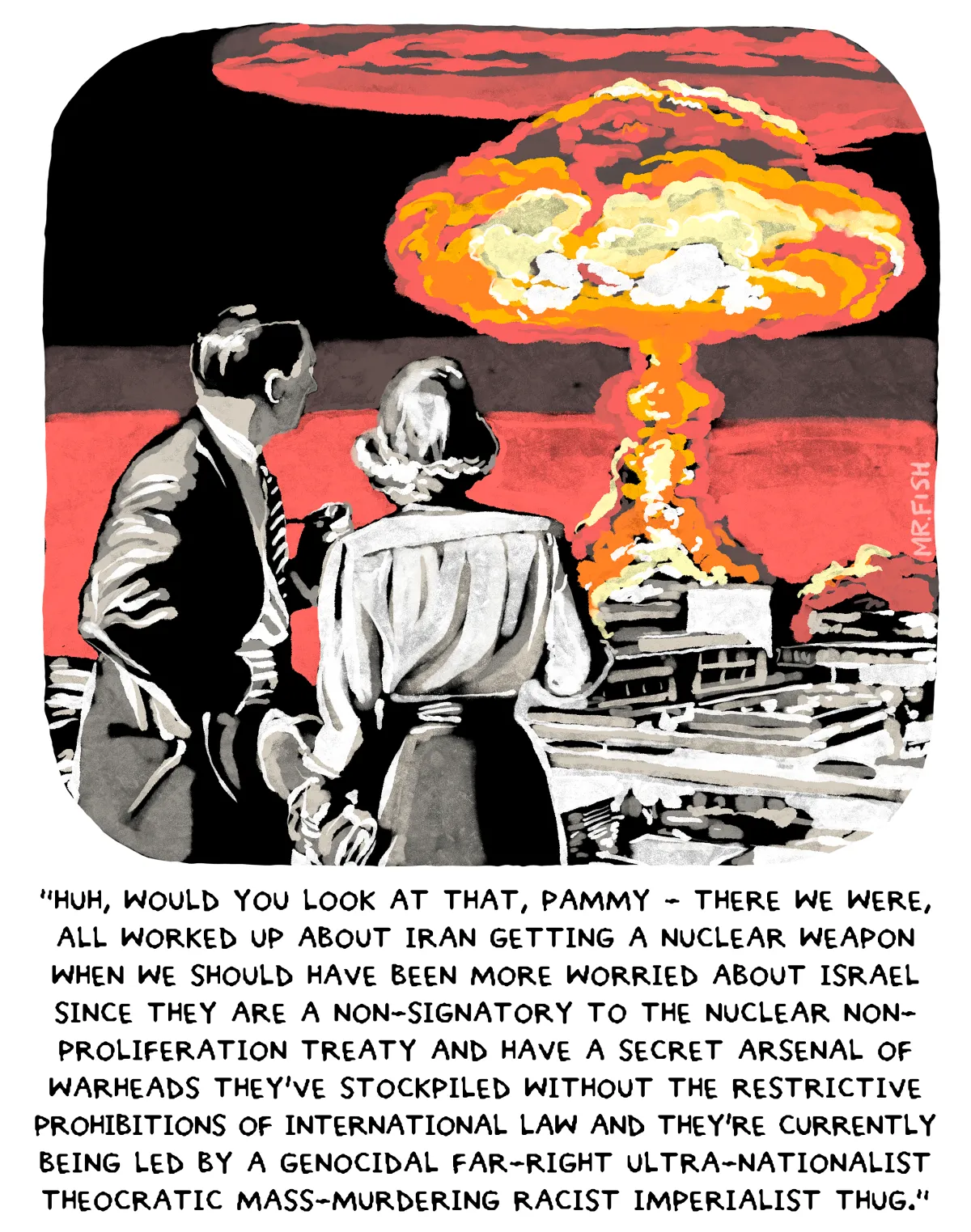
1 June Webinar – The High Cost of Nuclear Power – Register
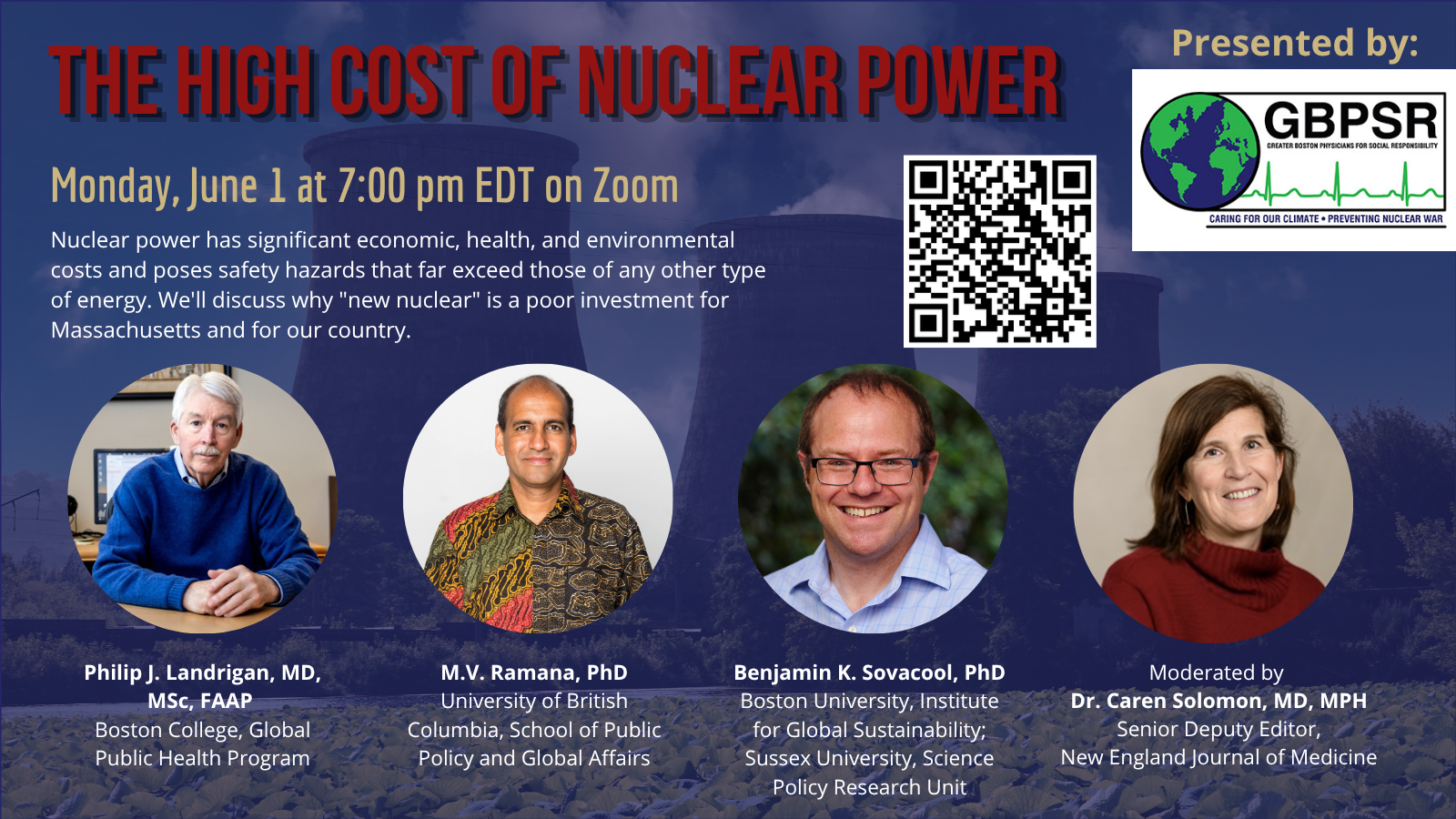


of the week– Nuclear Reactor Information Task Force
To see nuclear-related stories in greater depth and intensity – go to https://nuclearinformation.wordpress.com
-
Archives
- May 2026 (262)
- April 2026 (356)
- March 2026 (251)
- February 2026 (268)
- January 2026 (308)
- December 2025 (358)
- November 2025 (359)
- October 2025 (376)
- September 2025 (257)
- August 2025 (319)
- July 2025 (230)
- June 2025 (348)
-
Categories
- 1
- 1 NUCLEAR ISSUES
- business and costs
- climate change
- culture and arts
- ENERGY
- environment
- health
- history
- indigenous issues
- Legal
- marketing of nuclear
- media
- opposition to nuclear
- PERSONAL STORIES
- politics
- politics international
- Religion and ethics
- safety
- secrets,lies and civil liberties
- spinbuster
- technology
- Uranium
- wastes
- weapons and war
- Women
- 2 WORLD
- ACTION
- AFRICA
- Atrocities
- AUSTRALIA
- Christina's notes
- Christina's themes
- culture and arts
- Events
- Fuk 2022
- Fuk 2023
- Fukushima 2017
- Fukushima 2018
- fukushima 2019
- Fukushima 2020
- Fukushima 2021
- general
- global warming
- Humour (God we need it)
- Nuclear
- RARE EARTHS
- Reference
- resources – print
- Resources -audiovicual
- Weekly Newsletter
- World
- World Nuclear
- YouTube
-
RSS
Entries RSS
Comments RSS
 nuclear-news