China helps Pakistan build nuclear reactors, despite radical Islamist groups operating in the country

 Terror-Plagued Pakistan Just Turned On Another Nuclear Reactor, Daily Caller ANDREW FOLLETT, Energy and Science Reporter , 18 Oct 16
2019 Rugby World Cup in Japan
Before the 2020 Radioactive Olympics of Tokyo, the 2019 Radioactive Rugby World Cup in Japan!!!

World Rugby concluded its latest round of meetings with the Japan 2019 organizing committee in Tokyo Japan Friday, October 14, 2016 in connection with the preparation of the Rugby World Cup 2019.
The Executive Director of World Rugby, Brett Gosper, led a delegation to the quarterly meeting. Three years of the global tournament for the first time on Asian soil, Brett Gosper commented on key issues of the organization.
“We are satisfied with the way things are moving,” he said. “The budget, the planning for the stadiums … the preparations are on track and the foundations are solid. “
Bill Beaumont, president of World Rugby, who will visit Japan next week to take part of the World forum on sport and culture in Tokyo – along with IOC President Thomas Bach – is convinced that Japan 2019 will mobilize entire country.
“The Rugby World Cup will be an event for Japan as a whole,” he said. “Sport is about friendship and this tournament will be the proof with the teams, fans and the Japanese community will live the event together. Everyone is invited to participate in the biggest sporting event in the world in 2019. The host cities will benefit from significant economic benefits, but also sports and culture by hosting one of the world biggest sporting events. By working with the organizing committee, we are determined to make the most of the equipment for the benefit of all. “
Record profits were generated by the Rugby 2015 World Cup the order of £ 2.3 billion (€ 2.5 billion) to £ 1.1 billion (€ 1.2 billion) more to the UK economy through the 406,000 visitors who came and stayed on average 14 days. With 12 host cities, Japan can hope to break records.
The fan base is growing in Japan, especially because of the performance of the national team to the World Cup 2015 Rugby and Rugby 7 team at Rio Olympics Games that finished off the podium. Nearly 50% of fans believe that the Rugby World Cup in Japan will significantly raised the level of rugby in the country and 11 million say they are interested to take part. A total of 59 million Japanese watched the Rugby World Cup 2015.
Fukushima Rice Mixed With Other Rices

From June 1, 2016
In the “7-Eleven” minimarkets in Japan, Fukushima rice is mixed with the other rices, to lower the contamination measuring and to facilitate its selling .
Minimarkets are open 24 hours a day, 7 days a week.We do not know about the other minimarkets.
Written information of origins:
1, Seven-Eleven rice 2 kg (2014 production)
Iijima rice Co., Ltd. (Koriyama, Fukushima Prefecture)
Expiration date 27.5.17
2, blend
Fukushima Prefecture Koshihikari
Fukushima Prefecture shine
Seven-Eleven US 5 Kg
Iijima rice Co., Ltd. (Koriyama, Fukushima Prefecture)
Expiration date 26.12.17
3, blend
Fukushima Prefecture Koshihikari
Akita Prefecture Akitakomachi
http://iijima88.com/smarts/index/1/
Knowing that we decided to measure ourselves the rice.
Pre-treatment of the sample

We stopped for a while trhe electric furnace.

First it is lyophilized (freeze-dried).

By freezing the sample.

During 43hours.
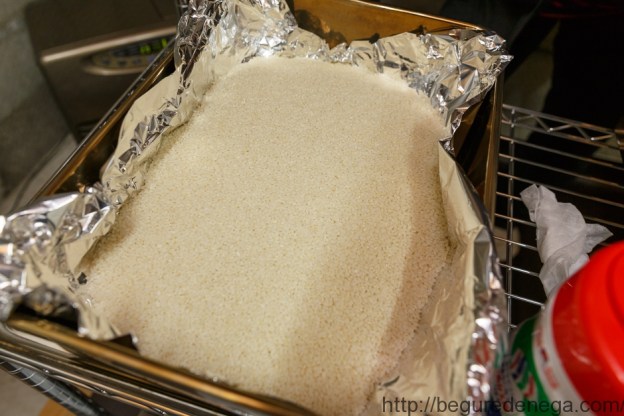
Water removal at high level by lyophilization.
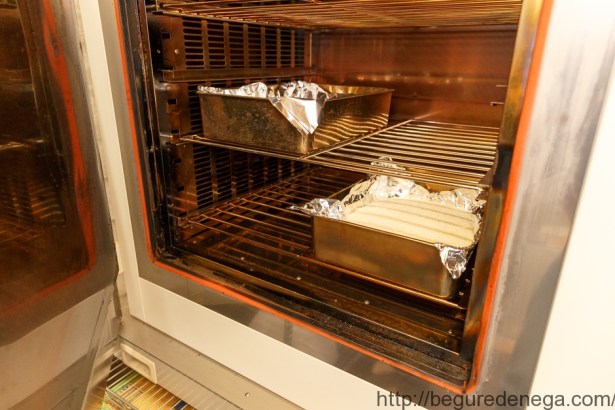
Then into the electric furnace.
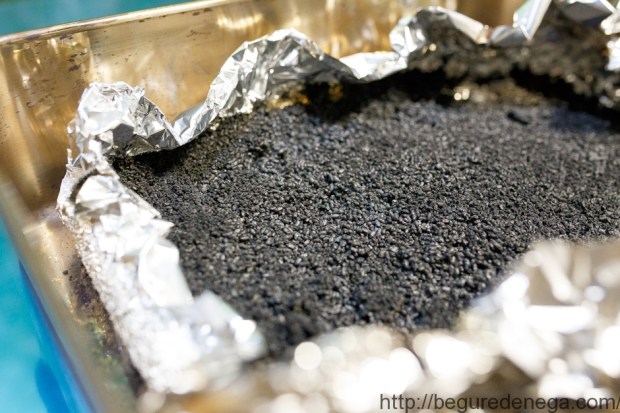
It is processed for 4 days at then 180-370 ℃.
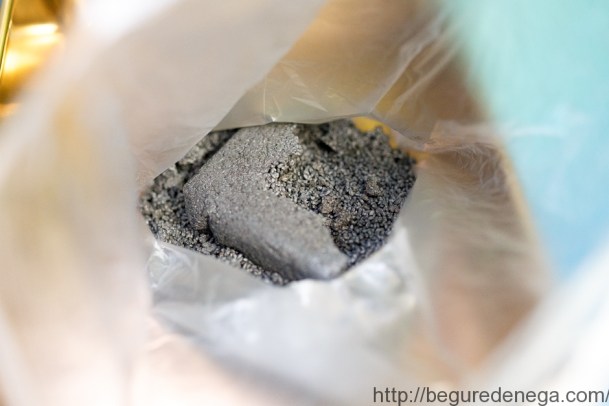
A 7kg sample was reduced to about 550g.
After this sample was crushed, we gave it to be measured with a germanium semiconductor detector at the University of Tokyo.
The results are … to be worried about.
Measurement results

Both types of radioactive cesium have been detected: 134Cs and 137Cs. Proving that convenience stores are selling the inexpensive rice from the disaster area.
Survey: 57% oppose rebooting nuclear reactors, 29% in favor
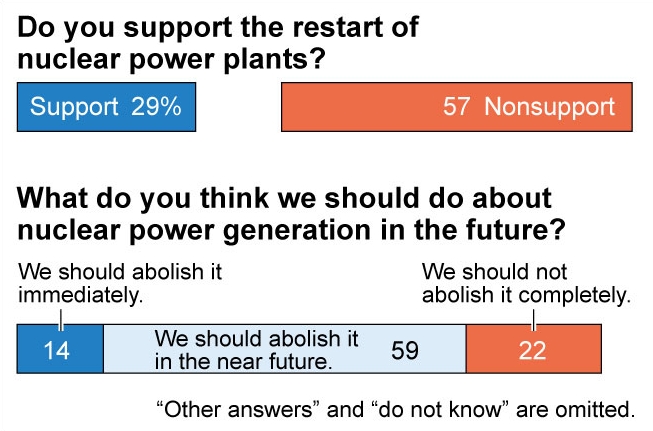
Fifty-seven percent of citizens nationwide are against restarting nuclear power plants, nearly double the 29 percent who want reactors brought back online, according to an Asahi Shimbun survey.
The results of the telephone survey conducted on Oct. 15 and 16 show that more than half of the public has remained opposed to the resumption of nuclear plant operations since an Asahi Shimbun survey in June 2013, when 58 percent expressed opposition.
In an Asahi survey in February this year, 54 percent of respondents disagreed with plans to fire up the reactors.
The support rate for the Cabinet of Prime Minister Shinzo Abe fell to 48 percent from 52 percent in the previous survey conducted in September. The nonsupport rate was 32 percent, up from 29 percent.
The Abe administration has been pushing for the resumption of nuclear plant operations. Currently, only two of Japan’s dozens of reactors are online under stricter safety standards set after the 2011 Fukushima nuclear disaster.
Around 45 percent of respondents who support Abe’s ruling Liberal Democratic Party oppose reactor restarts, eclipsing the 42 percent of LDP supporters who agree with the nuclear policy.
Among supporters of the main opposition Democratic Party, 78 percent are against rebooting nuclear reactors, according to the survey.
Fifty-nine percent of respondents who do not support any particular party want the reactors to remain idle, compared with 24 percent in favor of bringing nuclear plants back online.
The survey showed that younger people and males were more likely to support restarts of nuclear power plants.
Sixty percent of males 18 to 29 years old were in favor, compared with 30 percent in opposition, according to the survey.
The Asahi Shimbun conducted the latest survey through the Random Digit Dialing method, in which survey takers call both fixed and mobile telephone numbers randomly selected by computer. Parts of Fukushima Prefecture were excluded from the survey.
Among the 1,870 households contacted that had at least one eligible voter, 1,000 people, or 53 percent, gave valid responses.
Nuclear watchdog eyes standards for reactor shutdown in fear of giant volcanic eruption
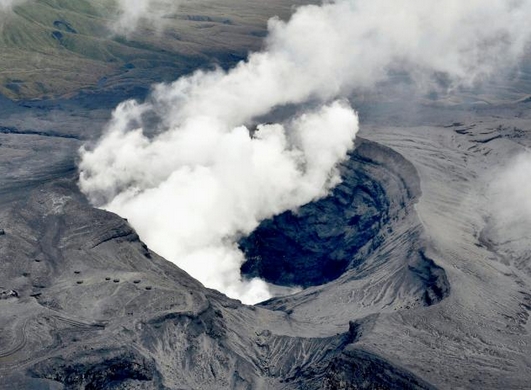
An aerial view shows the eruption of Mount Aso in Aso, Kumamoto prefecture, southwestern Japan, in this photo taken by Kyodo October 8, 2016.
The Nuclear Regulation Authority (NRA) held a meeting of a panel of outside experts on Oct. 17 to start considering the formulation of standards for ordering a nuclear power plant to shut down in preparation for a giant volcanic eruption.
Arguing that there is a high possibility of smaller volcanic eruptions occurring ahead of a giant eruption, the expert panel showed a proposal to prepare for a giant eruption after a smaller eruption occurs. But the panel did not show specific details of standards.
According to the NRA’s proposal, a giant eruption is believed to occur following small-, medium- or large-scale eruptions. With such a possibility in mind, the NRA said that the expert panel would consider how to respond in the event of small- and medium-sized eruptions occurring and extremely abnormal data being observed. The NRA listed crustal movement, seismic activity and temperatures and gasses of a volcano as data to be subject to monitoring.
Meanwhile, there was a spate of suggestions from experts at the meeting that it would be difficult to detect signs of a giant eruption. For example, Tetsuo Kobayashi, professor emeritus at Kagoshima University, said, “Even if there is a significant phenomenon, whether or not it will lead to a giant eruption will not be known until the last minute.”
The NRA is to examine data on past volcanic eruptions, but it will likely face difficulties in working out standards as there are very few cases of giant eruptions being observed in the world.
The NRA had given the green light for two reactors at Kyushu Electric Power Co.’s Sendai Nuclear Power Plant in Kagoshima Prefecture to restart, saying, “The possibility of a giant volcanic eruption occurring at the periphery of the nuclear plant is very low.” If the NRA deems there is a sign of a giant eruption, it will order a relevant power company to halt the operation of nuclear reactors and take nuclear fuel out from the reactors. But in order to take out nuclear fuel from reactors, several years have to be spent to cool down the atomic fuel first. And yet, nothing has been decided as to where such fuel should be sent.
http://mainichi.jp/english/articles/20161018/p2a/00m/0na/008000c
New Niigata governor puts up additional hurdle for TEPCO
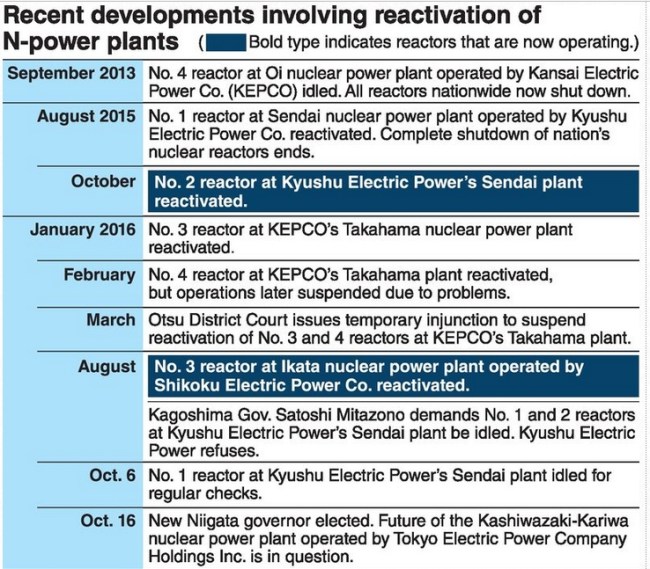
The election Sunday of Ryuichi Yoneyama as the new governor of Niigata Prefecture may make the financial situation at Tokyo Electric Power Company Holdings Inc. even more unstable, as Yoneyama is cautious about restarting reactors at the company’s Kashiwazaki-Kariwa nuclear power plant.
In the wake of the March 2011 accident at TEPCO’s Fukushima No. 1 nuclear plant, operations at all of the company’s 11 nuclear power reactors were suspended — excluding those at the Fukushima No. 1 plant, which are to be decommissioned.
The Kashiwazaki-Kariwa plant holds seven of the company’s reactors, all of which have been idle since March 2012.
TEPCO has applied for safety inspections to be carried out by the Nuclear Regulation Authority on two of the reactors at the plant.
TEPCO’s dependence on crude oil and liquefied natural gas has deepened because the company relies mainly on thermal power generation. As thermal power plants are affected by the import prices of the fuels, the situation is weighing on TEPCO’s financial situation.
If just one reactor at the Kashiwazaki-Kariwa plant can be reactivated, TEPCO’s annual profit is expected to rise by up to about ¥100 billion. The reactors can produce electric power at a lower cost than thermal power generation.
For now, TEPCO remains profitable, but this is largely because lower crude oil prices have lowered the company’s expenditures.
Though crude oil prices are currently low, prices are forecast to rise in mid- and long-term projections.
If the fuel costs of thermal power plants rise, electric power companies’ balance sheets will be adversely affected. This will make nuclear power plants increasingly important.
However, during the election campaign, Yoneyama said, “Unless examinations of the accident in Fukushima Prefecture are completed, it’s not possible to begin discussions about reactivation.”
The possibility he will tolerate swift reactivation of the reactors is very low, even if the Kashiwazaki-Kariwa plant passes the NRA’s safety inspections.
The total amount of compensation for those adversely affected by the accident at the Fukushima No. 1 nuclear power plant has surpassed ¥6 trillion, and the amount is likely to grow.
It is also assumed that work to decommission the reactors that caused the accident will cost trillions of yen. Thus TEPCO has asked for assistance from the government.
An expert panel of the Economy, Trade and Industry Ministry began discussions this month about TEPCO’s future direction, and how to share the financial burden of decommissioning nuclear reactors.
Reactivation of its nuclear reactors will be key to stabilizing TEPCO’s financial situation back on track, and enable the company to procure funds for compensation for damage and future decommissioning.
Anxiety will continue to mount over TEPCO’s financial situation the longer reactivation is delayed.
Electricity rates of major electric power companies in fiscal 2015 were about 20 percent higher on average for households, and about 30 percent higher on average for corporate users, compared to before the nuclear accident.
In TEPCO’s service area, the rates for households currently stand about 20 percent higher than before the nuclear accident.
An analyst estimated that if reactors Nos. 6 and 7 of the Kashiwazaki-Kariwa plant are reactivated, TEPCO will be able to lower the rates by 2 to 3 percent.
Gov’t, TEPCO should take Niigata gubernatorial election results seriously
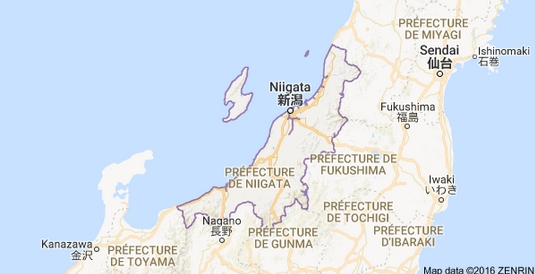
A candidate who is cautious about restarting idled nuclear power plants won the Oct. 16 Niigata gubernatorial election, defeating a rival backed by the ruling coalition. The government of Prime Minister Shinzo Abe and Tokyo Electric Power Co. (TEPCO) should take seriously the outcome of the election, in which the pros and cons of reactivating the utility’s atomic power station in the prefecture was a key point of contention.
Ryuichi Yoneyama, 49, supported by the opposition Japanese Communist Party, Liberal Party and Social Democratic Party, beat former Nagaoka Mayor Tamio Mori, 67, backed by the ruling Liberal Democratic Party (LDP) and its coalition partner Komeito.
Mori had been expected to score an easy victory as the approval rating of the Abe Cabinet has been high and both the ruling coalition parties enjoy support from the business community and related organizations. Therefore, the results highlight prefectural residents’ deep-rooted distrust in TEPCO, the operator of the tsunami-ravaged Fukushima No. 1 Nuclear Power Plant.
The governing bloc’s loss in the Niigata election follows its defeat in the July Kagoshima gubernatorial race, in which journalist Satoshi Mitazono, who called on Kyushu Electric Power Co. to stop operations at its Sendai Nuclear Power Plant in the prefecture during his campaigning, scored a victory.
The outcome of the Niigata race also apparently shows local residents’ displeasure toward Mori, who failed to clarify his stance toward whether the Kashiwazaki-Kariwa Nuclear Power Plant in the prefecture should be restarted, as well as their criticism of the Abe administration that is proactively trying to reactivate atomic power plants.
Close attention was focused on the latest election because incumbent Hirohiko Izumida abandoned seeking a fourth four-year term as governor.
The reason why Izumida gave up on running in the race remains unclear. However, Izumida has continued to demand TEPCO clarify the cause of the Fukushima nuclear crisis as a precondition for sitting at the negotiation table to discuss whether the Kashiwazaki-Kariwa plant should be reactivated. As such, TEPCO and the Abe government had expected that the retirement of Izumida would help facilitate the resumption of operations at nuclear plants.
As the election campaign went on, however, Yoneyama, who declared that he would take over Izumida’s policy line, garnered growing support from local voters. Alarmed by the situation, LDP heavyweights, including Secretary-General Toshihiro Nikai, delivered campaign speeches and urged the local business community and industry organizations to vote for Mori.
Numerous voters in Niigata, who saw the LDP’s desperate efforts to persuade local voters to vote for Mori, probably felt the old-fashioned culture of the LDP. During his campaigning, Mori emphasized his experience of serving as president of the Japan Association of City Mayors to demonstrate his close relations with the national government. However, he gave local voters the impression that he was hesitant to clarify his position on reactivation of atomic power plants.
Many challenges have been left unaddressed by Izumida, such as whether the evacuation plan for local residents in case of an accident at the Kashiwazaki-Kariwa plant is appropriate. Yoneyama must address these challenges as he pledged during his campaigning.
The manner in which the largest opposition Democratic Party (DP) approached the election was poor. The DP did not officially support Yoneyama although the party had initially planned to field him in the next House of Representatives election because the TEPCO union has strong influence within the Japanese Trade Union Confederation (Rengo), which is a major supporting organization for the party. However, DP leader Renho did an about-face and delivered campaign speeches for Yoneyama in the final phase of the campaign apparently after being convinced that he would win.
The DP cannot win support from voters unless the party discusses its nuclear power policy and clarifies its stance on the issue.
http://mainichi.jp/english/articles/20161017/p2a/00m/0na/009000c
U.S. and South Korea Say North Korean Missile Exploded Soon After Liftoff
North Korean Missile Reportedly Explodes Soon After Liftoff North Korea failed in attempt to launch a midrange Musudan missile, U.S. and South Korea Say Associated Press WSJ, Oct. 16, 2016 WASHINGTON—South Korea and the U.S. said Sunday that the latest missile launch by North Korea ended in failure after the projectile reportedly exploded soon after liftoff.
The South Korean Joint Chiefs of Staff said in a statement that the military believed the North unsuccessfully attempted to fire a midrange Musudan missile. It said the failed launch occurred near an airport in North Pyongan province.
South Korea’s Yonhap News Agency said that the missile was believed to have exploded soon after liftoff. Yonhap cited no source for this information.
North Korea has claimed technical breakthroughs in its goal of developing a long-range nuclear missile capable of reaching the continental U.S. However, South Korean defense officials have said the North doesn’t yet have such a weapon.
The failed launch was the latest in a series of moves by North Korea apparently aimed at displaying a show of force. As recently as last month, it fired three ballistic missiles off its east coast, timed to get the attention of world leaders including President Barack Obamawho were visiting the region for a series of summits. The U.N. Security Council subsequently condemned those North Korean launches and threatened “further significant measures” if it refused to stop its nuclear and missile tests.
North Korea also conducted its fifth nuclear test last month and in all has launched more than 20 ballistic missiles this year, part of its program aimed at improving the delivery system for nuclear weapons. Earlier this year, North Korea successfully launched a Musudan missile in June after several failed attempts…….. http://www.wsj.com/articles/u-s-detects-failed-north-korean-missile-launch-1476572239
Modi and Putin revive Cold War bond with lucrative agreements between two nations

 India-Russia ties boosted by defence, energy deals, Straits Times, OCT 16, 2016, Modi and Putin revive Cold War bond with lucrative agreements between two nations BENAULIM (India) • Indian Prime Minister Narendra Modi and Russian President Vladimir Putin signed a raft of lucrative defence and energy pacts yesterday following talks aimed at reinvigorating ties between the former Cold War allies.
Mr Modi hailed Mr Putin as an “old friend” after their meeting in the Indian state of Goa, where leaders of Brazil, Russia, India, China and South Africa (Brics) were gathering for a summit.
“Your leadership has provided stability and substance to our strategic partnership,” Mr Modi said alongside Mr Putin at a beachside resort, after officials signed up to 20 agreements between the two nations……..
They also signed an initial agreement on India’s purchase of Russia’s state-of-the-art S400 missile defence system, capable of shooting down multiple incoming missiles, although there were no details on a timeframe for delivery. The system would strengthen India’s defences along its borders with China and Pakistan……..
The leaders also signed a framework agreement to supply more reactors to a nuclear plant in Kudankulam in southern India, which is attempting to reduce its reliance on highly polluting coal for power. Mr Putin said that Russia would be able to build a dozen nuclear reactors in India over the next 20 years to back Mr Modi’s growth strategy for Asia’s third-largest economy, which continues to suffer power shortages………
Mr Modi was expected to hold talks with China’s President Xi Jinping late yesterday, also in the hope of boosting investment and trade. Relations, however, have been frustrated by Beijing’s decision so far to block New Delhi’s entry to a nuclear trade group, among other issues. http://www.straitstimes.com/asia/south-asia/india-russia-ties-boosted-by-defence-energy-deals
Pentagon detects a failed North Korean nuclear test launch
US Pentagon detects a failed North Korean nuclear test launch, news.com.au 16 Oct 16 THE US military has detected a failed North Korean test launch of an intermediate ballistic missile near the northwestern city of Kusong, the Pentagon says.
“We strongly condemn this and North Korea’s other recent missile tests,” said US Navy Commander Gary Ross, a Pentagon spokesman.
“We intend to raise our concerns at the UN to bolster international resolve in holding the DPRK accountable for these actions.” Ross said the US commitment to the defence of its allies in the region, including South Korea and Japan, was “iron-clad” in the face of such North Korean actions.
The missile to be launched by North Korea was a Musadan intermediate-range ballistic missile. In August, North Korea said it would turn the US and South Korea into a ‘heap of ash’ if provoked………
The failed nuclear test launch followed the fifth and biggest launch of its kind in September by one of world’s most secretive societies, governed by communist dictator Kim Jong-un.
There had been speculation that Jong-un could mark the 10 October anniversary of the founding of its Workers’ party with a sixth detonation. http://www.news.com.au/world/asia/us-pentagon-detects-a-failed-north-korean-nuclear-test-launch/news-story/849a066713be509ffd775b0cc0462aff
Niigata Newly Elected Governor Says No Restart for Kashiwazaki-Kariwa NPP, Tepco’s World Biggest Nuclear Power Plant
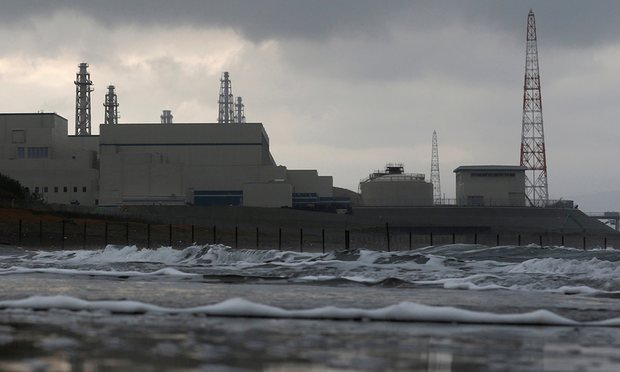
Japanese anti-nuclear candidate wins election at site of world’s biggest atomic power station
Ryuichi Yoneyama, the newly elected governor of Niigata, says he will not restart Kashiwazaki-Kariwa power station shut down after Fukushima
An anti-nuclear candidate has been elected in a region of Japan that houses the world’s biggest atomic power station, striking a blow to Tokyo Electric Power’s attempts to restart the plant in the wake of the Fukushima disaster.
Ryuichi Yoneyama, a doctor-lawyer who has never held office and is backed mostly by leftwing parties, won the race for governor of Niigata, north of Tokyo, Japanese media projected on Sunday. Shares in Tokyo Electric Power fell 8% on Monday after the news broke.
The vote was dominated by concerns about the future of the Kashiwazaki-Kariwa power station and nuclear safety more than five years after the Fukushima catastrophe. The result represents a challenge to the government’s energy policy.
“As I have promised all of you, under current circumstances where we can’t protect your lives and your way of life, I declare clearly that I can’t approve a restart,” the 49-year-old told supporters at his campaign headquarters.
Cheers of “Banzai!” erupted as media began projecting him the winner over former mayor Tamio Mori, 67, backed by prime minister Shinzo Abe’s pro-nuclear Liberal Democratic party (LDP).
Yoneyama had more than 500,000 votes to about 430,000 for Mori with 93% of the vote counted, public broadcaster NHK said. Voters opposed restarting the plant by 73% to 27%, according to an exit poll by the broadcaster.
Mori, a former construction ministry bureaucrat, apologised to his supporters for failing to win the election.
Yoneyama, who has run unsuccessfully for office four times, promised to continue the policy of the outgoing governor who had long thwarted the ambitions of Tepco, as the company supplying about a third of Japan’s electricity is known, to restart the plant.
Reviving the seven-reactor site, which has a capacity of 8 gigawatts, is key to saving the utility, which was brought low by the Fukushima explosions and meltdowns, and then the repeated admissions of cover-ups and safety lapses after the world’s worst nuclear disaster since Chernobyl in 1986.
Tepco, put under government control in 2012, is vital to Abe’s energy policy, which relies on rebooting more of the reactors that once met about 30% of the nation’s needs.
The election became a litmus test for nuclear safety and put Abe’s energy policy and Tepco’s handling of Fukushima back under the spotlight.
The government wants to restart units that pass safety checks, also promoting renewables and burning more coal and natural gas.
Only two of Japan’s 42 reactors are running, more than five years after Fukushima, but the Niigata plant’s troubles go back further.
Several reactors at Kashiwazaki-Kariwa have been out of action since an earthquake in 2007 caused radiation leaks and fires in a disaster that prefigured the Fukushima calamity and Tepco’s bungled response.
Yoneyama, who has worked as a radiological researcher, said on the campaign trail that Tepco didn’t have the means to prevent Niigata children from getting thyroid cancer in a nuclear accident, as he said had happened in Fukushima. He said the company didn’t have a solid evacuation plan.
The LDP’s Mori, meanwhile, was forced to tone down his support for restarting the plant as the race tightened, media said, insisting safety was the priority for Kashiwazaki-Kariwa, while promoting the use of natural gas and solar power in Niigata.
Setback for operator of world’s largest atomic plant as anti-nuclear doctor elected Niigata governor
NIIGATA – Sunday’s victory of an anti-nuclear activist in the Niigata gubernatorial election is a setback for Prime Minister Shinzo Abe’s energy policy.
Doctor-lawyer Ryuichi Yoneyama, 49, defeated the candidate endorsed by Abe’s Liberal Democratic Party. Former construction ministry bureaucrat Tamio Mori, 67, was expected until the last moment to cruise to victory.
Yoneyama has never held office.
Campaigning for Sunday’s vote was dominated by concerns over the future of the world’s biggest atomic power station, the seven-reactor Kashiwazaki-Kariwa complex. Nationwide, all but two reactors are shut down in the wake of the Fukushima nuclear disaster, and Abe has pushed hard for restarts.
“Under current circumstances where we can’t protect the lives and the way of life of citizens in the prefecture, I can’t approve a restart,” Yoneyama told reporters on Monday.
Supported by the Japanese Communist Party and two other small parties, Yoneyama secured close to 530,000 votes. Mori trailed with 465,000.
The focus will now be how Yoneyama will be able to cooperate with local municipalities and the central government in creating evacuation plans for nuclear disasters. These will be key before restarts can take place.
Abe, meanwhile, told a Diet committee that he will respect the choice of Niigata and that he will cooperate with the new governor.
Shares in Tokyo Electric Power Company Holdings Inc., which operates the Kashiwazaki-Kariwa reactors, fell 8 percent on Monday.
The complex has a capacity of 8 gigawatts. Its revival is key to saving Tepco, which was brought low by the Fukushima meltdowns and hydrogen explosions, and then repeated admissions of cover-ups and safety lapses after the world’s worst nuclear disaster since Chernobyl in 1986.
“Senior management at Tepco have made it clear that restarting the Kashiwazaki reactors is fundamentally important to restoring their finances,” Tom O’Sullivan, founder of Tokyo-based consultant Mathyos, said by email. “There now has to be significant uncertainty over restarting those reactors.”
Yoneyama’s victory came after Tepco President Naomi Hirose highlighted the utility’s financial vulnerability this month. He said it may face insolvency if it were to recognize the cost of decommissioning the crippled Fukushima nuclear plant.
Resumption of operations at just one of Kashiwazaki Kariwa’s reactors would boost the utility’s profit by about ¥10 billion a month, the company has said.
Yoneyama previously tried to run for office four times. He was unsuccessful.
In this election, he promised to continue the policy of the outgoing governor who had long thwarted the ambitions of Tepco to restart the plant. Tepco supplies about a third of Japan’s electricity.
As the race tightened, the election became a litmus test for nuclear safety and put Abe’s energy policy and Tepco’s handling of Fukushima back under the spotlight.
“The talk was of Kashiwazaki-Kariwa, but I think the result will affect nuclear restarts across the country,” said Shigeaki Koga, a former trade and industry ministry official who is a critic of nuclear restarts and the Abe administration.
Koga said it was important that Yoneyama join forces with another newly elected governor skeptical of nuclear restarts, Satoshi Mitazono of Kagoshima Prefecture.
“Without strong support from others, it won’t be easy to take on Tepco,” he said.
The government wants to restart units that pass safety checks, also promoting renewables and burning more coal and natural gas.
Only two of Japan’s 42 reactors are running more than five years after Fukushima, but the Niigata plant’s troubles go back further.
Several reactors at Kashiwazaki-Kariwa have been out of action since an earthquake in 2007 caused radiation leaks and fires in a disaster that prefigured the Fukushima calamity and Tepco’s bungled response.
Yoneyama, who has worked as a radiological researcher, said on the campaign trail that Tepco lacks the means to prevent Niigata children from getting thyroid cancer in a nuclear accident, as he said happened in Fukushima. He said the company did not have a solid evacuation plan.
The LDP’s Mori, meanwhile, was forced to tone down his support for restarting the plant as the race tightened, media said, insisting safety was the top priority for Kashiwazaki-Kariwa, while promoting the use of natural gas and solar power in Niigata.
Tepco Tumbles 7% After Anti-Nuclear Candidate’s Surprise Governor Election Win

Japan’s public is not ready to restart nuclear power generation.
Ryuichi Yoneyama, a doctor-lawyer who has never previously held office, won the race for governor of Niigata on Sunday. He ran on the platform that he would not allow the Kashiwazaki-Kariwa power station, owned by Tokyo Electric Power Company, or TEPCO (9501.Japan), to restart operations.
Yoneyama had more than 500,000 votes versus rival candidate’s 430,000 votes with 93% of the votes counted.
TEPCO was put under government control the year after the traumatic Fukushima catastrophe in March 2011 and is vital to Prime Minister Shinzo Abe‘s energy policy. Abe hopes to revive nuclear power generation to provide for 30% of Japan’s energy needs.
TEPCO tumbled 6.7% in Tokyo.
Anti-nuclear Candidate wins Japan Regional Election, Blow to Nuclear Restarts
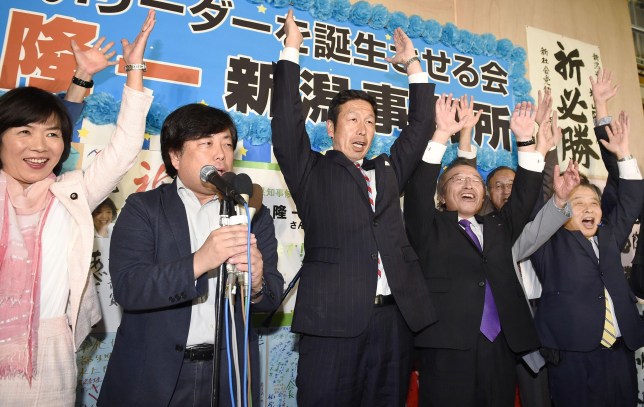
Nuclear foe Ryuichi Yoneyama wins Niigata gubernatorial poll, threatening Tepco reactor restart hopes
NIIGATA – An anti-nuclear candidate won Niigata’s gubernatorial election Sunday, dealing a potential blow to Tokyo Electric Power Co.’s attempts to restart the world’s biggest atomic power station.
Ryuichi Yoneyama, 49, a doctor-lawyer who has never held office and was backed mostly by left-wing parties, won the race for governor, an election dominated by concerns over the future of the Kashiwazaki-Kariwa nuclear power station and nuclear safety more than five years after the Fukushima catastrophe of March 2011.
Final results show Yoneyama beat former Nagaoka Mayor Tamio Mori, 67, who was backed by Prime Minister Shinzo Abe’s ruling pro-nuclear Liberal Democratic Party.
Yoneyama gathered more than 528,000 votes, about 60,000 more than Mori. Voter turnout was 53.05 percent, up significantly from the 43.95 percent in the previous gubernatorial poll, held in 2012.
“It’s really regrettable. We will take the judgment of voters very seriously,”said Keiji Furuya, a Lower House member who served as head of Mori’s election campaign office.
Yoneyama promised to continue the policy of the departing governor, who had long thwarted the ambitions of Tepco, the company supplying about a third of Japan’s electricity, to restart the plant.
Reviving the seven-reactor giant, with capacity of 8 gigawatts, is key to saving the utility, which was battered by the Fukushima explosions and meltdowns, and then the repeated admissions of coverups and safety lapses after the world’s worst nuclear disaster since Chernobyl in 1986.
Tepco is vital to Abe’s energy policy, which relies on rebooting more of the reactors that once provided about 30 percent of the nation’s electricity needs.
Anti-nuclear novice wins Japan election, blow to nuclear restarts
An anti-nuclear candidate won an upset victory in a Japanese regional election on Sunday, a blow to Tokyo Electric Power’s attempts to restart the world’s biggest atomic power station and a challenge to the government’s energy policy.
Ryuichi Yoneyama, 49, a doctor-lawyer who has never held office and is backed mostly by left-wing parties, won the race for governor of Niigata north of Tokyo, Japanese media projected, in a vote dominated by concerns over the future of the Kashiwazaki-Kariwa power station and nuclear safety more than five years after the Fukushima catastrophe of March 2011.
“As I have promised all of you, under current circumstances where we can’t protect your lives and your way of life, I declare clearly that I can’t approve a restart,” Yoneyama told supporters at his campaign headquarters.
Cheers of “Banzai!” erupted as media began projecting him the winner over former mayor Tamio Mori, 67, backed by Prime Minister Shinzo Abe’s pro-nuclear Liberal Democratic Party (LDP) and initially favored for an easy victory.
Yoneyama had more than 500,000 votes to about 430,000 for Mori with 93 percent of the vote counted in the region on the Japan Sea coast, public broadcaster NHK said.
Mori, a former construction ministry bureaucrat, apologized to his supporters for failing to win the election.
Yoneyama, who had run unsuccessfully for office four times, promised to continue the policy of the outgoing governor who had long thwarted the ambitions of Tepco, as the company supplying about a third of Japan’s electricity is known, to restart the plant.
Reviving the seven-reactor giant, with capacity of 8 gigawatts, is key to saving the utility, which was brought low by the Fukushima explosions and meltdowns, and then the repeated admissions of cover-ups and safety lapses after the world’s worst nuclear disaster since Chernobyl in 1986.
Tepco, put under government control in 2012, is vital to Abe’s energy policy, which relies on rebooting more of the reactors that once met about 30 percent of the nation’s needs.
As the race tightened, the election became a litmus test for nuclear safety and put Abe’s energy policy and Tepco’s handling of Fukushima back under the spotlight.
“The talk was of Kashiwazaki-Kariwa, but I think the result will affect nuclear restarts across the country,” said Shigeaki Koga, a former trade and industry ministry official turned critic of nuclear restarts and the Abe administration.
Koga told Reuters it was important that Yoneyama join forces with another newly elected governor skeptical of nuclear restarts, Satoshi Mitazono of Kagoshima Prefecture in southern Japan. “Without strong support from others, it won’t be easy to take on Tepco,” he said.
Tepco spokesman Tatsuhiro Yamagishi said the company couldn’t comment on the choice of Niigata governor but respected the vote and would strive to apply the lessons of the Fukushima disaster to its management of Kashiwazaki-Kariwa.
The government wants to restart units that pass safety checks, also promoting renewables and burning more coal and natural gas.
Only two of Japan’s 42 reactors are running more than five years after Fukushima, but the Niigata plant’s troubles go back further.
Several reactors at Kashiwazaki-Kariwa have been out of action since an earthquake in 2007 caused radiation leaks and fires in a disaster that prefigured the Fukushima calamity and Tepco’s bungled response.
Niigata voters opposed restarting the plant by 73 percent to 27 percent, according to an NHK exit poll.
Yoneyama, who has worked as a radiological researcher, said on the campaign trail that Tepco didn’t have the means to prevent Niigata children from getting thyroid cancer in a nuclear accident, as he said had happened in Fukushima. He said the company didn’t have a solid evacuation plan.
The LDP’s Mori, meanwhile, was forced to tone down his support for restarting the plant as the race tightened, media said, insisting safety was the top priority for Kashiwazaki-Kariwa, while promoting the use of natural gas and solar power in Niigata.
http://www.reuters.com/article/us-japan-nuclear-election-idUSKBN12G0HM
Yoneyama, backed by opposition, wins in Niigata
NIIGATA–Ryuichi Yoneyama, a doctor backed by the opposition parties, including the Japanese Communist Party and the Social Democratic Party, was set to win the Niigata gubernatorial election on Oct. 16, defeating three independent rookie candidates, including Tamio Mori, who was supported by the ruling coalition.
The main issue of the election was Tokyo Electric Power Co.’s plan to restart the Kashiwazaki-Kariwa nuclear power plant in the prefecture, the world’s largest facility. The Nuclear Regulation Authority’s safety inspections of the offline reactors are in their final stages.
Yoneyama, 49, was also an independent rookie. He has expressed his intention to continue the stance of Governor Hirohiko Izumida, saying that he would not approve the restart of the reactors unless the 2011 disaster at TEPCO’s Fukushima No. 1 plant is fully scrutinized. In addition, he called for a workable evacuation plan to secure the safety of local residents in the event of a serious accident.
Izumida, who is in his third term as Niigata governor, didn’t seek re-election.
Mori, 67, was backed by the the ruling Liberal Democratic Party and its junior coalition partner, Komeito. Although the LDP promotes nuclear energy, Mori showed cautiousness during the campaign, saying that he would say no to a restart if the prefectural government finds a problem with it even after the NRA gives the green light to TEPCO.
http://www.asahi.com/ajw/articles/AJ201610160047.html
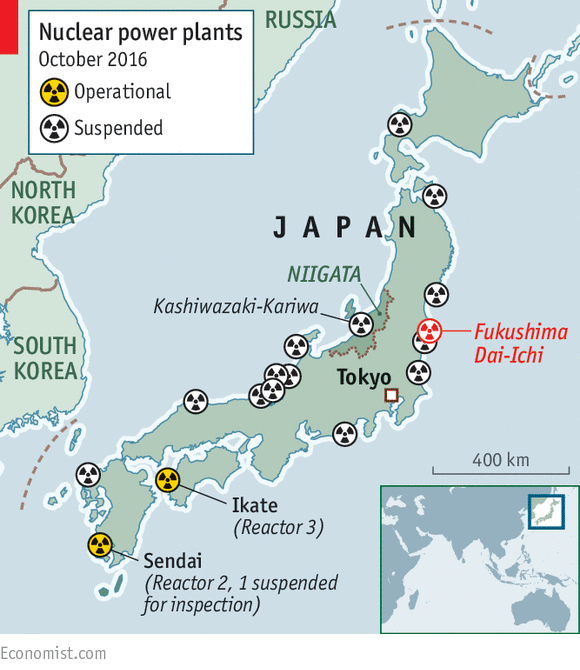
Strong quake rattles Tohoku region
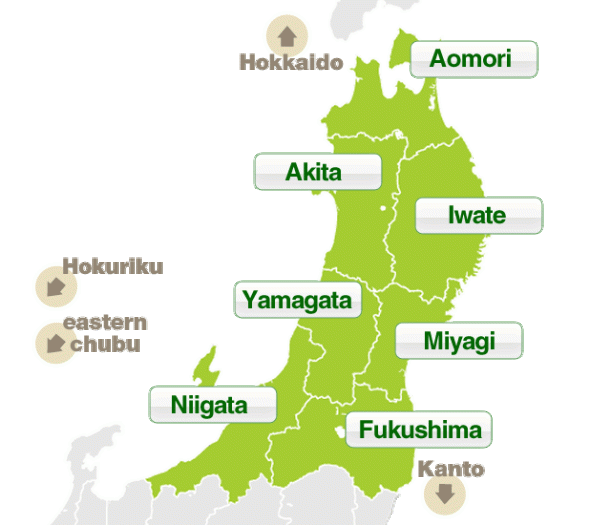
Tohoku region
An earthquake with a preliminary magnitude of 5.3 jolted northeastern Japan on Sunday, the Meteorological Agency agency said. No tsunami warning was issued.
There were no immediate reports of casualties or damage from the 4:37 p.m. quake. The focus of the quake was about 20 km (12 miles) underground in the Pacific Ocean off Miyagi Prefecture, the agency said.
Tohoku Electric Power Co. reported no abnormalities at the Onagawa nuclear power plant in Miyagi Prefecture.
The quake measured 4 on the Japanese seismic intensity scale of 7 in some areas of Miyagi, including the city of Ishinomaki, and a 3 in areas including neighboring Iwate and Yamagata prefectures.
http://www.japantimes.co.jp/news/2016/10/16/national/strong-quake-rattles-tohoku-region/
High-school Students Continuously Put at Risk for Propaganda Use
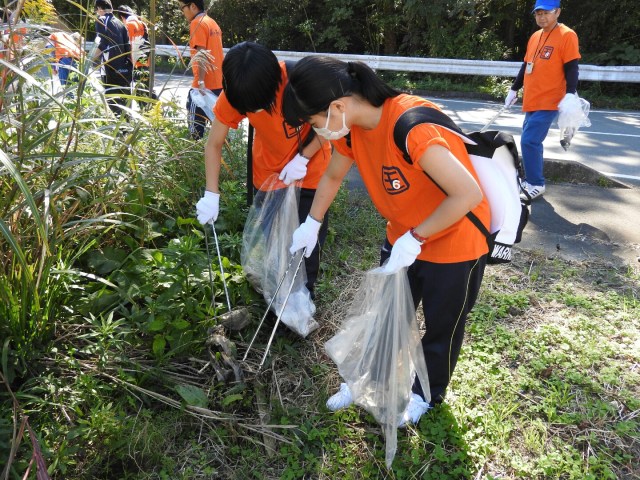
National route 6 which runs only a few km parallel to the coast where stands what is left of Daiichi Nuclear power plant, high-school students are cleaning up radiation.
14 high school students were picking up trash. 0.7μSv / h radiation measured by some citizens’ group at some of the places. With dust being blown, many high school students were walking still without a mask.
The criticism that it could endanger the children, was ignored by Yumiko Nishimoto, president of the NPO “Happy load net” which organized that acttion, answering “we are living here every day.” .
Clean-up activities with an eye to the torch relay of the Tokyo Olympics. The priority is the “reconstruction”, and the health of children is secondary, completely neglected.
The NPO responsible for such insanity argues that it helps them studying about radiation, that they do that every year.
Children are continuously being used to help the propaganda that everything is back to normal. But it’s a lie and it is borderline criminal. Shame on you Japan.
http://taminokoeshimbun.blog.fc2.com/blog-entry-61.html
1 This Month





PLEASE OPPOSE HR 8255 AND S.3639 – bills would accelerate satellite deployment, with no environmental review or safeguards – https://ncstd5li.quorum.us/campaign/169331/
To see nuclear-related stories in greater depth and intensity – go to https://nuclearinformation.wordpress.com
-
Archives
- October 2026 (29)
- September 2026 (339)
- August 2026 (330)
- July 2026 (355)
- June 2026 (287)
- May 2026 (306)
- April 2026 (356)
- March 2026 (251)
- February 2026 (267)
- January 2026 (308)
- December 2025 (358)
- November 2025 (359)
-
Categories
- 1
- 1 NUCLEAR ISSUES
- business and costs
- climate change
- culture and arts
- ENERGY
- environment
- health
- history
- indigenous issues
- Legal
- marketing of nuclear
- media
- opposition to nuclear
- PERSONAL STORIES
- politics
- politics international
- Religion and ethics
- safety
- secrets,lies and civil liberties
- spinbuster
- technology
- Uranium
- wastes
- weapons and war
- Women
- 2 WORLD
- ACTION
- AFRICA
- Atrocities
- AUSTRALIA
- Christina's notes
- Christina's themes
- culture and arts
- Events
- Fuk 2022
- Fuk 2023
- Fukushima 2017
- Fukushima 2018
- fukushima 2019
- Fukushima 2020
- Fukushima 2021
- general
- global warming
- Humour (God we need it)
- Nuclear
- RARE EARTHS
- Reference
- resources – print
- Resources -audiovicual
- Weekly Newsletter
- World
- World Nuclear
- YouTube
-
RSS
Entries RSS
Comments RSS

