Energy Department’s National Nuclear Security Administration wants nuclear safety reports hidden from public

 Energy undersecretary wants nuclear safety reports hidden from public, Independent watchdog agency entertained the idea Center for Public Integrity ,By
Frank Klotz, administrator of the Energy Department’s National Nuclear Security Administration, made the proposal to members of the Defense Nuclear Facilities Safety Board in an October 13 meeting in his office overlooking the Smithsonian Castle on the National Mall, multiple U.S. officials said.
Klotz contended that recent media stories about safety lapses that relied partially on the board’s weekly disclosures were potentially counterproductive to the NNSA’s mission, the officials said. His solution was presented as the Trump administration considers an acceleration and expansion of nuclear warhead production at the federally-owned sites inspected by the board in eight states, including California, New Mexico, South Carolina, and Tennessee
Four of the safety board’s five members heard Klotz’s appeal, and one of them — Bruce Hamilton, a Republican — responded by drafting and briefly circulating a proposal among the members to stop releasing the board’s weekly and monthly accounts of safety concerns at nuclear weapons factories and laboratories.
Under Hamilton’s proposal, these accounts of accidents and problematic incidents — prepared by board staff that routinely visit or are stationed at these federally-owned sites — would be replaced by oral reports by those staff members to their superiors in Washington, which would not be divulged to the public, according to multiple federal officials, who asked not to be named due to the sensitivity of the topic under discussion.
The proposal represented the second effort by federal officials in recent months to curtail public access to information about persistent safety problems in the nuclear production complex, which the Center for Public Integrity documented in articles published between June and August……… https://www.publicintegrity.org/2017/11/09/21261/energy-undersecretary-wants-nuclear-safety-reports-hidden-public
Official Medicine: The (Il)logic of Radiation Dosimetry – disguising the true health effects of Fukushima radiation

it is not surprising that the overwhelming emphasis in scientific studies and public reports has been placed on psychological impacts rather than disease and deaths
Informal Labour, Local Citizens and the Tokyo Electric Fukushima Daiichi Nuclear Crisis: Responses to Neoliberal Disaster Management, Adam Broinowski , ANU 7 Nov 17
“….Official Medicine: The (Il)logic of Radiation Dosimetry
On what basis have these policies on radiation from Fukushima Daiichi been made? Instead of containing contamination, the authorities have mounted a concerted campaign to convince the public that it is safe to live with radiation in areas that should be considered uninhabitable and unusable according to internationally accepted standards. To do so, they have concealed from public knowledge the material conditions of radiation contamination so as to facilitate the return of the evacuee population to ‘normalcy’, or life as it was before 3.11. This position has been further supported by the International Atomic Energy Agency (IAEA), which stated annual doses of up to 20 mSv/y are safe for the total population including women and children.43 The World Health Organisation (WHO) and United Nations Scientific Commission on the Effects of Atomic Radiation (UNSCEAR) also asserted that there were no ‘immediate’ radiation related illnesses or deaths (genpatsu kanren shi 原発関連死) and declared the major health impact to be psychological.
While the central and prefectural governments have repeatedly reassured the public since the beginning of the disaster that there is no immediate health risk, in May 2011 access to official statistics for cancer-related illnesses (including leukaemia) in Fukushima and southern Miyagi prefectures was shut down. On 6 December 2013, the Special Secrets Protection Law (Tokutei Himitsu Hogo Hō 特定秘密保護法) aimed at restricting government employees and experts from giving journalists access to information deemed sensitive to national security was passed (effective December 2014). Passed at the same time was the Cancer Registration Law (Gan Tōroku Hō 癌登録法), which made it illegal to share medical data or information on radiation-related issues including evaluation of medical data obtained through screenings, and denied public access to certain medical records, with violations punishable with a 2 million yen fine or 5–10 years’ imprisonment. In January 2014, the IAEA, UNSCEAR and Fukushima Prefecture and Fukushima Medical University (FMU) signed a confidentiality agreement to control medical data on radiation. All medical personnel (hospitals) must submit data (mortality, morbidity, general illnesses from radiation exposures) to a central repository run by the FMU and IAEA.44 It is likely this data has been collected in the large Fukushima Centre for Environmental Creation, which opened in Minami-Sōma in late 2015 to communicate ‘accurate information on radiation to the public and dispel anxiety’.
This official position contrasts with the results of the first round of the Fukushima Health Management Survey (October 2011 – April 2015) of 370,000 young people (under 18 at the time of the disaster) in Fukushima prefecture since 3.11, as mandated in the Children and Disaster Victims Support Act (June 2012).45 The survey report admitted that paediatric thyroid cancers were ‘several tens of times larger’ (suitei sareru yūbyōsū ni kurabete sūjūbai no ōdā de ōi 推定される有病数に比べて数十倍のオーダーで多い) than the amount estimated.46 By 30 September 2015, as part of the second-round screening (April 2014–March 2016) to be conducted once every two years until the age of 20 and once every five years after 20, there were 15 additional confirmed thyroid cancers coming to a total of 152 malignant or suspected paediatric thyroid cancer cases with 115 surgically confirmed and 37 awaiting surgical confirmation. Almost all have been papillary thyroid cancer with only three as poorly differentiated thyroid cancer (these are no less dangerous). By June 2016, this had increased to 173 confirmed (131) or suspected (42) paediatric thyroid cancer cases.47
The National Cancer Research Center also estimated an increase of childhood thyroid cancer by 61 times, from the 2010 national average of 1–3 per million to 1 in 3,000 children. Other estimates of exposure to radiation, obtained from direct thyroid measurements in Namie town in April 2011, although discontinued under government pressure, also returned much higher results than official estimates (i.e. 80 per cent positive, 1 at 89 mSv, 5 over 50 mSv, 10 at 10mSv or under).48 In April 2014, Dr Tsuda Toshihide, an epidemiologist at Okayama University, declared this a ‘thyroid cancer epidemic’ (kōjōsen densenbyō 甲状腺伝染病), and predicted multiple illnesses from long-term internal radiation below 100 mSv/y and advocated for a program of outbreak (emergency or rapid) epidemiology in and outside Fukushima.49Similarly, a Tokyo-based physician, Dr Mita Shigeru, circulated a public statement notifying his colleagues of his intention to relocate his practice to Okayama due to overwhelming evidence of unusual symptoms in his patients (roughly 2,000). Given that soil in Tokyo post-Fukushima returned between 1,000 and 4,000 Bq/kg, as compared to an average of 500 Bq/kg (Cs 137 only) in Kiev soil, Mita pointed to a correlation between these symptoms and the significant radiation contamination in Tōhoku and metropolitan Tokyo.50
While results from the Fukushima Health Survey demonstrate flaws in the official dosimetry model and public safety campaign, the survey itself also has clear limitations. It is limited to subjects in a specific age bracket in one prefecture and one non-fatal illness (thyroid cancer, which can be treated with surgery but has lifelong side effects) from the ingestion of one radionuclide (Iodine 131) with a relatively short half-life (eight days) that comprised only 9.1 per cent of the total releases. Its dosimetry is based on the National Institute of Radiological Sciences (NIRS) model,51 which is for external exposure only, does not account for exposures in the initial days of the disaster and uses Japanese Government data that has been criticised for underestimating releases and exposures.52 Further, the survey ignores the damage from the bulk of the total inventory including longer-lived radionuclides (such as Plutonium 239, Caesium 137, Strontium 90, Americium 241, among others), some of which are more difficult to measure on ordinary and less sensitive Geiger counters and which have been distributed and continue to circulate across a wide area. It also ignores other organ diseases, unusual chronic illnesses and premature births and stillbirths, voluntary terminations and birth deformities occurring in and beyond Fukushima prefecture.
In addition to the control of relevant data, the government has used other methods to encourage residents to stay in radiation-contaminated areas. In May 2011, Dr Yamashita Shunichi, then co-director of Fukushima Medical University and the Fukushima Health Management Survey and a specialist from Nagasaki on radiation illness in Chernobyl, declared there was a 1 in 1 million chance of children getting any kind of cancer from radiation and there would be negligible health damage from radiation below 100 microSv/h, and prescribed smiling as an aid to living with radiation to a public audience in Fukushima.53
Dr Yamashita is only one among a host of politicians, bureaucrats, experts and advertising and media consultants who support the post-3.11 safety mantra of anshin (secure 安心), anzen (safe 安全), fukkō (recovery 復興). Through public meetings, media channels, education manuals and workshops,54 local citizens in Fukushima Prefecture were inundated with optimistic and reassuring messages, also known as ‘risk communication discourse’, and central and prefectural government-sponsored ‘health seminars’ encouraging a ‘practical radiation protection culture’ in which they have been urged to take responsibility (jiko sekinin 自己責任) for their own health (e.g. wearing glass badges, self-monitoring, avoiding hotspots), form bonds of solidarity (kizuna 絆) with their community and participate in the great reconstruction (fukkatsu 復活) for the revitalisation of a resilient nation (kyōjinka kokka 強靭化国家) as a whole. To counteract baseless rumours (ryūgen higo 流言蜚語) and the negative impact of gossip (fūhyō higai 風評被害) of radiation in contaminated Fukushima produce, citizens in and beyond Fukushima Prefecture, and even non-citizens, have been encouraged to buy and consume Fukushima produce as an expression of moral and economic support (through slogans such as ‘Ganbare Fukushima!’ がんばれ福島!). At the same time, to reduce ‘radiophobia’ and anxiety, while focusing on the psychological impact from stress, health risks from radiation exposures have been trivialised and/or normalised for the general public.55
This approach is backed up by international nuclear-related agencies. As stipulated on 28 May 1959 in the ‘WHA12-40’ agreement, the WHO is mandated to report all data on health effects from radiation exposures to the IAEA, which controls publication. On no other medical health issue is the WHO required to defer publication responsibilities to another institution. Scientific expertise at the IAEA primarily lies in nuclear physics (radiology and dosimetry) as opposed to epidemiology and medical expertise on radiation effects to living tissue. The IAEA and its related UN bodies are informed by the International Commission of Radiation Protection (ICRP) recommendations on radiation dose assessments derived from the Atomic Bomb Casualty Commission/Radiation Exposure Research Foundation (ABCC/RERF) lifetime studies of hibakusha (被爆者) in Hiroshima and Nagasaki. This dosimetry is primarily based on an average exposure of a 20–30-year-old ‘reference man’ (originally modelled on a US Army soldier) mainly to short-term one-off acute gamma radiation exposure. While it recommends caution, the ICRP continues to maintain that anything below 100 mSv/y is a ‘low dose’ and that the risk of ‘stochastic effects’ are yet to be scientifically proven beyond doubt. Within this framework, it would seem reasonable to raise the level from 1 to 20 mSv/y.
The ABCC/RERF studies ignored, however, biological contingencies of sex, age, constitution, other health conditions and the variegated effects (including complicating chemical and metabolic dynamics) from both internal and external exposures to different radionuclides of all types (‘low level’ internal radiation is at least 20 times greater). After Chernobyl, the WHO and IAEA used the ICRP dose model to conclude that there were up to 56 deaths of ‘liquidators’ (clean-up workers) from acute radiation sickness and 4,000 additional cancers;56 and that environmental effects such as lifestyle (i.e. parental alcoholism, smoking) and ‘radiophobia’ (stress and depression) contributed to excess illnesses in 80 per cent of adult cases. It also concluded that no harm would be received by the 2 million farmers and more than 500,000 children who continued living in radioactive areas in Belarus.
Nevertheless, it is no longer possible to ignore a significant body of research, including 20 years of scientific studies compiled in Belarus and Ukraine that show serious depopulation, ongoing illnesses and state decline.57 These studies have found genetic effects within a radius of 250–300 km from Chernobyl, while children’s health in Belarus has declined from a situation where 80 per cent of the child population was healthy prior to the Chernobyl disaster to a situation post-Chernobyl where only 20 per cent are healthy.58 In 1995, Professor Nechaev from the Ministry of Health and Medical Industry (Moscow) stated that 2.5 million people were irradiated from Chernobyl in the Russian Federation, the Ukrainian Prime Minister Marchuk stated that 3.1 million had been exposed to Chernobyl radiation and Professor Okeanov from Belarus observed a spike in leukaemia and cancers among liquidators in Gomel relative to duration of exposure.59 By 2001, of 800,000 healthy Russian and Ukrainian liquidators (with an average age of 33 years) sent to decontaminate, isolate and stabilise the reactor, 10 per cent had died and 30 per cent were disabled. By 2009, 120,000 liquidators had died, and an epidemic of chronic illness and genetic and perigenetic damage in nuclear workers’ descendants appeared (this is predicted to increase over subsequent generations).60 The full extent of the damage will not be understood until the fifth generation of descendants. By the mid-2000s, 985,000 additional deaths between 1986 and 2004 across Europe were estimated as a direct result from radiation exposure from Chernobyl.61
Given this background of regulatory capture and radical discrepancies in methods and estimates prior to the Fukushima disaster, it is less surprising that there may be a process of regulatory capture and cover up underway in response to Fukushima Daiichi. In December 2011, a Cabinet Office Working Group chaired by RERF chairman Nagataki Shigenobu consisted of 18 Japanese ICRP members (including Niwa Otsura and Yamashita Shunichi). The experts invited Mr Jacques Lochard to provide external expertise. Lochard is an economist, ICRP member, Director of the Center of Studies on the Evaluation of Protection in the Nuclear Field (CEPN) (funded by Electricité de France EDF), and co-director of the CORE-ETHOS Programme in Chernobyl (1996–1998).
The CORE (Cooperation and Rehabilitation in the Belarusian territories contaminated by Chernobyl) Programme organised a takeover of radioprotection health centres in Ukraine and Belarus, and delayed a health audit beyond five years while it produced the ETHOS report outlining a ‘sustainable system of post-radiological accident management for France and the European Union’.62 While local scientists (led by Yuri Bandazhevsky and Vassili Nesterenko) recommended whole body counts (WBC) for each child (in which 50,000 children would be tested with spectrometers), food measurement, dietary radioprotection (prophylaxis through adsorbents) and resettlement of those exposed to radiation over 1 mSv/y,63 the ETHOS manual concluded that in a similar radiological event in western Europe, resettlement would be restricted to those exposed to more than 100 mSv/y. By factoring in ‘social, economic and political’ costs, ETHOS proposed ways for populations to live with radiation, and identified psychosomatic illnesses derived from ‘stress’ based on unfounded fears (i.e. ‘radiophobia’) of radiation as the greatest health risk. After a prolonged delay, in 1996 the IAEA and WHO finally settled on 5 mSv/y as the mandatory evacuation limit in a compromise between the Soviet (1 mSv/y) and western European (100 mSv/y) recommendations after Chernobyl.64These agencies targeted ‘alarmist’ reports (including social protests) as encouraging ‘radiophobia’, stressing the psychological impacts of radiological events.
In post-3.11 Japan, the Japanese Cabinet Office Working Group65 reinforced the IAEA dosimetry regime by reiterating that cancers only emerge four to five years after exposure, that increases in cancers within this period could not be attributable to the accident,66 and that illnesses in people exposed to radiation below 100 mSv/y could be concealed by other carcinogenic effects and other factors (rendering them statistically negligible), and thus could not be proven to be radiation related. In fact, in July 2014, Nagataki Shigenobu declared that it would be ‘disastrous to conclude [from the survey findings] an increase in thyroid cancer’ was due to radiation exposure.67 Consequently, privileging a government study of the thyroid glands of 1,080 children in late March 2011 (a very small sample), Nagataki claimed that almost none had exceeded 50 mSv for internal exposure and that 99.8 per cent of the population in Fukushima Prefecture could be estimated to have received an external dose below 5 mSv. Nagataki dismissed the need for further medical screenings, regular check-ups or internal radiation tests (whole body counter, urine and blood tests) at hospitals and clinics in Fukushima Prefecture or elsewhere.
Instead, the government appears to have adopted the ETHOS model: ‘improving’ community life in radiation-contaminated areas through local education and support groups; encouraging proactive self-responsibility (i.e. self-monitoring with government monitors) for children and parents (including pregnant women); stamping out ‘stigma’ attached to ‘Fukushima’ residents, the area and its produce while stigmatising ‘radiophobia’; and encouraging evacuees’ return after and even prior to ‘decontamination’.68
By September 2015, an officially estimated 3,407 people (up from 3,194 the previous year) had died from ‘effects related to the great east Japan earthquake’ (Daishinsai kanren shi 大震災関連死).69 In March 2015, about 1,870 deaths of those who had evacuated due to the overall disaster were deemed to have been from ill-health and suicide. By March 2016, this had increased to 2,208 deaths, while 1,386 deaths were estimated to have been caused by effects related specifically to the nuclear disaster (genpatsu kanren shi).70 Further, a statistically significant 15 per cent drop in live births in Fukushima Prefecture in December 2011, and a 20 per cent spike in infant mortality were found to have been caused mainly by internal radiation from the consumption of contaminated food.71 Nor do statistics on abortions seem to have been factored into official accounts. As the statistics are so temporally specific, anxiety (disruption, evacuation) is unlikely to have been the major factor as the spikes would be more prolonged. It has also been extrapolated from the conservative UNSCEAR 2013 estimate of a 48,000 person Sv collective dose, that another 5,000 are expected to die from future cancers in Japan (and larger numbers to become ill).72 Using the Tondel model, however, the European Commission on Radiation Risk (ECRR), in contrast to the ICRP dose model, which estimates 2,838 excess cancers within 100 km radius over 50 years excluding internal radiation, estimated that 103,000 excess cancers within 100 km would be diagnosed within 10 years and 200,000 in the next 50 years.73
As with informal and formal nuclear workers, if these deaths were officially recognised as being tied to radiation from Fukushima Daiichi, then the family of the deceased as main income earner would be eligible for a 5 million yen ‘consolation’ payment (half for others). Further, it would also imply the need for stricter radiological protection standards and a greater number of permanent evacuations and official health treatment program that would effectively limit the so-called ‘benefits’ associated with nuclear power generation.74 In short, it is not surprising that the overwhelming emphasis in scientific studies and public reports has been placed on psychological impacts rather than disease and deaths (particularly but not limited to nuclear workers and children) and the argumentation over the significance of thyroid cancers. The same pattern occurred after Chernobyl and Three Mile Island……http://press-files.anu.edu.au/downloads/press/n2335/html/ch06.xhtml?referer=2335&page=11
Information control, and denial of health and environmental effects of Fukushima nuclear catastrophe
the majority of people seem to have adopted denial as a way to excise the present danger from their consciousness.
In March 2015, Asami reported that doctors undertook paediatric thyroid operations while denying any correlation (inga kankei 因果関係) with radiation exposures. They also urged their patients to keep their thyroid cancer a secret to enhance their employment or marriage prospects, although it would be difficult to conceal the post-operation scar
While radiation contamination is clearly a health and environmental issue, state-corporate methods deployed by executives to protect (transnational) financial, industry and security interests and assets also make it a political issue.
information and communication control appears to be widespread. After 3.11, the central government hired advertising companies Dentsū and Hakuhōdō (formerly McCann Ericson Hakuhodo) to run a ‘public acceptance’ campaign.
Informal Labour, Local Citizens and the Tokyo Electric Fukushima Daiichi Nuclear Crisis: Responses to Neoliberal Disaster Management, ANU, Adam Broinowski, 7 Nov 17
“…..Local Responses to State–Corporate Suppression and Lack of Public Health Protection
Faced with the post-3.11 reality of government (and corporate) policy that protects economic and security interests over public health and well-being, the majority of the 2 million inhabitants of Fukushima Prefecture are either unconscious of or have been encouraged to accept living with radioactive contamination. People dry their clothes outside, drink local tap water and consume local food, swim in outdoor pools and the ocean, consume and sell their own produce or catches. Financial pressure after 3.11 as well as the persistent danger of social marginalisation has made it more difficult to take precautionary measures (i.e. permanent relocation, dual accommodation, importing food and water) and develop and share counter-narratives to the official message. Nevertheless, some continue to conceal their anxiety beneath a mask of superficial calm.
As Fukushima city resident Shiina Chieko observed, the majority of people seem to have adopted denial as a way to excise the present danger from their consciousness. Her sister-in-law, for example, ignored her son’s ‘continuous nosebleeds’, while her mother had decided that the community must endure by pretending that things were no different from pre-3.11 conditions.75 Unlike the claim that risk is evenly distributed, it is likely that greater risk is borne by those who eat processed foods from family restaurants and convenience stores, as well as infants, children and young women who are disproportionately vulnerable to internal radiation exposures. Most mothers, then, have an added burden to shield their children while maintaining a positive front in their family and community.
Some, such as Yokota Asami (40 years old), a small business owner and mother from Kōriyama (60 km from FDNPS), demonstrated initiative in voluntarily evacuating her family. She decided to return (wearing goggles and a mask, she joked) in September 2011 when her son’s regular and continuous nosebleeds (in 30-minute spells) subsided. The Yokotas found themselves the victims of bullying when they called attention to radiation dangers, and were labelled non-nationals (hikokumin 非国民) who had betrayed reconstruction efforts. Her son was the only one to put up his hand when he was asked along with 300 fellow junior high school students if he objected to eating locally produced school lunches. He also chose not to participate in outdoor exercise classes and to go on respite trips instead. When it came time to take the high school entrance exam, he was told by the school principal that those who took breaks could not pass. He took the exam and failed. When he asked to see his results he found that he had, in fact, enough points to pass (the cut-off was 156 while he received 198 out of 250 points). The Yokotas decided that it was better to be a ‘non-national’ and protect one’s health. Their son moved to live in Sapporo.76
In March 2015, Asami reported that doctors undertook paediatric thyroid operations while denying any correlation (inga kankei 因果関係) with radiation exposures. They also urged their patients to keep their thyroid cancer a secret to enhance their employment or marriage prospects, although it would be difficult to conceal the post-operation scar.77Yokota also indicated she knew of students having sudden heart attacks and developing leukaemia and other illnesses.78
This seems to be supported by Mr Ōkoshi, a Fukushima city resident, whose two daughters experienced stillbirths after 3.11. While Ōkoshi found that doctors have regularly advised women in the area to abort after 3.11, presumably to avoid miscarriages and defects, they do not discuss direct causes. He also observed regular illnesses experienced by many of his friends, and some sudden deaths. After a friend (62 years old) started saying strange things, he was diagnosed with brain dysfunction. He died quickly. Another friend (53 years old) was advised by a doctor to monitor a polyp in her breast. When she sought second opinions, she discovered she had accumulated an internal dose of 22 mSv and had a rapidly developing liver cancer. She also died quickly.79 There are many more such stories that are being actively ignored by the authorities. As Shiina put it, ‘we’re getting leukaemia and cataracts and we die suddenly. The TEPCO registrar has been inundated with complaints’.80
While radiation contamination is clearly a health and environmental issue, state-corporate methods deployed by executives to protect (transnational) financial, industry and security interests and assets also make it a political issue.81As things do not change by themselves, rather than turning one’s frustration inward in self-blame, turning to prayer or deceiving oneself into returning to pre-3.11 lifeways in contaminated areas, Shiina states that people, particularly those most affected, must develop political consciousness.
To achieve this ambitious objective is not as complicated as it might sound. Nishiyama Chikako (60 years old), for example, returned to Kawauchi village to run for the local assembly after the mandatory order was lifted in December 2011. She found, as she commented in her blog, a link between TEPCO and the tripling of the Kawauchi budget post-3.11. Subsequently, she reported that her blog was shut down by unknown hackers on several occasions.82
This sort of information and communication control appears to be widespread. After 3.11, the central government hired advertising companies Dentsū and Hakuhōdō (formerly McCann Ericson Hakuhodo) to run a ‘public acceptance’ campaign. Young teams were dispatched nationwide to conduct ‘public opinion guidance’ (yoron yūdō 世論誘導). The teams consisted of casual labour (earning 2,000–4,000 yen per hour) hired under a confidentiality clause (shuhi gimu 守秘義務) to manipulate information (jōhō kōsaku 情報工作) and harass internet users.83
Media professionals have been subjected to similar tactics. The Asahi TV journalist Iwaji Masaki (Hōdō Station), one of the few mainstream journalists covering the Fukushima Daiichi nuclear accident in depth, for example, was intimidated by police for interviewing (December 2012) informal nuclear workers who showed shoddy decontamination practices that entailed contaminated waste disposal rather than removal and the mother of a child with thyroid cancer. Airing the program was delayed until August 2013. Before he could complete his planned segments on the US$1 billion class action for compensation for unusual and serious illnesses filed against TEPCO, General Electric, Hitachi and Tōshiba in 2015 by sailors from the USS Ronald Reagan (which provided assistance quickly after the disaster, and among whose crew 250 were ill and three had died),84 on 29 September 2013, Iwaji was reportedly found dead in his apartment (having suffered carbon monoxide poisoning in a sealed room as he slept). Much speculation followed on social media, including both plausible reasons for suicide and testimonies from friends that knew him well that Iwaji himself stated he would never commit suicide, but the story was conspicuously ignored by major news channels.85
The former mayor of Futaba village Idogawa Katsuichi was harassed on social media for calling attention to illnesses and for the resettlement of pregnant women and children. When Kariya Tetsu characterised Idogawa in his popular manga series (Oishinbo 美味しんぼ), and depicted the manga’s main character as suffering from nosebleeds after visiting Fukushima, Kariya’s editors shut the series down following accusations of ‘spreading rumours’ from some readers, media commentators and high-level politicians. Similarly, Takenouchi Mari, a freelance journalist and mother who evacuated from Fukushima in 2011, received thousands of slanderous messages and threats to her two-year-old son and her property after criticising the co-founder of Fukushima ETHOS on her blog in mid-2012. She too reported that her internet account was suspended and her request for a police investigation ignored. She was counter-sued for harassment and subjected to a criminal investigation and civil law suit.86
Among the activists who have been arrested for anti-nuclear protests, the academic Shimoji Masaki of Hannan University (9 December 2012) was arrested by Osaka Prefectural Police and charged with ‘violating the Railway Operation Act’ for walking through an Osaka station concourse while participating in a demonstration against radioactive waste incineration (17 October 2012). Shimoji had reiterated that residents, due to radioactive incineration (which was due to commence in Osaka in February 2013), would be forced to bear the burden of air, food and water contamination.87
Despite such obstacles to developing a political consciousness as well as the obvious difficulties in permanently resettling large populations, it has been not only evacuees who have had to think about their fundamental life priorities after the Fukushima Daiichi nuclear distaster. Some have adopted real (not only psychological) self-protection mechanisms. The voluntary Fukushima Collective Health Clinic (Fukushima Kyōdō Shinryōjo 福島共同診療所), for example, is founded on three principles: respite (hoyō 保養), treatment (shinryō 診療) and healing (iryō 医療). Co-founder Dr Sugii, advocates a return to the 1 mSv/y limit, and seeks to inform those who for whatever reason cannot move from contaminated areas in Fukushima Prefecture.88 This is modelled on Belrad, the independent health clinic in Belarus run by Alexey Nesterenko, which prioritises knowledge, safety and open information on radiation and its health impacts.
To counteract the misinformation residents were exposed to post-Chernobyl, over time and with limited resources, Belrad and other organisations have disseminated information and organised respite trips for children in affected areas. In 2015, for example, subsidised respite trips were organised for 50,000 children, and results have shown that over two continuous years of respite those who accumulated 25–35 Bq/kg had reduced the amount to 0 Bq/kg. Unlike the flat limit of 100 Bq/kg of Caesium in food in Japan (50 Bq/kg for milk and infant foods, 10 Bq/kg for drinking water), Belrad recommends an internal radiation limit of 10–30 Bq/kg in the body (although it advises below 10 Bq for infants to avoid lesions and heart irregularities).89 It should be noted that these limits do not guarantee safety against the effects of repeating internal radiation exposure from consuming contaminated foods, which is relative to the length of time the radiation remains and its location in the body.
While some communities, such as the town of Aketo in Tanohama, Iwate Prefecture, have struggled to block the siting of nuclear waste storage facilities,90 others are also organising to reduce radio-accumulation in their children through respite trips,91 as well as concentrating on indoor activities, measuring hotspots and decontaminating public areas and pathways, pooling funds for expensive spectrometers to monitor internal exposure and food and water, incorporating dietary radioprotection, as well as finding ways to reduce anxiety.
Many local farmers cannot admit the already near-permanent damage to their land (which may continue for hundreds of years) because it would imply the devaluation of their property and produce as well as threatening their ancestral ties to the land, commitments and future plans. While many are keenly aware of their responsibilities, the push by the Fukushima and central governments to identify and gain access to markets for produce from irradiated areas would make it easier to overlook uncomfortable factors. Some have argued that given the reassurances of safety from the highest authorities, these offical figures should therefore relocate to contaminated areas and consume these products regularly. Despite the fairness of this statement, a more utilitarian logic has prevailed. In the name of reconstruction and revitalisation of Fukushima and the nation, the dilution of Fukushima produce with unirradiated produce to return measurements just under the required limits, radiation spikes in soil and food or the mutation of plants as Caesium replaces potassium (K40), for example, tend to be minimised. In this climate, the distribution and relabelling of Fukushima produce for urban and international markets (i.e. in a black market of cut-price bulk produce picked up by yakuza and other brokers) is likely to continue.
To date, the majority of evacuees have refused to return to (de)contaminated areas. Some claim they are yet to receive accurate information to justify it. Independent specialists such as Hosokawa Kōmei (Citizens’ Commission on Nuclear Energy), who develops models for transition to renewable alternatives, anticipate an increase in evacuee populations as they predict increased resettlement of Fukushima residents over 20–30 years.92 As some evacuees recognise the potential for second or third Fukushimas, they have sought to strengthen their collective identities and rights. Through local organisation and alternative life practices, whether in micro-scale ecovillages and transition towns93 with communal occupancies and squats, parallel currencies and local exchange systems (roughly 70 substantive projects), organic food co-ops, self-sufficient energy systems, local production and recycling, carpools and free kindergartens, such groups are seeking to reconstruct and model core social priorities, focusing on clean food, health and community cooperation rather than the internalised and dreary competition for material accumulation.
Although the accountability of authorities with prior knowledge has yet to be properly investigated, one of the largest groups of collective legal actions to be mounted in Japanese history includes some 20 lawsuits by 10,000 plaintiffs. The Fukushima genpatsu kokuso-dan (Group of Plaintiffs for Criminal Prosecution 福島原発告訴団), formed on 20 April 2012, filed a criminal case (lodged 3 September 2013, Fukushima District Court) against 33 previous and present officers of TEPCO, government officials and medical experts for ‘group irresponsibility’ and the neglect of duty of care, environmental damage and harm to human health. Mutō Ruiko, one of the key plaintiffs, declared the main aim to be symbolic: to publicly record injury, reclaim the victims’ sense of agency and protect the next generation. In short, they were seeking recognition of wrong and harm done rather than primarily financial redress. This moderate aim was undoubtedly tempered by recognition of regulatory capture: those who were cavalier with safety procedures ‘were now in charge of restarts; those responsible for the “safety” campaign were now in charge of the Health Survey; [there has been] no responsibility for the SPEEDI cover-up; and TEPCO is not being held responsible for [faulty] decontamination’.94
The judgement of this case was handed down at the Tokyo District Court on the same day as the announcement of Tokyo’s successful Olympics bid (9 September 2013). The case was dismissed on the grounds that the disaster was beyond predictability (sōteigai 想定外), which made negligence hypothetical.95 A citizens’ panel (Committee for inquest of Prosecution) overturned the dismissal and renewed the claim against three TEPCO executives on 18 December 2013. They demanded, alongside a ruling of negligence against three former TEPCO executives, the inclusion of physical, economic, social and psychological harms: illness, paediatric underdevelopment (radiation exposures, excessive isolation indoors), financial losses (unemployment, loss in property value, rental costs of two homes, relocation, travel, etc.), family and community division, ijime (bullying いじめ) and stress. Many plaintiffs also claimed that their disrupted reliance upon nature,96 as inviolable and precious,97 should be recognised as harm. This too was dismissed and again a citizen’s panel found against the three TEPCO executives.98 In May 2015, 10 groups of plaintiffs formed a network named Hidanren (被弾連, Genpatsu Jiko Higaisha Dantai Renrakukai) comprising 20,000 people. The Fukushima kokuso-dan again made a claim to another citizens’ panel, which found in July 2015 in favour of indicting the three TEPCO executives for trial.99 In addition, a civil case filed in June 2015 by 4,000 plaintiffs from Iwaki seeking to prove negligence and not just harm sought to use previously withheld evidence to show fair warning of a 3.11-type scenario was given. This case focused the court on the operator’s calculation of risk probability of a tsunami of that size and, rather than aiming at financial compensation, it sought to deter nuclear operators from future negligent practices if ruled in favour. In anticipation of out-of-court settlements, the Japanese Government increased the budget for compensation payments to 7 trillion yen (US$56 billion)….http://press-files.anu.edu.au/downloads/press/n2335/html/ch06.xhtml?referer=2335&page=11
How the Gupta brothers and the nuclear industry bought South Africa
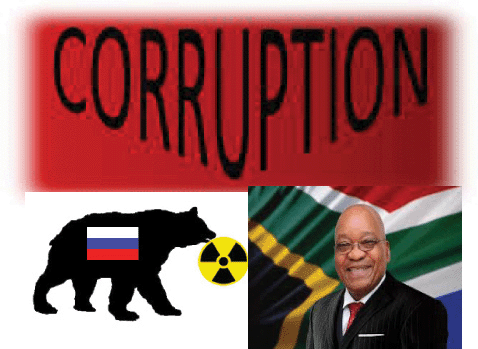
The Brothers Who Bought South Africa, The continent’s most important economy now appears to function for the benefit of one powerful family. Bloomberg, By Matthew Campbell and Franz Wild, 9 Nov 17
“….– Since Nene’s firing, long-standing questions about the scale of the Guptas’ power in South Africa have exploded into the most severe political and economic crisis since the end of apartheid. The family has been accused by activists and opposition politicians of stacking the leadership of powerful state companies, rigging bids in favor of suppliers it controls, and even helping orchestrate a planned $70 billion nuclear-power deal with Russia, for which it could supply vast quantities of uranium—all while using an alliance with Zuma to neuter law enforcement agencies that would otherwise shut down its efforts. Blue chip companies including McKinsey, KPMG, and SAP have been embroiled in what’s fast becoming a global scandal……..
In 2005 the brothers began putting Zuma’s family on their payroll. They hired his son Duduzane, then in his early 20s, as an IT specialist; appointed Duduzane’s twin sister, Duduzile, as a company director; and made one of Zuma’s wives (polygamy is legal in South Africa, and Zuma currently has four) a communications officer.
The idea was controversial from the start. In addition to immense reserves of coal, South Africa has a vibrant renewable-energy sector and no obvious need for nuclear power.
The next summer, Zuma was back in Russia for an economic summit, joined by his senior ministers—including Nene, the then-finance chief. Toward the end of the conference, according to two officials who were present, Zuma cornered Nene in a briefing room about the nuclear deal. The president and several other ministers demanded that Nene provide financial guarantees that would allow Eskom and Russia’s relationship to move ahead. Nene refused; even under the most optimistic projections, he said, a nuclear project of the scale Zuma envisioned would severely strain South African finances.
Zuma complained bitterly about Nene’s resistance, the summit officials say. Not long afterward, Nene’s deputy, Jonas, found himself in the Guptas’ sitting room at Saxonwold, being offered his boss’s job…….
The Guptas’ apparent grip on politics is resilient, but their freedom of movement has been significantly reduced—and doing business with them now carries potentially fatal risks…….. https://www.bloomberg.com/news/features/2017-11-09/the-brothers-who-bought-south-africa
Georgia Power knew for years about nuclear contractor’s flaws that doomed S.C. project
 Georgia Power knew for years about nuclear contractor’s flaws that doomed S.C. project http://www.postandcourier.com/business/georgia-power-knew-for-years-about-nuclear-contractor-s-flaws/article_550d04cc-c302-11e7-9332-3fa0cc0bdb47.html, By Andrew Brown abrown@postandcourier.com
Allegation of R20 million bribe to Eskom manager
 Eskom manager received R20 million for Kusile tender – Report https://mybroadband.co.za/news/energy/236254-eskom-manager-received-r20-million-for-kusile-tender-report.html
According to the report, the money has been in the account of Hlakudi Translation and Interpretation CC since 2015.
France Hlakudi, an Eskom contract manager for the Medupi and Kusile projects, is the only member of the closed corporation. He denies there are any irregularities.
The report alleges that large sums of money were withdrawn from the account over the same period, suggesting it may have been used for money laundering.
These revelations were brought to light as a result of the disciplinary hearing of Matshela Koko, the suspended Eskom CEO.
Koko said Hlakudi must be removed from the Kusile project in February.
Koko allegedly did so without following the correct procedures, but he maintained he acted within his authority and he will testify about why he removed Hlakudi.
Rapport stated that a letter from a whistleblower to interim Eskom chair Zethembe Khosa also provides details about the R20-million payment.
Hlakudi is still the contract manager of Medupi and Kusile. The two projects have cost at least R160 billion to build – initial budgets were set at R118 billion.
The news comes alongside a report that Energy Minister David Mahlobo is forcing his nuclear energy plan into action.
Chaotic situation at Los Alamos National Laboratory -secrecy about plutonium danger
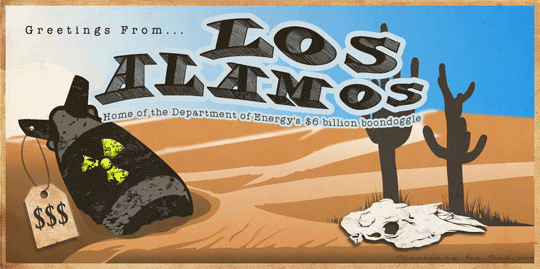 Birthplace of the atomic bomb in chaos as National Nuclear Security Administration calls for help http://www.news.com.au/world/north-america/birthplace-of-the-atomic-bomb-in-chaos-as-national-nuclear-security-administration-calls-for-help/news-story/c47b70e5ac22e27891d8d9f52daca324
IT’S known as the birthplace of the atomic bomb. But a letter written to the bomb’s laboratory has us all extremely concerned. Matt Young@MattYoung, IN 2011 something alarming happened at a United States nuclear weapons laboratory that was deliberately kept quiet.
According to The Centre for Public Integrity, a pair of workers with “cavalier attitudes” at the Los Alamos National Laboratory stuffed “so much plutonium into a small space that they came close to triggering an accidental nuclear chain reaction, all to get some photos”.
Their actions “nearly doomed a room full of colleagues”, according to a CPI report.
“Plutonium is the unstable, radioactive, man-made fuel of a nuclear explosion, and it isn’t amenable to showboating,” it said. “When too much is put in one place, it becomes ‘critical’ and begins to fission uncontrollably, spontaneously sparking a nuclear chain reaction, which releases energy and generates a deadly burst of radiation.”
And it gets much, much worse.
Los Alamos National Laboratory in Santa Fe, New Mexico — responsible for the design of nuclear warheads — was a top secret facility during World War II and the birthplace of the atomic bomb.
But it is in a state of chaos — in fact, it has been for years.
A damning letter by the Defense Nuclear Facilities Safety Board, released this week and seen by news.com.au, said it had found “numerous weaknesses” in the lab’s safety standards dating back to 2014.
It had also failed recent safety tests indicating how it would respond to an emergency including radioactive leaks or earthquakes.
Referred as Project Y after it was established in 1943, the laboratory was one of a series of top secret labs in the United States given codewords to maintain secrecy at the time.
It was known as the “heart” of the nuclear project and was primarily responsible for the Manhattan Project, which developed the first ever nuclear weapons. The scientists within its labs were responsible for the creation of several atomic bombs, including the Fat Man, which was detonated in the Japanese city of Nagasaki in August, 1945.
It is also responsible for the hydrogen bomb.
Since the end of WWII, the lab continued its focus on bomb designs. It is still open today and is one of the largest science and technology institutions in the world with a focus on national security, space exploration and nuclear fusion, among other “non-war” technology.
“Though the world is rapidly changing, this essential responsibility (nuclear) remains the core mission,” it states on its website.
It is also “responsible for the safety, security, and effectiveness of the nuclear explosive packages in the stockpile”.
But over the years, more and more mistakes have begun to leak from its labs, with critical, radioactive material breached, dumped and mishandled.
Last week, the US Department of Energy, which is responsible overseeing the United States’ nuclear arsenal, put out a final request for proposals to manage the site.
Currently, the lab is operated by a private consortium known as Los Alamos Security LLC but the National Nuclear Security Administration announced it would not renew the more than $2 billion annual contract in 2015, citing “subpar performance and safety and security reviews under the group’s leadership”.
USA Government Scientist Blocked from Talking About Climate and Wildfires
 Government Scientist Blocked from Talking About Climate and Wildfires
Critics are accusing the Trump administration of stifling the dissemination of taxpayer-funded science, Scientific American , By Brittany Patterson, ClimateWire on October 31, 2017
A U.S. Forest Service scientist who was scheduled to talk about the role that climate change plays in wildfire conditions was denied approval to attend the conference featuring fire experts from around the country.
William Jolly, a research ecologist with the agency’s Rocky Mountain Research Station in Missoula, Mont., was supposed to give a 30-minute presentation titled “Climate-Induced Variations in Global Severe Fire Weather Conditions” at the International Fire Congress in Orlando, Fla., next month. The event is hosted by the Association for Fire Ecology (AFE).
The travel denial follows reports last week that U.S. EPA blocked three scientists from making presentations at a conference in Rhode Island featuring climate change. Critics accused the Trump administration of stifling the dissemination of taxpayer-funded science……..
Jolly’s presentation was slated to be part of a special session exploring the connection between wildfire and climate change. It focuses on what scientists can learn about fire behavior in a warming future by looking at clues from the past, according to Anthony Westerling, a professor at the University of California who is moderating the session.
“It’s kind of weird that they would make it hard for a government scientist to take part in this because managing wildfire is a huge challenge logistically and financially on a vast array of federal lands,” he said. “These scientists, by participating in these kinds of society meetings, share their thoughts and hear other people’s thoughts, which is important because their work is supposed to form how these lands are managed and how we prepare for and adapt under climate change.”
Jolly is not the only scientist whose request was denied. No travel authorizations were given to researchers from the Rocky Mountain Research Station’s Human Dimensions Science Program, according to AFE. That includes Karin Riley, a research ecologist who studies the relationship between climate and wildfire. Riley is vice president of AFE’s board of directors.
Three U.S. Geological Survey researchers who are scheduled to give presentations at the wildfire conference next month have been in limbo for months while their travel request is reviewed. All three scientists are slated to speak about climate change…….
The science shared at the Fire Congress draws on real world catastrophes. The United States is experiencing its most expensive fire season in history, with more than 8.8 million acres burned, according to the National Interagency Fire Center.
Massive fires have rained chaos on communities in Montana and California, in part due to climate change increasing the number of fires and making them more severe. A 2015 report by the Forest Service found that modern fire seasons are 78 days longer and burn twice as many acres as they did in 1970. The agency predicted that the number of acres burned could double again by 2050 (Climatewire, Aug. 6, 2015)……. https://www.scientificamerican.com/article/government-scientist-blocked-from-talking-about-climate-and-wildfires/
Puerto Rico Cancels $300 Million Trump Crony Electrical Grid Rebuild Contract
Swamp Tales: Puerto Rico Cancels $300 Million Trump Crony Electrical Grid Rebuild Contract, The Progressive, by Harvey Wasserman October 30, 2017, The swampish saga would be hard to invent. In early October, Puerto Rico’s Energy Power Authority awarded a $300 million tax-funded contract to reconstruct the island’s hurricane devastated power grid to a two-person, two-year-old firm based in the small Montana hometown of Trump Interior Secretary Ryan Zinke. The company is financially backed by a major donor to Donald Trump’s 2016 presidential campaign.
About eighty percent of Puerto Rico is still without power. Many hospitals are still dark. Local citizens needing medical treatments such as surgeries or dialysis have been forced to flee to places where electric power is available.
Puerto Rico’s power grid centers on antiquated oil, gas, and coal generators, the median age of which is forty-four years. Just two percent Puerto Rico’s juice came from wind and solar. One wind farm, on the south side of the island, survived Hurricane Maria largely intact, as did at least one small commercial solar array.
For Puerto Rico’s 3.4 million residents, restoring power is a matter of life and death. But the $300 million dollar contract was handed, with no public hearings, legislative discussion or long-term planning, to Whitefish, an obscure company from rural Montana.
At least one Zinke relative—his son—has worked on part-time contract for Whitefish. Zinke claims he had nothing to do with the deal.
Anti-Trump sentiment is rampant throughout the island, fed by a lack of concern expressed by the President for Puerto Ricans’ dire situation, and capped by a recent visit in which he pitched paper towels to a crowd of bewildered local residents. When San Juan mayor Carmen Yulin Cruz questioned the contract with Whitefish, the company threatened to stop work, then apologized.
The Puerto Rican power company’s contract astoundingly exempted Whitefish from official audits, stating, “In no event shall [governmental bodies] have the right to audit or review the cost and profit elements.” It also waived “any claim against Contractor related to delayed completion of the work,” meaning Whitefish was empowered to pretty much take as long as it wanted to complete the job……..
the uproar should also focus on the growing demand that the electric power systems in Puerto Rico and the rest of the Caribbean be reconstructed around renewables and microgrids, rather than fossil-fired central distribution networks.
Most likely those systems will not be built by Trump cronies flown in at huge expense, who then must dodge rocks and bottles being thrown by angry locals.
Long-time Progressive contributor Harvey Wasserman is a safe energy activist and radio talk host based in Los Angeles. His Solartopia! Our Green-Powered Earth is at www.solartopia.org. http://progressive.org/dispatches/swamp-tales-puerto-rico-cancels-300-million-trump-crony-elec/#.WfeMOwoqpXw.email
South Carolina’s crony capitalist government-run utility: SCANA’s failed nuclear gambit
#NukeGate: SCANA’s Failed Gambit https://www.fitsnews.com/2017/10/31/nukegate-scanas-failed-gambit/ Crony capitalist utility screws up the one card it had to play October 31, 2017. By South Carolina’s crony capitalist government-run utility, used to dictating terms to its bought-and-paid for politicians, got dealt a measure of its own medicine this week when state lawmakers – themselves badly exposed by the Palmetto State’s ongoing #NukeGate debacle – refused to play ball with the company.
Evidence that Britain’s nuclear power industry subsidises nuclear weapons
channelling revenues ultimately funded by electricity consumers towards a joint civil-military national nuclear industry base
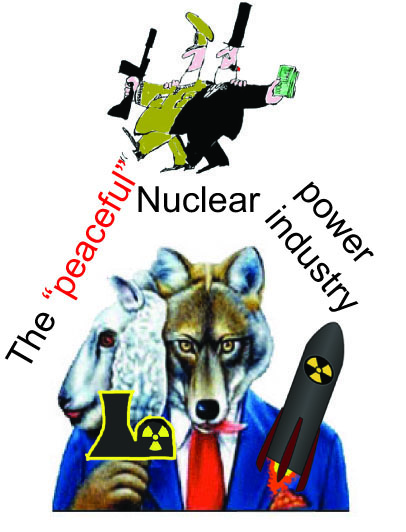
Evidence from Andy Stirling and Philip Johnstone: As the early part of the process of the BEIS Committee Brexit Inquiry has unfolded, the salience of this civil/military link is being further underscored in statements in which a number of relevant senior civil servants and ministers are confirming that the priority attached to UK military submarine capabilities is deeply entangled in strategic commitments to civil nuclear industry strategy 6 . Several possibly serious implications therefore arise in relation to the particular circumstances of Brexit.
 Parliament 27th Oct 2017 http://data.parliament.uk/writtenevidence/committeeevidence.svc/evidencedocument/business-energy-and-industrial-strategy-committee/leaving-the-eu-implications-for-the-nuclear-industry/written/71514.pdf
Written evidence from the University of Sussex, Science Policy Research Unit (BRN0015)
- We submit this evidence to the inquiry on Brexit and the Implications for UK Business.s. The content draws on a detailed submission by the same authors to the Public Accounts Committee (PAC), discussed at the PAC witness session on Monday 9 th October 2017, which informed illuminating exchanges with senior civil service witnesses to that Committee and was subsequently published by PAC 1 . A number of potentially important implications arise in relation to issues under discussion around Brexit.
2: This earlier evidence to PAC addressed the otherwise difficult-to-explain intensity of Government commitments to civil nuclear power in the face of growing recognition of the relative competitiveness of alternative UK low carbon energy investments. Multiple grounds were found for inferring that this persistent Government attachment is due, at least in part (and with no public discussion), to perceived needs to engineer a cross-subsidy from electricity consumers to help cover costs of a national nuclear industrial base that is deemed to be essential for maintaining UK military nuclear infrastructures 2 .
3: The issues that arise are central to the general remit of the BEIS Committee. For instance, this recent evidence to the PAC documents significant statements by the National Audit Office, which suggest that UK military nuclear infrastructures are being bolstered by revenue flows to UK industry strategy in other sectors 3 . Many statements in support of this interpretation are cited from defence policy discussions, acknowledging incentives to “mask” costs of military industrial strategy behind civil energy programmes 4 . As a result, it is evident that Government-negotiated, high-price, guaranteed long-term contracts for civil nuclear power, are channelling revenues ultimately funded by electricity consumers towards a joint civil-military national nuclear industry base, whose full costs probably could not otherwise feasibly be covered by defence budgets alone. Resulting implications for wider industry strategy and energy policy have received effectively zero Parliamentary or other policy scrutiny.
4: Much other evidence was presented in submission to PAC, concerning this evidently significant-buthidden influence on civil industry policy by military nuclear considerations 5 . As a result, it seems that undetermined but likely large cross-subsidies are being engineered from UK electricity consumers, in order to cover otherwise insupportable costs of military nuclear industry strategies. In the present evidence we outline key implications for the BEIS Committee inquiry on nuclear implications of Brexit
5: As the early part of the process of the BEIS Committee Brexit Inquiry has unfolded, the salience of this civil/military link is being further underscored in statements in which a number of relevant senior civil servants and ministers are confirming that the priority attached to UK military submarine capabilities is deeply entangled in strategic commitments to civil nuclear industry strategy 6 . Several possibly serious implications therefore arise in relation to the particular circumstances of Brexit.
6: First, there are well-documented general concerns that Brexit-related pressures on the UK industrial base are likely to have a particular impact on large infrastructure projects, specifically including new nuclear build. If these developments unfold, then pressures are likely to intensify around the interlinkages between UK civil and military nuclear infrastructures. With foregone opportunities for industry strategy in other sectors (like offshore wind), the these Brexit-related implications for UK industrial strategy are central issues for the BEIS Committee, which remain unexplored elsewhere 7 .
7: Second, there are concerns that the economic effects of Brexit may include current and possible continuing future depreciation of Sterling. If these effects transpire as variously predicted, then economic pressures will likely intensify to find ways to cross-subsidise growing military nuclear costs in some fashion that mitigates the impact on public spending. Brexit may thus exacerbate incentives to ‘mask’ otherwise-unbearable wider industrial costs of military nuclear submarine infrastructures behind strategic support for civil nuclear supply chains ultimately funded by electricity consumers 8 .
8: Third, there are prospects that demand for UK access to overseas specialist nuclear skills may be aggravated by Brexit-related constraints on labour movement. If this occurs, then competition can be expected to accentuate between recruitment needs for national civil and military nuclear industries. Since key military nuclear skills in particular must for obvious reasons be disproportionately UKbased, so Brexit may reinforce upward pressures on costs of military nuclear infrastructures and so help further increase the pressures for cross-subsidy documented in the earlier PAC evidence 9
9: Fourth, there is the likely effect of Brexit in reinforcing pressures towards Scottish independence. If this transpires, then strong opposition in Scotland to continued associations with the current UK nuclear weapons infrastructure, mean that Brexit will make it more probable that a move will be required of key military nuclear facilities away from Scotland. The result will be a very large Brexitrelated increase in military nuclear costs, further exacerbating pressures for cross-subsidies 10 . 10: We hope it is useful to draw these emerging issues to the attention of the BEIS Committee – both in relation to the above specific repercussions around Brexit and to their wider implications for UK energy strategies, industrial policy and more general qualities of national democratic accountability 11 . October 2017
Extensive references are given on the original document .
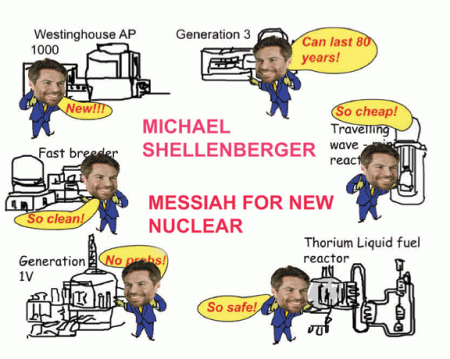
The lies and distortions of “nuclear environmentalist” Michael SHILLenberger
The nuclear power industry is having one of its worst ever years. Environmental Progress is warning about nuclear power’s “rapidly accelerating crisis” and other pro-nuclear lobbyists have noted that “the industry is on life support in the United States and other developed economies“.
Is there a future for ‘pro-nuclear environmentalism’? Jim Green, 30 Oct 2017, http://reneweconomy.com.au/is-there-a-future-for-pro-nuclear-environmentalism-94038/
Michael Shellenberger is visiting Australia this week. He has been a prominent environmentalist (of sorts) since he co- authored the 2004 essay, The Death of Environmentalism. These days, as the President of the California-based ‘Environmental Progress’ lobby group, he is stridently pro-nuclear, hostile towards renewable energy and hostile towards the environment movement.
Shellenberger is visiting to speak at the International Mining and Resources Conference in Melbourne. His visit was promoted by Graham Lloyd in The Australian in September. Shellenberger is “one of the world’s leading new-generation environmental thinkers” according to The Australian, and if the newspaper is any guide he is here to promote his message that wind and solar have failed, that they are doubling the cost of electricity, and that “all existing renewable technologies do is make the electricity system chaotic and provide greenwash for fossil fuels.”
Trawling through Environmental Progress literature, one of their recurring themes is the falsehood that “every time nuclear plants close they are replaced almost entirely by fossil fuels”. South Korea, for example, plans to reduce reliance on coal and nuclear under recently-elected President Moon Jae-in, and to boost reliance on gas and renewables. But Shellenberger and Environmental Progress ignore those plans and concoct their own scare-story in which coal and gas replace nuclear power, electricity prices soar, thousands die from increased air pollution, and greenhouse emissions increase.
Fake scientists and radiation quackery
Environmental Progress’ UK director John Lindberg is described as an “expert on radiation” on the lobby group’s website. In fact, he has no scientific qualifications. Likewise, a South Korean article falsely claims that Shellenberger is a scientist and that article is reposted, without correction, on the Environmental Progress website.
Shellenberger says that at a recent talk in Berlin: “Many Germans simply could not believe how few people died and will die from the Chernobyl accident (under 200) and that nobody died or will die from the meltdowns at Fukushima. How could it be that everything we were told is not only wrong, but often the opposite of the truth?”
There’s a simple reason that Germans didn’t believe Shellenberger’s claims about Chernobyl and Fukushima ‒ they are false. Shellenberger claims that “under 200” people have died and will die from the Chernobyl disaster, but in fact the lowest of the estimates of the Chernobyl cancer death toll is the World Health Organization’s estimate of “up to 9,000 excess cancer deaths” in the most contaminated parts of the former Soviet Union. And of course there are higher estimates for the death toll across Europe.
Shellenberger claims that the Fukushima meltdowns “killed precisely no one” and that “nobody died or will die from the meltdowns at Fukushima”. An Environmental Progress report has this to say about Fukushima: “[T]he science is unequivocal: nobody has gotten sick much less died from the radiation that escaped from three meltdowns followed by three hydrogen gas explosions. And there will be no increase in cancer rates.”
In support of those assertions, Environmental Progress cites a World Health Organization report that directly contradicts the lobby group’s claims. The WHO report concluded that for people in the most contaminated areas in Fukushima Prefecture, the estimated increased risk for all solid cancers will be around 4% in females exposed as infants; a 6% increased risk of breast cancer for females exposed as infants; a 7% increased risk of leukaemia for males exposed as infants; and for thyroid cancer among females exposed as infants, an increased risk of up to 70% (from a 0.75% lifetime risk up to 1.25%).
Applying a linear-no threshold (LNT) risk factor to the estimated collective radiation dose from Fukushima fallout gives an estimated long-term cancer death toll of around 5,000 people. Nuclear lobbyists are quick to point out that LNT may overestimate risks from low dose and low dose-rate exposure ‒ but LNT may also underestimate the risks according to expert bodies such as the US National Academy of Sciences’ Committee on the Biological Effects of Ionizing Radiation.
Attacking environment groups Continue reading
False data on nuclear equipment from Kobe Steel – sent to Japanese company
 Kobe Steel sent products with tampered data to nuclear companies, Cars, trains, planes … and nuclear facilities. REUTERS, Oct 27th 2017 TOKYO — Kobe Steel supplied parts with false specifications for nuclear equipment owned by Japan Nuclear Fuel Ltd, JNFL said on Friday, adding that the products were not used.
Drumming up a bogus conspiracy about Hillary Clinton and Uranium One
 How Steve Bannon and Sean Hannity ginned up the Hillary Clinton uranium story, Pro-Trump conservatives want to talk about their own Russia narrative. The only problem is that it’s nonsense, Salon.com, MATT GERTZ, MEDIA MATTERS, 10.26.2017 This article originally appeared on Media Matters.
President Donald Trump has spent much of his presidency engulfed by congressional and criminal investigations into Russian efforts to help him win the 2016 presidential election. But today, Rep. Devin Nunes, R-Calif., the chairman of the House Intelligence Committee, announced he was joining a new congressional probe — one that appears to revolve around the purported Russian ties of Trump’s opponent in that race, former Secretary of State Hillary Clinton.
This is no accident. Like the work of the House Select Committee on Benghazi before it, this is a partisan investigation with a political purpose, with its roots in the conspiratorial muck of the right-wing media. But while the Benghazi probe — as Republican leaders eventually acknowledged — was an offensive push to damage Clinton’s political standing in the lead-up to the 2016 election, the new one is a defensive move aimed at protecting Trump by diverting attention to his former opponent. The effort’s loudest champion is Sean Hannity, the Trump propagandist and sometime adviser who has claimed for months that the “real collusion” with Russia revolves around a bogus conspiracy theory linking Clinton to the 2010 sale of the uranium mining company Uranium One to the Russian government.
The story begins with Breitbart.com head Stephen Bannon. In 2012, long before he became the Trump campaign’s chief executive and joined Trump’s White House as chief strategist, Bannon launched the Government Accountability Institute, a nonprofit conservative investigative research organization. Three years later, GAI’s president, the discredited author Peter Schweizer, authored the bestselling book “Clinton Cash.” The book, built on GAI’s research, alleged that Bill and Hillary Clinton “typically blur the lines between politics, philanthropy, and business.” It was a trainwreck of sloppy research and shoddy reporting but was heavily promoted by mainstream outlets thanks to a cunning media strategy overseen by Bannon and taken up by Trump during the campaign.
One of the book’s bogus allegations was Schweizer’s claim that Hillary Clinton played a “central role” in approving the purchase of Uranium One by the Russian State Atomic Nuclear Agency. Schweizer speculated that she did so because of the money given to the Clinton Foundation and her husband by Russians and people linked to the deal. But this made no sense, and several reporters assessing Schweizer’s claims rejected them. The State Department had one of nine votes on the committee that approved the deal; the State Department rep said Clinton never intervened on the issue; there were critical questions about the timing of the donations Schweizer referenced; and even Schweizer said he had no direct evidence Clinton had intervened.
The false allegations might have been forgotten in the wake of the election. But in January, the U.S. intelligence community announced that Russia interfered with the 2016 presidential election on the orders of Russian President Vladimir Putin, with the aim of harming Clinton’s campaign because “Putin and the Russian Government developed a clear preference for President-elect Trump.” Reporting from a host of news outlets ever since has suggested that Trump’s campaign aides and associates had a series of troubling interactions with Russians, triggering congressional investigations and eventually a criminal probe by special counsel Robert Mueller. With Trump’s presidency hanging in the balance, his allies have searched for a way to rebut the charges.
Hannity eventually settled on the old “Clinton Cash” allegations. Claiming that there is no evidence to support what he terms “black-helicopter, tinfoil-hat conspiracy theories about so-called Trump-Russia collusion,” the Fox host declared that the “real collusion” is between Clinton and Russia, as demonstrated by the Uranium One tale. He pushed that argument over and over again to his audience of 3 million, making it in more than two dozen monologues over the summer.
Then a week ago, Hannity tweeted this: “FBI uncovered Russian bribery plot…”
Hannity was promoting a report by John Solomon, the executive vice president of The Hill, which purported to advance the Uranium One story. According to Solomon’s anonymous sources, “Russian nuclear officials had routed millions of dollars to the U.S. designed to benefit former President Bill Clinton’s charitable foundation during the time Secretary of State Hillary Clinton served on a government body that provided a favorable decision to Moscow.” Solomon provides no evidence that the Clintons were aware this was happening, and of course the underlying conspiracy theory that Clinton pushed the Uranium One deal through still makes no sense. But it’s something the right-wing press can use to try to shift attention away from Trump……
Feeding into the right-wing narratives about efforts by nefarious deep-state actors to tear down the president, Circa’s reporting received glowing reviews from Trump’s most conspiratorial supporters.
But Circa’s biggest fan is Hannity……..
Hannity heavily promoted Solomon’s story on his Fox show, devoting extensive segments to the “explosive” “bombshell” on the night it broke and the next two nights. He’s hosted Solomon, Carter, and Schweizer, harangued the rest of the press for not covering the story and declared Uranium One “one of the biggest scandals this country has ever seen.” And on the night the story broke, he made clear what he thought should happen next:
Hannity heavily promoted Solomon’s story on his Fox show, devoting extensive segments to the “explosive” “bombshell” on the night it broke and the next two nights. He’s hosted Solomon, Carter, and Schweizer, harangued the rest of the press for not covering the story and declared Uranium One “one of the biggest scandals this country has ever seen.” And on the night the story broke, he made clear what he thought should happen next:
And now Nunes — who had to recuse himself from Russia-related investigations earlier this year due to ethics charges that resulted from his effort to do the White House’s bidding and scuttle the Trump-Russia investigations — is taking a hand. At a press conference today, he announced that he would be launching an investigation into the Uranium One allegations. He will be working alongside the House Oversight Committee, helped by the former chairman of the Benghazi Committee, Rep. Trey Gowdy, R-S.C.
When there’s a congressional investigation into a Clinton, Fox knows how to respond:
“Fox programming is now basically 24/7 about Hillary Clinton and Uranium.”
The New York Times yesterday detailed how Republican congressmen, including Nunes and Gowdy, are trying to “wrap up the investigations” into Trump’s Russia ties as quickly as possible. “Congressional investigations unfortunately are usually overtly political investigations, where it is to one side’s advantage to drag things out,” Gowdy told the Times. He knows that from experience. A year into Trump’s presidency, egged on by sycophantic media allies like Hannity, the first congressional investigation into a Clinton has begun. It won’t end anytime soon. https://www.salon.com/2017/10/25/how-steve-bannon-and-sean-hannity-ginned-up-the-hillary-clinton-uranium-story/
America’s Environmental Protection Agency gagging its own scientists on climate change

 E.P.A. Cancels Talk on Climate Change by Agency Scientists https://www.nytimes.com/2017/10/22/climate/epa-scientists.html WASHINGTON — The Environmental Protection Agency has canceled the speaking appearance of three agency scientists who were scheduled to discuss climate change at a conference on Monday in Rhode Island, according to the agency and several people involved.
1 This Month



26 September – International Day for the Total Elimination of Nuclear Weapons


PLEASE OPPOSE HR 8255 AND S.3639 – bills would accelerate satellite deployment, with no environmental review or safeguards – https://ncstd5li.quorum.us/campaign/169331/
To see nuclear-related stories in greater depth and intensity – go to https://nuclearinformation.wordpress.com
-
Archives
- September 2026 (269)
- August 2026 (330)
- July 2026 (355)
- June 2026 (287)
- May 2026 (306)
- April 2026 (356)
- March 2026 (251)
- February 2026 (267)
- January 2026 (308)
- December 2025 (358)
- November 2025 (359)
- October 2025 (375)
-
Categories
- 1
- 1 NUCLEAR ISSUES
- business and costs
- climate change
- culture and arts
- ENERGY
- environment
- health
- history
- indigenous issues
- Legal
- marketing of nuclear
- media
- opposition to nuclear
- PERSONAL STORIES
- politics
- politics international
- Religion and ethics
- safety
- secrets,lies and civil liberties
- spinbuster
- technology
- Uranium
- wastes
- weapons and war
- Women
- 2 WORLD
- ACTION
- AFRICA
- Atrocities
- AUSTRALIA
- Christina's notes
- Christina's themes
- culture and arts
- Events
- Fuk 2022
- Fuk 2023
- Fukushima 2017
- Fukushima 2018
- fukushima 2019
- Fukushima 2020
- Fukushima 2021
- general
- global warming
- Humour (God we need it)
- Nuclear
- RARE EARTHS
- Reference
- resources – print
- Resources -audiovicual
- Weekly Newsletter
- World
- World Nuclear
- YouTube
-
RSS
Entries RSS
Comments RSS

