Japan claims that China and South Korea both pour radioactive waste-water , worse than Japan’s, into the oceans

Japan said Thursday that China and South Korea have both discharged liquid
waste containing high levels of tritium, a radioactive material, countering
Beijing’s criticism of Tokyo’s plan to release treated water from the
Fukushima nuclear power plant. Chief Cabinet Secretary Hirokazu Matsuno
also said Japan will explain to China “based on scientific perspectives”
the planned water discharge into the sea from the nuclear complex, crippled
by a devastating earthquake and ensuing tsunami in March 2011. Japan’s
standard for the release of tritium, at below 22 trillion becquerels per
year, is far stricter than that of other nations including its neighbors
China and South Korea, Matsuno, the top government spokesman, said at a
regular press conference.
In 2021, the Yangjiang nuclear plant in China
discharged around 112 trillion becquerels of tritium, while the Kori power
station in South Korea released about 49 trillion becquerels of the
radioactive material, Japan’s industry ministry said.
Japan Today 6th July 2023
‘Exploring Tritium’s Dangers’: a book review

By Robert Alvarez | June 26, 2023 https://thebulletin.org/2023/06/exploring-tritiums-danger-a-book-review/
Over the past 40 years, Arjun Makhijani has provided clear, concise, and important scientific insights that have enriched our understanding of the nuclear age. In doing so, Makhijani—now president of the Institute for Energy and Environmental Research—has built a solid reputation as a scientist working in the public interest. His most recent contribution to public discourse, Exploring Tritium’s Dangers, adds to this fine tradition.
A radioactive isotope of hydrogen, tritium is one the most expensive, rare, and potentially harmful elements in the world. Its rarity is underscored by its price—$30,000 per gram—which is projected to rise from $100,000 to $200,000 per gram by mid-century.
Although its rarity and usefulness in some applications gives it a high monetary value, tritium is also a radioactive contaminant that has been released widely to the air and water from nuclear power and spent nuclear fuel reprocessing plants. Makhijani points out that “one teaspoon of tritiated water (as HTO) would contaminate about 100 billion gallons of water to the US drinking water limit; that is enough to supply about 1 million homes with water for a year.”
Where tritium comes from. Since Earth began to form, the radioactive isotope of hydrogen known as tritium (H-3) has been created by interactions between cosmic rays and Earth’s atmosphere; through this natural process, the isotope continues to blanket the planet in tiny amounts. With a radioactive half-life of 12.3 years, tritium falls from the sky and decays, creating a steady-state global equilibrium that comes to about three to seven kilograms of tritium.
Tritium initially became a widespread man-made contaminant when it was spread across the globe by open-air nuclear weapons explosions conducted between 1945 and 1963. Rainfall in 1963 was found in the Northern Hemisphere to contain 1,000 times more tritium than background levels. Open-air nuclear weapons explosions released about 600 kilograms (6 billion curies) into the atmosphere. In the decades since above-ground nuclear testing ended, nuclear power plants have added even more to the planet’s inventory of tritium. For several years, US power reactors have been contaminating ground water via large, unexpected tritium leaks from degraded subsurface piping and spent nuclear fuel storage pool infrastructures.
Since the 1990s, about 70 percent of the nuclear power sites in the United States (43 out of 61 sites) have had significant tritium leaks that contaminated groundwater in excess of federal drinking water limits.
The most recent leak occurred in November 2022, involving 400,000 gallons of tritium-contaminated water from the Monticello nuclear station in Minnesota. The leak was kept from the public for several months. In late March of this year, after the operator could not stop the leak, it was forced to shut down the reactor to fix and replace piping. By this time, tritium reached the groundwater that enters the Mississippi River. A good place to start limiting the negative effects of tritium contamination, Makhijani recommends, is to significantly tighten drinking water standards.
Routine releases of airborne tritium are also not trivial. As part of his well-researched monograph, Makhijani underscores this point by including a detailed atmospheric dispersion study that he commissioned, indicating that tritium (HTO) from the Braidwood Nuclear Power Plant in Illinois has been literally raining down from gaseous releases – as it incorporates with precipitation to form tritium oxide (HTO)—something that occurs at water cooled reactors. Spent fuel storage pools are considered the largest source of gaseous tritium releases.
The largely unacknowledged health effects. Makhijani makes it clear that the impacts of tritium on human health, especially when it is taken inside the body, warrant much more attention and control than they have received until now. This is not an easy problem to contend with, given the scattered and fragmented efforts that are in place to address this hazard. Thirty-nine states, and nine federal agencies (the US Nuclear Regulatory Commission (NRC), Environmental Protection Agency (EPA), the Department of Energy (DOE), the Occupational Safety and Health Administration (OSHA), the Consumer Product Safety Commission, the Food and Drug Administration (FDA), and the Department of Agriculture are all responsible for regulating tritium.
This highly scattered regulatory regime has been ineffective at limiting tritium contamination, much less reducing it. For example, state and federal regulators haven’t a clue as to how many of some two million exit signs purchased in the United States—and made luminous without electric power by tritium—have been illegally dumped. For decades, tritium signs, each initially containing about 25 curies (or 25,000,000,000,000 pCi) of radioactivity, have found their way into landfills that often contaminate drinking water. One broken sign is enough to contaminate an entire community landfill. There are no standards for tritium in the liquid that leaches from landfills, despite measurements taken in 2009 indicating levels at Pennsylvania landfills thousands of times above background.
Adding to this regulatory mess, is the fact that federal standards limiting tritium in drinking water only apply to public supplies, and not to private wells.
In past decades, regulators have papered over the tritium-contamination problem by asserting, when tritium leakage becomes a matter of public concern, that the tritium doses humans might receive are too small to be of concern. Despite growing evidence that tritium is harmful in ways that fall outside the basic framework for radiation protection, agencies such as the Nuclear Regulatory Commission remain frozen in time when it comes to tritium regulation.
The NRC and other regulating agencies are sticking to an outdated premise that tritium is a “mild” radioactive contaminant that emits “weak” beta particles that cannot penetrate the outer layers of skin. When tritium is taken inside the body (by, for example, drinking tritiated water), half is quickly excreted within 10 days, the agencies point out, and the radiation doses are tiny. Overall, the NRC implies its risk of tritium ingestion causing cancer is small.
But evidence of harm to workers handling tritium is also growing. Epidemiologists from the University of North Carolina reported in 2013, that the risk of dying from leukemia among workers at the Savannah River Plant following exposure to tritium is more than eight times greater (RBE-8.6) than from exposure to gamma radiation (RBE-1). Over the past several years, studies of workers exposed to tritium consistently show significant excess levels of chromosome damage.[1]
The contention that tritium is “mildly radioactive” does not hold when it is taken in the body as tritiated water—the dominant means for exposure. The Defense Nuclear Facility Safety Board—which advises the US Energy Department about safety at the nation’s defense nuclear sites—informed the secretary of energy in June 2019 that “[t]ritiated water vapor represents a significant risk to those exposed to it, as its dose consequence to an exposed individual is 15,000 to 20,000 times higher than that for an equivalent amount of tritium gas.”
As it decays, tritium emits nearly 400 trillion energetic disintegrations per second. William H. McBride, a professor of radiation oncology at the UCLA Medical School, describes these disintegrations as “explosive packages of energy” that are “highly efficient at forming complex, potentially lethal DNA double strand breaks.” McBride, underscored this concern at an event sponsored by the National Institutes of Health, where he stated that “damage to DNA can occur within minutes to hours.” [2]
“No matter how it is taken into the body,” a fact sheet from the Energy Department’s Argonne National Laboratory says, “tritium is uniformly distributed through all biological fluids within one to two hours.” During that short time, the Defense Nuclear Facility Safety Board points out that “the combination of a rapid intake and a short biological half-life means a large fraction of the radiological dose is acutely delivered within hours to days…”
A new approach to tritium regulation. Makhijani pulls together impressive evidence clearly pointing to the need for an innovative approach that addresses, in addition to cancer, a range of outcomes that can follow tritium exposure, including prenatal and various forms of genomic damage. In particular, he raises a key point about how physics has dominated radiation protection regulation at the expense of the biological sciences.
It all boils down to estimation of a dose as measured in human urine based on mathematical models. For tritium, dose estimation can be extraordinarily complex (at best) when it is taken inside the body as water or as organically bound, tritide forms. So the mathematical models that can simplify this challenge depend on “constant values” that provide the basis for radiation protection.
In this regard, the principal “constant value” holding dose reconstruction and regulatory compliance together is the reliance on the “reference man.” He is a healthy Caucasian male between the age of 20 to 30 years, who exists only in the abstract world.
Use of the reference man standard gives rise to obvious (and major) questions: What radiation dose limit is necessary to protect the “reference man” from serious genomic damage? And what about protection of more vulnerable forms of human life?
According to the 2006 study by the National Research Council, healthy Caucasian men between the age of 20 and 30 are about one-tenth as likely to contract a radiation-induced cancer as a child exposed to the same external dose of gamma radiation while in the womb.
In his monograph, Makhijani underscores the need to protect the fetus and embryo from internal exposures to tritium—a need largely being side-stepped by radiation protection authorities. “Tritium replaces non-radioactive hydrogen in water, the principal source of tritium exposure,” Makhijani writes, pointing to unassailable evidence that tritium “easily can cross the placenta and irradiate developing fetuses in utero, thereby raising the risk of birth defects, miscarriages, and other problems.”
He is not alone in such an assessment. According a 2022 medical expert consensus report on radiation protection for health care professionals in Europe, “The greatest risk of pregnancy loss from radiation exposure is during the first 2 weeks of pregnancy, while between 2-8 weeks after conception, the embryo is most susceptible to the development of congenital malformations because this is the period of organogenesis.”
In the United States, the Nuclear Regulatory Commission’s efforts to reduce exposure limits and protect pregnant women and their fetuses is best described as foot-dragging. By comparison, the required limit for a pregnant worker in Europe to be reassigned from further exposure is one-fifth the US standard—and was adopted nearly 20 years ago.
Long-term environmental retention. A 2019 study put forward the first ever empirical evidence of very long-term environmental retention of organically bound tritium (OBT) in an entire river system, deposited by fallout from atmospheric nuclear weapons explosions.
When released into the environment, tritium atoms can replace hydrogen atoms in organic molecules to form organically bound tritium, which is found soil, and river sediments, vegetation, and a wide variety of foods. It’s been more than a half century since the ratification of the Limited Test Ban Treaty, and tritium released through nuclear weapons testing has undergone significant decay. Yet because of the long retention of organically bound tritium, in greater than expected concentrations, it still remains a contaminant of concern.
For instance, despite its 12.3-year half-life, a much larger amount of organically bound tritium from nuclear tests than previously assumed is locked in Arctic permafrost, raising concerns about widespread contamination as global warming melts the Arctic. Organically bound tritium can reside in the body far longer than tritiated water, to consequently greater negative effect.[3]
Nuclear weapons, nuclear power, and tritium. The tritium problem has several dimensions that relate directly to the world’s current and future efforts vis a vis nuclear power and nuclear weapons.
Now that nuclear power reactors are closing down, especially in the aftermath of the Fukushima accident, the disposal of large volumes of tritium-contaminated water into lakes, rivers, and oceans is becoming a source of growing concern around the world. The Japanese government has approved the dumping of about 230 million gallons of radioactive water, stored in some 1,300 large tanks sitting near the Fukushima nuclear ruins, into the Pacific Ocean. Once it incorporates into water, tritium is extraordinarily difficult, if not impossible to remove.
Protests in Japan by a wide segment of the public and in several other nations—including Russia, the Marshall Islands, French Polynesia, China, South Korea and North Korea—object to the disposal of this large volume of contaminated water into near-shore waters.
Then there’s the matter of boosting the efficiency and destructive power of nuclear weapons with tritium gas—a use that has dominated demand for this isotope. Because five percent of the tritium in thermonuclear warheads decays each year, it has to be periodically replenished. Over the past 70 years, an estimated 225 kilograms of tritium were produced in US government reactors, principally at the Savannah River Plant in South Carolina. Those reactors were shuttered in 1988. Since 2003, tritium supplies for US nuclear warheads are provided by two Tennessee Valley Authority nuclear power reactors. The irradiation of lithium target elements in the reactors has fallen short of meeting demand because of excess tritium leakage into the reactor coolant.
The hazards of tritium production for weapons are far from trivial.
For instance, since June of 2019, the Defense Nuclear Facility Safety Board has taken the Energy Department to task for its failure to address the risk of a severe fire involving tritium processing and storage facilities at the Savannah River Site. According to the Board, such a fire may have a 40 percent chance of occurring during 50 years of operation and could result in potentially lethal worker doses greater than 6,000 rems—1,200 times the annual occupational exposure limit. Doses to the public would not be inconsequential. Meanwhile, the Energy Department is under pressure from the nuclear weapons establishment to step up demand for tritium. Unless there is “a marked increase in the planned production of tritium in the next few years,” the 2018 US Nuclear Posture Review concluded “our nuclear capabilities will inevitably atrophy and degrade below requirements.”
The Energy Department estimates it will take 15-20 years to achieve a major multibillion overhaul of its tritium production infrastructure.
Meanwhile, the quest for fusion energy highlights a startling fact: The amount of tritium required to fuel a single fusion reactor (should an economic, fusion-based power plant ever be created) will likely be far greater than the amount produced by all fission reactors and open-air bomb tests since the 1940s. A full-scale (3,000 megawatt-electric) fusion reactor is estimated to “burn” about 150 kilograms of tritium a year.[4]
The cost for a one-year batch of tritium fuel for a fusion reactor, based on the current market price, would be $4.5 billion. An annual loss to the environment from a single fusion reactor could dwarf the release of tritium from all nuclear facilities that currently dot the global landscape.
The tritium overview. Evidence is mounting not just in regard to increased health risks from tritium-contaminated water and from organically bound tritium, but also as relates to the harm tritium can visit on the unborn. At the same time, it has become clear that regulation of tritium in the United States is grossly insufficient to the current risk from tritium contamination, not to mention future risks that could arise if tritium production, use, and associated leakage rise. Arjun Makhijani provides a useful roadmap for sparing workers and the public from the dangers this pernicious contaminant will pose in the future, absent more effective regulation that includes lower limits for human tritium exposure.
Notes
[1] See: https://link.springer.com/article/10.1007/s004200050272; https://www.mdpi.com/2305-6304/10/2/94; https://www.jstor.org/stable/3579658; http://www.rbc.kyoto-u.ac.jp/db/Literature/THO-Occupational.html; and https://www.unscear.org/docs/publications/2016/UNSCEAR_2016_Annex-C.pdf
[2] William MacBride, UCLA School of Medicine Vice Chair for Research in Radiation, Principal Investigator of UCLA’s Center for Medical Countermeasures Against Radiation — National Institutes of Health, Jan 27, 2014. See: https://www.youtube.com/watch?v=XEH72v-yN9A
[3] See https://www.nature.com/articles/s41598-019-47821-1
[4] Advocates assume that only the initial loading of 150 kg will be needed, as the reactor will “breed” the remaining amount of tritium to run the plant after a year of operation.
Chinese astronauts install radiation-exposure experiment outside Tiangong space station
By Andrew Jones, 21 June 23, https://www.space.com/astronauts-install-radiation-experiment-china-tiangong-space-station
China plans to conduct radiation experiments on plant seeds, microorganisms and small animals.
China is running a biological radiation exposure experiment outside its space station.
The country’s Shenzhou 16 astronauts — Jing Haipeng, Zhu Yangzhu and Gui Haichao — installed the experiment outside the Tiangong space station‘s Mengtian science module on June 10, China’s National Space Science Center (NSSC) announced in a statement.
The experiment was deployed using Mentian’s dedicated payload airlock and attached to an external payload adapter using the space station’s small robotic arm.
The experiment payload contains 13 sample box units loaded with biomaterials. These are designed to study the impact of cosmic radiation and microgravity on organisms, the origin and evolution of life and the development of space radiation mutagenic resources.
The equipment can be used for in-orbit experiments on biological samples, including plant seeds, microorganisms and small animals, according to NSSC. The temperature inside each sample container unit can be adjusted to suit the organisms it is hosting.
On-orbit medical research involving space radiation biological exposure is of great significance to supporting China’s human spaceflight program. That program is ambitious, with plans to launch long-term crewed missions in Earth orbit and send people to the surface of the moon, the Chinese-language outlet Science and Technology Daily reported.
The experiment payload was developed jointly by the NSSC and Dalian Maritime University. It is intended to operate for five years and is planned to be used for several scientific projects.
The Shenzhou 16 crew arrived at Tiangong on May 30 and will remain aboard the space station until November.
As Japan prepares to release Fukushima nuclear waste water – a reminder that countries can ban goods with radiation contamination risks
Banning goods with radiation contamination risks can pressure Tokyo, say analysts, as Japan prepares to start nuclear-contaminated wastewater dumping trials
By Wan HengyiPublished: Jun 11, 2023
2
Japan’s unilateral decision to discharge nuclear-contaminated wastewater into the sea disregards international law and public opinion, said analysts on Sunday, one day before Tokyo Electric Power Company (TEPCO), the operator of the crippled Fukushima Daiichi nuclear power plant, starts trial operations of equipment for dumping nuclear-contaminated wastewater into the Pacific Ocean.
Some analysts believe that resisting goods with potential nuclear radiation contamination risks can be extended to other regions apart from Fukushima in Japan and products beyond seafood in accordance with the relevant import regulations, which would exert greater pressure on the Japanese government by consumers.
Fukushima media reported that the trial operation will be carried out on Monday by mixing fresh water and seawater, and will take 10 days to two weeks to check whether the specified amount of water can flow to the sea and whether the shutoff device can shut off water in the event of an emergency.
Japan’s unilateral discharge of nuclear nuclear-contaminated wastewater is not in line with the spirit of the UN Convention on the Law of the Sea, said Tse Chin-wan, secretary for the Environment and Ecology of China’s Hong Kong Special Administrative Region, on Thursday, adding that imports of seafood from Fukushima and nearby high-risk areas will be banned in Hong Kong at once if Japan starts to dump nuclear-contaminated water into the Pacific Ocean.
Seafood from outside high-risk areas in Japan would also need to provide radiation test reports before it can be sold in local markets in Hong Kong, he added.
According to a report issued by the plant’s operator Tokyo Electric Power Company (TEPCO) on June 5, the radioactive elements in marine fish caught in the harbor of the Fukushima Daiichi Nuclear Power Plant far exceeded safety levels for human consumption, with the content of Cs-137 reaching 180 times that of the standard maximum stipulated in Japan’s food safety law.
South Korea also announced it would maintain a ban on imports of seafood from Japan’s Fukushima Prefecture, according to reports from Nikkei Asia on April 30. The country has for the past decade banned imports of food from the area due to concerns over food safety and fears of radiation contamination following the 2011 nuclear disaster.
In 2019, South Korea won the bulk of its appeal in a dispute at the World Trade Organization over import bans and testing requirements it had imposed on Japanese seafood in the wake of the Fukushima nuclear disaster.
The case of South Korea serves as a valuable reference for China and other countries, as it demonstrates that a resistance against potentially radiation-contaminated products is not limited to seafood from Fukushima alone, Chang Yen-chiang, director of the Yellow Sea and Bohai Sea Research Institute of Dalian Maritime University, told the Global Times on Sunday………………………………………… more https://www.globaltimes.cn/page/202306/1292369.shtml
Content of radioactive element in fish at Fukushima’s Nuclear Power Plant 180 times of safe limit
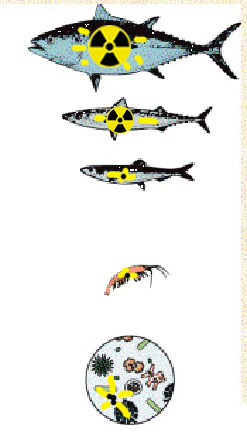
CGTN 6 June 23
The radioactive elements in the marine fish caught in the harbor of the Fukushima Daiichi Nuclear Power Plant in Japan far exceed safety levels for human consumption, according to a report issued by the plant’s operator Tokyo Electric Power Company (TEPCO) on Monday. In particular, the data released show that the content of Cs-137, a radioactive element that is a common byproduct in nuclear reactors, is 180 times that of the standard maximum stipulated in Japan’s food safety law.
CGTN downloaded the English version of the report available on TEPCO’s official website. According to the data, the sampled black rockfish contains the radioactive element Cs-137 with a content of 18,000 becquerels per kilogram. Data available on the website of Fukushima Revitalization Station run by Japan’s Fukushima prefectural government shows that Japan’s current limit of radioactive cesium in general food which contains fish is set at 100 becquerels per kilogram.
According to the report, the location where the sampled fish was caught is at the port area of Units 1 to 4 of the Fukushima Daiichi Nuclear Power Plant, where a breakwater is built and nuclear wastewater with a high concentration of radioactive substances flows in. TEPCO said it will set up multiple protective nets to prevent fish from swimming out of the harbor.
A Chinese news website sina.com.cn quoted experts noting that the radioactive elements in the nuclear wastewater could penetrate into fish, shrimp and other seafood, and later accumulate in the human body after consumption. ……………………
TEPCO on Monday started sending seawater into an underwater tunnel to be diluted before releasing the nuclear wastewater into the ocean. The company said that all facilities for the water release system are expected to be completed by the end of this month.
Local fishing communities say their businesses and livelihoods will suffer still more damage. Neighboring countries such as China and South Korea and Pacific Island nations have raised safety concerns. Environmental groups including Friends of the Earth oppose the release. https://news.cgtn.com/news/2023-06-06/Radioactive-element-in-fish-at-Fukushima-plant-180-times-safe-limit-1kpOlJEH9xm/index.html
Detailed evidence exposes Japan’s lies, loopholes in nuclear-contaminated wastewater dumping plan
Japan’s existing ocean discharge plan and evaluation are based on the assumption that the nuclear-contaminated wastewater can meet discharge standards after treatment.
But unfortunately, the data released by TEPCO showed that as of September 30, 2021, some 70 percent of the then 1.243 million cubic meters of ALPS-treated nuclear-contaminated wastewater still failed to meet the criteria, 18 percent of which even exceeded the standards 10 to 20,000 times over
Firstly, the types of radionuclides that TEPCO monitors are relatively few, making it far from being able to reflect the correct radionuclide dispersion in the contaminated wastewater.
The Fukushima nuclear-contaminated wastewater, coming from the wastewater which was directly in contact with the core of the melted reactor, theoretically contains all the hundreds of types of radionuclides in the melted reactor, such as fission nuclides, a uranium isotope, and transuranic nuclide.
But TEPCO at first only listed 64 types of radionuclides including H-3 and C-14 as a (data) foundation for the works including monitoring and analysis, emission control, and environmental impact assessment. These 64 radionuclides did not include the uranium isotope and certain other α-nuclides, which have long half-lives while some are highly toxic.
TEPCO’s exclusion of the radionuclides mentioned above has greatly compromised the effectiveness of its monitoring work, as well as the credibility of its environmental impact assessment result.
“TEPCO’s plan of only monitoring a few types of radionuclides is unscientific,” the insider told the Global Times.
Later, during the review process of the IAEA Task Force in 2022, TEPCO changed the number of radionuclide types it was monitoring and analyzing to 30, and then decreased it to 29 this year. This is far from enough to provide a complete assessment of the extremely complex nuclides in the Fukushima nuclear-contaminated wastewater.
Secondly, there are missing activity concentration values for multiple radionuclides in TEPCO’s monitoring scheme.
TEPCO’s public report on the 64 radionuclides only provides activity concentration values for 12 radioactive nuclides other than tritium, while over 50 other nuclides do not have specific activity concentration values. The report, while only offering gross α and gross β values, doesn’t disclose the respective concentration levels of many highly toxic radionuclides in the Fukushima nuclear-contaminated wastewater, such as Pu-239, Pu-240 and Am-241.
“[TEPCO’s] current plan only monitors some of the nuclides and the gross α and gross β values, which cannot accurately indicate the fluctuations or changes in the activity of each nuclide after treating the contaminated wastewater due to the fluctuation of the nuclide source term composition,” said the insider.
This operation of TEPCO has largely increased the uncertainty of the [nuclide] source item information of the nuclear-contaminated wastewater, and thus greatly increases the difficulties of making subsequent monitoring plans and marine ecological environmental impact assessment.
Thirdly, TEPCO didn’t make conservative assumptions in many aspects of its monitoring data, and some of the assumptions it made were somewhat “negligent.”
In the process of treating the nuclear-contaminated wastewater, the slight particle shedding of chemical precipitants and inorganic adsorbents in the ALPS may cause some radionuclides to exist in a colloidal state.
Therefore, TEPCO’s assumption that all nuclides in nuclear-contaminated wastewater in the ALPS are water-soluble is obviously invalid, said the insider. “TEPCO should scientifically and comprehensively analyze whether colloidal nuclides are present in the nuclear-contaminated wastewater based on the long-term operation experience of its ALPS system,” he noted.
Huang Lanlan Jun 05, 2023 https://www.globaltimes.cn/page/202306/1291969.shtml
The Fukushima Daiichi Nuclear Power Plant Photo: VCGAs the date for Japan’s planned dumping of nuclear-contaminated wastewater into the ocean approaches, a Pandora’s Box threatening the global marine ecosystem is likely to be opened.
The Japanese government announced its decision on April 13 to release the nuclear-contaminated wastewater from the storage tanks at the Fukushima Daiichi Nuclear Power Plant into the sea. Starting from 2023, the discharge is scheduled to last about 30 years. This decision has garnered widespread attention and sparked great concern across the globe.
While Japanese authorities are busy colluding with some Western politicians in boasting about the discharge plan, Fukushima residents, international experts in ecology, and various stakeholders around the world have kept calling for Japan to reconsider and modify its flawed plan.
Japan’s attempt to “whitewash” the Fukushima nuclear-contaminated wastewater release plan failed again at the Group of Seven (G7) summit in May. The joint statement of the summit did not explicitly state nor allude to the G7 members’ “welcome” of the current dumping plan due to strong opposition. Instead, it only reiterated support for the International Atomic Energy Agency’s (IAEA) review of Fukushima’s treated water release.
An insider familiar with Japan’s dumping plan recently told the Global Times that he has many concerns and doubts about the plan. The insider provided detailed evidence exposing Japan’s lie that whitewashes its dumping plan. He also revealed many loopholes in the plan that the Japanese government and Tokyo Electric Power Company (TEPCO) have refused to talk about or even deliberately concealed from the public.
All provided evidence considered, it is apparent that, currently, Japan is incapable of properly handling the nuclear-contaminated wastewater dumping. The toxic wastewater processed by the Japanese side cannot currently meet international discharge standards, and the country’s reckless behavior, if not stopped and corrected in time, may cause irreparable damage to the global ecosystem.
“There are still many unresolved issues with the source terms of the Fukushima nuclear-contaminated wastewater,” the insider said.
“If the Japanese government and TEPCO continue to have their own way, it may cause improper discharge of nuclear-contaminated water, and that must be taken seriously,” he noted, calling on the two sides to be open, transparent, and honest in solving the problem.
Disappointing data monitoring
Japan’s current plan of releasing nuclear-contaminated wastewater into the sea, though superficially reasonable at first glance, cannot hold up to close scrutiny. Its monitoring on the source terms of the Fukushima nuclear-contaminated wastewater is incomplete, and the data it collects is likely unreliable, observers told the Global Times.
In February 2022, the IAEA Task Force released its first report, the IAEA Review of Safety Related Aspects of Handling ALPS-Treated Water at TEPCO’s Fukushima Daiichi Nuclear Power Station. The report clearly stated that the Task Force “commented on the importance of defining the source term for the discharge of ALPS (Advanced Liquid Processing System) treated water in a sufficiently conservative yet realistic manner.”
Source terms of contaminated water include the composition of radionuclide and the activity of simulation of nuclides dispersion. As the premise of marine environmental monitoring, the accuracy and reliability of the source term-related data is crucial. However, Japan’s data statistics and monitoring on the source terms are disappointingly full of loopholes.
Continue readingTiny radioactive particles persist indoors years after Fukushima

Ellen Fiddian , https://cosmosmagazine.com/science/physics/fukushima-caesium-microparticles/ 4 June 23
Radioactive microparticles were still coating buildings near the Fukushima Daiichi nuclear power plant five years after the disaster, according to a study in Chemosphere.
The researchers found caesium-rich microparticles (CsMPs) in the dust of an abandoned primary school 2.8 kilometres southwest of the plant.
CsMPs are usually 5 micrometres in size or smaller (<PM5), and pose a threat to human health if inhaled because they’re highly radioactive.
They also don’t dissolve well in water, meaning they’re likely to persist in the environment and in bodies of people and animals.
“Given the small size of the particles, they could penetrate into the deepest parts of the lung, where they could be retained,” says senior author Associate Professor Satoshi Utsunomiya, a researcher at Kyushu University, Japan.
The researchers had previously shown that the 2011 Fukushima nuclear disaster, which was triggered by an earthquake and subsequent tsunami, released CsMPs. They found CsMPs in a wide area including as far south as Tokyo, about 300km away.
While they had shown CsMPs were distributed widely in the Fukushima exclusion zone, but had not yet shown that the particles could get indoors.
“When entering the school building, we were all shocked by what we saw. Five years had passed by the time of sampling in 2016, but everything was left as it was at the moment of the 2011 earthquake. It’s as if time had stood still,” says Utsunomiya.
The researchers examined dust samples from floors near the school entrance, on its second floor, and in the school yard.
They found CsMPs at both indoor locations, with higher concentrations near the door.
“The CsMPs may present a threat; as shown in our work, CsMPs may accumulate locally and form hot spots, even in indoor environments,” says Utsunomiya, although the exact health effects of CsMPs are still unclear.
“The potential occurrence of CsMPs in indoor environments dictates a need for detailed studies of indoor CsMPs in residential areas impacted by Fukushima Daiichi nuclear power plant fallout,” says co-author Professor Gareth Law, from the University of Helsinki, Finland.
“I believe it is our duty to conduct rigorous scientific research on the tragic Fukushima events, to find and publicize new knowledge that will be important to society and the next generation,” says Utsunomiya.
“Maybe one day time can begin again for abandoned buildings like the school, but for that to happen, significant clean-up efforts are needed, and if that is to proceed, we first need to know about the forms and extent of contamination in those buildings, such that workers and potential occupants can be protected.”
Japan will be releasing treated radioactive water – nuclear waste from the plant – into the Pacific Ocean later this year.
Tritium found beyond safe limits in treated Fukushima wastewater
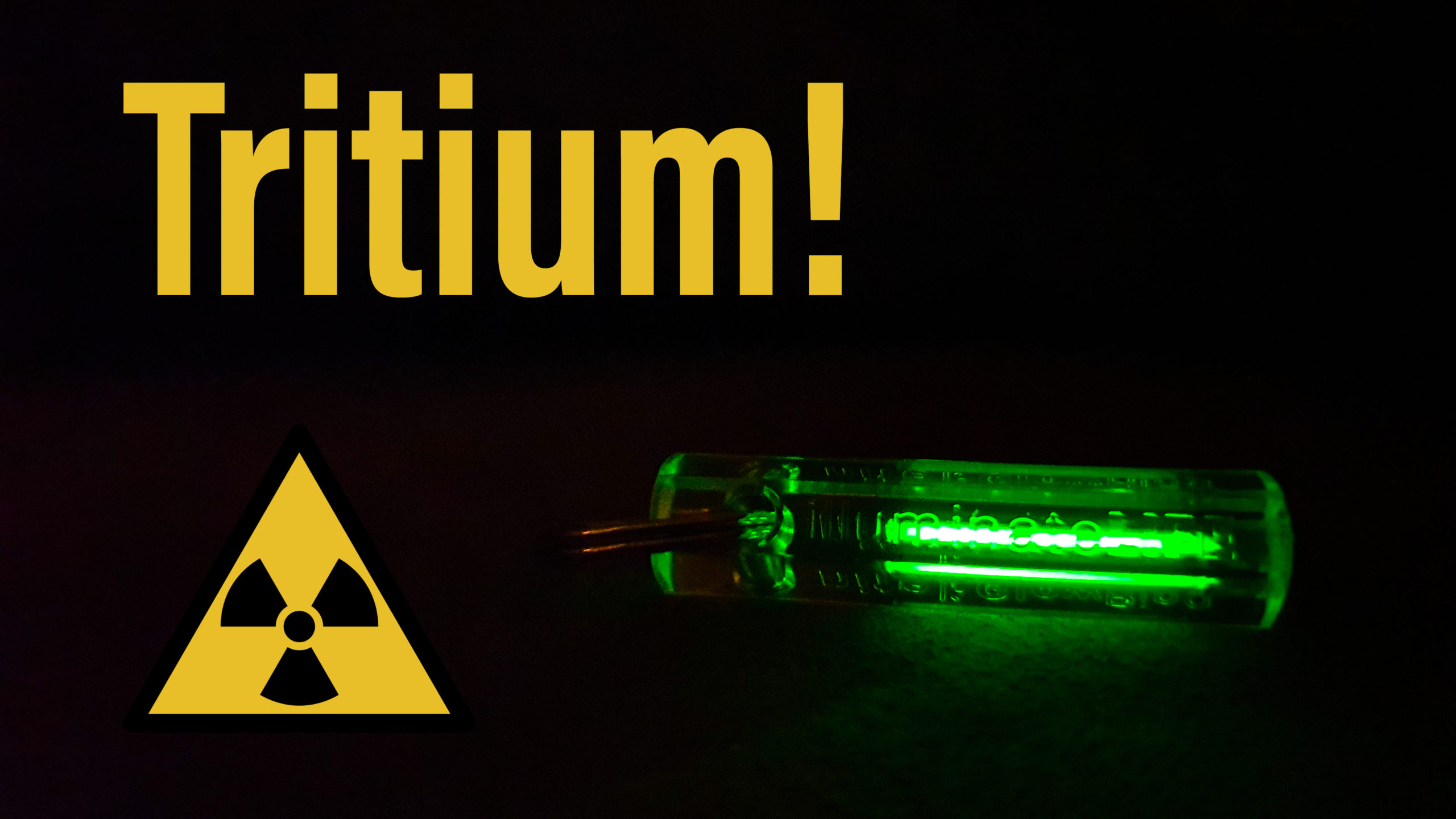
A type of radioactive isotope in the over 1.3 million tons of wastewater
being collected at the destroyed Fukushima nuclear power plant and planned
for discharge by as early as this summer has been found at levels beyond
those earlier suggested to be safe by the Japanese government, a wastewater
safety review report by the International Atomic Energy Agency showed
Thursday.
According to the report, which corroborated analyses of the treated wastewater by six laboratories including the Korea Institute of Nuclear Safety, the activity concentrations of tritium in the treated water were estimated to be at least 148,900 becquerels per liter.
The wastewater filtered through Japan’s Advanced Liquid Processing System at the Fukushima Daiichi Nuclear Power Station contained more tritium than what was stipulated in Japan’s national regulatory standards for discharge, 60,000 becquerels per liter……………………………………………
Korea Herald 1st June 2023
http://www.koreaherald.com/view.php?mp=1&np=1&ud=20230601000750
Trident: Ministry of Defence confirms more than 50 radiation leaks this year

By Hamish Morrison The National 24 May 23
QUESTIONS are hanging over the safety of Britain’s nuclear arsenal after it was revealed there were 58 radiation leaks at Trident facilities in Scotland this year so far.
The Ministry of Defence (MOD) has revealed there were 15 recorded radiation leaks at Coulport and a further 43 at Faslane in 2023 as of April – but said none were considered “serious”.
Alba MP Neale Hanvey is putting pressure on the UK Government to come clean about the safety of Britain’s nuclear weapons.
……………… What constitutes ‘serious’?
Asked by The National to confirm the level of radiation at which the Government would consider a radiation leak to be “serious”, the MoD referred to the International Nuclear and Radiological Event Scale, which does not specify the level of radiation released into an environment is considered to be “serious”
………… The dates of the recorded breaches have also not been revealed.
Hanvey said: “The MoD has failed to confirm the date on which the staff at Coulport building 201 were first informed that they were being relocated to building 41 and have told me that ‘there was no requirement for a public announcement of the relocation of staff from one building to another’.
……………….“It seems that getting answers out of the MoD is like trying to get blood out of a stone. When it comes to weapons of mass destruction in Scotland, it is clear that the UK Government will tell us as much as they have to and as little as they want to.
“These answers continue to prompt further concerning questions. If the MoD will only make public ‘significant radiation exposure’, how many radiation leaks are there into the air or into Loch Long and the Gare Loch each year that the MoD are failing to tell the public about?………………………… https://www.thenational.scot/news/23545590.trident-mod-confirms-50-radiation-leaks-year/
UK government’s proposals on radioactive substances : -all of its 7 “consultation questions” should be vigourously opposed.

Nuclear Waste Consultation, No2 Nuclear Power SAFE ENERGY E-JOURNAL No.97, April 2023
The UK and devolved governments have launched a consultation on proposals to update and consolidate policies on managing radioactive substances and nuclear decommissioning into a single UK-wide policy framework. (1) The new document will basically replace existing policy which dates back to a 1995 document commonly known as Command 2919. The proposals focus on 3 areas: managing solid radioactive waste; updating the policy for nuclear decommissioning; managing nuclear materials and spent nuclear fuel. Proposals include leaving lower-level waste behind on decommissioned sites; disposing intermediate level waste in near surface facilities and, most shockingly, reintroducing reprocessing.
In a draft response, I argue that the consultation has its priorities the wrong way round. In Part 1 there is far more emphasis placed on cost-effectiveness and removing burdens from industry, whereas protecting public health appears to be relegated to a second-class objective. Even here the emphasis is on meeting safety and environmental regulations rather than maximising public health protection, with no recognition of the uncertainties involved in radiation protection.
There needs to be a new emphasis on openness, transparency and public consultation as plans for decommissioning and waste management are developed, so that the public is fully aware of the intended destination of each waste stream, radioactive discharges expected from each proposed method of waste management and the dose implications of each proposed action. The public should also be given access to independent advice.
The document says: Government “must strive to keep the creation of radioactive waste to a minimum,” which given that the latest UK Energy Security Strategy proposes increasing the target for new nuclear power stations from 16GW to 24GW is nothing short of misleading.
The proposals would embed the so-called Nuclear Waste Hierarchy into Government Policy. In our view the Hierarchy promotes methods of radioactive waste management which are basically ways of diluting and dispersing radioactive waste around the environment, ultimately discharging radioactive substances into our estuaries, seas and atmosphere whilst masquerading as the environmentally friendly sounding ‘waste hierarchy’. Diverting increasing quantities of radioactive waste to landfill, metal recycling and incineration plants is a policy of dilute and disperse rather than one of concentrate and contain. This is ‘waste management on the cheap’. Waste management techniques should be based on environmental principles, particularly the principle that hazardous waste should be concentrated and contained in isolation from the environment.
The document also proposes a new policy framework for near surface disposal facilities for some types of intermediate level waste in England and Wales. It should be noted that while these near surface facilities might resemble Scottish near surface facilities, in Scotland waste could be retrieved if something went wrong, but in England and Wales retrieval is not planned for.
The new policy also proposes the promotion of on-site disposal on nuclear and former nuclear sites with the rider “where it is safe to do so”. This is to “help drive earlier and more cost-effective nuclear decommissioning and management of radioactive waste without compromising safety and security.”
Finally, the consultation says “New and advanced reprocessing technologies, with integrated waste management, may be developed in the future which support advanced nuclear reactor systems. The UK Government is continuing to support the advanced nuclear sector through investments in research facilities and programmes.”
The Consultation Document asks 7 “Do you agree” questions. The answer to all seven should be “No”. https://www.no2nuclearpower.org.uk/wp/wp-content/uploads/2023/04/SafeEnergy_No97.pdf
Discharge of tritium from Fukushima to harm human body: scientist
Tritium, which the Japanese government planned to dump from its crippled Fukushima Daiichi nuclear power plant into the Pacific Ocean, will harm human beings’ inside bodies as internal exposure can be more dangerous than external one, a renowned scientist said Thursday.
“When tritium gets inside the body, it’s at least as dangerous as any of the other radionuclides. And in some cases, it’s more than double as dangerous in terms of the effects of the radiation on the genetic material, on the proteins,” Timothy Mousseau, professor of biological sciences at the University of South Carolina, told a press conference in Seoul.
The Japanese government and institutions, including the Tokyo Electric Power Company (TEPCO), have claimed that tritium is not dangerous because it emits a very “weak” beta particle, but the professor called it “fiction.”
“Ingestion is really the most dangerous. People have said that tritium is not dangerous based on the concerns for external exposure, but using the same argument, you would say that uranium 235 is not dangerous,” he noted.
Tritium is known as an emitter of low-energy beta particles incapable of penetrating a human body as they are stopped by a layer of clothing, in contrast to gamma rays that can pass through a human body and only be stopped by several feet of concrete.
If the tritiated water or the organically bound tritium discharged from the collapsed Fukushima power plant is consistently ingested, the ionizing radiation would directly damage DNA or indirectly affect other metabolic activities through oxidative stress or an imbalance inside the body that can lead to cell and tissue damage.
“The way it works is that the tritium molecule comes inside the cell and ejects an electron…It’s a little bullet. It’s like a bullet coming from a gun. It comes out from the nucleus of the tritium atom. That bullet hits something like the DNA,” Mousseau said.
“What makes tritium more dangerous than high-energy emission is that the bullet is moving kind of slow, so it hits something and bounces. And it hits something else and then it hits something else. It doesn’t go anywhere, so you end up with a clustered damage from that beta particle,” the professor noted.
“High-energy beta particles are higher energy. They will hit something, yes, but then they continue and go through the cell, maybe out of the body, and do much less damage as a result. So, this is why we need to pay attention to tritium in particular,” he added.
Mousseau, who published over 130 scientific papers related to radiation effects, presented a new paper on the biological consequences of exposure to tritium earlier this month based on 250 studies after scanning over 700,000 references to tritium.
According to the paper, the scientific literature indicated that tritium could be genotoxic and carcinogenic and can affect reproductive systems such as sperm and eggs.
Japan planned to release over 1.2 million tonnes of the tritium-laced water into the ocean for 30 years from 2023, but the discharge would last much longer than planned, Shaun Burnie, a senior nuclear specialist at Greenpeace East Asia, told the press conference.
“Those discharges could begin as early as July, possibly later, and continue for many decades, not just the 30 years but maybe 50, 60, 70, 80 years. Next century is really possible,” said Burnie.
“This is water that’s radioactive in tanks, so it’s the deliberate decision to pollute and contaminate the environment, which doesn’t need to take place because actually there is sufficient storage space in the two districts next to the Fukushima nuclear power plant,” he noted.
Burnie was also skeptical of Japan’s claim that the contaminated water could be diluted through an advanced liquid processing system (ALPS).
“This is water that has come in direct contact with a reactor, a nuclear fuel that suffered a severe melt, which means fission products within the nuclear fuel became in direct contact with water,” the specialist said.
“It’s unclear how successfully the ALPS system processes the water. Around 70 percent of the water in the tanks still needs to undergo further processing. So, we still don’t know how effective it’s going to be. It can’t be discharged as it is at the moment,” he added.
Dogs of war — Chornobyl

Chornobyl dogs are distinct group, researchers find
Dogs of war — Beyond Nuclear International By Linda Pentz Gunter 23 Apr 23,
DNA research among Chornobyl’s dogs could provide answers about the effects of living in a radioactive environment
Pity the poor dogs (and cats) of Chornobyl. Abandoned in 1986 by owners fleeing the nuclear disaster, their descendants live on in the Chornobyl Exclusion Zone, an area deemed too radioactive for human habitation and in a country now at war.
…………………………………..The presence today of at least several hundred semi-feral domestic dogs living around the Chornobyl plant and beyond, indicates that the 1986 cull was not, of course, entirely successful. The Dogs of Chornobyl — and their more furtive feline friends — continue to survive down the generations in a highly radioactive environment. There are other threats too, including exposure to rabies and wolf packs that prey on the dogs and their puppies.
…………..So how are these animals surviving? And how well?
A new study, — The dogs of Chernobyl: Demographic insights into populations inhabiting the nuclear exclusion zone — published in the journal, Science Advances, has not yet answered this fundamental question. But the researchers have been able to gather important data to enable that next step.
The group studied the DNA of three sets of dog populations: those living at the Chornobyl power plant itself; those around nine miles away in Chornobyl City and another group around 28 miles away in Slavutych.
Their task was made easier by a surprising discovery: the dogs were not living in the traditional manner of wild dogs, or their closest ancestor, the Grey Wolf, but in distinct family units.
…………..These distinct family groups and lack of intermingling meant the researchers could easily identify different dogs through their DNA and thus distinguish those living at the nuclear plant from those living further away.
Co-author Tim Mousseau, professor of biological sciences at the University of South Carolina, has been visiting the Chornobyl site and studying the fate of its wildlife there since the late 1990s. At the same time, he began collecting blood samples from the Chornobyl dogs, curious to know how their bodies were handling such a significant radioactive load. Those samples are now being used in the current study to examine the dogs’ DNA. Wrote the authors in their paper:
“Hence, the dogs of Chernobyl are of immense scientific relevance for understanding the impact of harsh environmental conditions on wildlife and humans alike, particularly the genetic health effects of exposure to long-term, low-dose ionizing radiation and other contaminants, i.e., their adaptation to harsh living conditions makes them an ideal system in which to identify mutational signatures resulting from historical and ongoing radiation exposures.”
Mousseau’s wildlife studies have revealed shortened lifespans among birds and small mammals as well as the prevalence of tumors, sterility and cataracts among other phenomena considered related to exposure to radiation.
How or if the DNA of the Chornobyl-affected dogs has altered can now be examined……………………..
This in turn may lead to enlightenment on whether or not radiation damage is accumulating in their genomes and how this may affect their health and longevity — and that of other mammals similarly exposed — now and into the future https://beyondnuclearinternational.org/2023/04/23/dogs-of-war/
Low-dose Radiation Linked to Heart Disease
Columbia University Irving Medical Center, March 23, 2023
People exposed to low doses of ionizing radiation have an extra, but modest, risk of developing heart disease during their lifetime, according to a new study(link is external and opens in a new window) published by an international consortium of researchers.
“The study suggests that radiation exposure, across a range of doses, may be related to an increased risk of not just cancer, as has been previously appreciated, but also of cardiovascular diseases,” says Andrew Einstein, MD, PhD, professor of medicine at Columbia University Vagelos College of Physicians and Surgeons and one of the study’s senior authors.
“It should not steer people away from receiving radiation if necessary—in fact many medical uses of radiation are lifesaving—but it underscores the importance of ensuring that radiation is used appropriately and kept as low as reasonably achievable.”…………
The researchers used data from 93 studies covering all ranges of radiation exposures to find a relationship between dose and heart disease.
They found an increased excess lifetime risk of 2.3 to 3.9 cardiovascular deaths per 100 persons exposed to one Gy of radiation. (In the United States, about 25 out of every 100 people die from cardiovascular disease; a person exposed to 1 Gy of radiation will have a slightly higher, 27% to 29%, risk of dying from cardiovascular disease).
Few people other than those receiving radiation therapy will receive 1 Gy during their lives. But the researchers also found a higher risk of heart disease at low dose ranges (<0.1 Gy) more commonly experienced by the public and also for protracted exposures to low doses.
More research is needed to determine the precise increased excess lifetime risk of heart disease from these low doses.
“The effect of lower doses of radiation on the heart and blood vessels may have been underestimated in the past,” Einstein says. “Our new study suggests that guidelines and standards for protection of workers exposed to radiation should be reconsidered, and efforts to ensure optimal radiation protection of patients should be redoubled.”
References
More information
The study, titled “Ionising radiation and cardiovascular disease: systematic review and meta-analysis(link is external and opens in a new window),” was published March 8 in The BMJ…………………………….. https://www.cuimc.columbia.edu/news/low-dose-radiation-linked-heart-disease
—
Dr Ian Fairlie -Low-dose radiation a health in the nuclear industry , as well as in medicine

Dr Ian Fairlie , 12 Mar 23
This is an important new study in the BMJ …a meta analysis of 93 health studies. https://www.bmj.com/content/380/bmj-2022-072924
The authors conclude, inter alia, “Our findings suggest that radiation detriment might have been significantly underestimated, implying that radiation protection and optimisation at low doses should be rethought.” And also
“This finding has considerable implications for the system of radiological protection, assuming that the extrapolation is permissible, even, for example, over the restricted dose range 0-0.5 Gy. This added risk would nearly double the low dose detriment.”
These conclusions are supported in an accompanying BMJ editorial https://www.bmj.com/content/380/bmj-2022-074589
In initial thoughts: we should note that almost all of these studies concern medical exposures (ie for diagnostic or for cancer treatment purposes). Environmental exposures are hardly mentioned at all. However radiation exposures do occur to nuclear workers and to populations near nuclear facilities. Therefore we should be concerned about their cardiovascular health risks too.
For example, there exists a 2017 INWORKS study – strangely omitted in this BMJ meta analysis – of increased deaths to nuclear workers from cardiovascular diseases. see
[1][ Gillies M, Richardson DB, Cardis E, Daniels RD, O’Hagan JA, Haylock R, Laurier D, Leuraud K, Moissonnier M, Schubauer-Berigan MK, Thierry-Chef I, Kesminiene A, “Mortality from Circulatory Diseases and other Non-Cancer Outcomes among Nuclear Workers in France, the United Kingdom and the United States” (2017) 188:3 (INWORKS) Radiat Res at pp 276-290, online: https://meridian.allenpress.com/radiation-research/article/188/3/276/192902/Mortality-from-Circulatory-Diseases-and-other-Non.
It remains to be seen whether the nuclear establishment (ICRP, UNSCEAR, IAEA, WHO etc) will pay any attention to this study.
Low-dose radiation linked to increased lifetime risk of heart disease

by British Medical Journal, https://medicalxpress.com/news/2023-03-low-dose-linked-lifetime-heart-disease.html 8 March 23,
Exposure to low doses of ionizing radiation is associated with a modestly increased excess risk of heart disease, finds an analysis of the latest evidence published by The BMJ today.
The researchers say these findings “have implications for patients who undergo radiation exposure as part of their medical care, as well as policy makers involved in managing radiation risks to radiation workers and the public.”
A linked editorial suggests that these risks “should now be carefully considered in protection against radiation in medicine and elsewhere.”
It’s well recognized that exposure to high dose radiation can damage the heart, but firm evidence linking low dose radiation to heart disease (e.g., scatter radiation dose from radiotherapy or working in the nuclear industry) is less clear.
To address this knowledge gap, an international team of researchers examined scientific databases for studies evaluating links between a range of cardiovascular diseases and exposure to radiation (mostly radiotherapy and occupational exposures).
They excluded uninformative datasets or those largely duplicating others, leaving 93 studies, published mainly during the past decade, suitable for analysis. These studies covered a broad range of doses, brief and prolonged exposures, and evaluated frequency (incidence) and mortality of various types of vascular diseases.
After taking account of other important factors, such as age at exposure, the researchers found consistent evidence for a dose dependent increase in cardiovascular risks across a broad range of radiation doses.
For example, the relative risk per gray (Gy) increased for all cardiovascular disease and for specific types of cardiovascular disease, and there was a higher relative risk per dose unit at lower dose ranges (less than 0.1 Gy), and also for lower dose rates (multiple exposures over hours to years).
At a population level, excess absolute risks ranged from 2.33% per Gy for a current England and Wales population to 3.66% per Gy for Germany, largely reflecting the underlying rates of cardiovascular disease mortality in these populations.
This equates to a modest but significantly increased excess lifetime risk of 2.3-3.9 cardiovascular deaths per 100 persons exposed to one Gy of radiation, explain the authors.
Substantial variation was found between studies, although this was markedly reduced when the authors restricted their analysis to higher quality studies or to those at moderate doses (less than 0.5 Gy) or low dose rates (less than 5 mGy/h).
The authors suggest that mechanisms for these cardiovascular effects are poorly understood, even at high dose.
They also acknowledge that few studies assessed the possible modifying effects of lifestyle and medical risk factors on radiation risk, particularly major modifiable risk factors for cardiovascular disease like smoking, obesity, diabetes, high blood pressure and high cholesterol, and say further research is needed in this area.
In conclusion, they say their findings support an association between acute high dose and (to a lesser extent) chronic low dose radiation exposure and most types of cardiovascular disease and suggest that “radiation detriment might have been significantly underestimated, implying that radiation protection and optimization at low doses should be rethought.”
This view is supported by Professor Anssi Auvinen at Tampere University in Finland in a linked editorial, who points out that while inconsistencies and gaps remain in the evidence linking vascular disease to low dose radiation exposure, “evidence for cardiovascular disease will soon need to be added to the existing list of radiation-induced health risks.”
This will involve revisiting concepts and standards in radiological protection, while more stringent standards for justification and optimization, especially for high dose procedures, will have to be considered, he explains.
Their implementation will also require training to improve awareness, knowledge, and understanding of the risks associated with specific procedures and cumulative exposure, as well as risk communication for patients and the public, he concludes.
1 This Month
19 February – VIRTUAL EVENT-Decision Time: AI and Our Nuclear Arsenal
12:45 p.m. Central / 1:45 p.m. Eastern
To see nuclear-related stories in greater depth and intensity – go to https://nuclearinformation.wordpress.com
-
Archives
- February 2026 (161)
- January 2026 (308)
- December 2025 (358)
- November 2025 (359)
- October 2025 (376)
- September 2025 (258)
- August 2025 (319)
- July 2025 (230)
- June 2025 (348)
- May 2025 (261)
- April 2025 (305)
- March 2025 (319)
-
Categories
- 1
- 1 NUCLEAR ISSUES
- business and costs
- climate change
- culture and arts
- ENERGY
- environment
- health
- history
- indigenous issues
- Legal
- marketing of nuclear
- media
- opposition to nuclear
- PERSONAL STORIES
- politics
- politics international
- Religion and ethics
- safety
- secrets,lies and civil liberties
- spinbuster
- technology
- Uranium
- wastes
- weapons and war
- Women
- 2 WORLD
- ACTION
- AFRICA
- Atrocities
- AUSTRALIA
- Christina's notes
- Christina's themes
- culture and arts
- Events
- Fuk 2022
- Fuk 2023
- Fukushima 2017
- Fukushima 2018
- fukushima 2019
- Fukushima 2020
- Fukushima 2021
- general
- global warming
- Humour (God we need it)
- Nuclear
- RARE EARTHS
- Reference
- resources – print
- Resources -audiovicual
- Weekly Newsletter
- World
- World Nuclear
- YouTube
-
RSS
Entries RSS
Comments RSS
 nuclear-news