Nuclear ”ethics” – fatally ill man kept alive against his will, in the cause of nuclear research
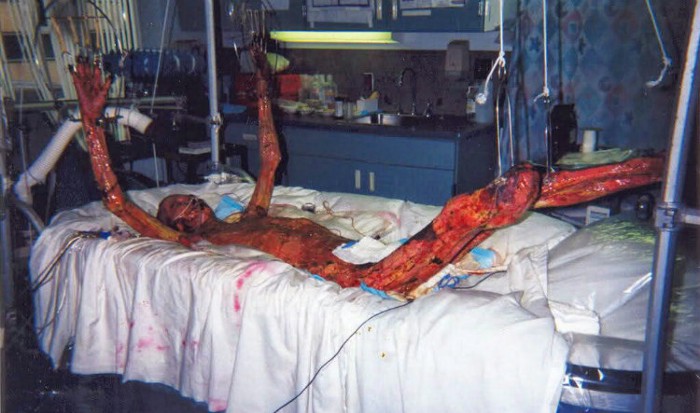
In 1999 an accident at a Japanese Nuclear Power Plant caused one of its technicians, Hisashi Ouchi, to be exposed to high levels of radiation. He was kept alive for 83 days, against his will, by doctors so they could use his body to study the effects of radiation on humans.Hisashi Ouchi was one of three employees of the Tokaimura nuclear plant to be heavily impacted by the accident on 30 September 1999.
The Man Kept Alive Against His Will
How modern medicine kept a ‘husk’ of a man alive for 83 days against his will
https://historyofyesterday.com/the-man-kept-alive-againsthttps://historyofyesterday.com/the-man-kept-alive-against-his-will-647c7a24784 Colin Aneculaese 27 July 2020, Radiation has always been a subject of great interest for many scientists. Since its discovery and weaponisation, many have looked into its impact on living organisms, especially humans. As a result, many living being suffered at the hands of those who sought to find the real impact of radiation on living beings. Throughout the years this experimentation was mainly focused on animals as it would be unethical to test such a thing on humans.
Outside of major nuclear events such as the bombing of Hiroshima and Nagasaki and the meltdowns of nuclear facilities such as nuclear power plants, the effect of radiation on humans could not be tested. As such after the 1999 Tokaimura nuclear accident, many scientists jumped at the opportunity to study the victims of such a high amount of explosion to radiation. Out of all the victims of the disaster, the case of Hisashi Ouchi stands out.
Tokaimura nuclear plant
Hisashi Ouchi was one of three employees of the Tokaimura nuclear plant to be heavily impacted by the accident on 30 September 1999. Leading up to the 30th of the month the staff at the Tokaimura nuclear plant were in charge of looking after the process of dissolving and mixing enriched uranium oxide with nitric acid to produce uranyl nitrate, a product which the bosses of the nuclear plant wanted to have ready by the 28th.
Due to the tight time constraints, the uranyl nitrate wasn’t prepared properly by the staff with many shortcuts being used to achieve the tight deadline. One of these shortcuts was to handle the highly radioactive produce by hand. During their handling of the radioactive produce while trying to convert it into nuclear fuel (uranyl nitrate is used as nuclear fuel) for transportation the inexperienced three-man crew handling the operation made a mistake.
During the mixing process, a specific compound had to be added to the mixture, the inexperienced technicians added seven times the recommended amount of the compound to the mixture leading to an uncontrollable chain reaction being started in the solution. As soon as the Gamma radiation alarms sounded the three technicians knew they made a mistake. All three were exposed to deadly levels of radiation, more specifically Ouchi receiving 17 Sv of radiation due to his proximity to the reaction, Shinohara 10 Sv and Yokokawa 3 Sv due to his placement at a desk several meters away from the accidents. When being exposed to radiation it is said that anything over 10 Sv is deadly, this would prove to be true in this instance.
The fallout of radiation
Shinohara, the least affected out of the two who received a deadly dose of radiation, lasted 7 months in hospital until 27 April 2000. The technician died of lung and liver failure after a long battle against the effects of the radiation he endured. During his, 7-month stay at the University of Tokyo Hospital several skin grafts, blood transfusions and cancer treatments were performed on him with minimal success. Shinohara’s time at the University of Tokyo Hospital would be much less painful than Ouchi’s.
Iodide tablets offered as precaution to residents living near nuclear plants

Iodide tablets offered as precaution to residents living near nuclear plants 69 News NCPA Staff, Sep 8, 2021
Harrisburg, Pa. — The Department of Health will offer free potassium iodide, or KI, tablets on Thursday, Sept. 9 and 16, to Pennsylvanians who are within 10 miles of the state’s four active nuclear power plants.
“Emergency preparedness is an important aspect of public health and having potassium iodide tablets for residents who live or work within 10 miles of a nuclear facility is an essential preparedness action in the case of a radiological emergency,” Acting Secretary of Health Alison Beam said.
“It’s important to remember potassium iodide should only be taken when instructed to do so by state health officials or the governor, and it is not a substitute for evacuation in the case of a radiological emergency at one of Pennsylvania’s nuclear facilities.” ………
The tablets are available to all Pennsylvanians who live or work within 10 miles of the state’s four active nuclear power plants by visiting a distribution center listed below, calling the Department of Health at 1-877-PA-HEALTH or visiting a county and municipal health department or state health center. KI tablets are not required for people living and working within 10 miles of the Three Mile Island Generating Station, which closed in Sept. 2019. ……. https://www.wfmz.com/news/state/iodide-tablets-offered-as-precaution-to-residents-living-near-nuclear-plants/article_cdf107cc-5b25-5959-adc1-08805c43f0e4.html
Study: Mars Missions Should Be Limited to 4 Years to Protect from Radiation
Study: Mars Missions Should Be Limited to 4 Years to Protect from Radiation, VOA Learning English, 5 Sep 21, A new study has found that future missions to Mars should be limited to four years to protect astronauts from harmful radiation.
The study also says that missions should be carried out during specific times to reduce the level of exposure to dangerous particles.
The U.S. space agency NASA currently has plans to send astronauts back to the moon. It also plans to one day send astronauts to Mars. Those plans include missions that would keep astronauts in space for long periods.
China has also announced plans to send astronauts to Mars by 2033. Such missions present great risks to humans because of the high level of radiation in space.
Radiation exposure can cause a series of health issues, including skin burns, heart problems and cancer. NASA has spent many years studying ways to protect human space travelers from radiation.
On Earth, we also experience exposure to radiation from the sun. But our planet’s magnetic field protects us from dangerously high levels.
Two main kinds of radiation can affect humans and equipment in space. One is produced by particles released from the sun. The other comes from high energy particles created by cosmic rays from outside our solar system. NASA says the second kind can be more dangerous to humans and more destructive to equipment.
In the new study, researchers used modeling methods to predict levels of radiation exposure during future space missions. They combined geophysical models of particle radiation with models for how radiation would affect human passengers and spacecraft……………………. https://learningenglish.voanews.com/a/study-mars-missions-should-be-limited-to-four-years-to-protect-from-radiation/6202556.html
Downwinders Look to Renew and Expand Radiation Exposure Compensation Act
Downwinders Look to Renew and Expand Radiation Exposure Compensation Act, Sierra Nevada Ally, By Brian Bahouth -September 4, 2021
Audio: a conversation with downwinder Mary Dickson Between 1951 and 1992, U.S. scientists and engineers conducted 928 nuclear blasts at the Nevada Test Site (NTS), a roughly 1,400 square-mile federal reservation located 65 miles north of Las Vegas. Eight hundred and twenty eight were underground tests and 100 atmospheric tests in which the atomic weapons were exploded at or above ground level, which releases highly radioactive material high into the atmosphere.
In total, at various locations around the globe, the Atomic Energy Commission and later the Department of Energy, conducted 1,054 atomic weapons tests.
Fallout from these many bombs circled the planet. If a person is in close proximity to a nuclear blast, the symptoms of acute radiation sickness are obvious, but outside the blast area, human senses do not apprehend radioactivity that can lodge in the fat of milk or meat and can linger for decades in the environment.
The health effects of nuclear testing on those directly downwind of the events in eastern Nevada, Utah and Arizona became evident with cancer clusters and and other related illnesses. Many ranchers lost livestock.
After years of lawsuits and wrangling, the Radiation Exposure Compensation Act (RECA) became law in 1990 and provides one-time benefit payments to “persons who may have developed cancer or other specified diseases after being exposed to radiation from atomic weapons testing or uranium mining, milling, or transporting.”
The U.S. Department of Justice administers RECA and has distributed over $2.4 billion in benefits to more than 37,000 claimants since its inception in 1990, but the RECA program is scheduled to sunset in 2022.
Geographically, RECA covers people living in a total of 22 counties with some in eastern Nevada, Utah, and Arizona. But research shows that parts of Idaho and Montana saw radioactivity impacts on par with Nevada, Utah and Arizona. Many places in North America realized toxic levels of radiation. Fallout from the tests travelled around the globe.
U.S. Senator from Idaho, Mike Crapo has been a long-time advocate for downwinders. In a recent newsletter to constituents, he said he’s working on bi-partisan legislation that would renew and expand the dimensions of RECA to include many more states.
Work is in progress with stakeholders to determine the best path forward to reintroduce the Radiation Exposure Compensation Act Amendments, which expands coverage of the Radiation Exposure Compensation Act (RECA) to include victims in Idaho among states impacted by exposure to fallout from nuclear weapons testing.”………….
“The more I started researching and the more I started following that story, the more I thought, ‘my government did this to me,’” Mary Dickson said. “I’m a casualty of the Cold War.
“My sister, at the time, was ill with an autoimmune disease, and she and I started making a list of all the people in our childhood neighborhood who had cancer or tumors. It didn’t take long before, in a four or five block area, we had about 54 people on that list …
“And we just thought, ‘OK, yeah, something happened to us. Something happened to us, something happened …”……… https://www.sierranevadaally.org/2021/09/04/downwinders-look-to-renew-and-expand-radiation-exposure-compensation-act/
Cover-up? Unreported event of Hanford nuclear workers’sickness
Unreported event at Hanford nuclear site that sickened workers ‘smells like a cover-up,’ advocates say, Workers reported smelling odors, resulting in symptoms such as dizziness and shortness of breath. The contractor denied a chronic problem, toxic vapors, is to blame. https://www.king5.com/article/news/investigations/hanford-nuclear-site-washington-state-tank-farms-workers-sickened-investigation/281-48a540ea-1fa5-4de9-8ab7-b1dc9db6e5c8 Susannah Frame August 27, 2021
RICHLAND, Wash. — On June 18 of this year, 10 workers at the Hanford nuclear site in eastern Washington digging in what are known as the “tank farms,” were overcome by strange odors. Nine of the workers sought medical treatment, including three who were transported to the hospital for an overnight stay and were given oxygen.
The KING 5 Investigators have found the event went unreported by the contractor involved – Washington River Protection Solutions (WRPS).
According to WRPS documents obtained by KING 5, symptoms reported by workers included dizziness, shortness of breath, chest pain, headache, nausea, a metallic taste in the mouth, stomach issues, light headedness and cough.
Smelling unusual odors, followed by adverse medical conditions are hallmark signs of a chronic problem at the nuclear reservation: exposure to toxic vapors that vent from underground nuclear waste holding tanks.
WRPS is under a legal obligation to report vapor events on a publicly available website.
“I’m still amazed that not one piece of paper has been put out about this exposure, there’s been no announcement,” said Tom Carpenter, executive director of the advocacy group Hanford Challenge. “It’s getting to the point where this silence is very suspicious. It’s like: ‘What are you hiding?’”
The contractor said they did not post the event on their website because they’ve determined the worker’s symptoms were not caused by vapors, but “most likely” by a malfunctioning gas-powered wheelbarrow.
“WRPS collected air samples from the small pieces of fuel-powered equipment used in the soil work. One piece of equipment, a small gasoline-powered wheelbarrow that was difficult to start and used during the June 18 event, was smoking when it started and high levels of volatile organic compound emissions were noted,” a WRPS spokesperson said.
Toxic vapor exposures have been a significant problem at Hanford since the 1980s when the operational mission went from producing plutonium, to clean up only.
Several government reports have identified that poisonous vapors, without warning, will vent from underground tanks. Hanford has 177 underground holding tanks that store the deadliest waste at the site.
Tanks in the tank farm near where the workers got ill in June contain contents including plutonium, the radioactive isotopes of americium and strontium 90, mercury, nickel, lead and cyanide.
In 2014 the KING 5 Investigators revealed a record number of vapor exposures in the tank farms. Approximately 56 workers fell ill with symptoms in the rash of exposures. After each incident, WRPS said their testing didn’t show chemicals of concern over regulatory limits. WRPS officials denied chemical vapors were to blame for the events.
That pattern wasn’t new. Expert reports detailed the same cycle happened at Hanford in the 80s and in the 90s: a slew of exposures, followed by denials by the tank farm contractor, and workers left sick and unable to work.
Many workers said they felt betrayed by the contractors over the years for not being honest about the dangers of vapors.
“Until they are in the field and until they smell what we smell and until they feel like we feel and until they get injured like we get injured, they don’t care,” said Mike Cain, a 47-year current Hanford employee who spent 25 of those years in the tank farms. “Everything that we described 30 years ago, 40 years ago, is still there. Yet they keep doing the same thing over and over and over again.”
After the string of exposures in 2014, Washington State Attorney General Bob Ferguson, Hanford Challenge and Local 598 all filed lawsuits against WRPS and Hanford’s owner, the U.S. Department of Energy. The complaint accused the contractor and federal government of failing to protect workers from vapor exposures, that can cause adverse health effects including lung disease, nervous system damage and cancers of the liver, lung, blood and other organs. The lawsuit also alleged the Department of Energy had been well aware of the dangers for 25 years, yet “Energy did not fix the problem.”
A settlement agreement was reached in September 2018. Hanford officials agreed to improve health and safety conditions, install engineering to keep vapors out of the breathing space of workers. They also agreed to provide respiratory protections including supplied (fresh) air that is worn in tanks on the backs of workers, if needed.
In the June event, workers were not using supplied air. According to workers, the contractor had downgraded respiratory protection to respirators with cartridges. Respirators are lighter and more cost effective than supplied air.
“(That) never should have happened if they were wearing fresh air. Never should have happened,” Cain said.
“They’re not protecting workers. They have a long history of not doing so, of putting money and profits before workers health and safety which is ironic because they’re all about saying they want to protect health and safety. They’re not doing it,” Carpenter said.
A WRPS spokesperson said the company did not skimp on safety protocols in the June event.
“Respiratory controls at the TX Farm during the June 18, 2021 event complied with the tank farms vapors settlement agreement requirements… workers were wearing air-purifying respirators consistent with interim mandatory respiratory protections consistent with cartridge testing results,” the spokesperson said.
What is Hanford?
Hanford is the most contaminated worksite in America. Located near Richland in eastern, Wash., workers at the site produced plutonium for the country’s nuclear weapons program for approximately four decades. Plutonium produced at Hanford fueled the bomb dropped on Nagasaki, Japan, that led to the end of WWII. Since the late 80s, Hanford has been a clean up site only.
The settlement agreement also makes it mandatory for WRPS to report events on its website that fall into the category of an “AOP-15.” On the WRPS website, an AOP 15 is described as an unidentified odor event: “When a worker reports an unexpected and unidentified odor in the tank farms, and reports medical symptoms potentially related to that smell.”
In the June event, WRPS did not characterize it as an AOP-15, therefore, company executives said they had no obligation to report it.
“Smells like a cover-up”
“This lack of information sharing and reporting smells like a cover-up. We do not want to see a return to downgraded worker protections that result in routine vapor exposures. The cycle of exposures must end at Hanford, and meaningful and long-lasting regulations should be enacted to assure that Hanford tank farm workers can conduct a cleanup without risking their own health and safety,” said Carpenter of Hanford Challenge in a press statement sent on Friday.
On Thursday, a WRPS executive told KING 5 that the company’s definition of an AOP-15 had changed in 2020. In an email to employees on Dec. 1, 2020, WRPS Executive Jeremy Hartley said that moving forward, an AOP-15 will occur when personal ammonia monitors worn by workers set off an alarm.
“Ammonia has been verified as a sentinel indicator of changing levels of other chemicals of potential concern. The procedure changes clarify and reinforce a disciplined conduct of operations by recognizing the administrative and engineering controls in place, relying on the ammonia monitors and verifying the conditions when an alarm set point is reached,” Hartley wrote.
Given this change, the WRPS spokesperson said they followed protocol by not reporting the event on the website.
As this event did not involve an ammonia alarm, it is not classified as an AOP-15,” the spokesperson said.
Government scientists have concluded that ammonia does not have to be present for other chemicals of concern to release in concentrations that could harm human health. In 2004 the Department of Energy released a Hanford report concluding the potentially harmful gas, nitrous oxide, can be present without the presence of ammonia.
“Based on…characterization data (the contractor) CH2M HILL has incorrectly assumed that nitrous oxides are present only when ammonia is present,” report authors wrote. “…nitrous oxide vapors in tank headspaces can be present in (dangerous) concentrations, even in the absence of ammonia.”
Stakeholders such as Hanford Challenge and union safety representatives said they were unaware that WRPS had changed its AOP-15 definition.
A WRPS communications specialist said they are committed to the safety of workers.
“The health and safety of the workforce is always paramount,” the company official said.8
Exposure to radiation can affect DNA: Astronauts on long-duration missions in space at risk
Exposure to radiation can affect DNA: Astronauts on long-duration missions in space at risk https://www.indiatoday.in/science/story/space-radiation-dna-change-chromosomes-nasa-mars-moon-mission-1844172-2021-08-23
Scientists have measured the levels of chromosome alterations from radiation and other factors before and after a space mission. s countries rush to the Moon, with plans afoot for future manned exploration of Mars and beyond, one of the biggest threats to astronauts is being exposed to radiation in space. Researchers at the International Space Station (ISS) have now detected and measured the radiation exposure damage to astronauts during spaceflight.
Astronauts on board the flying outpost have continuously been studying ways to reduce the risks of the hazards of spaceflight and develop capabilities to predict space radiation exposure for future exploration missions.
In a study published in the journal Nature-Scientific Reports, scientists demonstrate how the sensitivity of an individual astronaut’s DNA to radiation exposure on Earth can predict their DNA’s response during spaceflight as measured by changes to their chromosomes.
Radiation exposure for astronauts
As part of the research, scientists studied blood samples of 43 crew missions taken pre-flight and post-flight. While pre-flight blood samples were exposed to varying doses of gamma rays, post-flight blood samples were collected shortly and several months after landing.
“We wanted to know if it is possible to detect and measure radiation exposure damage in the bodies of astronauts, and if there were differences based on age, sex, and other factors that could be measured before they go into space,” said senior scientist Honglu Wu from Nasa’s Johnson Space Center. Researchers studied the impact of these radiations on the chromosomes of astronauts. Chromosomes contain our bodies’ DNA building blocks, and altering them can increase the risk of developing cancer and other diseases.
During the experiment, scientists measured the levels of chromosome alterations from radiation and other factors before and after a mission. These alterations to chromosomes are observed in a very small percentage of individual cells within a person’s blood.
Here’s what they found
As part of the study, scientists conducted three measurements, first, they analysed blood samples of astronauts before they flew to the ISS, to assess their baseline chromosomal status, then these blood samples were intentionally exposed to gamma-ray radiation on Earth to measure how easily the cells accumulate changes, and third, after the astronauts returned from their missions, the study team again took blood samples from the individuals to assess their level of chromosomal alterations.
Following the deep analysis of samples scientists found:
- Older crew members had higher levels of baseline chromosomal irregularities
- Blood cells of older astronauts were more sensitive to developing chromosomal alterations
- Crew members with higher inherent sensitivity, as determined by gamma radiation on the ground, were more likely to see higher levels of changes to their chromosomes in their post-flight blood samples compared to those with lower sensitivity
- Individuals who showed higher baseline chromosomal alterations in their pre-flight blood samples tended to also be more sensitive to developing additional chromosomal changes
- “The findings suggest that if older astronauts indeed have higher sensitivities to radiation, they might be at higher risk of chromosome alterations,” said Wu.
What is space radiation?
The ISS is permanently exposed to several radiations emerging from the vastness of the cosmos including continuous bombardment of particles from the Sun. Space radiation originates from Earth’s magnetic field, particles shot into space during solar flares, and galactic cosmic rays, which originate outside our solar system.
Continuous exposure to these radiations can lead to cancer alterations to the central nervous system, cardiovascular disease, and other adverse health effects. While astronauts are protected from major radiation in low-earth orbit, due to Earth’s magnetic field, spacecraft shielding and a limited time in space, these factors would dramatically change for long-duration missions.
Therefore, studying these changes is critical so that new ways and medical treatments can be devised.
USA’s Nuclear Regulatory Commission affirms that a little ionising radiation may be bad for health

Nuclear Regulatory Commission Affirms that a Little Radiation may be Bad for Health https://srswatch.org/nuclear-regulatory-commission-affirms-that-a-little-radiation-may-be-bad-for-health/?utm_source=rss&utm_medium=rss&utm_campaign=nuclear-regulatory-commission-affirms-that-a-little-radiation-may-be-bad-for-health SRS Watch 21 August 21 Amazingly, the NRC denies industry friendly petitions that claim “a little radiation is good for you.”
“Petition for Rulemaking; Denial: Linear No-Threshold Model and Standards for Protection Against Radiation”Nuclear Regulatory Commission, August 17, 2021
“The U.S. Nuclear Regulatory Commission (NRC) is denying three petitions for rulemaking (PRMs), submitted by Dr. Carol S. Marcus, Mr. Mark L. Miller, Certified Health Physicist, and Dr. Mohan Doss, et al. (collectively, the petitioners) in correspondence dated February 9, 2015, February 13, 2015, and February 24, 2015, respectively.
The petitioners request that the NRC amend its regulations based on what they assert is new science and evidence that contradicts the linear no-threshold (LNT) dose-effect model that serves as the basis for the NRC’s radiation protection regulations. The NRC docketed these petitions on February 20, 2015, February 27, 2015, and March 16, 2015, and assigned them Docket Numbers PRM-20-28, PRM-20-29, and PRM-20-30, respectively.
The NRC is denying the three petitions because they fail to present an adequate basis supporting the request to discontinue use of the LNT model. The NRC has determined that the LNT model continues to provide a sound regulatory basis for minimizing the risk of unnecessary radiation exposure to both members of the public and radiation workers. Therefore, the NRC will maintain the current dose limit requirements contained in its regulations.”NRC webpage: https://www.regulations.gov/document/NRC-2015-0057-0671
Covid Defense Act – new Bill to prioritise U.S. health, vaccine spending over weapons spending !

New Bill Proposes Cutting Pentagon Spending to Fund Vaccines for Poor Nations, Common Dreams “We can’t bomb our way out of a global pandemic,” said Rep. Mark Pocan, the sponsor of the legislation, “Shifting funds from weaponry and military contractors to producing Covid vaccines will save hundreds of thousands—if not millions—of lives around the world.”
JAKE JOHNSON, August 20, 2021 Congressman Mark Pocan of Wisconsin introduced legislation this week that would cut billions of dollars from the Pentagon’s massive budget and invest those funds in global coronavirus vaccination efforts, which are badly lagging as rich countries continue to hoard doses and rush ahead with booster shots.
The Covid Defense Act proposes transferring $9.6 billion in U.S. military spending to Covax—a global vaccination initiative led by the World Health Organization—to assist with the procurement of doses for the people of low-income nations. Thus far, just 1.3% of people in poor countries have received at least one vaccine dose.
In a press release, Pocan’s office said that the funding—which represents just 1.3% of the $740.5 billion in U.S. military spending approved for 2021—”could lead to an additional 1.8 billion Covid vaccine doses for lower-income countries in 2021 and early 2022.” If passed, Pocan’s office said, the new legislation could provide vaccine access to another 30% of the world’s poorest and most vulnerable populations……….. https://www.commondreams.org/news/2021/08/20/new-bill-proposes-cutting-pentagon-spending-fund-vaccines-poor-nations
Radioactive snakes may monitor Fukushima fallout
Radioactive snakes may monitor Fukushima fallout, Bulletin of the Atomic Scientists, By Susan D’Agostino | August 17, 2021 When a massive earthquake followed by a tsunami hit Japan a decade ago, the Fukushima Daiichi Nuclear Power Plant experienced a catastrophic meltdown. Humans fled a wide area around the plant that today is known as the Fukushima Exclusion Zone, while animals and plants remained. Now, scientists have enlisted the help of snakes in the zone to make sense of the disaster’s impact on the environment. Their findings, reported in an Ichthyology and Herpetology paper, indicate that Fukushima’s native rat snakes, like canaries in a coal mine, may act as living monitors of radiation levels in the region.
“Because snakes don’t move that much, and they spend their time in one particular local area, the level of radiation and contaminants in the environment is reflected by the level of contaminants in the snake itself,” Hannah Gerke, a lead author on the study, said.
………… The scientists’ findings reinforced their 2020 study that found a high correlation between levels of radiocesium—a radioactive isotope of cesium—in the snakes and levels of radiation in their environment.
………. rat snakes have relatively small home ranges; they travel an average of 65 meters (approximately 213 feet) each day, according to the study. And they are susceptible to accumulating radionuclides—unstable atoms with excess nuclear energy—from disasters such as the one that took place in Fukushima. A rat snake that makes its home in a small but heavily contaminated area will tell a different story than a rat snake lives in a less contaminated locale.
In the decade since the nuclear disaster, most of the contaminants have settled in the soil. This means that animals such as birds that spend much of their time in trees have limited insight to offer about contaminants on the ground. But snakes, whose long bodies slither in and burrow under the soil, can help determine degrees of contamination.
Also, snakes live long, which means that the data they gather provides information about environmental contaminants over time……………..
The scientists identified more than 1,700 locations in the region that the snakes frequented. Rat snakes in Fukushima, it turns out, avoid evergreen broadleaf forests but spend time close to streams, roads, and grassland. They also frequent trees and buildings.
What did the snakes reveal? Some of the snakes’ radiation exposure in the Fukushima Exclusion Zone hails from contaminated prey they eat, but most—80 percent—comes from contact with contaminated soil, trees, and plants.
“Understanding how contaminants move throughout an ecosystem and how they move in different animals throughout the food web gives us a better picture of the impacts [of the nuclear disaster] to the ecosystem,” Gerke said………….. https://thebulletin.org/2021/08/radioactive-snakes-may-monitor-fukushima-fallout/
New research on baby teeth will show the impact of nuclear bomb testing, and the connection with later cancers

Three decades later, [after the 1950s] Washington University staff discovered thousands of abandoned baby teeth that had gone untested. The school donated the teeth to the Radiation and Public Health Project, which was conducting a study of strontium-90 in teeth of U.S. children near nuclear reactors.
Now, using strontium-90 still present in teeth, the Radiation and Public Health Project will conduct an analysis of health risk, which was not addressed in the original tooth study, and minimally addressed by government agencies. Based on actual radiation exposure in bodies, the issue of how many Americans suffered from cancer and other diseases from nuclear testing fallout will be clarified.
Baby teeth collected six decades ago will reveal the damage to Americans’ health caused by US nuclear weapons tests https://peaceandhealthblog.com/2021/08/16/baby-teeth-collected-six-decades-ago-will-reveal-the-damage-to-americans-health-caused-by-us-nuclear-weapons-tests/ AUGUST 16, 2021 by Lawrence Wittner by Lawrence Wittner and Joseph Mangano
In 2020, Harvard University’s T. C. Chan School of Public Health began a five-year study, funded by the National Institutes of Health, that will examine the connection between early life exposure to toxic metals and later-life risk of neurological disease. A collaborator with Harvard, the Radiation and Public Health Project, will analyze the relationship of strontium-90 (a radioactive element in nuclear weapons explosions) and disease risk in later life.
The centerpiece of the study is a collection of nearly 100,000 baby teeth, gathered in the late 1950s and early 1960s by the St. Louis Committee for Nuclear Information.
The collection of these teeth occurred during a time of intense public agitation over the escalating nuclear arms race between the U.S. and Soviet governments that featured the new hydrogen bomb (H-bomb), a weapon more than a thousand times as powerful as the bomb that had annihilated Hiroshima. To prepare themselves for nuclear war, the two Cold War rivals conducted well-publicized, sometimes televised nuclear weapons tests in the atmosphere—434 of them between 1945 and 1963. These tests sent vast clouds of radioactive debris aloft where, carried along by the winds, it often traveled substantial distances before it fell to earth and was absorbed by the soil, plants, animals, and human beings.
Continue readingThe importance of the Radiation Exposure Compensation Act and of coming to terms with USA’s nuclear history.
When Nuclear Fallout Comes Home. Rep. Teresa Leger Fernández (NM03) spoke on the importance of the Radiation Exposure Compensation Act and coming to terms with our nuclear history. https://nationalinterest.org/blog/buzz/when-nuclear-fallout-comes-home-191720by Harry Tarpey Whether in New Mexico, Guam, or the Marshall Islands, the consequences of uranium mining, atmospheric testing, and nuclear weapons manufacturing continue to impact communities around the world, with little awareness from the international community.
I know people who have been impacted by uranium mining, and by the fallout and nuclear testing, so this is not abstract,” said Rep. Teresa Leger Fernández of New Mexico’s 3rd District, who recently sat down for an interview with Press the Button. “These are people I know, these are families I know—you can’t ignore it.”
Leger Fernández is a leading advocate in Congress for the extension and expansion of the Radiation Exposure Compensation Act (RECA), reforms that would establish a more robust and easier to navigate compensation program for the victims of nuclear radiation in the United States and its territories.
RECA is a federal statute established in 1990 as a mechanism to compensate individuals whose health or livelihood was affected by unintended radiation exposure due to our nuclear weapons complex. To date, it has compensated over $2.2 billion to tens of thousands of claimants suffering from health ailments caused by exposure to radiation.
These include atomic veterans, downwinders, and individuals working on atmospheric nuclear tests and in uranium mines.
Though many of these recipients have undoubtedly benefited from the program, Leger Fernández and her colleagues are recommending several improvements to the statute to expand its impact.
One such change she is championing is an increase in the amount of compensation provided per individual grant. “Right now, [RECA payments] are $50,000. That’s not sufficient, so we’re going to raise it to $150,000.” The legislation she will be co-sponsoring, if passed, would expand the limited scope of eligibility that RECA currently maintains to include geographic areas and age groups not currently covered by the statute.
When RECA was first designed, “it had a very limited area where, if you happen to be exposed in these certain counties, you got compensation. But we know that it’s not just a few counties that were impacted,” argues Leger Fernández, “we need to make sure they are all entitled to the compensation.”
Although this expansion would no doubt have a positive impact within her district, Leger Fernández views it as an issue that resonates well beyond her constituency: “I want to take on this fight because this impacts not just New Mexicans, but people elsewhere, who were exposed to radiation from testing, from the development of the weapons, through no fault of their own are
now suffering the consequences. We as a government who inflicted this harm cannot stand back and say ‘too bad’—we must act.”
With RECA set to either expire or be reauthorized in July 2022, Leger Fernández views the year ahead as an important opportunity to reassess and refine RECA to ensure its continued effectiveness. “We need to take this moment and re-authorize the act,” she told guest host Lily Adams, “but also, when we look at it, ask ‘where is [RECA] efficient, and what do we need to do to make it better?”
Academies Panel to Consider Future of Revived DOE Low-Dose Radiation Program,
Academies Panel to Consider Future of Revived DOE Low-Dose Radiation Program, https://www.aip.org/fyi/2021/academies-panel-consider-future-revived-doe-low-dose-radiation-program Julia BauerAmerican Institute of Physics
fyi@aip.orgThe National Academies has kicked off development of a strategy for the Department of Energy’s low-dose radiation research program. DOE terminated the program in 2016 but recently revived it at the behest of Congress.
The National Academies held a kickoff meeting last month for a study that will propose a long-term strategy for research on the biological effects of low doses of ionizing radiation. Congress mandated the study through the Energy Act of 2020, which updated a 2018 law directing the Department of Energy to reestablish the low-dose radiation research program it had terminated two years earlier.
Continue readingA hard rain did fall — Hiroshima victims beyond “official” zone will now be compensated

Hiroshima victims beyond “official” zone will now be compensated
A hard rain did fall — Beyond Nuclear International A hard rain did fall, Black rain” victims finally win in court https://beyondnuclearinternational.org/2021/08/01/a-hard-rain-did-fall/ By Linda Pentz Gunter
Just weeks before the 2021 commemoration of the August 6, 1945 US atomic bombing of the city of Hiroshima, a Japanese court ruled that victims of the radioactive “black rain” who were living beyond the officially recognized contamination zone at the time, should be included in the group considered bomb “survivors” or “Hibakusha” and receive the same benefits.
A Hiroshima high court acknowledged in its July 14, 2021 ruling that many more people suffered as a result of exposure to “black rain” than have hitherto been recognized as victims.
“Black rain” was described in a CNN story as a “mixture of fallout particles from the explosion, carbon residue from citywide fires, and other dangerous elements. The black rain fell on peoples’ skin and clothing, was breathed in, contaminated food and water, and caused widespread radiation poisoning.”
When the verdict was first released last month, it appeared that the Japanese government, under Prime Minister Yoshihide Suga, might appeal the decision. Instead, Suga declared his government, the defendants in the case, would not appeal it and even suggested that relief might be extended to other affected people beyond the plaintiffs. According to the Asahi Shimbun, this may even include those exposed to radiation as a result of the 2011 Fukushima nuclear disaster on the Japan coast.
The court ruling was important because it recognized and acknowledged not only the heaths effects of the radioactive “black rain” atomic bomb fallout, but also the internal exposure to radiation through the ingestion of contaminated water and food experienced by the 84 plaintiffs in the case.
The ruling of course comes very late in the day as many Hibakusha are already deceased. Indeed, one of the plaintiffs, 79-year-old Seiji Takato, told CNN he was worried that if there was no verdict soon, “we would all die if this (case were) prolonged”.
The plaintiffs will now receive the same benefits as residents of the state-designated black rain zone. According to the Kyodo News, these will include “free health checkups and atomic bomb survivors’ certificates entitling them to medical benefits in the event that they develop 11 specific illnesses caused by radiation.”
The United States, the country which dropped the two atomic bombs — on Hiroshima on August 6, 1945 and then on Nagasaki three days later — has taken neither responsibility for the devastating health consequences, nor offered an apology or compensation.
Indeed, President Truman, in office when the bombings were authorized, told the Japanese, chillingly, that their sacrifice and suffering were “urgent and necessary.” President Clinton declared that the US “owes no apology to Japan”. He, like other US presidents before and since, clung to the disputable notion that the atomic bombings saved at least one million American lives, an argument ably dispatched by Ward Wilson on these pages in 2018.
To date, Barack Obama is the only sitting US president to have visited Hiroshima, when he traveled there in 2016, but he too failed to apologize for the atrocity. There have been plenty of lively debates on this question: Would an apology open up old wounds, focus too much on the past and be an admission of wrongdoing? Would it also open the door to a floodgate of demands for monetary compensation? Or is an official apology an essential atonement, albeit merely symbolic at this late stage? Could an apology lead in turn to meaningful international engagement on global peace?
Slowly, the Hibakusha have been gaining recognition. One of its most famous and outspoken members, Setsuko Thurlow, accepted the Nobel Peace Prize awarded the International Campaign to Abolish Nuclear Weapons (ICAN) alongside its executive director, Beatrice Fihn, in 2017.
The award came on the heels of the instrumental role the Hibakusha played in persuading the UN to create the Treaty on the Prohibition of Nuclear Weapons, now ratified by 55 countries and counting, five more than the number that ensured it became law this past January. None of the nuclear weapons states, nor Japan, has signed or ratified the treaty.
At the end of the day, the lesson here is the mantra adopted by the nuclear researchers, whistleblowers and watchdogs at Fairewinds Energy Education: “Radiation knows no borders.”
As Fairewinds wrote in the context of the “black rain” verdict: “Radioactive microscopic particles generated from mining uranium ore, reprocessing atomic fuel, bomb tests, and disastrous meltdowns travel well beyond the arbitrary boundaries and demarcation lines that governments establish to limit their liability and to maintain control over others.”
These warnings serve as a compelling reason to neither test nor use atomic weapons and also as a powerful admonition against the continued use of “civil” nuclear power.
Higher cancer and stillbirth rates in Aboriginal people living near Australia’s Ranger uranium mine
Aboriginal people near the Ranger uranium mine suffered more stillbirths and cancer. We don’t know why, The Conversation, Rosalie Schultz, Adjunct Senior Lecturer, College of Medicine and Public Health Centre for Remote Health, Flinders University, August 2, 2021 This article mentions stillbirth deaths in Aboriginal communities.
The Ranger uranium mine, surrounded by Kakadu National Park in the Northern Territory, operated for 40 years until it closed in 2021. During this time, Aboriginal people in the region experienced stillbirth rates double those of Aboriginal people elsewhere in the Top End, and cancer rates almost 50% higher.
But a NT government investigation couldn’t explain why. And as I write today in the Medical Journal of Australia, we’re still no wiser.
We owe it to Aboriginal people living near mines to understand and overcome what’s making them sick. We need to do this in partnership with Aboriginal community-controlled health organisations. This may require research that goes beyond a biomedical focus to consider the web of socio-cultural and political factors contributing to Aboriginal well-being and sickness.
Investigating the health impacts
Uranium was mined at Ranger from 1981 until 2012. Processing of stockpiled ore continued until 2021. This is despite community opposition when the mine was proposed and during its operation.
Over the life of the mine, there have been more than 200 documented incidents. Diesel and acid spills have contaminated creeks and drinking water.
The Gundjeihmi Aboriginal Corporation represents the Mirarr people of the region. For decades it has expressed grave concerns about continuing incidents and the lack of an effective government response.
When Ranger’s operators proposed expanding the mine in 2014, opponents pointed to suggestions of higher rates of stillbirth and cancer among Aboriginal people living nearby.
The NT health department then set up an investigation. Investigators began by identifying all Aboriginal people who had spent more than half their lives near the mine between 1991 and 2014. These people were compared with all other Aboriginal people in the Top End.
The investigators considered the worst-case scenario would be if Aboriginal people were exposed to radiation from the mine contaminating bush food, water or air, and this exposure increased stillbirth and cancer rates.
Investigators also looked at smoking tobacco, drinking alcohol and poor diet as possible contributing causes.
Here’s what they found
Investigators found the rate of stillbirth was 2.17 times higher among Aboriginal women near the mine. Radiation can lead to stillbirth by causing congenital malformations, and some other risk factors for stillbirth appeared more common amongst women near the mine. However the investigation found neither radiation nor other risk factors explained the higher rate of stillbirth.
The rate of cancer overall was 1.48 times higher among Aboriginal people near the mine than elsewhere in the Top End. No rates of single cancers were significantly higher…………. https://theconversation.com/aboriginal-people-near-the-ranger-uranium-mine-suffered-more-stillbirths-and-cancer-we-dont-know-why-164862
Algeria: deep resentment of French colonialism and the effects of nuclear bombing -still very real today.

In Algeria, France’s 1960s nuclear tests still taint ties, https://www.france24.com/en/africa/20210729-in-algeria-france-s-1960s-nuclear-tests-still-taint-ties More than 60 years since France started its nuclear tests in Algeria, their legacy continues to poison relations between the North African nation and its former colonial ruler.The issue has come to the fore again after President Emmanuel Macron said in French Polynesia on Tuesday that Paris owed “a debt” to the South Pacific territory over atomic tests there between 1966 and 1996.
The damage the mega-blasts did to people and nature in the former colonies remains a source of deep resentment, seen as proof of discriminatory colonial attitudes and disregard for local lives.
Diseases related to radioactivity are passed on as an inheritance, generation after generation,” said Abderahmane Toumi, head of the Algerian victims’ support group El Gheith El Kadem.
“As long as the region is polluted, the danger will persist,” he said, citing severe health impacts from birth defects and cancers to miscarriages and sterility.
France carried out its first successful atomic bomb test deep in the Algerian Sahara in 1960, making it the world’s fourth nuclear power after the United States, the Soviet Union and Britain.
Today, as Algeria and France struggle to deal with their painful shared history, the identification and decontamination of radioactive sites remains one of the main disputes.
In his landmark report on French colonial rule and the 1954-62 Algerian War, historian Benjamin Stora recommended continued joint work that looks into “the locations of nuclear tests in Algeria and their consequences”.
France in the 1960s had a policy of burying all radioactive waste from the Algerian bomb tests in the desert sands, and for decades declined to reveal their locations.
‘Radioactive fallout’
Algeria’s former veterans affairs minister Tayeb Zitouni recently accused France of refusing to release topographical maps that would identify “burial sites of polluting, radioactive or chemical waste not discovered to date”.”The French side has not technically conducted any initiative to clean up the sites, and France has not undertaken any humanitarian act to compensate the victims,” said Zitouni. According to the Ministry of the Armed Forces in Paris, Algeria and France now “deal with the whole subject at the highest level of state”.
“France has provided the Algerian authorities with the maps it has,” said the ministry.
Between 1960 and 1966, France conducted 17 atmospheric or underground nuclear tests near the town of Reggane, 1,200 kilometres (750 miles) from the capital Algiers, and in mountain tunnels at a site then called In Ekker.
Eleven of them were conducted after the 1962 Evian Accords, which granted Algeria independence but included an article allowing France to use the sites until 1967.
A radioactive cloud from a 1962 test sickened at least 30,000 Algerians, the country’s official APS news agency estimated in 2012.
French documents declassified in 2013 revealed significant radioactive fallout from West Africa to southern Europe. Algeria last month set up a national agency for the rehabilitation of former French nuclear test sites.
In April, Algeria’s army chief of staff, General Said Chengriha, asked his then French counterpart, General Francois Lecointre, for his support, including access to all the maps.
We respect our dead’Receiving the maps is “a right that the Algerian state strongly demands, without forgetting the question of compensation for the Algerian victims of the tests,” stressed a senior army officer, General Bouzid Boufrioua, writing in the defence ministry magazine El Djeich.”France must assume its historical responsibilities,” he argued.President Abdelmadjid Tebboune, however, ruled out any demands for compensation, telling Le Point weekly that “we respect our dead so much that financial compensation would be a belittlement. We are not a begging people.”France passed a law in 2010 which provided for a compensation procedure for “people suffering from illnesses resulting from exposure to radiation from nuclear tests carried out in the Algerian Sahara and in Polynesia between 1960 and 1998”.
But out of 50 Algerians who have since launched claims, only one, a soldier from Algiers who was stationed at one of the sites, “has been able to obtain compensation”, says the International Campaign to Abolish Nuclear Weapons (ICAN).
No resident of the remote desert region has been compensated, it said.
In a study released a year ago, “Radioactivity Under the Sand”, ICAN France urged Paris to hand Algeria a complete list of the burial sites and to facilitate their clean-up.
The 2017 Treaty on the Prohibition of Nuclear Weapons obliges states to provide adequate assistance to individuals affected by the use or testing of nuclear weapons.
It was signed by 122 UN member states, but by none of the nuclear powers. France argued the treaty was”incompatible with a realistic and progressive approach to nuclear disarmament”.
ICAN France in its study argued that “people have been waiting for more than 50 years. There is a need to go faster.
“We are still facing an important health and environmental problem that must be addressed as soon as possible.”
1 This Month
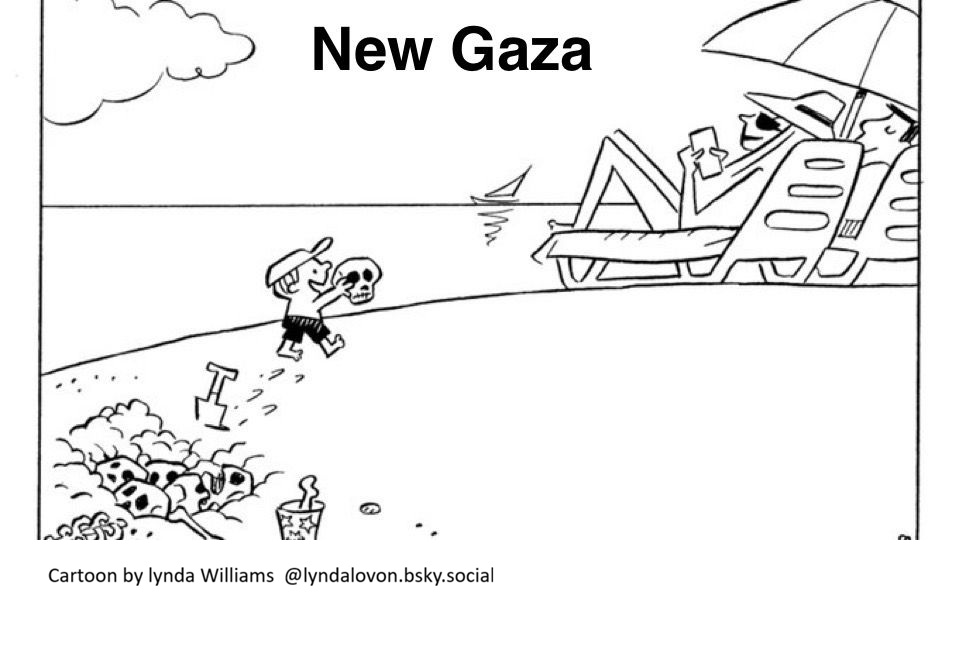
29 Jan. Thursday 7-8 p.m. Webinar – World’s Largest Nuclear Station in Port Hope, ON?

31st January – Challenging the War Machine – a DECLASSIFIED UK SUMMIT


Website of the Week
Now until to February 10, 2026 Radioactive waste storage in France: the debate is finally open! How to participate?
-
Archives
- January 2026 (246)
- December 2025 (358)
- November 2025 (359)
- October 2025 (376)
- September 2025 (258)
- August 2025 (319)
- July 2025 (230)
- June 2025 (348)
- May 2025 (261)
- April 2025 (305)
- March 2025 (319)
- February 2025 (234)
-
Categories
- 1
- 1 NUCLEAR ISSUES
- business and costs
- climate change
- culture and arts
- ENERGY
- environment
- health
- history
- indigenous issues
- Legal
- marketing of nuclear
- media
- opposition to nuclear
- PERSONAL STORIES
- politics
- politics international
- Religion and ethics
- safety
- secrets,lies and civil liberties
- spinbuster
- technology
- Uranium
- wastes
- weapons and war
- Women
- 2 WORLD
- ACTION
- AFRICA
- Atrocities
- AUSTRALIA
- Christina's notes
- Christina's themes
- culture and arts
- Events
- Fuk 2022
- Fuk 2023
- Fukushima 2017
- Fukushima 2018
- fukushima 2019
- Fukushima 2020
- Fukushima 2021
- general
- global warming
- Humour (God we need it)
- Nuclear
- RARE EARTHS
- Reference
- resources – print
- Resources -audiovicual
- Weekly Newsletter
- World
- World Nuclear
- YouTube
-
RSS
Entries RSS
Comments RSS
 nuclear-news