Unnecessary medical radiation endangers children and premature infants
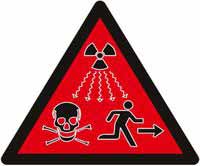 Experts believe the negative effects of radiation are cumulative, meaning that the more radiation one receives, the higher the risk of cancer. This reality is especially concerning for premature infants whose development is constantly monitored through radiological exams
 Children are Being Exposed to Unnecessary Radiation, U.S. Politics Today , May 27, 2011, While over-radiation of anyone can cause burns and an increased risk of cancer, those concerns are amplified in children. – The most vulnerable of human beings are sometimes the most mistreated. Such is the case with premature infants.
In 2007, doctors at State University of New York, Downstate Medical Center in Brooklyn discovered that hospital staff repeatedly over-radiated premature babies during X-rays and CT scans. For example, when chest x-rays were ordered for one newborn, he underwent 10 full body X-rays without being covered by a protective shield.
The Lack of Standardized Regulation
It is the responsibility of each state to set its own regulatory standards for radiological workers. However, several states have no regulations in place at all. That means that in many parts of the country workers are not required to possess any formal minimum qualifications before they begin irradiating people.
Fortunately, the American Society of Radiologic Technologists has long been lobbying Congress to pass the CARE bill, which is supported by 26 organizations that represent over half a million American health care professionals. The CARE bill mandates nationwide regulation of radiological workers. The regulation focuses on minimum educational and certification standards for entry into the radiological profession as well as continuing education requirements to ensure competent behavior…….
Experts believe the negative effects of radiation are cumulative, meaning that the more radiation one receives, the higher the risk of cancer. This reality is especially concerning for premature infants whose development is constantly monitored through radiological exams. At Downstate Medical Center, it was discovered that babies’ entire, unshielded bodies were being imaged instead of “coning” (limiting) the radiation to the specific area of the body being examined. Only time will tell how these babies’ bodies will be affected as a result.
The Case for Medical Malpractice and Other Lawsuits
As widespread concerns regarding over-radiation of infants, children and adults comes to light, more cancer patients will undoubtedly wonder whether their condition stems from excessive radiation exposure. Patients and their attorneys will increasingly need to analyze the images from any previous exams to determine the extent of their radiation exposure. Problematic results may be grounds for a medical malpractice lawsuit…..
Children are Being Exposed to Unnecessary Radiation – U.S. Politics Today – News Media Monitoring
Hospital doctors at risk of cancer from medical ionising radiation
 radiation can lead to cancer in doctors.
Radiation in hospitals prompts doctors to demand protection, JPost , By JUDY SIEGEL-ITZKOVICH 05/26/2011 Doctors say previous wage agreements did not take into account that technological advances make radiation much more widespread and pose greater risk Continue reading
Gender of babies is affected by nuclear radiation
Nuclear radiation affects baby gender, Machines Like Us, 26 May 2011 .………exposure to nuclear radiation leads to an increase in male births relative to female births, according to a new study by Hagen Scherb and Kristina Voigt from the Helmholtz Zentrum München. Continue reading
Japanese parents angry over radiation levels for children
Japanese ire over radiation limit for kids. Herald Sun AAP , May 23, 2011 FURIOUS parents at the centre of Japan’s atomic crisis and hundreds of their supporters rallied in Tokyo today against revised nuclear safety standards in schools they say are putting children at risk.
Japanese children can now be exposed to 20 times the radiation that was permissible before the March 11 tsunami caused a meltdown at the Fukushima nuclear plant, sparking the world’s worst nuclear crisis since Chernobyl. Around 400 protesters, many from areas around the stricken plant, flocked to the education and science ministry to demand a rethink on the new limit, which allows exposure of up to 20 millisieverts a year.
A group of Fukushima residents submitted a letter for the education minister demanding the ministry do all it can to lower radiation levels at schools and offer financial support.
Protest organisers said the radiation limit for playgrounds was about six times as much as the 0.6 microsievert-per-hour legal maximum under which under-18s are allowed to work…….The nuclear crisis remains unresolved and tens of thousands of people are still unable to return to homes, farms and businesses in a 20-kilometre zone around the radiation-spewing plant.
More than 20 elementary and junior high schools within 30 kilometres have been forced to close since the accident, affecting some 5000 pupils, the Yomiuri daily newspaper reported today….http://www.heraldsun.com.au/news/breaking-news/japanese-ire-over-radiation-limit-for-kids/story-e6frf7jx-1226061484710
Electromagnetic radiation, as well as ionising radiation, may be harmful

Christina Macpherson's websites & blogs
Once again, I am reluctant to get involved in a new area, not really related at all to nuclear power. We KNOW that ionising radiation causes cell damage, cancer, and birth deormities.
Electromagnetic radiation is different. We don’t KNOW that it’s harmful. But – it might be.
New Studies Reveal Stunning Evidence That Cell Phone Radiation Damages DNA, Brain and Sperm Newswise24 May 11 — Cell phones are a ubiquitous part of our lives. New independent studies offer stunning proof that confirms findings from the Council of Europe—pulsed digital signals from cell phones disrupt DNA, impair brain function and lower sperm count. Continue reading
Ionising radiation the most proven environmental cause of cancer
the health impact of exposure is perhaps “the best understood, and certainly the most highly quantified dose-response relationship for any common environmental human carcinogen,” a report of the U.S. National Cancer Institute concluded…….the most stressful aspect of the Chernobyl results, in the final analysis, is that the accident surely caused thousands of deaths that cannot actually be identified. The Chernobyl fatalities, in that sense, are like the deaths of unknown soldiers……
Radiation Risks – IEEE Spectrum, Bill Sweet, May 22, 2011, “………..the accident showed that large radiation releases can occur in a light water reactor accident, not just in a defectively designed and operated Soviet-era reactor. So it’s important to be clear about Chernobyl’s long-term health impact. Continue reading
Ionising radiation dangerous, electromagnetic radiation might be
Christina Macpherson's websites & blogs
This website is concerned with matters nuclear. In particular, ionising radiation is proven to be damaging to health, with no safe level.
We’ve been at pains to distinguish ionising radiation from other forms, such as electromagnetic radiation, whose health effects are not really known.
At the same time, we acknowledge that it’s possible that electromagnetic radiation is harmful to health. And so, we welcome the move to investigate this – Christina Macpherson
the renewed concern though is not just about mobile phones. WiFi is now in the frame. The panic button was pressed by an influential European committee that has compared the current situation of mobiles and WiFi to previous experiences of tobacco and asbestos.
Putting You on Hold. Mobile Phone and WiFi Radiation Scare Ramped up in Europe – Haydn Shaughnessy – Re:thinking Innovation – Forbes, 14 May 11, The argument that mobile phones are bad for health was maybe due a reprise, so expect at least a round of calls for more research on their impact in the coming days, and possibly for outright bans in some circumstances (like schools). Continue reading
Inadequate radiation testing of Fukushima nuclear workers
Radiation tests lacking / Nuclear plant workers unsure of internal exposure levels, The Yomiuri Shimbun, 19 may 11, Nearly two months after the start of the crisis at the Fukushima No. 1 nuclear power plant, only 10 percent of workers there had been tested for internal radiation exposure caused by inhalation or ingestion of radioactive substances, due to a shortage of testing equipment available for them.
Tokyo Electric Power Co., operator of the crippled nuclear compound, is finding it impossible to use testing apparatus set up inside the facility because of high radiation levels recorded near the equipment.
A number of personnel working to overcome the nuclear crisis at the facility are increasingly alarmed by their lack of internal exposure testing. Some have said they may have to continue to work at the facility without knowing whether their radiation exposure levels have exceeded the upper limit set by the government……Radiation tests lacking / Nuclear plant workers unsure of internal exposure levels : National : DAILY YOMIURI ONLINE (The Daily Yomiuri)
Childhood leakaemias near nuclear plants – NOT caused by “virus”
Across Europe a number of studies have reported increased rates of childhood leukaemia around other nuclear facilities. In 1992, the German Childhood Cancer Registry found a statistically significant increased incidence rate for leukaemias among children below five years of age within the 5-km-zone around nuclear sites. A second study was published in 1997, and again found increased childhood leukaemias near nuclear plants….
Further analysis of the KiKK study by the German Expert Group went on to state that childhood cancer near to nuclear power plant sites was actually underestimated by the KiKK researchers – and so the risks are considerably above those reported.
Why UK nuclear power plants may cause childhood cancer and leukaemia, The Ecologist, Dr Paul Dorfman, 16th May, 2011You won’t hear the UK government admit it but after decades of research there is now evidence of real excesses of childhood cancer and leukaemia near some nuclear facilities, argues Dr Paul Dorfman Continue reading
Doctors, Public Health Agency, oppose Australian government nuclear waste dump plan
 Leading health organisations including MAPW and the Public Health Association have signed a statement calling for a comprehensive inquiry into the production of radioisotopes (including non-nuclear-reactor sources) and the disposal of nuclear medicine, before any action is taken to advance any national radioactive waste dump.
The Medical Association for Prevention of War (Australia) has called on the government to withdraw the National Radioactive Waste Management Bill , 13 May 11, Continue reading
Daily radiation exposure of Fukushima’s schoolchildren
Children and teachers at a fifth of the 1,600 schools in Fukushima are receiving at least 20 millisieverts of radiation per year, said Nakate, according to readings from the government. That’s the limit for a nuclear power plant worker, according to Japan’s nuclear safety commission.
Children Don Masks, Hats in Fukushima as Radiation Looms, Bloomberg, By Takahiko Hyuga and Shigeru Sato – May 11, 2011 Students at theShoyo Junior High School in Fukushima are wearing masks, caps and long-sleeved jerseys to attend classes as their exposure to radiation is on pace to equal annual limits for nuclear industry workers. Continue reading
Toxic radioactive effects of thorium, uranium in rare earths
Environmental groups have long criticised rare earths mining for spewing toxic chemicals and radioactive thorium and uranium into the air, water and soil, which can cause cancer and birth defects among residents and animals…..
 China pays price for world’s rare earths addiction, By Allison Jackson (AFP) – Google News, 7 May 11, BAOTOU, China — Peasant farmer Wang Tao used to grow corn, potatoes and wheat within a stone’s throw of a dumping ground for rare earths waste until toxic chemicals leaked into the water supply and poisoned his land.Farmers living near the 10-square-kilometre expanse in northern China say they have lost teeth and their hair has turned white while tests show the soil and water contain high levels of cancer-causing radioactive materials. Continue reading
Nuclear radioactivity risks: iodine, cesium, plutonium, strontium
Health risk from troubled Japan nuclear plant, Reuters, By Mayumi Negishi and Tan Ee Lyn, TOKYO May 6, 2011“……IS SOME RADIATION MORE HARMFUL THAN OTHERS?Yes. Radioactive particles are most harmful when inhaled or ingested, and particles that are easily absorbed and which have longer half-lives can cause more damage to cells and genetic material inside.
When examining radiation from the Fukushima plant, health officials focus especially on Iodine-131. Inside the body of an adult, it has a half-life of 7 days, but it accumulates quickly in the thyroid gland. Children are especially at risk because their thyroids are still developing.Another by-product, Cesium, spreads throughout the body, concentrating in muscle tissue. Cesium-137 has a half-life of 30 years, but inside an adult, the amount will be halved in 90 days.
Strontium and plutonium are rarer by-products of nuclear fission. But if they are ingested, they tend to collect in bones, where they are likely to stay put. Strontium can cause bone cancer. Plutonium is more dangerous when inhaled, increasing the risk of lung cancer……..”Health risk from troubled Japan nuclear plant | Reuters
US doctors say that Japan’s revised radiation rules endanger children
the exposure limit set for school grounds in the area affected by radiation from the crippled nuclear power plant – 20 millisieverts per year – puts children and pregnant women at an unacceptable risk for cancer.
Japan: Are Kids Being Exposed to Too Much Radiation?, TIME by KRISTA MAHR , May 3, 2011 , A U.S. medical group has slammed the Japanese government and senior nuclear adviser Toshiso Kosako has tearfully resigned over the levels of radiation exposure Tokyo says are safe for students at elementary and junior high schools in Fukushima prefecture. Continue reading
Physicians, not nuclear physicists, know the facts about radiation
There’s no group better prepared than doctors to stand up to the physicists of the nuclear industry….Physicists had the knowledge to begin the nuclear age. Physicians have the knowledge, credibility and legitimacy to end it.
 Unsafe at Any Dose, New York Times, By HELEN CALDICOTT, April 30, 2011 “………There’s great debate about the number of fatalities following Chernobyl; theInternational Atomic Energy Agency has predicted that there will be only about 4,000 deaths from cancer, but a 2009 report published by the New York Academy of Sciencessays that almost one million people have already perished from cancer and other diseases. The high doses of radiation caused so many miscarriages that we will never know the number of genetically damaged fetuses that did not come to term. (And both Belarus and Ukraine have group homes full of deformed children.) Continue reading
1 This Month

22 June – Virtual Event –Climate Change: New Data, New Debate

Monday, June 22, 2026 2:30 p.m. – 3:15 p.m. CT
YouTube. Register here
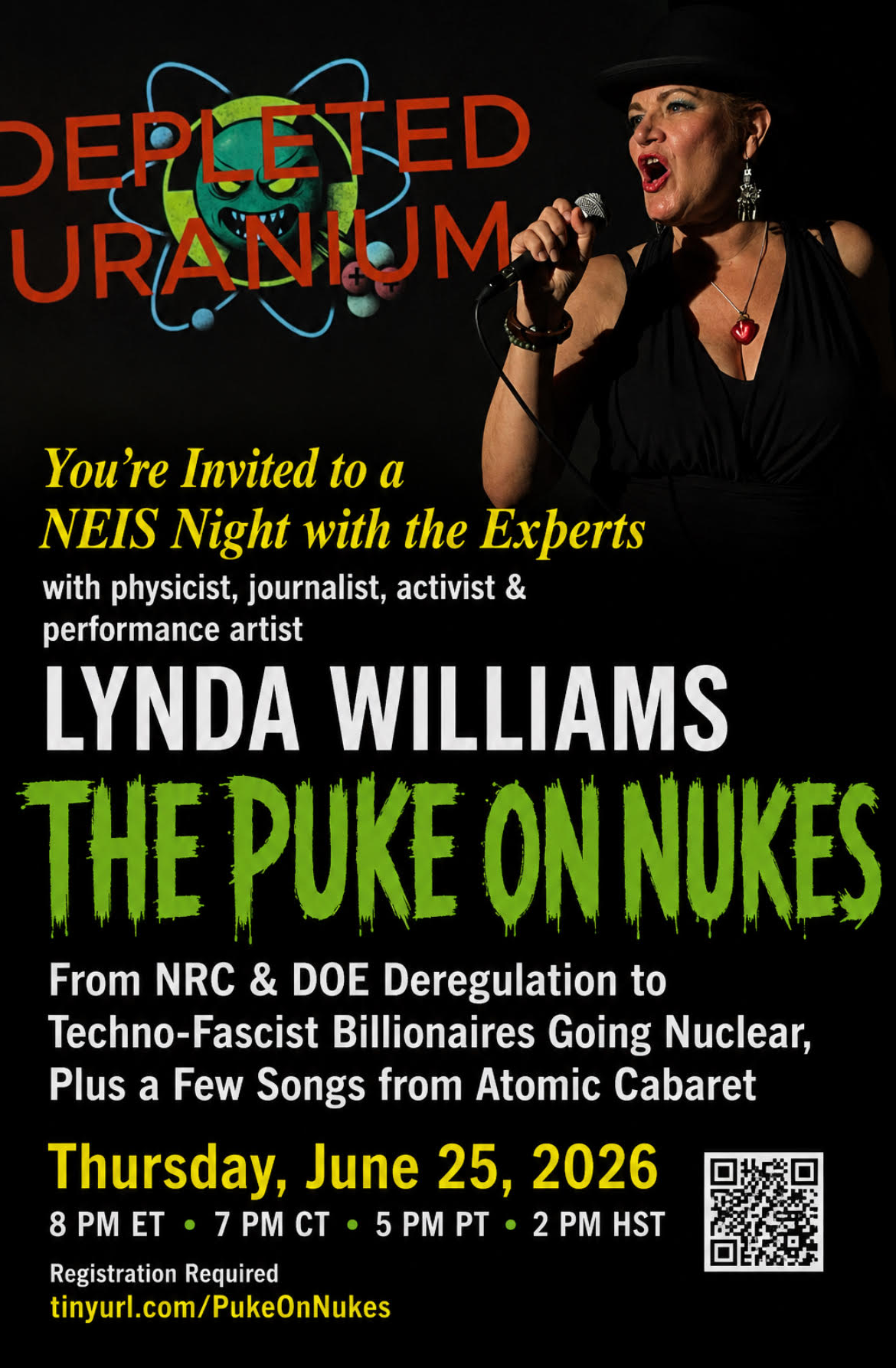
25 June- THE PUKE ON NUKES
Thursday, June 25, 2026
7pm Central Time (8pm ET, 6pm MT, 5pm PT) UTC – 5
From NRC & DOE Deregulation to Techno-Fascist Billionaires Going Nuclear, Plus a Few Songs from Atomic Cabaret REGISTER
26 June – Radiation Trainwreck at the NRC / Join the Protect Better Campaign – https://us02web.zoom.us/meeting/register/4ZlZ5_qLSHGiLSCg8FF6Bg#/registration
1st July – Webinar Waste of Space: The Environmental Harm of Military and Civil Space Activity st July, 7 pm
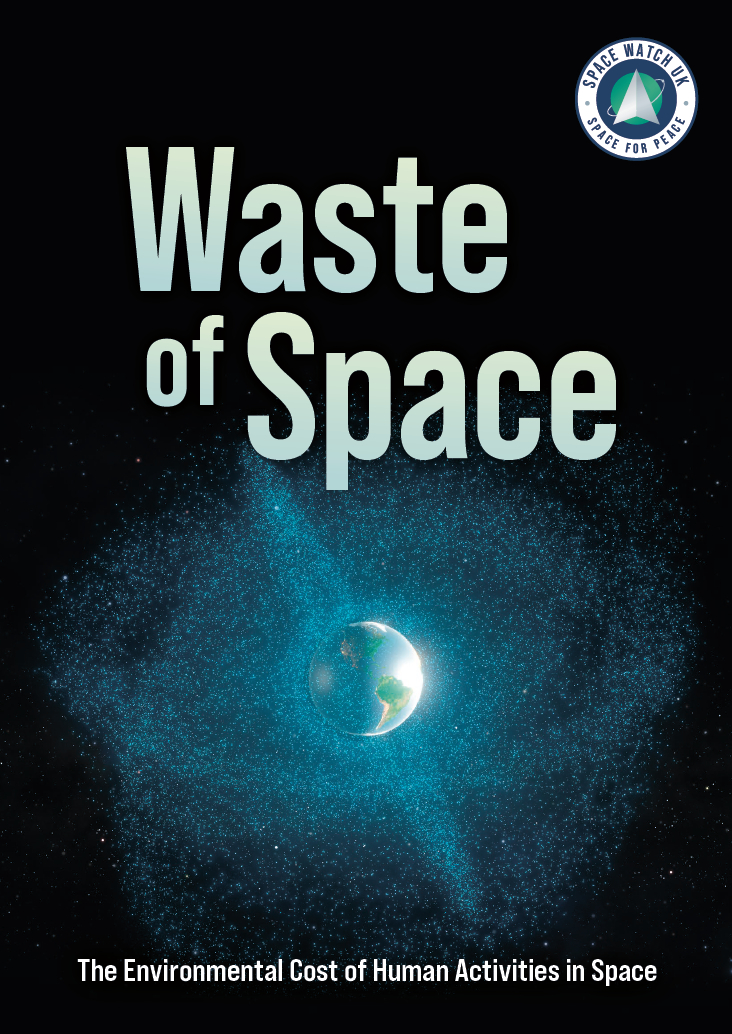
Report Launch Online: We are seeing an increasing exploitation of space for military and commercial purposes. This must change.

Protect Sazan Island from the Trump family! https://secure.avaaz.org/campaign/en/protect_sazan_island_from_the_trump_family_loc/?bqFCVab&v=174511&cl=22707147157&_checksum=5e9dde668860e8231c33699735e16a1fbf22ab2cb01da50c999fe8732b9775ef&utm_source=email&utm_medium=blast_email&utm_campaign=174511


Cuba Is Not a Failed State – It Is a Besieged State
PETITION: “Global Appeal to Endorse Palestinian Right of Return of Refugees”
To see nuclear-related stories in greater depth and intensity – go to https://nuclearinformation.wordpress.com
-
Archives
- June 2026 (221)
- May 2026 (306)
- April 2026 (356)
- March 2026 (251)
- February 2026 (268)
- January 2026 (308)
- December 2025 (358)
- November 2025 (359)
- October 2025 (376)
- September 2025 (257)
- August 2025 (319)
- July 2025 (230)
-
Categories
- 1
- 1 NUCLEAR ISSUES
- business and costs
- climate change
- culture and arts
- ENERGY
- environment
- health
- history
- indigenous issues
- Legal
- marketing of nuclear
- media
- opposition to nuclear
- PERSONAL STORIES
- politics
- politics international
- Religion and ethics
- safety
- secrets,lies and civil liberties
- spinbuster
- technology
- Uranium
- wastes
- weapons and war
- Women
- 2 WORLD
- ACTION
- AFRICA
- Atrocities
- AUSTRALIA
- Christina's notes
- Christina's themes
- culture and arts
- Events
- Fuk 2022
- Fuk 2023
- Fukushima 2017
- Fukushima 2018
- fukushima 2019
- Fukushima 2020
- Fukushima 2021
- general
- global warming
- Humour (God we need it)
- Nuclear
- RARE EARTHS
- Reference
- resources – print
- Resources -audiovicual
- Weekly Newsletter
- World
- World Nuclear
- YouTube
-
RSS
Entries RSS
Comments RSS
 nuclear-news