Public unaware of massive spikes in radiation as nuclear reactors are re-fuelled
 Scientist: Massive spikes in radioactivity are being hidden from public — Radiation doses around nuclear reactors increase exponentially — It’s a major worry… very, very important — Something must be done (VIDEO) http://enenews.com/scientist-massive-spikes-radioactivity-being-hidden-public-radiation-doses-around-reactors-increase-exponentially-major-worry-very-very-important-video?utm_source=feedburner&utm_medium=email&utm_campaign=Feed%3A+ENENews+%28Energy+News%29
Interview with Dr. Ian Fairlie, Radiation Biologist, Nuclear Hotseat hosted by Libbe HaLevy, Aug 19, 2014 (at 35:30 in): One of the key things I’d like to mention to your listeners is this; Up until 2012, we didn’t really know what happened with emissions from nuclear reactors. The only data that we had was annual data… we didn’t really know the time pattern — now we do. Now we know that the large majority — say two-thirds, three-quarters — of the annual emissions from a reactor occur just once, during one spike.
And that spike occurs when the reactor is opened up to take out the old fuel and to put in fresh fuel. During that time period — about a day, day-and-half — the reactors are depressurized… they open up the valves and the radioactive gases shoot out. It’s during that time that we think that the people down wind are exposed to high levels of radioactivity, i.e. high radiation doses… Instead of having even, little bits of emissions throughout the 365 days, you haveone big, massive spike which happens over a day-and-a-half period. And that happens roughly speaking, once a year…
That’s important — Very, very important — because it results in doses that are at least 20 times higher, maybe even as much as 100 times higher… That’s a major worry… I’ve said to a number of nuclear operators, “Why don’t you do this at night time when people are in bed? Why don’t you do it when it’s really, really windy out — and it’s not raining?” … When it’s very calm it just drifts everywhere and you get big doses — No response… These spikes have been hidden from us ever since the beginning of the nuclear power program … nobody knew about them apart from people who work in the nuclear industry and they keep really quiet about it. I’d like to say to your American listeners, this is very important. You have to go to your regulator and say, “There’s no reason why this is not occurring at US reactors. These data are from German pressurized water reactors… We know that it’s very, very likely the same thing is happening with US reactors.” I hope that at least some of your listeners will pick this up and say, “Whoa, we’ve got to do something here.” >>Full interview available here
Dr. Donald Mosier, Scripps Research Institute’s Dept. of Immunology and city council member in Del Mar near San Onofre nuclear plant, Oct. 19, 2013 (at 27:15 in): The problem with the data is that tritium releases are episodic. They’ll have a release of tritium one day a month, but when they report that to the NRC, they’ll say this is the amount of tritium we’ve released over the year. You have 5 days of release, but you divide that by 365 days, it doesn’t look like so much tritium. But if you’re sitting right next to the plant on the day of the release, it’s quite a bit. There’s some data from Europe that says those spikes are dangerous. There’s no data in the US that you can interpret. >> Watch the community symposium here
Japan thyroid cancer children – crimes against humanity – Tokyo Press Conference
 Tokyo Press Conference: Gov’t is committing crimes against humanity; Fukushima children living in war zone and can’t leave — Childhood cancer developing much faster than Chernobyl; Rate now 14 times higher — Parent: “I’m revealing the reality of what’s going on… it’s only way to get rid of the criminals” (VIDEO) http://enenews.com/tokyo-press-conference-officials-committing-crimes-against-humanity-fukushima-children-living-war-zone-evacuate-childhood-cancer-developing-faster-chernobyl-rate-14-times-higher-parent-im-reveal?utm_source=feedburner&utm_medium=e
Press Conference at The Foreign Correspondents’ Club of Japan, August 18, 2014:
Toshio Yanagihara, attorney representing Fukushima children and their parents
- 5:00 — Thyroid cases after Chernobyl in Belarus — comparing that with the present situation in Fukushima, [here] there’s 14 times [the rate] of children with thyroid cancer.
- 6:00 — Fukushima prefecture’s announced that the massive number of thorough screenings [is the reason why there’s] more numbers of people with cancer — but we found that doubtful. In Fukushima prefecture, the west part of Fukushima compared to those areas that are closer to the nuclear power plant, there are about ¼ or even 1/5 the people who are found with thyroid cancer.
- 7:00 — June 10th of this year, the Fukushima committee in charge of researching thyroid cancer admitted for the first time that the suspicion of malignancy is due to the lymph node metastasis. This is the common thing that was found after the Chernobyl accident.
- 8:00 — In Fukushima right now, we see that the number of the children found with thyroid cancer — and the scale of this catastrophe is ongoing — it is going much faster than it was in the Ukraine after Chernobyl.
- 11:45 — The announcement from the Sendai high court from April 2013 that the Fukushima children’s lives are threatened… this didn’t cause Fukushima or the Japanese government to help provide support.
- 16:15 — We emphasis that the Japanese government is discriminating against the Fukushima children, and in the international [court], we can say this is a crime against humanity. This is Japan’s most important and most criminal human problem that we’re facing right now.
- 17:15 — Fukushima is a war zone, and children have a right to be evacuated to a safer place… In Japan, this present situation is the most harsh child-rearing situation in the world.
- 19:15 — They’re supposed to support and evacuate children from Fukushima during this war zone… It must be argued at the international court that this is a crime against humanity. We would like to take this case to the International Criminal Court, and we’re preparing for that.
Katsumi Hasegawa, parent of two young children who evacuated from Koriyama (60km from Daiichi)
- 22:45 — We currently live in Shizouka prefecture where we evacuated to in August 2011 — my pregnant wife and 5 year-old son… Why did the Japanese government contain us in the no-go zone 20 or 30 km radius, while many foreign countries had told residents within 80 km from Fukushima Daiichi to evacuate?
- 35:00 – I’m a parent of children, and I’m an adult whose living at the time of this accident — this era. I would like to reveal the reality of what is going on. And I would like to do my best, even if I’m starting right now, I would like to do my best. That is my responsibility, and that is the only way to get rid of the criminals — and irresponsibility that we have committed already… Even though raising my voice is hard, I know that there are things that we need to do. Thank you.
- 36:30 — Lucy Birmingham, FCCJ president: Thank you so much. OK… wow.
Indian Uranium Corporation ordered to probe birth deformities near mines
 The health issue came to the attention of the High Court earlier this year after pictures of Jadugora’s deformed children appeared in the Indian press. The court in February ordered Uranium Corp. to produce documents that might shed light on the health issues. The court noted then that children living near the mines in Jadugora are “born with swollen heads, blood disorders and skeletal distortions.”
India Court Orders Uranium Corp. to Probe Deformities Near Mines Bloomberg By Rakteem Katakey and Tom Lasseter Aug 20, 2014 India’s sole uranium mining company is being ordered by a regional court to disclose radiation levels and the presence of any heavy metals in soil and water in a cluster of villages with reports of unusual numbers of deformed and sick children.
The order by the Jharkhand High Court also mandates thatUranium Corp. of India Ltd.explain how it ensures the safety of nearby civilian populations who may be exposed to its 193-acre (78-hectare) radioactive waste dump near the village of Jadugora in eastern India.
The move comes about a month after a Bloomberg News story chronicled the plight of parents living near the Uranium Corp. mines who are seeking answers to what’s sickening and killing so many of their kids. The story also reported that local residents routinely wander the unfenced dump sites and fish and bathe in a river that receives water flowing from the dumps, known as tailings ponds. The Bloomberg article was submitted to the judges of the High Court by Ananda Sen, the lawyer appointed by the court to review the case.
Uranium Corp. has denied its mining operations have anything to do with village health issues. In 2007, a survey of more than 2,100 households by an Indian physicians group found mothers in villages 1.5 miles from the mines reported congenital deformities more than 80 percent higher than the rates just 20 miles (32 kilometers) away, with reported child death rates from such abnormalities more than five times as high.
Independent Experts
Fukushima and Chernobyl’s plants and animals have suffered from radiation
 No, Fukushima Is Not a Wildlife Haven—and Neither Is Chernobyl http://www.citylab.com/tech/2014/08/no-fukushima-is-no-eden-for-animalsand-neither-is-chernobyl/376046/ A slew of new research reveals the deleterious effects of radiation on Fukushima’s ecology. LAURA BLISS @mslaurabliss Aug 14, 2014
Perhaps you’ve encountered the well-publicized idea that Chernobyl, the world’s worst nuclear disaster of 1986, has become a kind of ‘wildlife haven’ as a result of its abandonment by humans.
So what of Fukushima Daiichi, Japan’s nuclear collapse of 2011—might we expect a happy menagerie there, too? Not so much, according to a slew of new papers out in the Journal of Heredity. And you may want to rethink Chernobyl-as-Eden, too.
The findings of the new studies tell of significant population decline across many different species of animals and plants, as well as a range of expressions of genetic damage and cell mutation.
One paper reports that the pale grass blue butterfly, one of Japan’s most common butterfly species, has suffered from significant size reduction, slowed growth, high mortality and abnormal wing patterns both within the Fukushima exclusion zone and among lab-raised offspring of parents collected at the site. Which is to say, radiation-caused genetic mutations were passed down.
 Researchers also found major declines in populations of birds, butterflies, cicadas, and some small mammals, as well as aberrations and albinism in the feathers of certain birds.
Timothy Mousseau, a prominent biologist and lead author of that population study, has also conducted significant research into radiation’s impacts at Chernobyl. He roundly rejects the claim that the area has become an animal haven, arguing that notion was based on anecdotal evidence rather than scientific data. Mousseau’s own work demonstrates radiation has had similar effects on Chernobyl’s ecology as on Fukushima’s.
Further inquiry into all manner of species living at the Chernobyl site could help scientists better predict Fukushima’s biological trajectory, he says. “There is an urgent need for greater investment in basic scientific research of the wild animals and plants of Fukushima,” Mousseau told the Journal of Heredity.
A warning from UK’s National Health Service on the risks of radiation from CT scans
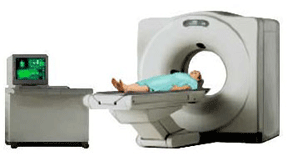 Caution urged over CT scan radiation doses, NHS UK, 15 Aug 14
BBC News reports on a sharp rise in the number of CT scans being performed, exposing people to the potential health risks of radiation.
However, as The Daily Telegraph says, it is not possible to calculate the cancer risk due to exposure to CT scans because there is a lack of data.
These media stories follow the publication of a report by theCommittee on Medical Aspects of Radiation in the Environment (COMARE). COMARE has reviewed trends in the use of CT scans in the UK. The review weighs up the risk-benefit balance of using CT scans, and considers ways to obtain the best quality scan image while minimising the necessary radiation dose.
The COMARE report sets out good practice guidance, encouraging doctors to take a more “proactive approach” to protecting patients and reducing radiation doses.
The committee recommendations cover equipment and procedures already in place, but also note there are dose reduction features available on some of the newer CT scanning machines that should be considered when new equipment is purchased.
What is COMARE and why is it looking at CT scans?….…
only 15% of our radiation exposure comes from medical sources. However, it has still increased from 0.33mSv per person per year in 1997, to 0.4mSv in 2008.
CT scans account for much of this exposure. ……..The report says there has been wider use of CT scans among younger people and children, whose tissues may have greater sensitivity to radiation. They also, of course, have a longer lifespan ahead of them in which potential harmful effects may be observed…..
70% of indications for CT scans recommended by guidance relate to benign (non-harmful) or potentially benign conditions. It says that CT scans are increasingly being used as a standard investigation, replacing other conventional ways of detecting health problems.
There are potential risks related to radiation…….
What does the COMARE report recommend?……..http://www.nhs.uk/news/2014/08August/Pages/caution-urged-over-use-of-ct-scan-radiation-doses.aspx
Uranium mining destroys lives
Yet another example of how mining companies destroy local peoples lives Papua New Guinea Mine Watch 14 Aug 14
“The government and the company don’t give a damn whether the tribal people live or die,” said Ghanshyam Birulee. “The government is treating us as guinea pigs to fulfill its greed for Uranium.”
India uranium mining fuels health crisis
 Radioactive waste generated in three government owned mines spurs health fears in eastern Jharkhand state.
Sanjay Pandey | Al Jazeera “They took away my land,” 35-year-old Agnu Murmu told Al Jazeera, days before he died. “I begged them to give me a small truck… but they gifted me with cancer.”
Murmu, according to social activist Ghanshyam Birulee, was just the latest casualty of radiation pollution in Jadugoda, a tribal heartland in the eastern Indian state of Jharkhand.
His house sits dangerously close to a tailing pond, where the government-run Uranium Corporation of India Limited (UCIL) discharges waste from its mining operations. Murmu’s mother said the family knew nothing about radiation when mining began here about five decades ago.
“Like other unsuspecting parents, I would also allow my children to play near the tailing pond and catch fish from the canal that I know now is contaminated by radiation pollution,” said Rakhi Murmu, 52, with tears spilling down her creased cheeks.
“Uranium mines have ruined our lives. I know they won’t rest till they bury us all in those pits.”
Spontaneous abortions and miscarriages
Radioactive waste generated by three government owned mines – Narwapahar, Bhatin and Jadugoda – has spurred fears of a health crisis in the region.
Residents say they suffer from a number of diseases linked to radiation pollution, including congenital deformities, sterility, spontaneous abortions and cancer – yet mining continues unabated near these Indian villages, without proper security measures in place.
Dumping of radioactive waste by the roadside or near the villages may be putting even more people at risk………
radiation pollution
Several surveys conducted by independent agencies, including Japan’s Kyoto University and India’s Jadavpur University, have confirmed radiation pollution in the air, water and soil in Jadugoda.
Independent nuclear scientist Sanghmitra Gadekar, who conducted a survey on 9,000 villagers living in and around mines, has documented cases of congenital deformities, infertility, cancer, respiratory problems and miscarriages……..
Guinea pigs?
Nitish Priyadarshi, a geologist who has surveyed radioactivity in Jamshedpur and Ranchi, said while uranium particles cannot travel that far, “its sister elements like radon gas, which damages lungs and kidney, can travel to the city and take the already high radioactivity to alarming levels.”…….
whatever the government policy, Jadugoda’s 50,000 tribal residents continue to stand exposed to a danger which the activists say “nobody cares about”.
“The government and the company don’t give a damn whether the tribal people live or die,” said Ghanshyam Birulee. “The government is treating us as guinea pigs to fulfill its greed for Uranium.” http://ramumine.wordpress.com/2014/08/14/yet-another-example-of-how-mining-companies-destroy-local-peoples-lives/
Thyroid cancer in Fukushima children: an inconvenient fact for Japan’s government
 Japan Professor: Outbreak of cancer is now underway in Fukushima children; Clear evidence of an epidemic — All of Japan is still being exposed to nuclear radiation — Gov’t Official: It will be ‘disastrous’ if we have to conclude there’s an actual increase in thyroid cancer from Fukushima http://enenews.com/japan-professor-outbreak-cancer-fukushima-children-clear-evidence-epidemic-underway-all-japan-being-exposed-nuclear-radiation-govt-official-will-be-disastrous-conclude-actual-increase-thyroid-ca?utm_source=feedburner&utm_medium=email&utm_campaign=Feed%3A+ENENews+%28Energy+News%29
Excerpts from a report by Dr. Yuri Hiranuma, a physician specializing neuromusculoskeletal medicine, published by Fukushima Voice version 2e, Aug 3, 2014:
[At the July 16, 2014 Expert Meeting Regarding the Status of Health Management of Residents Following the Tokyo Electric Fukushima Daiichi Nuclear Power Plan Accident, held by the Ministry of the Environment]
- Toshihide Tsuda, a physician and an epidemiologist at Okayama University, has just emphatically stated that in certain Fukushima municipalities there was a clear evidence of a thyroid cancer epidemic […] Calling this an “outbreak, occurring only 3.1 to 3.2 years after the accident” […] “outbreak” of thyroid cancers in Fukushima children cannot be explained by the “screening effect,” when the data is analyzed and compared with the national cancer statistics as well as within Fukushima Prefecture against municipalities with the lowest exposure dose. Critical of the commonly accepted notion that health effects do not occur below 100 mSv, Tsuda presented numerous published studies that proved otherwise. […] “This Expert Meeting has not brought up these studies so I must do it” […] Tsuda also said that the Expert Meeting should consider the fact that all age groups including pregnant women were still being exposed to radiation in Fukushima Prefecture. […] Tsuda said, “We are all being exposed to radiation in Japan” […]
- [Committee] Chairman Shigenobu Nagataki, emeritus professor at Nagasaki University, a former chairman of Radiation Effects Research Foundation, and a mentor to infamousShunichi Yamashita [said] “Committee members, please do not hesitate to ask questions. Given what was just stated, it will be disastrous for this committee to have to conclude that there is an actual increase in thyroid cancer (due to the Fukushima accident).” […] if the Expert Meeting were seriously considerate of the disaster victims […] why would it be disastrous for this Expert Meeting to have a conclusion that cases of thyroid cancers might be increasing? […]
Excerpts from an article by Japanese independent media outlet OurPlanet-TV summarizing the July 16 meeting, translated by Dr. Yuri Hiranuma, Aug. 3, 2014:
- Professor Shinzo Kimura [who conducted] field investigations in Chernobyl, reported that currently there are many cases of thyroid cancer […] more than 250 km away from Chernobyl
- Matsumoto City Mayor Sugenoya, who has provided medical care to children with thyroid cancer in Belarus [said] even in areas contaminated with low-level radiation with an annual radiation level below 1 mSv, residents showed a depressed immune function, hematopoietic disorders, and perinatal abnormalities [and] medical personnel are not allowed to refer to the Chernobyl accident.
- Okayama University Professor Tsuda pointed out that there is no end of the number of researchers who say, “No cancer occurrence is expected from radiation exposure dose under 100 mSv,” after the Fukushima accident. Tsuda candidly said researchers should refrain from making such statements. […] As of the end of March 2014 [Nakadori, the central region of Fukushima that is 40-80 km from the Daiichi plant] had the highest detection rate [of thyroid cancer,] as much as 11 times higher than Aizu [western region of Fukushima, over 80 km from the plant]. […] thyroid cancers from municipalities other than Aizu region showed rates which were 15 to 40 times higher [than data from the National Cancer Center]. He sounded an alarm […] “It’s only been 3.1 to 3.2 years but there are so many cases observed in Fukushima. We need to take immediate countermeasures.” […] “They are still exposed to radiation. We can’t wait until the results come out. […] All of us as well as Fukushima residents are being exposed to radiation.”
- During this session, the audience applauded several times when witnesses spoke.
Uranium exposure and skin cancer
 Study may help explain link between uranium exposure and skin cancer http://medicalxpress.com/news/2014-08-link-uranium-exposure-skin-cancer.html After years of delving deep into DNA and researching ways in which metal damage may lead to cancer, a team of researchers is taking a step back to look at the surface where one answer may have been all along. The varying health risks from exposure to natural uranium are well established, but Diane Stearns, professor of biochemistry at Northern Arizona University, and her team have been trying to determine if there is a link between uranium exposure and skin cancer, stating that skin may have been overlooked in the past.
In a recent article published in the Journal of Applied Toxicology, the NAU team shared results from a study that explored photoactivation of uranium as a means to increase its toxicity and ability to damage DNA.
“Our hypothesis is that if uranium is photoactivated by UV radiation it could be more harmful to skin than either exposure alone,” Stearns said.
Through the study, the team found that once uranium was present in the skin, exposure to UV radiation or sunlight could be chemically toxic and lead to cancerous lesions. The team members recommend that future risk assessments regarding cancer caused by uranium exposure include the possibility of photoactivation in skin.
They also propose that photoactivated uranium exposure could be even more harmful in cells that can’t repair the damage on their own. Stearns explained such cases are found in individuals with Xeroderma Pigmentosum or XP, a disease that causes extreme sensitivity to sunlight.
Through research into the XP cell lines, the team discovered regional relevance for the study. The disease is prevalent on the Navajo Nation, a site of historically high levels ofuranium mining and processing in the Southwest. The 2012 documentary Sun Kissed further piqued the researchers’ curiosity. The film cites the incidence of XP in the general population as one in 1 million, yet cases increase significantly to one in 30,000 in the Navajo population.
Stearns believes there may be implications that should be taken into consideration for a population like the Navajo community with carriers of XP mutations and relatively high exposure to uranium and the sun.
“We just want to make people aware that uranium exposure could contribute to skin cancer and could also be exacerbating XP,” Stearns said.
Stearns said as she looks to the future, she hopes to fine-tune her understanding of the photoactivation mechanism and how it is damaging DNA. “We have predicted the link but now we would like to study it step by step to establish an even stronger connection.”
Together with her Navajo students at NAU, she also hopes to determine whether the old uranium mines might explain the increase in cancer and what is being called a sudden emergence of XP on the Navajo Nation.
“I’ve had several Navajo students come to me because they found out I was doing uranium research and they had a relative who died of cancer and always wondered if it was uranium,” Stearns said. “It’s been a really personal way for them to see the value in scientific research because it can directly relate to their community.”
To help the nuclear industry, USA’s EPA to weaken radiation standards
 Green groups say EPA rules would weaken radiation standards The Hill, By Tim Devaney – 08/04/14 Green groups say the Environmental Protection Agency’s plan to weaken radiation standards at nuclear power plants would triple the likelihood of people in surrounding communities developing cancer.
The EPA said earlier this year it is considering new rules that green groups claim would actually weaken radiation standards, increasing public exposure by at least three times from the current level. The agency has not updated the standards since 1977. “The EPA admits that radiation is much more likely to cause cancer than was believed when the rule was originally written,” said Dan Hirsch, president of nuclear watchdog group Committee to Bridge the Gap. “So it’s perplexing that rather than tightening the rule, they’re proposing to weaken it further.”
The Committee to Bridge the Gap is one of about 70 environmental groups that sent EPA Administrator Gina McCarthy a letter over the weekend, asking her to reconsider the new rules as the public comment period closes and the agency enters the final stages of rule-making.
In addition to the environmental groups, more than 6,000 people have written to the EPA opposing the changes to the radiation standard, Hirsch said.
Under the EPA’s current standards, about one in every 500 people who are exposed to radiation develop cancer, but the new rules would increase the risk even more, Hirsch said.
“They’ve given a free pass to radiation,” Hirsch said……….
environmental groups speculate the Obama administration could be trying to replace coal production with nuclear energy, which they say is why the EPA is loosening radiation standards.
Environmental groups, however, express deep concerns about this plan.
“I would not say that nuclear is safer than coal, not at all,” Hirsch said.
“Choosing between coal and nuclear is a form of picking one’s poison, either carbon or plutonium,” he added. “But we believe that shouldn’t be the choice. The choice should be between dangerous pollutants and renewables, which are far safer.”
Renewable energies such as solar, wind and hydropower are all better replacements for coal than nuclear energy, Hirsch said. : http://thehill.com/regulation/214232-green-groups-say-epa-rules-would-weaken-radiation-standards#ixzz39gQFKYxi
Follow us: @thehill on Twitter | TheHill on Facebook
USA’s Nuclear – I mean – Environmental Protection Agency
Officially “Safe” RadiationBy William Boardman OpEd News 8/3/2014 More Radiation Exposure Won’t Hurt You, Says U.S. EPA
“Protection Standards for Nuclear Power Operations” means what?
The Environmental Protection Agency (EPA) of the United States is a full blown oxymoron when it comes to protecting U.S. residents from the danger of increased exposure to ionizing radiation. That’s the kind of radiation that comes from natural sources like Uranium and the sun, as well as unnatural sources like Uranium mines, nuclear weapons, and nuclear power plants (even when they haven’t melted down like Fukushima). The EPA is presently considering allowing everyone in the U.S. to be exposed to higher levels of ionizing radiation.
In 1977, the EPA established levels of radiation exposure “considered safe” for people by federal rule (in bureaucratese, “the regulation at 40 CFR part 190“). In the language of the rule, the 1977 safety standards were: “The standards [that] specify the levels below which normal operations of the uranium fuel cycle are determined to be environmentally acceptable.” In common parlance, this became the level “considered safe,” even though that’s very different from “environmentally acceptable.” “Acceptable by whom? The environment has no vote.
The phrase “considered safe” is key to the issue, since there is no “actually safe” level of radiation exposure. The planet was once naturally radioactive and lifeless. Life emerged only after Earth’s radiation levels decayed to the point where life became possible, in spite of a continuing level of natural “background radiation.” The reality is that there is no “safe” level of radiation exposure.
Is the EPA actually immersed in a protection racket?
The studied ambiguity of the proposal’s title — “Environmental Radiation Protection Standards for Nuclear Power Operations” — goes to the heart of the issue: who or what is really being protected, nuclear power operations?
Quite aware that it is perceived by some as placing the desires of the nuclear power industry above the safety needs of the population, the EPA begins its proposal for changing radiation limits with this defensive and apparently contradictory passage:
This Advance Notice of Proposed Rulemaking is being published to inform stakeholders, including federal and state entities, the nuclear industry, the public and any interested groups, that the Agency is reviewing the existing standards to determine how the regulation at 40 CFR part 190 should be updated and soliciting input on changes (if any) that should be made.
This action is not meant to be construed as an advocacy position either for or against nuclear power.
EPA wants to ensure that environmental protection standards are adequate for the foreseeable future for nuclear fuel cycle facilities. As far as the EPA is concerned, the uranium fuel cycle does not include Uranium mining, despite the serious environmental danger that process entails. Once the environmental and human degradation from Uranium mining has been done, the EPA begins regulating environmental protection from nuclear fuel cycle facilities, beginning with milling and ending with storage or reprocessing facilities for nuclear waste.
According to the agency itself, “EPA’s mission is to protect human health and the
environment. EPA sets limits on the amount of radiation that can be released into the environment.”
Radiation exposure is chronic, cumulative, and unhealthy
Given the pre-existing radiation load on the environment from natural sources, it’s not clear that there is any amount of radiation that can be released into the environment with safety. The EPA pretty much evades that question, since the straight forward answer for human health is: no amount. Besides, the semi-captured protection agency is just as much engaged in protecting economic health for certain industries as it is in protecting human health. This leads it to making formulations that manage to acknowledge human reality without actually supporting it:………
Lower radiation levels provide more environmental protection
Environmental organizations like the Nuclear Information and Resource Service (NIRS) are urging the EPA to lower radiation release standards, to “protect more, not less.” According to NIRS, regulation of nuclear power has a sorry history:……..
In 2005, the National Academy of Sciences addressed “safe” levels of radiation and concluded that there are none in any scientifically meaningful sense.
Humans are exposed to a basic, damaging level of ionizing radiation from multiple sources from gestation till death. This natural background radiation is at a relatively low level, but the risk from radiation is cumulative. Every additional exposure above background radiation adds to the risk. Some of these risks, like radiation treatment to ward off cancer, are widely accepted as reasonable trade-offs. The reasonableness of greater exposure from the nuclear fuel cycle and the uncontrolled growth of nuclear waste is not such an obviously beneficial trade-off. http://www.opednews.com/articles/Officially-Safe-Radiatio-by-William-Boardman-Cancer_Environment_People_Radiation-140803-863.html
How the victims of nuclear radiation simply become socially invisible
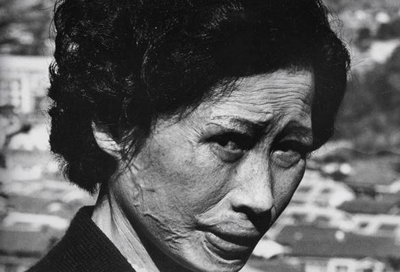 The Radiation That Makes People Invisible: A Global Hibakusha Perspective Robert Jacobs The Asia-Pacific Journal, Vol. 12, Issue 30, No. 1, August 3, 2014.

Radiation makes people invisible. We know that exposure to radiation can be deleterious to one’s health; can cause sickness and even death when received in high doses. But it does more. People who have been exposed to radiation, or even those who suspect that they have been exposed to radiation, including those who never experience radiation-related illnesses, may find that their lives are forever changed – that they have assumed a kind of second class citizenship. They may find that their relationships to their families, to their communities, to their hometowns, to their traditional diets and even traditional knowledge systems have been broken. They often spend the remainder of their lives wishing that they could go back, that things would become normal. They slowly realize that they have become expendable and that their government and even their society is no longer invested in their wellbeing.
As a historian of the social and cultural aspects of nuclear technologies, I have spent years working in radiation-affected communities around the world. Many of these people have experienced exposure to radiation from nuclear weapons testing, from nuclear weapons production, from nuclear power plant accidents, from nuclear power production or storage, or, like the people in the community where I live, Hiroshima, from being subjected to direct nuclear attack. For the last five years I have been working with Dr. Mick Broderick of Murdoch University in Perth, Australia on the Global Hibakusha Project. We have been working with victims in radiation-affected communities all around the world. Our research has revealed a powerful continuity to the experience of radiation exposure across a broad range of cultures, geographies, and populations. About half way between beginning this study and today the triple disaster at the Fukushima Daiichi nuclear power plant occurred in Japan. One of the most distressing things (among so many) since this crisis began is to hear people, often people in positions of political power and influence, say that the future for those affected by the nuclear disaster is uncertain. I wish that it were so, but actually, deep historical precedents suggest that the future for the people who lived near the Fukushima Daiichi meltdowns is predictable.
Here I will outline some continuities in the experiences of radiation-affected people. Most of the following also holds true for people who merely suspect that they have been exposed to radiation, even if they never suffer any health effects. Many have already become a part of the experiences of those affected by the Fukushima disaster. There are, of course, many differences and specificities to each community, but there is also profound continuity……..
Conclusion–Radiation makes people invisible. It makes them second class citizens who no longer have the expectation of being treated with dignity by their government, by those overseeing nuclear facilities near them, by the military and nuclear industry engaged in practices that expose people to radiation, and often by their new neighbors when they become refugees. People exposed to radiation often lose their homes, at times permanently, either through forced removal or through contamination that makes living in them dangerous. They lose their livelihoods, their diets, their communities, and their traditions. They can lose the knowledge base that connects them to their land and insures their wellbeing.
Radiation can cause health problems and death, and even when it doesn’t it can cause anxiety and uncertainty that can become crippling. Often those exposed to radiation are blamed for all of the problems that follow their exposures. After a nuclear disaster we count the victims in terms of those who died but they are only a small fraction of the people who are truly victimized by the event. Countless more suffer the destruction of their communities, their families, and their wellbeing. The full scale of devastation that a nuclear disaster wreaks is unknowable.
The lives of those exposed to radiation, or those in areas affected by radiation but uncertain about their exposure, will never be the same. As Natalia Manzurova, one of the “liquidators” at Chernobyl said in an interview published two months after the Fukushima triple meltdowns: “Their lives will be divided into two parts: before and after Fukushima. They’ll worry about their health and their children’s health. The government will probably say there was not that much radiation and that it didn’t harm them. And the government will probably not compensate them for all that they’ve lost. What they lost can’t be calculated.”10
(This article is expanded from an article originally published on the SimplyInfowebsite. Original can be seen here)
Robert Jacobs is an associate professor at the Hiroshima Peace Institute of Hiroshima City University in Japan and an Asia-Pacific Journal Associate. He is the author of The Dragon’s Tail: Americans Face the Atomic Age (2010), the editor of Filling the Hole in the Nuclear Future: Art and Popular Culture Respond to the Bomb (2010), and co-editor of Images of Rupture in Civilization Between East and West: The Iconography of Auschwitz and Hiroshima in Eastern European Arts and Media (2012). His book, The Dragon’s Tail, is available in a Japanese language edition by Gaifu. apanese language edition by Gaifu. He is the principal investigator of the Global Hibakusha Project. http://japanfocus.org/-Robert-Jacobs/4157
Discrimination against the victims of nuclear radiation
 The Radiation That Makes People Invisible: A Global Hibakusha Perspective Robert Jacobs The Asia-Pacific Journal, Vol. 12, Issue 30, No. 1, August 3, 2014.
“…………Discrimination– People who may have been exposed to radiation often experience discrimination in their new homes and may become social pariahs. We first saw this dynamic with the hibakusha in Hiroshima and Nagasaki who found it very difficult to find marriage partners, since prospective spouses feared they would have malformed children, and found it difficult to find jobs since employers assumed that they would be chronically sick. Hibakusha children, moreover, often become the targets of bullying. It became very common to attempt to hide the fact that one’s family had been among those exposed to radiation.6
Many people are familiar with the story of Sadako who died at the age of twelve after being exposed to radiation from the nuclear attack on Hiroshima ten years earlier. Sasaki Sadako folded paper cranes in accordance with a Japanese tradition that someone who folds 1,000 paper cranes is granted a wish. Sadako’s story has become well known and children around the world fold paper cranes when they learn her story, many of which are sent to Hiroshima. While Sadako has become a symbol of the innocence of so many hibakusha, her father tried to hide this fact so that his family would not suffer discrimination and was upset that his daughter had become so famously afflicted.
Children whose families evacuated from Fukushima prefecture after the triple meltdowns at Tepco’s nuclear power plant frequently became victims of bullying at their new schools. Cars with Fukushima license plates were scratched when parked in other prefectures. Often this is the result of the natural fear of contamination that is associated with people exposed to a poison. In the Marshall Islands those who were evacuated from Rongelap and other atolls that became unlivable after being blanketed with radioactive fallout from the US Bravo test in 1954 have had to live as refugees on other atolls for several generations now, with no prospect of return home. The Marshall Islands have a very small amount of livable land and so being moved to atolls that traditionally belonged to others left them with no access to good soil and good locations for fishing and storing boats. They have had to live by the good graces of their new hosts, and endure being seen as interlopers.
Becoming medical subjects– Many people who have been exposed to radiation then become the subjects of medical studies, often with no information about the medical tests to which they are subjected, and frequently without provision of treatment by those conducting the tests. Hibakusha of the nuclear attacks on Hiroshima and Nagasaki became medical subjects of the Atomic Bomb Casualty Commission during the American occupation of Japan after World War Two. This study has continued to this day under the now jointly administered US-Japan Radiation Effects Research Foundation. In the early days of the study Japanese hibakusha had no choice about being subjected to the medical exams. An American military jeep would appear in front of their homes and they had to go in for an examination, whether it was a good time or not. Not only did they receive no information about the results of their tests but the US government provided no treatment.7 This has happened in many radiation-affected communities.
In 1966 a US nuclear bomber blew up in midair and the debris fell on the small village of Palomares, Spain. Four H-bombs fell from the plane, one into the sea, and three onto the small village. None exploded but two broke open and contaminated part of the town with plutonium and other radionuclides. To this day some of the residents of Palomares are taken to Madrid each year for a medical examination as the effects of exposure on their health is tracked. They have never been given any of the results of the tests nor informed if any illnesses they develop were related to their exposures. They are subjects, not participants in the gathering and assessing of the effects of radiation on their bodies. There is no doubt that such studies contribute data to scientific understanding of the health consequences of radiation exposures (the data itself is contentious for reasons cited below)8, however for those from whom the information is gathered, being studied but not informed reduces one’s sense of integrity and agency in one’s health maintenance. Many Pacific islanders exposed to radiation by the nuclear tests of the US, the UK and France had such experiences where they were examined and then sent off with no access to the results and no medical follow-up. Many report feeling as if the data had been harvested from them and at their expense.
Anxiety– Often those exposed to radiation are told that they have nothing to worry about. Their anxieties are belittled. Radiation is a very abstract and difficult thing to understand. It is imperceptible – tasteless, odorless, invisible – adding to uncertainty that people feel about whether they were exposed, how much they were exposed to, and whether they and their loved ones will suffer any health effects. The dismissal of their anxieties by medical and governmental authorities only compounds their anxiety. When other members of their community develop health problems, such as thyroid cancer and other illnesses years later it can cast a pall over their own sense of wellbeing for the rest of their lives.
Every time that they run a fever, every time that they experience stomach pains, nosebleeds, and other common ailments, this anxiety rears up and they think – this is it, it’s finally got me. These fears extend to their parents, their children and other loved ones. Every fever that a child runs triggers fears that one’s child will die. Sadako was healthy for nine years following her exposure to radiation when she was two years old in Hiroshima, then one day her neck suddenly began to swell and she was soon diagnosed with leukemia. This is the nightmare world that the parents of children exposed to radiation, or who even simply suspect radiation exposure, experience on a daily basis. Every ailment can rip them apart.
Radiophobia and blaming the victim– Since it is often the case that who is and isn’t exposed to dangerous levels of radiation, especially to internalized alpha emitting particles, is unknown, large numbers of people near a radiological incident of some kind worry about their health and the health of loved ones. Among this group, some have been exposed and some have not. The uncertainty is part of the trauma. Often, as is currently the case for the people of FukushimaNorthern Japan, all of these people are dismissed as having undue fear of radiation, and are often told that their health problems are simply the result of their own anxieties. In some cases that may be true, but it is beside the point.
For those who have experienced a nuclear catastrophe, who may have been removed from their homes and communities and lost those bonds and support systems, who are uncertain as to whether each flu or stomach ache is the harbinger of the end, and who cannot be certain that contamination from hard to find alpha emitting particles is still possible when their children play in the park, anxiety is the natural response. Regardless of whether it causes acute health problems, forces outside of their control have upended their lives. They now must live a life of uncertainty and often experience discrimination. Of course they are going to suffer from the anxiety that this situation produces. To blame them for this is to blame the victims and is a further form of traumatization.9……….http://japanfocus.org/-Robert-Jacobs/4157
The irradiated community – Losses of homes, community and identity
The Radiation That Makes People Invisible: A Global Hibakusha Perspective Robert Jacobs The Asia-Pacific Journal, Vol. 12, Issue 30, No. 1, August 3, 2014.
“…………Losses of homes, community and identity–Areas that experience radioactive contamination often have to be abandoned by those who live there. The levels of radiation may be so high that continued habitation could be dangerous to health. In these cases people lose their homes, often permanently.
For communities that have to be abandoned, the bonds that have been built up and that sustain the wellbeing of the community disintegrate. Friends are separated, extended families are often separated, and schools are closed. People who have lived in the same place all of their lives have to make a fresh start, sometimes in old age, sometimes as children. The communal structures that sustained them are destroyed: shopkeepers who know them, neighbors who can be relied on, the simple familiarity of communities. What is lost when a person is no longer able to eat an apple from a tree planted by a parent or grandparent? Tony Hood, a former uranium miner from Gallup, New Mexico, spoke of the sense of loss when contemplating the necessity for his Navajo community to abandon their homes because of uranium contamination, “Our umbilical cords are buried here, our children’s umbilical cords are buried here. It’s like a homing device.”2
With the loss of community, many people lose their livelihood. This is especially true in places where many have been farmers, fishers or herders for generations. When someone who has only known farming is taken from the land they have tended, when fishers can no longer fish in areas where they understand the natural rhythms and habits of the fish, it can be impossible to start over. Often such people are forced to enter service positions or become dependent on state subsidies, further eroding their sense of self and wellbeing. Usually, those removed from their land because of contamination are placed into temporary housing. In Fukushima this has been the case for 100,000 who remain in temporary housing while hundreds of thousands of others who are not housed by the government have fled the area.3 In almost all cases the public housing provided to officially recognized victims proves not to be temporary, but becomes permanent.
Frequently, multigenerational families that have been living together for decades, find it impossible to remain together. This can remove care for the elderly, childcare for young families and further erodes the continuity of family identity, knowledge and support. Removal from land also is accompanied by the loss of a traditional diet. Those without access to the land and seas that have provided food for their families often begin a journey of dislocation and ill health. In some communities such as the small villages around the former Soviet nuclear test site in Kazakhstan, many people simply continue to live in dangerously contaminated homes. The state responsible for their exposures (the Soviet Union) no longer exists and neither the Russian nor Kazakh governments feel the responsibility to evacuate them or to provide health care for those with disabilities. Many live very traditional lives deriving most of their food from their own gardens and from livestock raised on their contaminated land. Many long-lived radionuclides simply cycle through this ecosystem and residents can be contaminated and recontaminated over generations.4
In Fukushima Prefecture the Japanese government proclaimed a 20km mandatory evacuation zone, while also designating a “suggested” evacuation zone from 20km to 30km. These zones do not directly reflect the dangers from radiation levels. In some of the mandatory evacuation areas the gamma levels are below those in parts of the suggested evacuation areas. Some areas where the plumes came down 50-80km away have even higher levels. The limits to mandatory evacuation areas reflect efforts to limit the direct liability of the government. Even today children live in areas where the radiation levels are too high for them to be allowed to play or spend significant time outdoors.5 http://japanfocus.org/-Robert-Jacobs/4157
Loss of traditional knowledge– In some remote places survival is dependent on centuries old understandings of the land. In Maralinga, Australia the areas where the British conducted nuclear tests between 1956 and 1963 are very difficult places to live. Traditional communities in these areas often have songs that hold and transmit essential knowledge about how to survive in such a harsh environment, such as where to find water, when to hunt specific animals, when to move to various locations. But can knowledge gathered over millennia be effectively applied to radiation disasters?
When the British relocated entire communities to areas hundreds of kilometers from their homes, the local knowledge chain was broken. It became impossible for the refugees to sustain a traditional life in areas where they had no knowledge of the rhythms of the land and animals. This removal from their lands led to ever increasing dependence on governmental assistance and severed what had been millennia of self-reliance. While self-reliance had been dramatically impacted by the brutal rule of the Australian government and its policies towards aboriginal peoples, the people living near the test site were still living on the land in the 1950s. Relocation led to the further erosion of community, familial and personal wellbeing………http://japanfocus.org/-Robert-Jacobs/4157
Proper research urgently needed into medical effects of Japan’s nuclear meltdowns
issue under the rug, predicting any harmful effects of the catastrophe is “unlikely.”
The UN panel made a very broad assumption about the worst nuclear catastrophe in history (or worst since Chernobyl) – and did this BEFORE research is done. However, a local health study raises alarm bells. Fukushima Medical University found 46% of local children have a pre-cancerous nodule or cyst, and 130 have thyroid cancer, vs. 3 expected. Incredibly, the University corrupts science by asserting the meltdown played no role in these high figures.
But Japanese studies must go far beyond childhood thyroid diseases. Japan isn’t the only site to study, as the fallout from the meltdown spread across the northern hemisphere.
In 2011, we estimated 13,983 excess U.S. deaths occurred in the 14 weeks after Fukushima, when fallout levels were highest – roughly the same after Chernobyl in 1986. We used only a sample of deaths available at that time, and cautioned not to conclude that fallout caused all of these deaths.
Final figures became available this week. The 2010-2011 change in deaths in the four months after Fukushima was +2.63%, vs. +1.54% for the rest of the year. This difference translates to 9,158 excess deaths – not an exact match for the 13,983 estimate, but a substantial spike nonetheless.
Again, without concluding that only Fukushima caused these deaths, some interesting patterns emerged. The five Pacific and West Coast states, with the greatest levels of Fukushima fallout in the U.S., had an especially large excess. So did the five neighboring states (Arizona, Idaho, Montana, Nevada, and Utah), which received the next highest levels.
Most of the spring 2011 mortality increase were people over 80. Many of these elderly were in frail health; one possibility is that the added exposure to radioactive poison sped the dying process.
Fukushima radiation is the same as fallout from atom bomb explosions, releasing over 100 chemicals not found in nature. The radioactive chemicals enter the body as a result of precipitation that gets into the food chain. Once in the body, these particles harm or kill cells, leading to disease or death.
Once-skeptical health officials now admit even low doses of radiation are harmful. Studies showed X-rays to pregnant women’s abdomens raised the risk of the child dying of cancer, ending the practice. Bomb fallout from Nevada caused up to 212,000 Americans to develop thyroid cancer. Nuclear weapons workers are at high risk for a large number of cancers.
Rather than the UN Committee making assumptions based on no research, medical research on changes in Japanese disease and death rates are needed – now, in all parts of Japan. Similar studies should be done in nations like Korea, China, eastern Russia, and the U.S. Not knowing Fukushima’s health toll only raises the chance that such a disaster will be repeated in the future.
Joseph Mangano is Executive Director of the Radiation and Public Health Project.
Janette D. Sherman MD is an internist and toxicologist, and editor of Chernobyl: Consequences of the Catastrophe for People and the Environme
Dr Helen Caldicott on the authorities’ concealment of medical effects of Fukushima catastrophe
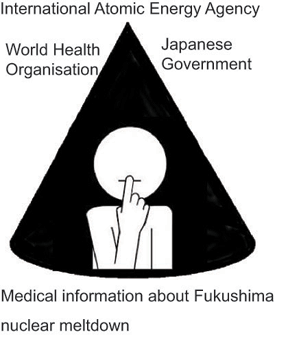
UN, Japan, Concealing Extent of Fukushima Catastrophe MWC News, By Sherwood Ross Friday, 01 August 2014 Japanese and United Nations authorities have placed “a cone of silence” over medical information an endangered Japanese public is entitled to have about the Fukushima nuclear plant meltdown.
“It is obvious that there is collaboration between the World Health Organization(WHO) and the International Atomic Energy Agency(IAEA) and also the Japanese government…to hide, to lie, and to cover-up vital medical information that must be made available to the Japanese population,” says Dr. Helen Caldicott, the medical doctor who has been showered with honors and awards for her long-time opposition to the dangers of nuclear power manufacture and nuclear war.
“Many doctors have been ordered not to inform their patients that their symptoms could be related to radiation, leaving them in a state of despair,” Dr.Caldicott says. (They) “need to know the truth about their situation and that of their children.”
Dr. Caldicott, who has received 21 honorary doctorates for her work, says that to make matters worse, Japan Prime 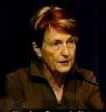 Minister Shinzo Abe “has passed a secrecy law which will almost certainly intimidate the media from keeping a very close watch over the tenuous (nuclear) plant.”
The government, she says, and Tokyo Electric Power Co.(TEPCO), “have been reluctant to divulge reliable data and information about radioactive releases, the ongoing state of the severely damaged reactors, the continuous outflow of radioactive water into the sea, and the possibility of a serious accident and radiation release in the event of another earthquake greater than 7 on the Richter scale which could well trigger the collapse of the seriously damaged buildings numbers 3 and 4.”
Damaged Building 3 contains over 100 tons of molten radioactive fuel which “would almost certainly release massive quantities of radioactive elements…threatening millions of people with radioactive contamination,” Dr. Caldicott points out.
She goes on to say that if precariously damaged Building 4 should collapse, 400 tons of extremely radioactive fuel will plunge 100 feet to the ground, releasing its cooling water with possible ignition of the fuel. This could release ten times more cesium than was released at Chernobyl or the equivalent of 14,000 Hiroshima-sized bombs.
What’s more, of the 800,000 healthy youngsters called “liquidators” brought in by the Government from around Russia to fight the burning reactor, within 19 years more than 120,000 were dead.
Dr. Caldicott urged the public to “demand that TEPCO and the Japanese government continually inform the public about the events that are and will be occurring at the Fukushima reactors, without cover-ups and denials of the facts.”
Should another major release of radiation occur, she said, the public must be informed immediately and evacuation begun immediately. http://mwcnews.net/focus/politics/44145-fukushima-catastrophe.html#sthash.5cgmPLZn.dpuf
1 This Month


No Nuclear in Cwm Llynfi! Stop the nuclear power station near Maesteg.


4 August – WEBINAR – Hiroshima & Nagasaki: Nuclear Bombs Never Again
Tuesday, Aug. 4 at 5 pm PT / 8 pm ET.
Aug 5, 2026 10:00 AM in Australia/Melbourne
Join the Nuclear Bombs Never Again webinar on August 4th at 5pm Pacific Time / 8pm Eastern Time / 9am Japan Standard Time.
Cross generational voices at the intersection of Japan-Korea-US policy and militarization will share their lived experiences, nuclear impacts in these contexts, anti-war strategies, and actions you can take to advocate for a world with Nuclear Bombs Never Again. This 75-minute event is co-hosted by WILPF US and Korea Peace Now.
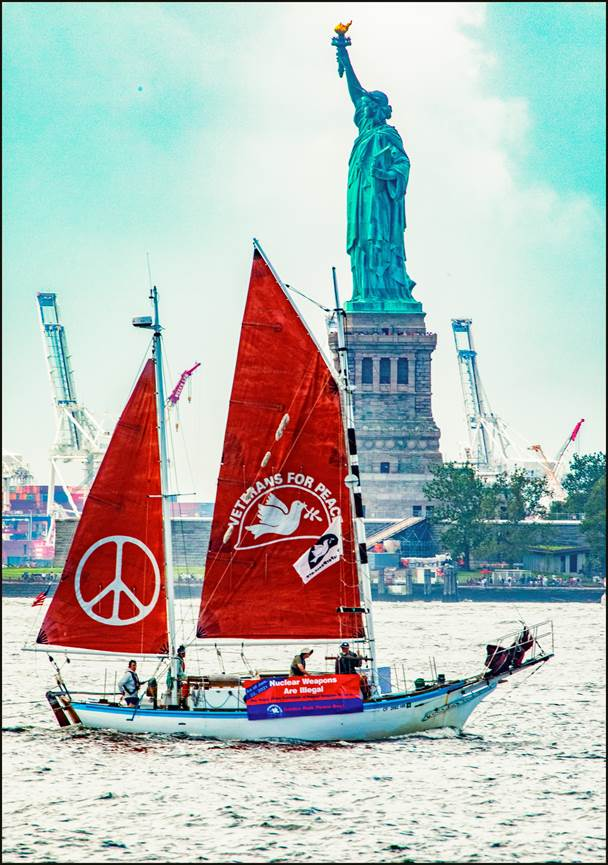
22,000+ miles voyaging for nuclear disarmament
and a radiation-free environment https://vfpgoldenruleproject.org/
To see nuclear-related stories in greater depth and intensity – go to https://nuclearinformation.wordpress.com
-
Archives
- July 2026 (356)
- June 2026 (287)
- May 2026 (306)
- April 2026 (356)
- March 2026 (251)
- February 2026 (267)
- January 2026 (308)
- December 2025 (358)
- November 2025 (359)
- October 2025 (375)
- September 2025 (257)
- August 2025 (319)
-
Categories
- 1
- 1 NUCLEAR ISSUES
- business and costs
- climate change
- culture and arts
- ENERGY
- environment
- health
- history
- indigenous issues
- Legal
- marketing of nuclear
- media
- opposition to nuclear
- PERSONAL STORIES
- politics
- politics international
- Religion and ethics
- safety
- secrets,lies and civil liberties
- spinbuster
- technology
- Uranium
- wastes
- weapons and war
- Women
- 2 WORLD
- ACTION
- AFRICA
- Atrocities
- AUSTRALIA
- Christina's notes
- Christina's themes
- culture and arts
- Events
- Fuk 2022
- Fuk 2023
- Fukushima 2017
- Fukushima 2018
- fukushima 2019
- Fukushima 2020
- Fukushima 2021
- general
- global warming
- Humour (God we need it)
- Nuclear
- RARE EARTHS
- Reference
- resources – print
- Resources -audiovicual
- Weekly Newsletter
- World
- World Nuclear
- YouTube
-
RSS
Entries RSS
Comments RSS
 nuclear-news