Severn Estuary – internationally significant fish nursery – threatened by Hinkley radioactive mud
Four Weeks to Save-the-Severn estuary!
Energy giant, EDF, has been dumping millions of tonnes of mud and sediment contaminated by the decades of discharges from the Hinkley nuclear power stations. Dumping is convenient and cheaper than using the sediments on their construction site. They are dredging these sediments to build a giant seawater extraction system for cooling water, which will be short-lived as its slaughter of millions of fish a year has to end. This Estuary is an internationally important fish nursery and Marine Protection Area.
Despite fierce opposition, dumping of Hinkley mud and sediment went ahead off Cardiff in 2018 and it’s too late to change what happened. Since that time, increased radioactivity has been detected in coastal mud. It could have been different. Now they have a licence to dump off Portishead, Bristol – but we have Court permission to challenge that licence and stop EDF resuming dumping in April.
Save The Severn, an independent, science-led campaign group, have won a day in court to challenge further dumping. Without the effort and expense of delaying EDF through legal means, the bosses of the company would be able to simply do as they please. Can you help to ensure the legal case is heard?
The court case is heard on Tue 8 March 2022. We have four weeks to save the Severn Estuary and many donations from £1 upwards will reach our target. It’s easy to do, please visit the Save The Severn fundraising page here:
The radioactive ‘Cumbrian mud patch’ would be shaken up by a coal mine at theSellafield site

A tsunami of radioactive wastes now largely inert (apart from tidal processes) would be resuspended in the water column – returning to the shores and to the rest of the world. It takes only 4 years for Sellafield’s seaborne waste to reach the Arctic. The coal mine would cause subsidence and resulting resuspension of nuclear wastes.
| *Sellafield** A great article by Paul Brown below – there is however a big elephant in the room regarding this story. The elephant in the room is the Cumbrian Mud Patch – the radioactive silts on the Irish Sea bed resulting from decades of reprocessing. The coal mine due to be decided upon soon by Government (after Planning Inspector Stephen Normington makes his recommendation) would churn up this nuclear crapola on the seabed. A tsunami of radioactive wastes now largely inert (apart from tidal processes) would be resuspended in the water column – returning to the shores and to the rest of the world. It takes only 4 years for Sellafield’s seaborne waste to reach the Arctic. The coal mine would cause subsidence and resulting resuspension of nuclear wastes. The coal mine would cause earthquakes. Both these outcomes are not “likely” they are certain. The coal mine CEO is also employed by government as advisor on the plans for a deep (and not so deep) nuclear dump for heat generating nuclear wastes – you couldn’t make it up. Keep Cumbrian Coal in the Hole 12th Feb 2022https://keepcumbriancoalinthehole.wordpress.com/2022/02/12/decades-of-sellafields-reprocessing-waste-on-irish-sea-bed-could-be-churned-up-by-coal-mine-subsidence/ |
Environmental Working Group (EWG) urges Biden to reject ‘outrageous’ call for more nuclear power subsidies in clean energy agenda

“Nuclear power is truly an example of privatizing profits and socializing risks.”
EWG urges Biden to reject electric utility executives’ call for more nuclear power subsidies in clean energy agenda. https://www.ewg.org/news-insights/news-release/2022/02/ewg-urges-biden-reject-electric-utility-executives-call-more WASHINGTON – President Joe Biden is meeting today with top executives from several investor-owned electric utilities who want Congress to approve vital clean energy tax credits as part of Biden’s Build Back Better agenda. But they are also seeking new federal subsidies for existing nuclear power plants that the Environmental Working Group is urging the president to oppose.“Nuclear power is truly an example of privatizing profits and socializing risks.”
The Build Back Better plan is a broad infrastructure proposal and includes some important tax credits that the utilities support. They would help expand utility-scale solar projects and boost sales of electric vehicles, crucial steps in fighting the climate emergency.
But the call for wasting more federal tax dollars propping up uneconomic and dangerous nuclear power plants too is an outrageous request, noted EWG.
“Nuclear power is a relic of the electricity sector, and a dangerous and extremely expensive one that has cost taxpayers billions of dollars,” said EWG President Ken Cook. “The federal government must stop throwing away money propping up the nuclear industry and instead make critical investments to expand safe, clean renewable energy.”
“President Biden and congressional leaders can and should unravel the federal government’s long history of pouring scarce resources into this failed industry and its legacy of radioactive waste and the enormous threat it poses to the public,” said Cook.
Nuclear power has never been financially viable and never will be, so new subsidies make no sense. It has the distinction of a permanent negative learning curve – costs always rise and never decline – despite 60 years of taxpayer-funded research and development, construction risks dumped onto ratepayers to lure private financing, a series of bailouts worth tens of billions to the industry, and billions wasted on upgrades to keep aging power plants running that could have been much more wisely spent replacing them.
“It is time to systematically replace nuclear power with modern clean energy technology and to stop burdening ratepayers and taxpayers with this financial albatross,” said Cook. “Nuclear power is truly an example of privatizing profits and socializing risks.”
In its 2021“None of the Above” series calling out dirty and dangerous power sources that should quickly be replaced by clean, safe and renewable energy, such as solar and wind, EWG likened nuclear power to “nothing more than a public works project with no prospects for the future that has failed financially while generating huge amounts of radioactive waste, with no viable method of disposal, that will linger for thousands of years.”
The Environmental Working Group is a nonprofit, non-partisan organization that empowers people to live healthier lives in a healthier environment. Through research, advocacy and unique education tools, EWG drives consumer choice and civic action. Visit www.ewg.org for more information.
Electromagnetic radiation, said by telecom companies to be harmless, could be hurting wildlife.
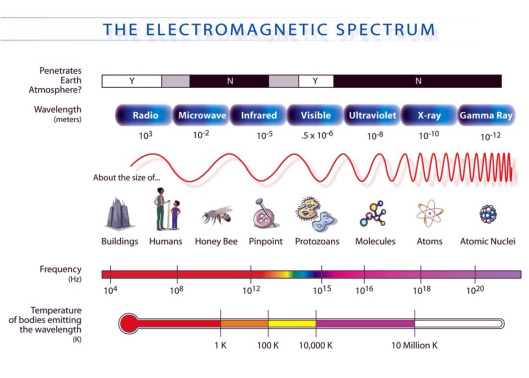
EMFs’ toxic effects on an animal’s cells, DNA and chromosomes have been observed in laboratory specimens — and thus would apply to wildlife, according to the report.
Many types of wildlife are exposed to EMFs from wireless sources, such as deer, seals, whales, birds, bats, insects, amphibians and reptiles, the report said. Many species have been found more sensitive to EMFs than humans in some ways.
Report says wireless radiation, said by telecom companies to be harmless, could be hurting wildlife Source: Environmental Health TrustSanta Fe New Mexican, By Scott Wyland swyland@sfnewmexican.com, Feb 5, 2022
Health researchers raised concerns in the 1990s about the possible harmful effects of wireless radiation from cellphones and towers, and their warnings met pushback from telecommunications companies on the verge of growing a mega-industry.
Industry-backed researchers assured federal agencies health concerns — especially those centered on the possibility of low-level microwaves causing cancer — lacked conclusive evidence.
Regulators accepted their assessments, and the alarm bells went silent.
Now a trio of researchers have compiled a report saying the widespread installation of cell towers and antennas is generating electromagnetic fields — EMFs for short — that could be physiologically harmful.
The report focuses on potential impacts on wildlife, trees, plants and insects, such as bees, because there are no regulations protecting them from EMFs emanating from wireless antennas. Wildlife protections are becoming more vital as this radiation — known more specifically as radiofrequency EMFs — escalates through 5G technologies, the researchers warn.
“There needs to be regulatory standards to address EMFs affecting wildlife,” said Albert Manville, a retired U.S. Fish and Wildlife Service biologist and one of the paper’s authors.
Manville also is an adjunct science professor at Johns Hopkins University.
He said he provided the Federal Communications Commission with some research on how the electromagnetic pollution can hurt wildlife and the steps that could be taken to lessen the impacts.
But the FCC has been unresponsive, Manville said, arguing the agency tends to accommodate the industry it’s supposed to regulate.
“That’s unfortunate, but that’s just the way it is,” he said.
The FCC did not respond to questions about whether it would consider making efforts to reduce animals’ EMF exposure.
The three authors drew from 1,200 peer-reviewed studies to compile a three-part, 210-page report titled “Effects of non-ionizing electromagnetic fields on flora and fauna.” It was published in the journal Reviews on Environmental Health.
Science journalist Blake Levitt, who also co-wrote the report, said they dug up overlooked studies that contained compelling research on how living organisms react to low-level EMFs. Their compilation invalidates any claims that the EMFs don’t cause biological effects, she said.
We just blew the whole thing out of the water and took it to the ecosystem level, which is really where it needed to go,” Levitt said. “Nobody had done that before. We need a whole lot more scrutiny put to the low-intensity stuff.”
Ambient EMFs have risen exponentially in the past quarter-century, as cellphones were widely adopted, to become a ubiquitous and continuous environmental pollutant, even in remote areas, the report said, adding studies indicate EMFs can affect animals’ orientation, migration, food finding, reproduction, nest building, territorial defense, vitality, longevity and survival.
EMFs’ toxic effects on an animal’s cells, DNA and chromosomes have been observed in laboratory specimens — and thus would apply to wildlife, according to the report.
Many types of wildlife are exposed to EMFs from wireless sources, such as deer, seals, whales, birds, bats, insects, amphibians and reptiles, the report said. Many species have been found more sensitive to EMFs than humans in some ways.
The report recommends new laws that include the redesign of wireless devices and infrastructure to reduce the rising ambient levels.
It comes several months after a federal court in Washington, D.C., ordered the FCC to review its guidelines for wireless radiation and justify why it should retain them, as the standards haven’t been updated since 1996. This radiation should not be confused with radioactivity, the court noted, adding microwaves used in transmitting signals are low enough to not heat tissues in what are known as “thermal effects.”
But medical studies suggest the lower-level radiation could cause cancer, reproductive problems, impaired learning and motor skills, disrupted sleep and decreased memory.
These studies and others were submitted to the FCC after it opened a notice of inquiry in 2013 under the administration of former President Barack Obama to probe the adequacy of the 1996 guidelines, which were geared toward avoiding thermal effects, the court said.
In 2019, the Trump administration’s FCC deemed the inquiry unnecessary, saying the 1996 rules were sufficient and required no revision.
Two judges called that FCC action “arbitrary and capricious,” saying the FCC made the decision out of hand, ignoring all the science presented and offering no reasonable, fact-based argument to back it up.
The agency also failed to look at the technological developments in the past 25 years and how they’ve changed the degree of exposure, the judges wrote. And they said it refused to examine possible health effects from EMFs that fall below the threshold set in 1996……………………………….. https://www.santafenewmexican.com/news/local_news/report-says-wireless-radiation-said-by-telecom-companies-to-be-harmless-could-be-hurting-wildlife/article_1ae80fc0-7d5d-11ec-8c13-4f3411ea8ea1.html
Lake animals near Chernobyl have mutations

Lake animals near Chernobyl have mutations https://beyondnuclear.org/lake-animals-near-chernobyl-have-mutations/ February 4, 2022
Animals in lakes close to the Chernobyl nuclear reactor have more genetic mutations than those from further away – giving new insight into the effect of radiation on wild species, researchers at the University of Stirling have found, writes Brendan Montague in The Ecologist.
DNA analysis of freshwater crustaceans, called Daphnia (pictured on original), revealed greater genetic diversity in lake populations that experienced the highest radiation dose rates following the accident in 1986.
Radiation is the primary cause of these genetic mutations, according to Dr Stuart Auld, who led the research.
Dr Auld, of Stirling’s faculty of natural sciences, said: “Chernobyl is a natural experiment in evolution, because the rate of genetic mutation is higher, and all evolutionary change is fuelled by mutations.
“Normally you have to wait for generations to see the effect of the environment on mutations, and most mutant animals are pretty damaged so don’t live long.
“By sequencing non-coding DNA – bits of genetic code that don’t actually affect the form or function of the organism – we were able to uncover these mutations.”
Dr Jessica Goodman collected the crustaceans using a kayak and net from lakes at varying distances from Chernobyl as part of her PhD. She flew the samples back to the lab at Stirling, where Dr Auld’s team isolated and analysed the DNA.
The research was assisted by June Brand at the University of Stirling and Gennady Laptev from the Ukrainian Hydrometeorological Institute in Kiev. It was funded by the Natural Environment Research Council.
The paper Radiation-mediated supply of genetic variation outweighs the effects of selection and drift in Chernobyl Daphnia populations is published in the Journal of Evolutionary Biology.
UK close to opening coal mine under Marine Conservation Zone just 5 miles from Sellafield nuclear facility!
The Coal Mine planning inspector Stephen Normington will, any day now, be
making his recommendation to government (the same government who have
appointed the coal boss as nuclear dump advisor). Then the final decision
will be with Secretary of State Michael Gove on whether or not to open a
new coal mine under the Marine Conservation Zone off St Bees and just five
miles from Sellafield. Concerns, aside from climate, raised by Keep
Cumbrian Coal in the Hole since 2017, regarding seismic, nuclear and marine
impacts have been well and truly ‘talked over’ despite our vehement
campaigning.
Keep Cumbrian Coal in the Hole 5th Feb 2022
US DOE announces clean-up progress at Savannah River Site
US DOE announces clean-up progress at Savannah River Site, NEI Magazine, 31 January 2022 The US Department of Energy’s (DOE’s) Office of Environmental Management (EM) and its clean-up contractor at the Savannah River Site (SRS) have reached an important record of decision (ROD) agreement with South Carolina and federal environmental regulators on the final clean-up of a 25-mile-long stream corridor at the site.
The corridor consists of Par Pond, nine miles of canals adjacent to the pond and a stream named Lower Three Runs. The stream begins near the centre of the site, just above Par Pond, and winds its way southward across SRS.
SRS, a 310-square-mile-site in Aiken, South Carolina, focused on the production of plutonium and tritium for use in the manufacture of nuclear weapons from its inception in the early 1950s until the end of the Cold War. In 1992, the focus turned to environmental clean-up, nuclear materials management, and research and development activities……………………
SRNS Engineer and Project Technical Lead Jim Kupar explained that much of the remaining work involves ensuring additional fencing and signage are in place to warn site workers and the public that potential hazards may be present. “Though it is illegal for the public to cross the fencing onto SRS, our first priority is always their safety,” he said.
He added that surveying 25 miles of waterways, especially Lower Three Runs, was often challenging and sometimes potentially hazardous within the forest………………….. https://www.neimagazine.com/news/newsus-doe-announces-clean-up-progress-at-savannah-river-site-9448456
The more radiation, the weirder Fukushima’s fir trees became.
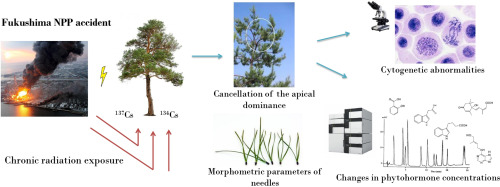
NUCLEAR DISASTER IN JAPAN DID SOMETHING STRANGE TO TREES https://futurism.com/the-byte/nuclear-japan-trees
SOMETHING IS UP WITH THOSE TREES. by ABBY LEE HOOD ( Journalist) They didn’t grow any larger or suddenly become sentient, but the trees outside the Fukushima Daiichi Nuclear Power Plant are definitely acting weird, according to a new study published earlier this month in the journal Plants.
Researchers from multiple universities in Italy and Brazil studied fir trees growing near the plant, which was destroyed in 2011 following a severe earthquake. The scientists studied whorls — nodes where leaves, branches or other plant parts grow from a central point — and found that fir trees around Fukushima exhibited weird growth patterns around them.
“These conifers showed irregular branching at the main axis whorls,” reads the study, spotted by Newsweek. “The frequency of these anomalies corresponded to the environmental radiation dose rate at the observed sites.”
The more radiation, in other words, the weirder the trees got.
Circle of Life
It’s pretty interesting that trees affected by nuclear radiation grow in funky patterns and are still affected by material in the soil near Fukushima. But even more important is the team’s goal of learning how to better take care of people caught up in similar, future disasters, and to create better emergency management plans.
“Ten years have passed since the FNPP accident, and still the large-scale effects are visible,” the researchers concluded. “Learning from past incidents and implementing this knowledge can make a significant difference in terms of lives and costs in healthcare management.”
We may not always be good stewards of the environment around us, but nature seems happy to provide cautionary tales for humanity to learn from all the same.
More on Fukushima weirdness: Scientists Monitoring Radioactive Snakes Near Fukushima Meltdown Site
What’s the situation of Bikini atoll and its people now?
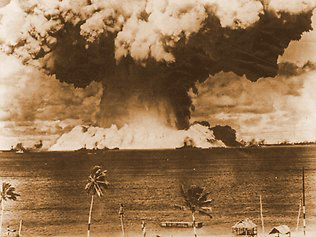
What Bikini Atoll Looks Like 60 Years Post-Nuclear Testing https://www.thetravel.com/bikini-atoll-nuclear-testing-can-you-visit-now/
Bikini Atoll sounds like a tropical paradise, but its history includes that of nuclear testing… So, what does it look like six decades following?
BY AARON SPRAYPUBLISHED 1 DAY AGO Bikini Atoll is an example of a tropical paradise-come-fire-and-brimstone apocalypse. It is a coral reef in the Marshall Islands made up of 23 islands that surround a large central lagoon. After WW2 all of the atoll’s population were forcibly relocated in 1946 to make way for a nuclear testing site for the United States.
Between 1946 and 1958 Bikini Atoll was subjected to 23 nuclear tests by the United States. And here is to be found the sunken American nuclear fleet. Another stunning lagoon to see a ship graveyard is in Truk (Chuuk) Lagoon in Micronesia.
The American authorities had promised the Bikini Atoll’s residents they would be able to return home after they were done nuking their home. Most of the islanders agreed to leave and moved to Rogerik Atoll and then Kili Island. But both of these new islands were unable to sustain them forcing the government to keep giving them aid.
After the end of the nuclear tests, three families were resettled on Bikini Island in 1970 (about 100 residents). But dangerously high levels of contamination were found in the well water and they were evacuated again in 1980.
In the end, the United States paid the islands and their descendants $125 million in compensation.
Fukushima nuclear radiation has had strange effects on plants and trees
Fukushima Radiation Made Japanese Fir Trees Go Haywire After Nuclear Disaster Newsweek, BY ORLANDO JENKINSON ON 1/27/22 Plants in Fukushima are growing in abnormal ways because of the radiation left over from the 2011 nuclear accident, a study suggests.
In a study published on January 15 in the journal Plants, scientists described changes to the structure of plants and trees in areas close to where a partial meltdown occurred at Fukushima Dai-ichi Nuclear Power Plant (FNPP) after an earthquake caused a tsunami that overwhelmed the plant’s cooling systems.
………….. To come to their conclusion, researchers examined the whorls—the places on plants where foliage like leaves, petals or needles spread out from a central point.
Instead of branching out in the expected way, the whorls showed irregular growths and even elimination of some shoots in ways not seen on trees that avoided radiation.
What is more, the number of strange mutations like this corresponded with the amount of radiation the trees were hit with. Researchers said that the rate of mutations was “directly proportional to the dose of ionizing radiation to which the conifers had been exposed.”
The authors of the paper said that another abnormality they found was the “deletion” of shoots of Japanese fir and red pine trees. This happened most often after the spring of 2012, and peaked in 2013, though precisely why remains a mystery.
The paper consequently offered further evidence that ionizing radiation like that produced by nuclear accidents can alter the structure of conifer trees.
The authors noted that the abnormalities they uncovered were like those found on Scots Pine trees in the Chernobyl Exclusion Zone, the 18.6-mile radius surrounding the site of the Chernobyl nuclear disaster in the former Soviet Union in 1986. https://www.newsweek.com/fukushima-radiation-japanese-fir-trees-haywire-nuclear-disaster-1673577
Sizewell C nuclear plant will have catastrophic effects on nature, and the Minsmere nature reserve.

RSPB officials have expressed dismay at the government’s decision to back the potential Sizewell C nuclear plant with £100million of funding. The proposed twin reactor development would be built next to Sizewell B, close to the RSPB Minsmere nature reserve. The RSPB and the Suffolk Wildlife Trust have long been opposed to the development because they say it will lead to a large loss of habitat for animals and could see millions of dead fish pumped into the sea each year. EDF has always maintained that the power station would help biodiversity by helping to tackle climate change. A spokesperson for the RSPB said: “The RSPB is shocked to hear that the government will be investing £100million of tax payer’s money in Sizewell C before a decision has been made to build it. The government claim to want to be a world leader in their response to the nature crisis. That’s a great ambition, but it is utterly incompatible with throwing £100m at a development that could have catastrophic impacts on nature. East Anglian Daily Times 27th Jan 2022 https://www.eadt.co.uk/news/business/suffolk-groups-react-to-sizewell-c-100m-8649412 |
Increased mutations in animals affected by Chernobyl radiation
New insights into the effects of radiation from Chernobyl
by University of Stirling Phys Org. 26 Jan 22, Researchers at the University of Stirling have found that animals in lakes closest to the Chernobyl nuclear reactor have more genetic mutations than those from further away, giving new insight into the effect of radiation on wild species.
DNA analysis of freshwater crustaceans, called Daphnia, revealed greater genetic diversity in lake populations that experienced the highest radiation dose rates following the accident in 1986. Radiation is the primary cause of these genetic mutations, according to Dr. Stuart Auld, who led the research.
Dr. Auld, of Stirling’s Faculty of Natural Sciences, said: “Chernobyl is a natural experiment in evolution, because the rate of genetic mutation is higher, and all evolutionary change is fuelled by mutations.
“Normally you have to wait for generations to see the effect of the environment on mutations, and most mutant animals are pretty damaged so don’t live long. By sequencing non-coding DNA—bits of genetic code that don’t actually affect the form or function of the organism—we were able to uncover these mutations………..
The paper, “Radiation-mediated supply of genetic variation outweighs the effects of selection and drift in Chernobyl Daphnia populations,” is published in the Journal of Evolutionary Biology. https://phys.org/news/2022-01-insights-effects-chernobyl.html
Rockets Destroy Ozone and Cause Climate Change – Aerospace Programs’ Deadly Impacts to the Earth.
 | |||

Rockets Destroy Ozone and Cause Climate Change – Aerospace Programs’ Deadly Impacts to the Earth https://www.globalresearch.ca/rockets-destroy-ozone-and-cause-climate-change-aerospace-programs-deadly-impacts-to-the-earth/5767944By Nina BeetyGlobal Research, January 24, 2022 Since its beginnings, the space industry has used PR, Hollywood, and a parade of stars to carve itself into the public psyche, including targeting children. Aerospace costs have been largely ignored or hidden, but these costs are serious and accelerating.
The ozone layer in the sky continues to deteriorate despite international action such as the ban on CFCs. The Antarctic ozone hole is becoming permanent year-round, and the soothing green and blue on NASA’s maps actually signifies low ozone levels.1 The aerospace industry is a major factor in this problem. Dallas etal. (2020): [O]zone depletion is one of the largest environmental concerns surrounding rocket launches from Earth.”2 Why?
1. Rockets’ radical emissions cause immediate, almost total ozone destruction for hundreds of square miles and which lasts days.3
2. Rockets’ exhaust and pollutants introduced into the stratosphere persist there and react with and destroy ozone over the long term.4
3. The sun creates the ozone layer by changing oxygen into ozone in the stratosphere. But rockets put pollutants such as exhaust, water vapor, black carbon, and fuel components such as alumina into the stratosphere, blocking the sun’s rays. This reduces the sun’s creation of ozone, reducing ozone layer repair and replenishment. The long-lived rocket byproducts persist in the stratosphere for 3-5 years,5 and accumulate with every rocket launch, decreasing ozone regeneration with each launch.6
4. The shockwave of de-orbitting debris, satellites, and rockets creates nitric oxide which destroys ozone.7
There is no environmental oversight. Researchers including Martin Ross, Darin Toohey, and James Vedda have repeatedly warned the industry,8 but the industry and governments are escalating space funding and programs instead.
Prior to 2021, 2000 satellites were in orbit around the Earth. Then in 2021, 2800 satellites were launched — more than doubling the total in just one year.9 However, the FCC has approved 17,270 low-earth-orbit (LEO) satellites. 65,912 more LEO applications are pending. Governments and private companies plan an additional 30,947+. Rwanda has applied to the ITU for a staggering 327,320 satellites (Firstenberg, 2022). These numbers don’t include systems fewer than five satellites, geostationary, or medium earth orbit (MEO) satellites, or rockets into space.
These programs will acceleratingly destroy the ozone layer which is essential to protect the Earth and life.10 NASA discovered in 2007 that UV-C and UV-B were already reaching the Earth and failed to act.11 UV radiation is having lethal effects on species now.
LEO satellites are very short-lived, lasting 5-7 years; the U.S. military plans 3-year duration satellites. These LEOs need frequent replacement via rocket launch.
Aleksandr Dunayev of the Russian Space Agency said in 1991: “About 300 launches of the [space] shuttle each year would be a catastrophe, and the ozone layer would be completely destroyed.”12
Science author Arthur Firstenberg says: “In 2021, there were 146 orbital rocket launches to put 1,800 satellites into space. At that rate, to maintain and continually replace 100,000 low-earth-orbit satellites, which have a lifespan of five years, would require more than 1,600 rocket launches per year, or more than four every day, forever into the future.”13 That’s over five times the amount to totally destroy the ozone layer.
The long-lived rocket pollution in the stratosphere also traps Earth’s natural and human-made heat under a rapidly thickening blanket, preventing the heat from venting into space. This will increasingly raise Earth’s temperature.14 This has nothing to do with carbon or methane. However, the increased heat will release methane stored in permafrost and formerly ice-covered regions, and this methane will poison Earth.
These satellite systems are largely intended for 4G/5G global Wi-Fi, military warfighting, and the Internet of Things. They exponentially increase RF-EMF radiation levels in the atmosphere and on Earth. This radiation damages health and causes environmental damage. It damages neurology, DNA, cell membranes, the brain, cognition, learning, memory, immunity, reproduction and fertility, blood, and mitochondria, dysregulates hormones, the blood-brain barrier, and sleep cycles, and causes cancer, stroke, heart attacks, and oxidative stress.15
It disrupts wildlife’s ability to navigate and orient by Earth’s natural EMF fields. Bees, insects, and birds are particularly vulnerable.16 The U.S. Department of Interior warned in 2014 about the devastating impacts to birds from this radiation.17 In 2020, a 5G military/SpaceX “live fire” drill killed up to millions of birds in the Southwest.18 Western governments and the FCC ignore the substantial research showing devastating impacts.
What a disaster.

Another problem: dead spacecraft and debris are rapidly accumulating in the sky, creating collision hazards for other rockets, satellites, and the space stations.19 Every collision creates more debris, leading to more collisions. Unstoppable chain-reaction collisions – Kessler Syndrome — are inevitable. It is increasingly difficult to navigate through these debris fields.
High rates of satellite failure leave dead, unmaneuverable satellites in orbit. The new large constellations will dramatically worsen this problem.20
All of this debris, computers, electronic and chemical waste, radioactive elements, weapons, dead satellites, rocket parts, and dust come down. Aerospace officials and agencies, including the FCC,21 talk nonsense about “disposal” via “safe” de-orbitting and vaporization, as if the waste simply disappears.
The reality is that de-orbitting and vaporization create new problems — exploding burning debris, aerosolizing toxins, metals, paints, fuels, and other chemicals. They fall into the lower atmosphere to pollute the soil, ocean, waters, and air we breathe. “Vaporized” means it explodes into tiny particles and dust.
With these large constellations of short lifespan, increasing failures, and launch rocket debris, a barrage of debris and fall-out and increasing atmospheric dust are just beginning.
All of this debris burns at very hot temperatures as it re-enters the atmosphere, with big and little chunks landing everywhere.22 Exponential increases in fall-out increases the risk for fires, injuries, deaths, and property damage. A large chunk of space debris fell into a Michigan family’s yard and just missed hitting anyone.23 Hot debris fell in Chile last year causing fires.24 A Russian satellite that was supposed to stay in orbit for ten thousand years fell out of orbit this month and possibly landed in the Pacific Ocean.25
In 2020, the FCC proposed an “acceptable” casualty rate of 1 in 10,000 from falling satellites and rockets.26 The FCC also discussed liability and indemnity. However, any liability depends on debris being attributable to a company or government. Otherwise, injured parties would likely have limited or no recourse.
Direct land, air, and ocean pollution from dumping, rocket liftoffs, launch pad runoff and accidents, is another terrible problem.27
No one is discussing this.
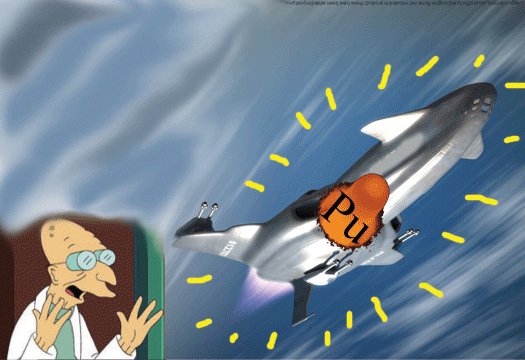
The US also wants to put nuclear power into space 28 — reactors in the sky — and awarded a major contract to a team that includes GE, the company which engineered the flawed Fukushima reactors.29 Rockets can explode at launch, malfunction after launch, or fail to reach orbit. This last happened with SNAP 9-A in 1964. As a result, 2.1 pounds of plutonium-238 “vaporized in the atmosphere and spread worldwide… Dr. John Goffman …concluded that the dispersed deadly plutonium-238 was a leading cause of the increase in cancers around the world today.”30 There have been other space nuclear accidents. Officials don’t seem to care.
The militarization of the atmosphere, space, and the moon risk World War III — another problem. 5G in space will control weapons systems on Earth and in the ocean, 31 including military sonar already responsible for killing hundreds of thousands of dolphins, whales, and other marine animals.32

The militarization of the atmosphere, space, and the moon risk World War III — another problem. 5G in space will control weapons systems on Earth and in the ocean, 31 including military sonar already responsible for killing hundreds of thousands of dolphins, whales, and other marine animals.32
Elon Musk/SpaceX in partnership with the US government has endangered Chinese astronauts by getting too close to their space station.33 Musk is the same man who advocates nuking Mars and saying the U.S. can coup whatever country it wants for rare earth minerals such as lithium.34 The military and its contractors are not guided by responsible, calm leaders. The worst is already happening.
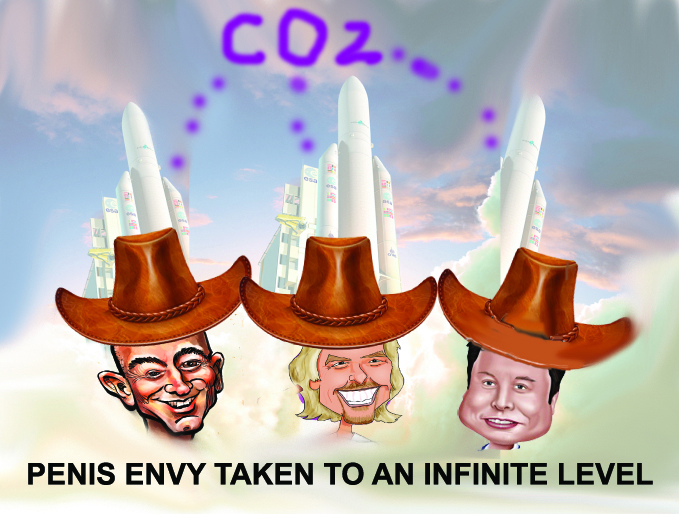
Add to that accelerating plans to exploit, extract, militarize, and privatize the sovereign moon which stabilizes Earth’s rotation and climates, creates the tides, and is essential to all life, as I detailed in my previous article.35 Who’s protecting the moon and the Earth?
Military conquest, profiteering through extraction, mining, tourism, and exploitation are the main goals driving the expenditure of public monies and private investment, not pretty space pictures or neutral, scientific “exploration”. The plutonium ecocide of Saturn by the space industry via the Cassini probe should have been a wakeup call to pull the plug on NASA and the aerospace industry before more planets are destroyed including the Earth.
Subsidizing this industry has caused a brain drain into its high-paying jobs, neglecting and hampering work on Earth’s urgent problems. And the aerospace industry has siphoned off billions in public funds that could fund solutions, while causing expensive environmental problems to be dealt with “later”. The $10 billion dollar Webb telescope is one recent example. Decisionmakers are dashing headlong toward the mirage of a new Gold Rush.
It’s time to strip back the curtain and reveal the protected astronauts, aerospace moguls, and rocket scientists. They are not heroes. They are destroying the Earth. The joy rides of William Shatner and Jeff Bezos were sickening.
Those who want to stop climate change and protect the ozone layer must halt the space programs including space tourism and military programs.
Those who would protect the environment must stop these programs and do it now.
This is common sense. This is about Earth protection. This is about growing up.
Stop the rockets. Defund the space programs. Protect the Earth now.
Scientists trace the path of radioactive cesium in the ecosystem of Fukushima

Scientists trace the path of radioactive cesium in the ecosystem of Fukushima https://phys.org/news/2022-01-scientists-path-radioactive-cesium-ecosystem.html
by National Institute for Environmental Studies In 2011, the nuclear accident at Fukushima, Japan, resulted in the deposit of radioactive cesium (radiocesium) into habitats in the vicinity. A decade after the accident, researchers from the National Institute of Environmental Studies, Japan, have collated the complicated dynamics of radiocesium within forest-stream ecosystems. Understanding radiocesium flow in the environment could help mitigate contamination and inform future containment strategies.
In the aftermath of the Fukushima nuclear accident, the Japanese government performed intensive decontamination in the human-occupied parts of the affected area by removing soil surface layers. But a major affected region consists of dense, uninhabited forests, where such decontamination strategies are not feasible. So, finding ways to avoid the spread of radioactive contaminants like radiocesium to areas of human activity that lie downstream to these contaminated forests is crucial.
The first step to this is to understand the dynamics of radiocesium flow through forest-stream ecosystems. In the decade since the accident, a vast body of research has been dedicated to doing just that. Scientists from the National Institute of Environmental Studies, Japan, sifted through the data and detangled the threads of individual radiocesium transport processes in forest-stream ecosystems. “We identified that radiocesium accumulates primarily in the organic soil layer in forests and in stagnant water in streams, thereby making them potent sources for contaminating organisms. Contamination management in these habitats is crucial to provisioning services in forest-stream ecosystems,” says Dr. Masaru Sakai, who led the study. The findings of this study was made available online on 6 July 2021 and published in volume 288 of the journal Environmental Pollution on 1st November 2021.
The research team reviewed a broad range of scientific research on radiocesium in forests and streams to identify regions of radiocesium accumulation and storage. After the accident, radiocesium was primarily deposited onto the forest canopy and forest floor. This radiocesium reaches the earth eventually—through rainfall and falling leaves—where it builds up in the upper layers of the soil. Biological activities, such as those of detritivores (insects and fungi that live off leaf debris etc.) ensure that radiocesium is circulated through the upper layers of the soil and subsequently incorporated into plants and fungi. This allows radiocesium to enter the food web, eventually making its way into higher organisms. Radiocesium is chemically similar to potassium, an essential mineral in living organisms, contributing to its uptake in plants and animals. “Fertilizing” contaminated areas with an excess of potassium provides an effective strategy to suppress the biological absorption of radiocesium.
Streams and water bodies in the surrounding area get their share of radiocesium from runoff and fallen leaves. Most radiocesium in streams is likely to be captured by the clay minerals on stream beds, but a small part dissolves in the water. Unfortunately, there is little information on the relationship between dissolved radiocesium and aquatic organisms, like fish, which could be important to the formulation of contamination management strategies. Radiocesium in streams also accumulates in headwater valleys,pools, and other areas of stagnant water. Constructions such as reservoir dams provide a way to effectively trap radiocesium but steady leaching from the reservoir sediments causes re-contamination downstream.
This complicated web of radiocesium transport is hard to trace, making the development of a one-stop solution to radiocesium contamination impossible. Dr. Sakai and team recommend interdisciplinary studies to accelerate a full understanding of radiocesium pathways in forest-stream ecosystems so that measures can be developed to reduce future contamination. “This review can serve as basal knowledge for exploring future contamination management strategies. The tangled radiocesium pathways documented here may also imply the difficulties of creating successful radiation contamination management strategies after unwished-for nuclear accidents,” explains Dr. Sakai.
Nuclear power is often touted as a solution to the energy crisis, but it is important to plan response measures to unpredictable contamination events. To address the essential need for clean energy in view of the climate crisis, contamination management in societies depending on nuclear power is integral. Fully understanding the behavior of radiocesium in ecosystems can not only lead to the successful management of existing contamination but can also ensure the swift containment of potential future accidents.
Nuclear power plants – ”no significant harm?”-risks of catastrophic accidents, wastes dangers to future generations, water consumption.
Not green and not sustainable, The science-based case for excluding nuclear power from the EU taxonomy, Beyond Nuclear, 15 Jan 2022, ”………………………Does the present generation of nuclear fission power plants ‘do no significant harm’?
To answer this question, two specific issues for nuclear power stand out: the risk of a catastrophic accident and the management of high-level nuclear waste (HLW). Nuclear fission energy is characterized by low probability, high consequence risks to humans and the environment. Even the JRC recognizes that the risk of a severe nuclear accident cannot be excluded, even in the best commercially available nuclear power plants.

The disaster in Fukushima (2011) was triggered by a process that these nuclear reactors were not “designed” to withstand. These circumstances shed light on the limitations of the technical risk assessments, which have not fully taken into account beyond design risks in particular of core melt accidents.
The events in Fukushima have made it apparent that such assessments are based on specific assumptions, for example on seismic safety or the maximum height of a tsunami, and that reality can disprove these assumptions. Deciding whether such risks belong to the category of ‘tolerable risks’ for a given society depends on the various risk regulation measures put in place. Especially relevant for nuclear fission power is the fact that the liability of the operator in the case of a severe accident is limited and the remaining costs are (largely) taken on by the state (privatization of profits, socialization of risks).
The Taxonomy architecture is not designed to cater for such risks that carry an intergenerational impact lasting for thousands of years, making it an unsuitable instrument to decide on the sustainable nature of nuclear power.

The characteristics and nature of HLW generated by the nuclear fission process present long-term intergenerational risks and thereby challenge the principle of ‘do no significant harm’ to the extent that nuclear fission energy may not be considered eligible for the EU Taxonomy.
This was made abundantly clear to the Commission in the TEG’s recommendations, which were not published in their entirety. Independent, scientific, peer-reviewed evidence compiled by TEG provided confirmation of the risk of significant harm arising from nuclear waste.
The back end of the fuel cycle is currently dominated by the containment of spent fuel rods and waste from nuclear power facilities. Safe and secure long-term storage of nuclear waste remains unresolved and has to be demonstrated in its operational complexity. Whilst the nuclear industry and international nuclear waste experts provide assurances of multiple engineered safeguards designed to reduce the risks from nuclear waste through geological disposal, the question remains whether, despite the solid scientific basis and thorough geological knowledge gathered, in the absence of experience with this technology, one can really guarantee that HLW will remain isolated from humans and the environment for thousands, let alone millions of years.
The fact that a ‘solution’ has to be found for the existing quantities of waste (as well spent fuel as conditioned high level waste forms), and that geological disposal is the least bad solution for this, does not imply that nuclear power can suddenly be classified as a ‘green’ energy source. It is therefore reasonable to conclude that the risks presented by nuclear fission energy to the ‘do no significant harm’ principle and technical screening criteria of the EU Taxonomy means that it can not be considered EU Taxonomy eligible or aligned as long as the technology and fuel cycle management has not proven to be sustainable as a whole.
Other concerns with regard to DNSH criteria
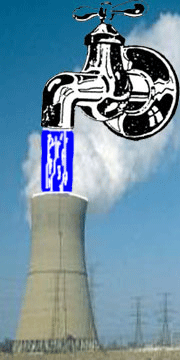
Nuclear fission power plants require about three cubic metres of cooling water per megawatt hour (MWh) produced. A nuclear plant’s cooling water consumption is higher than that of fossil-fuel plants. Throughout the world, new nuclear plants and existing plants increasingly face cooling water scarcity induced by heat waves, a situation that is likely to be aggravated by climate change. More efficient cooling technologies could be considered, but this adds to the already high costs of nuclear power plants.
For reasons of having access to enough cooling water, nuclear plants are mostly sited in coastal or estuarine locations, but this makes them vulnerable to flooding and extreme events that climate change may occasion. The siting of nuclear power plants along coastal zones presents adaptation risks associated with sea-level rise, water temperature rise, coastal erosion as well as natural catastrophes such as the Fukushima disaster demonstrates.
The Fukushima disaster reveals how powerless human operators are when nuclear systems escape full, continuous control. Instead of helping to address the impacts of the Tsunami as renewable energy sources would have, the devastated nuclear power plant strongly aggravated the emergency relief in the province and left huge new problems of liquid waste and radioactive waste resulting from infrastructure and land cleaning activities, never encountered before in densely populated industrial areas.
Furthermore, when major nuclear plant accidents occur significant land areas become unsuitable for human habitation (e.g. Chernobyl, Fukushima).
Advocates of nuclear power draw attention to the survival of natural flora and fauna in zones contaminated by radioactive materials and precluding human access. However, this is presumably not the type of ecological protection and resilience that the EU Taxonomy aims to achieve. Surface or underground mining and the processing of uranium ore can substantially damage surrounding ecosystems and waterways. The huge volumes of associated mining waste in developing countries are normally not considered in life cycle waste inventories of nuclear energy producing countries.
More critically, the adverse effects on local environmental conditions of routine discharging of nuclear isotopes to the air and water at reprocessing plants have not been considered thoroughly enough. A number of adverse impacts (of radiation) on soil/sediment, benthic flora and fauna and marine mammals has been demonstrated ……………………………… https://wordpress.com/read/feeds/72759838/posts/3774941784
1 This Month



Shut down the radiation-damaged Heysham nuclear reactors now
To see nuclear-related stories in greater depth and intensity – go to https://nuclearinformation.wordpress.com

Say No to NASA’s Reckless Nuclear Reactor on the Moon
Say No to NASA’s Reckless Nuclear Reactor on the Moon
-
Archives
- October 2026 (256)
- September 2026 (339)
- August 2026 (330)
- July 2026 (355)
- June 2026 (287)
- May 2026 (306)
- April 2026 (356)
- March 2026 (251)
- February 2026 (267)
- January 2026 (308)
- December 2025 (358)
- November 2025 (359)
-
Categories
- 1
- 1 NUCLEAR ISSUES
- business and costs
- climate change
- culture and arts
- ENERGY
- environment
- health
- history
- indigenous issues
- Legal
- marketing of nuclear
- media
- opposition to nuclear
- PERSONAL STORIES
- politics
- politics international
- Religion and ethics
- safety
- secrets,lies and civil liberties
- spinbuster
- technology
- Uranium
- wastes
- weapons and war
- Women
- 2 WORLD
- ACTION
- AFRICA
- Atrocities
- AUSTRALIA
- Christina's notes
- Christina's themes
- culture and arts
- Events
- Fuk 2022
- Fuk 2023
- Fukushima 2017
- Fukushima 2018
- fukushima 2019
- Fukushima 2020
- Fukushima 2021
- general
- global warming
- Humour (God we need it)
- Nuclear
- RARE EARTHS
- Reference
- resources – print
- Resources -audiovicual
- Weekly Newsletter
- World
- World Nuclear
- YouTube
-
RSS
Entries RSS
Comments RSS

