Promoting nuclear risks to reduce greenhouse emissions is the classic jump from the frying pan into the fire!
Nuclear Reaction , City Weekly By Katharine Biele @kathybiele 30 Mar 22,
”…….state Auditor John Dougall wondered on KCPW 88.3 FM about the “really green” option of nuclear power. Why they call it green is curious because nothing grows from nuclear energy, Public Citizen makes that really clear. There’s the mining of uranium and, of course, the waste issue. “Promoting nuclear risks to reduce greenhouse emissions is the classic jump from the frying pan into the fire!” Public Citizen says. https://www.cityweekly.net/utah/nuclear-reaction/Content?oid=18146456
Spending £4bn on a new nuclear station at Sizewell will not solve the government’s energy problems
Spending £4bn on a new nuclear station at Sizewell will not solve the government’s energy problems
Instead of sensible short-term measures to help those facing energy poverty, the government is focusing on a technology with a track record of failure Prospect Magazine
ByNick Butler March 30, 2022In the face of surging energy prices and the prospect of more problems as Europe turns off Russian gas supplies, the UK government is struggling to find a coherent energy policy. The latest move, a £4bn investment in the proposed new nuclear station at Sizewell, is both a mistake and an irrelevance. Private investors who are being asked to stump up the majority of the £20bn total cost should politely decline the offer
……………………………………………………………..There are no instant solutions but on and offshore wind and solar power could be increased relatively quickly at a reasonable cost. The government could also accelerate its investment in developing the crucial technology for energy storage. This would capture more of the power produced by every wind turbine and limit the need for back-up plants (usually requiring more gas) to deal with the times when the wind is not blowing. On top of this, direct support for simple measures to enable people to use energy more efficiently would limit demand and cut bills.
Instead of such sensible short-term measures, ministers have chosen to focus on a technology which has a track record of failure and which, even if it could be made to work, will take at least a decade to provide any new electricity supplies………….
Of all the available options, however, the choice of EDF’s European Pressurised Reactor (EPR) technology is the worst from any perspective.
In 2009, EDF promised investors and the government at the time that the EPR to be built at Hinkley would produce power at a cost of less than £50 per MWhr. By Christmas 2017, we were told Hinkley would be onstream and providing the power to cook our Christmas turkeys. We were the turkeys for believing such claims.
Hinkley is still being built and 2027 now looks like the earliest date for production to begin. In France, the comparable EPR development at Flamanville—which was due onstream in 2013—is still unfinished, having experienced a series of crucial technical problems. In both cases the costs have overrun the original budgets by many billions.
Hinkley, if it ever comes onstream, will charge consumers £92.50 per MWhr index linked from 2013 when the deal was agreed. While the costs of renewables such as offshore wind have fallen dramatically over the last decade, the costs of nuclear power from Hinkley have continued to rise. After almost a decade of inflation, that price has already risen to around £110. Who knows what it will be in 2027?………….. https://www.prospectmagazine.co.uk/science-and-technology/spending-4bn-on-a-new-nuclear-station-at-sizewell-will-not-solve-the-governments-energy-problems
How would a nuclear winter impact food production?
How would a nuclear winter impact food production? Phys Org by Jeff Mulhollem, Pennsylvania State Univers 30 Mar 22, ” ………………………………………………………………. The research acknowledges what has been widely agreed upon for decades: In higher latitude countries—such as nuclear powers the U.S. and Russia—there would be no agricultural production and little food gathering possible in a nuclear winter after an all-out conflagration. If warring countries unleashed large portions of their nuclear arsenals, the resulting global, sun-blocking cloud would turn the ground to permafrost.
” ………………………………………………………………. The research acknowledges what has been widely agreed upon for decades: In higher latitude countries—such as nuclear powers the U.S. and Russia—there would be no agricultural production and little food gathering possible in a nuclear winter after an all-out conflagration. If warring countries unleashed large portions of their nuclear arsenals, the resulting global, sun-blocking cloud would turn the ground to permafrost.
A nuclear war would cause global blockage of the sun for several years due to injections of black carbon soot into the upper atmosphere, covering most of the planet with black clouds, the researchers said. Computer models predict that a large nuclear war, primarily between Russia and the U.S., could inject upwards of 165 million tons of soot into the upper atmosphere from more than 4,000 nuclear bomb explosions and ensuing wildfires.
Such a nuclear war could result in less than 40% of normal light levels near the equator and less than 5% normal light levels near the poles, with freezing temperatures in most temperate regions and severe precipitation reductions—just half of the worldwide average—according to the study. Post-catastrophe conditions, which could last 15 years in some wet tropical forests such as those in the Congo and Amazon basins, could cause a 90% reduction in precipitation for several years after such an event.
But tropical forests would offer an opportunity for limited food production and gathering by local inhabitants because, despite the dense soot clouds, the region would be warmer. In the study, researchers classified wild, edible plants into seven main categories, augmented by forest insects: fruits, leafy vegetables, seeds/nuts, roots, spices, sweets and protein.
In a nuclear winter, the study shows, the following foods would be available in varying degrees in tropical forests: konjac, cassava, wild oyster mushroom, safou, wild spinaches, vegetable amaranths, palms, mopane worm, dilo, tamarind, baobab, enset, acacias, yam and palm weevil.
The researchers chose 33 wild, edible plants from a list of 247 and considered their potential for cultivation in tropical forests in post-nuclear war conditions. Their selections were complicated by the fact that in the tropics there are relatively few food-bearing plants that are both drought tolerant and shade or low-light tolerant.
Post-catastrophe conditions would be unlivable for humans in many areas around the world, and agriculture may not be possible, the researchers concluded. This study shows how just a few of the many tropical wild, edible plants and insects could be used for short-term emergency food cultivation and foraging after an atmospheric soot injection from a catastrophic event such as a nuclear war……………… https://phys.org/news/2022-03-nuclear-winter-impact-food-production.html
EDF announces another delay and cost overruns to Hinkley Point C nuclear project
French energy giant EDF has revealed it will have to announce new delays
and cost overruns for its Hinkley Point C nuclear plant project in the UK.
The latest setback follows conflict in Ukraine, supply chain disruption and
inflationary pressures.
EDF last updated its construction schedule in
January 2021, when it said the UK’s first new nuclear plant to be built
in decades would be delayed by six months to June 2026. It revealed costs
would rise by an additional £500m to £23bn.
Originally, the plant was
expected to open in 2025 and had a construction budget of £18bn. However,
like similar nuclear new-build projects in Flamanville, France and
Olkiluoto, Finland, it has been subject to repeated delays and spiralling
costs. In a note to its 2021 annual report, EDF arued risks to schedule and
cost at completion targets had increased. The energy firm cited the ongoing
impact of the pandemic, Brexit, lower-than-expected civil performance and
tensions in global building materials markets.
22 Mar 22, https://www.cityam.com/edf-announces-another-delay-to-hinkley-point-c-nuclear-plant/
City AM 28th March 2022
Boris Johnson beholden to the nuclear industry. That’s going to cost UK bigtime – Chancellor Sunak not happy.
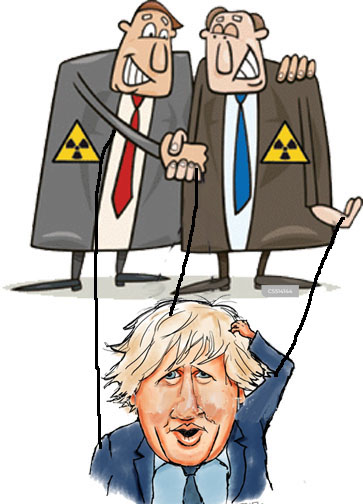
Boris Johnson’s flagship energy strategy has been held up over a row
with Rishi Sunak about funding a new generation of up to eight nuclear
power stations costing the public more than £13bn.
The strategy, which has
been delayed for a month, was due to be published this week but has now
been pencilled for 5 April after disagreement about the multibillion-pound
cost of new nuclear plants and amid ongoing tensions between the prime
minister and his chancellor, as well as the wider cabinet.
Johnson has told the nuclear industry that he wants 25% of electricity generation to come
from nuclear power by 2050, up from 16% now. Whitehall sources told the
Guardian this shift could require the building of about eight new nuclear
power stations. Draft targets suggest ministers are looking at 30GW of
nuclear power capacity, meaning a huge building programme would be needed,
as capacity is due to fall to 3.6GW as plants are decommissioned.
Of the eight UK plants currently in operation, all but one are due to be switched
off by 2030. Each new plant would require the government to take a minority
stake in the project to reduce the risk to developers, and substantial cash
outlay to encourage investment.
Despite Johnson’s keenness for new
nuclear power, Sunak is concerned about the cost to the taxpayer, or extra
costs added to soaring energy bills. The Treasury has already promised
£1.7bn of direct cash for a single large-scale nuclear project – the
£20bn Sizewell C – as well as £120m for a new Future Nuclear Enabling
Fund, which aims to address barriers to entering the sector.
Building eight plants could cost more than £13bn in initial investment costs from the
government if the same amount of investment were to be put in, according to
a Whitehall source. However, the government is also pushing for the nuclear
industry to reduce its build costs.
Guardian 28th March 2022
Climate crisis worsened by population and economic growth
Climate crisis worsened by population and economic growth
David Shearman
Existing climate change issues are being exacerbated by increasing population and dwindling resources.
Frenzy for selling bunkers, but they might not be much use, really.
‘Our top search term is nuclear’: US bunker sales soar as anxiety over Russia rises, Guardian, Bradley Garrett, 31 Mar 2022
Gary Lynch is the CEO of Rising S Company in Texas. When I first visited his warehouse in 2018, I watched his crew assemble, deliver, and bury a handful of bunkers in people’s backyards every month. The bunkers are thick plate steel boxes that are welded together like a giant Lego set – the size of the bunker limited only by a client’s resources.
Sales, he says, have spiked 1,000% since that time as anxieties around the pandemic, civil unrest, climate change and war have driven more buyers to his company………………………………………..
Business has never been so good. My inbox has been flooded in recent weeks by emails from preppers sensing an opportunity. One from the California-based Vivos Group, cautioned “…with all hell now breaking loose in Ukraine, and the beginning of what may be WW3, you are probably wishing you had secured a Vivos bunker”…………………………………………………………
bunkers fail to keep out many other threats.
Larry Hall, the developer who built Survival Condo, the most expensive and lavish private bunker in the world, almost died last year after contracting the Delta variant. A bunker doesn’t act as an effective bulwark against disease, and he never ended up pulling residents in and shutting the blast doors in any case, given the incremental and unpredictable spread of the virus.
It’s also the case that many of those who sell bunkers meant to assuage our anxiety are shysters. A few of the bunkers I have tried to visit never existed. The Oppidum in the Czech Republic and Vivos Europa One in Germany, for instance, turned out to be little more than a CGI pipe dreams. (The latter, offering $2m apartments in “shell condition” is described on the company’s website as “operational” but “ready for improvements”.) Some of these places had collected deposits from clients and never finished building. In one case, at Trident Lakes in Texas, the founder, John Eckerd, was arrested by federal agents after accepting a $200,000 wire transfer for the build-out that he thought was coming from a Colombian drug cartel. Eckherd was sentenced to 15 months in federal prison.
That’s why many of the preppers I’ve met are moving away from purchasing bunkers and towards a simpler model for resilience that mitigates almost all threats: they’ve sought rural properties where long-term stability could be achieved in off-grid communities, ranches and rural redoubts, where they learned to grow food away from (mostly urban) areas that are both geopolitical targets and sites for social friction……………………………..
March 30 Energy News — geoharvey

Opinion: ¶ “Great Video Explains Solar-Powered EVs” • A recent video at YouTube not only explains the math behind solar-powered EVs, but also gave plenty of nuance on the subject. More importantly, it’s made to be accessible for people who don’t follow EVs the way that many of our readers do. The video assesses how […]
March 30 Energy News — geoharvey
Editorial: Annual military spending approaching $1 trillion and U.S. still feels insecure — Anti-bellum
Global TimesMarch 29, 2022 US can’t buy ‘absolute security’ with sky-high military spending: Global Times editorial On Monday local time, US President Joe Biden submitted to Congress the president’s budget proposal for fiscal year 2023, in which the proposal of $813.3 billion in defense and national security spending have attracted public attention. This is “among […]
Editorial: Annual military spending approaching $1 trillion and U.S. still feels insecure — Anti-bellum
EU advisers urge full NATO membership for Israel — Anti-bellum
The Express (Britain)March 29, 2022 Israel urged to join NATO as Turkey seeks ‘golden prize’ of EU membership Israel has been urged to join NATO after two diplomatic experts said “it is time to start building” towards full membership of the intergovernmental military alliance. Israel took a step closer to NATO in 2014 when it […]
EU advisers urge full NATO membership for Israel — Anti-bellum
U.S. duping the world into believing Russia bombed Hiroshima, Nagasaki — Anti-bellum
Global TimesMarch 27, 2022 Japan PM’s talk with US envoy in Hiroshima on Russian nuclear threat mocked for insulting A-bomb victimsBy Zhang Changyue Also see: Japan, Russia continue to clash over Kurils, Ukraine Controversy arose among Japanese netizens after Japanese Prime Minister Fumio Kishida and US Ambassador to Japan Rahm Emanuel commemorated victims of the […]
U.S. duping the world into believing Russia bombed Hiroshima, Nagasaki — Anti-bellum
Nuclear catastrophe threatened, as fires sweep through forests towards Chernobyl site

Chernobyl radiation fears as 25-acre forest fire burns towards nuclear plant. Fears are growing of a nuclear disaster after Russian troops began shelling the Ukrainian town where staff working at the Chernobyl plant live.
Russian shelling has lead to wildfires breaking out across Chernobyl’s Exclusion Zone, it has been claimed. It is believed that 25acres of the forest surrounding the Chernobyl nuclear site – which is under
Russian control – are now ablaze.
Officials are concerned the fire couldsweep through the forest and tear through the power plant, leading to anuclear disaster and “irreparable consequences” for Ukraine and the “whole world”.
Mirror 27th March 2022
https://www.mirror.co.uk/news/world-news/breaking-chernobyl-radiation-fears-forest-2656779
Ukraine Negotiations: No Fly Zone, Nukes, Neutrality, and Disarmament
Humanity will be sleepwalking to its doom unless the great powers negotiate nuclear disarmament, and to collaborate to stanch the climate chaos that haunts humanity’s future.
While Russian forces grind away at Ukrainian resistance, there is glee in Washington that Moscow may have trapped itself in an Afghanistan-like quagmire.

Zelensky has repeatedly appealed for NATO to impose a no-fly zone, an appeal that has found resonance in Congress.
Fortunately, thus far NATO leaders have bowed to the reality that enforcing a no-fly zone against Russia would inevitably trigger World War III, in the form of genocidal or omnicidal nuclear exchanges.
Enforcing a no-fly zone, would require attacking Russian anti-aircraft installations and shooting down Russian planes, to which Russia would respond in kind. Yet, in the track II discussion, a senior American warned that the longer the war continues, and as the Russian military is degraded, the temptation to impose a no-fly zone will grow.
Ukraine Negotiations: No Fly Zone, Nukes, Neutrality, and Disarmament https://www.commondreams.org/views/2022/03/28/ukraine-negotiations-no-fly-zone-nukes-neutrality-and-disarmament
Ukrainian and Russian lives will continue to be shattered until either a ceasefire or completion of successful negotiations are announced.
JOSEPH GERSON, March 28, 2022 Regardless of whether we agree with him or not, President Biden’s statements that Vladimir Putin cannot remain in power and that Putin is a war criminal have compounded already complex negotiations to end Moscow’s devastating and nationally self-defeating war of aggression.
With Russia’s military advances in Ukraine stymied, and with the mounting death tolls, we are receiving contradictory reports about the state of Russian-Ukrainian diplomacy. Ukraine’s lead negotiator Mykailo Podolyak reports that the negotiations with Moscow are “absolutely real”, but that the Kremlin hasn’t pulled back from its most ambitious war aims. Negotiations, he has said, could continue for months. Ukraine’s Defense Intelligence, Brig. General Kyrylo Budanov is less optimistic, reporting that the negotiations are “vague and unpredictable”.
Continue readingCaitlin Johnstone: Re-Visiting Russiagate in Light of Ukraine War

March 28, 2022 Russiagate was never about removing Trump, but making sure Trump played along with their regime change plans for Moscow and manufacturing consent for the escalations we’re seeing today. By Caitlin Johnstone, CaitlinJohnstone.com
https://consortiumnews.com/2022/03/28/caitlin-johnstone-re-visiting-russiagate-in-light-of-the-ukraine-war/
It’s hard to believe that the last president spent his term pouring weapons into Ukraine, shredding treaties with Russia and ramping up cold war escalations against Moscow which helped lead us directly to the extraordinarily dangerous situation we now find ourselves in, and yet mainstream liberals spent his entire administration screaming that he was a Kremlin puppet.
A lot of anti-empire commentary is rightly going into criticizing how the Obama administration paved the way to this conflict in Ukraine with its role in the 2014 coup and support for Kyiv’s war against Donbass separatists. But what’s getting lost in all this, largely because Trumpites have been using their mainstream numbers to loudly amplify criticisms of the role of the Obama and Biden administrations in this mess, is what happened between those two presidencies, which was just as crucial in getting us here.
Though it’s been scrubbed from mainstream liberal history, it was actually the Trump administration that began the U.S. policy of arming Ukraine in the first place. Obama had refused forceful demands from neocons and liberal hawks to do so because he feared it would provoke an attack by Russia.
In a 2015 article titled “Defying Obama, Many in Congress Press to Arm Ukraine“, The New York Times reported that “So far, the Obama administration has refused to provide lethal aid, fearing that it would only escalate the bloodshed and give President Vladimir V. Putin of Russia a pretext for further incursions.”
It wasn’t until the Trump presidency that those weapons began pouring into Ukraine, and boy howdy are we looking at some “further incursions” now. This change occurred either because Trump was a fully willing participant in the agenda to ramp up aggressions against Moscow, or because he was politically pressured into playing along with that agenda by the collusion narrative which had its origins at every step in the U.S. intelligence cartel, or because of some combination of the two.
In all the world-shaping news stories we’ve been experiencing lately, it’s easy to forget how the narrative that the Kremlin had infiltrated the highest levels of the U.S. government dominated news coverage and political discourse for years on end. But in light of the fact that today’s major headlines now revolve around that exact same foreign government, this fact is probably worth revisiting.
The most important thing to understand about the Trump-Russia collusion narrative is that it began with western intelligence agencies, was sustained by western intelligence agencies, and in the end resulted in cold war escalations against a government long targeted by western intelligence agencies.
It was the U.S. intelligence cartel who initiated the still completely unproven and severely plot hole-riddled claim that Russia interfered in the 2016 election to benefit Trump. It was a “former” MI6 operative who produced the notorious and completely discredited Steele Dossier [for the Clinton campaign] which birthed the narrative that Trump colluded with the Kremlin to steal the 2016 election.
It was the FBI who spied on the Trump campaign claiming it was investigating possible ties to Russia. It was the U.S. intelligence cartel which produced, and then later walked back, the narrative that Russia was paying Taliban-linked fighters to kill allied occupiers in Afghanistan which was leveraged by Democrats to demand Trump escalate further against Putin.
It was even a C.I.A. officer who just so happened to be in the right place at the right time that kicked off the flimsy impeachment narrative that Trump had suspended arms deliveries to Ukraine.
Every step of the way the mass media was fed reports by intelligence operatives and by elected officials sharing pieces of information they’d been told by intelligence operatives about potential indications of a conspiracy between Trump’s circle and the Russian government, which often face-planted in the most humiliating ways as subsequent revelations debunked them.
Day after day some new “BOMBSHELL” media report would surface tying some obscure Trump underling to some Russian oligarch in some way, the outlet which published it would be rewarded with millions of clicks, only to have it fizzle into a flat nothing pizza within a few days.
Day after day mainstream liberals were promised major revelations which would lead to the entire Trump family being dragged from the White House in chains, and day after day those promises failed to deliver. But what did happen during that time was a mountain of U.S. cold war escalations against Moscow, a very good illustration of the immense difference between narrative and fact.
Trump supporters like to believe that the Deep State tried to remove their president because he was such a brave populist warrior leading a people’s revolution against their Satanic globalist agendas, and surely there were some individual goons within their ranks who would have loved to see him gone.
But in reality the major decision makers in the U.S. intelligence cartel never intended to remove Trump from office. They’d have known from their own intel that the Mueller investigation wouldn’t turn up any evidence of a conspiracy with the Russian government, and they’d have known impeachment wouldn’t remove him because they know how to count Senate seats.
Russiagate was never about removing Trump, it was about making sure Trump played along with their regime change plans for Moscow and manufacturing mainstream consent for the escalations we’re seeing today.
And now here we are. Joe Lauria has an excellent new article out for Consortium News titled “Biden Confirms Why the U.S. Needed This War” which lays out the evidence that the Ukraine invasion was deliberately provoked to facilitate the longstanding agenda to oust Putin and “ultimately restore a Yeltsin-like puppet to Moscow.”
The U.S. could easily have prevented this war with a little bit of diplomacy and a few low-cost concessions, but instead it chose to provoke a war that could then be used to manufacture international consensus for unprecedented acts of economic warfare against Russia with the goal of effecting regime change.
Lauria writes:
“The U.S. got its war in Ukraine. Without it, Washington could not attempt to destroy Russia’s economy, orchestrate worldwide condemnation and lead an insurgency to bleed Russia, all part of an attempt to bring down its government. Joe Biden has now left no doubt that it’s true.
The president of the United States has confirmed what Consortium News and others have been reporting since the beginnings of Russsiagate in 2016, that the ultimate U.S. aim is to overthrow the government of Vladimir Putin.
‘For God’s sake, this man cannot remain in power,’ Biden said on Saturday at the Royal Castle in Warsaw.”
This was all planned years in advance. Long before Biden’s presidency, and long before Trump’s. It is not a coincidence that we spent years being bombarded with anti-Russia propaganda in the lead-up to a massive confrontation with that same government.
There’s no connection between the discredited allegation that Trump was a secret Kremlin agent and Putin’s decision to invade Ukraine, yet the mainstream anti-Russia hysteria manufactured by the former is flowing seamlessly into mainstream opposition of the latter.
This is because this was all planned well in advance. We’re where we’re at now because the U.S. empire brought us here intentionally.
USA’s Air Force transforming away from ”unnecessary” aircraft towards more nuclear weapons
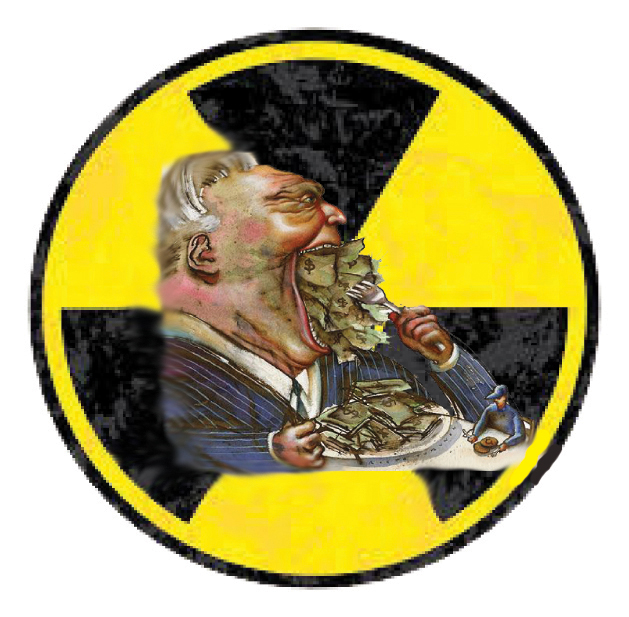
More Nuclear, Less Ground Attack in Biden’s Air Force Budget Request
The 2023 spending proposal calls for retiring 150 planes, shifting funds, and reconfiguring for possible war with China or Russia. Defense One MARCUS WEISGERBER and TARA COPP | MARCH 28, 2022
U.S. Air Force leaders want to shed hundreds of “unnecessary” aircraft and drones and spend more on nuclear and high-tech weapons they say are better suited for a war with China or Russia.
They lay out their proposal in the service’s $169 billion 2023 spending request, which is $13.2 billion higher than last year’s request.
The weapons they prioritize—nuclear and long-range strike—reflect an unsteady year in which China launched a hypersonic missile around the globe and Russia put its own nuclear forces on heightened alert while invading Ukraine.
The Air Force’s budget request is “more about transformation now than it is about evolutionary change. What drives that is the threat. We need to move aggressively,” Air Force Secretary Frank Kendall told reporters before the budget rollout.
To do so, the service is asking for approval to retire 150 aircraft, including eight E-8 JSTARS radar planes, 21 A-10 attack planes, 33 F-22 training jets, 15 E-3 Sentry AWACS-carrying radar planes, 13 KC-135 aerial refueling tankers, 10 C-130H cargo aircraft and 50 T-1 trainers. The Air Force will also reduce its total uniformed personnel number by 4,900 airmen as a result of the cuts, Kendall said. …………………….. In research-and-development, the service is requesting an additional $2.5 billion for the air and land legs of the nuclear triad; a little more than $1 billion of that increase is for ground based strategic deterrent Minuteman III replacement missiles. It also seeks $929 million for the long range standoff weapon, up from $609 billion last year, and $577 million for hypersonic prototyping of the Air-launched Rapid Response Weapon and hypersonic attack cruise missile.
The Air Force is also asking for an additional $1.7 billion for initial production of an unknown number of the next generation B-21 stealth bomber……………………. https://www.defenseone.com/policy/2022/03/more-nuclear-less-ground-attack-bidens-air-force-budget-request/363683/
1 This Month
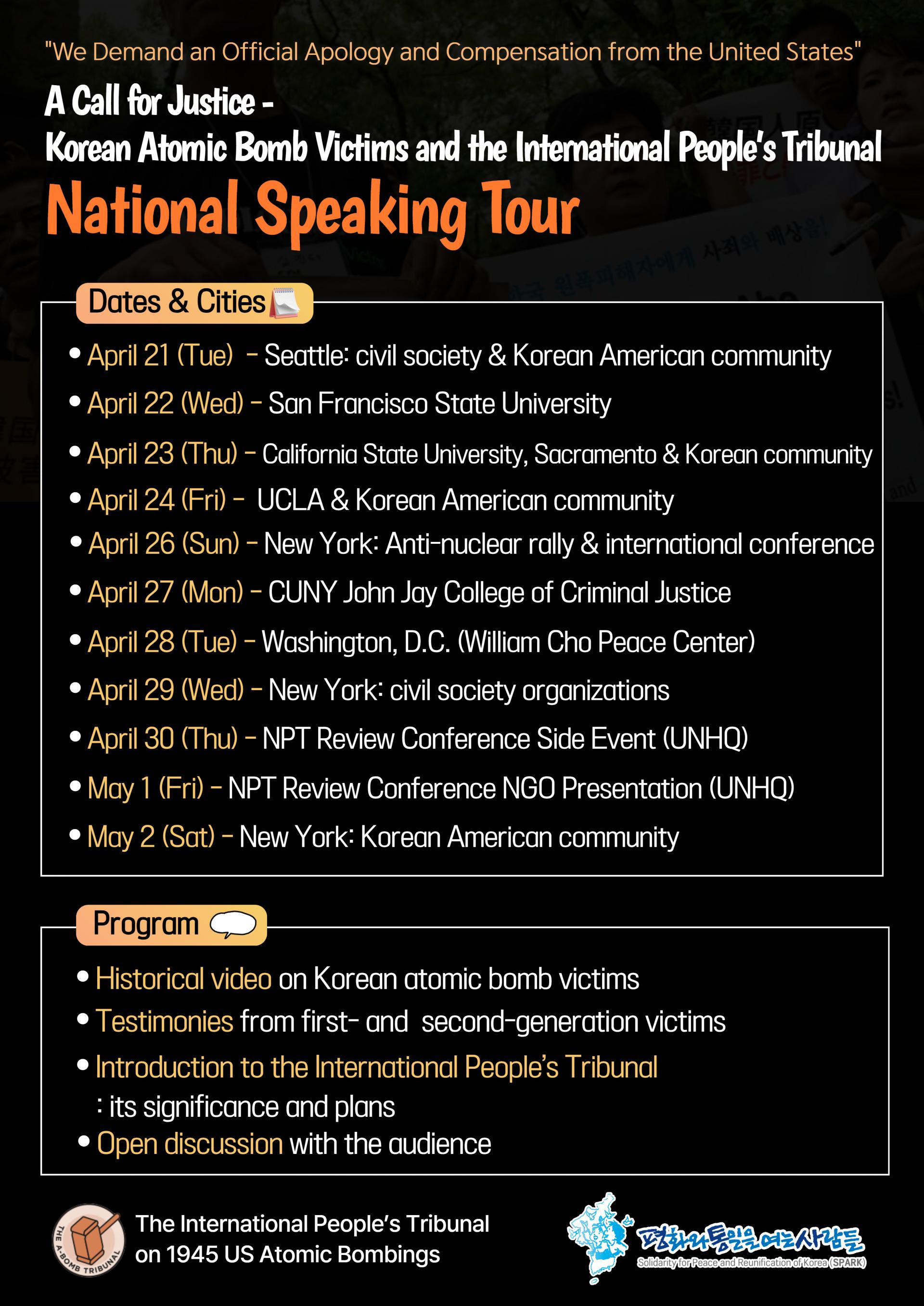
23 April – WEBINAR – Why new nuclear reactors are the wrong tools for decarbonization Thursday, April 23 • 1 AM – 2 AM AEST
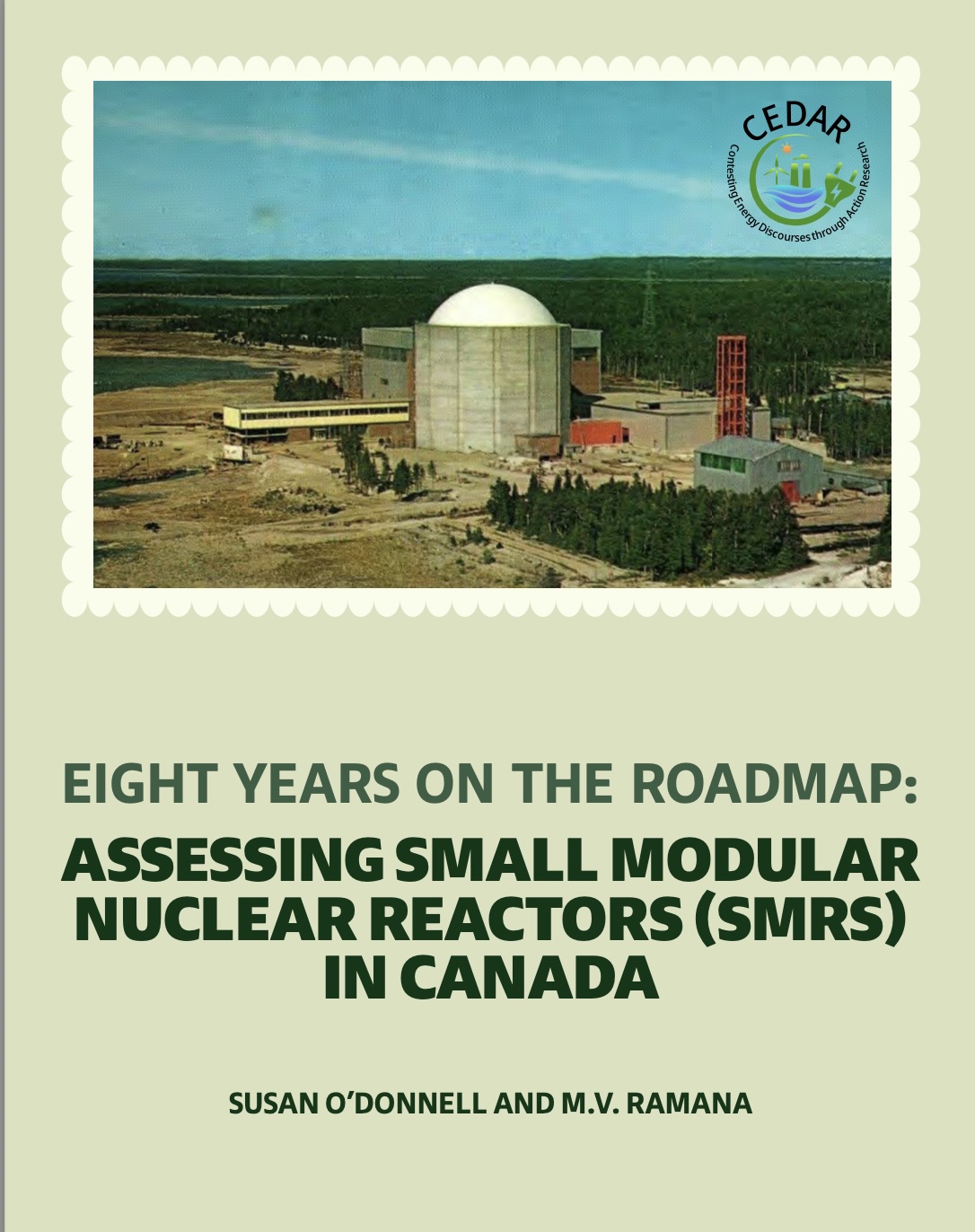

Pine Ridge Uranium is the real threat, not Tehran- Tell Burgum: Stop the Extraction.
Chernobyl: The Lost Tapes – A good documentary on Chernobyl on SBS available On Demand for the next 3 weeks– https://www.sbs.com.au/ondemand/tv-program/chernobyl-the-lost-tapes/2352741955560
To see nuclear-related stories in greater depth and intensity – go to https://nuclearinformation.wordpress.com
-
Archives
- April 2026 (241)
- March 2026 (251)
- February 2026 (268)
- January 2026 (308)
- December 2025 (358)
- November 2025 (359)
- October 2025 (376)
- September 2025 (257)
- August 2025 (319)
- July 2025 (230)
- June 2025 (348)
- May 2025 (261)
-
Categories
- 1
- 1 NUCLEAR ISSUES
- business and costs
- climate change
- culture and arts
- ENERGY
- environment
- health
- history
- indigenous issues
- Legal
- marketing of nuclear
- media
- opposition to nuclear
- PERSONAL STORIES
- politics
- politics international
- Religion and ethics
- safety
- secrets,lies and civil liberties
- spinbuster
- technology
- Uranium
- wastes
- weapons and war
- Women
- 2 WORLD
- ACTION
- AFRICA
- Atrocities
- AUSTRALIA
- Christina's notes
- Christina's themes
- culture and arts
- Events
- Fuk 2022
- Fuk 2023
- Fukushima 2017
- Fukushima 2018
- fukushima 2019
- Fukushima 2020
- Fukushima 2021
- general
- global warming
- Humour (God we need it)
- Nuclear
- RARE EARTHS
- Reference
- resources – print
- Resources -audiovicual
- Weekly Newsletter
- World
- World Nuclear
- YouTube
-
RSS
Entries RSS
Comments RSS
 nuclear-news