UN climate talks not getting very far on climate action
 UN talks struggle to stave off climate chaos, https://www.sbs.com.au/news/un-talks-struggle-to-stave-off-climate-chaos 13 Dec 19, Observers and delegates at the UN’s COP25 climate summit said negotiators had largely failed to live up to the conference’s motto: Time for Action.
United Nations climate negotiations in Madrid were set to wrap up with even the best-case outcome likely to fall well short of what science says is needed to avert a future ravaged by global warming.
The COP25 summit comes on the heels of climate-related disasters across the planet, including unprecedented cyclones, deadly droughts and record-setting heatwaves.
As pressure inside and outside the talks mounts, old splits dividing rich polluters and developing nations – over who should slash greenhouse gas emissions by how much, and how to pay the trillions needed to live in a climate-addled world — have reemerged.
Newer fissures, meanwhile, between poor, climate vulnerable nations and emerging giants such as China and India – the world’s No.1 and No.4 emitters – may further stymie progress.
To not lose time, the 12-day meet was moved at the last minute from original host Chile due to social unrest.
Not even appearances from wunderkind campaigner Greta Thunberg – named Time Person of the Year Wednesday, much to the chagrin of Donald Trump — could spur countries to boost carbon-cutting pledges that are, taken together, woefully inadequate.
“We are appalled at the state of negotiations,” said Carlos Fuller, lead negotiator for the Association of Small Island States (AOSIS), many of whose members face an existential threat due to rising sea levels.
Shifting alliances
The narrow aim of the Madrid negotiations is to finalise the rulebook for the 2015 climate accord, which enjoins nations to limit global temperature rises to “well below” two degrees Celsius.
Earth has already warmed 1C, and is on track to heat up another two or three degrees by 2100.
But “raising ambition” on emissions remains the overarching goal in Madrid.
There are two very clear visions,” Spain’s minister for energy and climate change Teresa Ribera told reporters.
“There are those that want to move quicker and those that want to hide behind things which aren’t working, so as not to advance.”
The deadline under the Paris treaty for revisiting carbon cutting commitments – known as NDCs, or nationally determined contributions – is 2020, ahead of the next climate summit in Glasgow.
But Madrid was seen as a crucial launch pad where countries could show their good intentions. Nearly 80 countries have said they intend to do more, but they only represent 10 percent of global emissions.
Conspicuously absent are China, India and Brazil, all of whom have indicated they will not follow suit, insisting that first-world emitters step up.
Fantasy land’
But some countries historically aligned with the emerging giants over the course of the 25-year talks broke rank Thursday.
“The failure of major emitters — including Australia, the United States, Canada, Russia, India, China, Brazil – ‘to commit to submitting revised NDCs suitable for achieving a 1.5C world shows a lack of ambition that also undermines ours,” AOSIS said in a statement.
The talks received a meagre shot in the arm Friday after the EU pledged to make the bloc carbon-neutral by 2050.
The much-heralded decision was immediately undermined however by the refusal of Poland – a major emitter – to sign on.
The UN said this month that in order for the world to limit warming to 1.5C, emissions would need to drop over seven percent annually to 2030, requiring nothing less than a restructuring of the global economy.
In fact, they are currently rising year-on-year, and have grown four percent since the Paris deal was signed.
“It’s basically like what’s happening in the real world and in the streets, the protesters, doesn’t exist,” Alden Meyer from the Union of Concerned Scientists, told AFP.
“We are in a fantasy land here.”
Without strong commitments from big emitters to up their own contributions to the climate fight, Meyer said the talks would have failed to fulfil their purpose.
“Countries need to be on a track to be 1.5C compatible, that’s the bottom line.”
1 Comment »
Leave a reply to tla Cancel reply
1 This Month
To see nuclear-related stories in greater depth and intensity – go to https://nuclearinformation.wordpress.com/
12 February – Webinar The Big Push: New Nuclear Projects in Canada
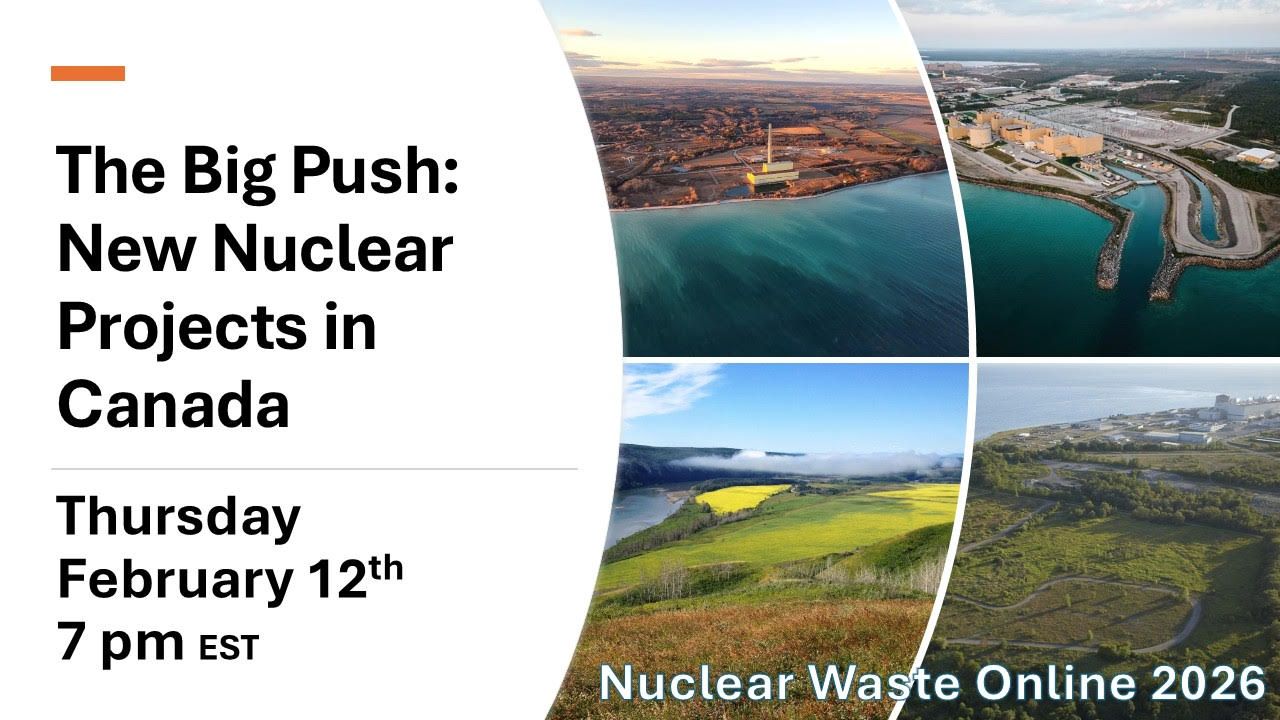
Thursday, February 12, 7 pm Eastern | 2nd of 4 sessions in the 2026 Nuclear Waste Online webinar series
Join a webinar on the push for new nuclear generation in Canada. Go to Northwatch.org to register or use the registration link https://us02web.zoom.us/webinar/register/WN_ZfWOf1GITqSRIZX8CB-A9w
-
Archives
- February 2026 (115)
- January 2026 (308)
- December 2025 (358)
- November 2025 (359)
- October 2025 (376)
- September 2025 (258)
- August 2025 (319)
- July 2025 (230)
- June 2025 (348)
- May 2025 (261)
- April 2025 (305)
- March 2025 (319)
-
Categories
- 1
- 1 NUCLEAR ISSUES
- business and costs
- climate change
- culture and arts
- ENERGY
- environment
- health
- history
- indigenous issues
- Legal
- marketing of nuclear
- media
- opposition to nuclear
- PERSONAL STORIES
- politics
- politics international
- Religion and ethics
- safety
- secrets,lies and civil liberties
- spinbuster
- technology
- Uranium
- wastes
- weapons and war
- Women
- 2 WORLD
- ACTION
- AFRICA
- Atrocities
- AUSTRALIA
- Christina's notes
- Christina's themes
- culture and arts
- Events
- Fuk 2022
- Fuk 2023
- Fukushima 2017
- Fukushima 2018
- fukushima 2019
- Fukushima 2020
- Fukushima 2021
- general
- global warming
- Humour (God we need it)
- Nuclear
- RARE EARTHS
- Reference
- resources – print
- Resources -audiovicual
- Weekly Newsletter
- World
- World Nuclear
- YouTube
-
RSS
Entries RSS
Comments RSS
 nuclear-news
Hopefully Nukepuke George Monbiot will die soon