Fukushima Possibly Turning into Another “Exotic” Tourist Destination
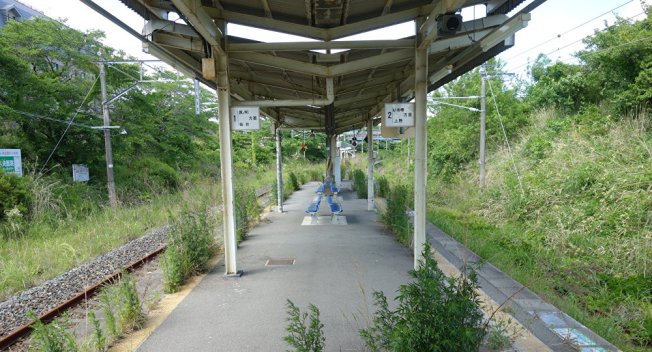
Just like Chernobyl before it, the radioactive exclusion zone surrounding the crippled Fukushima nuclear plant is starting to attract tourists, possibly turning into another of the world’s “exotic” tourist destinations.
Unlike the Chernobyl nuclear disaster which happened over 30 years ago, the Fukushima Daiichi nuclear plant catastrophe is practically a recent event. On March 11, 2011 a tsunami that followed the Tohoku earthquake smashed into the plant, causing several meltdowns and the release of radioactive material resulting in the second nuclear disaster in history to be given the Level 7 event classification of the International Nuclear Event Scale.
Yet even though the scars left by this disaster are still fresh, it seems that there are already people who consider the radioactive zone surrounding the Fukushima nuclear plant a tourist attraction.
The first project aimed at transforming the crippled Fukushima nuclear plant into a tourist attraction was presented to the Japanese authorities in 2012, only a year after the disaster, by philosopher Hiroki Azuma, the author of the Chernobyl Dark Tourism Guide, and his group of fellow enthusiasts.
According to Azuma’s vision, people should’ve been allowed to visit the area and see the process of the Fukushima plant’s decontamination with their own eyes; and by 2036 visitors should be able to approach the plant without the need to wear protective suits
Unfortunately, the prefectural administration torpedoed the idea, arguing that the word ‘tourism’ should never be applied to the catastrophe site.
But even though Azuma’s project was not to be, there are already plenty of companies organizing tours in the disaster area.
Hiroshi Miura, head of one such enterprise called NPO Nomado, told Sputnik that he first started working as a tour guide for people visiting his home city of Minamisoma, located 16 miles north of the Fukushima nuclear plant, back in 2012.
“In October 2012 I established a non-commercial organization Nomada and continued my business by creating a ’20 Kilometers Away From Fukushima-1′ tour. By 2014, just by myself, I had over 5,000 clients. In 2015 other guides and volunteers started working with me, and over 10,000 people participated in our tours,” he said.
Miura also added that the current situation at the nuclear plant is barely discussed by the media, except for the local prefectural outlets, and that the place where he used to live, located only 12 kilometers away from Fukushima Daiichi, remains in the same state as it was right after the tsunami, as no decontamination or recovery operations were conducted there.
Yuta Hirai, another tour guide working in Fukushima, also told Sputnik that there are people from all walks of life interested in visiting the site of the tragedy: scientists, students, former residents, and a considerable number of foreign tourists.
He also believes that tourism could play an important role in helping the Fukushima prefecture to recover from the ordeal of 2011.
“I believe it is important for the prefecture residents to understand that people from without are paying attention to them. They have mixed feelings about the incident, like ‘I want to forget but I don’t want to be forgotten.’ If we learn our lesson from what happened, if we understand that it must not happen again, then it could help the people of Fukushima to believe in themselves. There’s a tendency to pay greater attention to opinions from without rather than to opinions from within. So if more people from other prefectures see the situation with their own eyes, feel it and talk about it, then perhaps the current depressing situation in Fukushima may change for the better,” he said.
No comments yet.
1 This Month

of the week – Shut Down Drone Warfare!


Tell the Ukrainian Government to Drop Prosecution of Peace Activist Yurii Sheliazhenko

Petition to revoke the licensing of the Near Surface Nuclear Disposal Facility (NSDF) at Chalk River. https://www.ourcommons.ca/petitions/en/Petition/Details?Petition=e-7247
To see nuclear-related stories in greater depth and intensity – go to https://nuclearinformation.wordpress.com
-
Archives
- March 2026 (251)
- February 2026 (268)
- January 2026 (308)
- December 2025 (358)
- November 2025 (359)
- October 2025 (376)
- September 2025 (257)
- August 2025 (319)
- July 2025 (230)
- June 2025 (348)
- May 2025 (261)
- April 2025 (305)
-
Categories
- 1
- 1 NUCLEAR ISSUES
- business and costs
- climate change
- culture and arts
- ENERGY
- environment
- health
- history
- indigenous issues
- Legal
- marketing of nuclear
- media
- opposition to nuclear
- PERSONAL STORIES
- politics
- politics international
- Religion and ethics
- safety
- secrets,lies and civil liberties
- spinbuster
- technology
- Uranium
- wastes
- weapons and war
- Women
- 2 WORLD
- ACTION
- AFRICA
- Atrocities
- AUSTRALIA
- Christina's notes
- Christina's themes
- culture and arts
- Events
- Fuk 2022
- Fuk 2023
- Fukushima 2017
- Fukushima 2018
- fukushima 2019
- Fukushima 2020
- Fukushima 2021
- general
- global warming
- Humour (God we need it)
- Nuclear
- RARE EARTHS
- Reference
- resources – print
- Resources -audiovicual
- Weekly Newsletter
- World
- World Nuclear
- YouTube
-
RSS
Entries RSS
Comments RSS
 nuclear-news
Leave a comment