State funds planned for cleaning heavily contaminated zones in Fukushima
Privatized profit, socialized risk and clean up
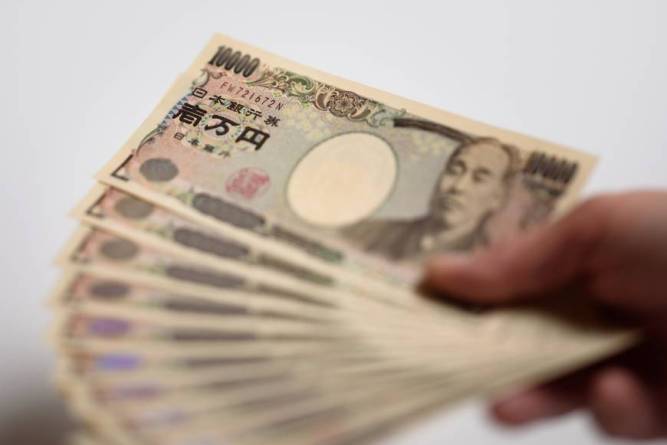
The government plans to use state funds to finance the radiation cleanup in the areas most seriously contaminated by the Fukushima disaster in 2011, government sources said Friday.
It is the first plan to decontaminate the “difficult to return to” zones, including a large portion of the two towns hosting the crippled Fukushima No. 1 nuclear power plant and parts of other nearby municipalities in the prefecture.
The move is intended to expedite the cleanup process but may draw criticism because it will effectively reduce the financial burden on Tokyo Electric Power Company Holdings Inc., the utility responsible for the world’s worst nuclear crisis since Chernobyl.
Under the current legal framework, the decontamination costs are first shouldered by the state, with Tepco told to reimburse the expenses over time. But since the costs are expected to far exceed the ¥2.5 trillion estimated earlier, the utility has requested more financial support.
The government plans to conduct decontamination in the difficult-to-return-to zones, which comprise about 337 sq. km of land where around 24,000 people used to live, the sources said.
The work within the designated “reconstruction bases” will include removing buildings, replacing soil and paving roads.
Tepco will only be asked to shoulder the costs of cleaning existing facilities and infrastructure that will continue to be used within the reconstruction bases.
The government hopes to officially endorse the plan this month, the sources said.
The Fukushima disaster, triggered by a huge earthquake and tsunami in March 2011, prompted the government to issue evacuation orders to 11 municipalities near the plant.
The areas have been reclassified into three categories based on radiation level — a zone where evacuation orders are ready to be lifted, a zone where human habitation is restricted, and a zone where residents will have difficulty coming back to for a long time.
The areas subject to evacuation are gradually being reduced, with the government setting a goal of lifting all the remaining orders apart from the difficult-to-return-to zones by next March.
In the heavily contaminated zones, the government plans to conduct costly and intensive radiation cleanup efforts that will allow it to lift the evacuation orders in five years’ time.
No comments yet.
1 This Month

of the week – Shut Down Drone Warfare!


Tell the Ukrainian Government to Drop Prosecution of Peace Activist Yurii Sheliazhenko

Petition to revoke the licensing of the Near Surface Nuclear Disposal Facility (NSDF) at Chalk River. https://www.ourcommons.ca/petitions/en/Petition/Details?Petition=e-7247
To see nuclear-related stories in greater depth and intensity – go to https://nuclearinformation.wordpress.com
-
Archives
- March 2026 (251)
- February 2026 (268)
- January 2026 (308)
- December 2025 (358)
- November 2025 (359)
- October 2025 (376)
- September 2025 (257)
- August 2025 (319)
- July 2025 (230)
- June 2025 (348)
- May 2025 (261)
- April 2025 (305)
-
Categories
- 1
- 1 NUCLEAR ISSUES
- business and costs
- climate change
- culture and arts
- ENERGY
- environment
- health
- history
- indigenous issues
- Legal
- marketing of nuclear
- media
- opposition to nuclear
- PERSONAL STORIES
- politics
- politics international
- Religion and ethics
- safety
- secrets,lies and civil liberties
- spinbuster
- technology
- Uranium
- wastes
- weapons and war
- Women
- 2 WORLD
- ACTION
- AFRICA
- Atrocities
- AUSTRALIA
- Christina's notes
- Christina's themes
- culture and arts
- Events
- Fuk 2022
- Fuk 2023
- Fukushima 2017
- Fukushima 2018
- fukushima 2019
- Fukushima 2020
- Fukushima 2021
- general
- global warming
- Humour (God we need it)
- Nuclear
- RARE EARTHS
- Reference
- resources – print
- Resources -audiovicual
- Weekly Newsletter
- World
- World Nuclear
- YouTube
-
RSS
Entries RSS
Comments RSS
 nuclear-news
Leave a comment