Dangerous to evaporate Fukushima’s radioactive water
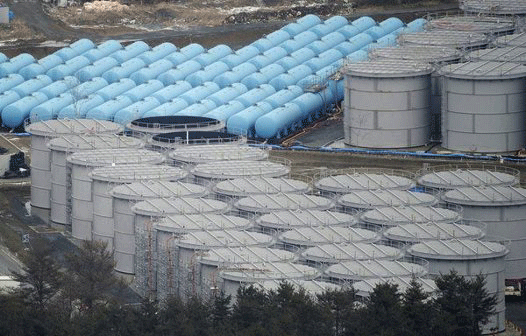
Fukushima: Evaporating tank contents is not the solution http://www.ianfairlie.org/news/fukushima-evaporating-tank-contents-is-not-the-solution/ April 10, 2015 Recent news stories are suggesting that TEPCO is considering evaporating the 280,000 tonnes of highly radioactive water held in the 1,500 tanks at Fukushima. See http://www.reuters.com/article/2015/04/08/us-japan-fukushima-water-idUSKBN0MZ0WC20150408 and
http://rt.com/news/248041-fukushima-waters-evaporate-tepco/
Disposing large volumes of highly tritiated water is a serious problem for TEPCO but its evaporation proposal is quite dangerous. It is based on several misconceptions.
First, evaporating this radioactive water will NOT isolate the radioactivity: all it would do is convert liquid tritiated water to tritiated water vapour which would be emitted to the air at Fukushima and result in high exposures to those downwind of the plumes.
Second, evaporation would make the problem worse as, contrary to what many people assume, aerial emissions are more hazardous than liquid discharges to sea. Briefly, this is because you can avoid drinking tritiated water and food to a large degree, but you can’t avoid breathing in tritiated water vapour or absorbing it through skin.
Third, tritium is not “relatively harmless” as alleged. This is a common misconception: in fact, tritium is a relatively dangerous nuclide. For example, its beta particle inside the body is more harmful than most X-rays and gamma rays. But that’s just one aspect: tritiated water vapour has several other dangerous properties, and organically bound tritium (ie attached to lipids, carbohydrates and proteins) inside us is even more dangerous. See “Tritium- risks not properly assessed” in http://www.ianfairlie.org/lectures/
A complicating factor is the very high tritium levels in the tanks. From Japanese Government Meti fileshttp://www.meti.go.jp/earthquake/nuclear/pdf/140424/140424_02_008.pdf
– see slides 5 and 21- it can be seen that the tritium concentration in March 2014 was about 500,000 Bq per litre.
This is a very high level. As far as I’m aware, no internationally agreed limits exist for discharging tritium to water. But as a yardstick, the limit used by Ontario Power Generation (a nuclear utility in Canada) is 4,000 Bq/L.
TEPCO is facing a storage problem with its tanks on site now full, and no space to build more. But neither evaporating the tank contents nor discharging them to sea appears to be a solution. http://www.ianfairlie.org/news/fukushima-evaporating-tank-contents-is-not-the-solution/
2 Comments »
Leave a reply to Daelv Cancel reply
1 This Month
26 April – Chernobyl: Inside the Meltdown airs on National Geographic on Sunday 26th April from 4pm
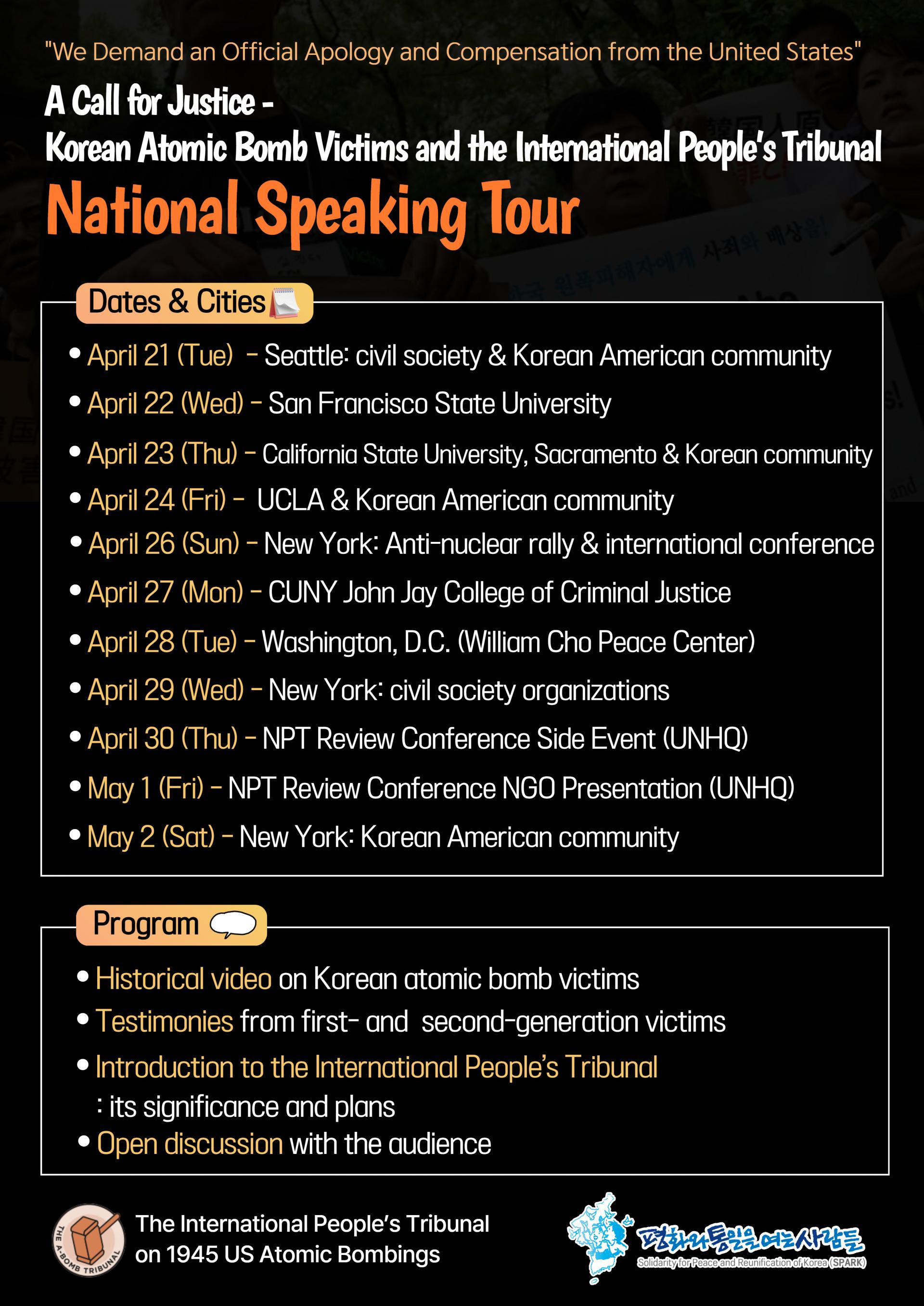
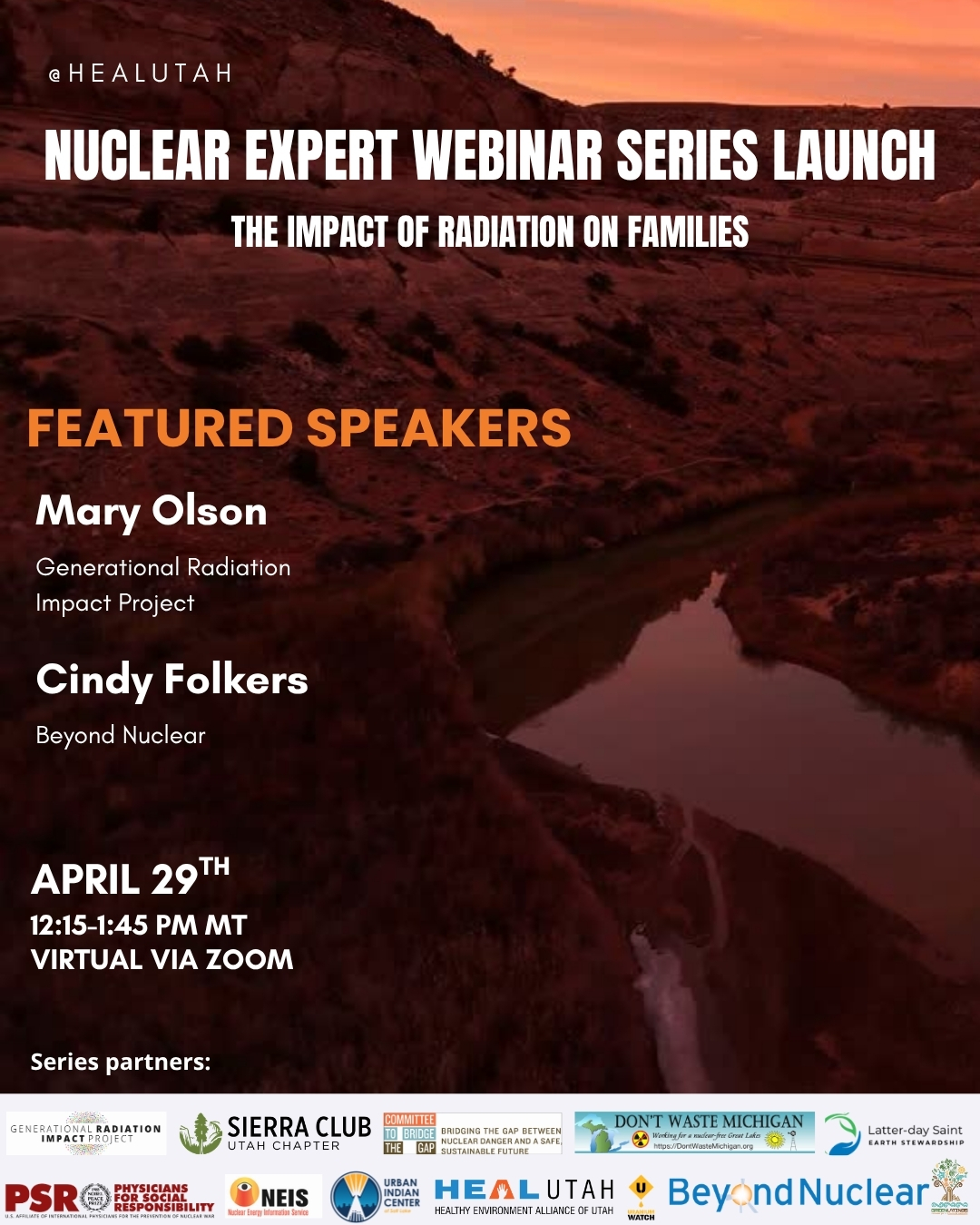
29 April – Nuclear Expert Webinar #1 – Radiation Impacts on Families with Mary Olson and Cindy Folkers
- 12:15 PM MT – 1:45 PM MT
- Location: Virtual – REGISTER TODAY

4 May -West Suburban Peace Coalition to discuss Iran war at May Educational Forum
Monday, May 4, 7:00 – 8:00 PM Central Standard Time
Title: : How Trump’s Narrative Tries to Shape the Reality of the War on Iran.
Contact Walt Zlotow, zlotow@hotmail.com 630 442 3045 for further information
14 May – online event From Bombs to Data Centres: the Face of Nuclear Colonialism

Pine Ridge Uranium is the real threat, not Tehran- Tell Burgum: Stop the Extraction.
Chernobyl: The Lost Tapes – A good documentary on Chernobyl on SBS available On Demand for the next 3 weeks– https://www.sbs.com.au/ondemand/tv-program/chernobyl-the-lost-tapes/2352741955560
To see nuclear-related stories in greater depth and intensity – go to https://nuclearinformation.wordpress.com
-
Archives
- April 2026 (356)
- March 2026 (251)
- February 2026 (268)
- January 2026 (308)
- December 2025 (358)
- November 2025 (359)
- October 2025 (376)
- September 2025 (257)
- August 2025 (319)
- July 2025 (230)
- June 2025 (348)
- May 2025 (261)
-
Categories
- 1
- 1 NUCLEAR ISSUES
- business and costs
- climate change
- culture and arts
- ENERGY
- environment
- health
- history
- indigenous issues
- Legal
- marketing of nuclear
- media
- opposition to nuclear
- PERSONAL STORIES
- politics
- politics international
- Religion and ethics
- safety
- secrets,lies and civil liberties
- spinbuster
- technology
- Uranium
- wastes
- weapons and war
- Women
- 2 WORLD
- ACTION
- AFRICA
- Atrocities
- AUSTRALIA
- Christina's notes
- Christina's themes
- culture and arts
- Events
- Fuk 2022
- Fuk 2023
- Fukushima 2017
- Fukushima 2018
- fukushima 2019
- Fukushima 2020
- Fukushima 2021
- general
- global warming
- Humour (God we need it)
- Nuclear
- RARE EARTHS
- Reference
- resources – print
- Resources -audiovicual
- Weekly Newsletter
- World
- World Nuclear
- YouTube
-
RSS
Entries RSS
Comments RSS
 nuclear-news
are they still collecting it?
Yes