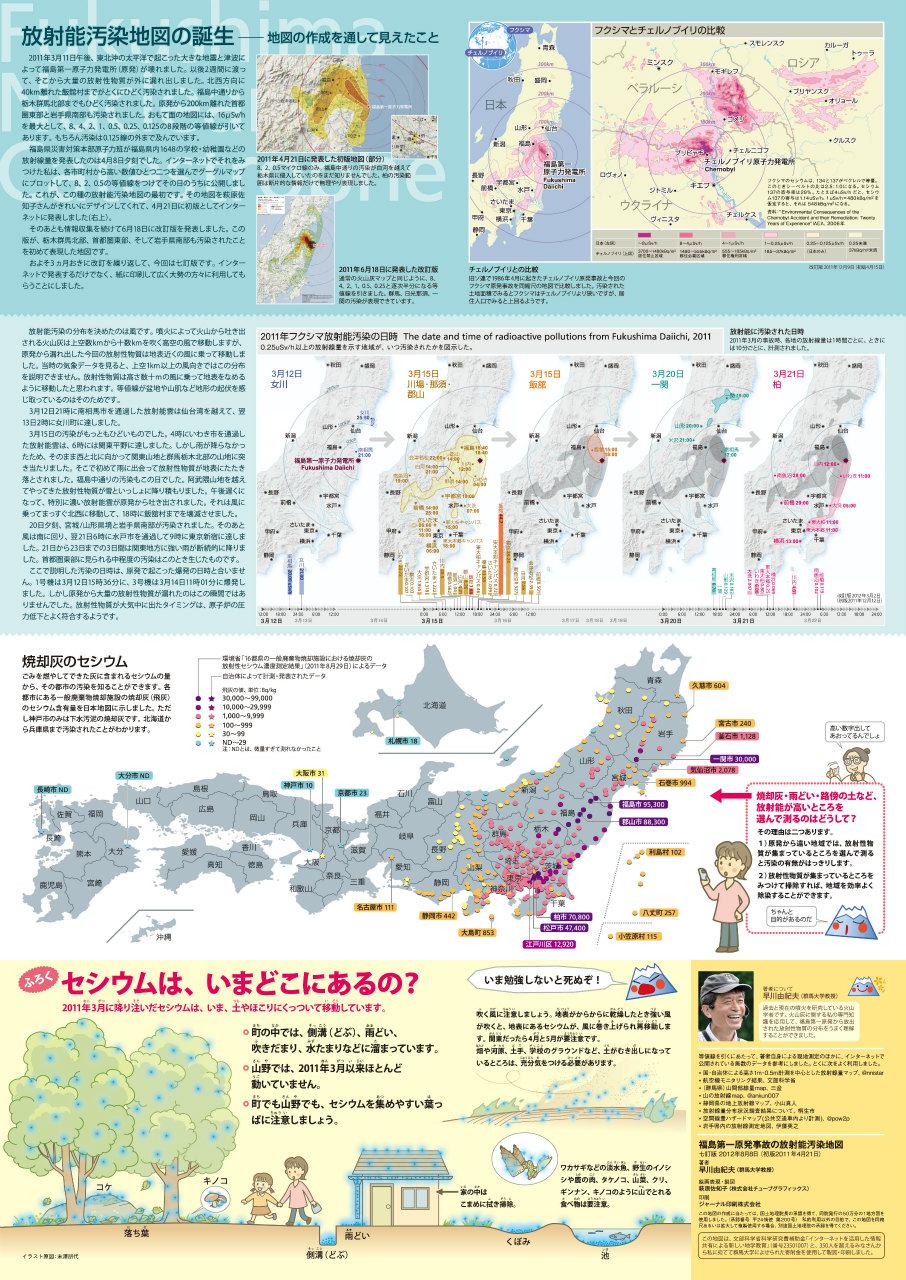
Londan Mayor Boris Johnson scathing about £18bn cost of Hinkley nuclear plan
 Boris Johnson attacks ‘disgraceful’ spending on Hinkley – just a month after David Cameron hailed the ‘flagship’ deal, Independent 21 Nov 15
Mayor of London said the estimated £18bn cost of Britain’s first nuclear power station in two decades was an ‘extraordinary amount of money’ Boris Johnson has attacked the £18bn cost of Britain’s first nuclear power station in two decades as “a disgrace” – just one month after David Cameron announced the deal and hailed it as a “flagship project of cooperation” between China and the UK.
Work on the Hinkley Point C in Somerset is set to begin within weeks after Mr Cameron announced that a deal had been struck between French firm EDF and state-owned China General Nuclear Power (CGN) in October.
China pledged £6bn investment – a third of the total cost, with EDF funding the remaining £12bn, while the Government has agreed a “strike price” – a guaranteed price paid for electricity generated by Hinkley Point of £92.50 per megawatt hour for 35 years.
However the huge cost of the plant will ultimately be paid for by consumers through their bills.
Asked by Baroness Jones, a Green party London Assembly member who is fiercely opposed to nuclear power, whether he supported the building of Hinkley Point C despite its cost, Mr Johnson said: “I’m totally with you on that one – it’s a disgrace……http://www.independent.co.uk/news/uk/politics/boris-johnson-attacks-disgraceful-spending-on-hinkley-just-a-month-after-david-cameron-hailed-the-a6742281.html
Tennessee unhappy about new radioactive trash plans for Oakridge.
Tennessee raises concerns about proposed Oak Ridge nuclear landfill http://www.timesfreepress.com/news/local/story/2015/nov/22/tennessee-raises-concerns-about-proposed-oak-ridge-nuclear-landfill/337007/ November 22nd, 2015by Associated Press OAK RIDGE, Tenn. — Tennessee officials are raising concerns about the U.S. Department of Energy’s plans for a new nuclear landfill at Oak Ridge.

The Tennessee Department of Environment and Conservation is pushing DOE to consider other Oak Ridge sites beyond the agency’s preferred one, the Knoxville News Sentinel reported.
The federal agency’s preferred site is adjacent to an existing landfill on the government reservation and only 650 yards from the city boundary.
“We are continuing to work with the DOE and EPA on this issue and taking the matter very seriously,” Kelly Brockman, communications chief for TDEC, said in an email response to questions.
The Department of Energy’s current landfill for cleanup wastes is approaching capacity. That’s largely due to the mountains of hazardous and radioactive debris generated by the demolition of K-25 and other former uranium-processing facilities in Oak Ridge. Continue reading
France still keen to market nukes to South Africa
 FRANCE STILL KEEN ON SA’S NUCLEAR POWER DEAL http://ewn.co.za/2015/11/22/France-still-keen-on-SAs-nuclear-power-deal French Foreign Minister says France named a special envoy to make the pitch to supply SA’s needs. Jean-Jacques Cornish | about 13 hours ago
PRETORIA – French Foreign Minister Laurent Fabius says his country is still willing to take part in South Africa’s nuclear power project despite reports of a deal being made with Russia.
He told President Jacob Zuma France has named a special envoy to make the pitch to supply South Africa’s needs. Fabius says the purpose of his talks with Zuma yesterday was to ensure South African participation in the climate change summit in Paris at the end of this month.
But he took the opportunity in their Pretoria meeting to assure the South African president that France has the competency to supply and install the nuclear power station it’s looking for.
Despite reports that Russia has already clinched the deal with South Africa, France does not regard this as a fair accomplishment. (Edited by Winnie Theletsane)
Sale of nuclear reactors to Egypt entails big debt to Russia
 Russia to finance Egypt’s nuclear power plant, Utilities, by Baset Asaba on Nov 22, 2015 Moscow and Cairo signed an agreement for Russia to build a nuclear power plant in Egypt, with Russia extending a loan to Egypt to cover the cost of construction.
A spokesman for Russia’s state-owned nuclear firm Rosatom said the plant, Egypt’s first, would be built at Dabaa in the north of the country and was expected to be completed by 2022, reported Reuters.
Egyptian President Abdel Fattah al-Sisi, speaking on state TV, gave few details but said the project would involve the building of a ‘third-generation’ plant with four reactors.
It is not clear how much the deal is worth but Sisi said the loan from Russia would be paid off over 35 years………http://www.utilities-me.com/article-3882-russia-to-finance-egypts-nuclear-power-plant/
Hillary Clinton promises, if elected, renewable energy power enough for all homes
Clinton promises ‘enough clean energy to power every home in America’ The Hill, By Bradford Richardson – 11/21/15 If elected president, Democrat Hillary Clinton says she can create enough green energy to power every home in America by the end of her second term.
The Democratic presidential front-runner said her plan to subsidize alternative sources of energy would not entail a middle-class tax hike…….http://thehill.com/policy/energy-environment/261023-clinton-promises-enough-clean-energy-to-power-every-home-in-america
November 22 Energy News

Opinion:
¶ Good news: Big companies are using a record amount of clean energy • In the United States, clean energy is already a booming business. Solar is the fastest-growing energy source in the country, and in 2015, total investment in renewable energy projects here reached nearly $40 billion. And big companies are getting involved. [Grist]
 Shutterstock image.
¶ The broken promises, politics of corn ethanol • The federal corn ethanol mandate, also known as the Renewable Fuel Standard, exemplifies how national politics play into an issue that makes absolutely no sense. The case against it is so strong that groups ranging from the Sierra Club to Americans for Tax Reform agree on it. [Modesto Bee]
World:
¶ With just a week to go until a crucial global warming summit begins, 170 countries have submitted pledges for greenhouse gas curbs to underpin a 195-nation climate pact…
View original post 454 more words
Confirming the Toshihide Tsuda Thyroid study findings in Fukushima – Answering the nuclear lobby’s questions!
 Below you will find a most interesting question and answers session.
  The controversy began at the Foreign Correspondents Club of Japan where the allowed Prof. Toshihide Tsuda MD and PhD to make some claims concerning the stunning rates of cancer being found in childrens thyroids after an extensive study of over 300,000 children after the Fukushima Daichi Nuclear disaster, following the huge Earthquake and resultant Tsunami. Amongst the casualties of this disaster in Japan, were an unknown number of radiological victims.
Publised on on 22nd November 2015
Published by http://www.europeannewsweekly.wordpress.com
Published by Shaun McGee
For some 3 years the Fukushima Medical University has been compiling data but even though the UN rapponteur was asking for evacuation of children from some areas, no one was doing anything with the data to find out if the UN rapponteurs fears were correct or wether the Science Media Centre UK`s “expert” Geraldine Thomas and friends, was correct with her claim of “No Health Effects”?
Following the claims of Prof Toshihide Tsuda, the press and health indutries have remained silent. The real battle ground is being fought on the comments sections of blogs and newspapers throughout the globe! People have questions!.
I was challenged by Sam McGill to ask Tsuda San to answer some questions regarding his claim of;
“I am surprised Tsuda’s study even got published, it’s that bad. It looks possibly to have been a political decision to “get discussion going” as it were. It was accompanied by a piece in the same journal quietly trashing it.”
Of course, this is the only riteous opinion being made and many bloggers feel ill equiped to deal with someone of Sam McGill`s eloquence and knowledge.
Below are the questions from Sam McGill and answers from Prof Toshihide Tsuda in full. Please share parts or all of these questions and answers because it will be unlikely that the Japan Times or similar would be allowed to print this discussion (though I live in hope) owing to the new Japanese Secrets Law that helps to keep the press in their place. I thank JT for keeping the comments open so we could interact with one another and try to find the truth amongst the untruths. Regards Shaun McGee
Answer to Mr Shaun McGee from Toshide Tsude concerning
issues on the recent thyroid Study in Japan
Q1. Why did he ignore the age profile of tumour sufferers? If the headline rate of tumours were caused by radiation, then it should be the very youngest in the screening programme with tumours. Yet the Fukushima group tumours are concentrated in the highest age group.
A1. Our paper was based on the data within 3 years after the accident (2011-2014). In Chernobyl, age distribution of thyroid cancer cases within 3 years after the accident (1986-1989) was also mainly teenagers (see the below pasted table). You can obtain same data in the URL (http://www.aec.go.jp/jicst/NC/tyoki/bunka5/siryo5/siryo42.htm), which was written in Japanese, but its figures can be read by non-Japanese. The table was created by Professor Shunichi Yamashita (Nagasaki University) using cancer registry in Gomel Voblast in Belarus. Its columes express from 0 to 17 indicate “age in the accident”. And, its rows express from 1985 to 1998 indicate “year at diagnosis of thyroid cancer”. You can find 10 thyroid cancer cases among 13 within 3 years after the accident (1986-1989) were 10 years old and higher age at diagnosis. This age distribution is quite similar to the finding in Fukushima within 3 years after the accident (2011-2014). Furthermore, during 1986-1989 in Chernobyl, any screening program was not conducted at all. Therefore, some thyroid cancer induced by the accident would be detected within one yeas after the accident by screening program in Fukushima.

Q2. When he did his internal comparison, why did he exclude west Fukushima? If West Fukushima is included, the relationship between distance from the plant and rate of tumours seems to disappear.
A2. As everyone knows, most of Fukushima Prefecture was contaminated after March 11, 2011. Since afternoon on March 14, especially, larger and wider contamination occurred. Western least contaminated district was also contaminated especially Aizu-Wakamatsu City and its neighboring towns. These city and towns have highest population density in the district. In other words, the most of population in the district were included in the city and the towns although the district has very wide area. Radioactive plume from the power plant flowed to the city and the towns through the Koriyama City district. But, southeastern district may be relatively avoided by the radioactive plume, which indicated in the below figure. A volcano expert, Professor Hayakawa (Gunma University) made the figure. You can obtain the figure in the URL (http://blog-imgs-51-origin.fc2.com/k/i/p/kipuka/0810B.jpg ).

Q3. Why did he assume a very low latency period for thyroid cancer? His paper assumes a latency period of 4 years, but the literature shows a latency period of between four and thirty years. A longer latency period means a much bigger screening effect. (And evidence from Korea indicates it can be a very large effect).
A3. First, we should share findings on excess thyroid cancer cases around Chernobyl between 1987 and 1989. In both Belarus and Ukraine, statistically significant excesses of thyroid cancer cases were observed as indicated in references 28 and 29 in our paper. 28. Malko MV. 19. Chernobyl radiation-induced thyroid cancers in Belarus. In: Imanaka T, ed. Recent Research Activities about the Chernobyl NPP Accident in Belarus, Ukraine and Russia; 2002, pp. 240–55. Available at: http://www.rri.kyoto-u.ac.jp/NSRG/reports/kr79/kr79pdf/kr79.pdf . Accessed March 29, 2015. 29. Ministry of Ukraine of Emergencies and Affairs of population protection from the consequences of Chornobyl Catastrophe and All Ukrainian Research Institute of Population and Territories Civil Defense from Technogenic and Natural Emergencies. 5. Medical aspects. 20 years after Chernobyl catastrophe future outlook -National report of Ukraine-. K.: Atika, Kyiv; 2006, pp. 68–88. Available at: http://chernobyl.undp.org/russian/docs/ukr_report_2006.pdf . Accessed March 29, 2015. You wrote, “The literature shows a latency period of between four and thirty years”. But, minimum latency of childhood thyroid cancer is shorter than four years as indicated by the U.S. Centers for Disease Control and Prevention and as observed in Chernobyl between 1987 and 1989 (ref. 28 and 29).
Second, we assigned 4 years as latent duration (latency: mean years duration), but actual mean latency since the accident among subjects was about 2 years. On the other hand, possible latency among them may be about 20 years. When assigning 1 year to several ten years as a sensitivity analysis, anyone can notice that significant excess of thyroid cancer cases in Fukushima Prefecture except the northeastern district does not change. Third, what report do you want to indicate as “Evidence from Korea”? Is it the article by Ahn et al. in New England Journal of Medicine in 2014? If so, the finding is among adults who received cancer screenings, not for childhood or adolescents. Furthermore, as the article wrote, “Despite guidelines recommending against evaluation and surgery for tumors less than 0.5 cm in diameter, one quarter of surgical patients now have tumors that fall into this category”, its diagnostic criteria of thyroid screening was quite different from that of the Fukushima screening program. Ahn HS, Kim HJ and Welch HG: Korea’s thyroid-cancer “Epidemic” – Screening and overdiagnosis. N Engl J Med 2014; 371: 1765-1767.
Q4. Why did he ignore the evidence from analyses of tumours that show no signs of the markers of radiogenic thyroid cancer, and most show the markers of regular adult thyroid cancer?
A4. What kinds of markers did you indicate? Even if such marker may be useful to detect “radiogenic thyroid cancer”, when the high relative risks indicated in our paper were observed, I think that the result and the conclusion would not so change.
Q5. Why does he think Gerry Thomas, the head of the Chernobyl Tissue Bank, described his study as “not a good study to base opinions on”?
A5. I do not know Dr Gerry Thomas. May be, he is not an epidemiologist because he is a head of the Tissue Bank. If he is not an epidemiologist, he cannot validly evaluate an epidemiological study written by us.
[EDITORS NOTE; Prof. G Thomas did not contact Prof Toshihide Tsude
but made her claim that she cast doubt on the study? [Sam McGill said on JT comments (link below) “…In any case, Gerry Thomas – who doesn’t work for the SMC – isn’t a nuclear engineer anyway. She focuses on health and radiation. So you’ve got that criticism wrong too. And it’s not just Gerry Thomas who’s cast doubt on Tsuda’s study…..]]
Q6. How far does he see his work as contradicting current mainstream scientific opinion on the relationship between dose and response in radiogenic thyroid cancer?
A6. We do not think that our results contradict current mainstream scientific opinion on the relationship between dose and response in radiogenic thyroid cancer. Why do you think so? The result indicates the radiation burden to thyroid organ of children and adolescents in Fukushima after March 2011.
Original Sources and correspondents below;
Corporations and climate change
 http://www.abc.net.au/radionational/programs/ockhamsrazor/corporations-and-climate-change/6947120ABC Radio National, Ockhams Razor 22 Nov 15 In the lead-up to the Paris Climate Talks, Christopher Wright, examines how environmental destruction became a business opportunity. He explores the complex relationship between the corporate world and climate change, and the central role of corporations in shaping political and social responses to the climate crisis………
These proclamations need to be viewed in the broader context of business opposition to the fundamental economic change necessary to avoid dangerous climate change. A good example of the duality of this corporate engagement has been the recent revelation that oil-giant Exxon, for decades a leading opponent of carbon regulation and funder of climate change denial, has since the mid-1980s been well aware of the disastrous implications of fossil fuel use for the Earth’s climate. This self-serving logic parallels other well-known examples of business obfuscation such as BP’s infamous ‘Beyond Petroleum’ greenwashing in the early 2000s, and more recently Peabody Energy’s marketing of coal as a response to “energy poverty” in the developing world.
How then to make sense of the mixed messages from corporations on climate change?

In our new book, Climate Change, Capitalism and Corporations: Processes of Creative Self-Destruction, Daniel Nyberg and I explore the role of corporations and corporate capitalism within the climate crisis. We argue that while many global businesses promote a message of “action” and “leadership”, this ignores the deeper problem 0f how corporate capitalism is locked into a cycle of promoting ever more creative ways of exploiting nature and destroying a habitable climate……..
In our book we argue that global capitalism is now locked into a process of what we term “creative self-destruction”…….
sparkling image of corporate environmentalism and business sustainability falsely promises no conflicts and no trade-offs. Here, it is seen as possible to address climate change while continuing the current global expansion of consumption. In contrast to the blinding evidence of ever-escalating greenhouse gas emissions, this comforting political myth promises no contradiction between material affluence and environmental well-being. We can have it all and, according to the myth of corporate environmentalism, avoid climate catastrophe!……..
Ultimately the “success” or otherwise of the Paris climate talks are unlikely to threaten the fundamental dynamics underlying the climate crisis. Dramatic decarbonisation based around mandatory limits upon consumption, economic growth, and corporate influence are not on the agenda nor open for discussion. Rather, global elites have framed the response to climate change around an accentuation of the very causes of the crisis.
In essence, the prevailing corporate view is that capitalism should be seen not as a cause of climate change but as an answer to it. Thus a problem brought about by overconsumption, the logic goes, should be addressed through more consumption………http://www.abc.net.au/radionational/programs/ockhamsrazor/corporations-and-climate-change/6947120#transcript
Scott Porter – The BP oil disaster – Current studies and observations of the animal and coral species in the Gulf
WPP LLC “managed” the Fukushima disaster for the Japanese nuclear cartel in 2011 and helped BP with the Gulf Oil disaster in 2010, So what were they trying to hide? How did they accomplish such a huge cover up? Also, see the Maureen Dauphinee interview link at the bottom of the article for more information PR and security operations and tactics against local communities in the Gulf region!

“…Its now turned into the dustbowl of the 1930`s …. Its literaly dead .. contaminated by marine snow…”
Scott said when referring to what he was seeing while diving in the Gulf of Mexico in recent years.
“..about 80 – 90% of the corals I would normally have harvested were gone and dead due to contaminated marine snow….”

In light of the recent finds by Samantha Joye (U of Georgia, Athens), we wanted to establish that the corexit did NOT break up the oil but only sunk it and killed the microbial community that would normally clean the oil from the water.
So, we introduce Scott Porter who was told to dive by the NOAA (2 weeks past a notice sent by the EPA telling NOAA to keep its divers out of the water) to dive in contaminated water. There is good evidence that scott was badly advised (Following FOI…
View original post 1,437 more words
Post nuclear world 1
We must believe that it is not too late, because we cannot afford to give up. It may be that the world now must adapt to the climate changes of this heating planet. At the same time, we have to address the continuing causes of climate change.
Overpopulation is an underlying cause. But as standards of living, rise, with education of women rising, populations do in fact reduce their birth rates, and this has happened in the developed world.
The culture of endless consumption must change. This is one area where the nuclear industry is insidiously dangerous. As they showed in their slick advertising film “Pandora’s Promise”, nuclear energy is all about endless electricity for endless over-consumption.
When it comes to adaptation, this means that we are now, more than ever, one world. National borders have already become meaningless, as pollution, and dangers such as nuclear radiation spread around the planet. With climate change,we are already seeing climate refugees, and that can only increase, as parts of the world become uninhabitable.
We surely need the ethical messages, to transcend the prevailing philosophy of money as the one goal in life. Many indigenous peoples understand this. Pope Francis gets it. But these people can’t do it on their own.
Christmas is nothing but a silly tasteless charade, unless it means a change in attitude towards our mindless consumption, and towards compassion and help for refugees. Friends of the Earth said it. long ago, with their slogan – Think Globally, Act Locally.

Nuclear news this week
 SAFETY ISSUES. Despite airplane bombing , and Egypt’s lax security, Russia to provide nuclear reactors to Egypt! Indonesia will block its waters to nuclear waste ship travelling to Australia. Japan ramps up its evacuation rules for nuclear ship accidents.
NUCLEAR LOBBY CLIMATE SPIN “The Third Way” – front group for new nuclear spinning hard for Paris Climate Conference. “NuclearMatters” lobby group revs up its spin ahead of Paris climate conference. Nuclear lobby predominates at Wisconsin public hearing.
US NRC Proposes 100% Cancer Rate; Ignores Taxpayer Funded BEIR Report; Ignores ICRP; Ignores New Study of US, UK and French Nuclear Workers. 17 year delay before USA govt even starts cleanup of Hanford radioactive waste.
EUROPE/UK Legal challenge to UK’s Hinkley nuclear plan is joined by Luxembourg. European regulators start legal action against Hungary’s Paks nuclear power project.
Europe’s nuclear companies face multi $billion burden in disposing of dead nuclear reactors.
UK’s Hunterston nuclear reactor has cracks in bricks at core.
AFRICA. Report from Nuclearisation of Africa Symposium highlights harmful effects of uranium mining.
RENEWABLE ENERGY Investment Bank Lazar finds wind and solar beat coal and nuclear on costs.
Bulletin of the Atomic Scientists addresses twin perils of climate and nuclear danger
Resetting the Doomsday Clock: counting climate, nuclear risks http://www.theglobeandmail.com/globe-debate/resetting-the-doomsday-clock-counting-climate-nuclear-risks/article27376493/ JOHN POLANYI JOHN POLANYI IS A NOBEL LAUREATE AT THE UNIVERSITY OF TORONTO AND A SPONSOR OF THE BULLETIN.
The Bulletin of the Atomic Scientists, the publication that for 70 years has acted as the conscience of scientists, met this week in Chicago to reset its Doomsday Clock. The hands stand at an alarming three minutes to midnight. But was anyone listening to the scientist doomsayers?
 In fact, a trio of politicians at the meeting were doing just that. Gareth Evans, former Australian foreign minister, attributed our avoidance of nuclear war, until now, in large measure to “dumb luck.” Governor Jerry Brown of California spoke of the need to combat climate change through education and strict regulation. Former U.S. secretary of defence William Perry declared that “we are back in dark days as confrontational as those of the Cold War.” The scientists were not, after all, alone.
Scientific knowledge, the Bulletin declares, has driven humanity forever from its Garden of Eden. First, the machine age brought the Industrial Revolution, and with it climate change; then, understanding of the atom gave us the nuclear peril.
 The Bulletin’s meeting addressed both of these existential threats. First, climate change. A UN international conference will start on Nov. 30 in Paris, the culmination of 20 years of UN discussions. Its outcome is crucial; the goal must be to cut back on fossil fuels, shift to renewable energy sources and implement conservation. Rich countries must make pledges that can be monitored. The poor need generous assistance to meet their targets.
We await similar enlightenment in regard to the threat of nuclear war. The original message of the Bulletin is in danger of being forgotten: It is that the world’s nuclear arsenals are likely to be used.
The great powers, staunch nuclear abolitionists when abroad, are drunkards at home. They seek to ensure their security by improving their arsenals through trillion-dollar upgrades. Their weapons have the stated purpose of deterrence. But the nature of the weaponry – nuclear bombs, battlefield nuclear weapons, missile defences, multiple delivery systems, vast nuclear reserves – suggest a further purpose, which is fighting nuclear wars.
In a future confrontation we might face an opponent who approaches still closer to the nuclear brink, determined to prevail rather than surrender.
Will we assent then to live in a world in which the most irresponsible rule? Or, alternatively, commit ourselves to further throws of the nuclear dice? Reason dictates that we chose a third way – the retreat from nuclear confrontation.
Over the Bulletin’s meeting hung the question of the responsibility of the scientist. It is not enough to deliver science. The scientifically literate must read out the signs marked Danger. In Chicago this week, they were doing so.
As Paris meeting nears, we must expose James Hansen’s pro nuclear spin
Don’t nuke the climate! James Hansen’s nuclear fantasies
exposed http://www.theecologist.org/News/news_analysis/2986335/dont_nuke_the_climate_james_hansens_nuclear_fantasies_exposed.html Dr Jim Green 20th November 2015
NASA scientist James Hansen is heading to COP21 in Paris to berate climate campaigners for failing to support ‘safe and environmentally-friendly nuclear power’, writes Jim Green. But they would gladly support nuclear power if only it really was safe and environment friendly. In fact, it’s a very dangerous and hugely expensive distraction from the real climate solutions.
James Hansen will be promoting nuclear power – and attacking environmental and anti-nuclear groups – in the lead-up to the UN COP21 climate conference in Paris in December.
The press release announcing Hansen’s visit to Paris berates environmentalists for failing to support“safe and environmentally-friendly nuclear power”.
It notes that the Climate Action Network, representing all the major environmental groups, opposes nuclear power – in other words, efforts to split the environment movement have failed.
Hansen won’t be participating in any debates against nuclear critics or renewable energy experts. His reluctance to debate may stem from his participation in a 2010 debate in Melbourne, Australia.
The audience of 1,200 people were polled before and after the debate. The pre-debate poll found an 8% margin in favour of nuclear power; the post-debate poll found a margin of 24% against nuclear power.
The turn-around was so striking that Hansen’s colleague Barry Brook falsely claimed the vote must have been rigged by anti-nuclear and climate action groups. “I can think of no other logical explanation – statistically, such a result would be nigh impossible”, Brook claimed.
‘Nuclear safety’ – a contradiction in terms?
An article co-authored by Hansen and Pushker Kharecha, published in the Environment, Science and Technology journal, claims that between 1971 and 2009, “global nuclear power has prevented an average of 1.84 million air pollution-related deaths and 64 gigatonnes of CO2-equivalent greenhouse gas emissions that would have resulted from fossil fuel burning”.
Kharecha and Hansen ignore renewables and energy efficiency, setting up a false choice between fossil fuels and nuclear. Even as an assessment of the relative risks of fossil fuels and nuclear, the analysis doesn’t stack up. Kharecha and Hansen cite a UN Scientific Committee on the Effects of Atomic Radiation (UNSCEAR) report to justify their figure of 43 deaths from the Chernobyl disaster.
But the UNSCEAR report did not attempt to calculate long-term deaths from radiation exposure from Chernobyl, citing “unacceptable uncertainties in the predictions”. Thecredible estimates of the long-term cancer death toll from Chernobyl range from 9,000 (in Eastern Europe) to 93,000 (across Eastern and Western Europe).
Hansen states: “No people died at Fukushima because of the nuclear technology.” The impacts of the disaster are more accurately summarised by radiation biologist Dr Ian Fairlie: “In sum, the health toll from the Fukushima nuclear disaster is horrendous. At the minimum:
- “Over 160,000 people were evacuated, most of them permanently.
- “Many cases of post-trauma stress disorder (PTSD), depression, and anxiety disorders arising from the evacuations.
- “About 12,000 workers exposed to high levels of radiation, some up to 250 mSv
- “An estimated 5,000 fatal cancers from radiation exposures in future.
- “Plus similar (unquantified) numbers of radiogenic strokes, CVS diseases and hereditary diseases.
- “Between 2011 and 2015, about 2,000 deaths from radiation-related evacuations due to ill-health and suicides.
- “An, as yet, unquantified number of thyroid cancers.
- “An increased infant mortality rate in 2012 and a decreased number of live births in December 2011.”
There are many reasons to conclude that Kharecha and Hansen’s figure of 4,900 deaths from nuclear power from 1971 to 2009 is a gross underestimate, yet they claim that the figure “could be a major overestimate relative to the empirical value (by two orders of magnitude).” In other words, they think the real figure may be as low as five.
‘Nuclear power has the best safety record of any energy technology’
However a realistic assessment of nuclear power fatalities would include:
- Routine emissions: UNSCEAR’s estimated collective effective dose to the world population over a 50-year period of operation of nuclear power reactors and associated nuclear fuel cycle facilities is two million Sieverts. Applying a risk estimate of 0.1 fatal cancers / Sievert gives a total of 200,000 fatal cancers.
- Radiation exposure from accidents, including Chernobyl (estimated 9,000 to 93,000 cancer fatalities) and Fukushima (estimated 5,000 long-term cancer fatalities), and thelarge number of accidents that have resulted in a small number of fatalities.
- Indirect deaths.
In relation to indirect deaths at Fukushima, Japanese academics state: “for the Fukushima coastal region, no-one, not even Self-Defense Forces, could enter the area for fear of exposure to radioactive materials, and the victims were left in the area for a long period of time.
“This resulted in so-called indirect fatalities, people who died due to difficult and long-term evacuation, or those who committed suicide, lamenting the radioactive pollution of their farm lands and farm animals and who had lost hope to ever rebuild their lives.
“These are considered as fatalities related to the nuclear accident, and their numbers have risen to 1459 as of September 2013, according to the Fukushima Prefectural Office. Though they are considered indirect deaths, they would have not died if there had been no nuclear accident.”
Kharecha and Hansen ignore non-fatal impacts. For example, the permanent relocation of 350,000 people in the aftermath of the Chernobyl disaster was associated with a great deal of trauma. Four and a half years after the Fukushima disaster, over 110,000 of the original 160,000 evacuees remain displaced according to the Japanese government.
Using those figures (350,000 + 110,000), and the global experience of around 16,000 reactor-years of power reactor operations, gives a figure of 29 ‘nuclear refugees’ per reactor-year.
Nuclear power is safer than fossil fuels when considering accidents and routine emissions (by a wide margin, though not as wide as Kharecha and Hansen claim) – but we also need to consider the unique WMD proliferation risks associated with the nuclear industry as well as related security issues such as attacks on nuclear facilities.
But of course the ‘nuclear versus fossil fuels’ argument is a false one. When accidents and routine emissions are considered, renewables are clearly safer than either nuclear power or fossil fuels, and of course nuclear power’s proliferation and security risks don’t apply to renewables.
Yet Hansen falsely claims that “nuclear power has the best safety record of any energy technology.”
Nuclear WMD proliferation – there’s no way to stop it
Kharecha and Hansen correctly state that “Serious questions remain about [nuclear] safety, proliferation, and disposal of radioactive waste, which we have discussed in some detail elsewhere.” However the paper they cite barely touches upon the WMD proliferation problem and what little it does say is a mixture of codswallop and jiggery-pokery:
- It falsely claims that thorium-based fuel cycles are “inherently proliferation-resistant”. Irradiation of thorium produces fissile uranium-233 which can be – and has been – used in nuclear weapons.
- It falsely claims that integral fast reactors (IFRs) “could be inherently free from the risk of proliferation”. Dr George Stanford, who worked on an IFR R&D program in the US,notes that proliferators “could do [with IFRs] what they could do with any other reactor – operate it on a special cycle to produce good quality weapons material.”
- And the paper states that if “designed properly”, breeder reactors would generate “nothing suitable for weapons”. India’s Prototype Fast Breeder Reactor will be the next fast neutron reactor to begin operation. India refuses to place it under International Atomic Energy Agency safeguards.
John Carlson, former head of the Australian Safeguards and Non-proliferation Office,describes the risks associated with India’s plans: “India has a plan to produce [weapons-grade] plutonium in fast breeder reactors for use as driver fuel in thorium reactors. This is problematic on non-proliferation and nuclear security grounds.
“Pakistan believes the real purpose of the fast breeder program is to produce plutonium for weapons (so this plan raises tensions between the two countries); and transport and use of weapons-grade plutonium in civil reactors presents a serious terrorism risk (weapons-grade material would be a priority target for seizure by terrorists).”
Hansen and his colleagues argue that “modern nuclear technology can reduce proliferation risks”. But are new reactors being made more resistant to weapons proliferation? In a word: No. Fast reactors have been used for weapons production in the past (e.g. by France) and will likely be used for weapons production in future (e.g. by India).
Thorium – another not-so-modern ‘modern’ nuclear technology – has also been used to produce weapons (e.g. by the US and India) and will likely be used for weapons production in future (e.g. India’s breeder/thorium program).
It is disingenuous – and dangerous – for Hansen to be waving away those problems with the claims that modern nuclear technology can somehow be made inherently proliferation-proof.
False hope: Generation IV nuclear technology
Here’s Hansen’s take on Generation IV nuclear technology – hyped up for it’s claimed ability to burn up nuclear waste. Nuclear waste “is not waste”, he writes. “It is fuel for 4th generation reactors! … The 4th generation reactors can ‘burn’ this waste, as well as excess nuclear weapons material, leaving a much smaller waste pile with radioactive half-life measured in decades rather than millennia, thus minimizing the nuclear waste problem.”
Hansen’s views take little or no account of the real-world experience with fast neutron reactors (and Generation IV technology more generally). That real-world experience is littered with accident-prone, obscenely expensive reactors (and R&D programs) that have worsened waste and proliferation problems. Most countries that have invested in fast reactor R&D programs have decided not to throw good money after bad and have abandoned those programs.
Hansen’s views are also at odds with reports published this year by the French and US governments. The report by the French Institute for Radiological Protection and Nuclear Safety (IRSN) – a government authority under the Ministries of Defense, the Environment, Industry, Research, and Health – states:
“There is still much R&D to be done to develop the Generation IV nuclear reactors, as well as for the fuel cycle and the associated waste management which depends on the system chosen.”
IRSN is also sceptical about safety claims: “At the present stage of development, IRSN does not notice evidence that leads to conclude that the systems under review are likely to offer a significantly improved level of safety compared with Generation III reactors, except perhaps for the VHTR [Very High Temperature Reactors] … “
Moreover the VHTR system could bring about significant safety improvements “but only by significantly limiting unit power”.
‘Technical challenges may result in higher-cost reactors than anticipated’
The US Government Accountability Office released a report in July on the status of small modular reactors (SMRs) and other ‘advanced’ reactor concepts in the US The report concluded:
“While light water SMRs and advanced reactors may provide some benefits, their development and deployment face a number of challenges. Both SMRs and advanced reactors require additional technical and engineering work to demonstrate reactor safety and economics …
“Depending on how they are resolved, these technical challenges may result in higher-cost reactors than anticipated, making them less competitive with large LWRs [light water reactors] or power plants using other fuels …
“Both light water SMRs and advanced reactors face additional challenges related to the time, cost, and uncertainty associated with developing, certifying or licensing, and deploying new reactor technology, with advanced reactor designs generally facing greater challenges than light water SMR designs. It is a multi-decade process … “
The glum assessments of the US and French governments are based on real-world experience. But Hansen prefers conspiracy theories to real-world experience, claiming that an IFR R&D program in the US was terminated due to pressure from environmentalists with devious motives.
The real reasons for the termination of the IFR program were mundane: legitimateproliferation concerns, the already-troubled history of fast reactor programs, the questionable rationale for pursuing fast reactor R&D given plentiful uranium supplies, and so on. But Hansen has a much more colourful explanation:
“I think it was because of the influence of the anti-nuclear people who realised that if this newer technology were developed it would mean that we would have an energy source that is practically inexhaustible – it could last for billions of years – and they succeeded in getting the Clinton administration to terminate the R&D for the fourth generation nuclear power plants.”
Wrong, stupid, and offensive: Hansen lines up with far-right nuts who argue that environmentalists want everyone living in caves. No wonder he is having so little success winning the green movement over.
Renewables and energy efficiency
“Can renewable energies provide all of society’s energy needs in the foreseeable future?”asks Hansen. “It is conceivable in a few places, such as New Zealand and Norway. But suggesting that renewables will let us phase rapidly off fossil fuels in the United States, China, India, or the world as a whole is almost the equivalent of believing in the Easter Bunny and Tooth Fairy.”
But there are credible studies for the countries that Hansen mentions:
- USA: The Nuclear Information & Resource Service maintains a list of reportsdemonstrating the potential for the US (and Europe) to produce all electricity from renewables.
- China: A 2015 report by the China National Renewable Energy Centre finds that China could generate 85% of its electricity and 60% of total energy from renewables by 2050.
- India: A detailed 2013 report by WWF-India and The Energy and Resources Institute maps out how India could generate as much as 90% of total primary energy from renewables by 2050.
There is a growing body of research on the potential for renewables to largely or completely supplant fossil fuels for power supply globally.
The doubling of global renewable energy capacity over the past decade has been spectacular, with 783 gigawatts (GW) of new renewable power generation capacityinstalled from 2005 to 2014 – compared to a lousy 8 GW for nuclear.
As of the end of 2014, renewables supplied 22.8% of global electricity (hydro 16.6% and other renewables 6.2%). Nuclear power’s share of 10.8% is less than half of the electricity generation from renewables – and the gap is widening.
The International Energy Agency (IEA) anticipates another 700 GW of new renewable power capacity from 2015-2020. The IEA report also outlines the spectacular cost reductions: the global average costs for onshore wind generation fell by 30% from 2010-2015, and are expected to decline a further 10% by 2020; while utility-scale solar PV fell two-thirds in cost and is expected to decline another 25% by 2020.
There’s also the spectacular potential of energy efficiency that Hansen sometimes ignores and sometimes pays lip-service to. A 2011 study by University of Cambridge academics concluded that a whopping 73% of global energy use could be saved by practically achievable energy efficiency and conservation measures.
Making nuclear power safe … how would you do it?
But let’s go with Hansen’s argument that renewables and energy efficiency aren’t up to the job of completely supplanting fossil fuels. It’s not an unreasonable place to go given that the task is Herculean and urgent.
What would make nuclear power more palatable, reducing the risk of Chernobyl- and Fukushima-scale catastrophes and reducing the WMD proliferation risks? ‘Super-safe’, ‘proliferation-resistant’ Generation IV reactor technology that’s both unproven and grossly uneconomic? Not likely.
So how about improved safety standards and stricter regulation? That’s something that really would reduce the risk of catastrophic accidents. A strengthened – and properly funded – safeguards system would reduce the WMD proliferation risks.
And therein lies the greatest irony of Hansen’s nuclear advocacy. Many of the environmental and anti-nuclear groups that he attacks have a commendable track record of campaigning for improved safety and regulatory standards and for improvements to the safeguards system.
Hansen has said little and done less about those issues.
Dr Jim Green is the national nuclear campaigner with Friends of the Earth Australia> and editor of the Nuclear Monitor newsletter, where a longer version of this article was originally published.
Nuclear Monitor has been publishing deeply researched, often strongly critical articles on all aspects of the nuclear cycle since 1978. A must-read for all those who work on this issue! jim.green@foe.org.au
Petition for organizations: ‘Don’t nuke the climate – COP21!‘
Join our campaign to keep nuclear power out of COP21.
More information
- Jusen Asuka, Seung-Joon Park, Mutsuyoshi Nishimura and Toru Morotomi, 31 Jan 2014, ‘Reply to the letter from Dr. Hansen and others‘.
- Nuclear Information & Resource Service, 2013, ‘Why Letter by Hansen et al Misses the Mark on Nuclear Power and Renewables‘.
Despite airplane bombing , and Egypt’s lax security, Russia to provide nuclear reactors to Egypt!


 Egypt’s Nuclear Power Plant Deal With Russia Signed Amid Escalating Tensions By Menna Zaki, AllAfrica, 20 Nov 15
President Abdel Fattah al-Sisi signed a nuclear power plant deal with Russia Thursday, just days after the Kremlin’s unilateral announcement that the Russian charter flight which blew up over Sinai late October was downed by an act of terrorism…….
The deal, which has been under negotiation for months, was signed days after Russia vowed to avenge the terrorist bombing of a Russian airliner killing all 224 passengers and crew on board, the majority of whom were Russian holidaymakers visiting the resort city of Sharm el-Sheikh and heading to St. Petersburg.
Since the crash, Egypt has made no conclusive statements on the results of the Egypt-led international investigation, agreeing only that the jet broke up midair after abruptly disappearing from the radar 23 minutes from takeoff.
Egyptian officials said on separate occasions that it is too early to jump to conclusions and that no criminal evidence can be established so far.
Russia, on the other hand, announced days before signing the nuclear deal with Egypt that the crash was a terrorist act. Days after the crash, Russia had halted all flights to Egypt and banned the national carrier EgyptAir from flying to Russia, apparently based on information passed on by the UK which was not shared with Egypt, according to Egyptian officials…….
Russia announced Thursday that it has evacuated 90,000 of its citizens from Egypt, with the remaining 2,500 to leave by November 30………Egypt’s lax airport security has come under heavy scrutiny since the incident amid news reports that small bribes by travellers are enough to help them bypass queues and luggage scanners…….http://allafrica.com/stories/201511201808.html
Birth defects from nuclear radiation
The first documented excesses of congenital anomalies were among children of survivors of the Hiroshima and Nagasaki bombings.
The 1986 meltdown at Chernobyl produced numerous reports of certain congenital anomalies among populations subject to fallout from the stricken reactor

Open Journal of Pediatrics
Vol.05 No.01(2015), Article ID:54828,13 pages
10.4236/ojped.2015.51013
Changes in Congenital Anomaly Incidence in West Coast and Pacific States (USA) after Arrival of Fukushima Fallout Joseph Mangano*, Janette D. Sherman
Radiation and Public Health Project, New York, USA
ABSTRACT
Radioactive fallout after the March 2011 Fukushima nuclear meltdown entered the U.S. environment within days; levels of radioactivity were particularly elevated in the five western states bordering on the Pacific Ocean. The particular sensitivity of the fetus to radiation exposure, and the ability of radioisotopes to attach to cells, tissues, and DNA raise the question of whether fetuses/newborns with birth defects with the greater exposures suffered elevated harm during the period after the meltdown.
We compare rates of five congenital anomalies for 2010 and 2011 births from April-November. The increase of 13.00% in the five western states is significantly greater than the 3.77% decrease for all other U.S. states combined (CI 0.030 – 0.205, p < 0.008). Consistent patterns of elevated increases are observed in the west (20 of 21 comparisons, 6 of which are statistically significant/borderline significant), by state, type of birth defect, month of birth, and month of conception.
While these five anomalies are relatively uncommon (about 7500 cases per year in the U.S.), sometimes making statistical significance difficult to achieve, the consistency of the results lend strength to the analysis, and suggest fetal harm from Fukushima may have occurred in western U.S. states.
The harmful effects of radiation exposure to chromosomes have been known for nearly a century, starting with the discovery of chromosomal deformities in irradiated fruit flies [1] . Experiments with mice [2] [3] and rats [4] confirmed this knowledge, and documented elevated risk for congenital defects, at relatively low doses of exposure. Populations exposed to pre-conception X-rays have been shown to have higher congenital anomalies [5] as were those living in areas with relatively high background radiation [6] [7] .
One form of radiation, byproducts of uranium or plutonium fission, was first introduced into the environment from weapons and reactors seven decades ago [8] -[10] . These isotopes bind with cells, tissues, and DNA of the unborn, and thus risks of congenital defects in irradiated populations have been studied. The first documented excesses of congenital anomalies were among children of survivors of the Hiroshima and Nagasaki bombings. [8] -[10] . During the 1950s, reports of various defects among newborns in the Marshall Islands, the site of 67 large-scale U.S. nuclear weapons tests, were made public. Other studies found links with between atmospheric tests and elevated birth defects, including a high rate of Down Syndrome in northwest England in 1963-1964, the peak period of global fallout from tests [11] . Another report documented elevated birth defect incidence near the Hanford nuclear weapons plant in Washington state (USA) [12] .
The 1986 meltdown at Chernobyl produced numerous reports of certain congenital anomalies among populations subject to fallout from the stricken reactor. One documented a doubling of congenital developmental anomalies among infants born to fathers who worked as liquidators to contain the meltdown [13] . Various analyses presented elevated congenital anomaly rates in various parts of the Belarus region, which received the greatest doses of radioactivity from the meltdown, in the years following Chernobyl [14] -[22] . Other research also found high birth defect rates in the Ukraine [23] [24] , Bulgaria [25] , Croatia [26] , and Germany [27] -[30] including areas with fallout levels well below those Belarussian sites closest to the reactor.
Post-Chernobyl studies also identified elevated rates of specific anomalies, the most-analyzed of which was Down syndrome (Trisomy-21), mostly in Germany [31] -[39] . Other conditions included neural tube defects in Turkey [40] -[43] , cleft lip/palate in Germany [44] [45] , and anencephaly in Turkey [46] . Meta-analyses concluded that a pattern of elevated congenital anomaly rates was associated with exposure to the Chernobyl meltdown [47] -[49] .
No published reports exist on the change in congenital defects rates in Japan after the March 2011 meltdown at Fukushima. However, at least one report examines morphological abnormality rates in aphids in the first sexual reproduction period after the meltdown, and found a 13.2% rate close to Fukushima vs. 3.8% in seven control areas [50] .
Changes in the rate of one type of birth defect, congenital hypothyroidism, have been reported. In the five U.S. states bordering on the Pacific Ocean, with the most elevated levels of environmental radiation after the meltdown, a 16% increase in incidence of the disorder was observed in the nine months following the meltdown, compared to a 3% decrease in 36 other U.S. states [51] . The gap was particularly large (28% increase vs. a 4% decrease) in the first 14 weeks after the arrival of fallout. In addition, the rate of California newborns with a Thyroid Stimulating Hormone score of 19 micro international units per milliliter of blood during initial screening, was 27% greater in the nine months after the meltdown compared to other periods in 2011-2012 [52] . The known affinity for radioactive iodine to attack cell membranes and DNA in the thyroid gland indicates a potential link between Fukushima fallout and congenital hypothyroidism.
Historical reports linking exposure to ionizing radiation with congenital anomaly risk, plus the initial reports on congenital hypothyroidism in the western U.S. suggest further analysis be conducted on other birth defects.
The U.S. Centers for Disease Control and Prevention (CDC) publishes national data collected by state health departments on incidence of five congenital anomalies in the nation. These include Anencephaly, Cleft Lip/Pa- late, Down Syndrome, Omphalocele/Gastroschisis, and Spina Bifida/Meningocele [53] . Approximately 7500 cases of these five defects occur in the U.S. each year. As of mid-2014, the CDC web site contained complete birth defect data for the years 2007 to 2012.
These five specific anomalies to be addressed in this report, merit some discussion, including their suspected link with radiation exposure………http://file.scirp.org/Html/13-1330400_54828.htm
1 This Month
Chernobyl: The Lost Tapes – A good documentary on Chernobyl on SBS available On Demand for the next 3 weeks– https://www.sbs.com.au/ondemand/tv-program/chernobyl-the-lost-tapes/2352741955560

of the week–London Campaign for Nuclear Disarmament

Tell the Ukrainian Government to Drop Prosecution of Peace Activist Yurii Sheliazhenko
To see nuclear-related stories in greater depth and intensity – go to https://nuclearinformation.wordpress.com
-
Archives
- April 2026 (126)
- March 2026 (251)
- February 2026 (268)
- January 2026 (308)
- December 2025 (358)
- November 2025 (359)
- October 2025 (376)
- September 2025 (257)
- August 2025 (319)
- July 2025 (230)
- June 2025 (348)
- May 2025 (261)
-
Categories
- 1
- 1 NUCLEAR ISSUES
- business and costs
- climate change
- culture and arts
- ENERGY
- environment
- health
- history
- indigenous issues
- Legal
- marketing of nuclear
- media
- opposition to nuclear
- PERSONAL STORIES
- politics
- politics international
- Religion and ethics
- safety
- secrets,lies and civil liberties
- spinbuster
- technology
- Uranium
- wastes
- weapons and war
- Women
- 2 WORLD
- ACTION
- AFRICA
- Atrocities
- AUSTRALIA
- Christina's notes
- Christina's themes
- culture and arts
- Events
- Fuk 2022
- Fuk 2023
- Fukushima 2017
- Fukushima 2018
- fukushima 2019
- Fukushima 2020
- Fukushima 2021
- general
- global warming
- Humour (God we need it)
- Nuclear
- RARE EARTHS
- Reference
- resources – print
- Resources -audiovicual
- Weekly Newsletter
- World
- World Nuclear
- YouTube
-
RSS
Entries RSS
Comments RSS
 nuclear-news