Questions on the causes and effects of the Tianjin explosion
Tianjin explosions ignite barrage of questions, The Age, Philip Wen China correspondent for Fairfax Media, August 14, 2015 Tianjin: As fatalities continue to mount, so too have questions around the cause, response and potential health effects of the terrifying explosions at a toxic chemicals warehouse that tore through the port city of Tianjin, China, on Wednesday night.
Chinese authorities have dispatched more than 200 military nuclear and biochemical materials specialists to the site of the blast, as well as a team from the International Atomic Energy Agency’s Beijing environmental emergency response centre.
But some 36 hours after the explosions, municipal and environmental officials said they were still unable to determine the specific substances held in the warehouse which likely triggered the blast which killed dozens, injured hundreds, and ignited a fireball so large it was captured by orbiting satellites.
The owner of the warehouse, Ruihai International Logistics, is a firm which specialises in handling hazardous cargo, state news agency Xinhua said. It is licensed to handle dangerous and toxic chemicals including sodium cyanide, compressed natural gas, phosphoric acid, potassium nitrate and butanone – an explosive industrial solvent.
“So far, we are not able to provide the detail of type and amount of these dangerous items,” Gao Huaiyou, the deputy director of Tianjin’s work safety administration bureau, said on Thursday. “There is quite a big inconsistency with information provided by the company’s management and their customs declaration.”
Though a pungent smell and visible smog hung in the vicinity of the blast, officials said 17 emergency air monitoring stations indicated air quality in the city remained within a normal range, aided by easterly winds which blew toxic plumes from the fires out to sea.
Readings of cyanide and chemical oxygen demand – a measure of water quality – some three to eight times normal levels were detected near two underground discharge pipes, though officials said the pipes had been sealed off and posed no danger to health or the environment of the surrounding area.
Xinhua said 1000 firefighters and more than 140 fire trucks were struggling to contain the blaze in a warehouse which stored “dangerous goods”.
“The volatility of the goods means the fire is especially unpredictable and dangerous to approach,” it said….http://www.theage.com.au/world/tianjin-explosions-ignite-barrage-of-questions-20150814-gizjw9.html#ixzz3ir0wfaMy
1 Comment »
1 This Month
26 April – Chernobyl: Inside the Meltdown airs on National Geographic on Sunday 26th April from 4pm
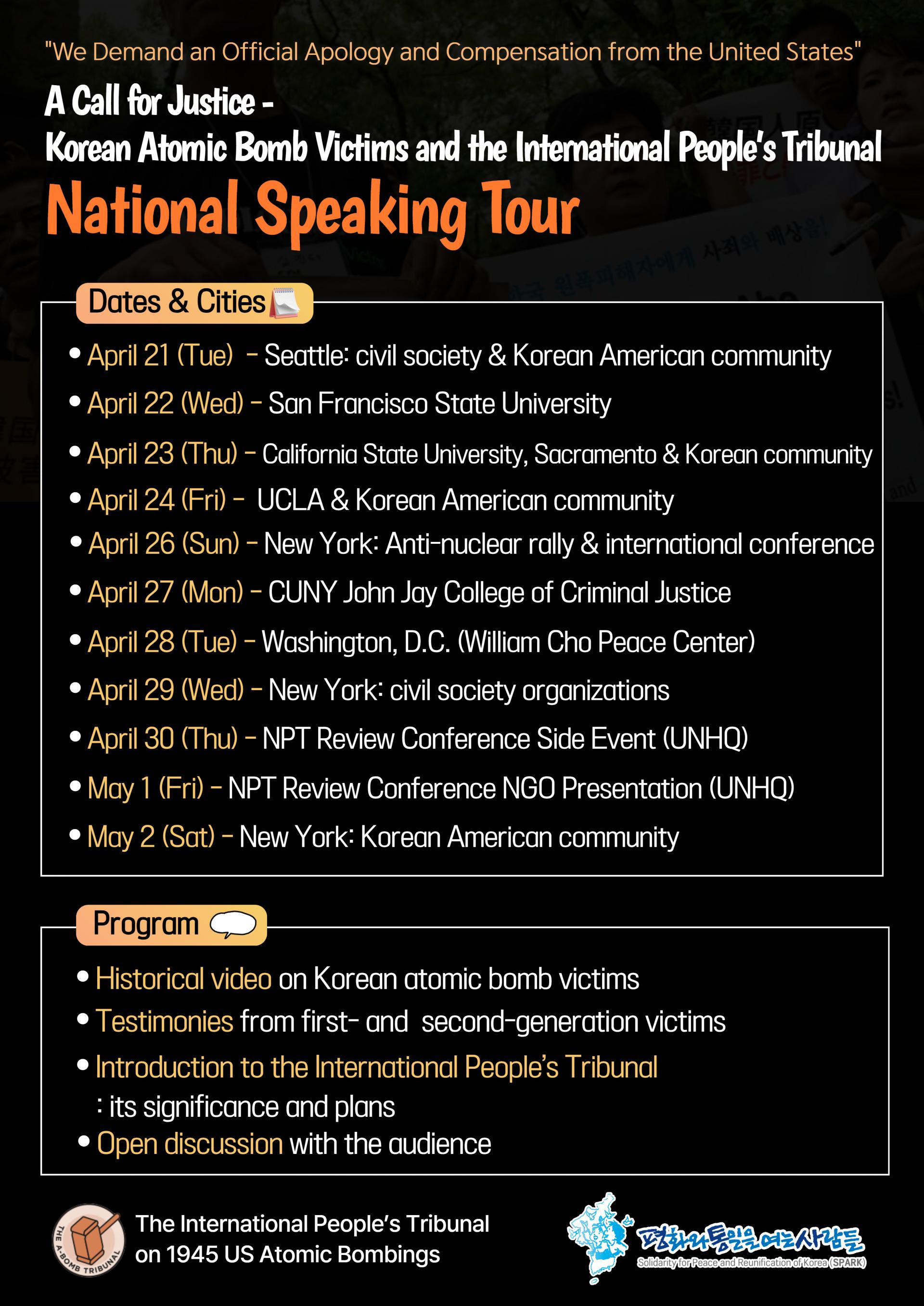
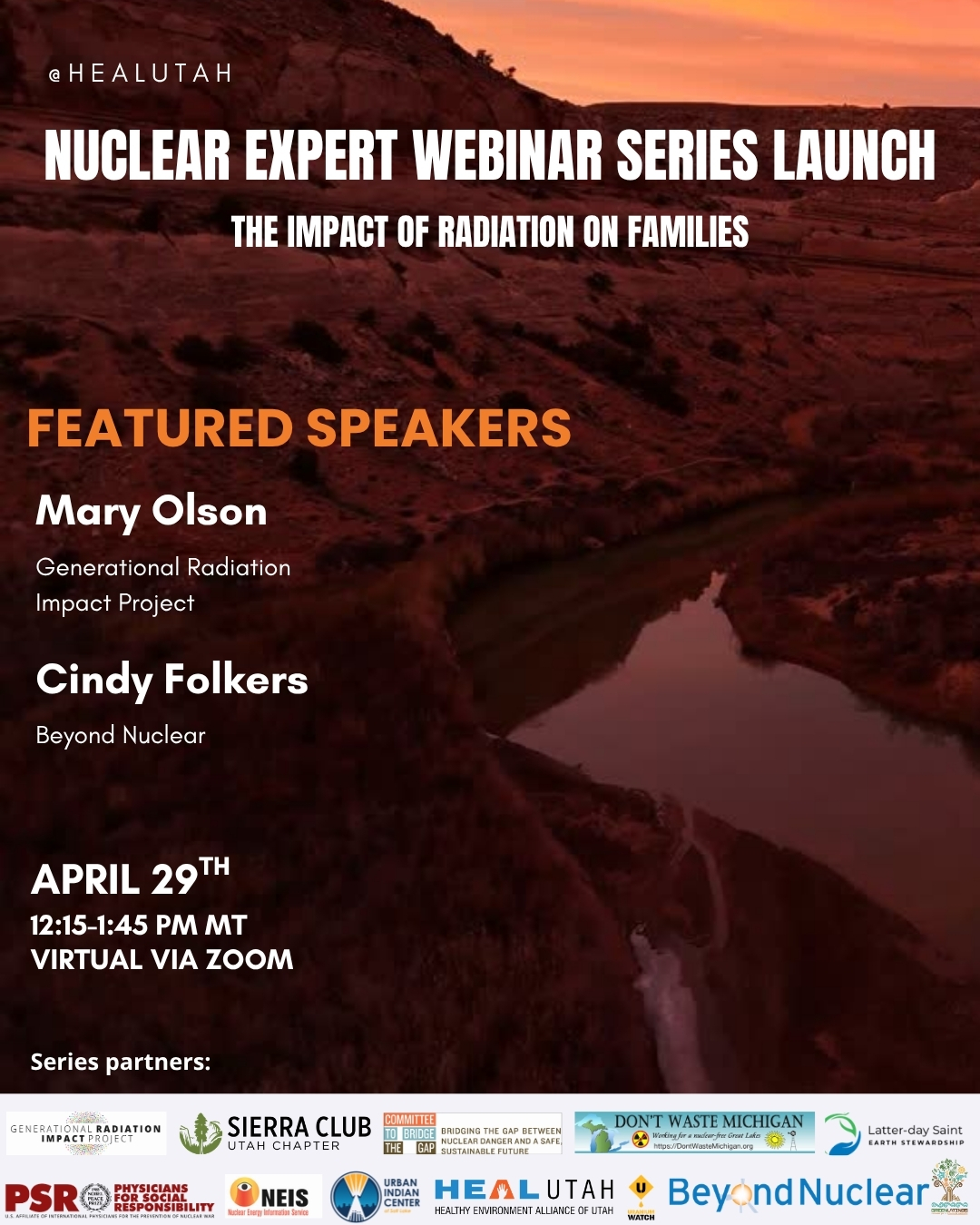
29 April – Nuclear Expert Webinar #1 – Radiation Impacts on Families with Mary Olson and Cindy Folkers
- 12:15 PM MT – 1:45 PM MT
- Location: Virtual – REGISTER TODAY

4 May -West Suburban Peace Coalition to discuss Iran war at May Educational Forum
Monday, May 4, 7:00 – 8:00 PM Central Standard Time
Title: : How Trump’s Narrative Tries to Shape the Reality of the War on Iran.
Contact Walt Zlotow, zlotow@hotmail.com 630 442 3045 for further information
14 May – online event From Bombs to Data Centres: the Face of Nuclear Colonialism

Pine Ridge Uranium is the real threat, not Tehran- Tell Burgum: Stop the Extraction.
Chernobyl: The Lost Tapes – A good documentary on Chernobyl on SBS available On Demand for the next 3 weeks– https://www.sbs.com.au/ondemand/tv-program/chernobyl-the-lost-tapes/2352741955560
To see nuclear-related stories in greater depth and intensity – go to https://nuclearinformation.wordpress.com
-
Archives
- April 2026 (338)
- March 2026 (251)
- February 2026 (268)
- January 2026 (308)
- December 2025 (358)
- November 2025 (359)
- October 2025 (376)
- September 2025 (257)
- August 2025 (319)
- July 2025 (230)
- June 2025 (348)
- May 2025 (261)
-
Categories
- 1
- 1 NUCLEAR ISSUES
- business and costs
- climate change
- culture and arts
- ENERGY
- environment
- health
- history
- indigenous issues
- Legal
- marketing of nuclear
- media
- opposition to nuclear
- PERSONAL STORIES
- politics
- politics international
- Religion and ethics
- safety
- secrets,lies and civil liberties
- spinbuster
- technology
- Uranium
- wastes
- weapons and war
- Women
- 2 WORLD
- ACTION
- AFRICA
- Atrocities
- AUSTRALIA
- Christina's notes
- Christina's themes
- culture and arts
- Events
- Fuk 2022
- Fuk 2023
- Fukushima 2017
- Fukushima 2018
- fukushima 2019
- Fukushima 2020
- Fukushima 2021
- general
- global warming
- Humour (God we need it)
- Nuclear
- RARE EARTHS
- Reference
- resources – print
- Resources -audiovicual
- Weekly Newsletter
- World
- World Nuclear
- YouTube
-
RSS
Entries RSS
Comments RSS
 nuclear-news
[…] Questions on the causes and effects of the Tianjin explosion […]