Crisis of Asahi and Japanese Journalism FCCJ conference transcript summary from 16th December 2014
” There is an issue in Fukushima on how to be correctly scared”
Yamada Atashi December 2014
This summary is of press conference in Japan discussing the recent attacks on the Asahi Shimbun concerning an article on the chaotic events during the 2011 nuclear accident at Fukushima Daichi nuclear power plant. The video source is from the Foreign correspondents Club of Japan video (linked below).
Yuichi Kaido: Lawyer / Satoshi Kamata: Journalist / Tatsuro Hanada: Professor, Waseda University (Media and Journalism Studies)
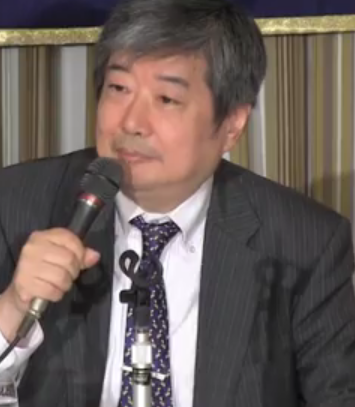
Yuichio Kaido (Lawyer)
Worked on nuclear related legal cases.
Calling for a retraction of the situation regarding the Yoshida Testimony and disciplining of the reporters involved.
200 lawyers have signed a letter of support
The main issue was the headline of the article.
He clarified that the disputed headline was not incorrect.
Evidence was also given to those concerned supporting the correctness of the articles headline.
TEPCO confirmed that the order was given to remain within the grounds of the Fukushima Daichi nuclear plant but 650 actually went to the Fukushima Daini nuclear plant some 10 Km away.
The third document was a conversation from Yoshida San and the government Agency as further supporting evidence showing an unofficial exodus from the Dachi nuclear plant.
The press and human rights committee (PRC) of Asahi Shimbun (That ordered the article removed and the reporters punished) was found to be incorrect and a statement of this was noted.
Final point was that there was no sensors to measure the pressures and temperatures of the developing meltdowns.
“The fact that the workers had left the site also was grounds enough for an article describing the situation. The fact that the whole article retracted was found to not be understandable” Yuichio San Said.
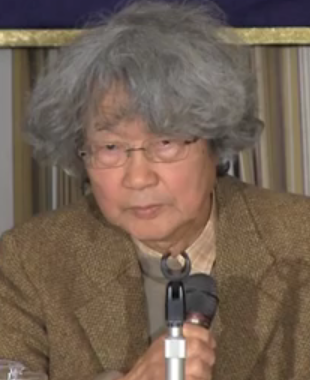
Satoshi Kamata (Independent journalist and Anti nuclear organiser)
The fact that this article was retracted is a very worrisome development that people and society need to focus on.
Investigative journalism is threatened as the Asahi reportes broke the story despite censorship of the evidence (before it was openly released by the Japanese Government)
He mentions that the comfort women story that was retracted also only had one contentious issue and that the detraction of the whole article was wrong.
The orders that Yoshida San gave;
“were not listened to by 95 percent of the workers”
The substance of the article was the important thing and the contencious individual phrases were secondary and not so important to this whole affair and this “played down” the serious situation being portrayed.
Key managers that knew of Yoshidas orders had also evacuated the nuclear site.
The government wanted to show how well they were doing and didnt want this truth getting out.
Thee Asahi Shimbun PRC asked questions of the reporters but not the workers ..
It is important for us to pay attention to the nuclear lobbies level of power in this attack on the Asahi Shimbun
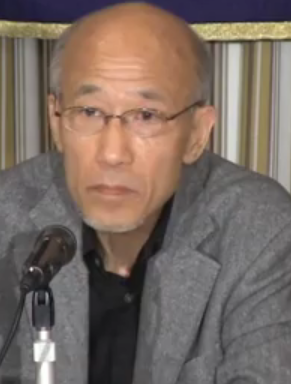
Tasuro Hanada (Prof. at Waseda Uni. Media and Journalism studies)
“The Article should not have been retracted and the journalists should not have been disciplined”
The critism of the Yoshida San article is concerning the headline. Claims that it is misreporting and untrue mave been made.
Journalism is about gathering facts and preseting it in a pleasant way.
The words “order” and “withdraw” were suitable and expressive as a journalist would put in and the facts would be presented.
If there are critical views then other newspapers and media could argue the points and presentation posted in Asahi Shimbun.
The PRC was actually set up to dealing with claims from readers and the process that lead up to the retraction was very one sided.
There are also peer bodies that are set up for the actual purpose of dealing with claims of misreporting though these are not found in Japan and these situations are dealt with internally. the PRC is an internal body of Asahi Shimbun. Japan also has no press club to offer support.
Questions of note
Was there pressure from outside the organisation that you might be aware of? (open question for panel)
Satoshi Kamata
Many newspapers attacked the article.. and the government then released the documents and the newspapers used that to dismiss the Asahi Shimbun version with encouragement from the government.
Why was this particular article targeted?
Tasuro Hanada
He said that the reticence to support the article was because other Japanese journalists fled the disaster area leaving no one to document the unfolding tragedy. the mayor of Miamisoma said that the reporters “ran” and the corporate media remebered the claims against them and found it difficult to accept the terminology being presented as it showed them in a bad light also.
Satoshi Kamata
another reason that the article was targeted was because of the myths that the situation was under control and that because the workers were there that everything was fine.

Ex Senior Staff writer Yamada Atashi speak from the floor.
I agree with the views mentioned here today. the reporters that did the article showed the chaos during the disaster and they should be praised for that.
People did not want these facts to be known.
There is a polarisation within Japanese Journalism and the connection of business interests to bear in mind.
The comfort women issue and the other retracted article also have to be assesed and people were put in an uncomfortable situation and the actions were a way to appease certain people or organisations.
Liberal media is not popular and it is under strain in Japan.
The managers were under pressure because of advertising revenue and paper sales.
The fact that the reporters were disciplined was very shameful.
“There was also problems with the governance in Asahi Shimbun.”
The nuclear energy companies and the government hide many facts and investigative journalism is very important.
” There is an issue in Fukushima on how to be correctly scared”
Full Video interview here; https://www.youtube.com/watch?v=35kkfAGN87U
Link to more info here
Credibility Questions on Fukushima – Undisclosed testimony by the plant manager, Masao Yoshida
The Yoshida Testimony – report on Fukushima nuclear accident as told by former plant manager
2 Comments »
Leave a comment
1 This Month


Tell the Ukrainian Government to Drop Prosecution of Peace Activist Yurii Sheliazhenko

Petition to revoke the licensing of the Near Surface Nuclear Disposal Facility (NSDF) at Chalk River. https://www.ourcommons.ca/petitions/en/Petition/Details?Petition=e-7247


of the week – STOP SMALL MODULAR REACTORS IN CANADA
To see nuclear-related stories in greater depth and intensity – go to https://nuclearinformation.wordpress.com
-
Archives
- March 2026 (204)
- February 2026 (268)
- January 2026 (308)
- December 2025 (358)
- November 2025 (359)
- October 2025 (376)
- September 2025 (258)
- August 2025 (319)
- July 2025 (230)
- June 2025 (348)
- May 2025 (261)
- April 2025 (305)
-
Categories
- 1
- 1 NUCLEAR ISSUES
- business and costs
- climate change
- culture and arts
- ENERGY
- environment
- health
- history
- indigenous issues
- Legal
- marketing of nuclear
- media
- opposition to nuclear
- PERSONAL STORIES
- politics
- politics international
- Religion and ethics
- safety
- secrets,lies and civil liberties
- spinbuster
- technology
- Uranium
- wastes
- weapons and war
- Women
- 2 WORLD
- ACTION
- AFRICA
- Atrocities
- AUSTRALIA
- Christina's notes
- Christina's themes
- culture and arts
- Events
- Fuk 2022
- Fuk 2023
- Fukushima 2017
- Fukushima 2018
- fukushima 2019
- Fukushima 2020
- Fukushima 2021
- general
- global warming
- Humour (God we need it)
- Nuclear
- RARE EARTHS
- Reference
- resources – print
- Resources -audiovicual
- Weekly Newsletter
- World
- World Nuclear
- YouTube
-
RSS
Entries RSS
Comments RSS
 nuclear-news
Welcome back, arclight!
And what a timely post! What a worrying time for media and journalism. Looks as if Japan is leading the way, in circumscribing the news – what we’re allowed to learn, and what we’re not!
why thank you Christina 🙂 this was a very important conference that laid out the problems facing transparency and nuclear shenanigans.. big hugs 🙂