Journalist Makes Documentary Film After Spending 2 Years In Fukushima
“I didn’t know what I should do,” he says, to help the residents there who have been forced to live their lives together with the threat of radiation.
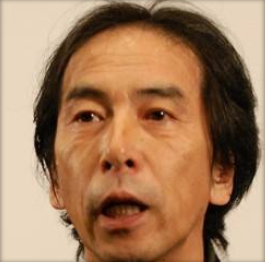
After over two years in Iitate, Fukushima Prefecture, and recording some 250 hours’ worth of footage, a journalist is putting his work out in the form of a 3 hour and 45 minute documentary film.
A producer and editor for “The Will: If Only There Were no Nuclear Plant” praised the film as a “treasure-trove of imagery,” so well does it capture the emotions of Fukushima residents and tense situations. In one such scene, the film’s protagonist rushes to the home of a fellow dairy farmer who has committed suicide, a scene filmed after that farmer’s obituary just happened to come to bear while the journalist who made the film was on-site.
That journalist was Naomi Toyoda, 57, who got his start as a freelance reporter back in 1982. A cram school teacher until then, he was spurred to act after seeing reports of Israel’s invasion of Lebanon on television. He would spend 20 years reporting on Palestine, and 10 years covering Iraq’s depleted uranium rounds.
“It’s deep reporting, different than constantly dealing with the latest stories like in the mass media,” says Toyoda. He runs his camera only after building a relationship of trust with his subjects, after they begin to show their natural selves.
Despite his time reporting from battlefields, Toyoda was still struck with doubt while working in Fukushima Prefecture. “I didn’t know what I should do,” he says, to help the residents there who have been forced to live their lives together with the threat of radiation.
The documentary film ends with the protagonist walking with a dosimeter around a temporary storage site for radioactive waste that resulted from decontamination work. Toyoda, in an expression of determination, says, “Three years after the nuclear disaster, nothing is solved. I’m going to keep on reporting.
Source: http://mainichi.jp/english/english/newsselect/news/20140518p2a00m0na005000c.html
Another documentary here;
Published on 3 Feb 2013
SYNOPSIS: Many children in Fukushima were never evacuated after the nuclear meltdown on March 11, 2011. Now the number of Fukushima children found to have thyroid cysts and nodules is increasing. What will this mean for their future?
シノプシス: 福島の子供達の多くは、メルトダウン後も避難させてもらえなかった。嚢胞としこりを持つ福島の子供達の数が増加してきている。このことが彼らの未来に対して意味するものは?
*** version Françaises: http://www.youtube.com/watch?v=GFV-By… ***
No comments yet.
1 This Month


Tell the Ukrainian Government to Drop Prosecution of Peace Activist Yurii Sheliazhenko

Petition to revoke the licensing of the Near Surface Nuclear Disposal Facility (NSDF) at Chalk River. https://www.ourcommons.ca/petitions/en/Petition/Details?Petition=e-7247


of the week – STOP SMALL MODULAR REACTORS IN CANADA
To see nuclear-related stories in greater depth and intensity – go to https://nuclearinformation.wordpress.com
-
Archives
- March 2026 (204)
- February 2026 (268)
- January 2026 (308)
- December 2025 (358)
- November 2025 (359)
- October 2025 (376)
- September 2025 (258)
- August 2025 (319)
- July 2025 (230)
- June 2025 (348)
- May 2025 (261)
- April 2025 (305)
-
Categories
- 1
- 1 NUCLEAR ISSUES
- business and costs
- climate change
- culture and arts
- ENERGY
- environment
- health
- history
- indigenous issues
- Legal
- marketing of nuclear
- media
- opposition to nuclear
- PERSONAL STORIES
- politics
- politics international
- Religion and ethics
- safety
- secrets,lies and civil liberties
- spinbuster
- technology
- Uranium
- wastes
- weapons and war
- Women
- 2 WORLD
- ACTION
- AFRICA
- Atrocities
- AUSTRALIA
- Christina's notes
- Christina's themes
- culture and arts
- Events
- Fuk 2022
- Fuk 2023
- Fukushima 2017
- Fukushima 2018
- fukushima 2019
- Fukushima 2020
- Fukushima 2021
- general
- global warming
- Humour (God we need it)
- Nuclear
- RARE EARTHS
- Reference
- resources – print
- Resources -audiovicual
- Weekly Newsletter
- World
- World Nuclear
- YouTube
-
RSS
Entries RSS
Comments RSS
 nuclear-news
Leave a comment