Sebusang said of most concern is the fact that the minister of Infrastructure, Science and Technology, Johnie Swartz, under whom the RPI falls, never addressed the residents over the issue since the discussions started a few years ago.
by Reuben Pitse
04-08-2013
After a long battle, the Radiation Protection Inspectorate (RPI) has finally been awarded a piece of land by the Ngwato Land Board where a radiation facility will be constructed in Pilikwe Village in Tswapong North.
The issue has re-ignited divisions between villagers and government with the pressure group, which is against the project, threatening to sue the government over the issue.
The Director of the Radiation Protection Inspectorate, Thapelo Otukile, has confirmed to Sunday Standard that his department had been awarded a piece of land by the Ngwato Land Board that they have long applied for.
“The department has finally been allocated a piece of land in Pilikwe where the facility will be constructed,” he said.
He explained that the project was planned for implementation during the National Development Plan 10 when funds are available.
Otukile revealed that the facility is expected to be constructed before the year 2016, adding that “it should be emphasized that the facility is not a disposal site but an area where disused radiation source can be reconditioned to be brought back to the use or repackaged and sent back to the manufacturer”.
He said that it should be clearly understood that Botswana does not generate nuclear waste since there is no nuclear power plant that generates both liquid and solid nuclear waste.
He further stated that the country has no capacity and capability as well as land to dispose of such waste if it happened that the country has the capability of producing nuclear waste.
Otukele said his department was never at loggerheads with Pilikwe residents but instead, they engaged all the concerned parties and will continue to consult with their stakeholders because it is an ongoing process.
He pointed out that RPI mandate is to provide safe use of nuclear technology to protect the public, environment and users against adverse effects of ionizing technology.
“I am aware of the issue but as you know, I was elected early this year as the new councilor therefore I am not in a good position to comment on the issue as yet until after being briefed,” said Ace Moinami, the area councilor.
Village headman Bokopano Koodibetse declined to comment saying that he could not issue contradictory statements as there is a task force looking at the matter.
Dr Sebusang Sebusang, a member of the task force selected by the villagers, said he is very disappointed by the Ngwato Land Board for allocating RPI with a piece of land before they can conclude the negotiations.
“What the Land Board has done is really embarrassing,” he said.
He threatened that even though the department may have won and was allocated the site, the battle is not yet over as the task force may consider taking the legal route as a last resort.
“We want both parties to engage each other rather than taking the legal route, which should not be the case,” he said.
Sebusang said of most concern is the fact that the minister of Infrastructure, Science and Technology, Johnie Swartz, under whom the RPI falls, never addressed the residents over the issue since the discussions started a few years ago.
“We still want the minister to address the residents of Pilikwe,” he said.
Sebusang added that they have realized that there is no political will to address the issue.
He appealed to the government for an amicable resolution of the matter.
Meanwhile some residents say that they “will do what it takes to defend our village as the project will bring disaster to our village”.
They claimed that there are few individuals within the village and in Gaborone who they labeled as “sell outs” who they allege go against the will of the people as they have connections with the high ranking officials.
“We know these sell outs as well as their agenda and will do our best to defeat their intentions.”
HMS Tireless suffered a reactor coolant leak off the west coast of Scotland in February, which lasted 192 hours. In a separate incident, the same sub released radioactive air into the environment which the MoD insisted was “well within the normal permitted limits for discharges to the environment”.
“It seems as if admirals in Whitehall have overruled nuclear safety by demanding that the remaining elderly boats are held in service as a string and sticky-tape stopgap measure,” said Large.
Five Trafalgar class submarines, some of which are almost 30-years-old, are suffering reliability issues with their nuclear reactors, according to a report put online by the Ministry of Defense (MoD) that covers 2012-2013. The UK’s Royal Navy nuclear safety watchdog, the Defense Nuclear Safety Regulator (DNSR), said that while at the moment problems are being dealt with, it issued an amber warning that “attention is required to ensure adequate safety performance.”
The hunter-killer submarines, which were launched between 1984 and 1991, are expected to operate for at least 33 years with the final sub in the class, HMS Triumph, not expected to be mothballed until 2022. “As a result, the Trafalgar class are operating at the right hand end of their ‘bathtub’ reliability curves”, warns the DNSR. This means that the number of reliability problems experienced by the boats increases dramatically as they reach the ends of graphs shaped like bathtubs.
All technical issues which have emerged in the last few years “can be directly attributed to the effects of aging,” the MoD states. The Trafalgar class subs were already meant to have been in the knackers yard but have been forced into staying at sea longer because of prolonged delays with their replacement Astute class boats.
After billion pound budget overruns on top of serious construction and teething problems, only two of the seven planned attack submarines are in service with the Navy. There have been several accidents on board Trafalgar class submarines in recent years.
The Asia-Pacific Journal, Vol. 11, Issue 30, No. 3, August 5, 2013.
In the Dark With Tepco: Fukushima’s Legacy for Nuclear Power
Andrew DeWit
The sad saga of Fukushima, with its recurrent revelations of incompetence and obfuscation, carries on. Among the latest, as related in detail in this July 31 Reuters article, are radioactive releases into the sea, unexplained ventings of steam, and the lack of a credible plan to deal with a daily 400-tonne influx of groundwater. Tokyo Electric, or TEPCO, is clearly unable or unwilling to devote the resources necessary to resolve this crisis, which will continue for decades. As United Nations University research fellow Christopher Hobson argues, the only solution is for the government to take over.
Tepco is desperate to survive. Japan’s most loathed firm – and a millstone for the global nuclear business – it recently hired British-American Lady Barbara Judge, chair of the UK Atomic Energy Authority from 2004 to 2010, and still its honorary chairwoman, to oversee its safety campaign. This employment of a foreign woman, to put a new face on Tepco was announced in early July. But that aggressive public relations move did not stop Tepco from being chary with the truth on the release of radioactive water into the ocean. Tepco had denied these releases for months, in the face of accumulating evidence and a chorus of criticism that included the Japanese Nuclear Regulation Authority (NRA). It apparently confirmed the releases on July 18.
Barbara Judge with Tepco President Hirose Naomi
But true to form, Tepco appears to have held back official release of this information pending the outcome of the July 21 Upper House elections.
Moreover, as the following article highlights, a Reuters investigation from last December showed that Tepco is making limited, if any, use of overseas business expertise on the various aspects of reactor decommissioning and clean–up. So its deployment of Lady Judge does indeed appear – to recycle an apt phrase – to be putting lipstick on a pig.
One narrative emerging from nuclear advocates is that the Fukushima Daiichi reactors were outdated and poorly maintained because Tepco ran them as a cash cow while focusing resources on fixing its Kashiwazaki-Kariwa reactors. So perhaps we can understand the recent ineptness at Fukushima as more of the same. The seven reactors at Kashiwazaki-Kariwa comprise the world’s largest nuclear plant, which had been shut down by the 2007 Chuuetsu offshore earthquake. The earthquake caused fire and radiation leaks, severely damaging the seven reactors. Tepco was eager to get them back online before Fukushima; and now its prospects of returning to profitability rely heavily, if not entirely, on restarting at least some of the power generation capacity at this plant.
Indeed, the July 2012 partial nationalization of the utility by the hapless Democratic Party government was predicated on a March 2013 restart of some of the Kashiwazaki-Kariwa reactors. The promise of restarts was the assurance of viability in order to encourage the banks to continue lending to the utility.
Kashiwazaki-Kariwa reactors
Seen from another perspective, Tepco’s shenanigans at Fukushima Daiichi are all the more incredible. For one thing, restarts at Kashiwazaki-Kariwa remain opposed by Niigata Prefecture Governor Izumida Hirohiko, and Tepco just handed him a whole lot of political capital and credibility on this point.
Moreover, restarts are contingent on safety checks that include inspection of seismic zones. Japan’s NRA has limited staff, and only about 80 in 3 teams of inspectors. The NRA will now be forced to focus more scarce resources on Fukushima Daiichi while being even more careful in inspecting the 10 reactors at 5 plants for which four utilities have filed restart applications. These inspections were already expected to take several months, per reactor. Compounding Tepco (and the other utilities’) problems is the fact that the risk of earthquakes in Japan appears to have been increased by the major series of seismic events centered on the March 11, 2011 magnitude 9.0 Great East Japan Earthquake.
Another Tsunami?
Considering the goings-on at Fukushima, it is impossible to imagine what mischief Tepco and its allies are up to. But they may be in the path of another tsunami. As Keio University’s Kaneko Masaru points out in a new Iwanami Shoten booklet (published August 3) titled (in Japanese) “Nuclear Costs More than Conventional Thermal Power,” the monopoly utilities are probably bankrupt. He shows in careful detail that once all the costs of Fukushima and other matters are added up and priced into power, nuclear generation is an astounding YEN 23.5 per kilowatt-hour, well over the YEN 8-9/kWh for thermal power and a far cry from the YEN 5-6/kWh calculated for nuclear back in 2004.
“… With each new revelation, South Koreans — who, like the Japanese, had grown to believe their leaders’ soothing claims about nuclear safety — have become more jittery. Safety is the biggest concern, but the scandals have also caused economic worries. At a time of slowing growth, the government had loudly promoted its plans to become a major builder of nuclear power plants abroad.
The scandal, Professor Suh said, “makes it difficult to continue claiming to build reliable nuclear power plants cheaply.” …”
SEOUL, South Korea
NY Times
4th August 2013
— Like Japan, resource-poor South Korea has long relied on nuclear power to provide the cheap electricity that helped build its miracle economy. For years, it met one-third of its electricity needs with nuclear power, similar to Japan’s level of dependence before the 2011 disaster at its Fukushima plant.
Seoul city employees used fans on Friday to cope with power shortages. The closing of nuclear reactors has set off a campaign to save energy.
Now, a snowballing scandal in South Korea about bribery and faked safety tests for critical plant equipment has highlighted yet another similarity: experts say both countries’ nuclear programs suffer from a culture of collusion that has undermined their safety. Weeks of revelations about the close ties between South Korea’s nuclear power companies, their suppliers and testing companies have led the prime minister to liken the industry to a mafia.
The scandal started after an anonymous tip in April prompted an official investigation. Prosecutors have indicted some officials at a testing company on charges of faking safety tests on parts for the plants. Some officials at the state-financed company that designs nuclear power plants were also indicted on charges of taking bribes from testing company officials in return for accepting those substandard parts.
Worse yet, investigators discovered that the questionable components are installed in 14 of South Korea’s 23 nuclear power plants. The country has already shuttered three of those reactors temporarily because the questionable parts used there were important, and more closings could follow as investigators wade through more than 120,000 test certificates filed over the past decade to see if more may have been falsified.
In a further indication of the possible breadth of the problems, prosecutors recently raided the offices of 30 more suppliers suspected of also providing parts with faked quality certificates and said they would investigate other testing companies.
“What has been revealed so far may be the tip of an iceberg,” said Kune Y. Suh, a professor of nuclear engineering at Seoul National University.
This video is the first that UK column has refused the embed option for bloggers. I will endeavour to find out if this is a YOU TUBE block or a decision by the UK column team. I will leave a message for the team and report on this below when i find out.
Streamed live on 1 Aug 2013
Louise Collins and Brian Gerrish with a news update from the UK Column, following which Patrick Henningsen will interview Ian Crane about the increasing opposition to fracking in the UK. The interview begins at about 32 minutes. Ian Crane talks about his banned BBC interview, Having his web site hacked during a media pro fracking campaign, Halliburtons use of depleted uranium munitions to start fracking wells.
Ian Crane also discusses the financial pressures on politics and media to accept the industry statements on safety. Mr Crane also discusses how local communities are bribed to accept the industry but not informed of other issues such as house price drop, contamination issues and pressure on local infrastructure from the industries business activities.
The issue of a lack of transparency is discussed.
within the video is the banned BBC video that would have let BBC viewers become aware of a more balanced understanding of the issues.
Michihiko Yanai writes and performs songs that encourage and energize people from his native Fukushima who were victims of the 3.11 disaster. He mounted a national tour to thank the many people around Japan who have supported Fukushima refugees. On the tour, he met many refugees, who have strong feelings about the homes they lost, and wonder if they can, or even should, ever return there. Michihiko unveils a new song telling them that people will support them no matter what they decide to do.
Air Date 8/4/13
The poor quality of the video is the result of a broadcasting issue. These docs are available for a very short period of time before NHK pulls them so I grab them while I can.
Thanks for watching 🙂
All material provided on this channel is for educational purposes only. No copyright infringement intended.
(Source) http://japanfocus.org/events/view/100
(Editor’s note) Mr. Masamichi Nishio was resigned from a head of the Hokkaido Cancer center and has been working as an honorary director. Mr. Nishio is one of a few doctors who has been commenting on the danger of internal exposure to ionizing radiation right from the start, soon after the Fukushima disaster.
Japan’s leading business journal Toyo Keizai has published an article by Hokkaido Cancer Center director Nishio Masamichi, a radiation treatment specialist. The piece, entitled “The Problem of Radiation Exposure Countermeasures for the Fukushima Nuclear Accident: Concerns for the Present Situation”, was published on June 27 and is consistent with the critical coverage of the Fukushima crisis that has appeared in independent weekly magazines, notably Shukan Kinyobi, which have taken a strong anti-nuclear stance since the March 11 earthquake-tsunami-meltdown, and have repeatedly focused on the dangers of radiation exposure while calling for far-reaching measures to protect those at risk.
Mr. Nishio begins by asserting that the Fukushima crisis has caused Japan’s “myth of nuclear safety” to crumble. He has “grave concern” for the public health effects of the ongoing radiation leak.
Mr. Nishio originally called for “calm” in the days after the accident. Now, he argues, that as the gravity of the situation at the plant has become more clear, the specter of long-term radiation exposure must be reckoned with.
Lamenting the poor state of public knowledge of radiation, Mr. Nishio writes, “Japan, with its history of having suffered radiation exposure from the atomic bombs, should have the most [direct] knowledge of radiation, but in fact, in the approach to the nuclear accident, has simply fallen into confusion.” He places blame on a number of groups:
TEPCO executives, who he accuses of having hidden the truth and prioritized the survival of the company over public health.
Bureaucrats who were unable to put together an accurate body of information about radiation effects from which to formulate policy.
A prime minister and cabinet lacking both leadership and an appropriate sense of urgency.
Politicians who sought to use the crisis in intra- or inter-party struggles.
Nuclear industry lobbyists and “academic flunkies” (goyo gakusha) of the government who built up the myth of nuclear safety in the first place.
-Looking at these groups, he writes, “I just cannot feel any hope for Japan’s future. These circumstances are simply tragic.”
He leaves the press out of his main list of culprits, but points to the poor state of scientific knowledge among journalists as a major factor behind what he views as their inability to bring essential information to the public in a timely manner. He also accuses the media establishment of prioritizing “avoiding a panic” over “communicating the truth”.
Mr. Nishio provides a blunt and hard-hitting specialist perspective on major government decisions. Here is a summary of some of his major points:
Workers:
He accuses the authorities of prioritizing their own convenience over the lives of nuclear workers. Nishio argues that raising the exposure limit from 100 mSv to 250 mSv can have serious health effects. He also states that reports of poor food and sleeping conditions for workers show that “… they are not even being treated like human beings.”
The JSDF helicopters that dropped water on the Fukushima Daiichi reactors and spent fuel pools in the days after March 11 were outfitted with the types of radiation shields used in hospital x-ray rooms. Nisho says that this was akin to “putting on a lead helmet in order to protect yourself from radiation from space”. The planners, he argues, did not even understand the difference between airborne radiation from a nuclear accident and radiation used in the controlled environment of hospital treatment.
Referring to “protective” suits is a misnomer bordering on fraud in Nishio’s view since nothing can offer total protection from radiation exposure.
A lack of nutrition and rest can make workers more susceptible to radiation symptoms. Nishio speculates that having the workers sleep together in gymnasium-like barracks with no privacy is simply designed to keep them from running away. Just 30 minutes from the site, he points out, there are empty hotels which could offer those on the front line a quiet, secure place to rest and recuperate.
He accuses TEPCO of being up to the old tricks of the nuclear industry: giving dispatch and temporary workers broken radiation monitors, only giving them monitoring devices when they are working despite high levels of radiation throughout the site, and so on.
Without accurate assessment of internal radiation exposure through “whole body monitoring”, there is no way to tell how much exposure workers are actually suffering.
Measures must also be taken to gauge different types of exposure (i.e. alpha rays from plutonium and beta rays from strontium).
Around 5000 workers have worked at the site since March. This number is high, but if radiation release continues, 100 or even 1000 times that number may be needed over time.
The MOX fuel in reactor number 3 is particularly dangerous but Nishio doubts that special measures to protect workers are being taken.
“Peripheral Blood Stem Cell Harvest” treatment has been put forward by doctors as a way to minimize the chances of bone marrow deterioration among workers, but this was turned down by the Nuclear Safety Commission of Japan. Nishio asserts that this is evidence that they simply do not grasp the severity of the situation.
Apart from the iodine that they are being given, workers should also be taking Radiogardase (Prussian blue insoluble capsules). Not working to bring together the best preventative medicine, Nishio asserts angrily, is an example of “graveyard governance”.
Fukushima Residents:
The threat to public health is not simply a matter of distance from Fukushima. Wind patterns and topography are even more important.
The release of data from the expensive SPEEDI system, was delayed until March 23. This delay resulted in unnecessary radiation exposure. “It is only conceivable that the high rate of radiation released was not reported because of fears of a panic.”
Former Minister for Internal Affairs Haraguchi Kazuhiro has alleged that radiation monitoring station data was actually three decimal places greater than the numbers released to the public. If this is true, it constitutes a “national crime”, in Nishio’s words. He follows with, “Giving us the truth once is much more important than saying ‘hang in there Japan!’ a million times.”
According to Japanese law, the rate of radiation exposure permitted for ordinary citizens is 1 mSv / year. This has been raised to 20 mSv / year in a “time of crisis”. Such a dramatic increase in permitted exposure is akin to “taking the lives of the people lightly”. Nishio believes that 20 mSv is too high, especially for children who are far more susceptible to the effects of radiation.
Even more important than a permitted 20 mSv exposure rate, however, is the lack of adequate provision for measuring internal radiation exposure among the Fukushima population.
The American Academy of Sciences 2008 “Biological Effects of Ionizing Radiation” report claims that there is no safe level of radiation exposure. Despite this and other examples of leading research, however, the Japanese government has moved on the assumption that there is no evidence for increased cancer risk at under 100 mSv of exposure. The European Committee on Radiation Risk argues that existing risk models do not take internal exposure into account. High rates of internal exposure will mean a dramatic increase in cancer risk for Fukushima residents, with as many as 400,000 cases predicted by 2061. Nishio argues, however, that these calculations rest on some shaky assumptions and that the number is too high. He believes strongly, however, that internal radiation exposure must be taken seriously by the Japanese government.
Comparing the 6.9 mSv exposure from a CT scan to a similar amount of radiation exposure outside of a controlled environment is misleading. Long term exposure and internal exposure can have unpredictable effects on the human body. Comparisons with radiation used in cancer treatment are also scientifically shaky.
The large amounts of radioactive waste water at the Fukushima Daiichi site will contaminate the soil and water supplies, significantly increasing the risk of internal radiation exposure.
The threat to public health is not simply a matter of distance from Fukushima. Wind patterns and topography are even more important.
The release of data from the expensive SPEEDI system, was delayed until March 23. This delay resulted in unnecessary radiation exposure. “It is only conceivable that the high rate of radiation released was not reported because of fears of a panic.”
Former Minister for Internal Affairs Haraguchi Kazuhiro has alleged that radiation monitoring station data was actually three decimal places greater than the numbers released to the public. If this is true, it constitutes a “national crime”, in Nishio’s words. He follows with, “Giving us the truth once is much more important than saying ‘hang in there Japan!’ a million times.”
According to Japanese law, the rate of radiation exposure permitted for ordinary citizens is 1 mSv / year. This has been raised to 20 mSv / year in a “time of crisis”. Such a dramatic increase in permitted exposure is akin to “taking the lives of the people lightly”. Nishio believes that 20 mSv is too high, especially for children who are far more susceptible to the effects of radiation.
Even more important than a permitted 20 mSv exposure rate, however, is the lack of adequate provision for measuring internal radiation exposure among the Fukushima population.
The American Academy of Sciences 2008 “Biological Effects of Ionizing Radiation” report claims that there is no safe level of radiation exposure. Despite this and other examples of leading research, however, the Japanese government has moved on the assumption that there is no evidence for increased cancer risk at under 100 mSv of exposure. The European Committee on Radiation Risk argues that existing risk models do not take internal exposure into account. High rates of internal exposure will mean a dramatic increase in cancer risk for Fukushima residents, with as many as 400,000 cases predicted by 2061. Nishio argues, however, that these calculations rest on some shaky assumptions and that the number is too high. He believes strongly, however, that internal radiation exposure must be taken seriously by the Japanese government.
Comparing the 6.9 mSv exposure from a CT scan to a similar amount of radiation exposure outside of a controlled environment is misleading. Long term exposure and internal exposure can have unpredictable effects on the human body. Comparisons with radiation used in cancer treatment are also scientifically shaky.
The large amounts of radioactive waste water at the Fukushima Daiichi site will contaminate the soil and water supplies, significantly increasing the risk of internal radiation exposure.
Fukushima Residents:
The threat to public health is not simply a matter of distance from Fukushima. Wind patterns and topography are even more important.
The release of data from the expensive SPEEDI system, was delayed until March 23. This delay resulted in unnecessary radiation exposure. “It is only conceivable that the high rate of radiation released was not reported because of fears of a panic.”
Former Minister for Internal Affairs Haraguchi Kazuhiro has alleged that radiation monitoring station data was actually three decimal places greater than the numbers released to the public. If this is true, it constitutes a “national crime”, in Nishio’s words. He follows with, “Giving us the truth once is much more important than saying ‘hang in there Japan!’ a million times.”
According to Japanese law, the rate of radiation exposure permitted for ordinary citizens is 1 mSv / year. This has been raised to 20 mSv / year in a “time of crisis”. Such a dramatic increase in permitted exposure is akin to “taking the lives of the people lightly”. Nishio believes that 20 mSv is too high, especially for children who are far more susceptible to the effects of radiation.
Even more important than a permitted 20 mSv exposure rate, however, is the lack of adequate provision for measuring internal radiation exposure among the Fukushima population.
The American Academy of Sciences 2008 “Biological Effects of Ionizing Radiation” report claims that there is no safe level of radiation exposure. Despite this and other examples of leading research, however, the Japanese government has moved on the assumption that there is no evidence for increased cancer risk at under 100 mSv of exposure. The European Committee on Radiation Risk argues that existing risk models do not take internal exposure into account. High rates of internal exposure will mean a dramatic increase in cancer risk for Fukushima residents, with as many as 400,000 cases predicted by 2061. Nishio argues, however, that these calculations rest on some shaky assumptions and that the number is too high. He believes strongly, however, that internal radiation exposure must be taken seriously by the Japanese government.
Comparing the 6.9 mSv exposure from a CT scan to a similar amount of radiation exposure outside of a controlled environment is misleading. Long term exposure and internal exposure can have unpredictable effects on the human body. Comparisons with radiation used in cancer treatment are also scientifically shaky.
The large amounts of radioactive waste water at the Fukushima Daiichi site will contaminate the soil and water supplies, significantly increasing the risk of internal radiation exposure.
The threat to public health is not simply a matter of distance from Fukushima. Wind patterns and topography are even more important.
The release of data from the expensive SPEEDI system, was delayed until March 23. This delay resulted in unnecessary radiation exposure. “It is only conceivable that the high rate of radiation released was not reported because of fears of a panic.”
Former Minister for Internal Affairs Haraguchi Kazuhiro has alleged that radiation monitoring station data was actually three decimal places greater than the numbers released to the public. If this is true, it constitutes a “national crime”, in Nishio’s words. He follows with, “Giving us the truth once is much more important than saying ‘hang in there Japan!’ a million times.”
According to Japanese law, the rate of radiation exposure permitted for ordinary citizens is 1 mSv / year. This has been raised to 20 mSv / year in a “time of crisis”. Such a dramatic increase in permitted exposure is akin to “taking the lives of the people lightly”. Nishio believes that 20 mSv is too high, especially for children who are far more susceptible to the effects of radiation.
Even more important than a permitted 20 mSv exposure rate, however, is the lack of adequate provision for measuring internal radiation exposure among the Fukushima population.
The American Academy of Sciences 2008 “Biological Effects of Ionizing Radiation” report claims that there is no safe level of radiation exposure. Despite this and other examples of leading research, however, the Japanese government has moved on the assumption that there is no evidence for increased cancer risk at under 100 mSv of exposure. The European Committee on Radiation Risk argues that existing risk models do not take internal exposure into account. High rates of internal exposure will mean a dramatic increase in cancer risk for Fukushima residents, with as many as 400,000 cases predicted by 2061. Nishio argues, however, that these calculations rest on some shaky assumptions and that the number is too high. He believes strongly, however, that internal radiation exposure must be taken seriously by the Japanese government.
Comparing the 6.9 mSv exposure from a CT scan to a similar amount of radiation exposure outside of a controlled environment is misleading. Long term exposure and internal exposure can have unpredictable effects on the human body. Comparisons with radiation used in cancer treatment are also scientifically shaky.
The large amounts of radioactive waste water at the Fukushima Daiichi site will contaminate the soil and water supplies, significantly increasing the risk of internal radiation exposure.
Among people living in the same area, rates of exposure can vary greatly based on lifestyle and movement patterns. As a result, it is important that every resident in at risk areas be given a device to monitor personal radiation exposure. Apart from protecting individuals and allowing them to make informed decisions about their safety, the data gathered can be used in future medical research and in court cases that will no doubt originate from the Fukushima Daiichi accident.
There is little conclusive scientific data on the risks of low level radiation exposure. The government, however, must not let this turn into a case of “we don’t know so we can assume it is safe”. On the contrary, Nishio argues that it is necessary to proceed under the assumption “we don’t know so we must assume that it is dangerous”.
Residents must be given real time radiation data as well as the best possible advice about how to decrease their exposure.
While there are limits to what this can achieve, dirt from schoolyards should be regularly removed and replaced.
Strontium 90, which has a half-life of 28.7 years and can have a serious impact on child bone development, must be carefully measured.
In planning of future solutions, radiation effects on the body should take priority over the potential stresses associated with relocation.
The government should buy houses and land in irradiated areas at pre-crisis market value and provide additional aid for resettlement. Cleanup measures should be undertaken and when the areas become safe, the government should sell property back at reduced rates. A respect for both present necessity and the deep attachment that many have to land that has been in their families for many generations is necessary if the government wants to convince nuclear refugees that they are being treated fairly.
The government should make every effort to provide accurate information, but should not forcibly remove elderly residents who wish to remain in their homes.
Some Radical Thoughts:
The current crisis has called the very foundation of Japanese society into question. An unprecedented crisis calls for new ideas.
Dependence on nuclear energy, which was slated to fulfill 50% of Japan’s energy needs in the future, must be rethought.
Nuclear energy and energy policy have never been adequately debated in Japan. Those with a vested interest in nuclear energy were able to build up the “myth of nuclear safety” virtually unchallenged and they continuously covered up “inconvenient facts”.
Energy demands will continue to increase and simply trying to convince the public to reduce energy use will not be enough. Now is the time for new debate about how to meet Japan’s energy needs while moving away from nuclear power.
Nishio’s article provides a realistic, nuanced portrait of the problems currently facing Fukushima and Japan. The Japanese government has addressed some of them on a limited scale, but serious deficiencies remain. Nishio’s powerful statement, however, appearing in a major establishment outlet, is indicative of a shift in public discussion of radiation issues as more critical Japanese scientists outside of the circle of “academic flunkies” (goyo gakusha) make their voices heard.
Nishio’s article provides a realistic, nuanced portrait of the problems currently facing Fukushima and Japan. The Japanese government has addressed some of them on a limited scale, but serious deficiencies remain. Nishio’s powerful statement, however, appearing in a major establishment outlet, is indicative of a shift in public discussion of radiation issues as more critical Japanese scientists outside of the circle of “academic flunkies” (goyo gakusha) make their voices heard.
Matthew PenneyJapan’s leading business journal Toyo Keizai has published an article by Hokkaido Cancer Center director Nishio Masamichi, a radiation treatment specialist. The piece, entitled “The Problem of Radiation Exposure Countermeasures for the Fukushima Nuclear Accident: Concerns for the Present Situation”, was published on June 27 and is consistent with the critical coverage of the Fukushima crisis that has appeared in independent weekly magazines, notably Shukan Kinyobi, which have taken a strong anti-nuclear stance since the March 11 earthquake-tsunami-meltdown, and have repeatedly focused on the dangers of radiation exposure while calling for far-reaching measures to protect those at risk.
Nishio begins by asserting that the Fukushima crisis has caused Japan’s “myth of nuclear safety” to crumble. He has “grave concern” for the public health effects of the ongoing radiation leak.
Nishio originally called for “calm” in the days after the accident. Now, he argues, that as the gravity of the situation at the plant has become more clear, the specter of long-term radiation exposure must be reckoned with.
Lamenting the poor state of public knowledge of radiation, Nishio writes, “Japan, with its history of having suffered radiation exposure from the atomic bombs, should have the most [direct] knowledge of radiation, but in fact, in the approach to the nuclear accident, has simply fallen into confusion.” He places blame on a number of groups:
TEPCO executives, who he accuses of having hidden the truth and prioritized the survival of the company over public health.
Bureaucrats who were unable to put together an accurate body of information about radiation effects from which to formulate policy.
A prime minister and cabinet lacking both leadership and an appropriate sense of urgency.
Politicians who sought to use the crisis in intra- or inter-party struggles.
Nuclear industry lobbyists and “academic flunkies” (goyo gakusha) of the government who built up the myth of nuclear safety in the first place.
Matthew PenneyJapan’s leading business journal Toyo Keizai has published an article by Hokkaido Cancer Center director Nishio Masamichi, a radiation treatment specialist. The piece, entitled “The Problem of Radiation Exposure Countermeasures for the Fukushima Nuclear Accident: Concerns for the Present Situation”, was published on June 27 and is consistent with the critical coverage of the Fukushima crisis that has appeared in independent weekly magazines, notably Shukan Kinyobi, which have taken a strong anti-nuclear stance since the March 11 earthquake-tsunami-meltdown, and have repeatedly focused on the dangers of radiation exposure while calling for far-reaching measures to protect those at risk.
Nishio begins by asserting that the Fukushima crisis has caused Japan’s “myth of nuclear safety” to crumble. He has “grave concern” for the public health effects of the ongoing radiation leak.
Nishio originally called for “calm” in the days after the accident. Now, he argues, that as the gravity of the situation at the plant has become more clear, the specter of long-term radiation exposure must be reckoned with.
Lamenting the poor state of public knowledge of radiation, Nishio writes, “Japan, with its history of having suffered radiation exposure from the atomic bombs, should have the most [direct] knowledge of radiation, but in fact, in the approach to the nuclear accident, has simply fallen into confusion.” He places blame on a number of groups:
TEPCO executives, who he accuses of having hidden the truth and prioritized the survival of the company over public health.
Bureaucrats who were unable to put together an accurate body of information about radiation effects from which to formulate policy.
A prime minister and cabinet lacking both leadership and an appropriate sense of urgency.
Politicians who sought to use the crisis in intra- or inter-party struggles.
Nuclear industry lobbyists and “academic flunkies” (goyo gakusha) of the government who built up the myth of nuclear safety in the first place.
Japan’s leading business journal Toyo Keizai has published an article by Hokkaido Cancer Center director Nishio Masamichi, a radiation treatment specialist. The piece, entitled “The Problem of Radiation Exposure Countermeasures for the Fukushima Nuclear Accident: Concerns for the Present Situation”, was published on June 27 and is consistent with the critical coverage of the Fukushima crisis that has appeared in independent weekly magazines, notably Shukan Kinyobi, which have taken a strong anti-nuclear stance since the March 11 earthquake-tsunami-meltdown, and have repeatedly focused on the dangers of radiation exposure while calling for far-reaching measures to protect those at risk.
Nishio begins by asserting that the Fukushima crisis has caused Japan’s “myth of nuclear safety” to crumble. He has “grave concern” for the public health effects of the ongoing radiation leak.
Nishio originally called for “calm” in the days after the accident. Now, he argues, that as the gravity of the situation at the plant has become more clear, the specter of long-term radiation exposure must be reckoned with.
Lamenting the poor state of public knowledge of radiation, Nishio writes, “Japan, with its history of having suffered radiation exposure from the atomic bombs, should have the most [direct] knowledge of radiation, but in fact, in the approach to the nuclear accident, has simply fallen into confusion.” He places blame on a number of groups: – See more at: http://japanfocus.org/events/view/100#sthash.hw2Czz24.dpuf
Health hazards posed by uranium mining IPP MEDIA 5th July 2013“…….. the developing countries in the process of starting mining uranium, must learn a lesson from the USA, the most powerful rich and technically advanced nation in the world, who for the sake of protecting its environmental pollution from the known post uranium mining hazardous health effects, to its citizen of today, tomorrow and future generation, admitted that enough was enough, and shut down most of uranium mining in their country.
The big lesson here for Tanzania with its Uranium deposit soon to be exploited is that; until now there is no proper way of destroying completely remains of uranium mining, and therefore it is difficult to control the effects of the mineral that will end thousands of years. Above all the cost of cleaning up the environment and avoidance of effects caused by remains of big uranium mines and management of radioactive waste will put a big strain on the already ailing country’s economy. A section of the Tanzanian media on June 8, 2013 quoted Energy and Minerals minister Professor Sospeter Muhongo as telling a visiting delegation of experts from the European Union that uranium mining will start soon in Tanzania and that the government has satisfied itself that this process will have no hazardous health effects to the population. It is hoped that this official statement was issued after consultations with the Tanzania Atomic Energy Commission which is legally responsible for all radioactive materials in the country, uranium being no exception. In summary, such statements should dwell first with the technical matters and let experts and responsible institutions take the major part on advising and educating the public on at least five aspects. One: Key steps taken to ensure safety and safeguarding of the communities around and the environment for the present generation and future ones. Two: How the uranium mining radioactive wastes (tailings) will be handled during and after the mining. Three: The degree to which the population around the mines is aware of what is going on and how to react upon any unexpected event; Four: The results of the baseline studies that need to be carried out before the commencement of the mining. Five: The safety measures and programmes aimed at protecting workers and the environment against radiation and radioactive materials. These are among the key questions that need to be answered by the experts and indeed the responsible institutions before such statements are issued by high-calibre politicians.
TEPCO urged to stop tainted water leakages
The operator of the Fukushima Daiichi nuclear power plant has come up with plans to stop radioactive waste water from leaking into the sea. One idea is to build a new facility to collect underground water in the compound.
Tokyo Electric Power Company presented the plans to a working group of the Nuclear Regulation Authority on Friday. The group, tasked to stop leakages, met for the first time.
TEPCO admitted during the meeting that contaminated underground water may have moved aboveground along seawalls that were solidified to stop leakages.
TEPCO’s proposals include construction of a new facility to gather underground water flowing toward the seaside of the plant and begin pumping water in late August.
Experts in the group urged TEPCO to implement the measures ahead of schedule, citing the seriousness of the problem.
Fukushima begins radiation level checks on children
The Fukushima prefectural government has started internal radiation level checks on children under 4 years old who were previously too small to undergo the checks with a standard whole body counter.
The equipment for measuring internal radiation levels is designed for people with the height of adults. Fukushima officials have now fitted the equipment with a 90-centimeter high chair to allow smaller children to be tested.
The checks, which started on Thursday, cover children who lived in 5 municipalities designated as evacuation zones following the Fukushima Daiichi nuclear power plant accident in March 2011.
A father who brought in his 3-year-old son said it is good that the checks have now become available for smaller children but they should have started much earlier.
A Fukushima official, Keiichi Sasa, said parents have been anxious and frustrated by their inability to check the internal radiation levels of their small children.
He said the prefecture plans to make the checks available for more children in Fukushima.
Aug. 1, 2013 – Updated 07:53 UTC
Article now removed from NHK server but found on the cache here;
New research body for reactor decommissioning
Public and private sector groups in Japan will jointly set up a new research organization to pursue ways to decommission the crippled reactors at the Fukushima Daiichi nuclear power plant.
Industry minister Toshimitsu Motegi on Thursday handed a charter for the body to Kyoto University Professor Hajimu Yamana, who will head the International Research Institute for Nuclear Decommissioning.
Tepco may be gaining time before press question % of the direct leakage of the coolant water to the sea
Posted by Mochizuki on August 2nd, 2013 http://fukushima-diary.com/2013/08/co…
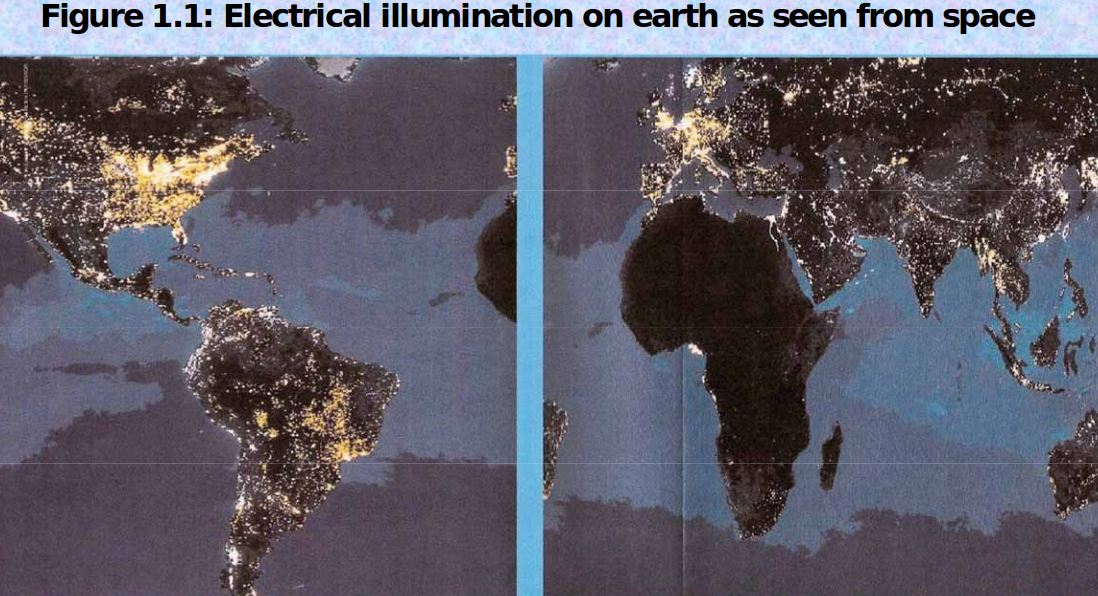
On Nuclear-news.net we have covered many stories concerning Africa and the Nuclear aspirations of this dark continent. I say dark because at night it is the only continent not lit up by street lighting and advertisements.
From the corporations point of view this is a new continent to develop using western choices of energy that that includes nuclear power options.
But nuclear materials are already proliferate over Africa in the form of food irradiation processes, medical and industrial uses to name but a few. And many wonder of the security implications of this.
Of course the nuclear industry is bigger than just the technology.
There are Insurance, financial services, military and security corporations connected to having nuclear power and a lot of money can be made by these organisations.
The IAEA has been helping to develop nuclear technology in Africa and sets the ground for these corporations to step in. The IAEA works with the big nuclear powers in a bid to solve the waste crisis with the MOX fuel system.
Selling hundreds of reactors to light up the African night, running off the waste products of the domestic, medical and military uses of nuclear materials from the west. Even as western energy companies such as EDF are being forced to invest in wind and solar energy due to financial and environmental concerns;
The Insurance companies do well on these deals as there is a cap on the amount that needs to be paid out to victims of the nuclear fuel cycle. To give an example of this payment system at work, the British Nuclear Test Veterans got around £6,000-$12,000 per head for their radiation induced damages (including genetic damage to future off spring) Link to the BNTV report to be found here ;
The affected Japanese from Fukushima expect to receive under £3000 or-$6000 per head in a country that is more expensive to live in than th UK and has higher cost implications for future health problems.
However the children and pregnant women will get under £5000 or $10,000 as they are likely to develop thyroid problems including cancer and have miscarriages etc.
It is interesting to note the similarity in the payments to those victims affected in the UK and Japan. I have seen no quotes for Miyagi prefecture so far though;
In fact, the Insurance liability caps system are not welcome everywhere and it is a point of contention that the insurance companies want to limit the costs to them, so that the nuclear financial and insurance “gravy train” is not interrupted.
Here is an example of dissension against the western corporate nuclear insurance/finance industry;



![[JRADIATE]](https://i0.wp.com/si.wsj.net/public/resources/images/WO-AG723_JRADIA_G_20110818180506.jpg)




 nuclear-news