Japan’s renewable energy – $487 million investment from Goldman Sachs
Goldman Sachs to invest $487 million in Japan’s renewable energy market jdp, MAY 23, 2013 by IDA TORRES The Goldman Sachs Group is set to invest around 487 million dollars in the next five years in Japan’s renewable energy market. This is made due to the country’s increasing demand for electricity from solar and wind power as it tries to decrease its reliance on nuclear energy.
The investment will be coursed through the Japan Renewable Energy Co. unit which was created by Goldman in August 2012 to arrange the details, map out the design and operate power plants that will be running on renewable materials including the sun, wind, fuel cells and biomass fuels. They will be spreading out this investment through bank loans and project financing worth 2.4 billion dollars over 5 years for projects that will cost around 2.9 billon dollars in total.
Japan can potentially become the 2nd biggest market for solar energy by the end of the year, second only to China….http://japandailypress.com/goldman-sachs-to-invest-487-million-in-japans-renewable-energy-market-2329333
Radiation therapy may be unnecessary for older breast cancer patients
 Can Older Early-Stage Breast Cancer Patients Skip Radiation? Medscape Today, Kate Johnson May 22, 2013 There is no benefit in adding radiation to tamoxifen therapy in women aged 70 years or older after lumpectomy for early-stage breast cancer, according to extended, long-term results of the Cancer and Leukemia Group B (CALGB) 9343 trial.
“Irradiation adds no significant benefit in terms of survival, time to distant metastasis, or ultimate breast preservation,” noted author Kevin Hughes, MD, from Harvard Medical School, and colleagues in an article published online ahead of print in theJournal of Clinical Oncology.
Median follow-up for the trial is now 12.6 years, and the 10-year results back up the trial’s previous 5-year data.
As previously reported by Medscape Medical News, those results prompted the National Comprehensive Cancer Network (NCCN) to adjust its treatment guidelines, so that it no longer recommends radiation therapy after lumpectomy in older women with estrogen receptor (ER)–positive early breast cancer who are receiving endocrine therapy.
However, despite this, the authors note that their initial findings had “little impact” on clinical practice, “with the use of irradiation only slightly diminishing in this population.”…. http://www.medscape.com/viewarticle/804584
Chna’s nuclear weapons secrets
China’s nuclear program still shrouded in secrecy JAPAN TIMES, BY MICHAEL RICHARDSON MAY 23, 2013 SINGAPORE – China’s program to expand and modernize its conventional armed forces is well-documented and closely watched by nearby Asia-Pacific states, as well as the United States and other more distant countries with interests in the region. However, China’s arsenal of nuclear weapons and delivery systems (missiles and aircraft) is shrouded in secrecy — and controversy……
Most U.S. arms control officials and analysts continue to say that China has between 240 to 400 nuclear warheads, nearly all of them on ballistic missiles in underground silos or on mobile launchers that are hard to find and destroy. These include long-range missiles capable of reaching the U.S. mainland.
Such a force is less than a third of the arsenals kept by the U.S. and Russia, which between them still have far more long-range nuclear weapons than any other states with nuclear arms, despite big negotiated cuts in their inventories.
Still, the Chinese force would be enough to ensure strategic deterrence, meaning that if China was attacked by a nuclear power, it could still retaliate and inflict unacceptable damage…..
China has not publicly declared how many nuclear weapons it has and there is no way for outsiders to verify their estimates. China officially proclaims a “no first use” policy, stating that it would use nuclear forces only in response to a nuclear strike against China.
The pledge has two parts: first, that Beijing will never use nuclear weapons first against any nuclear-weapon state; and second, that it will never use or threaten to use nuclear weapons against any nonnuclear-weapons state or nuclear-weapon-free zone of the kind that exists in Southeast Asia and the South Pacific……
Unraveling China’s nuclear secrets without its cooperation will be nearly impossible. The best hope may be for the U.S. and Russia to make any future nuclear arms reduction negotiations contingent on participation by China, India and Pakistan. http://www.japantimes.co.jp/opinion/2013/05/23/commentary/chinas-nuclear-program-still-shrouded-in-secrecy/#.UZ58j6JwpLs
Hundreds of Miyagi residents seek equal compensation as Fukushima
National May. 22, 2013
TOKYO —
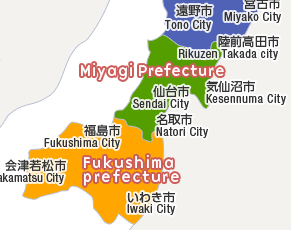
Hundreds of people living just outside Fukushima Prefecture say they have been denied adequate compensation after the country’s 2011 nuclear disaster despite suffering elevated radiation levels.
Nearly 700 residents from Hippo district in Miyagi Prefecture, just northeast of Fukushima, filed a claim Tuesday with a government arbitration office demanding that they be given the same compensation as residents of Fukushima.
The government’s basic compensation scheme only covers Fukushima residents, which critics say is an attempt to minimize costs.
The Hippo residents said some radiation levels in their area exceeded those in Fukushima towns. Hippo district is about 50 kilometers northwest of the crippled Fukushima Daiichi nuclear plant.
They demanded that the plant’s operator, Tokyo Electric Power Co, pay them an additional 70 million yen in damages.
Due to the huge costs of compensation and cleanup of the plant, TEPCO has declared bankruptcy and is under state control. The compensation money paid by TEPCO actually comes from the government.
Radiation levels in Hippo district are comparable to areas in Fukushima subject to voluntary evacuation, where residents are entitled to receive up to 720,000 yen for every child and pregnant woman, and up to 120,000 yen per adult. After months of negotiations, TEPCO has agreed to pay Hippo residents about half the Fukushima amount.
“We in Marumori town have been exposed to as much radiation as our peers in Fukushima, or even more depending on the area,” said Takeo Hikichi, 71, who represents the claimants. “We cannot accept the kind of compensation scheme that discriminates against us just because of the prefectural border.”
Residents of areas just outside of Fukushima say they also face discrimination in legal protection. They say health checks, radiation monitoring and cleanup projects in most cases do not go beyond the prefectural border.
“Damages from the nuclear accident do not stop at the border. We hope that the compensation program is carried out in a way that reflects the reality of people’s lives,” said Koji Otani, a lawyer representing the residents.
Although the amount sought by each resident is small, the group hopes to be able to set a precedent, he said.
A massive earthquake and tsunami hit the Fukushima plant, knocking out its cooling systems and causing the cores of three reactors to melt and release radioactivity into the air and water. The radiation level in Hippo exceeded the annual limit for nuclear workers.
So far, TEPCO has paid 2.3 trillion yen, about half of it to companies and business owners. That amount includes 1.6 million individual claims, mostly from voluntary evacuees. Because the amount of claims is expected to exceed the initial estimate of 3 trillion yen, the government has injected an additional 154 billion yen into the compensation fund.
About 150,000 Fukushima residents are still displaced. Hundreds have filed claims seeking greater compensation.
Comments here
Obituary: Lynda Pugh; Feminist, socialist, anti nuclear and troops out campaigner,
‘To leave the world a better place and to know that even one life has breathed easier because you have lived… this is to have succeeded.’
Obituary: Lynda Pugh; feminist, socialist, anti nuclear and troops out campaigner, pioneer in women’s aid who helped set up the first refuge in Birmingham.

During the 1980s, Lynda was a member of Women Oppose the Nuclear Threat (WONT) and was a regular at Greenham Common in Berkshire: blockading entrances, cutting perimeter fences and being hauled away by the police. She later sold her wire cutters for charity.
Image and comment source ; http://www.guardian.co.uk/society/2013/may/08/lynda-pugh-obituary
Lynda Pugh, who has died of cancer aged 64, was a political and social campaigner who strove to improve the lives of others. She was involved with many different causes and made many friends through her passion for social justice and her sense of fun.
Daughter of Doris and Kinsey Pugh, Lynda was born in Wolverhampton and went to Wolverhampton girls’ high school. While studying to be a librarian, she realised she preferred people to the Dewey decimal system, and retrained as a social worker. She qualified at the end of the 70s and spent most of her subsequent career in Birmingham, working with children in care.
Political and social issues played an important part in Lynda’s life. In many ways she was a pioneer, and was involved with establishing pregnancy testing through the Birmingham Women’s Centre. She also helped set up the first Women’s Aid refuge in the city and later became a board member.
During the 1980s, Lynda was a member of Women Oppose the Nuclear Threat (WONT) and was a regular at Greenham Common in Berkshire: blockading entrances, cutting perimeter fences and being hauled away by the police. She later sold her wire cutters for charity.
She was involved in many Irish freedom campaigns such as the Troops Out and Women in Ireland movements. She visited Irish prisoners and picketed army barracks and police stations. More recently Lynda joined the Palestinian Solidarity Campaign – continuing to help run its city centre stall well into her illness.
Lynda had wide cultural interests, and introduced many of her friends to the arts – often paying for events they might not have thought of attending themselves. She was also a keen potter and walker. A lifelong Guardian reader, she was thrilled to very occasionally complete the cryptic crossword.
Nuclear News this week

Christina Macpherson’s websites & blogs
Iraq. A team of scientists based in Mosul, northern Iraq, have detected high levels of uranium contamination in soil samples at three sites in the province of Nineveh which, coupled with dramatically increasing rates of childhood cancers and birth defects at local hospitals.
Japan: Future of Japan’s nuclear industry is in the balance. Japan’s Nuclear Regulation Authority (NRA) appears determined to keep closed nuclear reactors on active earthquake faults. the NRA ordered the Monju fast breeder reactor to be kept closed. However, Prime Minister Abe’s government is set on renewing Japan’s nuclear industry. Also Meanwhile, Japan is becoming a very big market for solar energy.
Fukushima. Tepco almost certain to decide to empty the radioactive water into the sea – it is a continual stream, as the reactor cores have to be continually cooled with more water. Fishermen testing fish off Fukushima, for radiation. Radiation found in eels in Tokyo river. New legislation may make it possible for more victims of Fukushima radiation to claim compensation.
USA. One setback after another, in new nuclear power plans. The critical one is the San Onofre nuclear plant in California – on the cusp of permanent shut-down. Judge rules against new uranium mining in Grand Canyon area. Obama appoints Ernest Moniz, a keen pro nuclear advocate, as Energy Secretary. Good news – TVA replacing the radiation type airport scanners “backscanners”, with non ionising radiation type “millimetre wave” airport scanners.
UK. Govt continues to agonise over how to get away with subsidising nuclear power, having promised not to.
New research on depleted uranium, cancer, birth defects in Iraq

 Scientists detect high levels of uranium contamination that increases cancers, birth defects in Iraq http://www.news-medical.net/news/20130521/Scientists-detect-high-levels-of-uranium-contamination-that-increases-cancers-birth-defects-in-Iraq.aspx May 21, 2013 Ten years after the Iraq war of 2003 a team of scientists based in Mosul, northern Iraq, have detected high levels of uranium contamination in soil samples at three sites in the province of Nineveh which, coupled with dramatically increasing rates of childhood cancers and birth defects at local hospitals, highlight the ongoing legacy of modern warfare to civilians in conflict zones. The radioactive element uranium is widely dispersed throughout the earth’s crust and is much sought after as a fuel for nuclear power plants and for use in weapons. Depleted uranium (DU), commonly used in modern munitions such as defensive armour plating and armour-piercing projectiles, is 40 per cent less radioactive than natural uranium, but remains a significant and controversial danger to human health.
The World Health Organisation (WHO) sets a maximum uranium exposure of 1 millisievert (mSv) per year for the general public, but environmental scientists at the University of Mosul and the Institute of Forest Ecology, Universitaet für Bodenkultur (BOKU), Vienna, Austria, led by Riyad Abdullah Fathi have measured significant levels of uranium in soil samples from three sites in the province of Nineveh in the north of Iraq. Writing in the journal Medicine, Conflict and Survival, Fathi and colleagues link their findings with dramatic increases in cancers reported to the Mosul Cancer Registry and the Iraqi national cancer registry (which began collecting data in 1975).
They conclude that:
“The Gulf Wars of 1991 and 2003 left a legacy of pollution with DU in many regions of Iraq. The effects of these munitions may be affecting the general health of Iraqi citizens, manifesting in an increase in cancers and birth defects.”
They also warn that, even though some of the contamination measured in this study is specifically linked to known sites, it can be easily spread widely in the air, soil and water, particularly as dust in windstorms.
Their report “Environmental pollution by depleted uranium in Iraq with special reference to Mosul and possible effects on cancer and birth defect rates” begins with a literature review that collates health-related data from a range of sources, including a report by the WHO (in 2003), which states that childhood cancers – particularly leukaemia – are ten times higher in Iraq than in other industrialised countries. Continue reading
Safecast’s revolution in radiation data collection
Safecast’s software and devices are all open source, and anyone can use the data. Franken says it’s being used by researchers around the world and even by the government in some Japanese cities.
you can tie specific medical symptoms to radiation levels.”
In Japan, Citizen Radiation-Tracking Project Goes Big Time, PRI’s The World, BY CATHERINE WINTER ⋅ MAY 21, 2013 ⋅ON A SUNNY SPRING MORNING JUST OUTSIDE TOKYO, JOE MOROSS HOOKS A RADIATION DETECTOR OUTSIDE THE BACK WINDOW OF A LITTLE RED CAR. HE LOOKS AT A MAP OF THE AREA ON HIS LAPTOP COMPUTER, TRYING TO FIND A ROUTE HE HASN’T DRIVEN BEFORE, SO HE CAN TAKE NEW RADIATION READINGS.
“We want to cover every street so people who look at our maps can drill down and zoom in and find out what the measurement is right in front of their house,” Moross says.
Moross is taking measurements for Safecast. Since the nuclear accident at Fukushima Daichi two years ago, volunteers like him have been driving around Japan, testing radiation and adding their readings to online maps.
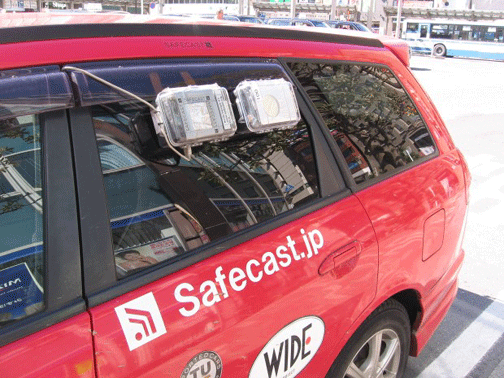
When The World last checked in on Safecast, in May of 2011, the group had just formed and had posted a handful of radiation measurements.
Now, Safecast volunteers have taken close to 10 million separate readings……. Continue reading
System for tracking patients’ medical radiation
New Tracking of a Patient’s Radiation Exposure , WSJ, By LAURA LANDRO, 21 May 13, During a four-week hospital stay, 29-year-old Josh Page had so many CT scans that he lost track, kidding with his doctor about how much radiation he was exposed to—though he admits he had “no clue.” Now, Intermountain Healthcare, where he was treated for an inflammation of the pancreas and underwent surgery in February, is keeping track for him.
The Salt Lake City-based nonprofit group of 22 hospitals and 185 clinics is launching the first major system of its kind to measure and report patients’ cumulative medical radiation exposure from tests that deliver the highest amount of radiation. This includes CT scans, nuclear medicine scans and interventional radiology exams for the heart. In addition to educating doctors and patients about the risks and benefits of medical radiation, Intermountain will allow them to access their exposure data via its electronic health record.
While the benefits of tests and procedures usually outweigh the slightly increased cancer risk from exposure due to radiation, “the risks should be considered before these imaging tests are performed,” says Keith White, medical director of Intermountain’s Imaging Services. This is particularly true for younger patients, who have a higher risk because they live long enough to see long-term effects…… Federal data shows that in 2006, Americans received seven times more radiation exposure than in the 1980s, Continue reading
Japan learning radioactive cleanup from Hanford – does not inspire confidence

it’s time everyone stopped making the stuff
Japanese officials visit Hanford to learn nuclear cleanup strategies KPIU 885 By Anna King, 21 May 13 The people overseeing the cleanup of the Fukushima nuclear power plant disaster are learning some valuable lessons from the long-running cleanup at the Hanford Nuclear Reservation. A Japanese government delegation recently toured some of the southeast Washington site this week….. Japanese may need to build a facility two to four times larger to handle all their contaminated trees, topsoil and debris…http://www.kplu.org/post/japanese-officials-visit-hanford-learn-nuclear-cleanup-strategies

Renewable energy – Germany’s impressive export of electricity
Germany Continues to Export Power Despite Nuclear Exit http://climatecrocks.com/2013/05/21/germany-continues-to-export-power-despite-nuclear-exit/ Climate Denial Crock of the Week with Peter Sinclair May 21, 2013
They said it couldn’t happen. They keep trying to trash the EnergieWende – Germany’s planet-leading transformation to renewable energy. But the pesky Germans keep perking along. Wall Street Journal:
FRANKFURT–Germany exported more electricity than it imported for the seventh consecutive year in 2012, despite an accelerated exit from nuclear-power generation that included the immediate and permanent shut-down of nearly half of the country’s atomic reactors in 2011.
Germany exported about 22.8 terrawatt-hours of electricity more than it imported in 2012, the Federal Statistics Office, Destatis, said Tuesday in a written statement.
The main destinations for German-produced electricity were the Netherlands, Switzerland and Austria, said the statistics office, citing data supplied by Germany’s four power transmission grid operators. The main sources of power imports into Germany were France, Denmark and the Czech Republic, it said.
The statistics office didn’t provide any reasons for the continued power exports, despite the fact that Germany shut down eight of 17 nuclear reactors in the wake of the Fukushima disaster in Japan in March 2011.
The rapid expansion of solar- and wind-power installations are seen as the main reason for continued German electricity exports, as well as the erosion of wholesale power prices under which many of Europe’s utilities are presently suffering.
“Japan Atomic’s survival is now in doubt,”
 Japan emerges as solar beacon, SMH, 22 May 13, “…..Nuclear doubts Meanwhile Japan’s new nuclear regulator looks set to shut down at least one plant and maybe more, after a report published 16 May found that an earthquake fault under the country’s oldest reactor at Japan Atomic’s Tsuruga plant was active. National law bans building reactors on active faults.
“Japan Atomic’s survival is now in doubt,” Takashi Aoki at Mizuho Asset Management told Bloomberg News. This also raises the risk for the five other power stations under investigation for active faults. Japan Atomic has repeatedly said that the fault is not active, according to a company statement.
The new Nuclear Regulation Authority (NRA) also said last week it would issue an order to keep a separate unit, the Monju experimental fast breeder reactor, closed until its operator overhauled safety measures.
The verdict might be a blow for Abe’s efforts to get the nuclear capacity back online but it could be reassuring news for the Japanese public that the new watchdog does not seem to shy away from making unwelcome decisions to prioritise safety. The NRA’s predecessor reportedly ignored warnings before March 2011 when the earthquake and tsunami caused the meltdown of three reactors in Fukushima……..
Members of Abe’s party gathered on 14 May to demand restart of the nuclear reactors for the sake of the economic recovery. However, their demands may not be in line with public sentiment: in March, thousands of protesters marched through Tokyo, calling on the government to reject nuclear power.
The NRA is not expected to compile new safety standards until after July 2013, meaning that any decision on resuming operations could likely only be made after the upper house elections this summer…….http://www.smh.com.au/business/carbon-economy/japan-emerges-as-solar-beacon-20130522-2jzpt.html#ixzz2U3UWoJXE
France investigating effects of extreme weather on nuclear power plants

French nuclear plant research to include heatwave, tsunami analysis, http://www.platts.com/RSSFeedDetailedNews/RSSFeed/ElectricPower/26951912 Robin Sayles, newsdesk@platts
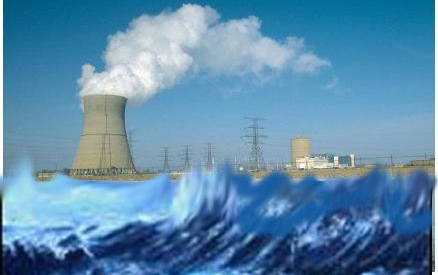
France is to invest Eur50 million ($64.2 million) in nuclear safety projects, taking into account knowledge gained from the Fukushima disaster in 2011, caused by an earthquake and huge tsunami.
In a document published late Friday, France’s energy ministry said it has selected over 20 research projects, ranging from operations management studies to disaster impact and radiation risk analyses.
Two of the accepted research projects are to analyze the risks of climate change and extreme weather occurrences. The SEEN project aims to “estimate the current and future climate risks for nuclear power production better,” including heatwaves, droughts and torrential downpours, the government said.
France’s 58 nuclear power reactors, operated by state-owned EDF, rely on river or sea water for cooling purposes.
Sustained hot and dry periods can prompt reactor shutdowns as water temperatures rise, while stormy weather can also release debris into rivers, such as tree branches, which must be filtered before the water is deemed safe for use.
The TANDEM project is to study the impact on France’s coastline of tidal waves, in particular the Atlantic and English Channel, where many of France’s nuclear power plants are situated.
The government did not give the specific leaders of the projects, but it has previously said that the projects would be carried out by academic and state-run nuclear bodies such as IRSN, the national radiological risk body.
Following the Fukushima disaster in 2011, EDF committed to carry out extra safety work recommended by nuclear watchdog ASN, which it said would cost around Eur10 billion.
Radiation affected people outside Fukushima seek compensation
 Hundreds seek compensation in Japan nuclear crisis http://timesofindia.indiatimes.com/world/rest-of-world/Hundreds-seek-compensation-in-Japan-nuclear-crisis/articleshow/20177997.cms
AP | May 21, 2013 TOKYO: Hundreds of people living just outside Japan’s Fukushima prefecture say they have been denied adequate compensation after the country’s 2011 nuclear disaster despite suffering elevated radiation levels.
Nearly 700 residents from Hippo district in Miyagi prefecture, just northeast of Fukushima, filed a claim Tuesday with a government arbitration office demanding that they be given the same compensation as residents of Fukushima. Continue reading
Legislation to allow more compensation claims by Fukushima radiation victims
Bill approved to file suits against TEPCO after 3-yr limit runs out http://www.globalpost.com/dispatch/news/kyodo-news-international/130521/bill-approved-file-suits-against-tepco-after-3-yr-limi May 21, 2013 02:01 The House of Representatives approved a bill Tuesday to enable those affected by the nuclear crisis at the Fukushima Daiichi complex to file suits seeking damages from its operator Tokyo Electric Power Co. even after the three-year statute of limitations on doing so runs out.The bill will be enacted during the current Diet session following approval by the House of Councillors.
While a government organization has been mediating settlement talks between the affected people and TEPCO, some claims may become invalid after next March, the third anniversary of the disaster, if deals are not reached.
Under the planned legislation, plaintiffs would be able to file damages suits within one month after settlement talks break down. http://www.globalpost.com/dispatch/news/kyodo-news-international/130521/bill-approved-file-suits-against-tepco-after-3-yr-limi
1 This Month
22 June – Virtual Event –Climate Change: New Data, New Debate

Monday, June 22, 2026 2:30 p.m. – 3:15 p.m. CT
YouTube. Register here

Protect Sazan Island from the Trump family! https://secure.avaaz.org/campaign/en/protect_sazan_island_from_the_trump_family_loc/?bqFCVab&v=174511&cl=22707147157&_checksum=5e9dde668860e8231c33699735e16a1fbf22ab2cb01da50c999fe8732b9775ef&utm_source=email&utm_medium=blast_email&utm_campaign=174511
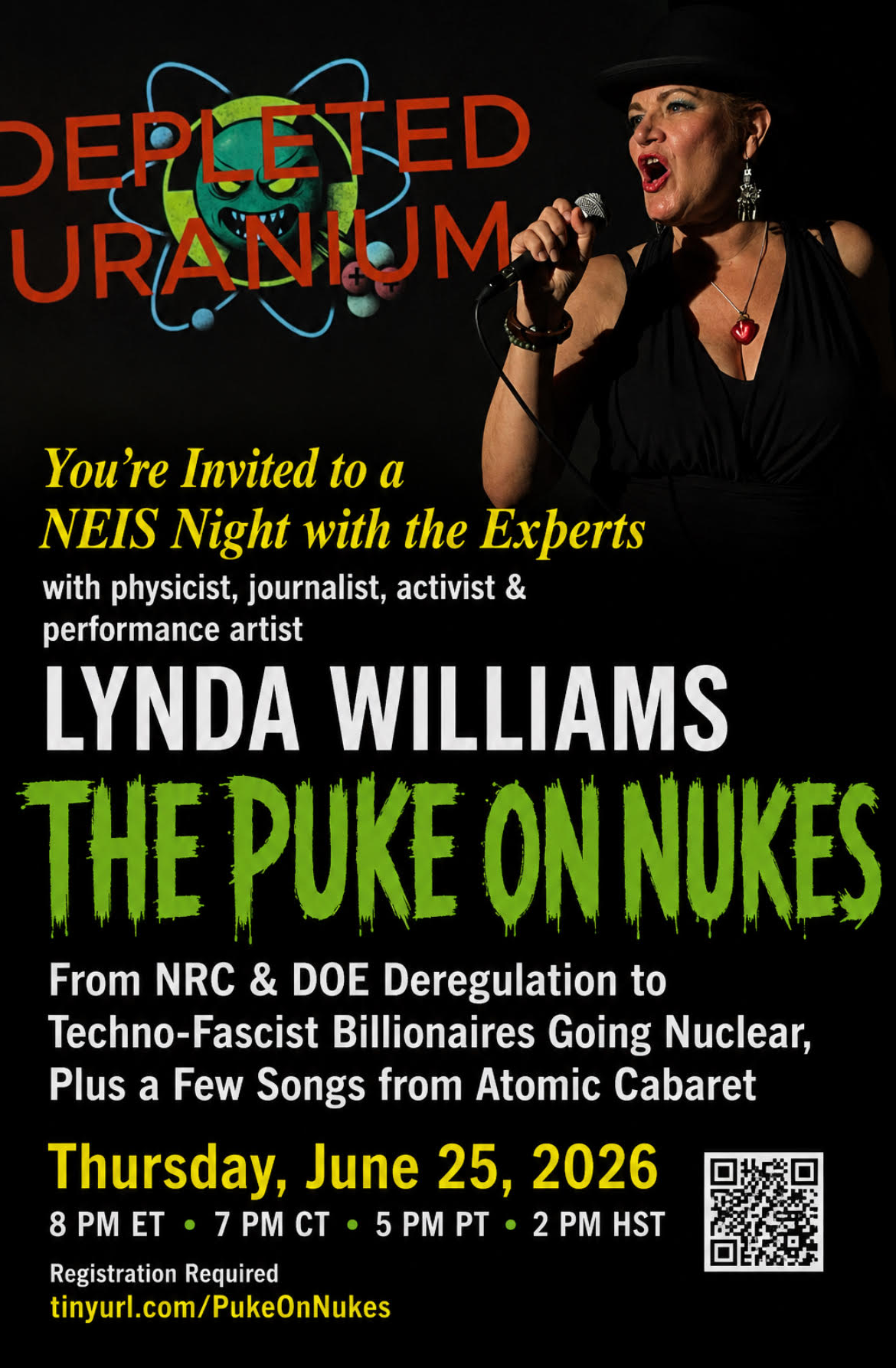
25 June- THE PUKE ON NUKES
Thursday, June 25, 2026
7pm Central Time (8pm ET, 6pm MT, 5pm PT) UTC – 5
From NRC & DOE Deregulation to Techno-Fascist Billionaires Going Nuclear, Plus a Few Songs from Atomic Cabaret REGISTER
26 June – Radiation Trainwreck at the NRC / Join the Protect Better Campaign – https://us02web.zoom.us/meeting/register/4ZlZ5_qLSHGiLSCg8FF6Bg#/registration


Cuba Is Not a Failed State – It Is a Besieged State
PETITION: “Global Appeal to Endorse Palestinian Right of Return of Refugees”
To see nuclear-related stories in greater depth and intensity – go to https://nuclearinformation.wordpress.com
-
Archives
- June 2026 (193)
- May 2026 (306)
- April 2026 (356)
- March 2026 (251)
- February 2026 (268)
- January 2026 (308)
- December 2025 (358)
- November 2025 (359)
- October 2025 (376)
- September 2025 (257)
- August 2025 (319)
- July 2025 (230)
-
Categories
- 1
- 1 NUCLEAR ISSUES
- business and costs
- climate change
- culture and arts
- ENERGY
- environment
- health
- history
- indigenous issues
- Legal
- marketing of nuclear
- media
- opposition to nuclear
- PERSONAL STORIES
- politics
- politics international
- Religion and ethics
- safety
- secrets,lies and civil liberties
- spinbuster
- technology
- Uranium
- wastes
- weapons and war
- Women
- 2 WORLD
- ACTION
- AFRICA
- Atrocities
- AUSTRALIA
- Christina's notes
- Christina's themes
- culture and arts
- Events
- Fuk 2022
- Fuk 2023
- Fukushima 2017
- Fukushima 2018
- fukushima 2019
- Fukushima 2020
- Fukushima 2021
- general
- global warming
- Humour (God we need it)
- Nuclear
- RARE EARTHS
- Reference
- resources – print
- Resources -audiovicual
- Weekly Newsletter
- World
- World Nuclear
- YouTube
-
RSS
Entries RSS
Comments RSS
 nuclear-news