Nuclear-Powered Batteries Hit China but Tritium dose underestimated.
01/14/2013
Nuclear-Powered Batteries Hit China, Claim to Last for 20-Years Without Charging
Yes, you can actually buy nuclear-powered batteries from online sellers in China for a whopping $2720. It’s purported to last for 20-years without needing to be recharged and is made from nano-tritium. Researchers say that the amount of tritium extracted from 1L of sea water can release the energy equivalent of 300L of gasoline in one complete nuclear fusion. Continue reading for a picture of the actual battery and more information.
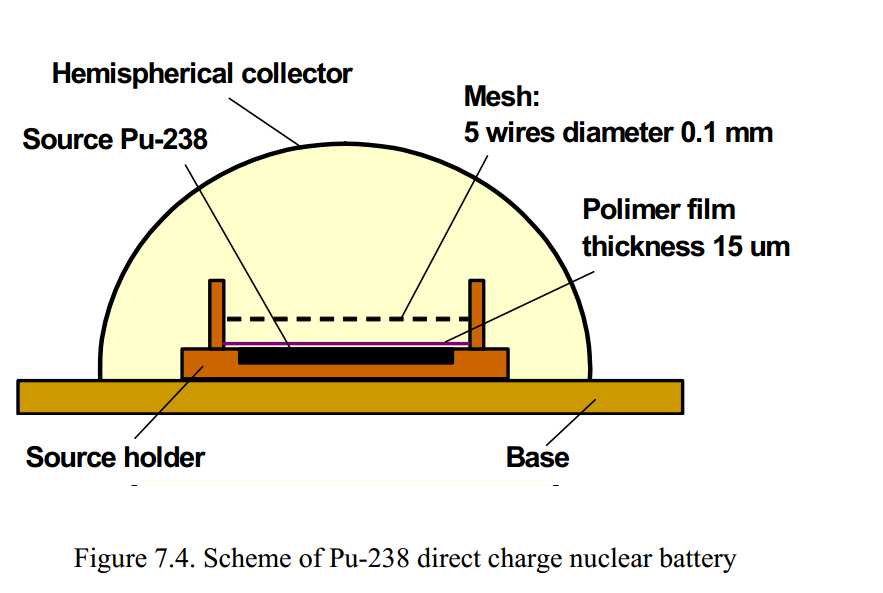
NUCLEAR BATTERIES WITH TRITIUM
AND PROMETHIUM-147 RADIOACTIVE SOURCES
BY
GALINA NIKOLAYEVNA YAKUBOVA
https://www.ideals.illinois.edu/bitstream/handle/2142/16849/1_Yakubova_Galina.pdf?sequence=3
Chinese Advert

Tritium Hazard Report: Pollution and Radiation Risk from Canadian Nuclear Facilities
Publication – June 11, 2007
Executive summary: This report on tritium releases in Canada is in two parts.
Part 1 discusses tritium discharges from nuclear facilities in Canada and compares them with those from reactors in other countries. It examines the resulting tritium concentrations in drinking water, air and in food near Canadian nuclear stations. Although tritium releases from Candu facilities are very large, radiation protection regulators continue to maintain that these releases are of little concern because tritium’s radiation doses and its resulting hazards are small.
Part 2 examines these contentions in considerable detail. It shows that tritium’s radiation “doses” are, questionably, estimated to be several hundreds of times lower than most other radioactive elements. Radiation and radioactivity (including risks, doses, biology and epidemiology) are complex matters which are often difficult to grasp.
Therefore Part 2 is designed to be read primarily by health physicists and radiation protection scientists. However, efforts have been made to make this report more accessible to the wider public. In particular, technical terms have been explained and scientific jargon has been avoided.
The report concludes that official attitudes on tritium are unscientific and incorrect, that tritium’s hazardous nature should be fully acknowledged by radiation protection agencies in Canada, and that tritium’s dose coefficient should be increased substantially
Num. pages: 92
2 Comments »
1 This Month
26 April – Chernobyl: Inside the Meltdown airs on National Geographic on Sunday 26th April from 4pm
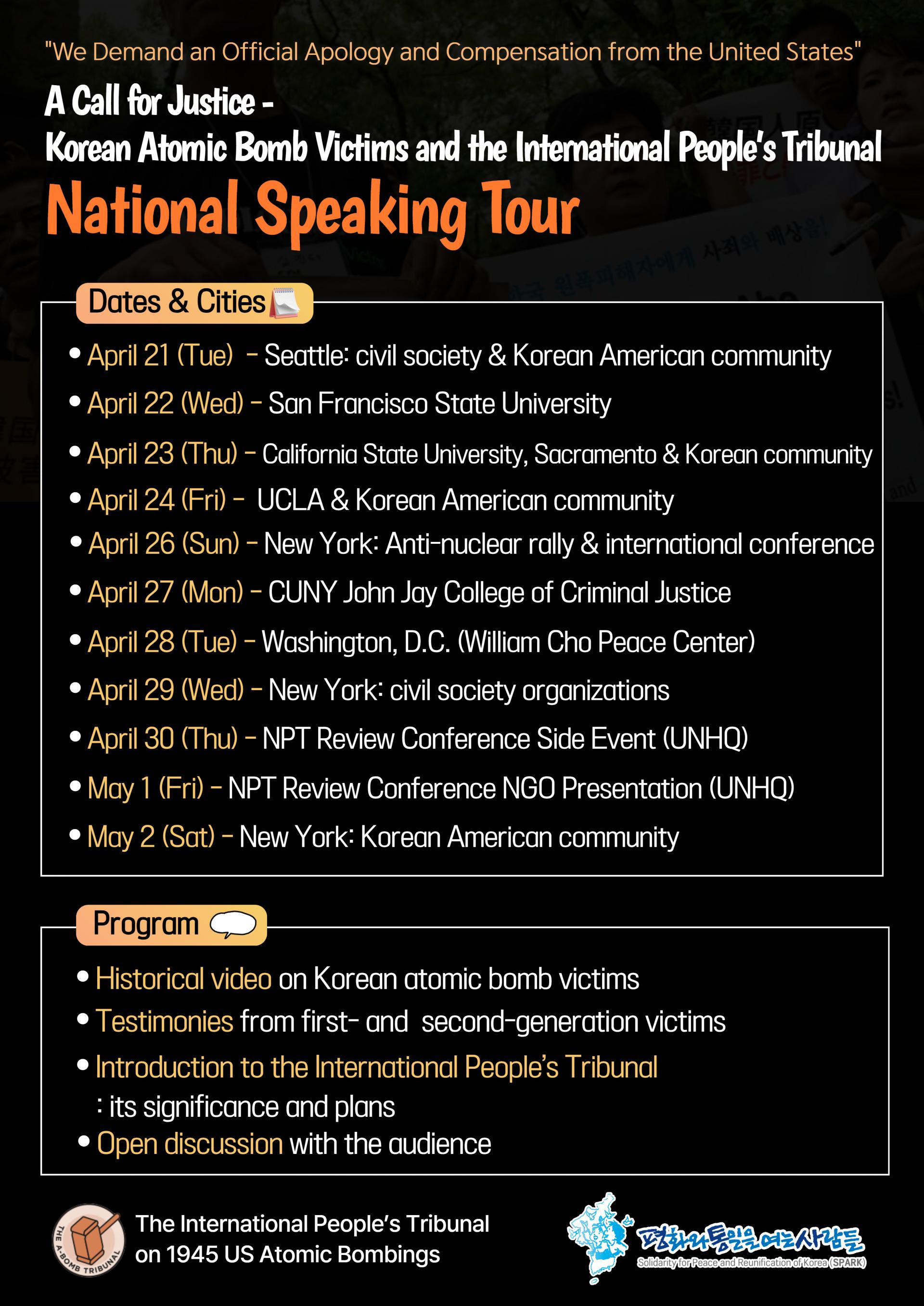
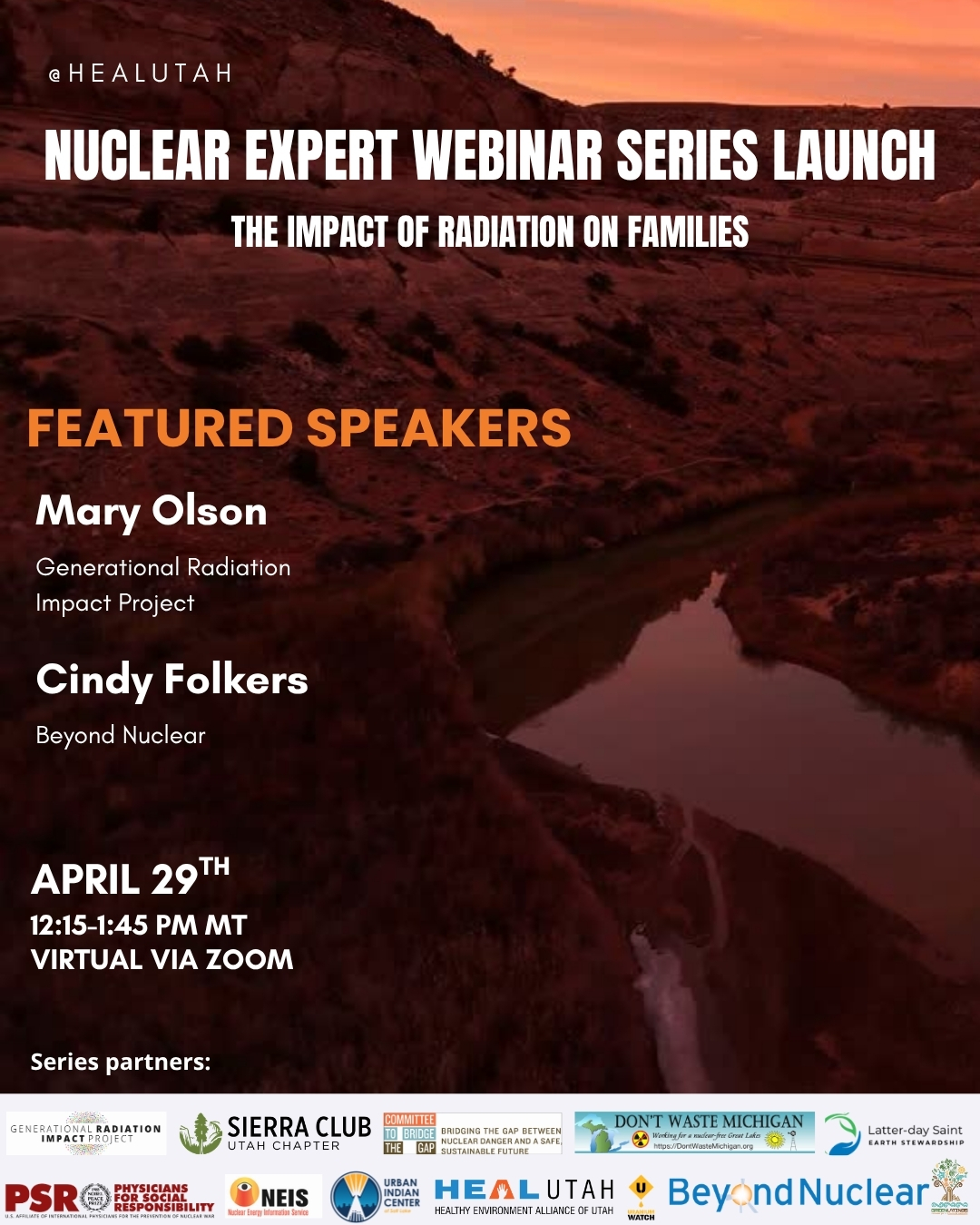
29 April – Nuclear Expert Webinar #1 – Radiation Impacts on Families with Mary Olson and Cindy Folkers
- 12:15 PM MT – 1:45 PM MT
- Location: Virtual – REGISTER TODAY

4 May -West Suburban Peace Coalition to discuss Iran war at May Educational Forum
Monday, May 4, 7:00 – 8:00 PM Central Standard Time
Title: : How Trump’s Narrative Tries to Shape the Reality of the War on Iran.
Contact Walt Zlotow, zlotow@hotmail.com 630 442 3045 for further information
14 May – online event From Bombs to Data Centres: the Face of Nuclear Colonialism
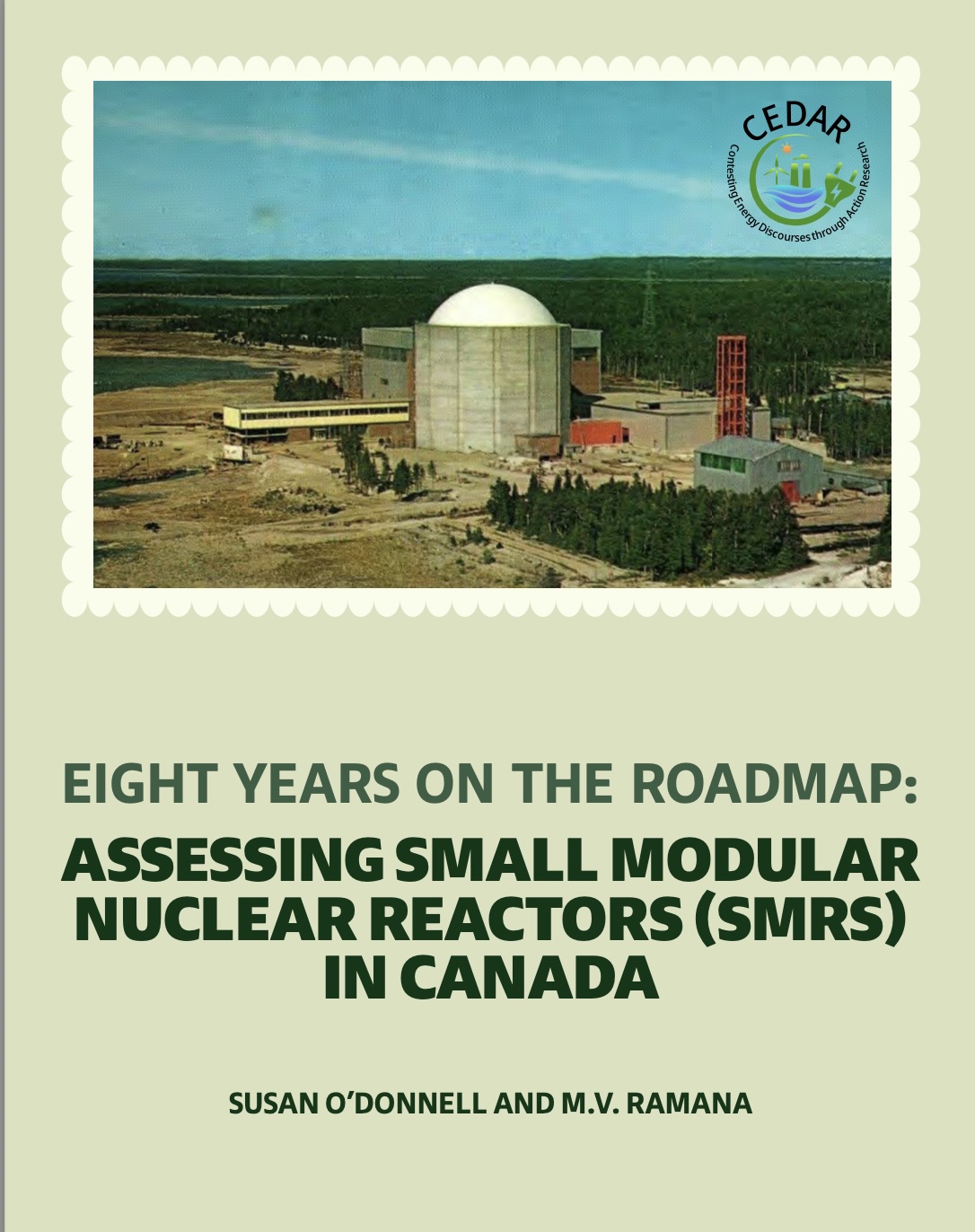

Pine Ridge Uranium is the real threat, not Tehran- Tell Burgum: Stop the Extraction.
Chernobyl: The Lost Tapes – A good documentary on Chernobyl on SBS available On Demand for the next 3 weeks– https://www.sbs.com.au/ondemand/tv-program/chernobyl-the-lost-tapes/2352741955560
To see nuclear-related stories in greater depth and intensity – go to https://nuclearinformation.wordpress.com
-
Archives
- April 2026 (317)
- March 2026 (251)
- February 2026 (268)
- January 2026 (308)
- December 2025 (358)
- November 2025 (359)
- October 2025 (376)
- September 2025 (257)
- August 2025 (319)
- July 2025 (230)
- June 2025 (348)
- May 2025 (261)
-
Categories
- 1
- 1 NUCLEAR ISSUES
- business and costs
- climate change
- culture and arts
- ENERGY
- environment
- health
- history
- indigenous issues
- Legal
- marketing of nuclear
- media
- opposition to nuclear
- PERSONAL STORIES
- politics
- politics international
- Religion and ethics
- safety
- secrets,lies and civil liberties
- spinbuster
- technology
- Uranium
- wastes
- weapons and war
- Women
- 2 WORLD
- ACTION
- AFRICA
- Atrocities
- AUSTRALIA
- Christina's notes
- Christina's themes
- culture and arts
- Events
- Fuk 2022
- Fuk 2023
- Fukushima 2017
- Fukushima 2018
- fukushima 2019
- Fukushima 2020
- Fukushima 2021
- general
- global warming
- Humour (God we need it)
- Nuclear
- RARE EARTHS
- Reference
- resources – print
- Resources -audiovicual
- Weekly Newsletter
- World
- World Nuclear
- YouTube
-
RSS
Entries RSS
Comments RSS
 nuclear-news
[…] See on nuclear-news.net […]
Pingback by Nuclear-Powered Batteries Hit China but Tritium dose underestimated. « Fukushima 311 Watchdogs | January 22, 2013 |
Reblogged this on NuclearVox.