“Community owned nuclear power stations” suggested to solve problem of public distrust
Perhaps the government simply accepts no-one will ever trust it on nuclear power.

 How not to solve nuclear power’s trust problem http://www.guardian.co.uk/environment/damian-carrington-blog/2012/jul/09/nuclear-power-energy-secrecy?newsfeed=true Continued secrecy, shown in stupidly brief minutes of official meetings, and entrenched attitudes lead to daft ideas like community-owned reactors The public does not trust the government to be objective on nuclear power, a committee of MPs conclude today .
This is hardly surprising, as the MPs note: “The government’s position as an advocate for nuclear power makes it difficult for the public to trust it as an impartial source of information . While around half the population supported this, it appeared to be a reluctant support for the least worst option, or a ‘Devil’s bargain’.”
More transparency would help, to let the light into industry still inclined to secrecy, thanks to its historic ties to the military and nuclear weapons. You would think that the desire for openess would burn ever more fiercely given the fallout from the Fukushima nuclear catastrophe in Japan.
The meltdowns were the result “of collusion between the government, the regulators and [energy company] Tepco, and the lack of governance by said parties,” said the official report, released on Thursday. “They effectively betrayed the nation’s right to be safe from nuclear accidents. Therefore, we conclude that the accident was clearly ‘man-made’.”
So what to make of the pathetically, almost hilariously, bland “summary of minutes” released to me by the government’s new Nuclear Research and Development Advisory Board (NRDAB) meeting? Barely 150 words long, they reveal nothing whatsoever of substance of the meetings, chaired by the government chief scientist Sir John Beddington, lots of officials and academics and one energy company. No prizes for guessing the latter, given they already have staff planted within government: it’s EDF, the French state owned nuclear giant, who are the only serious players left who might build the government’s yearned for new nuclear plants. You can read the summary minutes from 27 March here and 24 April here .
The NDRAB was set up this year to advise the government on a long-term strategy for nuclear energy, including “the important role that nuclear research and development plays in the UK, helping to underpin the performance and safety cases of operational plants.”
One would think after the “collusion” between the nuclear industry and the government that followed the Fukushima disaster, where official sought PR advice on how to play down the catastrophe, that continued secrecy would be deemed counterproductive. It seems not.
Perhaps the government simply accepts no-one will ever trust it on nuclear power. The MPs report suggests raising the public profile of the independent nuclear regulators to “engender public trust and influence risk perceptions”.
The institutional groupthink is such that the committee doesn’t even consider the most obvious way to way “engender trust”: not building new nuclear power stations. Instead they have a different, even more startling, proposal:
“We were impressed by a citizen partnership model being developed in Germany for wind farms and suggest that enabling communities to feel more ownership of local energy infrastructure by offering shares in projects could be conducive to building trust and acceptance [I agree wholeheartedly, having seen it for myself]. Partnership models could form part of community benefits discussions for new nuclear build and other energy infrastructure.”
So there you have it, community-owned nuclear power stations. Aside from the vast, uncontrollable cost and the copious, long-lived radioactive waste, problem solved!
3 Comments »
Leave a reply to angela alvares Cancel reply
1 This Month
26 April – Chernobyl: Inside the Meltdown airs on National Geographic on Sunday 26th April from 4pm
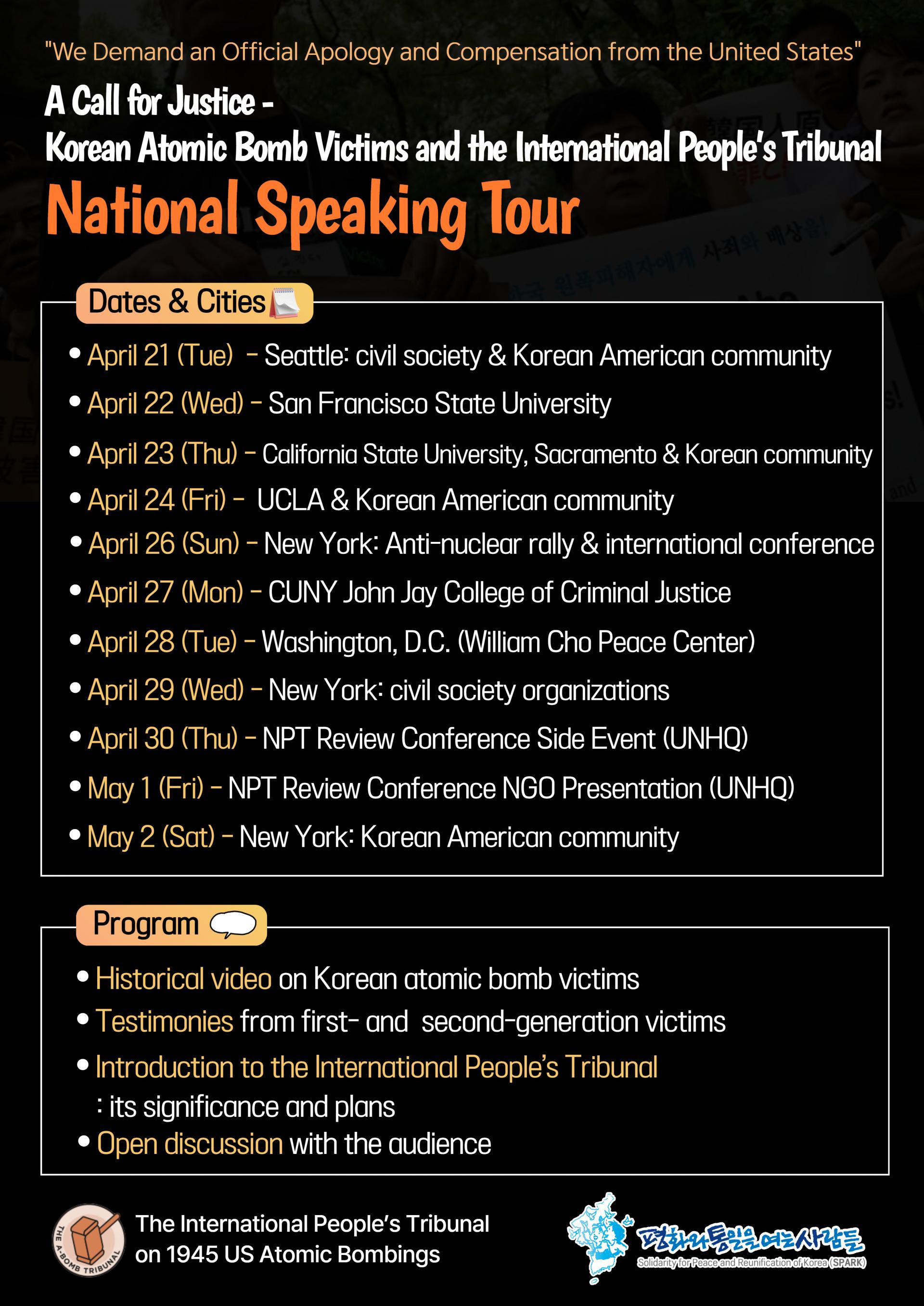
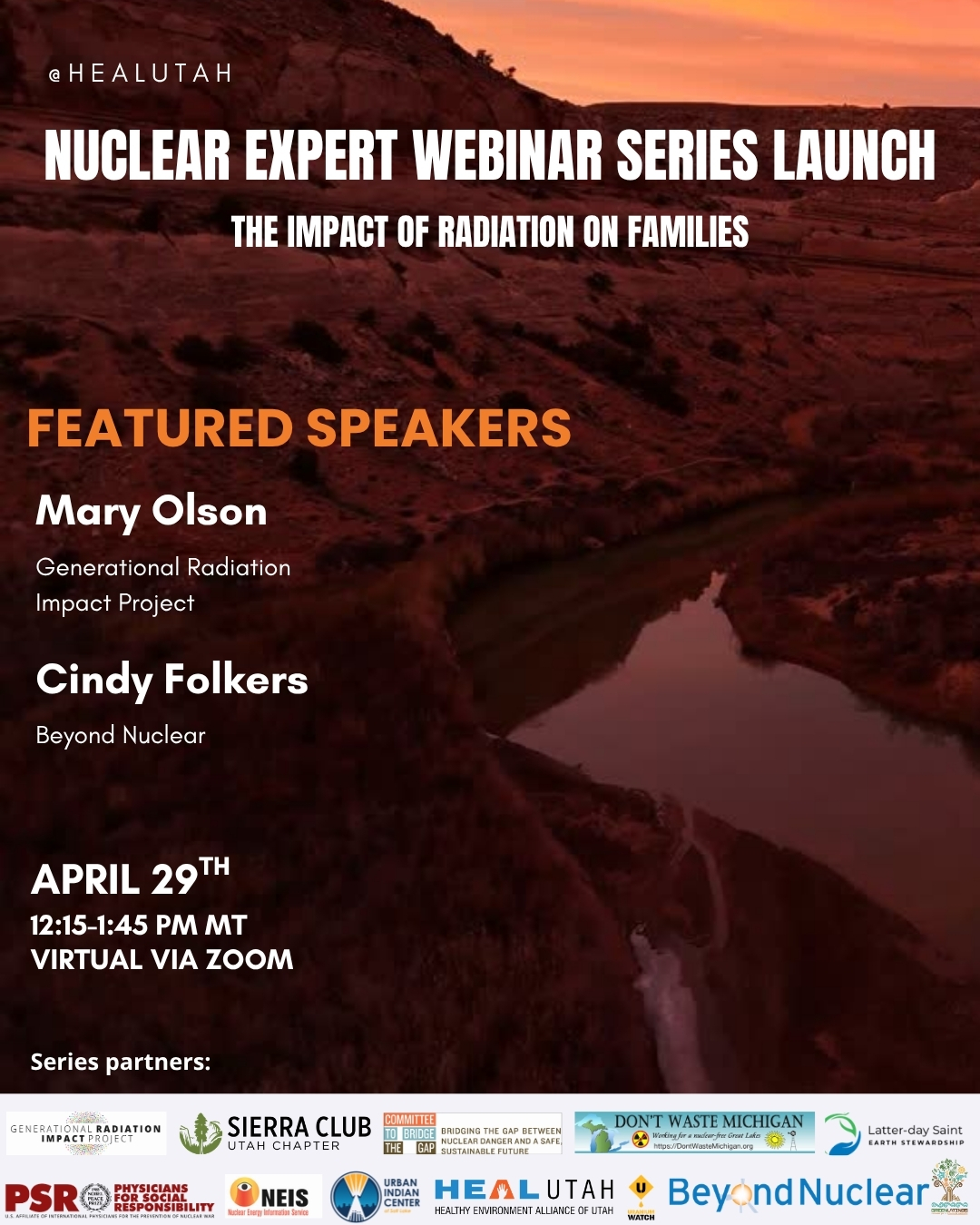
29 April – Nuclear Expert Webinar #1 – Radiation Impacts on Families with Mary Olson and Cindy Folkers
- 12:15 PM MT – 1:45 PM MT
- Location: Virtual – REGISTER TODAY

4 May -West Suburban Peace Coalition to discuss Iran war at May Educational Forum
Monday, May 4, 7:00 – 8:00 PM Central Standard Time
Title: : How Trump’s Narrative Tries to Shape the Reality of the War on Iran.
Contact Walt Zlotow, zlotow@hotmail.com 630 442 3045 for further information
14 May – online event From Bombs to Data Centres: the Face of Nuclear Colonialism

Pine Ridge Uranium is the real threat, not Tehran- Tell Burgum: Stop the Extraction.
Chernobyl: The Lost Tapes – A good documentary on Chernobyl on SBS available On Demand for the next 3 weeks– https://www.sbs.com.au/ondemand/tv-program/chernobyl-the-lost-tapes/2352741955560
To see nuclear-related stories in greater depth and intensity – go to https://nuclearinformation.wordpress.com
-
Archives
- April 2026 (356)
- March 2026 (251)
- February 2026 (268)
- January 2026 (308)
- December 2025 (358)
- November 2025 (359)
- October 2025 (376)
- September 2025 (257)
- August 2025 (319)
- July 2025 (230)
- June 2025 (348)
- May 2025 (261)
-
Categories
- 1
- 1 NUCLEAR ISSUES
- business and costs
- climate change
- culture and arts
- ENERGY
- environment
- health
- history
- indigenous issues
- Legal
- marketing of nuclear
- media
- opposition to nuclear
- PERSONAL STORIES
- politics
- politics international
- Religion and ethics
- safety
- secrets,lies and civil liberties
- spinbuster
- technology
- Uranium
- wastes
- weapons and war
- Women
- 2 WORLD
- ACTION
- AFRICA
- Atrocities
- AUSTRALIA
- Christina's notes
- Christina's themes
- culture and arts
- Events
- Fuk 2022
- Fuk 2023
- Fukushima 2017
- Fukushima 2018
- fukushima 2019
- Fukushima 2020
- Fukushima 2021
- general
- global warming
- Humour (God we need it)
- Nuclear
- RARE EARTHS
- Reference
- resources – print
- Resources -audiovicual
- Weekly Newsletter
- World
- World Nuclear
- YouTube
-
RSS
Entries RSS
Comments RSS
 nuclear-news
This dying industry will try every trick in the book to stay alive
Communities must be stupid enough to invest in this White Elephant that damages the environment and eats up one’s economy into a DEFICIT
I do agree!
This shows a level of desperation, and also of stupidity on the part of the nuclear lobby. It also shows their lack of understanding of community processes. Nuclear power is inherently a “top-down” sort of technology. For all those reasons of danger, secrecy, cost – nuclear always has to be organised and imposed from above, by an authoritarian political regime.
The beauty of community processes is that they develop from “the bottom up”. No need for the secrecy and danger involved in nuclear power.
Perhaps my main concern about the supposed “nuclear renaissance” is that it would bring about an authoritarian, fascist style political regime, inevitably damaging freedom of speech civil liberties, and the social health, as well as the physical health, of communities..