30 years radiation health monitoring for 2 million Fukushima residents
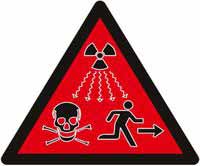 Residents in the Fukushima region have expressed growing concern surrounding the possible longterm health risks, in particular for children, triggered by the on-going nuclear power plant crisis.
Two million Fukushima residents to undergo radiation health checks Telegraph By Danielle Demetriou in Tokyo, 21 June 11 More than two million residents living in the region surrounding Japan’s damaged nuclear power plant will undergo longterm health checks starting from this month. 20 Jun 2011 The health of residents in Fukushima prefecture in northeast Japan will be monitored over the next 30 years in order to ease growing concerns surrounding radiation contamination.
The project is believed to be unprecedented in terms of the number of residents involved and the predicted time span of three decades during which their health will be monitoreResidents are expected to receive questionnaires to determine the degree of their contamination risks, with subsequent tests including examinations for internal radiation contamination.
The health checks will start at the end of the month, focusing firstly on 28,000 residents in the three communities currently nearest to the power plant – Iitake village, Kawamata and Namie – before expanding across the region.
The findings will be stored on a database created by Fukushima Medical University in order to monitor the longterm potential effects of radiation exposure in the region.
Residents in the Fukushima region have expressed growing concern surrounding the possible longterm health risks, in particular for children, triggered by the on-going nuclear power plant crisis.
Plans for the health checks were confirmed at a weekend meeting by Fukushima prefectural government authorities in response to growing local concern surrounding the health implications of the on-going nuclear crisis……..http://www.telegraph.co.uk/news/worldnews/asia/japan/8585961/Two-million-Fukushima-residents-to-undergo-radiation-health-checks.html
1 Comment »
Leave a reply to PRAMOD DESHPANDE Cancel reply
1 This Month
26 April – Chernobyl: Inside the Meltdown airs on National Geographic on Sunday 26th April from 4pm

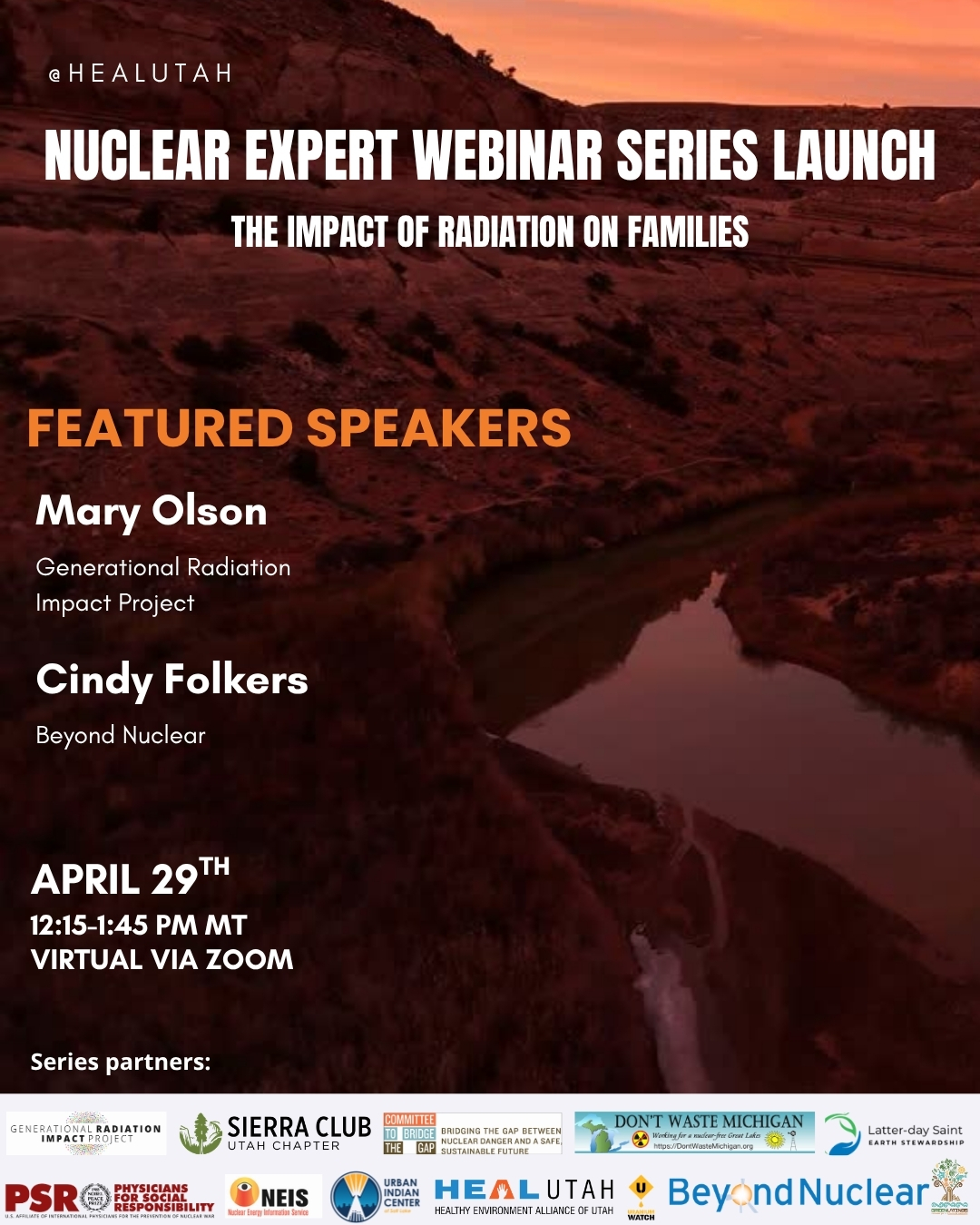
29 April – Nuclear Expert Webinar #1 – Radiation Impacts on Families with Mary Olson and Cindy Folkers
- 12:15 PM MT – 1:45 PM MT
- Location: Virtual – REGISTER TODAY

4 May -West Suburban Peace Coalition to discuss Iran war at May Educational Forum
Monday, May 4, 7:00 – 8:00 PM Central Standard Time
Title: : How Trump’s Narrative Tries to Shape the Reality of the War on Iran.
Contact Walt Zlotow, zlotow@hotmail.com 630 442 3045 for further information
14 May – online event From Bombs to Data Centres: the Face of Nuclear Colonialism

Pine Ridge Uranium is the real threat, not Tehran- Tell Burgum: Stop the Extraction.
Chernobyl: The Lost Tapes – A good documentary on Chernobyl on SBS available On Demand for the next 3 weeks– https://www.sbs.com.au/ondemand/tv-program/chernobyl-the-lost-tapes/2352741955560
To see nuclear-related stories in greater depth and intensity – go to https://nuclearinformation.wordpress.com
-
Archives
- April 2026 (327)
- March 2026 (251)
- February 2026 (268)
- January 2026 (308)
- December 2025 (358)
- November 2025 (359)
- October 2025 (376)
- September 2025 (257)
- August 2025 (319)
- July 2025 (230)
- June 2025 (348)
- May 2025 (261)
-
Categories
- 1
- 1 NUCLEAR ISSUES
- business and costs
- climate change
- culture and arts
- ENERGY
- environment
- health
- history
- indigenous issues
- Legal
- marketing of nuclear
- media
- opposition to nuclear
- PERSONAL STORIES
- politics
- politics international
- Religion and ethics
- safety
- secrets,lies and civil liberties
- spinbuster
- technology
- Uranium
- wastes
- weapons and war
- Women
- 2 WORLD
- ACTION
- AFRICA
- Atrocities
- AUSTRALIA
- Christina's notes
- Christina's themes
- culture and arts
- Events
- Fuk 2022
- Fuk 2023
- Fukushima 2017
- Fukushima 2018
- fukushima 2019
- Fukushima 2020
- Fukushima 2021
- general
- global warming
- Humour (God we need it)
- Nuclear
- RARE EARTHS
- Reference
- resources – print
- Resources -audiovicual
- Weekly Newsletter
- World
- World Nuclear
- YouTube
-
RSS
Entries RSS
Comments RSS
 nuclear-news
IN FACT 30 YEARS MEANS 2040 ROUGHLY JAPAN 2 MILLION RESIDENT MONITORING FOR RADIATIONS
AS JAPAN IS EARTHQUAKE PRONE AREA AND SURROUNDED BY SEA IF IN FUTURE AGAIN SEA DANGER
JAPAN MUST AVOIDE AND LIKE GERMANY TO CLOSE NUC REACTORS DECISION IS NECESSARY THOUGH
AT IAEA JAPAN DECLARES THAT WITHOUT NUCLEAR JAPAN LIFE IS DIFFICUILT BUT IN ACCIDENTAL CASE JAPAN MAY SUFFER MORE SO ANTINUCLEAR POLICY IS TOO MUCH NECESSARY TO PROTECT JAPAN POPULATION
PRAMOD DESHPANDE
SENIOR SCIENTIFIC OFFICER
ATOMIC ENERGY INDIA
2011 JUNE 24