Nuclear industry rebuffed: Arizona, Illinois, Kentucky, Vermont, West Virginia, Wisconsin
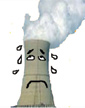
In practice, affordable power and long-term waste disposal are two requirements that nuclear power is incapable of meeting
Nuclear Loan Guarantees Will Meet State Resistance, Connecticut News, May 13, 2010 , by Jonathan Kantrowit “…….The following is an overview of the nuclear industry’s failed state legislative efforts in 2010:
• Arizona. SolarCity, Kyocera Solar, Inc. and Suntech Power Holdings joined with other solar energy providers in February to warn that if Arizona House Bill 2701 (HB 2701) was passed into law, it would have jeopardized Arizona’s entire renewable energy industry. The failed HB 2701 proposed to replace the existing Renewable Energy Standard (RES) in Arizona with one that would allow utilities to use existing nuclear and hydroelectric power to meet the RES requirements, eliminate distributed generation requirements within the bill and eliminate any interim energy requirements between now and 2025. According to the state’s solar industry leaders, the bill’s inclusion of non-renewables in the definition of renewable energy, new “double regulation” and other changes to the RES would have halted all new renewable energy development in the state, undercut one of Arizona’s fastest growing industries and put thousands of existing and future jobs in jeopardy as the state’s economy recovers from the effects of the recession.•
Illinois. Another attempt to repeal the Illinois nuclear construction moratorium failed to move in the state legislature. The Illinois House chose not to move on Rep. JoAnn Osmond’s HB875; it was never voted on. Attempts to advance the bill in the Senate as an amendment to another measure failed.• Iowa. The nuclear industry sought the authority to impose a CWIP fee to finance a possible second nuclear reactor in the state. That proposal was shot down by state lawmakers. Instead, a watered-down measure, HB 2399, was signed into law, authorizing one of Iowa’s utilities to collect $15 million from ratepayers over the next three years to conduct feasibility studies.•
Kentucky. Senate Bill 26 would have overturned a 1984 moratorium on the building of nuclear reactors. The measure died in the House, which elected to keep the state’s more than quarter-century old moratorium in place.• Minnesota. Efforts in the Minnesota Legislature to lift the state’s ban on new nuclear reactors are now dying in the waning days of the legislative session. However, the measure that remains alive for the moment bans CWIP financing arrangements, and has been described by the nuclear industry as so restrictive that it would not actually permit new reactor construction projects in the state.•
Vermont. After allegations of mismanagement and ongoing concern about radioactive tritium leaks, the Vermont Senate voted 26 to 4 in February to shut down the nuclear reactor in 2012, marking the first time a state legislature has voted to close an existing nuclear reactor. Entergy is seeking to relicense the 40-year-old reactor, which faces much criticism for the tritium leaks, collapsed cooling towers and other problems.•
West Virginia. West Virginia’s official ban on the construction of nuclear reactors remains unchanged. In February, the West Virginia Senate Judiciary Committee by a lopsided voice vote killed a move to eliminate the prohibition.•
Wisconsin. When they elected to pour substantial funds into Wisconsin to prevail in the state legislature, the nuclear industry appeared confident of success.
Wisconsin legislators included a provision to gut the nuclear moratorium law in a climate bill during the 2010 legislative session, but their efforts failed when the session ended on April 22nd, without the bill coming up for a vote. Wisconsin’s existing state law requires that any proposed nuclear power facility be proven economical for ratepayers and that federally licensed waste repository be available to safely store spent nuclear fuel. In practice, affordable power and long-term waste disposal are two requirements that nuclear power is incapable of meeting… Nuclear Loan Guarantees Will Meet State Resistance – Jonathan Kantrowitz – Connecticut News
No comments yet.
1 This Month

of the week – Shut Down Drone Warfare!


Tell the Ukrainian Government to Drop Prosecution of Peace Activist Yurii Sheliazhenko

Petition to revoke the licensing of the Near Surface Nuclear Disposal Facility (NSDF) at Chalk River. https://www.ourcommons.ca/petitions/en/Petition/Details?Petition=e-7247
To see nuclear-related stories in greater depth and intensity – go to https://nuclearinformation.wordpress.com
-
Archives
- April 2026 (57)
- March 2026 (251)
- February 2026 (268)
- January 2026 (308)
- December 2025 (358)
- November 2025 (359)
- October 2025 (376)
- September 2025 (257)
- August 2025 (319)
- July 2025 (230)
- June 2025 (348)
- May 2025 (261)
-
Categories
- 1
- 1 NUCLEAR ISSUES
- business and costs
- climate change
- culture and arts
- ENERGY
- environment
- health
- history
- indigenous issues
- Legal
- marketing of nuclear
- media
- opposition to nuclear
- PERSONAL STORIES
- politics
- politics international
- Religion and ethics
- safety
- secrets,lies and civil liberties
- spinbuster
- technology
- Uranium
- wastes
- weapons and war
- Women
- 2 WORLD
- ACTION
- AFRICA
- Atrocities
- AUSTRALIA
- Christina's notes
- Christina's themes
- culture and arts
- Events
- Fuk 2022
- Fuk 2023
- Fukushima 2017
- Fukushima 2018
- fukushima 2019
- Fukushima 2020
- Fukushima 2021
- general
- global warming
- Humour (God we need it)
- Nuclear
- RARE EARTHS
- Reference
- resources – print
- Resources -audiovicual
- Weekly Newsletter
- World
- World Nuclear
- YouTube
-
RSS
Entries RSS
Comments RSS
 nuclear-news
Leave a comment