Community opposes uranium exploration in Balpakram National Park
Uranium exploration opposed in BNP, Nagaland Post, SHILLONG, APR 15: A proposal to de-notify 8 sq km of forest for an exploratory drilling at a newly-surveyed uranium site inside the Balpakram National Park (BNP) has been opposed.
According to a report in UNI, the 400-sq km BNP in Meghalayas South Garo Hills district is habitat for Asian elephant, tiger and other endangered animals such as, Hoolock Gibbon and Slow Loris, apart from being home to rare and endemic plants.
The Department of Atomic Energy (DAE) has requested for de-notification of 8 sq km of forest under the national park for an exploratory drilling in the ecologically fragile Rongcheng plateau of the Park.
The Rongcheng Plateau is one of the ‘most potential’ sites for ‘high grade, large tonnage uranium deposits’, which requires confirmation.
The exploration exercise is aimed at to confirm feasible uranium deposits in the area, a DAE official said.
However, the Ministry of Forest and Environment is yet to issue a clearance certificate to the DAE….The Kylleng-Pyndenhsohiong-Mawthabah uranium mining project in Meghalayas West Khasi hills is lying pending since 1992 after several anti-nuke groups and political parties opposed the project citing radiation effect on human health and environmental degradation. Uranium exploration opposed in BNP – Regional – Nagaland Post
Talks on N. Korea’s nuclear disarmament risked since ship sank
S. Korean ship sinking may affect 6-way talks revival: State Dept. By HwangDoo-hyong WASHINGTON, April 15 (Yonhap) — The sinking of a South Korean naval ship in waters near the disputed sea border with the North may undermine international efforts to revive the six-party talks on Pyongyang’s nuclear dismantlement, the State Department said Thursday.YONHAP NEWS
NASA’s radiation monkey experiments should be stopped
 NASA should drop the monkey business at Brookhaven Lab, Newsday.com, April 15, 2010 By MARJORIE CRAMER We know that these and other sources of ionizing radiation are harmful to humans. So why would NASA want to bombard as many as 30 squirrel monkeys with radiation to try to understand how interplanetary travel affects astronauts?The proposal for this research is now being reviewed…OPINION: NASA should drop the monkey business at Brookhaven Lab
Police at India’s radiation leak area might be affected
Cops at radiation leak site may be ‘mildly’ affected, to be monitored , Indian Express 15 April 2010, A Day after one more source of radiation was detected at Mayapuri and the seventh affected person was hospitalised, it emerges that some police officials deployed at the site of radiation leakage last week could also be affected. The National Disaster Management Authority (NDMA) is now forming a team to conduct a ‘chromosomal study’ on all police personnel deployed at Mayapuri since April 8, when six pieces of radioactive material were found in a scrap shop there. Cops at radiation leak site may be ‘mildly’ affected, to be monitored
Most of world’s electricity could come from renewables
A World Run On Low Carbon Energy No Pipe Dream : Renewable Energy News, 15 APRIL, 2010 |The myth of low carbon and renewable energy sources not being able to supply the majority, if not all, the developed world’s electricity requirements in the near future is being busted almost weekly in recent months. Continue reading
Nuclear Security Summit, a start, but limited
 What the summit did not address in any detail was the likelier and more easily achievable possibility that a terrorist organisation might obtain highly radioactive material and attach it to a conventional, crudely made dirty bomb that could still spread lethal material over a wide area.
World takes aim at nukes , THE AUSTRALIAN, Brad Norington, April 16, 2010 Obama’s plan, endorsed at the summit by all attending countries including Australia, is to conduct an enormous accounting exercise with the objective of securing all nuclear materials across the world during the next four years.A 12-point communique not only affirmed the responsibility of countries to maintain security of nuclear materials under their control. It also agreed to the goal of stopping “non-state actors” from obtaining the information or technology required to use nuclear materials for malicious purposes……
A further nuclear security summit has been scheduled for Seoul in 2012 to check progress.
If Obama succeeds in prompting a large-scale lockdown of nuclear materials, this week’s summit could turn out to be significant moment in redefining the global order and combating the scourge of terrorism in the modern age……
There are weaknesses, however, in the commitments given by nations this week.
Chief among them, apart from the ambitious four-year timeframe, is the lack of anything legally binding or a regime of enforcement.
Obama acknowledged at a media conference at the summit’s end that the agreement was voluntary and its success would depend on goodwill…..
As evidence of likely success, he singled out Ukraine, Chile and Mexico for their willingness to give up their entire stockpiles of highly enriched uranium, and Canada for giving up a significant portion.
Other nations, such as Pakistan and Argentina, agreed to measures to prevent nuclear smuggling and strengthen port security.
Russia used the occasion to announce it would close its last weapons-grade plutonium production reactor.
The US and Russia signed an agreement for each to eliminate about 70 tonnes of plutonium or enough for 17,000 nuclear weapons…..
Obama focused the attention of countries on securing materials that could be used by al-Qa’ida to construct a nuclear weapon.
What the summit did not address in any detail was the likelier and more easily achievable possibility that a terrorist organisation might obtain highly radioactive material and attach it to a conventional, crudely made dirty bomb that could still spread lethal material over a wide area.
In hindsight, events manipulated by the Obama White House in the lead-up to the summit look very much timed to encourage other nations to think seriously about their contributions to making the world a safer place. That was as far as it went. World takes aim at nukes | The Australian
Recycling nuclear fuel, dangerous and dirty

Christina Macpherson's websites & blogs
by Christina Macpherson 15 April 2010, It all sounded so good – removing stockpiles of Highly Enriched Uranium (HEU) and plutonium from international sites, and using them to provide fuel for nuclear reactors in USA and Russia.
And one part is good. This program would end the dirty, dangerous, uranium mining industry.
However, nobody’s talked about :
1. the dangers of transporting this stuff, – risk of accident, as in the movement of HEU from Chile, theft, terrorist attack
2. what to do with the final resulting highly radioactive waste from this process of recycling . It all still ends up with even more toxic, dangerous nuclear wastes. Still a risk of theft. still a target for terrorists, still extremely long-lasting wastes, and no-one has found a way to safely dispose of nuclear wastes.
Nuclear Summit kept quiet about dangers of recycling nuclear fuel
 Recycling fuel should end: Evans, Sydney Morning Herald, April 15, 2010, WASHINGTON: A former Australian foreign minister, Gareth Evans, was at the centre of a dispute over reactor suppliers recycling nuclear fuel even as US officials sought to skirt the issue during a summit in Washington organised by the President, Barack Obama.
Mr Evans is co-chairman of the Australian government’s international non-proliferation and disarmament commission. On Monday, at a conference of experts which is being held in parallel with Mr Obama’s nuclear security summit, he called for an end to fuel recycling.Mr Evans and a former US ambassador-at-large, Robert Gallucci, said recycling created stockpiles of dangerous materials ripe for theft………
The issue was not among those central to the Obama summit. Administration officials said last week they had deliberately avoided some of the more contentious issues that would not have won support from all participants. Gareth Evans
Earthquake danger for transporting Highly Enriched Uranium (HEU)
Quake rattles Chilean-U.S. uranium move , SANTIAGO, Chile, April 14 (UPI) — A Chilean-U.S. nuclear waste disposal arrangement was nearly derailed, with dangerous consequences for North and South America, when a magnitude-8.8 earthquake struck Chile Feb. 27, interfering with deliveries of radioactive waste to U.S. processing plants. Continue reading

France’s Feed-In Tariff – 50% Renewables by 2015
Revised Feed-in Tariff in France: To Drive Sustainable Renewable Market Development, WORLD WIDE POSTS, 13 April 2010 GlobalData Renewable energy sources offer viable options to address the energy security concerns of a country. France has been making consistent efforts to increase the presence of renewables in the country’s energy basket. France has set a target of a 21% share of renewable energy in the electricity consumption of energy by 2010 and 50% by 2015. Continue reading
Desert solar energy in Ontario could provide immense electrical power
“Nuclear power for all of the United States is about 100 gigawatts. We can produce 90 on barren land with just solar in this tiny region
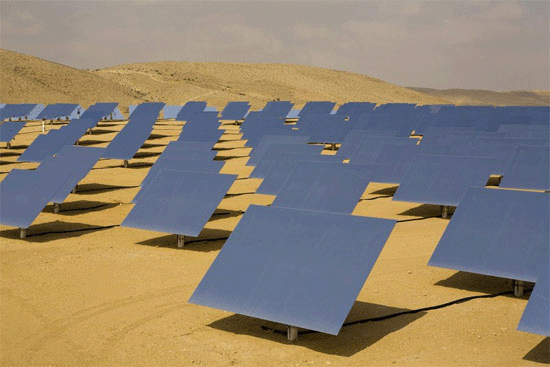
Solar Power in Ontario Could Produce Almost as Much Power as All U.S. Nuclear Reactors, Studies Find ScienceDaily (Apr. 14, 2010) — Solar power in southeastern Ontario has the potential to produce almost the same amount of power as all the nuclear reactors in the United States, according to two studies conducted by the Queen’s University Applied Sustainability Research Group located in Kingston, Canada. Continue reading
Uranium ivestors – bleak outlook following Nuclear Security Summit plan to recycle nuclear fuel
Nuclear Summit Changes Uranium Outlook ninemsn 14/04/2010 By Rudi Filapek-Vandyck US President Obama’s success in convincing world leaders the best way forward is through the conversion of hundreds of thousands of tons of weapons-usable nuclear fuel into non-military fuel for power stations might be good news for world peace, but probably not so for investors in uranium companies.

This week’s nuclear summit in Washington has ended with a general pledge by participants from all over the globe to convert hundreds of thousands of tons of weapons-usable nuclear fuel by 2014, plus an intention to set a 2012 summit in South Korea to measure progress.This inevitably means the supply-outlook has dramatically changed for the sector this week. Nuclear Summit Changes Uranium Outlook
Obama wants Israel to sign Nuclear Non-Proliferation Treaty
Obama: Israel should sign nuclear non-proliferation treaty – Haaretz – Israel News, By Natasha Mozgovaya and Agencies 14 April 2010, U.S. President Barack Obama on Tuesday urged all countries, including Israel, to sign the international Nuclear Non-Proliferation Treaty, or NPT.
“Whether we’re talking about Israel or any other country, we think that becoming part of the NPT is important,” Obama said. Continue reading

UK to upgrade expensive Trident nuclear weapons
The world unites against nuclear danger: so why is Gordon Brown upgrading Trident? Telegraph UK By Mary Riddell World April 14th, 2010 “…….While Mr Netanyahu is a prime obstacle to global security, Britain cannot claim nearly as much credit as it would like. Gordon Brown, who is pledged, like Obama, to creating a nuclear free world, is going an odd way about it. Labour’s manifesto, like the Tories’, commits to maintaining our nuclear weapons. The planned replacement of Trident, which may cost £76 billion, is not even to be included in the forthcoming Strategic Defence Review. Continue reading
Burma trying to buy nuclear weapons technology from North Korea
 The Next Nuclear Nightmare – The Daily Beast, by Philip Shenon, 15 April 2010, As Obama calls for reduced nukes, a surprising new rogue state looms. Philip Shenon reports U.S. spy agencies fear Burma is trying to buy nuclear weapons technology from North Korea.Even as President Obama won agreement from world leaders this week to block the spread of nuclear weapons, the United States is facing a new—and unexpected—nuclear foe: Burma.
National-security officials tell The Daily Beast that U.S. spy agencies and their Asian counterparts have stepped up surveillance of potential nuclear sites in Burma in recent weeks in light of evidence that suggests the country’s brutal junta is trying to buy nuclear-weapons technology from North Korea. The Next Nuclear Nightmare – Page 1 – The Daily Beast
1 This Month

Protect Sazan Island from the Trump family! https://secure.avaaz.org/campaign/en/protect_sazan_island_from_the_trump_family_loc/?bqFCVab&v=174511&cl=22707147157&_checksum=5e9dde668860e8231c33699735e16a1fbf22ab2cb01da50c999fe8732b9775ef&utm_source=email&utm_medium=blast_email&utm_campaign=174511
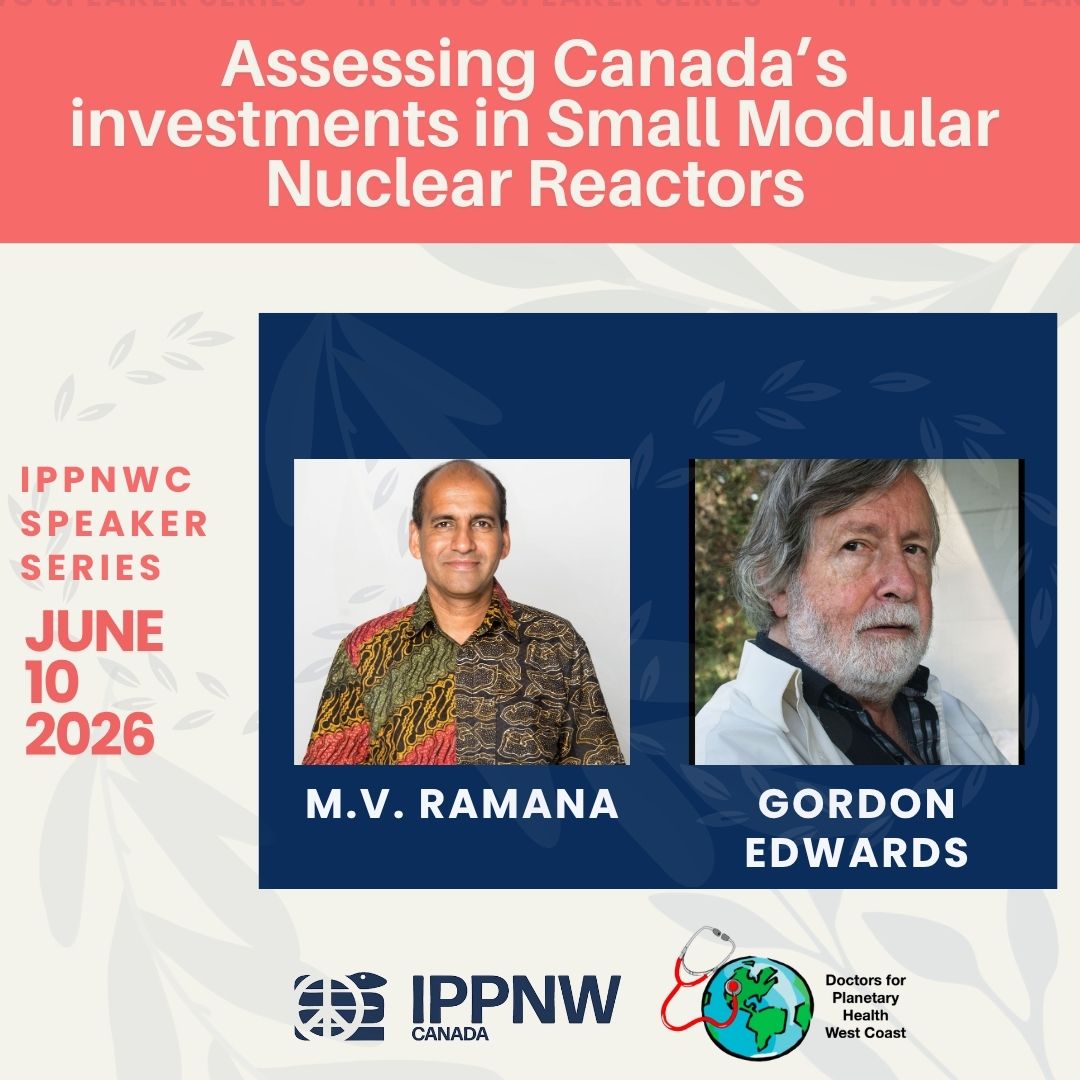
10 June – Assessing Canada’s Investments in Small Modular Nuclear Reactors – https://zoom.us/meeting/register/IiqHA5feRhaEBycOLNTJlA#/registration


Cuba Is Not a Failed State – It Is a Besieged State
PETITION: “Global Appeal to Endorse Palestinian Right of Return of Refugees”
To see nuclear-related stories in greater depth and intensity – go to https://nuclearinformation.wordpress.com
-
Archives
- June 2026 (109)
- May 2026 (306)
- April 2026 (356)
- March 2026 (251)
- February 2026 (268)
- January 2026 (308)
- December 2025 (358)
- November 2025 (359)
- October 2025 (376)
- September 2025 (257)
- August 2025 (319)
- July 2025 (230)
-
Categories
- 1
- 1 NUCLEAR ISSUES
- business and costs
- climate change
- culture and arts
- ENERGY
- environment
- health
- history
- indigenous issues
- Legal
- marketing of nuclear
- media
- opposition to nuclear
- PERSONAL STORIES
- politics
- politics international
- Religion and ethics
- safety
- secrets,lies and civil liberties
- spinbuster
- technology
- Uranium
- wastes
- weapons and war
- Women
- 2 WORLD
- ACTION
- AFRICA
- Atrocities
- AUSTRALIA
- Christina's notes
- Christina's themes
- culture and arts
- Events
- Fuk 2022
- Fuk 2023
- Fukushima 2017
- Fukushima 2018
- fukushima 2019
- Fukushima 2020
- Fukushima 2021
- general
- global warming
- Humour (God we need it)
- Nuclear
- RARE EARTHS
- Reference
- resources – print
- Resources -audiovicual
- Weekly Newsletter
- World
- World Nuclear
- YouTube
-
RSS
Entries RSS
Comments RSS
 nuclear-news