Politics
Governments such as those of the U.S.A., France, U.K., Russia, China, India, Israel – … (it’s a growing list) seek to maintain and expand their nuclear weapons arsenal. The push for “peaceful” nuclear power is a mask covering their weapons aims.
Despite all the conferences and fuss about nuclear weapons, the real international political deal is all about SELLING. Nuclear power, nuclear weapons, nuclear wastes, all threaten to bankrupt the countries that have them. So the political pursuit today is by the big nuclear powers to market their nuclear technology to other countries. This is easiest to do in non democratic countries, by selling nuclear power to governments.
International nuclear politics today is a global problem, – but one that is seen by each government through the narrow focus of its own military and commercial interest.
31 countries have nuclear power, and 8 are known to have nuclear weapons. Most countries have neither of those, but might still be involved in the nuclear process, through having uranium mining, or nuclear waste dumps.
 UNITED STATES of AMERICA. The nation that first developed the nuclear
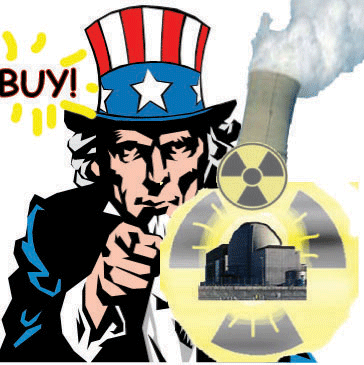 bomb, and nuclear energy technology, the USA is in quite a mess today over the issue. It is divided by its antagonistic politics, and wedded to its nuclear weaponry. The powerful military industrial complex, and wealthy industrial lobbies push for nuclear weaponry, and for nuclear sales abroad. But at home, the nuclear power industry stagnates, and the unsolved problem of USA’s tonnes of radioactive wastes is a political nightmare.
 RUSSIA. The nation that worst developed nuclear bombs and nuclear energy is at home beset by intractable nuclear waste problems. “Worst
 developed” because it is apparent that Russia’s history is one of poor safety, irresponsible management of nuclear tests and nuclear wastes, secrecy and lies about nuclear issues. Russia, with its state owned nuclear industry, aims to become the empire of the world, in commercial sales of nuclear energy and nuclear technology.
at right – Sergei Kiriyenko – Russia’s top nuclear “tsar” and salesman
 FRANCE holds the dubious reputation of being the world’s most secretive nuclear power. At home, France relies on nuclear energy for most of its electricity – a mistake that is becoming apparent as its nuclear reactors age, and its new nuclear power plans prove mega costly.
France’s history of secrecy includes its many nuclear tests in the Pacific islands, making sure of no records of radiation-affected populations there, and its notorious attack on the Rainbow Warrior in New Zealand. France exports radioactive wastes to the irresponsibly managed dumps in Siberia, and maintains its secrecy over waste disposal, and over its true nuclear power costs. Its history of uranium mining in Niger is one of exploitation of indigenous people. Currently AREVA’s activities in Niger are threatened, with the kidnapping of AREVA employees there.
France, through its mainly government owned company, AREVA, pushes sales of its nuclear technology to well – anyone around the world in a desperate pitch to make nuclear power look viable.
 However, with the election of President Francois Hollande, France now embarks on the rather tortuous track towards being nuclear free.
 GREAT BRITAIN . The UK seems to be sinking further into a mire of confusion, as its government aims for super expensive new nuclear preactors, while proclaiming that these will be funded privately. Nobody believes this, least of all the UK government itself, as it now considers “underwriting” the runaway costs of French, or Chinese, or Japanese supplied nuclear technology.
Equally confusing for UK, is the dilemma of dealing with its mass of plutonium wastes. UK goes for the “least worst” solution of deep burial, so far resisting the pressure of the nuclear lobby for dodgy , dangerous, and untested fast breeder reactors, (that still leave very toxic wastes, anyway).
the United Kingdom has aging nuclear power plants, and nuclear weapons. The current UK government is in a dilemma about replacing its Trident nuclear missiles, because of the cost (and the irrelevance of them to present-day security threats)

Japan continues to be in turmoil over the disaster at its Fukushima nuclear plant. But that doesn’t stop them from aiming to sell nuclear technology overseas.
And the government, under great pressure from business, wamts to restart nuclear power – it’s just that this is a bit of an election problem.
Earthquakes are a threat to Japan’s nuclear plants, and Japan has a vigorous anti-nuclear movement.
 CHINA The China Atomic Energy Agency oversees China’s nuclear weapons and nuclear energy plants and programs. China has scaled back its nuclear programme, and now wants to make it privately funded. China’s state-owned nuclear corporations still want nuclear sales abroad, already selling to Pakistan.
China’s nuclear waste disposal is shrouded in secrecy, but is known to be done in rural areas, where impoverished indigenous peoples find their land contaminated. China’s entrenched secrecy and censorship have prevented any national scrutiny of the safety of their nuclear facilities, many of which are in earthquake and flood-prone regions.
 INDIA continues to expand its nuclear weaponry, and will not join the Nuclear Non Proliferation Treaty. India has plans to increase nuclear energy. But soaring costs, and a nation-wide growing anti nuclear movement is stalling India’s nuclear development. India’s government has now resorted to harsh repression, and curtailing civil liberties in the interests of the nuclear industry. The Bhopal gas disaster of 1986 has left the Indian public more aware than other countries of the possibility of catastrophic nuclear accidents. India is unwilling to let foreign nuclear suppliers off the hook of liability for accidents.
 EUROPE is a mixed bag when it comes to nuclear politics. While a number of countries have nuclear power plants, European people are divided on the issue, with a general preference for truly clean, renewable energy, and also a general ambivalence about nuclear weapons, especially about USA keeping a nuclear missile shield in Europe.
GERMANY is a shining light for renewable energy. Alone among the big nuclear powers, Germany’s Angela Merkel has faced up to the nuclear horror, following Fukushima, and as Germany seriously shuts down nuclear power, solar and wind energy are proving their worth.
 SOUTH KOREA bought nuclear technology from USA, then launched into its own production of nuclear reactors, and now seeks to be the Asian champion of nuclear reactor sales, through its state-owned company KEPCO.
 PAKISTAN Apart from having some 200 nuclear weapons, Pakistan has a small nuclear power industry, supported now by China. The Pakistan government maintain that its nuclear facilities are safe, but Western fears of nuclear terrorism continue, and heighten anxiety over the actvities of al-Qaida.
 ISRAEL tries to solve the nuclear weapons problem by pretending it doesn’t have them, and refusing to join the Nuclear non Proliferation Treaty. This refusal causes an international political problem, seeing that Iran has signed the Treaty. Under Netanyahu, Israel walks a perilous path towards attacking Iran’s nuclear facilities
 IRAN is being helped by Russia to develop nuclear power. While Iran
 maintains that it does not seek nuclear weapons,
President Ahmadinejad continues inflammatory verbal attacks on Israel, and people within and outside Iran mistrust his intentions.
 NORTH KOREA, New leader, Kim Jong Un is still something of an unknown quantity – appears to continue the pursuit of nuclear weaponry, at the expense of
  its poverty stricken people, and to the anxiety of South Korea and of the international community
CANADA is tied to the nuclear process more because of its uranium export industry. It does have nuclear power, and quite a debate about renewing it. AUSTRALIA has no nuclear power, but actively pursuing its uranium export industry.
AFRICA – nuclear power limited to South Africa, but several African countries host foreign uranium mines SOUTH AMERICA Nuclear power limited to Argentina. Brazil and Mexico ASIA and MIDDLE EAST – Countries in these regions are the target customers for the nuclear lobbies of USA, Russia, France, China.
2 Comments »
Leave a comment
1.This Month
1:20 / 13:23
Julian Assange could be released on 20th May
21 May Webinar. Protect Our Waterways. No Nuclear Waste.
7 pm Tuesday May 21 https://www.protectourwaterways.org/webinars
24 May. The Vow from Hiroshima film is coming on PBS, this month https://www.thevowfromhiroshima.com/
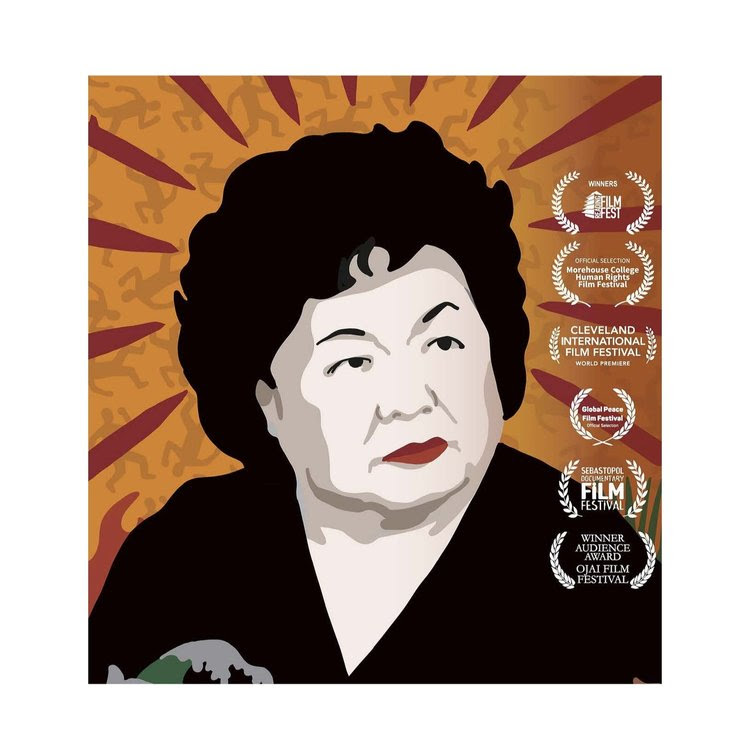
3 June – FILM. SOS – The San Onofre Syndrome: Nuclear Power’s Legacy
6-7 July A summit and a rally in Washington D.C. https://nonatoyespeace.org/

-
Archives
- May 2024 (234)
- April 2024 (366)
- March 2024 (335)
- February 2024 (345)
- January 2024 (375)
- December 2023 (333)
- November 2023 (342)
- October 2023 (366)
- September 2023 (353)
- August 2023 (356)
- July 2023 (362)
- June 2023 (324)
-
Categories
- 1
- 1 NUCLEAR ISSUES
- business and costs
- climate change
- culture and arts
- ENERGY
- environment
- health
- history
- indigenous issues
- Legal
- marketing of nuclear
- media
- opposition to nuclear
- PERSONAL STORIES
- politics
- politics international
- Religion and ethics
- safety
- secrets,lies and civil liberties
- spinbuster
- technology
- Uranium
- wastes
- weapons and war
- Women
- 2 WORLD
- ACTION
- AFRICA
- Atrocities
- AUSTRALIA
- Christina's notes
- Christina's themes
- culture and arts
- Fuk 2022
- Fuk 2023
- Fukushima 2017
- Fukushima 2018
- fukushima 2019
- Fukushima 2020
- Fukushima 2021
- general
- global warming
- Humour (God we need it)
- Nuclear
- RARE EARTHS
- Reference
- resources – print
- Resources -audiovicual
- World
- World Nuclear
- YouTube
-
RSS
Entries RSS
Comments RSS
 nuclear-news
In Italy the govenament of mr. Berlusconi is going to open new Nuclear stations against the 3 popolar referendum of 1987 so you forgot him in the picture of this web site…
Well, thank you – I regret leaving Mr Berlusconi out – also, I’m not well informed about Italy’s government – whether or not they aspire to nuclear weapons, or to exporting their nuclear industry in line with France etc