Doubts on safety of South Asian nuclear facilities
In a webcast lecture made available late Friday, Scott D Sagan said that if developed countries with competent civilian controls can make errors it was safe to assume that countries with “less vigorous civilian controls, less professionalised militaries” will behave in dangerous ways.
According to Sagan, a professor of political science at Stanford University, some states that have nuclear weapons don’t see them as a deterrent but as a shield behind which they can take more aggressive action…..http://tribune.com.pk/story/174148/south-asian-nuclear-safety-in-fallible-hands-us-expert/
Warning to patients on medical radiation
 exposure to radiation from a single diagnostic medical procedure is thought to produce little or no risk to the patient.
However, repeated exposure to ionizing radiation is becoming more common, particularly in acute medical settings such as hospitals
Health-care radiation: How big a problem? The Durango Herald, Dr. Matthew A. Clark, 24 May 11, With advancing medical technologies, health-care decisions are becoming more and more confusing for the general public. Patients need to take a proactive role in informing themselves about their health care……the effect of radiation exposure from diagnostic medical procedures on long-term health. With the increase in use of these procedures, including CAT scan and fluoroscopy, there has been a significant increase in exposure of Americans to ionizing radiation. Ionizing radiation is the kind of radiation that can damage the body’s cells…. Continue reading
Westinghouse nuclear reactor design flaws
NRC puts hold on Westinghouse reactor approval, Charlotte Business Journal – by John Downey May 23, 2011 The U.S. Nuclear Regulatory Commission has put a hold on the certification of Westinghouse’s AP1000 nuclear reactor after discovering mistakes in some of Westinghouse’s calculations about its reactor shield building…….The NRC announced its decision Friday. Anti-nuclear groups praised the announcement, saying it represented a major setback for the nuclear industry that raised doubts about construction of any AP1000s.
“This unsafe reactor design had been the cornerstone of efforts to build new nuclear reactors in the United States,” Tom Clements, an anti-nuclear campaigner for S.C. Friends of the Earth, says in a prepared statement. “The fact that the Nuclear Regulatory Commission, which often operates as an industry lap dog, is voicing concerns is a sign of just how serious these design flaws are.”…
US NRC had to admit safety problems with new Westinghouse nuclear reactor
Another nail in the coffin for the “nuclear renaissance” Greenpeace by Jarred Cobb – May 23, 2011 The Nuclear Regulatory Commission (NRC) released a statement on Friday about the new Westinghouse AP1000 nuclear reactor. In the grand tradition of breaking bad news on a Friday, the NRC was trying to bury a significant blow to the so-called “nuclear renaissance.” After a review of the Toshiba-designed reactor, the NRC found: “more problems regarding the AP1000’s shield building, as well as the peak accident pressures expected within containment.” Continue reading
Continuing catastrophe of Fukushima threatens Japan’s future
it is the continuing nuclear catastrophe at Fukushima, just 200 kilometres north of Tokyo, that really threatens Japan’s future.
The ‘myth of safety’ in Japan’s nuclear plants THE NATIONAL POST , Peter Goodspeed: 21 May 11“……….The world’s third-largest economy has suffered nearly US$400-billion in damage and been thrust into recession. Japanese manufacturers have been staggered by power shortages and breaks in their supply chains, and are not expected to return to business as usual before the fall. Continue reading
Japan’s Prime Minister up against nuclear lobby as he promises reforms
Japan tsunami: Survivors make emotional visit to Fukushima homes hit by nuclear meltdown | Mail Online 23 May 11, “……….Prime Minister Naoto Kan said Japan must rethink how nuclear power is regulated and explore other energy sources. Kan, battling low support rates, a feisty opposition and rebels in his own party, has pledged a blank-slate review of Japan’s current energy policy that aims to boost nuclear power to more than 50 percent of electricity supply by 2030 from about 30 percent now.
But whether he can break the grip of the politically powerful utilities companies remains in doubt. He also dodged questions about how big a role atomic energy would play in the country’s future….Japan tsunami: Survivors make emotional visit to Fukushima homes hit by nuclear meltdown | Mail Online
UK government’s hidden subsidies to nuclear industry
Government’s ‘hidden’ nuclear subsidies blasted, North West Evening Mail, 20 May  2011
2011  MPs have accused the government of planning to subsidise nuclear power despite pledging no public financial support for the industry.The coalition government says it is committed to new nuclear build but has insisted it would not be taxpayer funded.But a report by the Commons Energy and Climate Change committee said hidden subsidies for nuclear will be awarded through government-supported long-term contracts to supply energy, and a minimum price for carbon emissions.It condemned the attempts to hide the subsidies as “deeply irresponsible” and said it put the government’s green credentials in jeopardy….
it would be deeply irresponsible to skew the whole process of electricity market reform simply to save face.”
Nuclear companies could also receive government assurances that the taxpayer could meet the cost of any increases to the estimated bill for storing radioactive waste from new reactors.
Mr Yeo said: “The government must be upfront about the support it is giving to nuclear and not hide subsidies.”….
USA has 23 nuclear reactors the same type as Fukushima
Interview with Akira Tokuhiro, Nuclear Engineer: Fukushima and the Mass Media HUFFINGTON POST, Vivian Norris, 19 May “……..There are 23 reactors in the U.S. like the one in Fukushima. It takes a lot of money to build a reactor but then it becomes a money-maker once it is paid off and is run for as long as possible making as much profit as possible. This MUST become about our common future, and it does require an international effort. This is NOT a Wall Street bailout, this is much more serious and needs immediate attention and action. We MUST put the future of humanity and our planet before constant profits and crazy out of control capitalism. A great deal of information has finally been coming out these past few days and if you need more information on the technical aspects of the core meltdowns and explanations which are updated fairly often, please follow Arnie Gunderson at http://www.fairewinds.com
Vivian Norris: Interview with Akira Tokuhiro, Nuclear Engineer: Fukushima and the Mass Media
America losing the chance to switch from nuclear power to renewables
The U.S. is obviously not going to build many new nuclear plants — but time is running out for us to jump on the clean-energy bandwagon.”….
Why They Don’t — and Can’t — Get It Right HUFFINGTON POST Carl Pope, 05/17/11 ….pattern of obviously foolish risks reflects the behavior of not just one company but of many — it’s simply how the nuclear industry operates.
And the industry clearly doesn’t want more effective oversight. Continue reading
Germany to set harsh nuclear safety rules
Germany tightens nuclear rules, FT.com By Gerrit Wiesmann in Berlin May 18 2011 The German government on Tuesday signalled it will set harsh safety requirements for the country’s 17 nuclear power stations as it searches for ways to bring forward the final phase-out of the power source from 2036……FT.com / Europe – Germany tightens nuclear rules
Opposition to nuclear power growing, after Spanish earthquake
Spanish Quake Jolts European Nuclear Debate, WSJ.com 16 May 11, The earthquake’s most lasting impact, however, may be felt in Europe’s nuclear debate….Indeed it reached fever-pitch in the Basque Country in the 1980s, when the construction of a nuclear plant there led to the involvement of terrorist group ETA, which murdered several workers and managed to stop the plant from being used.
Things have quietened down a tad since then, but the debate continues. Polls show that a majority of Spaniards tend to be more or less opposed to nuclear power, a trend that was reinforced by Japan’s nuclear crisis in March and now by the Spanish earthquake…Spanish Quake Jolts European Nuclear Debate – The Source – WSJ
Nuclear crisis affects Asian shares
UPDATE: Asian Shares Mostly Lower; Tokyo Hit By Fresh Nuclear Woes – WSJ.com, 17 May, 11, “………In Tokyo, the market continued to struggle in the aftermath of the Fukushima Daiichi nuclear crisis. Data showing stronger-than-expected machinery orders for March failed to buoy sentiment given worries about the outlook following the devastating natural disasters in March.”The nuclear power plant issue seemed to have momentarily calmed down, but investors are once again concerned about the difficulties in achieving a safe shutdown,” said Mizuho Securities equity strategist Tsuyoshi Segawa.Utility plays fell on concerns the group will be saddled with more compensation payments in the wake of Tokyo Electric Power Co.’s acknowledgement Sunday that a partial meltdown occurred at the No. 1 reactor at its Fukushima nuclear power plant sooner than previously suspected. Tepco fell 6.8%, while Chubu Electric Power dropped 2.3% and Tohoku Electric Power slid 3.5%……
Ongoing uncertainty on whether a Japanese government rescue plan for Tokyo Electric will force banks to grant some form of a debt waiver for the beleaguered utility continued to weigh on financial stocks. Sumitomo Mitsui FG lost 1.7% and Mizuho FG slipped 0.8%.
Australia’s benchmark S&P/ASX 200 index trimmed some of its morning losses, but remained weak after slumping to an eight-week low of 4641.4 on heightened risk-aversion…..
UPDATE: Asian Shares Mostly Lower; Tokyo Hit By Fresh Nuclear Woes – WSJ.com
Japan’s nuclear disaster a lesson in how to use less energy
How nuclear disaster forced Japan to be frugal with energy, Jonathan Watts guardian.co.uk, 12 may 11, The Fukushima nuclear disaster forces a re-think not just of the kind of energy we use, but how much
Japan‘s decision not to build more nuclear reactors is understandable given the explosions and leaks at the Fukushima power plant. But how will the country make up the massive energy shortfall? Prime minister Naoto Kan says supply can be sustained by investing more in renewables like wind, solar and geothermal. But there is a far simpler, cheaper and cleaner solution: use less power.
As I learned on a trip to Tokyo and Tohoku last week, this is already happening. In the wake of a disaster that knocked out six reactors, Japan‘s businesses and people have been forced to scale back their electricity consumption.
To conserve power, the utilities scheduled rolling power cuts, but many have not been necessary because considerable energy has been saved simply by promoting frugality. In shopping malls and stations, many automatic doors and escalators have been switched off, which means – shock, horror – that people are forced to push open doors and walk up stairs (there are still elevators for wheelchairs)…….
I think Japan’s disaster should also prompt us to look more closely at how much energy we use.
In a previous blogpost, I have speculated that we are in or approaching the era of “Peak Human”, with regards to the size of our population and consumption of resources, after which both will fall back to sustainable levels. That could still lead to qualitative improvements in our lives, but most of us are reluctant to accept quantative limits. Disasters, such as the one at Fukushima, remind us we may not have a choice..How nuclear disaster forced Japan to be frugal with energy | Jonathan Watts | Environment | guardian.co.uk
NRC draft report – US nuclear plants safe – well, almost
America’s Nuclear Plants Are Safe, NRC Says – Except When They’re Not Climate Central, 12 may 11, By Michael D. Lemonick“….. In the U.S., the Nuclear Regulatory Commission (NRC) launched a major assessment of how safe American plants are. The task force assigned to carry out this assessment won’t be issuing its formal report until July, but the NRC issued a progress report today………
For those who love bureaucratic technobabble, here’s the announcement of the new NRC order.
For those who prefer plain English, here’s what’s actually happened: the NRC has declared America’s nuclear plants safe according to standards that may well be out of date, and Rep. Markey thinks the out-of-date standards aren’t good enough……Review of Nuclear Power Plant Safety | Climate Central
1 This Month
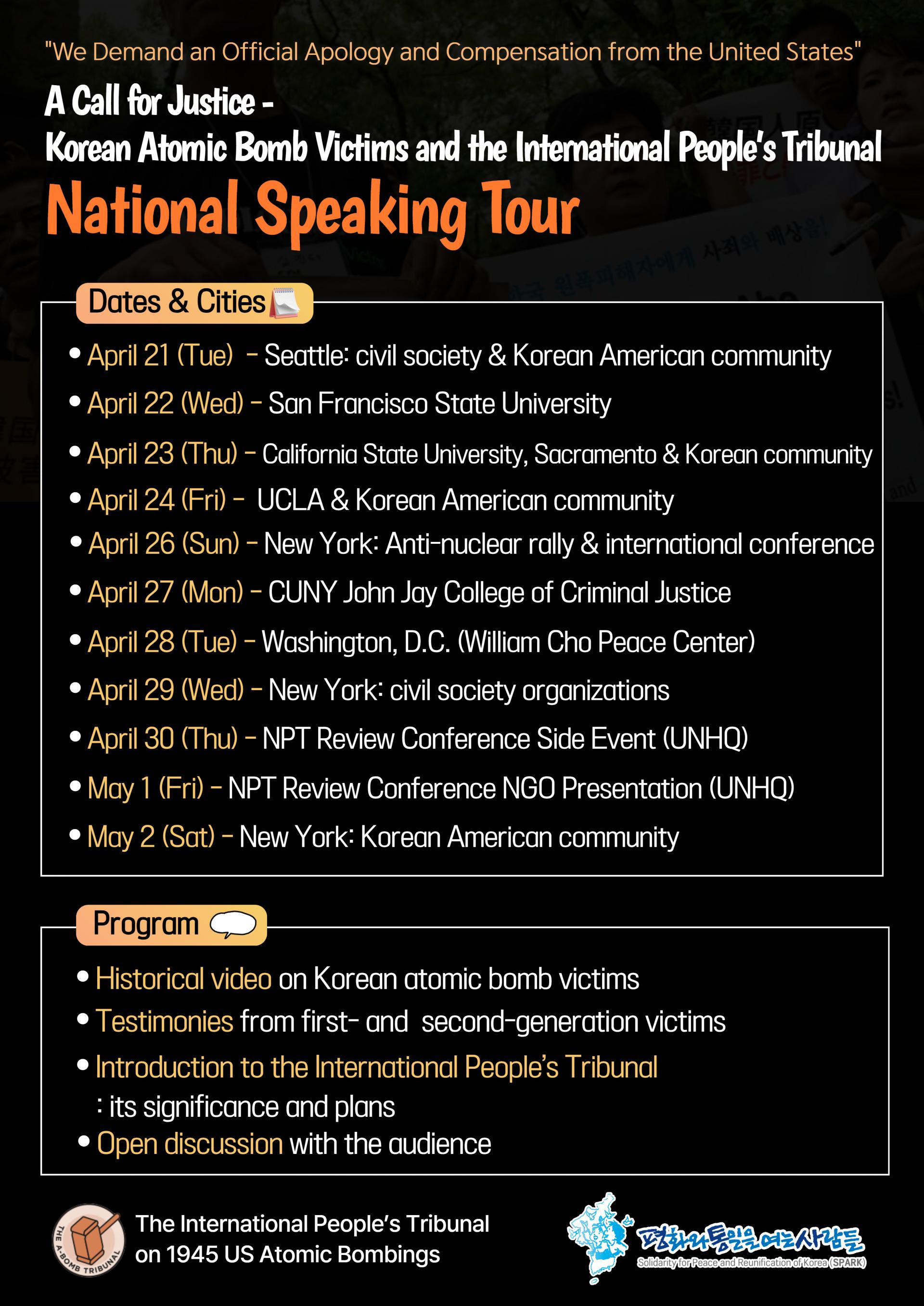
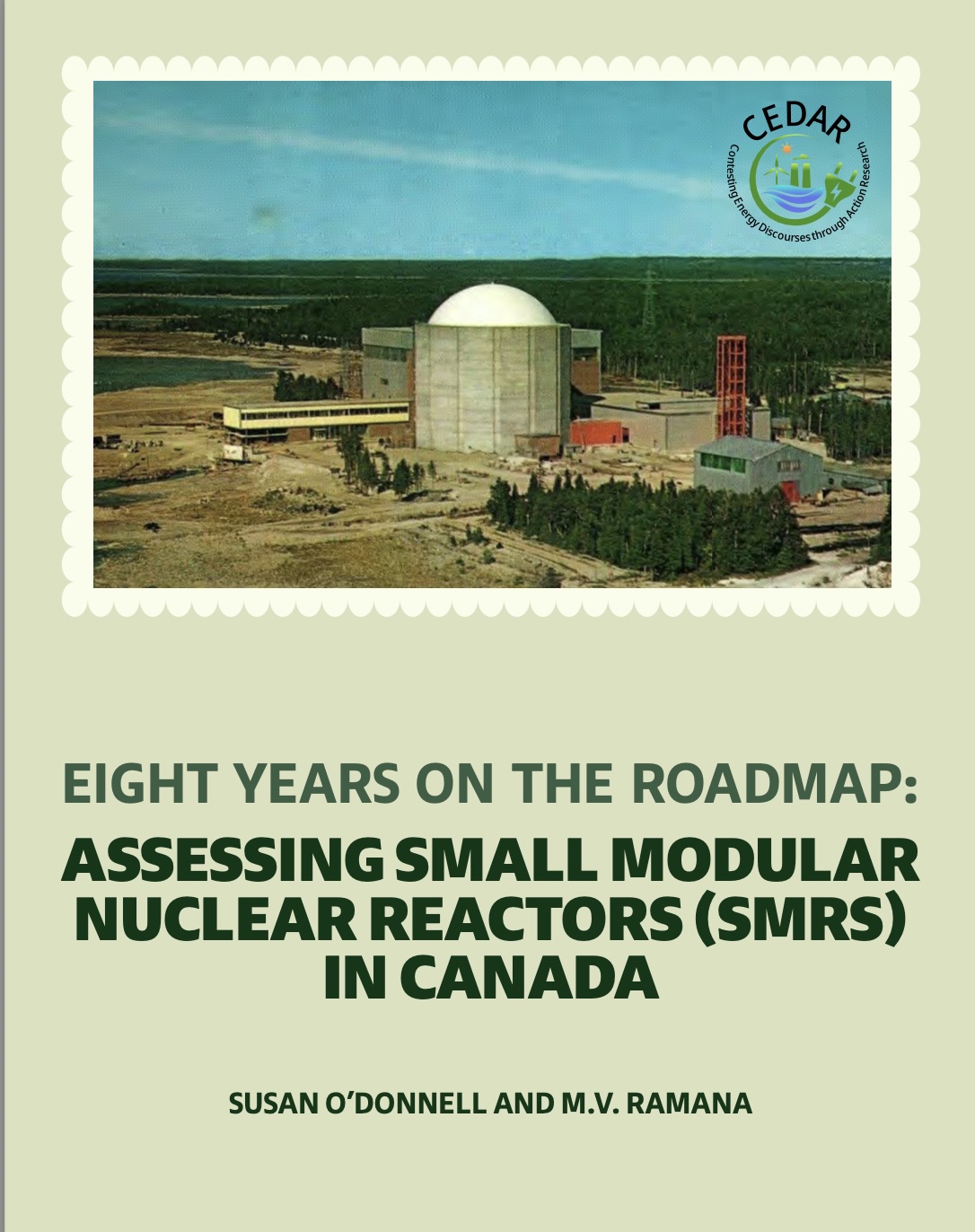

Pine Ridge Uranium is the real threat, not Tehran- Tell Burgum: Stop the Extraction.
Chernobyl: The Lost Tapes – A good documentary on Chernobyl on SBS available On Demand for the next 3 weeks– https://www.sbs.com.au/ondemand/tv-program/chernobyl-the-lost-tapes/2352741955560
To see nuclear-related stories in greater depth and intensity – go to https://nuclearinformation.wordpress.com
-
Archives
- April 2026 (288)
- March 2026 (251)
- February 2026 (268)
- January 2026 (308)
- December 2025 (358)
- November 2025 (359)
- October 2025 (376)
- September 2025 (257)
- August 2025 (319)
- July 2025 (230)
- June 2025 (348)
- May 2025 (261)
-
Categories
- 1
- 1 NUCLEAR ISSUES
- business and costs
- climate change
- culture and arts
- ENERGY
- environment
- health
- history
- indigenous issues
- Legal
- marketing of nuclear
- media
- opposition to nuclear
- PERSONAL STORIES
- politics
- politics international
- Religion and ethics
- safety
- secrets,lies and civil liberties
- spinbuster
- technology
- Uranium
- wastes
- weapons and war
- Women
- 2 WORLD
- ACTION
- AFRICA
- Atrocities
- AUSTRALIA
- Christina's notes
- Christina's themes
- culture and arts
- Events
- Fuk 2022
- Fuk 2023
- Fukushima 2017
- Fukushima 2018
- fukushima 2019
- Fukushima 2020
- Fukushima 2021
- general
- global warming
- Humour (God we need it)
- Nuclear
- RARE EARTHS
- Reference
- resources – print
- Resources -audiovicual
- Weekly Newsletter
- World
- World Nuclear
- YouTube
-
RSS
Entries RSS
Comments RSS
 nuclear-news