Westinghouse Nuclear Fuel Fabrication plant – a detailed history of troubles.

Dead fish near SC nuclear fuel site were an early warning. Then came the spills and accidents, The State, BY SAMMY FRETWELL, JULY 30, 2022
“……………………………………………………. 1980: State regulators learn of a fish kill near the Westinghouse wastewater plant. They found elevated levels of fluoride and ammonia-nitrogen in groundwater and surface water. It was later determined that the pollution came from the plant wastewater area. 1980: Twenty plant workers evacuated from Westinghouse after a small leak of uranium hexafluoride gas.
1982: Westinghouse unable to find 9.5 pounds of slightly enriched uranium, according to an NRC report. 1983: State regulators fine Westinghouse $6,000 for illegally shipping flammable material that caused a fire at Barnwell County’s low-level nuclear waste dump. 1988: Radioactivity found in monitoring wells is thought to have come from prior leaks of industrial wastewater. Low concentrations of Uranium 235, 234 and 238 found.
1989: EPA investigators find an array of pollutants in groundwater at the Westinghouse site, some higher than safe drinking water levels. Vinyl Chloride and TCE, both of which can cause cancer, were found to exceed the drinking water standard. 1989: Twenty five dead deer discovered at the Westinghouse property, some of them in an area where wastewater was being discharged near the Congaree River. The deer reportedly died from nitrate poisoning, but public records reviewed by The State do not show an exact cause. 1992: Trichloroethene (TCE), cis-1,2-dichloroethene (CIS 1,2 DCE) and tetrachloroethene (PCE), are detected at amounts above the federal maximum contaminant level for safe drinking water. The high levels were found near the plant’s oil house.
1993: NRC fines Westinghouse $18,750 after alleging that the company failed to perform a criticality safety analysis and failed to conduct safety tests. 1994: Radioactive leak exposes 55 workers to uranium hexafluoride and shuts down the Westinghouse plant. 1997: The plant loses two low-enriched fuel rods. The NRC says five violations of NRC requirements occurred. Safety was not compromised, but problems “are indicative of inadequate management attention.’’
1998: Company fined $13,750 after NRC notes the “loss of criticality control,’’ a problem that could have led to an accident. The agency says a problem had gone uncorrected. 2000: NRC hits Westinghouse with a violation notice because an operator “willfully violated criticality safety procedures when preparing to mix a batch of powder.’’ 2000: Uranyl nitrate spills at the Westinghouse plant, causing a cleanup. When the cleanup began, workers found the spill was worse than originally thought.
2001: NRC hits Westinghouse with a violation for transporting 3 cylinders of licensed material with elevated radiation levels. 2001: Westinghouse fails to follow criticality safety rules at a uranium recovery area dissolver elevator, violation notice says. Containers were not stacked far enough apart, reducing safety. Westinghouse didn’t do enough to fix the problem. 2001: NRC issues a violation notice to Westinghouse after raising concerns about criticality safety, including failing to keep uranium powder mixing hoods properly separated.
2001: NRC hits Westinghouse with violation after criticality safety controls failed to work on the ammonium diurnate process lines. 2002: NRC letter tells Westinghouse that its criticality safety control efforts need improvement. NRC Regional Administrator Luis Reyes says the last two safety reviews have urged improvement for criticality safety. Letter notes concern about nuclear transportation program. 2002: NRC notice of investigation says a contractor for Westinghouse falsified records about the receipt and processing of materials. That resulted in a small amount of nuclear material being improperly shipped to nuclear site in Tennessee. 2004: NRC again raises concerns about criticality safety, the practice of making sure a nuclear chain reaction does not occur. Efforts to improve compliance with procedures and “implement criticality safety controls were not fully effective,’’ letter from regional administrator Luis Reyes says.
2004: NRC letter hits Westinghouse with a $24,000 fine. The company failed to maintain criticality controls as required. Ash in the company’s incinerator exceeded concentration limits for uranium. The Level 2 violation is, at the time, the most serious ever noted at the plant. 2008: Broken pipe spills radioactive material into the soil in the same area as a later 2011 leak, but Westinghouse doesn’t tell state or federal regulators for years. 2008: The NRC sanctions Westinghouse for losing sixteen sample vials of uranium hexafluoride. The company didn’t properly document and control the transfer of the vials and failed to secure them from “unauthorized removal.’’ 2008: Westinghouse hit with a violation notice after a worker disabled an alarm and bypassed a safety significant interlock.
2009: Westinghouse fires a contract foreman after federal regulators found that he had falsified records. Westinghouse also was cited by the NRC. The foreman certified that employees were trained in safety procedures, when they had not completed training.
2009: Westinghouse loses 25 pounds of pellets that were to be used in making nuclear fuel rods. NRC downplays danger but says Westinghouse should have kept better track of the nuclear material.
2010: NRC levies $17,500 fine against Westinghouse after uranium-bearing wastewater spilled inside the plant.
2011: Uranium leaks into ground beneath the Westinghouse plant, but federal inspectors weren’t told about it for years. NRC officials said they only learned about the spill in 2017.
2012: Worker exposed to uranium-containing acid and whisked to a hospital by emergency medical crews. The worker was treated for pain and released.
2012: Westinghouse fails to follow through on a report to improve the facility so it could better withstand an earthquake, NRC says. Recommendations had been made nine years previously.
2015: Three workers are injured when steam erupted from a wash tank. The workers are taken to a Columbia area hospital for treatment and later sent to the burn center in Augusta, which specializes in treating severe burns.
2016: A buildup of uranium that could have led to a small burst of radiation forces Westinghouse to shut down part of the fuel plant and temporarily lay off 170 workers, about one-tenth of its work force at the plant. The uranium found in the scrubber area is nearly three times the legal limit.
2017: Westinghouse worker exposed to a solution toxic enough to cause chemical burns when the solution sprayed him. 2018: Uranium leaks into the ground through a hole in the Westinghouse plant floor. An acid solution had eaten into the floor. Soil was contaminated.
2018. The NRC says Westinghouse allowed workers to walk across a protecting liner for years, which likely weakened the liner and contributed to a hole in the floor that allowed uranium solution to leak out.
2019: Fire breaks out in a drum laden with mop heads, rags and other cleaning equipment.
2019: State and federal authorities report that water had leaked through a rusty shipping container and onto barrels of uranium-tainted trash. Contaminants then leaked into the soil below the shipping container floor.
2019: Westinghouse sends three workers to the hospital after they complained of an unusual taste in their mouths while doing maintenance on equipment that contains hydrofluoric acid.
2019: Two contaminated barrels are shipped from the Westinghouse plant to Washington State after workers in South Carolina failed to properly examine the containers for signs of radioactive contamination.
2020. The NRC issues violation against Westinghouse, this time after questions arose about nuclear safety. The issue centered on improper security of tamper seals, used to keep nuclear material from being stolen.
2020. NRC reports finding 13 pinhole leaks in a protective liner.
2020: South Carolina officials raise concerns about earthquakes at Westinghouse.
Sources: NRC records and news reports from The State. https://www.thestate.com/news/local/environment/article263945551.html
Western states join New Mexico in resisting nuclear waste storage without state consent
Adrian Hedden, Carlsbad Current-Argus, 29 July 22
A group of governors from across the American West signaled their disapproval of storing spent nuclear fuel in their states without their consent, as two companies plan to do so in New Mexico and Texas despite opposition voiced by both states.
In southeast New Mexico, Holtec International proposed building a temporary storage site near Carlsbad and Hobbs known as a consolidated interim storage facility (CISF) to hold up to 100,000 metric tons of high-level nuclear waste transported from reactors around the country………………………………………………………………………………………………….
the governors of Texas and New Mexico – one Republican and one Democrat – stood staunchly opposed to the projects, arguing they could imperil nearby fossil fuel and agriculture operations.
A bipartisan group of congresspeople from Texas and New Mexico also questioned the projects, introducing legislative bills that would bar such activities by the federal government without the state consent.
The Western Governor’s Association recently passed a resolution demanding the federal government require host states to support CISF projects before they can be built.
The resolution, passed June 30, argued no CISFs should be sited, built or operated within a state without written consent from that state’s governor………………………………
Republican Texas Gov. Greg Abbott made similar statements regarding the project in his state, and Texas lawmakers passed a bill last year against the proposals.
“No consolidated facility for nuclear waste, whether interim or permanent, or privately or federally owned and operated, shall be located within the geographic boundaries of a western state or U.S. territory without the written consent of the current Governor in whose state or territory the facility is to be located,” read the resolution from the Western Governors Association.
It also called on the federal government to devise regulations that include state consent when siting and licensing facilities to store nuclear waste.
https://www.currentargus.com/story/news/2022/07/29/western-states-new-mexico-resisting-nuclear-waste-storage-texas-radiation-federal-fuel-energy-holtec/65382940007/
SC nuclear fuel plant gets 40-year operating license – a ”license to pollute”
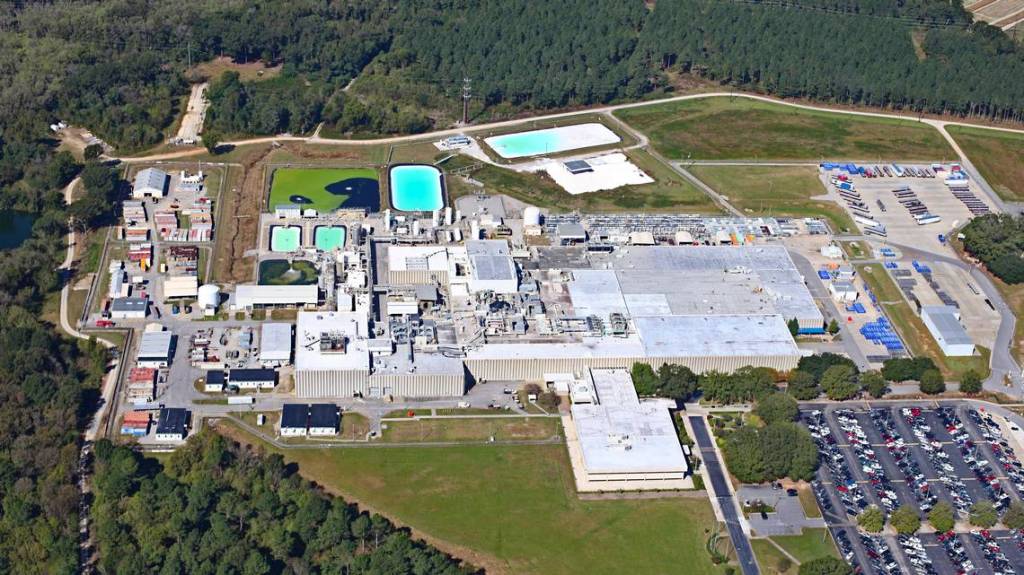
“It has been clear from the start of the license renewal process that the NRC was going to do what Westinghouse requested in spite of a long list of incidents at the facility and even an admission by the NRC that release of contaminants in the future was reasonably foreseeable,”
The State, BY SAMMY FRETWELL, JULY 29, 2022 ”…………………….. Federal regulators approved an environmental study that recommends the Westinghouse nuclear fuel factory southeast of Columbia receive a new 40-year license, virtually assuring that the license will be issued this fall. The U.S. Nuclear Regulatory Commission had considered issuing only a 20-year license because of the safety mishaps and pollution that have occurred at the Westinghouse plant on Bluff Road. But in a federal notice Friday, the NRC said its staff had reviewed a list of environmental issues associated with Westinghouse and determined the new license was warranted.
Westinghouse has tried for eight years to gain a new operating license for the plant, which sits on a 1,156-acre site in eastern Richland County about four miles from Congaree National Park. Groundwater contamination and spills of nuclear material are among the environmental problems Westinghouse has had, particularly in recent years — and neighbors have voiced displeasure with how the factory has operated in the predominantly Black community. Federal agencies, including the U.S. Department of the Interior and the U.S. Environmental Protection Agency, added weight to the chorus of concerns, saying last year the license should not be approved unless an array of environmental problems were resolved. The Interior Department even recommended a 20-year license, instead of 40, in part because of multiple leaks and spills that have polluted the ground and groundwater. The department oversees Congaree National Park.
Westinghouse’s troubles were pronounced enough that the NRC took the unusual step of conducting two major environmental studies to determine how the plant’s future operation might affect the environment. A first environmental study, which initially recommended continued operation, was deemed inadequate. The second study that was approved Friday, known as an Environmental Impact Statement, looked more deeply at the potential effect the plant would have on the surrounding environment if it continues to operate during the next 40 years.
The question has been whether the license should be for 40 years, as Westinghouse has said it should be, or for a lesser amount of time because of the environmental and safety concerns, many of which have surfaced in the past five years. Some environmentalists and people who live near the plant have said the license should be for 10 or 20 years —if issued at all. Westinghouse has said it is working to make improvements, and records indicate it has had fewer mishaps in the past two years. The company said it is happy with the NRC’s decision…………..
The NRC’s next step is to issue a safety review before the final licensing decision is made, the agency said. In a news release, the NRC said the final environmental study found that the plant would have only small to moderate impacts on the environment if the license is renewed. The department said the impacts in issuing a 20-year license would be similar to the impacts from issuing a 40-year license. The NRC last issued a license for Westinghouse in 2007. The biggest environmental impacts from continuing to operate the plant would be on groundwater and surface water, the final environmental impact statement said. Past operation of the plant has had a “noticeable effect’’ on groundwater quality, as well as the quality of surface water, such as creeks and ponds. Uranium, for instance, exceeds federal standards in the mud of Mill Creek, the report said. Even so, groundwater contamination is not forecast to spread offsite, the report said…………………………
Virginia Sanders, a Lower Richland environmental activist and Sierra Club official, said the plant’s continued existence threatens the environment, particularly as more intense rains related to the changing climate pound the Columbia area. The concern is pollution from the site could wash into the surrounding community. “That plant is over 50 years old. That plant should never have been put there in the first place,’’ Sanders said. “Anything in Lower Richland is on low land. And with the number of flooding events on the East Coast and other climate change events, that plant should not be operating there. I’m just waiting for the day when a catastrophe happens.’’
Tom Clements, a nuclear safety watchdog from Columbia, said he’s disappointed in Friday’s decision, but not surprised. He called on the NRC to reconsider its decision. “It has been clear from the start of the license renewal process that the NRC was going to do what Westinghouse requested in spite of a long list of incidents at the facility and even an admission by the NRC that release of contaminants in the future was reasonably foreseeable,” he said in an email to The State. “The 40-year license extension guarantees the risk of accidents and releases that will impact the environment and possibly human health over 40 years. Unfortunately, I now anticipate that careful behavior shown by Westinghouse during the period of the EIS preparation will be relaxed as Westinghouse is essentially now being given a license to pollute.’’
The Westinghouse plant’s environmental and safety challenges emerged within years of the plant opening in 1969. Many of the problems have centered on the company’s failure to handle materials so that they would not create small nuclear accidents that could endanger workers. Many of those concerns can be traced to the early 1980s. The problems continued until 2020. Since 1980, federal and state regulators have discovered more than 40 different environmental and safety problems at the plant, according to newspaper clippings and government records reviewed by The State.. In some cases, the NRC repeatedly told the company to make improvements, but Westinghouse did not move quickly enough to suit the agency. Two of the biggest incidents in the past 20 years involved the buildup of uranium, a nuclear material, in plant equipment — deficiencies that could have endangered workers. The NRC fined Westinghouse $24,000 in 2004 after learning uranium had accumulated in an incinerator to unsafe levels over eight years. The company had assumed the uranium levels were safe, but the problem was discovered in 2004 by an employee. The excess uranium could have caused a nuclear accident that could have injured or killed workers. In 2016, Westinghouse discovered that uranium had accumulated in an air pollution control device — known as a scrubber — to levels that were three times higher than a federal safety standard. Under pressure to explain why the buildup occurred, Westinghouse’s internal inspectors told the NRC that the company had not done enough to ensure employees knew enough about safety in the air scrubber. The company inspectors also said Westinghouse didn’t have strong enough procedures to keep uranium from building up and had a “less than questioning’’ attitude about procedures to prevent a nuclear accident. Two years later, a leak of uranium through a hole in the plant floor brought a barrage of complaints about Westinghouse, a major problem that led to the discovery that some groundwater pollution on the site had been known by the company for years but never reported to federal or state regulators. https://www.thestate.com/news/local/environment/article263833217.html
Nuclear Waste Cleanup: Hanford Site Cleanup Costs Continue to Rise, but Opportunities Exist to Save Tens of Billions of Dollars
https://www.gao.gov/products/gao-22-105809 GAO-22-105809Published: Jul 29, 2022.
Fast Facts
One of the largest, most expensive cleanup projects in the world is at the Department of Energy’s Hanford Site in Washington State. This report describes the status of DOE’s efforts to clean up 54 million gallons of hazardous and radioactive waste stored at the site.
We found that DOE’s plans for addressing the waste assume significant funding increases in the next 10 years.
This report notes that our prior recommendations could save tens of billions of dollars and reduce certain risks if implemented. For example, Congress could consider clarifying DOE’s authority to manage and dispose of some of this waste in a less costly way.
Highlights
What GAO Found
We found that the Department of Energy (DOE) continues to face cost increases and delays in its efforts to address 54 million gallons of radioactive waste stored in tanks at the Hanford Site in Washington State. We also found that Congress and DOE could take steps now that could potentially save tens of billions of dollars in cleanup costs for this waste.
Why GAO Did This Study
The Hanford Site is home to one of the largest and most expensive environmental cleanup projects in the world. After decades of research and production of weapons-grade nuclear materials at the 586-square-mile campus ceased in the late 1980s, DOE began cleanup of hazardous and radioactive waste created as a byproduct of producing nuclear weapons. This waste must be retrieved and treated—or immobilized—before disposal, according to legal requirements and agreements made with federal and state environmental regulators. The Waste Treatment and Immobilization Plant is DOE’s current planned approach to treating Hanford’s tank waste.
Senate Report 117-39 includes a provision for us to continue periodic briefings on the treatment of waste at the Hanford Site. This report describes the status of DOE’s cleanup efforts at the Hanford Site, focusing particularly on the approaches, costs, and alternatives for the tank waste cleanup mission.
For more information, contact Nathan Anderson at (202) 512-3841 or andersonn@gao.gov.
Pickering nuclear station is closing as planned, despite calls for refurbishment
Nationa lObserver , By Jessica McDiarmid | News | July 29th 2022 The Ontario government will not reconsider plans to close the Pickering nuclear station …………
In a report released this week, a nuclear advocacy group urged Ontario to refurbish the aging facility east of Toronto, which is set to be shuttered in phases in 2024 and 2025. The closure of Pickering, which provides 14 per cent of the province’s annual electricity supply, comes at the same time as Ontario’s other two nuclear stations are undergoing refurbishment and operating at reduced capacity.
Canadians for Nuclear Energy, which is largely funded by power workers’ unions, argued closing the 50-year-old facility will result in job losses, emissions increases, heightened reliance on imported natural gas and an electricity deficit.
But Palmer Lockridge, spokesperson for the provincial energy minister, said further extending Pickering’s lifespan isn’t on the table…………………………
The Ontario Clean Air Alliance, however, obtained draft documents from the electricity operator that showed it had studied, but not released publicly, other scenarios that involved phasing out natural gas without energy shortfalls, price hikes or increases in emissions.
One model suggested increasing carbon taxes and imports of clean energy from other provinces could keep blackouts, costs and emissions at bay, while another involved increasing energy efficiency, wind generation and storage.
“By banning gas-fired electricity exports to the U.S., importing all the Quebec water power we can with the existing transmission lines and investing in energy efficiency and wind and solar and storage — do all those things and you can phase out gas-fired power and lower our bills,” said Jack Gibbons, chair of the Ontario Clean Air Alliance.
https://www.nationalobserver.com/2022/07/29/news/pickering-nuclear-station-closing-despite-calls-refurbishment
Westinghouse could get a 40 year license renewal for its nuclear fuel fabrication plant , despite safety concerns
https://www.wltx.com/article/money/business/nuclear-regulatory-commission-renewal-westinghouse-license-40-years-hopkins/101-13b2c22b-241b-40c2-880b-8a6f3e46487bNuclear Regulatory Commission recommends renewal of Westinghouse license for another 40 years
Author: WLTX, July 29, 2022,
RICHLAND COUNTY, S.C. — A Richland County facility that manufactures nuclear fuel assemblies used in power plants could be getting a 40-year license renewal.
The possibility follows the recent release by the Nuclear Regulatory Commission (NRC) of its final environmental impact statement regarding Westinghouse Electric Co.’s Columbia Fuel Fabrication Facility (CFFF). The facility is located off Bluff Road in Hopkins…………………….
If the license is not renewed, CFFF would continue to operate under its current license until it expires on September 30, 2027. After that date, if the license is not renewed, CFFF would begin a decommissioning process that would include any site remediation required.
The proposed renewal has already met pushback from Savannah River Site Watch (SRS Watch).
“The 40-year license extension guarantees the risk of accidents and releases that will impact the environment and possibly human health over 40 years,” SRS Watch director Tom Clements said in a release. “The NRC should reconsider its 40-year license recommendation and in the formal decision on the license period that is soon to come a 20-year license, at most, should be issued.”
In July 2018, CFFF reported a leak where uranyl nitrate and hydrofluoric acid seeped into the soil under the nuclear fuel facility. Westinghouse officials said at the time no groundwater was contaminated at the site.
In August 2021, Westinghouse agreed to contribute $21.25 million to South Carolina’s Low-Income Home Energy Assistance Program after federal charges were filed against the company for its involvement in the failed expansion of the V.C. Summer Nuclear Plant in Jenkinsville, South Carolina. Westinghouse eventually paid $2.168 billion in settlements after abandoning construction at the site………
The 40-year renewal option is an ongoing process. The NRC must still provide the Environmental Protection Agency (EPA) with a final environmental impact statement. After the EPA publishes a notice it has received the statement in the Federal Register, the NRC must wait at least 30 days before issuing a license decision. The NRC will then publish its final safety evaluation report detailing its technical review of the Westinghouse license renewal application.
Nancy Pelosi’s planned trip to Taiwan – ‘Unprecedented, foolish, dangerous’ -says former Australian Prime Minister
Due to the sensitivity of travelling to Taiwan – which neither America nor Australia officially recognises diplomatically, no serving president, vice president or prime minister has visited the democratic island of 24 million people.
Unprecedented, foolish, dangerous’: Keating attacks Pelosi’s planned trip to Taiwan, The Age, By Eryk Bagshaw. July 25, 2022,
Singapore: Former prime minister Paul Keating has accused US House Speaker Nancy Pelosi of inflaming tensions with Beijing and risking a military conflict by planning to visit Taiwan next month.
Pelosi, who sits behind President Joe Biden and Vice President Kamala Harris in American political seniority, would be the highest-level serving US official to visit Taiwan since the White House established diplomatic ties with Beijing in 1979.
Keating said in a statement on Monday evening that it was hard to imagine “a more reckless and provocative act”.
“Across the political spectrum, no observer of the cross-straits relationship between China and Taiwan doubts that such a visit by the Speaker of the American Congress may degenerate into military hostilities,” he said.
“If the situation is misjudged or mishandled, the outcome for the security, prosperity and order of the region and the world (and above all for Taiwan) would be catastrophic.”………………………
Keating has been critical of US and Australian policy toward Beijing, arguing that Taiwan’s future was a civil matter for China, and it was not “a vital Australian interest”. But that argument has been resisted by the Coalition, Labor and Taipei which have developed stronger unofficial ties in the past decade through trade offices, while officially maintaining Australia’s “one-China policy”.
Due to the sensitivity of travelling to Taiwan – which neither America nor Australia officially recognises diplomatically, no serving president, vice president or prime minister has visited the democratic island of 24 million people.
Biden last week publicly rebuked Pelosi’s plans for the trip. “The military thinks it is not a good idea right now,” he said.
Keating said a visit by Pelosi would be “unprecedented – foolish, dangerous and unnecessary to any cause other than her own”.
“Over decades, countries like the United States and Australia have taken the only realistic option available on cross-strait relations. We encourage both sides to manage the situation in a way that ensures that the outcome for a peaceful resolution is always available,” he said.
“But that requires a contribution from us – calm, clear and sensitive to the messages being sent. A visit by Pelosi would threaten to trash everything that has gone before.”
The Financial Times, which first reported Pelosi’s plans to travel to Taiwan last week, said the Biden administration had been warned privately by Chinese officials about a potential military response to her visit. Pelosi has not publicly confirmed her plans, despite members of Congress being invited to travel with her.
There has been no official comment from Taiwan’s President Tsai Ing-wen or Foreign Minister Joseph Wu since the potential visit by Pelosi was first reported, highlighting the sensitivity of the situation………….
https://www.theage.com.au/world/asia/unprecedented-foolish-dangerous-keating-attacks-pelosi-s-planned-trip-to-taiwan-20220725-p5b4g4.html
MidAmerican shouldn’t waste money studying small nuclear reactors
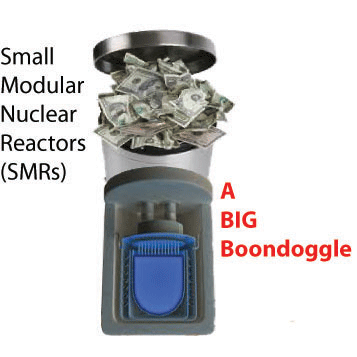
Small modular reactors and nuclear power represent a dangerous distraction from the changes needed to deal with global warming. https://www.desmoinesregister.com/story/opinion/columnists/iowa-view/2022/07/24/midamerican-energy-small-nuclear-reactors-uneconomical/10104142002/ Dr. Maureen McCue and Dr. M.V. Ramana, Yet again, MidAmerican Energy has expressed an interest in studying nuclear reactors for Iowa. Earlier, between 2010 and 2013, MidAmerican studied the feasibility of nuclear power for Iowa and concluded that it didn’t make sense. This time around, MidAmerican does not even have to embark on the study. We know already that the newest offerings from the nuclear industry, Small Modular Reactors, or SMRs, carry the same economic and environmental risks as their larger predecessors and make no sense for Iowa, or anywhere else for that matter.
In 2013, the Wall Street firm Lazard estimated that the cost of generating electricity at a new nuclear plant in the United States will be between $86 and $122 per megawatt-hour. Last November, Lazard estimated that the corresponding cost will be between $131 and $204 per megawatt-hour. During the same eight years, renewables have plummeted in cost, and the 2021 estimates of electricity from newly constructed utility-scale solar and wind plants range between $26 and $50 per megawatt-hour. Nuclear power is simply not economically competitive.
SMRs will be even less competitive. Building and operating SMRs will cost more than large reactors for each unit (megawatt) of generation capacity. A reactor that generates five times as much power will not require five times as much concrete or five times as many workers. This makes electricity from small reactors more expensive; many small reactors built in the United States were financially uncompetitive and shut down early.
The estimated cost of constructing a plant with 600 megawatts of electricity from NuScale SMRs, arguably the design closest to deployment in the United States, increased from about $3 billion in 2014 to $6.1 billion in 2020. The cost was so high that at least ten members of Utah Associated Municipal Power Systems canceled their contracts. NuScale then changed its proposed plant configuration to fewer reactors that produce only 462 megawatts at a cost of $5.32 billion. For each kilowatt of electrical generation capacity, that estimate is around 80% more than the per-kilowatt cost of the Vogtle project in Georgia — before its cost exploded from $14 billion to over $30 billion. Based on the historical experience with nuclear reactor construction, SMRs are very likely to cost much more than initially expected.
And they will be delayed. In 2008, officials announced that “a NuScale plant could be producing electricity by 2015-16.” Currently, the Utah project is projected to start operating in 2029-30. All this before the inevitable setbacks that will occur once construction starts.
Time is critical to dealing with global warming. According to the Intergovernmental Panel on Climate Change, emissions have to be reduced drastically by 2030 to stop irreversible damage from climate change.
Small reactors also are associated with all of the usual problems with nuclear power: severe accidents, the production of radioactive waste, and the potential for nuclear weapons proliferation. Indeed, some of these problems could be worse. For each unit of electricity generated, SMRs will actually produce more nuclear waste than large reactors. Whether generated by a large or small plant, nuclear waste remains radioactive and dangerous for hundreds of thousands of years. There is no demonstrated solution to permanently isolate this lethal waste, for both technical and social reasons.
Most new nuclear reactor designs will rely on water sources for cooling. Nuclear plants have some of the highest water withdrawal requirements; in the United States, the median value for water withdrawal was calculated as 44,350 gallons per megawatt-hour of electricity generated, roughly four times the corresponding figure for a combined cycle natural gas plant. Renewables require little or no water because there is no heat production. Iowa’s lakes and rivers are already challenged by the warming climate, existing power plants, and polluting industries.
In medicine, a basic principle used to guide our decisions is “first, do no harm.” That principle will be violated if Iowa embarks on building SMRs. Small modular reactors and nuclear power represent a dangerous distraction from the changes needed to deal with global warming. Investing in these technologies will divert money away from more sustainable and rapidly constructed solutions, including wind and solar energy, microgrids, batteries and other forms of energy storage, and energy-efficient devices.
The provocations behind the ‘unprovoked’ war
By Phil Wilayto Jul 23, 2022, ack in 1949, the United States, Canada and 10 Western European countries formed a military alliance called the North Atlantic Treaty organization, or NATO. Washington had decided that the Soviet Union, its wartime ally — the one that had broken the back of the Nazi war machine — now was its peacetime enemy.
By 1990, the Soviet Union and most of its socialist allies were collapsing, the result of internal contradictions and outside pressures. The U.S. was promoting the reunification of Germany — a move opposed by Soviet leader Mikhail Gorbachev, who still remembered how his country had lost 20 million people to the Nazi invasion, and was not real excited about the prospect of a revitalized Germany.
So U.S. Secretary of State James Baker offered a deal: If Gorbachev agreed to a united Germany, NATO — which, by that time, had grown from its original 12 members to 16 — would promise not to advance one inch eastward. Gorbachev agreed.
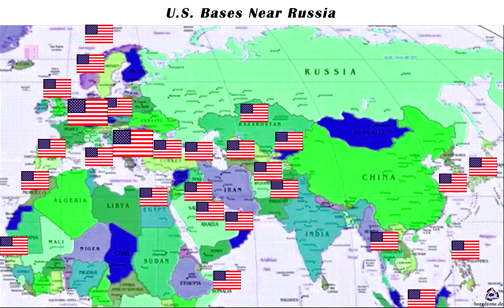
Today, each of the 14 new NATO member countries has been to the east. Of the seven countries bordering Russia’s western flank, Estonia, Latvia and Norway already are NATO members. Finland, Georgia and Ukraine have asked to join.
Once that process is completed, Russia’s only western border ally would be Belarus. Every other bordering country would be committed by Article 5 of the NATO Charter to come to each other’s defense in the event of a military confrontation.
And this should worry Russia, why?
In 1999, NATO carried out a 78-day air campaign in Yugoslavia that involved 400 aircraft, 5,000 personnel and the use of cancer-causing depleted uranium munitions……………………………………
Once that process is completed, Russia’s only western border ally would be Belarus. Every other bordering country would be committed by Article 5 of the NATO Charter to come to each other’s defense in the event of a military confrontation.
And this should worry Russia, why?
In 1999, NATO carried out a 78-day air campaign in Yugoslavia that involved 400 aircraft, 5,000 personnel and the use of cancer-causing depleted uranium munitions.
For NATO, combined military expenditures of all 30 member countries in 2021 was an estimated $1.2 trillion — more than 18 times that of Russia.
And even though Russia and NATO have rough parity when it comes to nuclear weapons, it’s just possible that the steady eastward expansion of a steadily growing, hostile NATO might have raised some legitimate security concerns in Russia.
Then, there’s the matter of U.S. support for the anti-Russian Ukrainian coup of 2014. This began as peaceful protests against then-President Viktor Yanukovych for his opposition to closer economic ties with Western Europe. It morphed into a violent uprising in which openly neo-Nazi organizations played a major role.
The U.S. support was not in dispute. Sen. John McCain, R-Ariz., had traveled to give encouraging speeches to the protesters. U.S. Assistant Secretary of State for European and Eurasian Affairs Victoria Nuland handed out pastries to the crowds. More importantly, she later openly bragged about how the U.S. had spent $5 billion promoting “pro-democracy” groups in the country.
The coup changed Ukraine in fundamental ways. The new government banned the use of the Russian language for official business, even though 17% of the population was ethnic Russian and some 30% spoke Russian as a first language.
Statues honoring Ukrainian fascists like Stepan Bandera, who had collaborated with the Nazi occuaption, were erected while memorials to Soviet war heroes were taken down. The neo-Nazi organizations were free to roam the streets, attacking anyone opposed to the coup. Those acts of violence included the May 2014 Odessa Massacre, where dozens of people were murdered in the Black Sea port city.
Meanwhile, Ukraine began to operate as a NATO member in everything but name, including carrying out joint military exercises right up to Russia’s border.
None of this is meant to endorse Russia’s war. But since the Biden administration already has given Ukraine $5.3 billion in military aid, it might be a good idea to view the war in a historical context.
And if we do that, “unprovoked” might not be the first word that comes to mind.
Phil Wilayto is editor of The Virginia Defender and coordinator of the Odessa Solidarity Campaign. Contact him at: virginiadefendernews@gmail.com
https://richmond.com/opinion/columnists/phil-wilayto-column-the-provocations-behind-the-unprovoked-war/article_ea0e7635-8bd4-5fa7-beef-56d0f2d149f6.html
The Great American Military Rebrand

A new defense bill crammed with political pork smashes records, but you likely didn’t hear the news, because War is Good again
Matt Taibbi Jul 21 Fifteen years ago……..A trifecta of scandals……………… exposed an intricate system of legalized payoffs both parties scrambled to oppose.
Earmarks, those handy appropriations tools congressfolk used to slip million-dollar favors into the budget, had been ballooning in number for over a decade and looked so bad upon reveal, “corruption and ethics” became the top issue in the 2006 midterms…………………. In return, the contractor showered the congressman with gifts — helping him finance a mansion in Rancho Santa Fe, a condo overlooking the nation’s capital, exclusive use of a yacht on the Potomac, antiques, private-jet travel and prostitutes.
Fast forward to last week. As January 6th hearings, a presidential fist-bump, and a Kardashian spawn’s gender reveal gobbled attention, the House quietly passed a monster $839 billion defense package. It was “the definition of a bipartisan bill,” chirped Alabama’s Mike Rogers, as 180 Democrats and 149 Republicans joined to smash by tens of billions previous records for military spending. With this already underreported story, just one news outlet, Roll Call, described a “first of its kind” report published by the Department of Defense Comptroller’s office, which revealed at least $58 billion of “congressional additions” above Joe Biden’s budget request.
As former Senate aide and defense budget analyst Winslow Wheeler puts it, these “additions” are “not (all) earmarks under either the House’s or Senate’s shriveled definition of them, but they are all earmarks… under the classic understanding……………. Billions of dollars in weapons the military did not seek, such as more than $4 billion worth of unrequested warships, many of them built by the constituents of senior appropriators.
……………………………….. the actual amount of “additions” is almost surely far higher than $58 billion.
…. Both the triumphant return of the earmark and the enormous defense hike should have been big stories. To put $58 billion (at least) in defense “increases” in context, the amount of overall federal earmarks in 2006, the infamous year that prompted so much outrage, was said to be $26 billion. Meanwhile Biden’s one-year arms increase exceeds the pace of Donald Trump’s infamous $200 billion collective defense hike between 2017-2019. These are major surges past the levels of both pork and weapons spending that had progressives roaring for “change,” yet there’s almost zero outcry now. Why?
It feels like just the latest echo in a prolonged, very successful re-marketing effort…………………
the U.S. embarked upon what geopolitical analyst Christopher Mott calls the “millennial rebrand of the neoconservative project,” and the Pentagon’s fortunes rose anew. In the Obama years, think-tankers, pundits, and other actors began to push inverted, left-friendly versions of Bush’s rejected military utopianism, this time focusing on using force to achieve social justice aims abroad. It worked, brilliantly……………..(Subscribers only) more https://taibbi.substack.com/p/the-great-american-military-rebrand
Nuclear industry veteran to lead nuclear waste group’s board – ( the revolving industry-govt door)
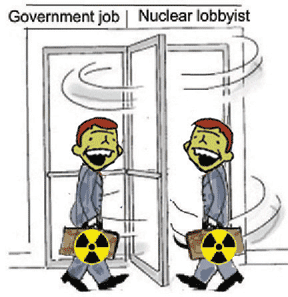
Nuclear expert to lead nuke waste group’s board,
The new chair of the Nuclear Waste Management Organization’s board of directors is a familiar face with an extensive background in the nuclear industry.
Glenn Jager, who was previously a vice-chair on the group’s board, is a retired chief nuclear officer with Ontario Power Generation and has worked in the nuclear sector for more than 30 years, the agency said this week in news release.
The Nuclear Waste Management Organization is to select a site next year for a proposed underground facility to store spent fuel rods from nuclear reactors.
One of the sites under consideration is a remote area 35 kilometres west of Ignace. The other is in South Bruce in southwestern Ontario in the vicinity of an existing nuclear-power station.
US Military Analyst: West Can’t Afford Ukraine Spending, Will Run Out of Ammo to Send to Kiev

Sputnik News 22 July 22…………………….What goals are the US and EU pursuing by pouring more money into the Ukrainian military?
Scott Ritter: The hope is to transform the conflict that is ongoing in Ukraine as a result of the Russian special military operation into a protracted conflict that can lead to a stalemate that would result in significant Russian costs, both in terms of manpower and military equipment, but also financial costs, and thereby weaken Russia. Ultimately what they are visualizing would be a Ukraine strong enough to evict Russia from its borders.
It’s not possible, this is fantasy in the extreme, but it’s politically inspired fantasy, meaning that the United States and its European allies have invested so much political capital into propping up the Ukrainian military and the Ukrainian government and the Ukrainian economy that even though most sound analysts understand that not only is Ukraine losing the conflict, but they can never win the conflict. Politically, Western politicians cannot divorce themselves from these policies. So in order to maintain a public perception at home of the chance of a Ukrainian victory, they will continue to squander the wealth of their respective nations.
Why are Western states prolonging the hostilities despite the growing discontent of their populations with economic problems?
Scott Ritter: There’s an old saying in the United States that I believe translates into most politics: “when you’re explaining, you’re losing.” And right now, these politicians would have to explain to their constituents why they were wrong about Ukraine, why they were wrong about Russia. And especially here in the United States, we’re dealing with the lead-up to very critical midterm elections. No politician wants to be explaining anything to anybody. They want to be shaping perceptions that build upon past performances. This is all about domestic politics. This has nothing to do with reality.
Why are Western states prolonging the hostilities despite the growing discontent of their populations with economic problems?
Scott Ritter: There’s an old saying in the United States that I believe translates into most politics: “when you’re explaining, you’re losing.” And right now, these politicians would have to explain to their constituents why they were wrong about Ukraine, why they were wrong about Russia. And especially here in the United States, we’re dealing with the lead-up to very critical midterm elections. No politician wants to be explaining anything to anybody. They want to be shaping perceptions that build upon past performances. This is all about domestic politics. This has nothing to do with reality. So it sounds good for a politician to be telling his or her constituents that we are providing the Ukrainians with the best equipment possible to include the top of the line fighter aircraft. What they really should be saying is we are guaranteeing that every Ukrainian pilot we train will die at the hands of the Russian Air Force, because that’s what the ultimate outcome will be.
The thing about, especially American, generals is that they are political animals. They didn’t get that fourth star necessarily because of their military competence. They got it because they impressed a politician with their political acumen. And so what we have is a general playing politics, a general who is saying what the politicians want to hear. And that’s not what his role is. His role is to provide sound military assessment, military advice to the politicians.
But if an American military officer did that today, they couldn’t agree with anything that the Biden administration or the US Congress was seeking to do in Ukraine, and therefore they would never get promoted. They would never get a good job. I don’t like to denigrate serving military officers, but this is a political decision, not a military decision, even though the man making it wears a military uniform.
Can the West collectively really afford such spending now, at a time of harsh polarization and soaring prices?
Scott Ritter: No, they can’t afford it. And we have some nations that are starting to realize this. The German defense minister, who is very hawkish against Russia, has acknowledged that Germany simply has no more weapons to give and they’re not in a position to build new weapons. They’re worrying about other economic realities. The same holds true with the United States.
At some point time in time, we are going to run out of materiel to give to Ukraine. I read somewhere that with all the HIMARS multiple launch rocket systems we’re providing to Ukraine, we’re also providing Ukraine with one third of the ammunition stockpiles for the HIMARS, meaning that we, the United States, only have two thirds of our ammunition stores available if we had to go to war, which means we will run out of ammunition.
This is insane, literally insane to be sacrificing the national security of the United States or of a European nation so that politicians can look and sound good for the next couple of weeks. But it will not change the equation on the battlefield in Ukraine. The Ukrainian Army is in an impossible situation. They literally cannot recover from the debacle that has befallen them.
The sad thing is that Ukrainian leaders are buying into the fiction provided by the West of if they just get more weapons, they can successfully defend against Russia. This means that more Ukrainian soldiers are going to die, more Russian soldiers are going to die, and tragically, more Ukrainian civilians are going to suffer.
Leaders of the Group of Seven recently pledged to stand with Ukraine “for as long as it takes.” How feasible is this pledge?
Scott Ritter: When the Group of Seven made that, one of the leaders was a guy named Boris Johnson. He’s not the leader anymore. The other guy was a gentleman whose last name was Draghi. He’s not the leader anymore. I think as the summer and the winter come along, more and more of these leaders are going to be removed from office because it’s an unsustainable policy. Politicians have a proclivity for saying things that have no basis in reality. It’s very inexpensive for a politician to say “we are going to support you forever.”
Forever in what sense? Boris Johnson is not supporting them forever – he’s out of power. Draghi is not supporting them forever – he’s out of power. And just about everybody who was on that stage at the G7 meeting will be out of power. Suddenly, we have a whole new definition of what “forever” means. It means “not now, not anymore.” https://sputniknews.com/20220721/us-military-analyst-west-cant-afford-ukraine-spending-will-run-out-of-ammo-to-send-to-kiev-1097671398.html
Leaked documents – Facebook ‘Bot’ adviser secretly in the pay of USA regime change agency.
Mint Press News KIT KLARENBERG 14 July, 22
Documents shared with MintPress reveal that Valent Projects – a shadowy communications firm that advises social media platforms such as Facebook on alleged state-backed online influence campaigns – has itself received $1.2 million from U.S. intelligence front USAID, for “counter disinformation and communications support.”
This relationship has hitherto never been publicly acknowledged, and the resulting income is not reflected in the company’s published accounts…………………..
Valent Projects is the creation of Amil Khan, a veteran BBC and Reuters journalist turned British intelligence-adjacent information warfare professional. For many years, Khan worked on secret Foreign Office projects in Syria. There, he ran covert psyops campaigns targeting domestic and international audiences, trained ostensibly independent opposition journalists and activists to communicate effectively with the media, and provided propaganda support to numerous armed groups trained, funded, and armed by London and Washington………………………………………………………………………………………..
UKRAINE ON THE BRAIN
On June 7, it was revealed that Khan was also working closely with British journalist Paul Mason in an effort to deplatform The Grayzone, as part of a wider personal crusade against the anti-war, anti-imperialist left over the matter of Ukraine.
Leaked emails between the pair exposed how Mason suggested subjecting The Grayzone – which he baselessly and bizarrely believed to be a Chinese and Russian intelligence operation – to “relentless deplatforming” via “full nuclear legal” attacks, official probes by government bodies, and cutting the website and its contributors off from online donation sources such as PayPal.
…………………………………. the conflict in Ukraine has grown the power of Western governments to directly dictate what is and is not true, and what their populations are and are not allowed to know, exponentially. Yet, their ability to distort and censor overseas is limited, if not outright waning – and that’s where Valent Projects comes in.
As such, the leaked documents reviewed by MintPress illuminate a hitherto unexplored purpose of online suppression and deplatforming: regime change. By filtering out troublesome viewpoints and inconvenient facts in target countries, governments can be destabilized, and who or what replaces them entrenched in power, with domestic and foreign audiences deprived of access to any and all critical viewpoints.
As the New Cold War grows considerably hotter every day, Khan’s services will surely become ever-increasingly in demand. Neither he nor his state and quasi-state sponsors can be allowed to succeed.
Kit Klarenberg is an investigative journalist and MintPresss News contributor exploring the role of intelligence services in shaping politics and perceptions. His work has previously appeared in The Cradle, Declassified UK, and Grayzone. Follow him on Twitter @KitKlarenberg. https://www.mintpressnews.com/valent-facebook-influence-ops-regime-change-leak/281403/
NATO: The Most Dangerous Military Alliance on the Planet

NATO is determined to stay in business. Its business is war. That meant expanding its war machine far beyond the border of Europe and engaging in ceaseless antagonism toward China and Russia.
NATO sees the future, as detailed in its “NATO 2030: Unified for a New Era,” as a battle for hegemony with rival states, especially China, and calls for the preparation of prolonged global conflict.
the U.S. and NATO seem determined to funnel billions of dollars of weapons into the conflict for months if not years — the more the unthinkable becomes thinkable.
The massive expansion of NATO, not only in Eastern and Central Europe but the Middle East, Latin America, Africa and Asia, presages endless war and a potential nuclear holocaust.
By Chris Hedges, July 16, 2022: Information Clearing House — The North Atlantic Treaty Organization (NATO), and the arms industry that depends on it for billions in profits, has become the most aggressive and dangerous military alliance on the planet. Created in 1949 to thwart Soviet expansion into Eastern and Central Europe, it has evolved into a global war machine in Europe, the Middle East, Latin America, Africa and Asia.
NATO expanded its footprint, violating promises to Moscow, once the Cold War ended, to incorporate 14 countries in Eastern and Central Europe into the alliance. It will soon add Finland and Sweden. It bombed Bosnia, Serbia and Kosovo. It launched wars in Afghanistan, Iraq, Syria and Libya, resulting in close to a million deaths and some 38 million people driven from their homes. It is building a military footprint in Africa and Asia. It invited Australia, Japan, New Zealand and South Korea, the so-called “Asia Pacific Four,” to its recent summit in Madrid at the end of June. It has expanded its reach into the Southern Hemisphere, signing a military training partnership agreement with Colombia, in December 2021. It has backed Turkey, with NATO’s second largest military, which has illegally invaded and occupied parts of Syria as well as Iraq. Turkish-backed militias are engaged in the ethnic cleansing of Syrian Kurds and other inhabitants of north and east Syria. The Turkish military has been accused of war crimes – including multiple airstrikes against a refugee camp and chemical weapons use – in northern Iraq. In exchange for President Recep Tayyip Erdoğan’s permission for Finland and Sweden to join the alliance, the two Nordic countries have agreed to expand their domestic terror laws making it easier to crack down on Kurdish and other activists, lift their restrictions on selling arms to Turkey and deny support to the Kurdish-led movement for democratic autonomy in Syria.
It is quite a record for a military alliance that with the collapse of the Soviet Union was rendered obsolete and should have been dismantled. NATO and the militarists had no intention of embracing the “peace dividend,” fostering a world based on diplomacy, a respect of spheres of influence and mutual cooperation. It was determined to stay in business. Its business is war. That meant expanding its war machine far beyond the border of Europe and engaging in ceaseless antagonism toward China and Russia.
NATO sees the future, as detailed in its “NATO 2030: Unified for a New Era,” as a battle for hegemony with rival states, especially China, and calls for the preparation of prolonged global conflict…………………………………….
NATO has provided more than $8 billion in military aid to Ukraine, while the US has committed nearly $54 billion in military and humanitarian assistance to the country.
China, however, is the main course. Unable to compete economically, the U.S. and NATO have turned to the blunt instrument of war to cripple their global competitor.
The provocation of China replicates the NATO baiting of Russia………………………..
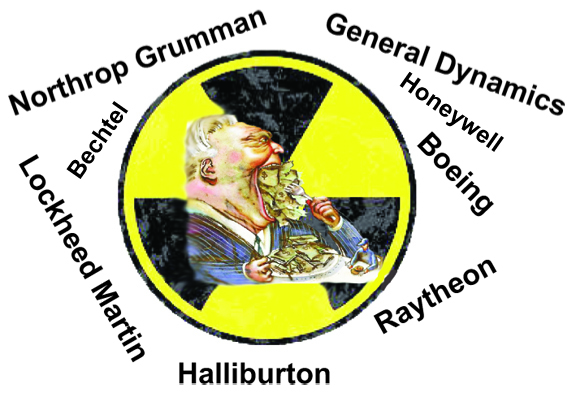
The conflict in Ukraine has been a bonanza for the arms industry, which, given the humiliating withdrawal from Afghanistan, needed a new conflict. Lockheed Martin’s stock prices are up 12 percent. Northrop Grumman is up 20 percent. The war is being used by NATO to increase its military presence in Eastern and Central Europe. The U.S. is building a permanent military base in Poland. The 40,000-strong NATO reaction force is being expanded to 300,000 troops. Billions of dollars in weapons are pouring into the region………………….
The war makers are frighteningly cavalier about the threat of nuclear war……………………………
The Biden administration has formed a Tiger Team of national security officials to run war games on what to do if Russia uses a nuclear weapon, according to The New York Times. The threat of nuclear war is minimized with discussions of “tactical nuclear weapons,” as if less powerful nuclear explosions are somehow more acceptable and won’t lead to the use of bigger bombs.
At no time, including the Cuban missile crisis, have we stood closer to the precipice of nuclear war. ………..
The longer the war in Ukraine continues — and the U.S. and NATO seem determined to funnel billions of dollars of weapons into the conflict for months if not years — the more the unthinkable becomes thinkable. Flirting with Armageddon to profit the arms industry and carry out the futile quest to reclaim U.S. global hegemony is at best extremely reckless and at worst genocidal. http://www.informationclearinghouse.info/57120.htm
The lingering horror of thorium radioactive poisoning in West Chicago

On the one hand, the story of West Chicago and thorium is one of triumph: a small town overcomes the odds and makes a big corporation clean up its radioactive waste. On the other hand, thorium still haunts some residents, especially those living with illness or deaths in the family that they suspect are related.
Are West Chicago’s Radiation Worries Over?, BELT Magazine, By Liuan Huska, 13 July 22,
Sandra Arzola was relaxing in her West Chicago home one weekend in 1995, when she heard a knock at the door. Recently married, she shared the gray duplex with her husband, mom and sister, and family members were constantly coming and going. But when Sandra answered the door that day, what she learned would change how she looked at her home and suburban community forever.
At the door was a woman representing Envirocon, an environmental cleanup company. There was thorium on the family’s property, the woman said, and if it was OK with them, workers were coming to remove it. It was the first time Sandra had heard of thorium “It took me by left field,” she said. “But [the representative] made it sound like everything was going to be fine.”
Unknowingly, the Arzolas had bought their way into what the Chicago Tribune in 1979 called “the radioactive capital of the Midwest.” Not long after they purchased the property, the U.S. Environmental Protection Agency designated it a Superfund site because of the hazardous waste in their yard.
The source of the danger was the old factory one block to the north of the Arzola home, which Jesse Arzola frequently went past while walking their dogs. From 1932 to 1973, the factory was the largest producer of rare earth and radioactive thorium compounds in the world. It started out producing lamps and later supplied thorium for the federal government’s atomic bomb development. But perhaps the factory’s most lasting legacy, at least in West Chicago, is the harmful radioactive waste that was dumped in ponds, piled at the factory and buried around homes and sidewalks across town.
Residents raised health concerns as early as the 1940s about the toxic material, but these were regularly dismissed by the factory, last owned by the Kerr-McGee Chemical Corporation. Comprehensive environmental protection rules weren’t put in place until the early 1970s, leaving the factory largely free to dispose of its nuclear waste for decades.
It has taken just as long for the company and government to clean up the radioactive waste. As of 2015, the radioactive sites under federal jurisdiction near the factory have been cleaned to EPA standards. There are no remaining health risks from the land, according to government officials.
But below the factory, the groundwater is still polluted with a range of toxins – particularly uranium – that exceed protection standards. The Illinois Emergency Management Agency, which has jurisdiction over the site, expects remediation to begin this fall. ……………………..
Prolonged or high levels of radiation exposure can damage genetic material in cells and cause cancer and other diseases later on, especially for children, who are more sensitive to radiation. Only two public health studies, published in the early 1990s, have been conducted in West Chicago. Both found elevated cancer rates in the 60185 zip code, which includes the neighborhood around the factory……………………………
The challenges facing West Chicago residents today began ninety years ago, when Charles R. Lindsay moved his lamp factory from Chicago to what was then an undeveloped little town with multiple rail connections. The factory, now officially known as the Rare Earths Facility, took monazite ore and used powerful acids to extract minerals to make gas lanterns, which burned thorium nitrate to emit an incandescent glow. During World War II, it also supplied thorium to the federal government to develop the atomic bombs that were later dropped on Nagasaki and Hiroshima, Japan.
During its four decades of operation, the Rare Earths Facility processed up to one hundred and forty-one thousand tons of monazite. The liquid waste from the extraction process was dumped into unlined ponds around the factory, seeping into the surrounding water table. Solid waste, a black, sand-like material known as thorium tailings, piled up on site. Old-timers share stories of sneaking into the factory grounds and playing on “Mount Thorium.” When the pile got too big, the waste was trucked down the road to a new pile in Reed Keppler Park.
Facing mounting piles of toxic waste, Lindsay came up with another solution: offer the waste to residents for landscaping. From the 1930s through the 1950s, radioactive thorium tailings were distributed across town, mixed with concrete to pour foundations, mixed with topsoil for gardens and spilled along roadways. The company continued to do this as the risks of radiation exposure became widely known starting in the late 1940s through its effects on Japanese atomic bomb survivors.
Soon after the factory moved to West Chicago, people started complaining. In 1941, nearby residents sued Lindsay Light for releasing airborne hydrofluoric acid that killed trees and shrubs nearby.
The federal government did not begin regulating nuclear materials until 1954. Starting in 1957 the company received repeated citations for safety violations, including failing to fence off radioactive storage areas, exposing workers to radiation levels above standards and improper waste disposal.
As the environmental movement gained steam through the 1960s, growing public pressure pushed Congress to create the Environmental Protection Agency and pass the Clean Air Act of 1970 and Clean Water Act of 1972. That resulted in sweeping new regulations – and obligations to the American public – for companies like Kerr-McGee, which had gotten used to operating with limited oversight…………………………….
The EPA denied the company’s request for an operating permit and the factory shuttered in 1973. It was cheaper to cease operations than follow the new rules. By 1980, Kerr-McGee had started the process of closing down the West Chicago facility for good. Pressure from residents and the city pushed the company to begin cleanup on 119 contaminated residential properties.
Still, Kerr-McGee had another plan that worried residents: to permanently store thirteen million cubic feet of radioactive waste at the factory site in a four-story, twenty-seven-acre, clay-covered cell. Concerned residents formed an organization, the Thorium Action Group, to fight the company’s proposal. This spawned more than a decade of legal battles between residents, the city of West Chicago, and state of Illinois — who wanted the thorium out of town — and the company and the federal Nuclear Regulatory Commission, who insisted the waste could safely be stored in this densely populated neighborhood of West Chicago…………………
Moving the thorium waste out of town would take over two decades to complete. In the meantime, there was still the problem of radioactive tailings embedded around the neighborhood…………………….
The Arzolas’ experience is far from rare. Realtors in West Chicago have operated with a “don’t ask, don’t tell” policy, said longtime realtor and former West Chicago resident Dan Czuba. Unlike for radon or lead, realtors never received directives from the state or any licensing board to disclose other harmful thorium byproducts. People have had to do their own homework and decide whether or not a home was a risk. “To this day,” Czuba said, “I still don’t know that there was an official statement of, ‘Thorium will hurt you.’”…………………………………..
Throughout the decades, various groups have tried to get the word out about thorium. The Thorium Action Group was active through the early 2000s. Once the EPA got involved and Kerr-McGee agreed to move the waste out, the group dissipated………
The lack of easily accessible information surrounding the contamination and cleanups has left some residents with the nagging worry that there may be other hidden pockets of radiation around town……….
One house to the west and across the railroad from the Arzolas, Erika Bartlett grew up playing along the tracks and under her yard’s sprawling old oak trees. When she was diagnosed with leukemia in 2012, at age thirty-four, a friend asked if there was anything she could have been exposed to.
“Wait a minute, I actually was,” Bartlett told her friend. She thought back to her high school years, when the oak trees, swingset and above-ground pool at her house were removed during the radiation remediation. Bartlett realized she had spent her childhood, starting from age four, in a neighborhood embedded with nuclear waste. She wondered how many others living near the factory had similar health problems. That started her on a yearslong personal investigation into the town’s thorium legacy.
Between 2012 and 2016, as Bartlett was undergoing cancer treatment, she knocked on doors in the neighborhoods around the factory, an area covering about one square mile. She found over 200 cases of cancers and other illnesses that could stem from radiation exposure, including birth defects, Hashimoto’s and aplastic anemia, the illness that killed the pioneering radioactivity researcher Marie Curie in 1934.
“When I first started, I didn’t think I’d find anything,” Bartlett said. “But block after block, it seemed like a bigger deal than I thought.”
The EPA estimated that, before the waste was removed, radiation levels in some residential neighborhoods in West Chicago increased lifetime cancer risks up to seventy times what is acceptable……
The only official health studies into the impacts on people living near the factory were conducted over three decades ago, by the Illinois Department of Public Health. Among residents in the 60185 zip code, studies in 1990 and 1991 found elevated rates of cancer, including melanomas and lung, colorectal and breast cancers. By grouping exposed and unexposed people together, however, researchers said more differences may have been masked……………………………………….
On the one hand, the story of West Chicago and thorium is one of triumph: a small town overcomes the odds and makes a big corporation clean up its radioactive waste. On the other hand, thorium still haunts some residents, especially those living with illness or deaths in the family that they suspect are related………………… https://beltmag.com/are-west-chicagos-radiation-worries-over/
1 This Month
26 April – Chernobyl: Inside the Meltdown airs on National Geographic on Sunday 26th April from 4pm

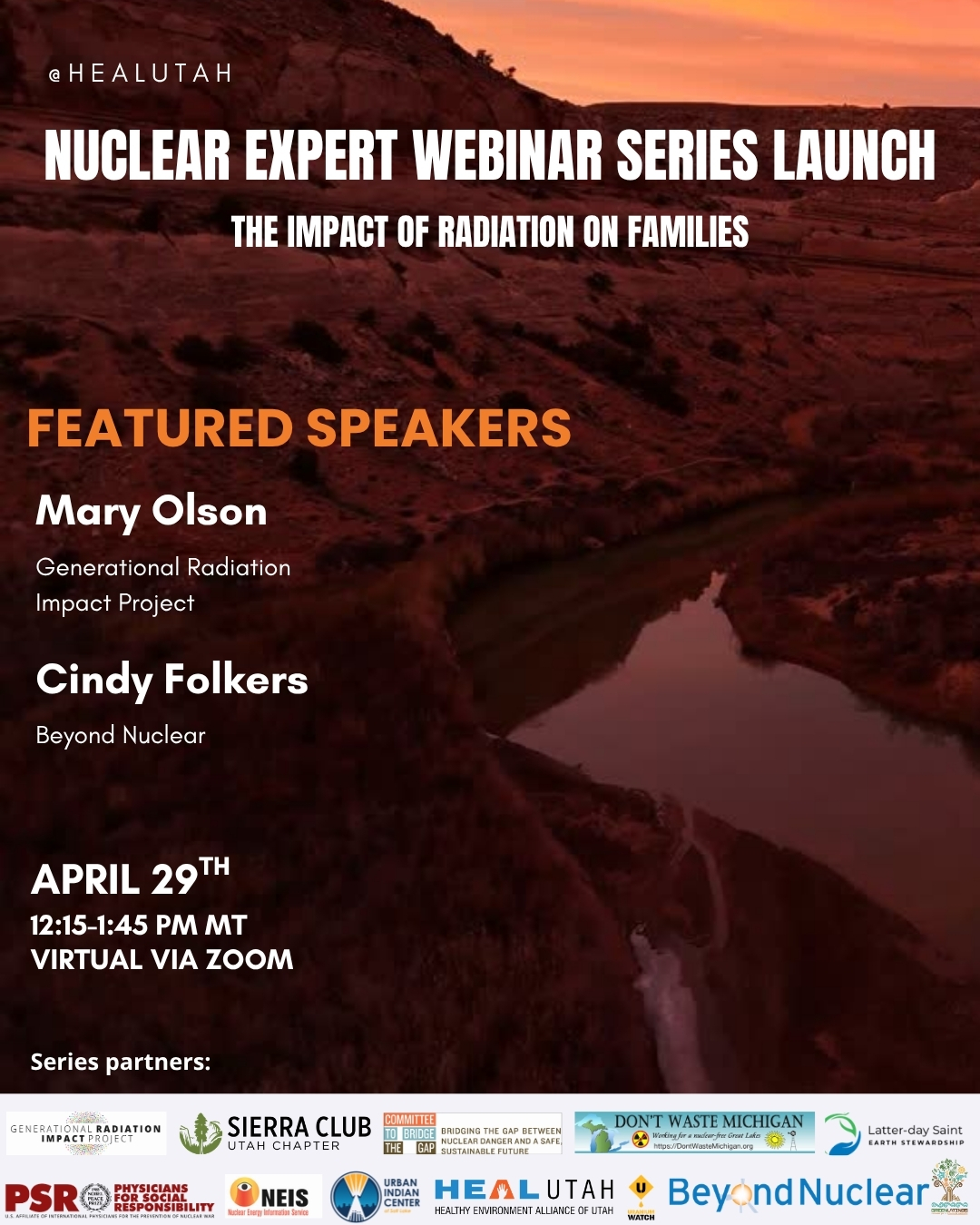
29 April – Nuclear Expert Webinar #1 – Radiation Impacts on Families with Mary Olson and Cindy Folkers
- 12:15 PM MT – 1:45 PM MT
- Location: Virtual – REGISTER TODAY

4 May -West Suburban Peace Coalition to discuss Iran war at May Educational Forum
Monday, May 4, 7:00 – 8:00 PM Central Standard Time
Title: : How Trump’s Narrative Tries to Shape the Reality of the War on Iran.
Contact Walt Zlotow, zlotow@hotmail.com 630 442 3045 for further information
14 May – online event From Bombs to Data Centres: the Face of Nuclear Colonialism

Pine Ridge Uranium is the real threat, not Tehran- Tell Burgum: Stop the Extraction.
Chernobyl: The Lost Tapes – A good documentary on Chernobyl on SBS available On Demand for the next 3 weeks– https://www.sbs.com.au/ondemand/tv-program/chernobyl-the-lost-tapes/2352741955560
To see nuclear-related stories in greater depth and intensity – go to https://nuclearinformation.wordpress.com
-
Archives
- April 2026 (346)
- March 2026 (251)
- February 2026 (268)
- January 2026 (308)
- December 2025 (358)
- November 2025 (359)
- October 2025 (376)
- September 2025 (257)
- August 2025 (319)
- July 2025 (230)
- June 2025 (348)
- May 2025 (261)
-
Categories
- 1
- 1 NUCLEAR ISSUES
- business and costs
- climate change
- culture and arts
- ENERGY
- environment
- health
- history
- indigenous issues
- Legal
- marketing of nuclear
- media
- opposition to nuclear
- PERSONAL STORIES
- politics
- politics international
- Religion and ethics
- safety
- secrets,lies and civil liberties
- spinbuster
- technology
- Uranium
- wastes
- weapons and war
- Women
- 2 WORLD
- ACTION
- AFRICA
- Atrocities
- AUSTRALIA
- Christina's notes
- Christina's themes
- culture and arts
- Events
- Fuk 2022
- Fuk 2023
- Fukushima 2017
- Fukushima 2018
- fukushima 2019
- Fukushima 2020
- Fukushima 2021
- general
- global warming
- Humour (God we need it)
- Nuclear
- RARE EARTHS
- Reference
- resources – print
- Resources -audiovicual
- Weekly Newsletter
- World
- World Nuclear
- YouTube
-
RSS
Entries RSS
Comments RSS
 nuclear-news