Allow Iran a modest uranium enrichment program – Obama
Obama says Iran could be allowed a modest nuclear enrichment program President Obama says that it isn’t realistic to try to force Iran to dismantle its entire nuclear complex, but that strong monitoring would be needed. LA Times, By Paul RichterDecember 7, 2013, WASHINGTON — President Obama signaled Saturday that he was prepared to allow Iran to enrich uranium on its own soil, saying that a final deal could be structured to prevent Tehran from developing a nuclear bomb.
Obama also put the odds of success for the upcoming international negotiations with Iran at not “more than 50-50.”…….
But Obama is struggling to sell the deal in the face of intense resistance from Congress, Israel, Saudi Arabia and others who fear it will leave Iran with the ability to secretly edge toward a nuclear weapons program. Congress may adopt new sanctions in the coming weeks that Obama fears could upset the fragile diplomacy before negotiations resume.
The comments marked the first time that Obama has acknowledged Iran could be granted international approval to enrich uranium to low levels, provided it satisfied world concerns about its nuclear program and agreed to intrusive monitoring. ……….http://www.latimes.com/world/la-fg-obama-us-mideast-20131208,0,2891554.story#axzz2mzg6eYug
Israel developing a new super computer worm against Iran’s nukes?
 ‘Saudis, Israelis developing new ‘super Stuxnet’ against Iran nuclear program’ Rt.com, 2 Dec 13 Saudi Arabia and Israel’s Mossad intelligence division are co-conspiring to produce a computer worm “more destructive” than the Stuxnet malware to sabotage Iran’s nuclear program, according to a report from the semi-official Iranian Fars news agency.
“Saudi spy chief Prince Bandar bin Sultan bin Abdulaziz Al Saud and director of Israel’s Mossad intelligence agency Tamir Bardo sent their representatives to a meeting in Vienna on November 24 to increase the two sides’ cooperation in intelligence and sabotage operations against Iran’s nuclear program,” an anonymous source close to the Saudi secret services told Fars over the weekend.
The source noted that one of the major methods discussed was “the production of a malware worse than…Stuxnet.”
Stuxnet, a computer worm discovered in 2010, formed the basis of a cyberattack that sabotaged Iran’s uranium enrichment program. Its complexity prompted researchers to claim that it could only have been developed by a nation state.
It was generally believed to have been developed by the US and Israel, with former NSA contractor and whistleblower Edward Snowden only confirming their covert roles in an interview this July.
The intention behind the development of the new malware would be “to spy on and destroy the software structure of Iran’s nuclear program.” The source expressed a desire to remain anonymous on account of the sensitivity of information being shared. The plan would need a great deal of time and funding, with a rough figure of US $1 million being given as an estimate. It was apparently welcomed by Saudi Arabia with open arms……http://rt.com/news/stuxnet-iran-nuclear-mossad-565/
Israel’s nuclear weapons-GOOD. Iran’s nuclear power- BAD. Why so?
“At some point, for its own security, Israel will have to take the bombs out of the basement and put them on the negotiating table.”.
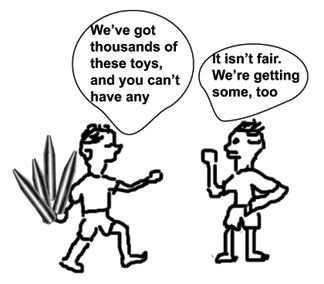 Why is the U.S. okay with Israel having nuclear weapons but not Iran? WP BY MAX FISHER December 2 Iranian officials sometimes respond to accusations that Tehran is seeking a nuclear weapons capability by replying that, not only do they not want a bomb, they’d actuallylike to see a nuclear-weapons-free Middle East. Yes, this is surely in part a deflection, meant to shift attention away from concerns about Iran’s nuclear activities by not-so-subtly nodding to the one country in the region that does have nuclear weapons: Israel.
But could Iran have a point? Is there something hypocritical about the world tolerating Israel’s nuclear arsenal, which the country does not officially acknowledge but has been publicly known for decades, and yet punishing Iran with severe economic sanctions just for its suspected steps toward a weapons program? Even Saudi Arabia, which sees Iran as its implacable enemy and made its accommodations with Israel long ago, often joins Tehran’s calls for a “nuclear-free region.” And anyone not closely versed in Middle East issues might naturally wonder why the United States would accept Israeli warheads but not an Iranian program.
- This issue comes up in every lecture I give,” Joe Cirincione, president of the nuclear nonproliferation-focused Ploughshares Fund, told me. The suspicions that Israel gets special treatment because it’s Israel, and that Western countries are unfairly hard on Israel’s neighbors, tend to inform how many in the Middle East see the ongoing nuclear disputes. “It is impossible to give a nuclear policy talk in the Middle East without having the questions focus almost entirely on Israel,” Cirincione said…….. Continue reading
Vested interests busy “spinning” the Iran nuclear deal
Iran’s Nuclear Deal Triggers Spin War By Pepe Escobar Global Research, November 27, 2013 Iran’s nuclear deal with the P5+1 group of world powers in Geneva has triggered a spin war which will last for the next 6 months, as many of the parties involved will pursue their own business interests in this situation, journalist Pepe Escobar told RT.
RT: As we see, US Secretary of State John Kerry and Iran’s Foreign Minister Mohammed Zarif came out of the talks with different views. Why’s there such diversity in the interpretation of the deal?
Pepe Escobar: Because the spin war started at 3am in Geneva. It’s going to go on for another six months, until May 2014, that’s the duration of this “first step” deal. [It’s] very important: Kerry had to say [this] so that he could appease the Israel lobby, the US Congress and the Wahhabi petrodollar lobby in the US, not to mention some neocons in the US as well, [who are] still very powerful.
Follow the Money: How Lobby Interests are Spinning Iran Nuclear Deal
In Iran it’s different. They are saying, “We still have our right to enrich uranium,” and this is correct, because they will keep enriching uranium to 5 percent for the next six months, [while] 20 percent [enrichment] is frozen. They will discuss… the next deal, which will be the definitive deal, starting from May 2014.
And all the 20 percent enriched uranium that they have is going to be diluted, so it cannot be used later on for weapons-grade material………
For the moment we have a breakthrough – it’s going to last for six months. There will be all sorts of interests that will try to bombard this deal; I’m saying especially about Wahhabi petrodollar monarchy interests and the Israeli lobby as well.
But for the moment we have diplomacy in action, something that we haven’t seen, especially between Iran and the US, for 34 years. This is the major breakthrough at the moment. But we have to be vigilant.http://www.globalresearch.ca/irans-nuclear-deal-triggers-spin-war/5359638
Popularity of new Iran nuclear deal is making critics think twice
 Iran nuclear deal foes rein in criticism LA Times, The deal’s backers and opponents are recalibrating strategies in light of war-weary Americans’ conflicted views of Iran and strong support for the accord. By Paul Richter November 27, 2013, WASHINGTON — As they prepare for battle over the new deal to limit Iran’s nuclear program, the accord’s supporters and foes are calibrating strategies based on their reading of Americans’ conflicted views about the
  Islamic Republic.
American war-weariness forms a big part of the Obama administration’s campaign for the accord, a preliminary agreement to curb Iran’s disputed nuclear program. Administration officials have said that without a diplomatic deal, the country would be on a “march to war.”
For now, the administration appears to have the upper hand. Many skeptics of the deal, who issued sharp criticism shortly after its announcement, have since muted their words.
Instead of attacking the agreement directly, opponents have pinned their hopes on continued American suspicion of Iran and its leaders. They expect the government in Tehran to fail to meet its obligations under the agreement and are poised to go on the offensive if that happens.
“Critics of the deal are reluctant to attack it too frontally because they realize how popular it is,” said Dylan Williams, legislative director for J Street, a liberal pro-Israel group that supports the deal……
a Reuters-Ipsos survey released Tuesday showed 44% of respondents supported the new accord; 22% opposed it. If the deal failed, 49% would favor more sanctions, 31% wanted more diplomacy, and 20% wanted to turn to military force.
“The appetite for military engagement anywhere is very low,” said pollster Julia Clark of Ipsos. After two wars that were far longer and costlier than expected, “we in the public feel burned.”……….
The preliminary agreement between Iran and six world powers, including the U.S., was announced Sunday in Geneva. It would temporarily ease some of the sanctions that have crippled Iran’s economy in return for a halt to key aspects of the country’s nuclear program.
The deal is intended to allow time to negotiate a comprehensive agreement on the nuclear program…….
Israeli officials have strenuously opposed the accord, and lawmakers who support Israel have been prominent among the deal’s critics. But statements from major pro-Israel organizations in the United States have been relatively mild………http://www.latimes.com/world/la-fg-iran-deal-20131128,0,7605298.story#axzz2m40yK2dZ
7 die in earthquake near to Iran’s Bushehr nuclear reactor
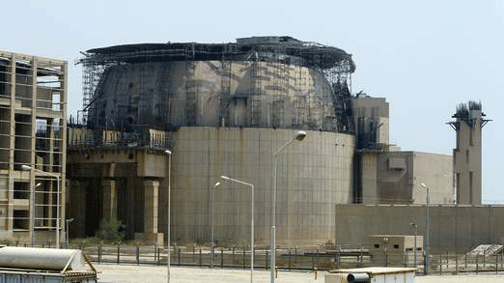 Iran Earthquake Near Nuclear Plant Kills ‘Seven’ http://news.sky.com/story/1175142/iran-earthquake-near-nuclear-plant-kills-seven 28 Nov 13 The epicentre lies 35 miles from the Bushehr nuclear plant, where concerns have been expressed in the past about possible leaks A 5.7-magnitude earthquake near an Iranian nuclear plant has killed seven people and injured 30, according to reports.
The quake’s epicentre was near Borazjan, around 60km (35 miles) from Bushehr, where Iran has its Russian-built reactor.
Emergency Response Chief Hassan Qadami told IRNA news agency: “So far, there are seven dead and 30 injured receiving hospital treatment.” Iran stands on several seismic fault lines. A massive quake in December 2003 struck the southern city of Bam, killing 26,000 people and destroying its ancient mud-built citadel.
Iran’s Arab neighbours across the Gulf have often raised concern over the reliability of the Bushehr plant and the risks of radioactive leaks in case of a major quake.
But Iran and Russia insist it respects international standards under the supervision of the UN nuclear watchdog.
USA Republicans mindless opposition to this, or any, deal with Iran
 Republicans are opposed to President Obama’s deal with the Iranians — whatever it is. WP, By Dana Milbank, November 25 A couple of minutes after 9 p.m. on Saturday, word crossed the news wires that negotiators in Geneva had reached an agreement on Iran’s nuclear program. Then, at 9:08 p.m. — before any details of the pact were known — Ari Fleischer delivered his opinion on the agreement, via Twitter…….Fleischer’s instant and reflexive response — even knees don’t jerk as quickly as he did — set the tone for Republicans. Three minutes after Fleischer’s tweet came one in agreement from Ron Christie, another veteran of the Bush administration. “Precisely,” he wrote, also without the benefit of knowing what was in the agreement. “A disgraceful deal.”
An hour later — still before Obama detailed the accord in a statement from the White House — John Cornyn of Texas, the No. 2 Republican in the Senate, had analyzed the administration’s motives in reaching the deal…… In the eyes of Republicans, the agreement with Iran has a fatal flaw: It was negotiated by the Obama administration. This president could negotiate a treaty promoting baseball, motherhood and apple pie, and Republicans would brand it the next Munich.
The opposition in this case is particularly mindless. Certainly there are reasons to be skeptical that Iran will act in good faith. But the deal is temporary — six months — and easily reversible. In the (likely) event that Iran doesn’t agree to a permanent accord to end its nuclear program, the tougher sanctions contemplated in Congress could be applied. Would it be better to go to war now without exhausting diplomatic options? We’ve been there and done that — when Ari Fleischer stood on the White House podium.
But Republicans were being reflexive, not reflective…….. In the stampede to judgment, Sen. Jeff Flake (Ariz.) risked getting trampled. He actually waited until hearing Obama speak before issuing a statement, and then declared that he would “look forward to studying details.”
A member of the opposition party who wants to think before criticizing the Obama administration?… http://www.washingtonpost.com/opinions/dana-milbank-republicans-mindlessly-oppose-iran-nuclear-deal/2013/11/25/b87f65ce-5603-11e3-835d-e7173847c7cc_story.html
At last – some sort of nuclear agreement between Iran and the West
Iran nuclear program deal reached with world powers during diplomatic talks in Geneva ABC News 25 Nov 13Iran has reached a deal with six world powers to curb its nuclear activities in return for the easing of sanctions imposed by Western countries.
EU foreign policy chief Catherine Ashton, who coordinated the talks in Geneva, said they had agreed a “first step” towards a comprehensive solution. United States president Barack Obama hailed the deal saying: “While today’s announcement is just a first step, it achieves a great deal.
“For the first time in nearly a decade, we have halted the progress of the Iranian nuclear program, and key parts of the program will be rolled back…….
Under the agreement Iran has promised not to enrich more uranium above a level of five per cent for six months. It has also agreed to halt construction of the Arak research reactor, which is feared capable of yielding potential bomb material. In return the six powers will remove the embargo on trade with Iran in precious metals while refraining from imposing new sanctions for six months.
China’s foreign minister Wang Yi says the deal will help normalise relations with Iran, and “will help provide a better life for the Iranian people.”…..http://www.abc.net.au/news/2013-11-24/iran-reaches-deal-with-world-powers-on-nuclear-program/5113460
Uranium enrichment is the issue with Iran’s nuclear programme
Uranium enrichment at heart of Iran nuclear deal WP 24 Nov 13, Iran’s ability to enrich uranium — at what levels and what speed — is a cornerstone of the deal reached Sunday between Tehran and world powers. Here are answers to some important questions about uranium enrichment, the central process in turning concentrated uranium into nuclear fuel.
Q: WHAT IS URANIUM ENRICHMENT?…….
Q: SO WHY THE WORRY ABOUT NUCLEAR WEAPONS?…….
Q: WHY WON’T IRAN GIVE UP ENRICHMENT?
A: This is what Iran has frequently called its “red line.” Iran’s leaders say they will never relinquish control over the entire nuclear cycle as a matter of national pride. Iran portrays itself as an emerging technological giant of the Islamic world. The nuclear energy program is a pillar of Iran’s self-image as a center of scientific advances independent of the West. Iran has made some other important strides, including claims of sophisticated drone development, a homegrown auto industry and an aerospace program..
Q: WHERE ARE IRAN’S ENRICHMENT SITES?
A: Iran has two main uranium enrichment facilities. The oldest and largest — in Natanz, about 260 kilometers (160 miles) southeast of Tehran — is largely built underground and is surrounded by anti-aircraft batteries. Uranium enrichment began in 2006. Another site is known as Fordo, which is built into a mountainside south of Tehran. Its construction was kept secret by Iran until it was disclosed in September 2009 in a pre-emptive move before its existence was revealed by Western intelligence agencies. The area is heavily protected by the Revolutionary Guard. U.N. nuclear inspectors have visited both sites and have installed round-the-clock monitoring systems. The new accord allows for the possibility of daily U.N. inspection visits.
Q: HOW MANY OTHER COUNTRIES ENRICH URANIUM?
A: More than a dozen countries have enrichment programs, but several of those do not have nuclear weapons. http://www.washingtonpost.com/national/uranium-enrichment-at-heart-of-iran-nuclear-deal/2013/11/24/fce9a86e-54cd-11e3-9ee6-2580086d8254_story.html
Another chance for a nuclear deal between Iran and the West
Omens good for Iran nuclear deal at second bite Foreign ministers ready to fly to Geneva as diplomats make further progress on draft agreement over uranium enrichment Guardian, Julian Borger and Saeed Kamali Dehghan in Geneva 21 Nov 13 Foreign ministers from six major powers are poised to fly to Geneva by the end of the week if nuclear talks with Iran lead to an agreement, western officials said on Wednesday night.
A new round of negotiations over the future of Iran’s nuclear programme got under way on Wednesday, bringing together the Iranian foreign minister, Mohammad Javad Zarif, the EU foreign policy chief, Catherine Ashton, and top diplomats from the US, UK, France, Germany, Russia and China.
Officials involved in the talks – the third session since the election of a reformist Iranian president, Hassan Rouhani – said they were going well, overcoming the disappointment of the previous round, attended by US secretary of state, John Kerry, the British foreign secretary, William Hague, their French counterpart, Laurent Fabius, and other foreign ministers.
Those talks appeared to come close to clinching a historic deal but the talks broke up in early hours of 10 November, amid some acrimony over who was responsible for the failure……http://www.theguardian.com/world/2013/nov/21/iran-nuclear-talks-geneva-progress
Balancing act of diplomacy between Iran and the West
 Talks With Iran on Nuclear Deal Hang in Balance NYT, By MICHAEL R. GORDON November 23, 2013 GENEVA — As Secretary of State John Kerry and top diplomats from five other world powers swept into Geneva this weekend for the second time in two weeks, they struggled to complete a groundbreaking agreement with Iran that would temporarily freeze Tehran’s nuclear program and lay the foundation for a more comprehensive accord…….
The interim accord the United States and its negotiating partners are seeking would allow Iran to continue enriching uranium to 3.5 percent and would not require it to dismantle its existing centrifuges. But it seeks to constrain the Iranian program by requiring Iran to transform its stockpile of uranium that has been enriched to 20 percent, a short hop from weapons grade, to a form that is less usable for military purposes.
It also establishes a cap on Iran’s stockpile of uranium enriched to 3.5 percent, precludes new centrifuges from being installed and is expected to involve more intensive monitoring of the Iranian program, among other measures.
As to what Iran considers its “right to enrich,” American officials signaled a possible workaround last week, saying that they were open to a compromise in which the two sides would essentially agree to disagree, while Tehran continued to enrich.
The accord would last six months, allowing negotiators that period of time to work on a more comprehensive and lasting agreement.
In return for the temporary freeze, Iran would receive between $6 billion and $7 billion worth of sanctions relief, American officials say, including providing Iran with access to frozen assets. The limited relief could be accomplished by executive action, allowing the Obama administration to make the deal without having to appeal to Congress, where there is strong criticism of any agreement that does not dismantle Iran’s nuclear program……..
Michael Mann, the spokesman for Ms. Ashton, described the negotiations with the Iranians as “intensive.” If diplomats do not succeed in sweeping away the obstacles to an accord this weekend, observers expect them to mount another try here within a few weeks. http://www.nytimes.com/2013/11/24/world/middleeast/talks-with-iran-on-nuclear-deal-hang-in-balance.html?hpw&rref=&_r=0
Non Proliferation Treaty allows Iran to enrich uranium
Legal right to enrich uranium for Iran http://www.tehrantimes.com/politics/112302-uranium-enrichment-is-a-right-hans-blix 23 Nov 13, TEHRAN — Hans Blix, the former director of the International Atomic Energy Agency, says his interpretation of Article IV of the nuclear Non-Proliferation Treaty is that uranium enrichment is a “right”.
The remarks by Blix come as Iran and the six major powers (the five permanent members of the UN Security Council plus Germany, known as the 5+1 group) are negotiating in Geneva.
USA optimism about a nuclear deal soon with Iran
U.S. thinks nuclear deal with Iran is possible next week Raw Story, By Agence France-Presse Friday, November 15, 2013 A nuclear deal with Iran is possible at the next round of talks in Geneva, a US official said Friday, but warned tough issues still had to be hammered out.
“We are going to work very hard next week. I don’t know if we’ll reach an agreement. I think it is quite possible that we can. But there’s still tough issues to negotiate,” the senior administration official told reporters.
 The official also renewed pleas to skeptical US lawmakers not to slap more sanctions on Iran in the mistaken belief it would force the Islamic republic “to the point of capitulation” and the dismantling of all its nuclear program…….
Shooting down reports that the US and P5+1 were planning a major, valuable package of sanctions relief, he said “it would come nowhere near helping Iran escaping the hole that we’ve put them in.”
Officials from the administration of President Barack Obama have been leading what they described as “hard” discussions with US lawmakers seeking to head off a new round of American sanctions which they fear could scupper the delicate negotiations…….http://www.rawstory.com/rs/2013/11/15/u-s-thinks-nuclear-deal-with-iran-is-possible-next-week/
Iran stopped expanding uranium enrichment 3 months ago, says IAEA
IAEA: Iran has not expanded nuclear facilities in last 3 months http://rt.com/news/iran-halt-nuclear-expansion-731/ November 14, 2013 Iran has stopped expanding its uranium enrichment capacity and has not started new centrifuges in the past three months, according to a new report by the UN’s nuclear watchdog. The report covers the beginning of President Hassan Rouhani’s term.
The quarterly report issued by the International Atomic Energy Agency (IAEA) on Thursday said that Iran has not begun operating any of its new generation IR-2M centrifuges, and installed “no…major components” at a reactor being built at Arak, AFP reported.
According to the report, only four uranium enrichment centrifuges were operating at Iran’s Natanz plant and no additional machines were operating at the Fordo facility. Iran’s stockpile of higher-grade enriched uranium has thus risen only by about 5 percent since August, Reuters quoted the report as saying.
The report puts Iran’s highly enriched uranium stockpile at 196 kg, which is below the roughly 250 kg needed for nuclear weapon production capability.
Although the latest round of Geneva talks between Iran and the US, Russia, China, Britain, Germany, and France appeared to be inconclusive, it “created grounds for cooperation that will help us decide how to deal with the Iranian nuclear problem in terms of IAEA and UN Security Council requirements,” Russian Foreign Minister Sergey Lavrov said.
Media reports also indicated that a deal could be struck soon. White House spokesman Jay Carney said the US would consider “limited, targeted, and reversible relief” of sanctions against Iran in exchange for“concrete, verifiable measures.”
Iran reiterated that stopping the uranium enrichment remains an issue “beyond discussion,” and said it is only open to discuss the details of the enrichment process.
The Geneva talks follow what seems to be a warm-up in US-Iranian relations, with President Rouhani and US President Barack Obama recently having a “historic” phone conversation by Obama’s initiative. Meanwhile, Tehran and the IAEA have reached a deal for a “roadmap for cooperation” over Iran’s nuclear program. IAEA head Yukiya Amano and Iranian nuclear chief Ali Akbar Salehi on Monday signed an agreement on a three-month plan aimed at verifying Iran’s claim that its uranium enrichment program is for peaceful purposes only.
In the view of the possibility of Iran striking a nuclear deal with the West, Israel stepped up its scaremongering rhetoric, with Israeli Prime Minister Benjamin Netanyahu warning that reaching an agreement on Iran’s nuclear program could lead only to a “bad deal” or “war.”
Reacting to the IAEA report on Thursday, Netanyahu said he “was not impressed” with its conclusions.
Israel is desperately trying to block any compromise on the Iranian nuclear program, and while Netanyahu has been speaking with some of the P5+1 countries’ leaders over the phone and is coming to Moscow on November 20, Israeli Economy Minister Naftali Bennett on Sunday said he will personally “lobby dozens of members of the US Congress” during his visit to the US.
Agreement reached between Iran and IAEA on inspection of nuclear sites
Iran-IAEA Agreement Opens Door For Nuclear Inspectors To Visit Key Sites As Geneva Talks Collapse http://www.businessinsider.com.au/iran-iaea-agreement-opens-door-for-nuclear-inspectors-to-visit-key-sites-2013-11 MICHAEL KELLEY 11 NOV 13 THE UNITED NATIONS ATOMIC AGENCY AND IRAN ON MONDAY SIGNED A JOINT STATEMENT ON FUTURE COOPERATION REGARDING NUCLEAR ISSUES,
Reuters reports. The agreement allows International Atomic Energy Agency (IAEA) inspectors to visit two sites at the center of Iran’s contentious nuclear program: The Arak heavy water site and Gachin uranium mine.
Arak is currently under construction and is designed to eventually produce weapons-grade plutonium.Gachin has been producing plutonium, which can be enriched to weapons grade, since 2010. The other sticking point in nuclear talks that ended without a deal over the weekend in Geneva is the fate of Iran’s stockpile of uranium already enriched to 20 per cent, which could be further enriched to weapons grade.
The new agreement — which is separate from the talks involving Iran and so-called the P5+1: the US, Russia, Britain, France, China, and — calls for measures requested by the agency to be implemented at the facilities.
“The practical measures will be implemented in the next three months, starting from today,” IAEA head Yukiya Amano said in a news conference in Tehran. Reuters notes that the agreement is one part of an IAEA inspection regime to ascertain whether Iran’s nuclear program is for peaceful purposes only.
1 This Month
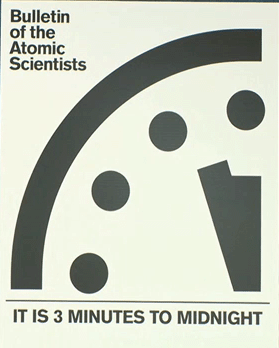
Watch the 2026 Doomsday Clock unveiling live here on January 27 at 10 a.m. EST
To see nuclear-related stories in greater depth and intensity – go to https://nuclearinformation.wordpress.com/
29 Jan. Thursday 7-8 p.m. Webinar – World’s Largest Nuclear Station in Port Hope, ON?

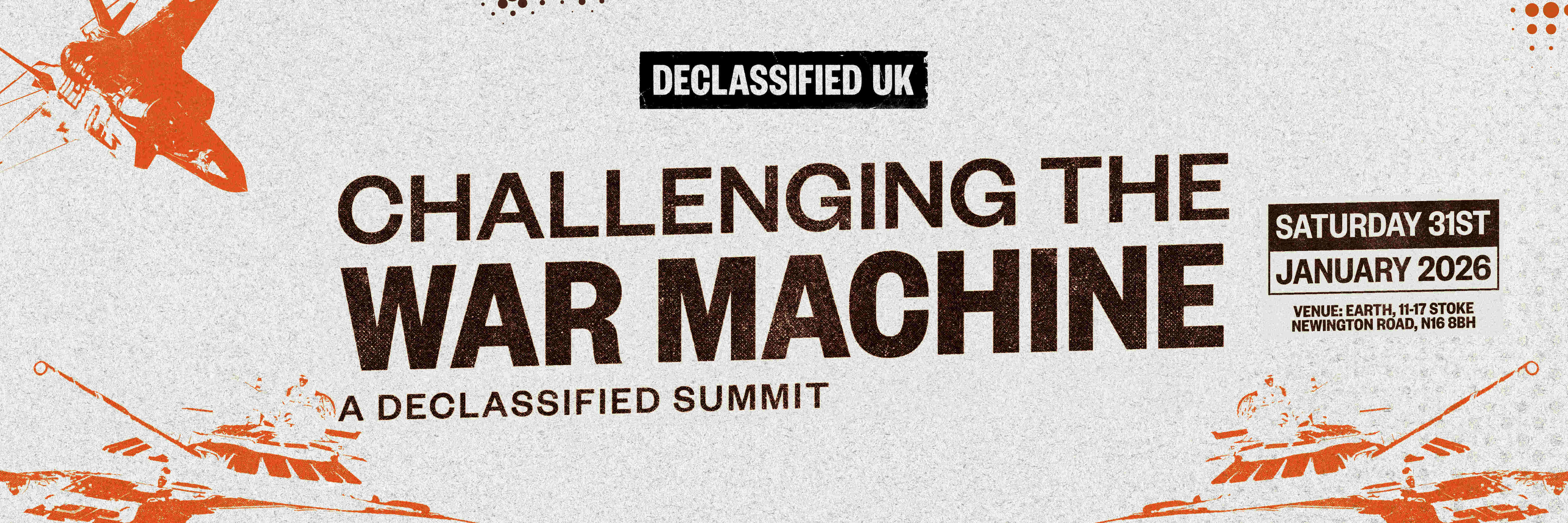
31st January – Challenging the War Machine – a DECLASSIFIED UK SUMMIT


Website of the Week
Now until to February 10, 2026 Radioactive waste storage in France: the debate is finally open! How to participate?
-
Archives
- January 2026 (277)
- December 2025 (358)
- November 2025 (359)
- October 2025 (376)
- September 2025 (258)
- August 2025 (319)
- July 2025 (230)
- June 2025 (348)
- May 2025 (261)
- April 2025 (305)
- March 2025 (319)
- February 2025 (234)
-
Categories
- 1
- 1 NUCLEAR ISSUES
- business and costs
- climate change
- culture and arts
- ENERGY
- environment
- health
- history
- indigenous issues
- Legal
- marketing of nuclear
- media
- opposition to nuclear
- PERSONAL STORIES
- politics
- politics international
- Religion and ethics
- safety
- secrets,lies and civil liberties
- spinbuster
- technology
- Uranium
- wastes
- weapons and war
- Women
- 2 WORLD
- ACTION
- AFRICA
- Atrocities
- AUSTRALIA
- Christina's notes
- Christina's themes
- culture and arts
- Events
- Fuk 2022
- Fuk 2023
- Fukushima 2017
- Fukushima 2018
- fukushima 2019
- Fukushima 2020
- Fukushima 2021
- general
- global warming
- Humour (God we need it)
- Nuclear
- RARE EARTHS
- Reference
- resources – print
- Resources -audiovicual
- Weekly Newsletter
- World
- World Nuclear
- YouTube
-
RSS
Entries RSS
Comments RSS
 nuclear-news