Japanese govt passes law to prop up TEPCO company
Japan Passes Law Supporting Stricken Nuclear Plant’s Operator, NYT 3 Aug 11, By HIROKO TABUCHI, TOKYO — Japan’s Parliament passed a law on Wednesday that will allow the use of public funds to shore up the company operating thecrippled Fukushima Daiichi nuclear plant, and help it pay what is expected to amount to billions of dollars in compensation claims.
The law creates a state-backed fund that will pay damages to victims of the disaster at the plant, where three reactors melted down and spewed radiation after cooling systems were lost in the March tsunami and quake. The government will initially pay nearly $26 billion into the fund, Banri Kaieda, the trade minister, told lawmakers on Tuesday….http://www.nytimes.com/2011/08/04/world/asia/04japan.html
Fukushima nuclear plant – highest radiation levels found
 Fatal Radiation Level Found at Fukushima Daiichi Plant, NYT, By MARTIN FACKLER, August 1, 2011 TOKYO — The operator of the Fukushima Daiichi nuclear plant said Monday that it measured the highest radiation levels within the plant since it was crippled by a devastating earthquake.
Japan’s PM slams ‘cosy relationship’ between regulators and nuclear industry
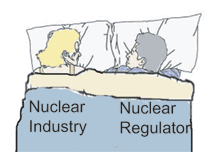
 Japan’s leader rips nuclear regulators – The Boston Globe, August 1, 2011 TOKYO – Japan’s prime minister criticized the country’s nuclear safety agency yesterday for allegedly trying to plant questions aimed at supporting atomic energy at public forums.
Prime Minister Naoto Kan said the Nuclear and Industrial Safety Agency was siding with the industry rather than acting as a regulator. He said that underscored a cozy relationship and the deep-rooted problem that must be corrected following the March 11 tsunami and the nuclear crisis. “NISA, which is supposed to check nuclear safety to represent the interest of the general public, provided support for the promoters. It was more than just a help, if true,’’ Kan said at an energy symposium.
Kan’s comment followed a government report showing NISA allegedly tried to manipulate public opinion at town meetings to promote nuclear power. Public support for nuclear energy has eroded since the March disaster that crippled the Fukushima Daiichi nuclear power plant….Japan’s leader rips nuclear regulators – The Boston Globe
Widespread radiation contamination being monitered by Japanese civilians
Shinzo Kimura, the radiation expert who quit the Health Ministry. Mr. Kimura has since done extensive testing to see if Mrs. Okoshi’s readings were right. He says they are — and that is bad news.
Doubting Assurances, Japanese Find Radioactivity on Their Own, NYTimes.com, 1 August 11, “……. starting in April, Mrs. Okoshi began using her dosimeter to check nearby forest roads and rice paddies. What she found was startling. Near one sewage ditch, the meter beeped wildly, and the screen read 67 microsieverts per hour, a potentially harmful level. Mrs. Okoshi and a cousin who lives nearby worked up the courage to confront elected officials, who did not respond, confirming their worry that the government was not doing its job.
With her simple yet bold act, Mrs. Okoshi joined the small but growing number of Japanese who have decided to step in as the government fumbles its reaction to the widespread contamination, which leaders acknowledge is much worse than originally announced. Continue reading
The huge extent of the nuclear radiation costs at Fukushima Prefecture
The Truth About Nuclear Power: Japanese Nuclear Engineer Calls for Abolition Koide Hiroaki Introduction and translation by Sakai Yasuyuki and Norimatsu Satoko,1 August 11,“…….The government has also been forcing plant workers and local residents to sacrifice without making clear who is responsible. They have raised the radiation dose limit for the workers at Fukushima Daiichi. They have also raised radiation dose limits for local residents in deciding on compulsory evacuation.
Are they really allowed to do such things? I find myself at a loss when I think about the true scale of the damage caused by the Fukushima Daiichi accidents.If we apply the current Japanese law strictly, we would have to abandon an area that would be as large as the whole prefecture of Fukushima.
The only way to avoid this is to raise the radiation dose limit for residents, and that would mean forcing increased radiation exposure on residents.I think that primary industry will suffer tremendously. Agriculture and fishery among others will have difficulty selling their produce and their catch. Residents will be forced out of their homeland and their lives will be shattered.
Some say we should make TEPCO pay proper compensation. But no matter what they pay, or even if they pay to the extent that they go bankrupt, it will not be sufficient. Even if TEPCO goes bankrupt multiple times, it will not be enough. The damage from the accident will be so enormous that even the whole country of Japan going bankrupt might not pay for it. This of course is if they are really going to pay for the damage.
The Truth About Nuclear Power: Japanese Nuclear Engineer Calls for Abolition :: JapanFocus
Nuclear free future is looking like a better commercial option for Japan
a welcome step toward moving away from reliance on centralised nuclear power production to a model of dispersed electricity producers linked by a high-tech “Smart Grid”…..
“The vested interests dominate a lot of the political process, but we are seeing a challenge from the local government level,” said Rikkyo University professor Andrew DeWit, adding that Son was also attracting interest from a range of companies and non-profits.
Sticking with nuclear could be costlier Japan option, By Linda Sieg, TOKYO Jul 26, 2011, TOKYO (Reuters) – Can Japan afford to go nuclear-power-free? The country’s atomic power industry and many big business clients say “No”, arguing the step would boost electricity bills and pollution and hasten the hollowing out of Japanese manufacturing.
But the Fukushima nuclear disaster is galvanising a coalition of safety-conscious voters and future-minded companies who increasingly believe that Japan cannot afford to stick with the status quo if it wants to be globally competitive. Continue reading
Japanese govt hid the radiation risks from the public
The Truth About Nuclear Power: Japanese Nuclear Engineer Calls for Abolition Koide Hiroaki Introduction and translation by Sakai Yasuyuki and Norimatsu Satoko, 1 August 11,”.……I believe disclosing accurate information is the only way to avoid panic. That way people would trust the administration and the government. However, the Japanese government acted in the opposite way. They consistently hid information, repeatedly saying that the situation was not critical. The government spent more than 10 billion yen in the last 25 years to develop the radiation dispersion simulation system called SPEEDI (the System for Prediction of Environmental Emergency Dose Information), but they hid the simulation results from the public and did not let local residents know the risks….”
The Truth About Nuclear Power: Japanese Nuclear Engineer Calls for Abolition :: JapanFocus
China’s rail disaster – a prelude to nuclear disaster?
The breadth of Chinese ambitions to indigenize foreign technologies and scale them for mass deployment has simply outpaced its ability to plan, operate and staff these complex undertakings in a safe and sustainable manner. This is true in the case of high-speed rail, and it threatens to become the overarching storyline for the country’s nuclear energy program.
Wenzhou Train Crash Highlights Risks of China’s Nuclear Program Epoch Times, July 29, 2011 by ML COULD A TECHNOLOGY mishap akin to Saturday’s deadly train crash near Wenzhou, China happen at one of China’s 40 operating or planned nuclear power reactors?….. Experts are attributing China’s high-speed rail woes to its policies of adapting foreign technologies without the means to adequately operate and maintain them.
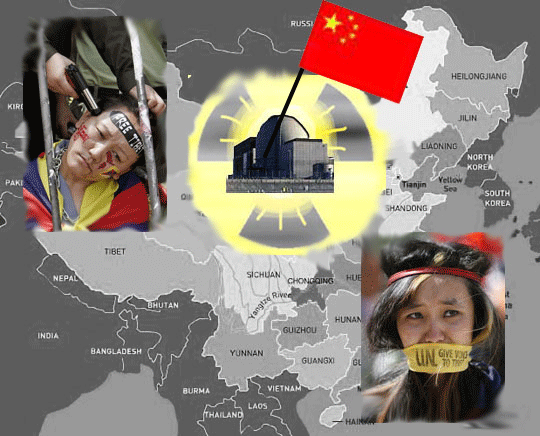
The risky strategy isn’t just being used by China’s Ministry of Railways, it’s also the foundation of the country’s nuclear power program. Continue reading
Anger in Japan,as nuclear regulator’s hypocrisy is revealed
 the Chubu Electric scandal features the direct involvement of the nuclear safety agency, the government body responsible for overseeing nuclear power plant operations. This cannot be seen as anything but an attempt to distort public opinion….
The revelation that the government attempted to manipulate a public symposium on a pluthermal power-generation project in 2007 has confused and angered people living near nuclear power plants….
‘Credibility shot to pieces’ / Latest utility scandal also sullies govt nuclear safety agency The Yomiuri Shimbun, 29 July 11, An attempt by the Nuclear and Industrial Safety Agency to stifle public opposition to a plutonium-thermal power generation project at the Hamaoka nuclear power plant during a 2007 community symposium is the latest scandal to involve a nuclear power project. Continue reading
Japanese nuclear regulator’s deceptive role in promoting nuclear power
 UPDATE: Japan’s Nuclear Regulator Admits It Tried To Sway Public Opinion On Nuclear Plants By Kosaku Narioka and Toko Sekiguchi, Dow Jones Newswires; JULY 29, 2011,
— Japan’s nuclear regulator behind efforts to falsely suggest public support for nuclear power
— At least two utilities say they were asked to take part in secret efforts
— Admission comes as government releases energy strategy that reduces dependence on nuclear power
— PM Kan says that scandal brings into question the agency’s very existence
TOKYO (Dow Jones)--The Japanese government disclosed Friday that its primary nuclear regulator tried to manipulate public opinion at public forums around the country to promote nuclear power, findings that further damage the industry's already tattered reputation. Continue reading
School shuts up Fukushima teacher on radiation risks
 Fukushima Teacher Muzzled on Radiation Risks, Bloomberg, By Takahiko Hyuga – Jul 28, 2011 As temperatures soared to 100 degrees Fahrenheit on a recent July morning, school children in Fukushima prefecture were taking off their masks and running around playgrounds in T-shirts, exposing them to a similar amount of annual radiation as a worker in a nuclear power plant.
Toshinori Shishido, a Japanese literature teacher of 25 years, had warned his students two months ago to wear surgical masks and keep their skin covered with long-sleeved shirts. His advice went unheeded, not because of the weather but because his school told him not to alarm students. Shishido quit this week.
“I want to get away from this situation where I’m not even allowed to alert children about radiation exposure,” said Shishido, a 48-year-old teacher who taught at Fukushima Nishi High School. “Now I’m free to talk about the risks.”…..
Radiation Exposure About a fifth of the 1,600 schools in Fukushima are exposed to at least 20 millisieverts of radiation a year, the Network to Protect Fukushima Children from Radiation said, citing the most recent government readings in April. That’s the limit for an atomic plant worker set by theInternational Commission on Radiological Protection.
More than three-quarters of the schools receive radiation readings of 0.6 microsievert per hour, said the network, a group comprising 700 parents. That’s 10 times more than the readings in Shinjuku, central Tokyo, on average….. http://www.bloomberg.com/news/2011-07-28/fukushima-teacher-muzzled-on-radiation-risks-for-school-children.html
India’s Jaitapur nuclear ambitions up against the people’s opposition
Regardless of their passionate convictions, the locals haven’t been given a choice in the matter, as the land acquired for the site was forcibly done so. Residents were offered money for their seized property, but many refused to be reimbursed as a form of protest. The government offered 1.5 million rupees ($33,000) per hectare (2.5 acres) and has seized over 2,300 acres, but roughly only 150 of the 2,000+ landowners accepted the money…….
India’s Nuclear Power Future: Tensions Rise As Plans Commence, Green Answers, By Elizabeth Barris , 07/28/2011 Jaitapur is one of India’s most productive agricultural ports, renowned for Alphonso mangoes, cashews, and its abundant fishing industry. Although many homes lack electricity, life is good for villagers, who thrive on fruit and fish exports. But this way of life is threatened by the Indian government’s plans to build the world’s largest nuclear power plant on forcibly-acquired farmland. The people of Jaitapur are not happy about this at all, and since Japan’s Fukushima Daiichi disaster, tensions are running higher than ever. Continue reading
The human cost of Fukushima cleanup – high radiation to 1600 workers
 Fukushima workers to be exposed to high radiation, 774 ABC Radio Melbourne, Mark Willacy, 28 JULY 11, The Japanese government has estimated 1,600 nuclear workers will be exposed to high levels of radiation while battling to stabilise the crippled Fukushima nuclear power plant.
The estimate is contained in a newly released Japanese government document, which includes concerns about the safety of dozens of other nuclear reactors.
It warned that with so many nuclear workers at Fukushima exposed to such high doses of radiation, they may not be able to work at other plants in the coming months.
The government has raised the radiation exposure limit so workers can remain at the Fukushima site. It says the workers will be subject to more than 50 millisieverts of radiation, which is defined as a high level. http://www.abc.net.au/news/2011-07-28/fukushima-nuclear-workers-radiation/2813460/?site=melbourne
The radiation danger in seafoods
even at those low quantities the radioactive elements may pose a danger when concentrated in seafood,…..fish have been known to accumulate as much as 100 times the amount of pollutants in the environment,
Japan Scientists Say Sea Radiation Tests May Miss Seafood Threat, SF Gate,July 26 (Bloomberg) –– Japan’s government has to release more data from ocean radiation tests to accurately assess the contamination threat to seafood, according to a statement by the Oceanographic Society of Japan. Continue reading
Cancer in nuclear workers even though radiation exposure was low
The current guidelines for workers’ compensation due to radiation exposure only certify leukemia among various types of cancer. In these cases compensation is granted only when an applicant is exposed to more than 5 millisieverts of radiation a year
Nuclear plant workers developed cancer despite lower radiation exposure than legal limit, Mainichi Daily News, Japan) July 27, 2011 Of 10 nuclear power plant workers who have developed cancer and received workers’ compensation in the past, nine had been exposed to less than 100 millisieverts of radiation, it has been learned. Continue reading
1 This Month
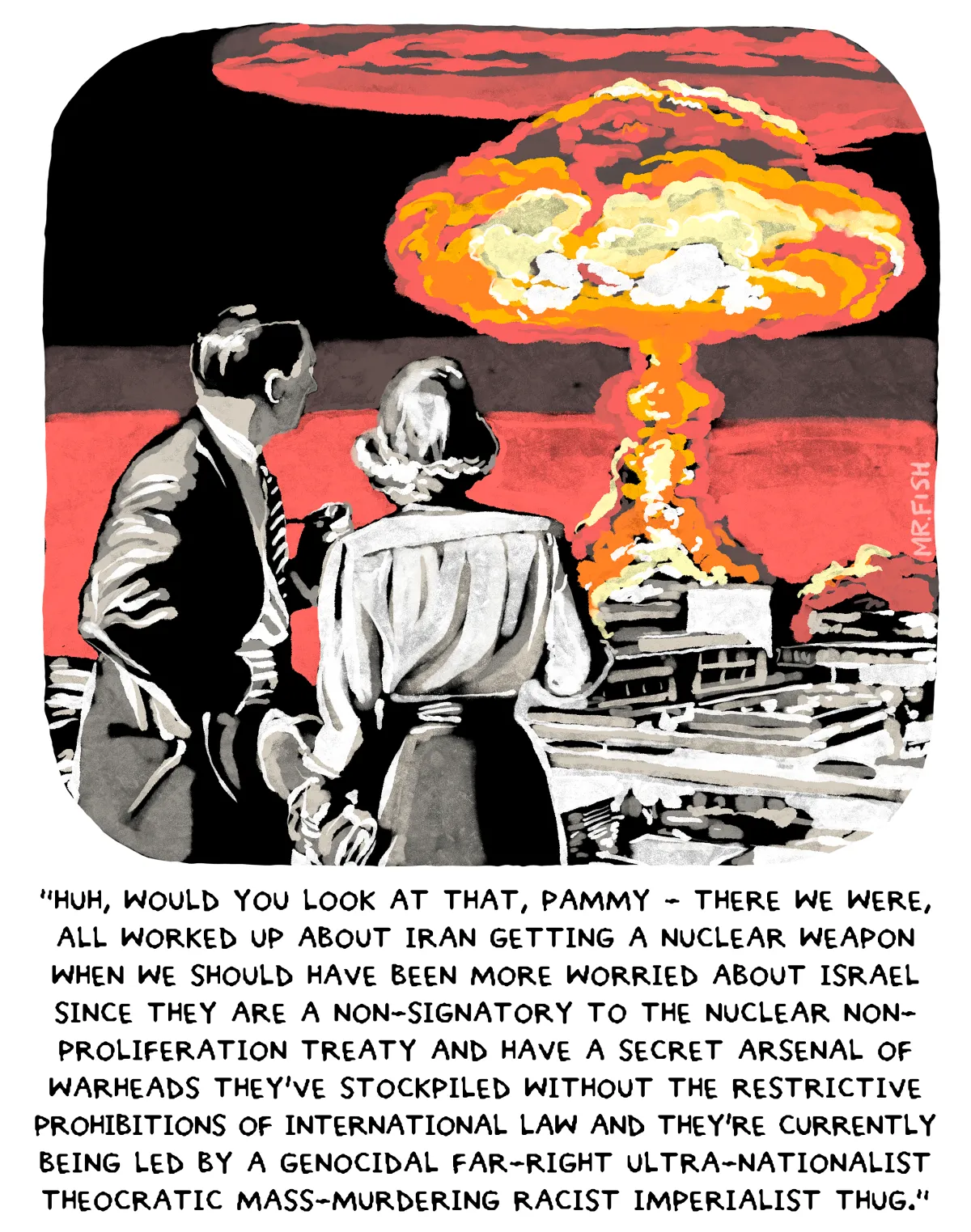
1 June Webinar – The High Cost of Nuclear Power – Register
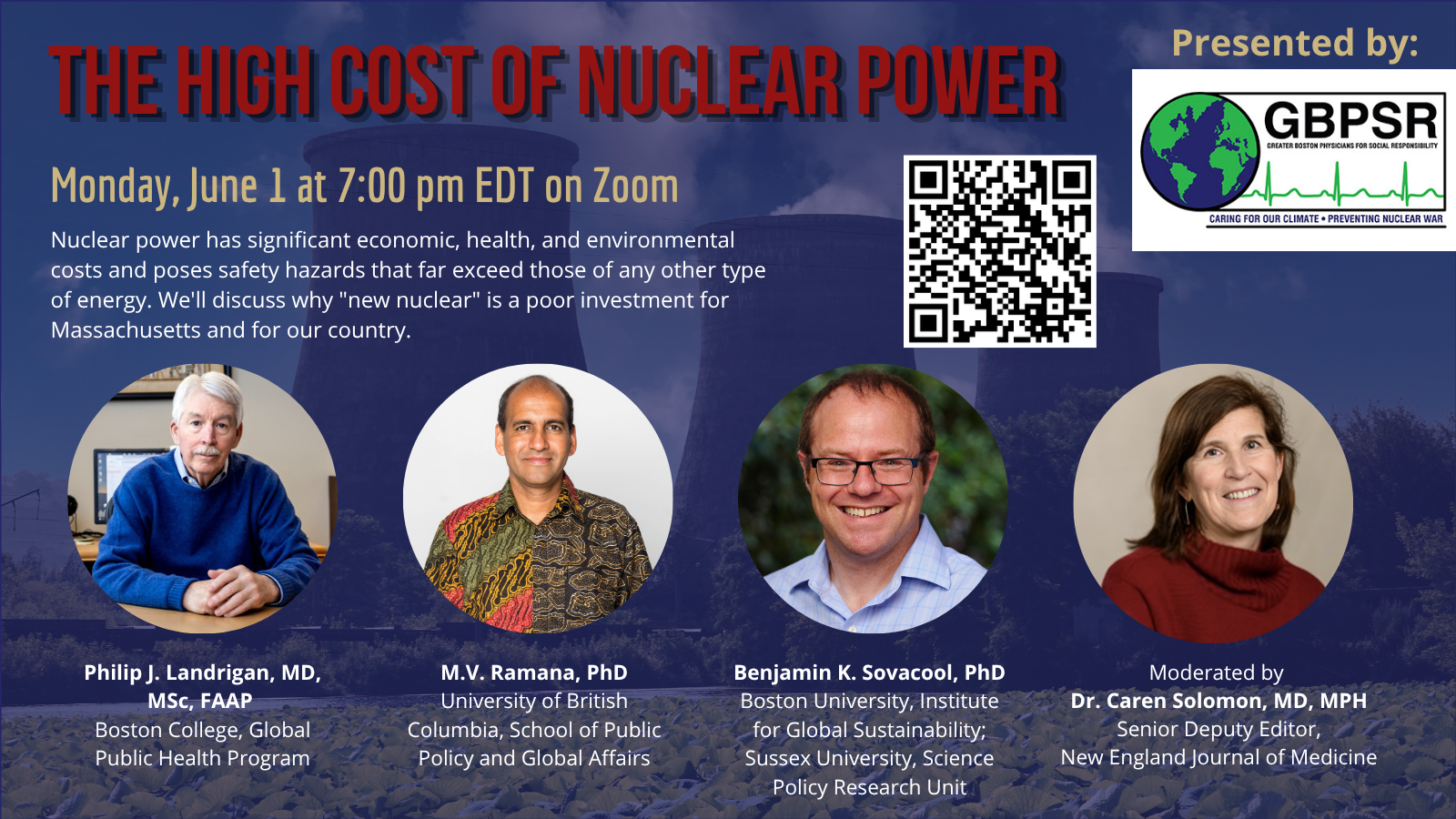


of the week– Nuclear Reactor Information Task Force
To see nuclear-related stories in greater depth and intensity – go to https://nuclearinformation.wordpress.com
-
Archives
- May 2026 (262)
- April 2026 (356)
- March 2026 (251)
- February 2026 (268)
- January 2026 (308)
- December 2025 (358)
- November 2025 (359)
- October 2025 (376)
- September 2025 (257)
- August 2025 (319)
- July 2025 (230)
- June 2025 (348)
-
Categories
- 1
- 1 NUCLEAR ISSUES
- business and costs
- climate change
- culture and arts
- ENERGY
- environment
- health
- history
- indigenous issues
- Legal
- marketing of nuclear
- media
- opposition to nuclear
- PERSONAL STORIES
- politics
- politics international
- Religion and ethics
- safety
- secrets,lies and civil liberties
- spinbuster
- technology
- Uranium
- wastes
- weapons and war
- Women
- 2 WORLD
- ACTION
- AFRICA
- Atrocities
- AUSTRALIA
- Christina's notes
- Christina's themes
- culture and arts
- Events
- Fuk 2022
- Fuk 2023
- Fukushima 2017
- Fukushima 2018
- fukushima 2019
- Fukushima 2020
- Fukushima 2021
- general
- global warming
- Humour (God we need it)
- Nuclear
- RARE EARTHS
- Reference
- resources – print
- Resources -audiovicual
- Weekly Newsletter
- World
- World Nuclear
- YouTube
-
RSS
Entries RSS
Comments RSS
 nuclear-news