Japan’s government moves to gag press freedom

 Fuk-‘hush’-ima: Japan’s new state secrets law gags whistleblowers, raises press freed.om fears Rt.com. October 25, 2013 Many issues of national importance to Japan, probably including the state of the Fukushima power plant, may be designated state secrets under a new draft law. Once signed, it could see whistleblowers jailed for up to 10 years……. Under the new legislation a ministry may classify information for a five-year term with a possibility of prolongation to up to 30 years. After that a cabinet ruling would be needed for the secret to be treated as such, but there is no limit for how long information may be kept under a lid.
“Basically, this bill raises the possibility that the kind of information about which the public should be informed is kept secret eternally,” Tadaaki Muto, a lawyer and member of a task force on the bill at the Japan Federation of Bar Associations, told Reuters.
“Under the bill, the administrative branch can set the range of information that is kept secret at its own discretion.”
Media watchdogs in Japan fear the bill would allow the government to cover up serious blunders, like the collusion between regulators and utilities, which was a significant factor in the 2011 Fukushima nuclear disaster. …… http://rt.com/news/japan-state-secrets-law-712/
Organised crime syndicates run Fukushima labour rackets
 Radiation, desperation and gangsters: Inside the hidden tragedy of Fukushima The Globe and Mail , 25 Oct 13 ANTONI SLODKOWSKI AND MARI SAITO IWAKI — Reuters , Oct. 25 2013 “…….The yakuza connection The complexity of Fukushima contracts and the shortage of workers have played into the hands of the yakuza, Japan’s organized crime syndicates, which have run labour rackets for generations.
Nearly 50 gangs with 1,050 members operate in Fukushima prefecture dominated by three major syndicates – Yamaguchi-gumi, Sumiyoshi-kai and Inagawa-kai, police say. Continue reading
Radiation level in Fukushima water doubles in one day
 Radiation level in Fukushima water doubles http://www.dnaindia.com/world/report-radiation-level-in-fukushima-water-doubles-1908226, Oct 24, 2013, : IANS
The water, extracted Wednesday at the channel near the tank that leaked 300 tons of highly toxic water in August, showed a record high 140,000 becquerels per litre of beta radiation emitted by radioactive materials such as strontium-90, compared with the previous day’s reading of 59,000 becquerels, Xinhua reported citing local media as quoting TEPCO.
The operator said the spike may be caused by highly contaminated soil with radioactive substances entering into the drainage channel. TEPCO is struggling to prevent leaks in Japan’s typhoon season as rainwater accumulates inside the leak-protection barriers around the tanks.
Japan can succeed with a zero nuclear energy policy
Japan can reject nuclear energy Channelling money and resources into constructing a recycling society based on natural resources is a better bet than building disposal sites for toxic waste Gulf News, By Junichiro
Koizumi Former prime minister of Japan October 24, 2013 I believe that the Japanese government and the Liberal Democratic Party should adopt a zero nuclear energy policy. Pursuing this policy will unify the people in their effort to transform themselves into a recycling-oriented society that relies on nature as a source of energy, not nuclear power generation. Alternatives to nuclear power as an energy source will certainly be discovered by those with sufficient know-how…….
Political leaders should establish a council that brings together the wisdom of nuclear power experts and intellectuals who support a zero nuclear energy policy. This should be followed by efforts to implement policies proposed by the panel.
Success in advancing this process would help secure the technical experts needed to decommission nuclear reactors, while also coming up with various ideas to help create jobs and develop alternative energy sources…… Continue reading
Critically dangerous removal of spent nuclear fuel from Fukushima reactor no 4
TEPCO prepares for critical removal of spent fuel from Fukushima reactor http://japandailypress.com/tepco-prepares-for-critical-removal-of-spent-fuel-from-fukushima-reactor-2438441/ Oct 24, 2013 John Hofilena Fukushima nuclear power plant operator Tokyo Electric Power Co.(TEPCO) is prepping for one of its most critical and dangerous processes to date in its incident-filled cleanup of what has been called the world’s worst nuclear disaster since Chernobyl. Starting in November, the embattled operator will be removing 400 tons of spent nuclear fuel from Fukushima’s reactor no. 4, where even a little mistake may result in a totally new nuclear disaster for Japan. The operation is scheduled to start in the beginning of November and be completed by around the end of 2014.

Under normal circumstances, the operation would take around 100 days. TEPCO had initially planned for this process to take two years, but due to the urgency of the situation – a minor earthquake could trigger an uncontrolled fuel leak – they reduced the schedule to one year. In this process, TEPCO will be removing more than 1,300 used fuel rod assemblies, packing radiation 14,000 times the equivalent of the Hiroshima nuclear bomb, from their cooling pool. Normally, this would be a computer-controlled process, but due to the situation at Fukushima, this time it has to be done completely manually – compounding the danger and risk. “The operation to begin removing fuel from such a severely damaged pool has never been attempted before. The rods are unwieldy and very heavy, each one weighing two-thirds of a ton,” says fallout researcher Christina Consolo.
Should this attempt fail, a mishandled fuel rod could be exposed to air and catch fire, resulting in large quantities of radiation released into the atmosphere. In the worst-case scenario, the cooling pool could crash from its crane to the ground, dumping the rods together into a pile that could fission and cause an explosion many times worse than in March 2011. “The worst-case scenario could play out in death to billions of people. A true apocalypse,” Consolo said. The concern is palpable and real, as TEPCO’s track record these past few months have been less than stellar. Leaks have hounded the cooling process of the molten down reactors, resulting in radioactive waste water freely and daily flowing into the Pacific Ocean.
What will be the effects of strange ‘spheres’ of radioactive material from Fukushima?
Scientists: ‘Spheres’ of radioactive material from Fukushima reported for first time — Ball-like particles composed of cesium, iron, zinc — Solid and insoluble in water — Impact on human health needs to be examined (PHOTOS) http://enenews.com/scientists-spheres-radioactive-material-fukushima-reported-first-time-ball-like-particles-composed-cesium-iron-zinc-solid-insoluble-water-impact-human-health-be-examined-photos
Title: Emission of spherical cesium-bearing particles from an early stage of the Fukushima nuclear accident
Source: Scientific Reports (Nature Publishing Group)
Authors: Kouji Adachi, Mizuo Kajino, Yuji Zaizen & Yasuhito Igarashi
:Aug. 30, 2013
The Fukushima nuclear accident released radioactive materials into the environment over the entire Northern Hemisphere […] we still do not know the exact physical and chemical properties of the radioactive materials. This study directly observed spherical Cs-bearing particles emitted during a relatively early stage (March 14-15) of the accident. In contrast to the Cs-bearing radioactive materials that are currently assumed, these particles are larger, contain Fe, Zn, and Cs, and are water insoluble. Our simulation indicates that the spherical Cs-bearing particles mainly fell onto the ground by dry deposition. The finding of the spherical Cs particles will be a key to understand the processes of the accident and to accurately evaluate the health impacts and the residence time in the environment.
[…] Although the accident has global impacts, we still do not know exactly what happened in the reactors during the accident […]
We measured the radioactive materials that were collected in the filter at ground level on March 14-15 […] we counted approximately 100 spots caused by radioactive materials, suggesting a concentration of approximately 10 radioactive particles per m³. […]
This study reports for the first time the presence of spherical radioactive Cs-bearing particles emitted from the FNPP during a relatively early stage (March 14-15) of the accident. The particles coexist with Fe, Zn, and possibly other elements, and their diameters are approximately 2 μm. Because these elements were evenly distributed within the particle, we conclude that they are internally mixed and form an alloy. […] Due to its spherical shape and composition, the particle is likely solid and is largely insoluble in water. […]
The spherical Cs-bearing particles likely have longer retention times on the land surface than those of the water-soluble Cs particles. The retention time of the particles in the soil or other environments needs to be reconsidered.
See also: Journal: Unprecedented phenomenon from using saltwater in Fukushima reactors — Forming new uranium compounds able to travel long distances… “like carbon buckyballs”
Slowly developing radiation disaster in the Pacific Ocean
Washington Post: It’s an environmental disaster, radioactivity levels in ocean hundreds of times above normal — NHK: Countries around Pacific worried about ongoing Fukushima leaks, gov’t wants testing up to 3,000 km offshore (VIDEO)http://enenews.com/washington-post-its-an-environmental-disaster-radioactivity-levels-hundreds-of-times-above-normal-in-pacific-nhk-countries-worried-about-fukushima-leaks-govt-wants-testing-up-to-3000-km-of
NHK WORLD, Oct. 22, 2013: […] Japan’s effort to clean up what remains of the complex is turning into another kind of disaster. […] 400 tons of toxic groundwater is flowing daily into the Pacific Ocean […] the flow of radioactive water amounts to a slow-burning environmental disaster with implications for Japan’s wildlife and its food chain. […] The coastal Fukushima plant is on an old riverbed […] rainfall from across the region would funnel toward the plant […] Both the government and Tepco say the ocean contamination is confined mostly to a man-made harbor around the plant. But some scientists say that assurance plays down significant long-term concerns about marine life and the food chain. Cesium levels are still hundreds of times the pre-accident norm in areas beyond the harbor, said Ken Buesseler, a senior scientist with the Woods Hole Oceanographic Institution who has monitored waters around the nuclear plant, most recently last month. […] “It’s a serious concern for internal doses. (Radionuclides) are now on the seafloor and could stay in the food chain for years, if not decades.” […]
NHK WORLD, Oct. 21, 2013: [Tepco] has announced plans to monitor offshore radiation around the clock […] many experts have been calling for 24-hour monitoring to allow faster responses to unexpected leaks and provide a clearer idea of how much water has escaped. […] The nuclear regulators have proposed expanding the offshore monitoring from the current 300 kilometers to between 1,000 and 3,000 kilometers. […] the agency will ask the operators of oceangoing vessels to collect data for northern Pacific Rim countries that are worried about radioactive leaks.
NHK Newsline,, Oct. 21, 2013: “Nuclear regulators proposed increasing the distance they’re monitoring from 300 kilometers to up to 3,000 kilometers”
See also: Official Gov’t Documents: Fukushima to endanger NorthPacific marine ecosystem and health of human beings? “Very important to monitor radiation exposure level and assess effects of radioactive substances”
Japanese govt considering putting all nuclear reactors into one company
Nuclear industry amalgamation mulled LDP examining idea to bring all reactors under one company, Japan Times, 23 Oct 2013. BLOOMBERG The government is discussing a radical overhaul of the nuclear power sector that would combine the nation’s 50 operating reactors into a single company to rebuild an industry that’s been effectively halted by the Fukushima disaster that started in March 2011.
The company would be owned by the nine regional utilities, along with wholesalers Japan Atomic Power Co. and Electric Power Development Co., while the government and reactor makers would give financial and technical support, Taku Yamamoto, who chairs the Liberal Democratic Party’s energy committee, said in an interview.
Part of the profit from sales of the new company’s electricity would be funneled toward the cleanup of the Fukushima No. 1 power plant and victim compensation, which combined may cost more than ¥11 trillion. The plan would keep Tokyo Electric Power Co. alive to shoulder Fukushima costs……
None of the idled reactors may be restarted by the end of March 31, as preparations by power companies for the Nuclear Regulation Authority’s safety review are behind schedule, the Sankei Shimbun reported Monday.
LDP lawmakers have discussed other options to restructure Tepco. Tadamori Oshima, head of the party’s 2011 quake reconstruction task force, proposed to Prime Minister Shinzo Abe that Tepco form a separate company to deal with decommissioning Fukushima No. 1 and the government provide financial aid, Kyodo News reported Sept. 21.
The Abe administration is seeking the Diet’s endorsementthis month for a bill designed to end the 60-year-old monopolies of the regional utilities, led by Tepco.
The other entities — which like Tepco dominate electricity generation and transmission in their respective regions — are Hokkaido Electric Power Co., Tohoku Electric Power Co., Chubu Electric Power Co., Kansai Electric, Hokuriku Electric Power Co., Chugoku Electric Power Co., Shikoku Electric Power Co. and Kyushu Electric Power Co.
The draft bill would unbundle generation and transmission operations and allow households to choose power suppliers for the first time. In theory, 60 percent of the electricity market has been deregulated, though in practice the dominance of the regional utilities stands in the way…… http://www.japantimes.co.jp/news/2013/10/23/business/ldp-mulls-amalgamating-all-nuclear-plants-under-one-firm/#.UmnhNnBwo7o
Fukushima workers tweeted about their safety worries
Fukushima Workers: There was a collapse at plant due to typhoon — Not revealed by Tepco — Worry that upcoming storm to cause more damage Two Fukushima workers commented on Twitter that the previous Typhoon Wipha caused a slope in Fukushima plant area to collapse. The slope faces the main street, and the earth and sand blockaded the street. Also, there was a part to have had a subsidence. […] The worker added there are more slopes in the area and they may collapse due to the next Typhoon […]
Specific Tweets translated by Google:
- @sunnysunnynismo, Oct. 19, 2013: Pattern collapse due to typhoon at the Fukushima Daiichi premises has not been press releases
- @Happy11311, Oct. 19, 2013: Uh-oh? I did not press! It was learned for the first time to see tweets of Sunny’s. I’ve had also place the road much would have been blocked, was depressed (> _ <) after law could face there had collapsed …. Next week, I wonder if the public? Typhoon No. 27 is also a worry about next week, and slope is likely to collapse still, and I wonder … I’m worried about.
- @Happy11311, Oct. 19, 2013: […] I think restoration work is dangerous’ s rain today where it left mudslides after, that it is not doing, but disciple no choice but to pray that the damage is not expanded
Japan’s radiation cleanup not going to schedule
Japan Delaying Cleanup of Towns Near Nuclear Plant abc news, TOKYO October 21, 2013 (AP) By MARI YAMAGUCHI Associated Press Radiation cleanup in some of the most contaminated towns around Fukushima’s damaged nuclear power plant is behind schedule, so some residents will have to wait a few more years before returning, Japanese officials said Monday.
Environment Ministry officials said they are revising the cleanup schedule for six of 11 municipalities in an exclusion zone from which residents were evacuated after three reactors at the Fukushima Dai-ichi nuclear power plant went into meltdown following the March 2011 earthquake and tsunami. The original plan called for completing all decontamination by next March.
Nobody has been allowed to live in the zone again yet, though the government has allowed day visits to homes and businesses in some places after initial decontamination, said Shigeyoshi Sato, an Environment Ministry official in charge of decontamination……http://abcnews.go.com/International/wireStory/japan-delaying-cleanup-towns-nuclear-plant-20630619
Fukushima nuclear reactors leaking directly into sea?
 Alert: Top Japan nuclear official suggests Fukushima reactors “leaking directly into sea”… not mixing with groundwater and getting diluted — Expert: Contamination flowing from plant will be carried away to North America’s west coast
Jiji Press, http://enenews.com/alert-top-level-japan-official-publicly-suggests-multiple-fukushima-reactors-are-leaking-directly-into-the-sea-its-not-mixing-with-groundwater-and-getting-diluted-expert-contamination-f Oct. 16, 2013: Tepco’s toxic water failures pitiful: NRA[…] Tepco is pumping up groundwater and has injected a water-stopping agent into the ground near the plant’s port in order to curb the flow of radioactive groundwater into the sea. Despite such efforts, the levels of cesium-137 in seawater samples collected between the water intakes for reactors 1 and 2 inside the port rose to around 100 becquerels per liter this month from around 10 becquerels between late June and early July. […] Radioactive water from the damaged reactors “may be leaking directly into the sea instead of mixing with groundwater before making its way into the sea,” [Nuclear Regulation Authority Commissioner Toyoshi] Fuketa said. […]
Vladimir Kovbasyuk, Russian Hydrometeorological Expert, Oct. . 16, 2013: “We analyzed the problems several years ago, when the 2011 earthquake and tornado hit the Fukushima nuclear plant. Radioactive waters will first be carried away to the west coast of North America and only then, on intermingling with other ocean waters, may they return to the Russian coast. Currently, we are measuring radiation levels, and we’ve registered no excess radiation thus far.” […]
It appears Fuketa has provided the answer to the ‘mystery’ discussed on NHK’s ‘Nuclear Watch’ earlier thisyear: Fukushima Mystery? TV: Japan expert says radiation levels in ocean too high to be explained by groundwater flow alone — Must be coming from “other contamination routes” entering Pacific — “Devastating impact” to come? (VIDEO)
Huge spike in groundwater radiation under Fukushima nuclear reactor No 1
 Strontium readings spike 6,500-fold in one day Water radiation soars at Fukushima No. 1 Japan Times JIJI, AFP-JIJI 18 Oct 13 FUKUSHIMA – Radiation levels in groundwater under Tokyo Electric Power Co.’s Fukushima No. 1 nuclear plant are soaring, Tepco said Friday after taking samples from an observation well.
Tepco said 400,000 becquerels per liter of beta ray-emitting substances such as strontium were detected in water sampled Thursday from the well located some 15 meters from a storage tank that leaked about 300 tons of highly radioactive water in August.
The level of becquerels, a record high for water in that well, was up 6,500-fold from the 61 becquerels found Wednesday.
Tepco was planning to pump groundwater up from different wells about 100 meters from the leaky tank for release into the Pacific before the water flows into the damaged reactor buildings and becomes heavily contaminated with radioactive materials.
But that plan appears in jeopardy because the sharp increase in the levels of radioactive materials in the observation well suggest the radioactive groundwater is spreading.
By law, water containing beta particle-emitting substances exceeding certain levels cannot be released into the sea. The upper limit is set at 30 becquerels per liter for strontium-90 and 60 becquerels for cesium-134.
Tepco also said water collected Thursday from a drainage ditch near the leaky tank contained 34,000 becquerels of beta particle-emitting substances per liter, compared with 2,300 becquerels the day before……Officials said Thursday they will solicit proposals from both domestic and overseas nuclear experts and firms on how best to scrap the ruined reactors at Fukushima No. 1…….http://www.japantimes.co.jp/news/2013/10/18/national/water-radiation-soars-at-fukushima-no-1/?utm_source=feedburner&utm_medium=feed&utm_campaign=Feed%3A+ja
Slow progress on decontamination of Fukushima, most of the budget still unused
Ministry fails to use 77% of Fukushima decontamination budget; TEPCO refuses to pay Asahi Shimbun, 18 Oct 13, By TAKUYA KITAZAWA/ Staff Writer The Environment Ministry has failed to use 76.6 percent, or 247.2 billion yen, of its budget to decontaminate radioactive areas around the Fukushima No. 1 nuclear plant, the Board of Audit said.
Progress has been slow because opposition from local residents is making it difficult for the ministry to secure places to temporarily store the contaminated soil and debris collected in the work.
The ministry faces another problem: Tokyo Electric Power Co., the operator of the stricken Fukushima plant, refuses to cover all the costs of the decontamination work as required under law.
The Board of Audit investigated the ministry’s budget of about 322.8 billion yen ($3.2 billion) for decontamination work for the period until March 2013, the end of fiscal 2012.
The results were released on Oct. 16………http://ajw.asahi.com/article/0311disaster/fukushima/AJ201310170058
Record high radiation in Fukushima No 1 drainage ditch
Radiation level in Fukushima No. 1 ditch hits record high, Japan Times, 17 Oct 13,FUKUSHIMA – The highest level yet of beta ray-emitting radioactive substances, including strontium, has been detected at one point in a drainage ditch at the crippled Fukushima No. 1 nuclear plant where measurements are regularly taken, Tokyo Electric Power Co. said Thursday.
According to Tepco, a water sample taken Wednesday at a point in the ditch some 300 meters from the ocean was found to contain 1,400 becquerels per liter of beta ray-emitting radioactive substances, the highest level ever detected at that location……
Radiation levels also hit record highs in water samples collected Wednesday at three upstream points in the drainage ditch, which passes close to the storage tank from which highly radioactive water spilled in August, with the amount of beta ray-emitting radioactive substances ranging from 2,000 to 2,300 becquerels per liter.
Tepco said it was unable to take seawater samples near the exit of the ditch because of bad weather.http://www.japantimes.co.jp/news/2013/10/17/national/radiation-level-in-fukushima-no-1-ditch-hits-record-high/#.UmGNJdJJMgs
The risks of UK surrendering to China the control of its nuclear program
 Surely we, too, should be asking more questions of a chancellor who appears to think that Chinese money buys him out of the intractable difficulties and uncertain costs of nuclear power?
What guarantee have we that in depending on Chinese finance, we haven’t surrendered more than we bargained for?
What does China want with Britain’s nuclear industry? Isabel  Hilton The Guardian, Thursday 17 October 2013 The Chinese state is not philanthropic. Questions about safety, sovereignty and cost should be asked before we take its money For a chancellor so keen on the defence
  of UK national sovereignty against democratic Europeans, George Osborne’s unbridled enthusiasm for Chinese investment in the UK’s critical infrastructure is striking. If all these memorandums of understanding come to fruition, Chinese entities will hold important stakes in water in the UK, airports, IT infrastructure and now nuclear power generation, all without a serious national debate on any potential risks such involvement might bring……. Continue reading
1 This Month
19 May – Webinar No To Nuclear: Why Nuclear Power Destroys Lives, Derails Climate Progress and Provokes War

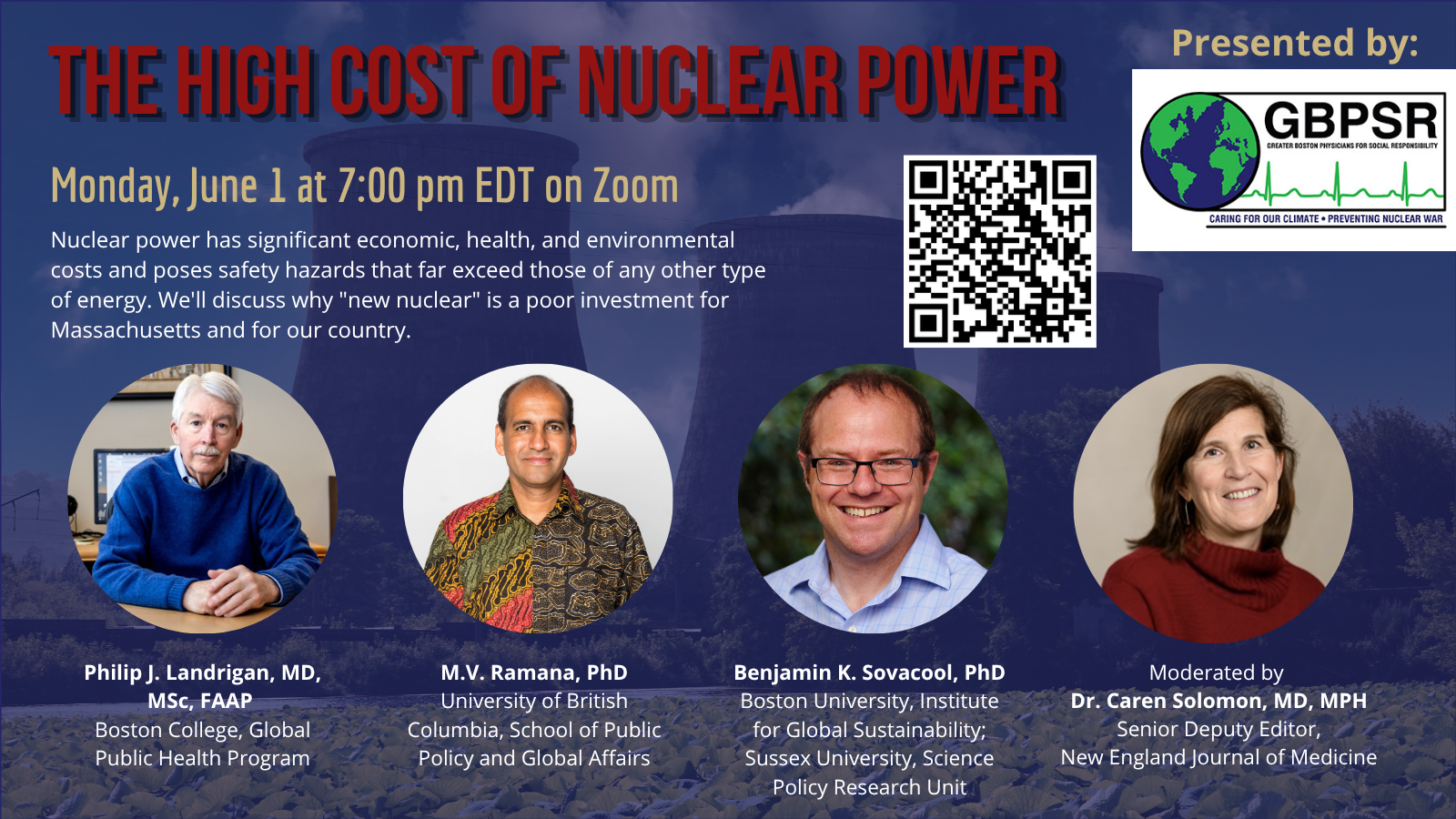
1 June Webinar – The High Cost of Nuclear Power – Register


of the week– Nuclear Reactor Information Task Force
To see nuclear-related stories in greater depth and intensity – go to https://nuclearinformation.wordpress.com
-
Archives
- May 2026 (199)
- April 2026 (356)
- March 2026 (251)
- February 2026 (268)
- January 2026 (308)
- December 2025 (358)
- November 2025 (359)
- October 2025 (376)
- September 2025 (257)
- August 2025 (319)
- July 2025 (230)
- June 2025 (348)
-
Categories
- 1
- 1 NUCLEAR ISSUES
- business and costs
- climate change
- culture and arts
- ENERGY
- environment
- health
- history
- indigenous issues
- Legal
- marketing of nuclear
- media
- opposition to nuclear
- PERSONAL STORIES
- politics
- politics international
- Religion and ethics
- safety
- secrets,lies and civil liberties
- spinbuster
- technology
- Uranium
- wastes
- weapons and war
- Women
- 2 WORLD
- ACTION
- AFRICA
- Atrocities
- AUSTRALIA
- Christina's notes
- Christina's themes
- culture and arts
- Events
- Fuk 2022
- Fuk 2023
- Fukushima 2017
- Fukushima 2018
- fukushima 2019
- Fukushima 2020
- Fukushima 2021
- general
- global warming
- Humour (God we need it)
- Nuclear
- RARE EARTHS
- Reference
- resources – print
- Resources -audiovicual
- Weekly Newsletter
- World
- World Nuclear
- YouTube
-
RSS
Entries RSS
Comments RSS
 nuclear-news