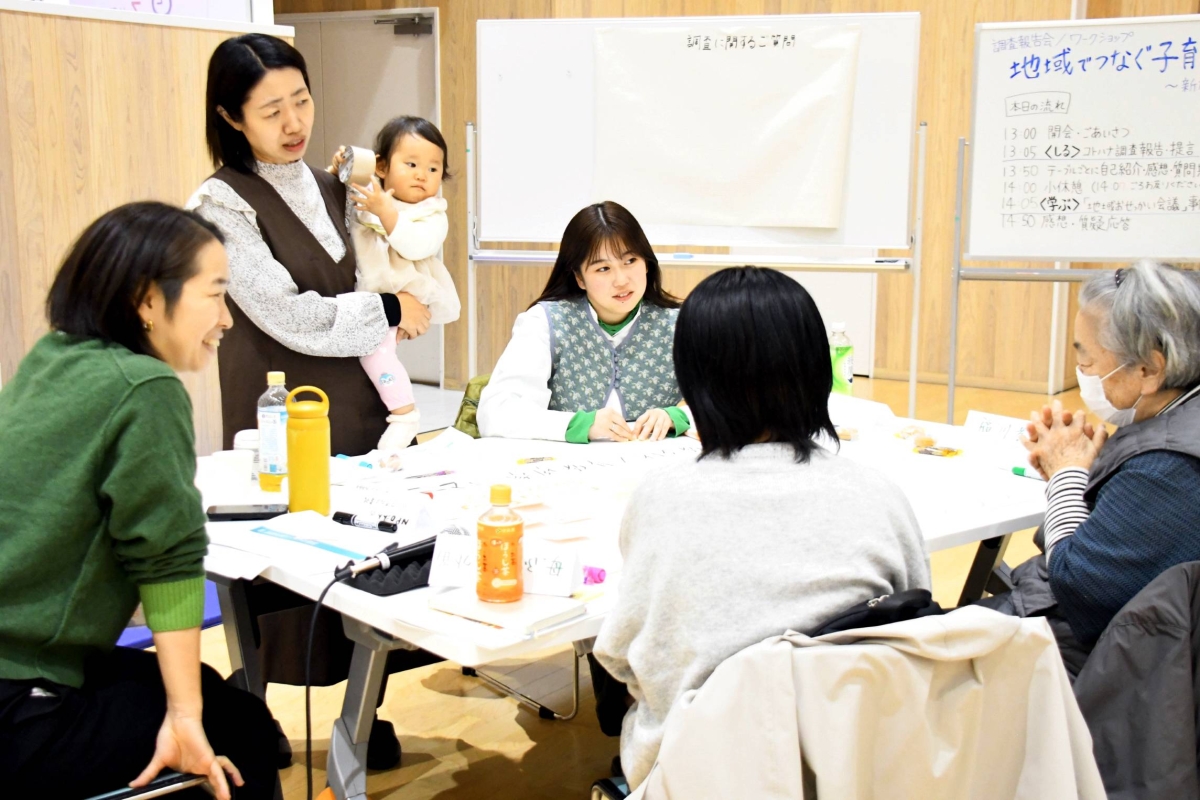
India PM Modi ends foreign tour with nuclear deals in pipeline
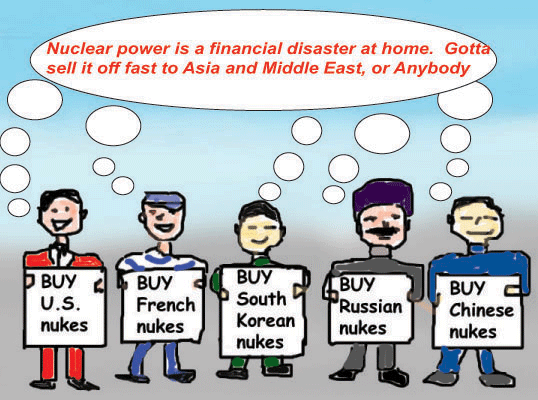
By AFP, 14 February 2025 Daily Mail
Indian Prime Minister Narendra Modi concluded a whistle-stop diplomatic tour Friday having secured significant pledges of support from Washington and Paris to help step up his country’s nuclear energy programme.
New Delhi has vowed to achieve net zero carbon emissions by 2070 partly by increasing the number of nuclear plants in the country from eight, which currently account for around three percent of power generation in India.
Modi’s White House meeting with President Donald Trump resulted in an agreement to build US-designed nuclear reactors in India.
“This path forward will unlock plans to build large US-designed reactors and enable collaboration to develop, deploy and scale up nuclear power generation with advanced small modular reactors,” a joint statement said Thursday.
India revealed a similar deal with France following Modi’s meeting with President Emmanuel Macron earlier this week.
Foreign secretary Vikram Misri said Wednesday that India and France aimed to initiate cooperation on developing small modular nuclear reactors, nothing that the technology was still in its “initial stages”.
“Our intent is to be able to cooperate in co-designing the reactors, co-developing them, and co-producing them,” he told reporters.
Both partnerships come days after Modi’s government announced plans to amend its strict nuclear liability law, which holds operators liable for any damage or accident, with exceptions made for certain situations including natural disasters……………………… https://www.dailymail.co.uk/wires/afp/article-14396859/India-PM-Modi-ends-foreign-tour-nuclear-deals-pipeline.html
South Korea increases support for domestic nuclear industry
The Ministry of Trade, Industry and Energy has announced KRW150 billion
(USD103 million) of financial support this year to companies within South
Korea’s nuclear power industry – an increase of KRW50 billion compared with
last year.
World Nuclear News 10th Feb 2025,
https://www.world-nuclear-news.org/articles/south-korea-increases-support-for-domestic-nuclear-industry
Kansai Electric to ship more spent nuclear fuel to France

Fukui Japan Times 9th Feb 2025 https://www.japantimes.co.jp/news/2025/02/09/japan/japan-more-spent-nuke-fuel-to-france/
Kansai Electric Power is working to double the amount of spent nuclear fuel it will ship to France, increasing it by about 200 tons, informed sources said.
The move comes as Fukui Prefecture, home to several nuclear plants, urges Kansai Electric to address shrinking storage capacity for spent nuclear fuel, the sources said.
In 2023, Kansai Electric announced a plan to ship about 200 tons of the fuel from its Takahama plant in Fukui to France starting in fiscal 2027. Based on the Japanese government’s policy, the spent fuel will be used for research on technology to reprocess uranium-plutonium mixed oxide, or MOX, fuel.
At the Takahama plant, about 90% of the spent fuel storage capacity has already been used, and that amount is expected to reach the upper limit in about three years.
About 200 tons of spent fuel will be generated if the No. 1 to No. 4 reactors at the plant are operated for about three years. Kansai Electric has restarted all of its seven nuclear reactors.
The company initially planned to send spent fuel mainly to a reprocessing plant to be built in Aomori Prefecture, but the completion of the facility has been postponed.
Last September, the company notified Fukui Gov. Tatsuji Sugimoto of its intention to review the plan, and said that it would halt three reactors in the prefecture if it fails to come up with a proposal that can win the understanding of officials there by the end of fiscal 2024.
North Korean leader Kim Jong Un vows to further develop nuclear forces
Alarabiya, 9 Jan 25
North Korean leader Kim Jong Un criticized trilateral military cooperation among the United States, Japan and South Korea for raising tensions in the region and vowed countermeasures, including the further development of nuclear forces.
Kim said US deployments of nuclear strategic assets, war exercises and military cooperation with Japan and South Korea were inviting military imbalance in the region and raising a grave challenge to the security environment, state media KCNA reported on Sunday.
“The DPRK does not want unnecessary tension of the regional situation but will take sustained countermeasures to ensure the regional military balance,” Kim said during a visit to the defense ministry on Saturday to commemorate the founding day of its Army.
DPRK stands for the Democratic People’s Republic of Korea, North Korea’s official name.
US President Donald Trump, after a meeting on Friday with Japanese Prime Minister Shigeru Ishiba, said he would have relations with North Korea, as they expressed concern over its nuclear program.
But during the visit, Kim “clarified once again the unshakable policy of more highly developing the nuclear forces,” according to the report……………………………….
In a separate commentary released later on Sunday, North Korea’s KCNA again criticized South Korea’s military activity with the United States this year and warned that aggressive actions would be met by undesired consequences.
“Anyone could easily guess how we would take the fact that they carried out war exercises that were more intense than ever before at a time when diplomacy schedules were being canceled due to political turmoil,” KCNA said. https://english.alarabiya.net/News/world/2025/02/09/north-korean-leader-kim-jong-un-vows-to-further-develop-nuclear-forces
As China and the U.S. Race Toward A.I. Armageddon, Does It Matter Who Wins?

it doesn’t matter if the U.S. has no real enemies. The military industrial complex must continue to unceasingly grow, according to the logic of the Megamachine. It will invent enemies in order to justify that growth. That’s why we now have thousands of nuclear bombs and a sprawling, AI-driven, globally networked satellite and base infrastructure that encases the Earth like an iron maiden.
Koohan Paik-Mander CounterPunch , 7 Feb 25
A longstanding Sinophobia in the U.S. goes back to the 19th century, with the Chinese Exclusion Act, the tax on Chinese miners during the Gold Rush, and the exclusion from being able to testify in court.
Evidence of this entrenched history lingers today, in the trade sanctions against China, belligerent rhetoric from both Republicans and Democrats that led to a rash of violence against elderly Asian-Americans on American streets, as well as billions of dollars spent to fortify overseas bases in preparation for a U.S.-China war.
And the refusal to cooperate meaningfully with China on anything. As a result, the U.S. is thick in the midst of an AI arms race with China that is predicated on both nations’ dangerous faith in techno-salvation.
Thanks to the legacy of Sinophobia, it takes a whole lot to elicit an overwhelming embrace of China from average Americans, even if temporarily. But that’s what’s happened twice in the last month. The first time was the TikTok fiasco, when millions of distraught TikTok users had had their favorite platform snatched from them like a pacifier from a baby’s mouth. They found solace not in Meta nor X (as had been the plan), but rather, in the Chinese social media platform, Xiaohongshu, also known as “RedNote.”
The second instance was the debut of DeepSeek AI, which came on the heels of one of the most pompous pageants of delusional grandeur ever seen. It was Trump’s inauguration ceremony for his second term. Shortly thereafter, a press conference was held. Three tech oligarchs and the president bloviated about their Stargate AI project. It would cost $500 billion. That’s what they say is needed to stay ahead of the Chinese. (For some reason, the excuse of “staying ahead of the Chinese” seems to justify any astronomical expense.)
In the mean time, thousands of people have been left homeless due to wild fires in L.A., flooding in North Carolina, and even to this day, people from Lahaina, Maui are still without a place to call home. But none of these Americans got a press conference.
Instead, it was the oligarchs who took the stage. Oracle’s Larry Ellison, Masayoshi Son of Starbank, and Open AI founder Sam Altman described Stargate’s plans to build clusters of gigantic data centers across the country from sea to shining sea, each one bigger than any Walmart Superstore. It’s Manifest Destiny for data.
No one at the press conference mentioned that many of the data centers would be built on federal lands, would collectively use as much power as small European nations, require massive volumes of water, or would require a network of nuclear reactors. They did make the dubious promise their AI would cure cancer and heart disease. I think the guys who got wampum for Manhattan got a better deal.
A few days afterward, as if on cue, a Chinese company called DeepSeek that no one had ever heard of dropped their bombshell. The Chinese firm had released its own AI that was open-source, used fifty times less energy, performed on par with all the American AIs, and cost a gazillion times less to produce. Suddenly, the mirage of Silicon Valley’s invincibility faded away to reveal an overvalued industry that had gotten too fat, lazy and full of itself to innovate anything except marketing promises to investors. The very next day, a veritable trillion dollars peeled like a banana off the U.S. stock exchange tech sector. The story everywhere was that Chinese AI had officially “caught up” with the U.S.
When people cheered the scrappy Chinese underdog, it was as much a middle finger to the overblown hubris of the tech oligarchs as it was an embrace of Chinese innovation. It was motivated largely by the same class anger that rose up to lionize Luigi Mangione for killing a health insurance CEO with three inscribed bullets. People had been galled by the consolidated display of the broligarchy on the dais at the Trump inauguration, similar to the royals waving at the minions from the balcony at Buckingham Palace. Their message was unequivocal: We own you.
DeepSeek has been described as a Robin Hood of tech, taking from the rich to give AI to the poor. Sentiments of class anger buoyed admiration for the unknown company from China. They disregarded, for once, the stubborn stains of Sinophobia.
What was also overlooked in the midst of DeepSeek’s dazzling display of stock market disruption was responsible restraint around technology. As both China and the U.S. go hurtling ever faster toward Armageddon in the race to dominate in AI, they have both bought into techno-utopian ideologies, lock, stock and barrel………………………………………………………………….
China and the U.S. are entangled in a geopolitical rivalry, with existential stakes. Sure, it’s satisfying to enjoy the smarting blow that newcomer DeepSeek landed to the capitalist Goliath — China one, U.S. zero. But it’s not a boxing match. Such narrow framing loses sight of the fact that the race for accessible AI is a race for Mutually Assured Destruction (MAD).
………………………………………………………………………………………………………………The weapons industry wouldn’t tolerate the thought of degrowth, just like Microsoft, Google, Meta, Amazon et al. can’t bear it today. The war industry dealt with it by instead aggressively manufacturing enemies and reasons for war faster than it could manufacture more weapons. Now, forty years after the end of the Cold War with Russia, the war budget has increased every year and is now up to one trillion dollars, Los Alamos has begun manufacturing nukes for the first time in decades last year, we’ve got 800 bases around the world, rocket launchpads in wilderness areas, and thousands of satellites in the heavens.
It’s hard to get one’s bearings, especially in the midst of the engineered political maelstrom of the current moment. Fortunately, the books haven’t been burned (yet), so we can turn to the thinkers of the recent past for guidance.
The technology critics of the 20th century, such as Jacques Ellul, Lewis Mumford and Chellis Glendinning, urged us to conceptualize technology not just as a single artifact, such as a laptop, or just AI, or just a satellite, or just a nuclear weapon, but rather, as a whole way of thinking, a way of organizing society, our institutions, a way of being. Technology is not a one-off. It is systemic. Lewis Mumford called all of our technological society the Megamachine.
Every project, technology, organization, and endeavor is an expression of the Megamachine where the economic-growth imperative reigns supreme. It is all of a piece. It doesn’t matter if DeepSeek uses less energy. The growth imperative must be met……
Likewise, it doesn’t matter if the U.S. has no real enemies. The military industrial complex must continue to unceasingly grow, according to the logic of the Megamachine. It will invent enemies in order to justify that growth. That’s why we now have thousands of nuclear bombs and a sprawling, AI-driven, globally networked satellite and base infrastructure that encases the Earth like an iron maiden.
The poster child for the Megamachine in the digital age is Amazon. Former chair of the Federal Trade Commission Lina Khan’s seminal essay “Amazon’s Anti-trust Paradox,” tracks the logic of the behemoth’s growth over its history. She brilliantly unravels how Amazon decisively prioritized sheer growth over profit for its first eight years. The goal was to entrench a broad-spanning networked infrastructure that would guarantee a monopoly and continue to consolidate market dominion. They forwent profits for almost a decade expressly in order to monopolize the market. Again, the imperative for growth and global domination trumps decent common sense.
Former chair of the Federal Trade Commission Lina Khan’s seminal essay “Amazon’s Anti-trust Paradox,” tracks the logic of the behemoth’s growth over its history. She brilliantly unravels how Amazon decisively prioritized sheer growth over profit for its first eight years. The goal was to entrench a broad-spanning networked infrastructure that would guarantee a monopoly and continue to consolidate market dominion. They forwent profits for almost a decade expressly in order to monopolize the market. Again, the imperative for growth and global domination trumps decent common sense.
……………………………………………………………The sooner that the U.S. and China treat one another as fellow members of humankind, rather than adversaries, the real work of cooperation can begin. Both nations are home to millions of indigenous peoples who carry the know-how for surviving and thriving for generations into the future. Their wisdom is more precious than any AI. There’s no shortage of problems that our combined brilliance can improve if not solve: climate, nuclear weapons, species extinction, toxic waste clean-up, housing, microplastics, and last but not least, dangerous unregulated technologies. None of these colossal crises can be addressed as long as we are pointing fingers while locked in the downward spiral of a competition for global hegemony that the U.S. can never win.
Some of us remember the shining moment in history when the U.S. and Soviet Union built trust and signed a raft of nuclear arms control agreements. They modeled what ratcheting down tensions and the path to peace looks like. It would behoove the U.S. and China to follow their lead today, not only with nukes but also with AI and other emerging technologies. https://www.counterpunch.org/2025/02/07/as-china-and-the-u-s-race-toward-a-i-armageddon-does-it-matter-who-wins/
40% of workers cite radiation concerns at Fukushima plant

By KEITARO FUKUCHI/ Asahi Shimbun, Staff Writer, February 2, 2025
Forty percent of the workforce at the crippled Fukushima No. 1 nuclear plant worry about radiation issues on the job, a nearly three-fold spike over the previous year, a survey found.
More than half of those respondents cited fears of their body coming into contact with a radioactive substance.
Tokyo Electric Power Co., the plant operator that conducted the annual survey, said recent incidents at the plant probably contributed to the heightened concerns.
For example, two workers were hospitalized in October 2023 after they were accidentally splashed with waste liquid containing highly radioactive substances while cleaning piping in a contaminated water treatment facility.
The survey was carried out between September and October to improve the working environment. TEPCO distributed a questionnaire to all workers at the plant and received responses from 5,498 individuals, or 94.5 percent……………………….
Asked to choose specific issues they were concerned about, 52.2 percent, the largest percentage, picked “physical contamination,” up about seven points from 2023.
In another incident, about 1.5 tons of contaminated water flowed out of a water purification facility at the plant through an air exhaust opening in February 2024…… more https://www.asahi.com/ajw/articles/15609878
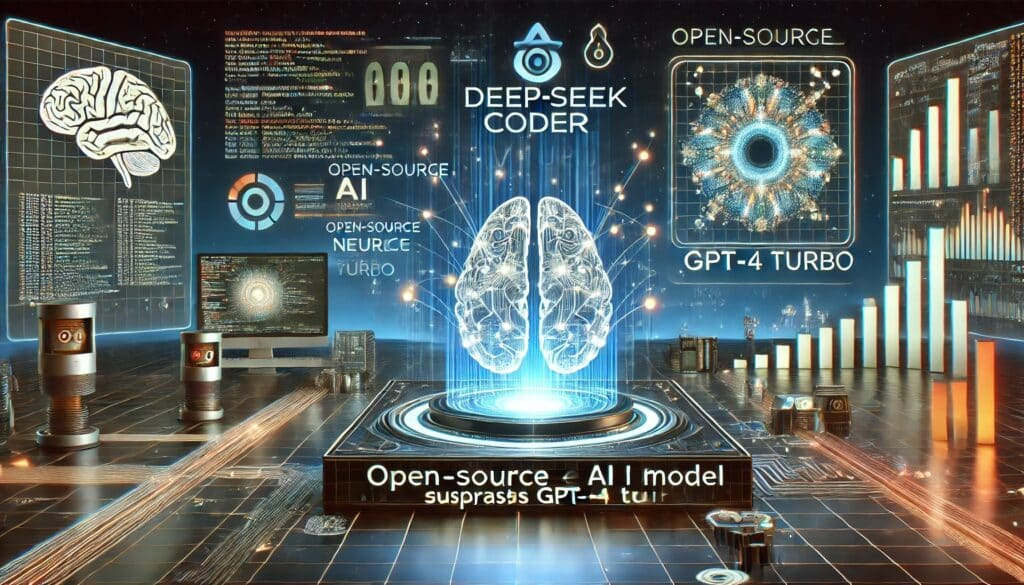
China AI startup rattles US new nukes plan
January 30, 2025, https://beyondnuclear.org/china-ai-startup-rattles-us-new-nuke-plan/
Innovative computer modelling with AI doesn’t need the most expensive and dangerous energy from nukes
The much touted second-coming of a “nuclear renaissance” in the United States fueled by the projected soaring global demand to power artificial intelligence (AI) just got a major setback with the surprise January 20, 2025 overnight emergence of an apparently more competitive and efficient Chinese AI startup company, DeepSeek. The US stock market plummeted for the S&P 500 nuclear power companies that have been financially scaling up as the most reliable 24/7 electricity supply for a massive expansion of energy intensive data centers. China’s surprise rollout of DeepSeek and sudden rise to international acclaim at the start of 2025 has seriously disrupted the US claim to global dominance in cloud computing, networking and data storage services powered by extravagantly expensive atomic energy.
US-based AI technology firms, including Nvidia, which lost nearly $600 billion in the January 27th record breaking single day’s largest stock selloff, have led the way in rebranding nuclear power as the preferred choice as the 24/7 power supplier for a massive AI surge. The sudden emergence of DeepSeek, only two months in the making, is being compared to a “sputnik moment” for the US AI market, referencing the former Soviet Union’s launch of the first artificial satellite into orbit in 1959 that triggered a US technological panic and launched America into a “space race” with Russia. DeepSeek has just as suddenly now laid claim to competitively take the technological lead to advance mere computer modelling to an innovative era of computer reasoning.
Starting in 2023 and swelling in 2024, there was sort of a “gold rush” of fast money that sprang up to finance AI deals with new reactor licensing and construction of still unproven Small Modular Reactor (SMR) designs as well as repowering uneconomical, permanently closed reactors like Three Mile Island Unit 1. The Big Tech corporate promotion was primarily driven by the leading hyperscalers including Google, Amazon, MicroSoft, Meta Platforms (aka Facebook) and Oracle. A series of deals have since been cut with the established S&P 500 nuclear corporations led by Constellation Energy, Vistra, and the usual suspects of nuclear start-ups including Oklo Power, NuScale, Talen Energy Corp and TerraPower.
However, like a bolt from the blue, the US nuclear industry has been rattled on the stock market. The S&P 500 nuclear power giants Constellation Energy (CEG) and Vistra (VST) are under scrutiny as international energy analysts reevaluate the energy needs of AI data centers along with that same host of nuclear power start-ups.
DeepSeek: how a small Chinese AI company is shaking up US tech heavyweights.
DeepSeek’s models and techniques have been released under the free MIT License, which means anyone can download and modify them.
https://www.sydney.edu.au/news-opinion/news/2025/01/29/deepseek-ai-china-us-tech.html January 28, 2025
Chinese artificial intelligence (AI) company DeepSeek has sent shockwaves through the tech community, with the release of extremely efficient AI models that can compete with cutting-edge products from US companies such as OpenAI and Anthropic.
Founded in 2023, DeepSeek has achieved its results with a fraction of the cash and computing power of its competitors.
DeepSeek’s “reasoning” R1 model, released last week, provoked excitement among researchers, shock among investors, and responses from AI heavyweights. The company followed up on January 28 with a model that can work with images as well as text.
What DeepSeek did
In December, DeepSeek released its V3 model. This is a very powerful “standard” large language model that performs at a similar level to OpenAI’s GPT-4o and Anthropic’s Claude 3.5.
While these models are prone to errors and sometimes make up their own facts, they can carry out tasks such as answering questions, writing essays and generating computer code. On some tests of problem-solving and mathematical reasoning, they score better than the average human.
V3 was trained at a reported cost of about US$5.58 million. This is dramatically cheaper than GPT-4, for example, which cost more than US$100 million to develop.
DeepSeek also claims to have trained V3 using around 2,000 specialised computer chips, specifically H800 GPUs made by NVIDIA. This is again much fewer than other companies, which may have used up to 16,000 of the more powerful H100 chips.
On January 20, DeepSeek released another model, called R1. This is a so-called “reasoning” model, which tries to work through complex problems step by step. These models seem to be better at many tasks that require context and have multiple interrelated parts, such as reading comprehension and strategic planning.
The R1 model is a tweaked version of V3, modified with a technique called reinforcement learning. R1 appears to work at a similar level to OpenAI’s o1, released last year.
DeepSeek also used the same technique to make “reasoning” versions of small open-source models that can run on home computers.
This release has sparked a huge surge of interest in DeepSeek, driving up the popularity of its V3-powered chatbot app and triggering a massive price crash in tech stocks as investors re-evaluate the AI industry. At the time of writing, chipmaker NVIDIA has lost around US$600 billion in value.
How DeepSeek did it
DeepSeek’s breakthroughs have been in achieving greater efficiency: getting good results with fewer resources. In particular, DeepSeek’s developers have pioneered two techniques that may be adopted by AI researchers more broadly.
The first has to do with a mathematical idea called “sparsity”. AI models have a lot of parameters that determine their responses to inputs (V3 has around 671 billion), but only a small fraction of these parameters is used for any given input.
However, predicting which parameters will be needed isn’t easy. DeepSeek used a new technique to do this, and then trained only those parameters. As a result, its models needed far less training than a conventional approach.
The other trick has to do with how V3 stores information in computer memory. DeepSeek has found a clever way to compress the relevant data, so it is easier to store and access quickly.
What it means
DeepSeek’s models and techniques have been released under the free MIT License, which means anyone can download and modify them.
While this may be bad news for some AI companies – whose profits might be eroded by the existence of freely available, powerful models – it is great news for the broader AI research community.
At present, a lot of AI research requires access to enormous amounts of computing resources. Researchers like myself who are based at universities (or anywhere except large tech companies) have had limited ability to carry out tests and experiments.
More efficient models and techniques change the situation. Experimentation and development may now be significantly easier for us.
For consumers, access to AI may also become cheaper. More AI models may be run on users’ own devices, such as laptops or phones, rather than running “in the cloud” for a subscription fee.
For researchers who already have a lot of resources, more efficiency may have less of an effect. It is unclear whether DeepSeek’s approach will help to make models with better performance overall, or simply models that are more efficient.
Towns near Fukushima plant struggle to attract families with children
Japan Times 27th Jan 2025
The Great East Japan Earthquake on March 11, 2011, and the subsequent meltdowns at the Fukushima No. 1 nuclear power plant have left deep scars on Fukushima Prefecture, which has seen a significant decline in its estimated population.
Futaba County, home to the Fukushima plant that straddles the towns of Futaba and Okuma, has been hit particularly hard, with the prolonged evacuation of residents drastically reducing the number of children in the area. The region’s population decline due to the disaster is beyond the scope of natural or social population shifts.
Municipalities in the region are trying to come up with measures to bring back residents or attract new ones, but increasing the number of children remains a tall order.
Futaba County once enjoyed a high birth rate and strong ties among its residents thanks to stable job opportunities provided by the Fukushima No. 1 and No. 2 power plants and related industries.
Saki Yoshizaki, 36, a worker who lives in the city of Iwaki, gave birth to her eldest daughter, now 14, in her hometown of Okuma in 2010, a year before the nuclear disaster.
“With many relatives, friends and acquaintances around, the whole community helped raise children. I had almost no worries about becoming a parent,” Yoshizaki said, recalling her hometown fondly. “In a good way, it was a tight-knit community.”
However, such an environment changed suddenly following the nuclear incident as residents fled elsewhere. Today, young parents who are bearing and rearing children in the region are voicing their feelings of loneliness where community ties have been severed.
Minami Suzuki, 34, a co-representative of the volunteer group Cotohana in the Futaba town of Tomioka, worries about the future of the region. “If we don’t strengthen connections among parents, it might become increasingly difficult for the younger generations to choose to have children here,” she says……………………………………………………………………………………..
https://www.japantimes.co.jp/news/2025/01/27/japan/society/fukushima-children-decline/
Trump calls North Korea a ‘nuclear power,’ drawing a rebuke from Seoul
Yahoo! News, Stella Kim, Wed, January 22, 2025
SEOUL, South Korea — Denuclearization of North Korea is a prerequisite for global stability, South Korea said Tuesday after President Donald Trump described the reclusive regime as a “nuclear power,” raising concern that the U.S. could be moving toward recognizing the North as a nuclear-armed state.
Since Trump was last in office, North Korean leader Kim Jong Un has vowed to “exponentially” boost his nuclear arsenal and ramped up weapons testing, including of missiles that could potentially strike the continental United States and overwhelm U.S. treaty ally South Korea.
The newly inaugurated Trump, who met with Kim three times during his first term to discuss North Korea’s U.N.-sanctioned weapons programs, spoke enthusiastically Monday about his past relationship with Kim, saying they liked each other.
“Now, he is a nuclear power,” Trump said while signing a series of executive orders in the Oval Office. “I think he’ll be happy to see I’m coming back.”
Trump’s defense secretary nominee, Pete Hegseth, also called North Korea a “nuclear power” during his Senate confirmation hearing last week.
While it is unclear what Trump and Hegseth meant by “nuclear power,” U.S. officials have long refrained from using the phrase as it could signal recognition of North Korea as a nuclear-armed state.
The Trump administration did not immediately respond to a request for comment Tuesday.
Though there is growing debate as to whether the international community should accept North Korea’s nuclear status, experts say doing so would significantly disrupt the geopolitical balance in the region and potentially set off an arms race, including the possible development of nuclear weapons by South Korea and Japan…………………………. https://www.yahoo.com/news/trump-calls-north-korea-nuclear-115137317.html
North Korea beats sanctions to acquire key tool for nuclear weapons.
North Korea obtained a key tool used in the production of nuclear warheads
by shipping it through three separate countries in an elaborate ploy to
dodge international sanctions on the country’s weapons programme.
According to a US think tank, authorities in Mexico, South Africa and China
failed to spot false documentation for a vacuum furnace, which can be used
in creating uranium fuel for nuclear warheads.
The case demonstrates the
increasing difficulties of enforcing international sanctions against North
Korea. The report by the Institute for Science and International Security
cites unnamed government sources to describe an incident in 2022, when the
vacuum furnace was shipped from Spain with an accurate declaration of its
function.
Times 20th Jan 2025,
https://www.thetimes.com/world/asia/article/north-korea-sanctions-key-nuclear-tool-z6qwg79jj
1 5 January -Virtual presentation: Korean atomic bomb victims seek justice – and the outlawing of nuclear weapons – through the people’s tribunal
Join us on January 15 at 5 pm PT/8pm ET, the People’s Tribunal Organizing Committee will present on the upcoming 2026 International People’s Tribunal and the responsibility of the U.S.A. for the 1945 atomic bombings and for ensuring redress (apology) to Korean victims.
Over 100,000 Koreans were forcibly removed from their homeland by the Japanese during the 1930s and brought to Hiroshima and Nagasaki during the Japanese occupation of Korea. It is not well known that over 70,000 of those Koreans became victims of the world’s first atomic bomb attacks on August 6th and 9th of 1945. Panelists from SPARK and Veterans for Peace will present on the upcoming 2026 International Tribunal, current progress, and its goals.
This virtual presentation is co-hosted by Korea Peace Now Grassroots Network and WILPF Jane Adam’s Branch. RSVP at bit.ly/janpt
For more information, please visit:
Instagram Post Link
International People’s Tribunal on 1945 US Atomic Bombings https://abombtribunal.campaignus.me/
How Fukushima’s radioactive fallout in Tokyo was concealed from the public

Because of the controversy surrounding Satoshi’s paper and the lack of research on the health impacts of these particles, it remains unclear to what extent Tokyo residents have been exposed to dangerous radiation levels as a result of the Fukushima accident.
Because CsMPs are so small, typically two microns or less in diameter, if humans breathe them, they could potentially reach the bottom of the lung, and be lodged into sacs known as alveoli, where the lung generally cannot expel them.
By unit of mass, CsMPs are much more radioactive than even spent reactor fuel
Japanese radiochemist Satoshi Utsunomiya found that air samples from March 15, 2011, in Tokyo contained a very high concentration of insoluble cesium microparticles. He immediately realized the implications of the findings for public safety, but his study was kept from publication for years.
Bulletin, By François Diaz-Maurin, January 13, 2025 [excellent illustrations]
On March 14 and 15, 2011—three days after the Great East Japan Earthquake and its resulting tsunami hit the Fukushima nuclear power plant—explosions at two of the plant’s reactor buildings released a huge amount of invisible radioactivity. These radioactive plumes were blown away by the wind, descending over the surrounding area and into the ocean. Eventually, the radiation emitted from the Fukushima plants spread over the entire Northern Hemisphere. It also spread to Japan’s capital, Tokyo.
Following the explosions, Japanese researchers rushed to collect and study radioactive materials from the soil and the air to find out what had happened inside the reactors, believed now to have melted down because their cooling systems failed. On March 13, the Tokyo Metropolitan Industrial Technology Research Institute, the agency responsible for measuring the air quality of particulate matter in the Tokyo area, started to collect air samples more frequently. This effort was part of the Tokyo metropolitan government’s emergency monitoring program for environmental radiation, which aimed to detect gamma-emitting nuclides in airborne dust. The filters revealed that at around 10 a.m. on March 15, 2011, a large plume of radioactivity reached Tokyo, some 240 kilometers (149 miles) south of Fukushima. All samples taken on March 14 and March 15 showed spikes in radioactivity.
The institute’s researchers published their first results in the journal of the Japan Radioisotope Association in June 2011 (Nagakawa et al. 2011); they estimated the total exposure dose to humans from radioactive substances, including iodine 131 and cesium 137 found in airborne dust, foodstuffs, and drinking water from the Setagaya ward in the old Tokyo City. Extrapolating from their measurements from March 13 to May 31, they calculated the corresponding annual cumulative dose of radiation in that part of Tokyo as being 425.1 microsieverts, which is less than half the annual dose limit to the public recommended by the International Commission on Radiological Protection. In a second conference publication in English (Nagakawa et al. 2012), the researchers extended their monitoring period to October and estimated that the total annual effective dose due to inhalation for adults in the Tokyo metropolitan area from the Fukushima radioactive plumes was far lower, at 25 microsieverts.
But two years after the accident, Japanese scientists discovered a new type of highly radioactive microparticle in the exclusion zone around the Fukushima plant. The microparticles, which had been ejected from the Fukushima reactors, contained extremely high concentrations of cesium 137—a radioactive element that can cause burns, acute radiation sickness, and even death. Satoshi Utsunomiya, an environmental radiochemist from Kyushu University in southwestern Japan, soon found that these particles were also present in air filter samples collected in Tokyo in the aftermath of the Fukushima accident.
The controversy surrounding his attempts to publish his findings nearly cost him his career and prevented his results from being widely known by the Japanese public ahead of the 2020 Summer Olympics in Tokyo.[1] Scientists still don’t know if these highly radioactive microparticles present significant danger to people, and Satoshi is one of the very few scientists who is focused on trying to find out. “We have the measurements now that tell that the particles did pass over population centers and were being deposited in places,” Gareth Law, a radiochemist from the University of Helsinki, told me. “We should answer the question.”
The discovery
In May 2012, Toshihiko Ohnuki, an accomplished environmental radiochemist then at the Japan Atomic Energy Agency (JAEA), visited Yoshiyasu Nagakawa at the Tokyo Metropolitan Industrial Technology Research Institute, also known as TIRI. Nagakawa was the first author of two TIRI studies on radiation exposure in Tokyo, and Ohnuki asked Nagakawa if he could obtain some air samples for further analysis. Ohnuki had already studied how radioactive cesium fallout from Fukushima reacted with components of contaminated soil. Now, he wanted to do the same with the airborne dust samples from Tokyo.
Nagakawa gave Ohnuki five small filters that had been collected from the Setagaya ward in old Tokyo City at different times on March 15, 2011—the day the radioactive plume reached Tokyo. Ohnuki received the samples without restriction on their use, and no written agreement was made.[2]
Back in his laboratory at JAEA, Ohnuki performed autoradiography of the five samples, revealing many radioactive spots on all of them. The bulk radioactivity on each sample was measured to be between 300 counts per minute for the filter that covered the midnight to 7 a.m. period and 10,500 counts per minute between 10 a.m. and 11 a.m. on March 15.[3] The radiation rate was so high that Ohnuki had to cut some of the filters into small pieces, less than one square centimeter, to keep from saturating the scanning electron microscope. Ohnuki stored the unexamined filters for future analysis.
Months later, in August 2013, four researchers from the Meteorological Research Institute in Japan reported for the first time about a new type of spherical radioactive cesium-bearing particle that had been ejected in the early days of the Fukushima accident (Adachi et al. 2013). The researchers had collected air samples on quartz fiber filters at their institute in Tsukuba, located 170 kilometers southwest of the Fukushima plant. Their findings, published in Scientific Reports, were about to revolutionize the way environmental radiochemists understood the radioactive fallout from Fukushima.
Back in the lab, the researchers placed the filters on an imaging plate and inserted them into a portable radiography scanner. The images revealed many black dots, which indicated the presence of radioactive materials on the filters, with a maximum radioactivity level measured on the sample at 9:10 a.m. on March 15, 2011, four days after the Fukushima accident began. The researchers placed this sample under a scanning electron microscope and then into an energy-dispersive X-ray spectrometer to directly observe the shape and composition of the radioactive materials on the filters. What they saw stunned them………………………………………………………………
Shocking results
The newly discovered entities were initially called spherical cesium-bearing particles, but Satoshi and his co-workers coined the term cesium-rich microparticles, or CsMPs, in 2017, which is now what researchers call them generally (Furuki et al. 2017). CsMPs had not been noted in earlier major reactor accidents.
Scientists knew the microparticles came from the Fukushima reactors because their isotopic ratio between cesium 134 and cesium 137 matched the average ratio for the three damaged reactors calculated by the Oak Ridge National Laboratory.[5] Because these particles emanated from the Fukushima reactors, Satoshi and the other scientists studying them thought that they may contain evidence about reactions that occurred during the accident. But the environmental radiochemist’s curiosity was also triggered by the unique features of these microparticles: Their size is very small, typically two to three microns, even smaller than one micron in some cases.[6] And the cesium concentration in each of the particles is very high relative to their size.
After Satoshi obtained four small pieces of the Tokyo air filters, he designed what he calls “a very simple procedure” to find out whether the filters contained cesium-rich microparticles. In April 2015, he took autoradiograph images of the four pieces, confirming what Ohnuki had already seen with a digital microscope at JAEA. Then Satoshi moved to characterize the structural and chemical properties of the particles using scanning electron microscopy (SEM) and atomic-resolution transmission electron microscopy (TEM). Although the procedure’s design was simple, executing these steps would prove to be extremely difficult.
In July 2015, as Satoshi was busy working on the Tokyo air filters in his lab at Kyushu University, Ohnuki received a note from Nagakawa, the TIRI researcher who had provided the samples, asking him to return them so they could be reanalyzed. In his e-mail, Nagakawa did not specify the motive for his request, which appeared innocuous: “Please return at least some of the materials we gave you for reanalysis … if the location is unknown, it can’t be helped.”
Ohnuki immediately sent Nagakawa two filters from March 15, including the filter from 10 a.m. to 11 a.m. that had the highest level of radioactivity and contained the largest number of radioactive spots. Ohnuki added that he had discarded the other three filters after he analyzed them in 2013.
Nagakawa also asked Ohnuki whether he was planning to publish papers based on the samples. Ohnuki explained that he stopped analyzing them after his inconclusive attempts in 2013, but did not mention he had given Satoshi part of the filters for study.[9]
Satoshi was now ready to publish his results in a scientific journal. These were important findings that the scientific community needed to know. But Satoshi also understood that they could create a public relations crisis in Japan because his findings contradicted previous statements that played down the implications for public health of Fukushima fallout in Tokyo.
The Goldschmidt Conference—the foremost such international meeting on geochemistry—that year was held in the Japanese city of Yokohama. Satoshi was invited to give a plenary talk and present his research on environmental contamination from the Fukushima disaster (Utsunomiya 2016). During the talk, he presented his new findings on the Tokyo air filters. His talk received a lot of attention and was even reported by several Japanese and international newspapers. After his presentation, the scientific chair of the conference, Hisayoshi Yurimoto, said: “Very interesting results. And also very shocking results.”[1
In April and June 2016, Satoshi conducted dissolution experiments and quickly confirmed that the CsMPs were insoluble in water. The experiments also showed that most of the cesium activity on these filters came from CsMPs. In fact, up to 90 percent of the cesium radioactivity came from these microparticles, not from soluble forms of cesium—meaning that most of the cesium radioactivity detected during the March 15 plume in Tokyo was from CsMPs.
Between 2016 and 2019, a Kafkaesque sequence of events circled about Ohnuki, the former JAEA researcher who gave Satoshi the Tokyo air filter samples, and Satoshi. During that sequence of events, Satoshi’s research paper was accepted for publication by a prestigious scientific journal after peer review—but the journal delayed publication of the paper for years, eventually deciding not to publish it based on mysterious accusations of misconduct that, it turned out, were unwarranted. As a result, Satoshi’s findings were not made widely known, saving the Japanese authorities a possible public relations crisis as the summer Olympics in Tokyo neared. Because of the controversy surrounding Satoshi’s paper and the lack of research on the health impacts of these particles, it remains unclear to what extent Tokyo residents have been exposed to dangerous radiation levels as a result of the Fukushima accident.
I worked to reconstruct the sequence of events related to Satoshi’s research paper to find out whether the controversy over its publication was the result of some unethical practice on his part; competition between research laboratories; or attempted suppression of scientific results. The account that follows is based on the review of dozens of e-mails, letters, reports, and transcripts of phone conversations the Bulletin has obtained, as well as on multiple interviews with people directly involved in the events.
In August 2016, the leader of Nagakawa’s research group at TIRI, Noboru Sakurai, sent an e-mail to Ohnuki urging him to return filter samples he had earlier obtained from TIRI to the Tokyo Institute of Technology, where Ohnuki was now employed. Ohnuki responded that the filters had already been sent, but Sakurai maintained they had not received them. Ohnuki had asked a staff member of the research group he used to work in at the Japan Atomic Energy Agency to send the samples he had left there, but the samples were not sent. Because the samples were studied in a controlled area, theymay have been disposed of together with other Fukushima-related samples that had been stored at JAEA.
In October, as Ohnuki dealt with insistent requests that he return the filter samples, Satoshi submitted two research manuscripts to the journal Scientific Reports, one on the first successful isotopic analysis of individual cesium-rich microparticles based on soil samples collected from the exclusion zone at Fukushima, and one on the first characterization of the CsMPs from the Tokyo air filter samples that he had presented during his talk in Yokohama. Both articles were accepted in early January 2017 after peer review.[11]
The Tokyo paper, titled “Caesium fallout in Tokyo on 15th March, 2011 is dominated by highly radioactive, caesium-rich microparticles,” was co-authored by three graduate students from Satoshi’s lab—Jumpei Imoto, Genki Furuki, and Asumi Ochiai, who conducted the experiments—and three Japanese collaborators: Shinya Yamasaki from the University of Tsukuba who contributed to the measurement of samples; Kenji Nanba of Fukushima University, who contributed to the collection of samples; and Toshihiko Ohnuki, who had obtained the samples. The paper included two international collaborators who were world experts in the study of radioactive materials, Bernd Grambow of the French National Center for Scientific Research at the University of Nantes in France and Rodney C. Ewing of Stanford University, who contributed to the research ideas and participated in the analysis of the data. Satoshi was the lead author of the study.
……………………………………………..On the day of the visit, Moriguchi sent an e-mail to Ohnuki, pressing him to inform TIRI about the planned publication. “This type of information makes government agencies very sensitive,” Moriguchi wrote. “If the results obtained from these valuable sample collections conducted at a research institute under the administration were to incur the displeasure of government agencies and it becomes difficult to obtain cooperation from research institutions, we are concerned that this could hinder future research using these types of samples.”
…………………………………………………..Almost immediately, Sakurai moved to block the publication, according to e-mails obtained by the Bulletin.
………………………………………………………………………………………In July 2017, TIRI increased the pressure by sending a formal complaint to the Tokyo Institute of Technology, where Ohnuki was now employed. In a letter that the researchers were not able to see until a year after it was sent, TIRI accused Ohnuki of “suspected acts violating internal regulations, researcher’s ethics and code of conduct” in providing Satoshi with samples from TIRI without the institute’s consent.
As the issue became more political and involved more institutions, Satoshi continued his research on CsMPs and presented two other papers about Fukushima at the next Goldschmidt Conference in Paris in August 2017. Later that month, under pressure from the Tokyo Metropolitan Institute of Industrial Technology, the Tokyo Institute of Technology opened a formal investigation of Ohnuki on suspicion of improper research activities with Satoshi. “It was like a court,” Satoshi said of being called before the compliance committee. Except that, unlike in a trial, he did not know the exact terms of what they were accused of. “The team at TIRI didn’t even allow Kyushu University to show me this letter,” Satoshi said. “So at that point, I didn’t understand what the problem was.”
………………………………………………………………………………………………………………………………………………. Cleared but still harassed
During the investigation, Satoshi almost gave up on publishing the paper based on examination of the filters in Tokyo. He told the committee members that he would probably withdraw the paper, then “in press,” from Scientific Reports. Both the committee members and TIRI were pleased. “But then I talked to Rod [Ewing], and we did something clever,” Satoshi explained. They would not withdraw the paper; instead, they would keep it “in press” until the investigation was over.
…………………………………………………………………………….Tokyo Tech initiated a pressure campaign against Ohnuki and Satoshi to get the samples back…………………………………..
Satoshi did not want to give the samples away. “These are the only evidence to prove our article,” he said.
………………………………………………………“I sent all the samples to Stanford,” Satoshi said. Satoshi sent the air filter samples through regular postal services “in a UPS package.”[15] On September 13, Kyushu University’s executive vice president, Koji Inoue, called Satoshi to his office and yelled at him, urging him to give back the samples. Satoshi told Inoue that it was too late; he had already sent the samples to Stanford “for further investigation.”
Now the samples were secured, but Satoshi still needed his paper to be published.
……………………………………………………………………….. Thompson’s article in Scientific American was published on March 11, 2019, mentioning the fact that the paper had been rejected (Thompson 2019).
In June 2019, Satoshi and his co-authors posted their paper on arXiv (Utsunomiya et al. 2019), thereby making the findings public—two-and-a-half years after its acceptance by Scientific Reports. Ohnuki’s name does not appear in the list of co-authors on the arXiv paper, and Satoshi did not acknowledge TIRI for providing the samples.
……………………………………………………………………………………. After the paper was made public, the researchers received some attention, but not the visibility commensurate with the implications that the study had for public health in Japan.[16] The three institutions—TIRI, Tokyo Tech, and Kyushu University—were all “very happy,” Satoshi said. “People may think that we lost, but for me, we actually protected science.“
New risks
In the early days after the Fukushima accident, radiochemists thought that the situation was very different from Chernobyl. The three reactor-core damage events at Fukushima were considered to be of low energy, meaning that no actual explosion of the reactors had occurred, as was the case for Chernobyl. This led radiochemists to assume that radioactive particles probably had not come out of the reactors or, at least, not in large volume. A lot of the early post-accident research, therefore, focused on the traditional environmental radiochemist approach of collecting soils and sediments, doing bulk analysis, and learning from that.
It was only after scientists discovered the existence of cesium-rich microparticles that researchers, including Satoshi, realized that particles had actually been ejected from the reactors.
…………………………………………………………………………Because they were unknown until recently, CsMPs pose new risks that are still underappreciated by the research community and public authorities.
Once formed, radioactive cesium 137 has a half-life of about 30 years, after which half of the nuclides will have decayed into stable barium 137, whereas the other half will remain radioactive. CsMPs tend to accumulate, forming hotspots that contain many of the particles.[17] Hotspots of the microparticles have been found inside and outside abandoned buildings in the Fukushima exclusion zone and in other places (Fueda et al. 2023; Ikenoue et al. 2021; Utsunomiya 2024a). “They’re actually there in great numbers in many places, and then that’s when the health questions start to come in,” Law said. Despite their great numbers and potential risks, hotspots of CsMPs have not been systematically mapped around Fukushima. “When we visited the exclusion zone, we could still see some hot spot occurrences on the roadside without any protection,” Satoshi said. “We shouldn’t be able to access freely that kind of hot spots.”
Because CsMPs are so small, typically two microns or less in diameter, if humans breathe them, they could potentially reach the bottom of the lung, and be lodged into sacs known as alveoli, where the lung generally cannot expel them.[18] Scientists don’t know what would happen then. For instance, a typical immune system response would consist of some kind of clearance mechanism that seeks out foreign bodies and tries to either envelop or dissolve them. But it is still unknown how exactly CsMPs would dissolve in lung fluids.
Most knowledge about breathing and radioactive particulates is based on the assumption that particles dissolve, and researchers have calculated the rates for their dissolution in the human body. But because CsMPs don’t dissolve easily, once inhaled, they will likely stay longer in the human body. Researchers believe that, because CsMPs are so slow to dissolve, they may stay much longer—certainly for several months, maybe longer—in the body, compared to hours or days for suspended cesium.[19]
By unit of mass, CsMPs are much more radioactive than even spent reactor fuel. Some researchers from the Japan Atomic Energy Agency have shown that cultured cells exposed to the radiation from suspended CsMPs display a stronger local impact compared to what is known from previous radiological simulation studies using soluble radionuclides (Matsuya et al. 2022). Scientists are only now seeing some emerging evidence that the point-source nature of the radioactivity from CsMPs could lead to damage to cell systems. This is qualitatively different from the conventional estimate of internal radiation dose at the organ level based on uniform exposure to soluble cesium.
Despite the new risks that CsMPs might pose, the study of their impacts has received little interest.
…………………………………………………………………………………………………….Satoshi continues to study CsMPs actively and regularly presents his results to the Goldschmidt Conference and publishes his results in scientific journals. He and his collaborators work relentlessly to understand better the fate of CsMPs in the environment and their impacts on human health. In 2024, Satoshi received the Geochemical Society’s Clair C. Patterson Award in recognition of his innovative contributions to the understanding of CsMPs.[21]……………… more https://thebulletin.org/premium/2025-01/how-fukushimas-radioactive-fallout-in-tokyo-was-concealed-from-the-public/?utm_source=SocialShare&utm_medium=Facebook&utm_campaign=Facebook&utm_term&fbclid=IwY2xjawHyUndleHRuA2FlbQIxMQABHb1H3gK2UVzfBC5I7-s75EVtx4t5Q9uUi2MspvTqpluEOqbarYJJnhIwUA_aem_ok6x3HQOxccGg2I-7KnZjA
S. Korea’s nuclear agency launches investigation into abnormal discharge of radioactive waste
Xinhua 2025-01-12, https://www.chinadaily.com.cn/a/202501/12/WS6783d766a310f1265a1da509.html
SEOUL — South Korea’s nuclear safety agency has launched an investigation into the abnormal discharge of liquid radioactive waste from a nuclear reactor to the southeast of the country, Yonhap news agency said Sunday.
The Nuclear Safety and Security Commission (NSSC) received a report from Korea Hydro & Nuclear Power (KHNP), the operator of nuclear power plants, at about 10:23 am local time (0123 GMT) Sunday that the liquid waste of a radioactive storage tank in the Wolseong No 2 nuclear power plant in Gyeongju, North Gyeongsang province was discharged into the ocean without going through a sample analysis.
The KHNP took measures to block leakage immediately after finding the tank outlet valve was open while preparing to release the liquid waste into the ocean, the NSSC said in a bulletin posted on its official website.
According to the KHNP’s analysis of samples left in the tank, the concentration of the leaked liquid waste, estimated at about 29 tons, stood at normal levels.
The NSSC said it had dispatched experts to the power plant in a bid to investigate the exact amount and the cause of the leakage, planning to check any environmental impact by collecting seawater near the power plant.
The agency promised to announce the results of the investigation once available
China Is Not Our Enemy
So I coordinate our CODEPINK’s China is our enemy campaign, and the campaign was created in response to this rise in recent years of anti-China sentiments and the actions that our government has been taking to accelerate the new Cold War offensive against Beijing, and that includes spending billions of dollars militarizing Asia Pacific region, utilizing military economic coercion to push US interests outright labeling China an enemy, demonizing essentially anything China does, and all of which has led to a rise in Asian American hate around the country.
So the campaign seeks to do two things. The first is to educate the public how their minds are being shaped for war. And we do this by teaching our audience about China, dismantling the lies being told by the media, by politicians, and then also informing on all the tax dollars being spent preparing for war with China. And the second thing that we try to do is redirect all that energy into a push for peace. And that’s why we emphasize the need for friendship and cooperation with China for working together on climate justice, nuclear disarmament and other extremely important issues today.
SCHEERPOST, 10 Jan 25, Robert Scheer interviews Megan Russell, a writer, academic and CODEPINK’s China is Not Our Enemy Campaign Coordinator.
…………………………………………………………………………………………………………………………………. in the past 50 or so years, you know, China has accomplished an incredible amount of progress, something they don’t talk about enough, in my opinion, is how China managed to eradicate extreme poverty. And that’s not just a minimum income level. It also means access to food, to clothes, health care, clean housing, free education, you know, means infrastructure, means functioning systems and and through the past half a century, you know, through market reforms, rural collectivization and other poverty alleviation programs, China was ultimately successful in its in its mission. And by 2021, I believe the last 100 million people were taken out of extreme poverty, which was nearly 900 million people total. And many UN officials call it the greatest anti-poverty achievement in history, which it is. That’s 1.4 billion people without extreme poverty. That’s about the entire continent of Africa or the US and Europe combined.
…………………………………………….This turn toward China, and this new narrative that China is some sort of existential threat to us, even though China has never threatened war or even invaded or intervened in a nation for 50 years, which is a sharp contrast to US history, which is very heavily involved in overseas conflicts. But, you know, China’s been focused on its internal growth and accomplishing its own goals. And non interventionism, of course, is one of its foundational policy pillars.
The American saber-rattling against China has been increasing almost as fast as China’s own development in the past few years. China’s economic prosperity and international influence is undeniable yet American politicians continue to treat their rise as a threat to their global hegemony. Joining host Robert Scheer on this episode of Scheer Intelligence is Megan Russell, a writer, academic and CODEPINK’s China is Not Our Enemy Campaign Coordinator.
Scheer is quick to point out the intergenerational dynamic between his own work on China as a fellow in the Center for Chinese Studies at the University of California, Berkeley in the 1960s and Russell’s recent experience living in China and studying in Shanghai. Both witnessed and experienced the American perspective of China and how it has continued to undermine it. Scheer and Russell focus on her latest article, which calls out New York Times columnist Thomas Friedman for his portrayal of China and how his deficient op-ed mirrors the broader perception of China in the United States. While many may think that China is an authoritarian country with people living under the heel of Xi Jinping, the actual material conditions of its population are often left out.
“Something [people] don’t talk about enough, in my opinion, is how China managed to eradicate extreme poverty. And that’s not just a minimum income level, it also means access to food, to clothes, healthcare, clean housing, free education. It means infrastructure, means functioning systems,” Russell says.
People also point to working conditions and the outsourcing of American jobs to China as a means of attacking them. To this, Russell explains, “All China has done is use the system in place to develop and try to provide opportunities to its incredibly vast population, while still maintaining its proto-socialist policies. It’s us that has exported the production of all our goods to make a few more dollars.”
In the end, the US stands to lose, not only in a trade war, but also in the climate aspect, since China has also made great strides towards combatting the climate crisis. Russell cites their plan of reaching carbon neutrality by 2060 and tells Scheer, “China has really undergone this internal green energy revolution, doing far more than any other country to combat climate change.”
………………………………………………………………………………………………………………………………………….. Megan Russell
…………………………………………………………………………………..Megan Russell
Yeah, you know, a lot of times the first thing people ask me when they hear that I lived in China was that was “Was it scary?” Did I feel threatened and watched? Someone actually just asked me that yesterday, and it’s very real to them, though it always sounds a little silly to me, because I actually felt very safe in China more than I felt in most other countries, I would say, maybe all of them. And that’s, you know, my honest answer. You know, crime rates are very low in China. I never had any safety issues. I lived there a year. I traveled extensively by myself to many provinces on all sides of the country. I never felt unsafe. I never worried about pickpockets. I never worried about being robbed. I never felt the discomfort of being a woman alone. You know, everyone has a different experience, but this was my experience,
……………………………………………………………………………………………………… the success of China is, you know, very triggering to this idea of Western exceptionalism. You know that any form of socialism could actually improve the lives of the people, could actually obtain any measure of success. And this exceptional exceptionalism is based on ideals, right on this imagined perfection of free markets and democracy, yes, but also on colonial racist doctrines. And that’s really, you know, at the root of it, a lot of this negativity as well. Unfortunately, though, it’s, you know, often disguised or dressed up like something else. It’s at the root of it, a dehumanization of China and Chinese people that they are worth less, that they aren’t deserving of of jobs or opportunities or of success. And I think this manifests itself very easily into a global system that is, you know, inherently based on a division of humanity that we have been forced to accept as normal and and that doesn’t just go for China, of course, but the entire Global South……………………………………………………………………………..
Robert Scheer…………………………………………………………………… you know, we need to manufacture consent for militarization, for war, because it’s far easier with public support, and it helps maintain internal stability here as well. And this is why you’ve seen, you know, this steady rise of anti-China messaging and and fear mongering. You know, just last fall, the House passed a bill to fund $1.6 billion to anti-China propaganda around the world. You know, that’s $1.6 billion of going to information warfare. Because, you know, in order to pursue this agenda, you need to convince the rest of the world that, or at least the United States, that China is a threat and and many people aren’t, you know, convinced enough. And also, along with that, you know, there was a whole China week where they passed 25 anti China bills, including the propaganda Bill, you know, all with the end goal of countering the influence of the Communist Party of China………………………………………………………………………………………………………………………………………………………………… more https://scheerpost.com/2025/01/10/china-is-not-our-enemy/
1 This Month
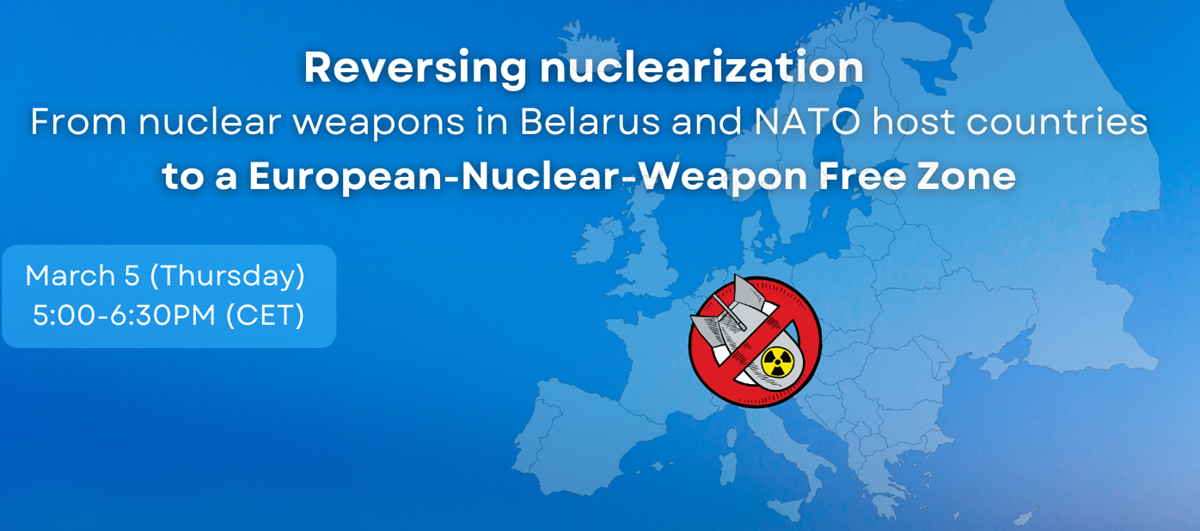
5 March -Online – Reversing nuclearization:
From nuclear weapons in Belarus and NATO host countries to a European-Nuclear-Weapon Free Zone
11am-12:30pm Eastern Time USA / 5pm-6:30pm CET

of the week – Advocating for a
nuclear free beach – https://www.samuellawrencefoundation.org/
The Samuel Lawrence Foundation advocates for a Nuclear Waste Free Beach at San Onofre, join us and take action!

10 March A LIVE WEBINAR THE REAL EFFECTS OF NUCLEAR POWER
What the Industry Isn’t Telling Us
1:00 PM Mountain, 2 pm Central, 3 pm Eastern. Live on the Keepers of the Water Facebook page

18 March Webinar @ 1 PM EST: An Assessment of SMR Projects: The Case of Canada
register for the zoom:
https://us02web.zoom.us/webinar/register/WN_o8BIIOUvQ2ONJR1nta65DQ#/registration

of the week – STOP SMALL MODULAR REACTORS IN CANADA
To see nuclear-related stories in greater depth and intensity – go to https://nuclearinformation.wordpress.com
-
Archives
- March 2026 (51)
- February 2026 (268)
- January 2026 (308)
- December 2025 (358)
- November 2025 (359)
- October 2025 (376)
- September 2025 (258)
- August 2025 (319)
- July 2025 (230)
- June 2025 (348)
- May 2025 (261)
- April 2025 (305)
-
Categories
- 1
- 1 NUCLEAR ISSUES
- business and costs
- climate change
- culture and arts
- ENERGY
- environment
- health
- history
- indigenous issues
- Legal
- marketing of nuclear
- media
- opposition to nuclear
- PERSONAL STORIES
- politics
- politics international
- Religion and ethics
- safety
- secrets,lies and civil liberties
- spinbuster
- technology
- Uranium
- wastes
- weapons and war
- Women
- 2 WORLD
- ACTION
- AFRICA
- Atrocities
- AUSTRALIA
- Christina's notes
- Christina's themes
- culture and arts
- Events
- Fuk 2022
- Fuk 2023
- Fukushima 2017
- Fukushima 2018
- fukushima 2019
- Fukushima 2020
- Fukushima 2021
- general
- global warming
- Humour (God we need it)
- Nuclear
- RARE EARTHS
- Reference
- resources – print
- Resources -audiovicual
- Weekly Newsletter
- World
- World Nuclear
- YouTube
-
RSS
Entries RSS
Comments RSS
 nuclear-news