Fans of peace call for nuclear-free Northeast Asia

https://cathnews.com/2024/08/14/fans-of-peace-call-for-nuclear-free-northeast-asia/
A three-nation Catholic peace meeting in Japan has appealed for an end to militarisation and nuclear arms race in Northeast Asia. Source: UCA News.
In a joint press statement on August 10, the participants of the Catholic Peace Forum at Nagasaki also released the “Nagasaki Appeal for Peace”, seeking peace and reconciliation in the region.
In his keynote address, Bishop Emeritus Peter Kang U-il of Jeju, co-president of Pax Christi Korea, recalled the atomic bombings of Hiroshima and Nagasaki during World War II and urged Christians to denounce militarisation.
“Political leaders who believe in and promote security through nuclear weapons in the face of such human tragedies can only be seen as prisoners of madness, incapable of normal thinking,” Bishop Kang said.
“It is up to Christians, who know and practice the peace of Christ, to constantly criticise and call attention to such illusions and beliefs so that they may be awakened.”
This year’s forum, themed “Nagasaki Catholic Peace Forum for a Nuclear Weapon-Free World,” was attended by more than 40 participants from Japan, South Korea, and the US.
Bishops of Nagasaki, Hiroshima, and Santa Fe dioceses were among the forum participants.
The forum was held as part of the 79th anniversary of the atomic bombings in Japan and the first anniversary of the Partnership for a World Without Nuclear Weapons, which was launched on August 9, 2002.
The forum’s appeal consisted of five “Key Asks” that were aimed at reducing militarisation and nuclear weaponry and promoting reconciliation in the region.
The forum urged to stop and reject militarisation and the arms race, a peace treaty among parties to the conflicts on the Korean peninsula, and ratify and implement the Treaty on the Prohibition of Nuclear Weapons, among others.
The forum also called for the promotion of a Common Security Framework and the Northeast Asia Nuclear Weapons Free Zone and reconciliation among the nations and peoples of the countries of past conflicts.
FULL STORY
Latest leak accident in Fukushima ‘once again exposes management chaos of TEPCO’
By Liu Xin Aug 14, 2024 https://www.globaltimes.cn/page/202408/1318029.shtml
The recent report of 25 tons of radioactive water leaking from Tokyo Electric Power Company (TEPCO)’s troubled Fukushima Daiichi Nuclear Power Plant once again exposes TEPCO’s internal management chaos. It also highlights the unreliability and risks associated with Japan’s moves to dump nuclear-contaminated wastewater into the sea, analysts said.
Approximately 25 tons of water containing radioactive materials leaked into the spent fuel cooling pool of Reactor Unit 2 in the Fukushima plant. TEPCO has stopped water injection into the pool and is investigating the cause of the leak. To ascertain the precise location of the leak and its underlying cause, TEPCO plans to deploy robotic equipment for an inspection scheduled for this week, Japanese media NHK reported on Tuesday.
Although TEPCO claims that there has been no discharge into the outside environment, the report raises concerns about Japan’s current practice of dumping nuclear-contaminated wastewater into the sea given TEPCO’s notorious history of cover-ups related to the Fukushima disaster, analysts said.
This incident exposes TEPCO’s internal management chaos and disorganization. Lü Chao, a research fellow at the Liaoning Academy of Social Sciences said that both TEPCO and the Japanese government bear major responsibility for handling the Fukushima nuclear-contaminated wastewater and should be transparent about any incident that has occurred in Fukushima.
Despite using the International Atomic Energy Agency (IAEA)’s report as a shield, Japan continues to dump nuclear-contaminated wastewater into the ocean, disregarding objections from neighboring countries and calls for international oversight. If this attitude continues, it could lead to further catastrophic incidents, causing severe and irreversible damage to the ocean and the environment, Lü told the Global Times on Wednesday.
As of press time on Wednesday, IAEA has not responded to Global Times’ inquiries on the incident.
This is not the first time this has happened in the Fukushima plant. In February, approximately 5.5 tons of wastewater, which may contain 22 billion becquerels of radioactive materials such as cesium and strontium have leaked from equipment at the nuclear power plant. Also, in October, 2023, five workers were accidentally splashed with liquid containing radioactive materials while cleaning at the Fukushima No. 1 nuclear power plant, according to Japanese media.
On August 7, despite persistent opposition at home and abroad, Japan started its eighth round of dumping of nuclear-contaminated wastewater into the Pacific Ocean. In response, the spokesperson for the Chinese Embassy in Japan said in a statement that Japan is irresponsibly shifting potential pollution risks onto the entire world. It is continuously discharging nuclear-contaminated wastewater into the ocean without addressing international concerns about the safety of the discharge, the long-term reliability of the purification equipment and the effectiveness of monitoring arrangements.
The spokesperson urged Japan to fully cooperate in establishing a comprehensive, independent and effective long-term international monitoring arrangement involving relevant stakeholders, including neighboring countries.
Fukushima nuclear fuel debris retrieval to start as early as August
August 14, 2024 (Mainichi Japan)
The operator of the crippled Fukushima nuclear power plant plans to begin
retrieving debris that contains melted nuclear fuel at one of the three
meltdown-hit reactors as early as this month, with the unit to be the first
to undergo the procedure. The removal of the radioactive debris is
considered one of the most challenging tasks in decommissioning the
Fukushima Daiichi plant, whose reactors were severely damaged by the loss
of cooling functions triggered by the 2011 earthquake and tsunami in
northeastern Japan.
https://mainichi.jp/english/articles/20240814/p2g/00m/0bu/004000c
Fukushima nuclear plant detects 25 tonnes of radioactive water leak
A significant leak of 25 tonnes of radioactive water has been detected within the spent nuclear fuel cooling pool of Reactor Unit 2 at the Tokyo Electric Power Company’s (TEPCO) Fukushima Daiichi Nuclear Power Plant in Okuma, Fukushima Prefecture, Japan, China Media Group (CMG) reported on Tuesday.
The utility company has assured the public that the nuclear-contaminated water has not breached the plant’s containment and that the cooling system for the nuclear fuel remains operational.
To ascertain the precise location of the leak and its underlying cause, TEPCO plans to deploy robotic equipment for an inspection scheduled for this week.
Previously, TEPCO announced on August 9 that equipment related to the spent fuel pool of Reactor Unit 2 had malfunctioned. As a precautionary measure, the cooling system for the spent fuel pool was subsequently halted while investigations into the cause of the malfunction commenced.
Red Cross Hospital in Japan continuing to treat nuclear bomb victims – the hibakusha

The waiting room of the Red Cross hospital in downtown Hiroshima is always
crowded. Nearly every available seat is occupied, often by elderly people
waiting for their names to be called. Many of these men and women don’t
have typical medical histories, however. They are the surviving victims of
the American atomic bomb attack 79 years ago.
Not many Americans have Aug. 6 circled on their calendars, but it’s a day that the Japanese can’t forget. Even now, the hospital continues to treat, on average, 180
survivors — known as hibakusha — of the blasts each day.
When the United States dropped an atomic weapon on Hiroshima on Aug. 6, 1945, the
entire citizenries of both countries were working feverishly to win World
War II. For most Americans, the bomb represented a path to victory after
nearly four relentless years of battle and a technological advance that
would cement the nation as a geopolitical superpower for generations. Our
textbooks talk about the world’s first use of a nuclear weapon.
Many today in Hiroshima and Nagasaki, where the United States detonated a bomb
just three days later, talk about how those horrible events must be the
last uses of nuclear weapons.
New York Times 6th Aug 2024
https://www.nytimes.com/interactive/2024/08/06/opinion/hiroshima-nagasaki-atomic-bombing.html
Remembering Hiroshima and Nagasaki – Nuke weapons for Japan?
August 7, 2024, https://beyondnuclear.org/remembering-hiroshima-and-nagasaki/
During the Hiroshima and Nagasaki commemoration events this week, Japan’s prime minister Fumio Kishida reiterated that despite the widening nuclear threats in the world, “we must continue moving forward” on the path to nuclear disarmament. The remarks come amidst on-going concerns that Japan could quickly develop nuclear weapons given its plutonium stockpile accumulated from its civil nuclear power program and commonly described as Japan’s “bomb in the basement”.
Last year, former US secretary of state Henry Kissinger said that Japan was “heading towards becoming a nuclear power in five years”. Kishida insisted in his remarks this week that Japan will work “towards the realization of a world without nuclear weapons.” Nevertheless, Japan has not signed the Treaty on the Prohibition of Nuclear Weapons.
Meanwhile, far from disarming, the world’s nuclear powers appear to be ramping up their arsenals. “As we mourn the loss of all those killed at Hiroshima and Nagasaki by US atomic bombs, in August 1945, we cannot avoid the fact that we are closer than ever to nuclear war,” writes CND general secretary, Kate Hudson, on Beyond Nuclear International this week. ” This is a bad time for humanity — and for all forms of life on Earth. It’s time for us to stand up and say No: we refuse to be taken into nuclear Armageddon.”
Each year in the greater Washington, DC area, a commemoration is held by the Hiroshima/Nagasaki Peace Committee of the National Capitol Region. In addition to a vigil downtown, an online event was also held this year, featuring speakers Gwen DuBois of Chesapeake Physicians for Social Responsibility; Linda Pentz Gunter of Beyond Nuclear; and Fan Yang of Women’s International League for Peace and Freedom and hosted by John Steinbach. A highlight of the event — available to watch on YouTube — were remarks made by Hiroshima survivor, Hideko Tamara. Contributions were also made by Melvin Hardy, Dennis Nelson, Ellen Thomas and James Wagner. Hardy described how children from All Souls Church Unitarian sent art supplies to Hiroshima children who then sent some of their pictures back to All Souls. (One is pictured in the headline image.) Many decades later, a trip was made to Hiroshima with the drawings and paintings for a meeting with some of the original artists. A film, Pictures from a Hiroshima Schoolyard, tells this moving story.
In Toronto, Canada, an exhibition was held of 100 photos commemorating the atomic bombings of Hiroshima and Nagasaki, including five taken by the only Japanese photographer present on the day in Hiroshima. All of the photos can be viewed on line. Read the article about the exhibition on Beyond Nuclear International.
The Nagasaki Peace Declaration 9 August 2024
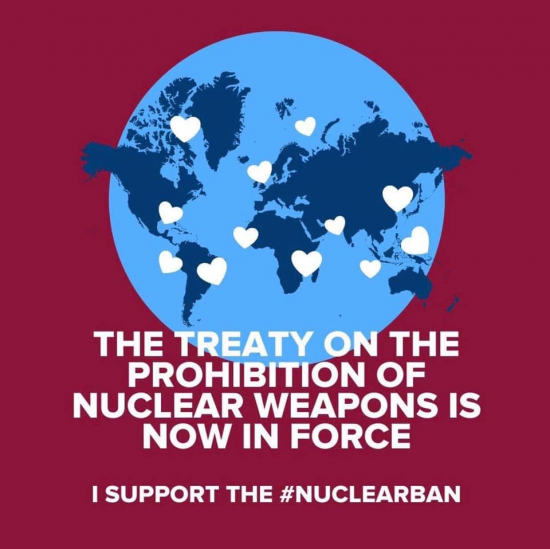
we call for the Japanese government to sign and ratify the Treaty on the Prohibition of Nuclear Weapons as soon as possible.
Everyone in the world, we are “global citizens” who live in the
huge community of Earth.
we call for the Japanese government to sign and ratify the Treaty on the Prohibition of Nuclear Weapons as soon as possible.
Shiro Suzuki,
Mayor of Nagasaki / First Vice President of Mayors for Peace 9 August 24
People making atomic bombs!
Rest from your work for a while and close your eyes.
It was on August 9, 1945!
An atomic bomb that you had made
Brought houses and assets to naught in a flash,
Completely devastating loving families.
Survivors had to
Recover from scratch
To follow a tough, long road to bloody lives
With deep concern that an “atomic bomb disease” would end
their lives any day and
Infinite grievance over the loss of their families and relatives
Haunting them forever.
This is a quote from a poem by Ms. Fukuda Sumako, a poet from
Nagasaki who was exposed to the atomic bombing at 23 and
devoted the rest of her life to making people aware of the misery
brought by the atomic bomb while combatting atomic bomb
disease.
Since that day, hibakusha, or atomic bomb survivors, have lived
with deep sorrow over the loss of their family members and
friends, scars left on their body, the serious effect of radiation
spoiling cells and causing various symptoms even after many
years, and the hardships of discrimination and life due to being
hibakusha.
Their immense pain and suffering caused by the atomic bombing
were not just of an immediate kind. Instead, hibakusha have
experienced them throughout their lifetime.
Nevertheless, hibakusha have continued to share their
experience of surviving severe hardships with strong
determination to ensure that no one in the world will again have
the same experience as theirs.
Since that day, hibakusha, or atomic bomb survivors, have lived
with deep sorrow over the loss of their family members and
friends, scars left on their body, the serious effect of radiation
spoiling cells and causing various symptoms even after many
years, and the hardships of discrimination and life due to being
hibakusha.
Their immense pain and suffering caused by the atomic bombing
were not just of an immediate kind. Instead, hibakusha have
experienced them throughout their lifetime.
Nevertheless, hibakusha have continued to share their
experience of surviving severe hardships with strong
determination to ensure that no one in the world will again have
the same experience as theirs.
Since that day, hibakusha, or atomic bomb survivors, have lived
with deep sorrow over the loss of their family members and
friends, scars left on their body, the serious effect of radiation
spoiling cells and causing various symptoms even after many
years, and the hardships of discrimination and life due to being
hibakusha.
Their immense pain and suffering caused by the atomic bombing
were not just of an immediate kind. Instead, hibakusha have
experienced them throughout their lifetime.
Nevertheless, hibakusha have continued to share their
experience of surviving severe hardships with strong
determination to ensure that no one in the world will again have
the same experience as theirs.
To achieve this, please visit the atomic-bombed cities and listen
carefully and conscientiously, as an individual, to hibakusha
sharing their pain and thoughts.
We also call for your dialogue and diplomatic efforts to explore a
path toward peaceful solutions, no matter how difficult the path is,
instead of choosing a path toward arms expansion or threats of
force.
The government of Japan, the only state attacked by atomic
bombs in war, must express a serious attitude of pursuing a world
without nuclear weapons.
As a step toward this, we call for the Japanese government to
sign and ratify the Treaty on the Prohibition of Nuclear Weapons
as soon as possible.
We also call for the Japanese government to firmly uphold the
principle of peace embodied in the Constitution of Japan and to
demonstrate its leadership in international efforts to ease the
heightened tension in Northeast Asia and advance disarmament
in the region, such as the Northeast Asia Nuclear-Weapon-Free
Zone initiative.
Moreover, we strongly request that further enhanced aid be given
to hibakusha, whose average age exceeds 85, and that relief
measures be adopted as soon as possible for those who were
exposed to the atomic bombings but have not yet been officially
recognized as hibakusha.
Everyone in the world, we are “global citizens” who live in the
huge community of Earth.
Imagine what would happen if a conflict like those found in the
current world escalated to bring about a nuclear war. It would
have a devastating impact not only on the lives of people but also
on the global environment, imposing a grave threat to the
existence of humankind.
That is why the abolition of nuclear weapons is an absolute
requirement for the survival of humankind, which can be viewed
as a prerequisite for the Sustainable Development Goals (SDGs)
striven for by the international community.
Nagasaki has recently seen increasing vigour of long-term efforts
to achieve a world without nuclear weapons, mainly among
younger generations. In May of this year, a peace-focused forum
supported by One Young World, a global community for young
leaders that is dubbed as the “junior Davos,” was held in
Nagasaki for the first time.
Circles of younger generations around the world working together
as leaders have expanded to various regions. They are the light
of our hope of building a sustainable and peaceful future.
People making peace!
Even if each of you has only a little power, you are never
powerless.
If we as global citizens speak up and work together, we will surely
overcome the current difficult situation. If we share our wisdom
with each other and partner with each other irrespective of any
difference in nationality, religion, race, gender, or generation, we
will surely fulfil our future vision.
Nagasaki firmly believes so.
I would like to express my deepest condolences for the lives
claimed by the atomic bombings.
Nagasaki will disseminate throughout the world a culture of
peace, that is, a culture of respecting others, fostering mutual
trust, and striving for solutions through dialogue in collaboration
with global citizens who hope to contribute to peace making.
I hereby declare that Nagasaki will continue its tireless efforts to
abolish nuclear weapons and realize permanent world peace so
that Nagasaki remains the last place to suffer an atomic bombing.
Japan starts 8th ocean discharge of Fukushima nuclear-tainted wastewater
Xinhua, 2024-08-08 09
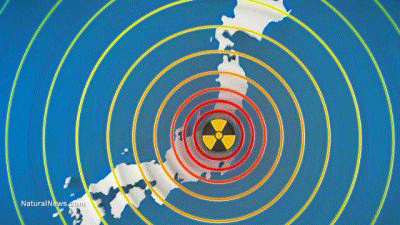
TOKYO, Aug. 8 (Xinhua) — Despite persistent opposition at home and abroad, Japan on Wednesday started its eighth round of release of nuclear-contaminated wastewater from the crippled Fukushima Daiichi Nuclear Power Plant into the Pacific Ocean.
Tokyo Electric Power Company (TEPCO), the plant’s operator, will discharge about 7,800 tons of wastewater from storage tanks into the Pacific Ocean until Aug. 25.
The Chinese Embassy in Japan on Wednesday expressed firm opposition to this irresponsible move of ocean discharge, noting that discharge concerns the health of all mankind, the global marine environment and the international public interests, and is by no means a private matter for Japan.
Japan starts 8th ocean discharge of Fukushima nuclear-tainted wastewater
Source: Xinhua
Editor: huaxia
2024-08-08 09:23:15
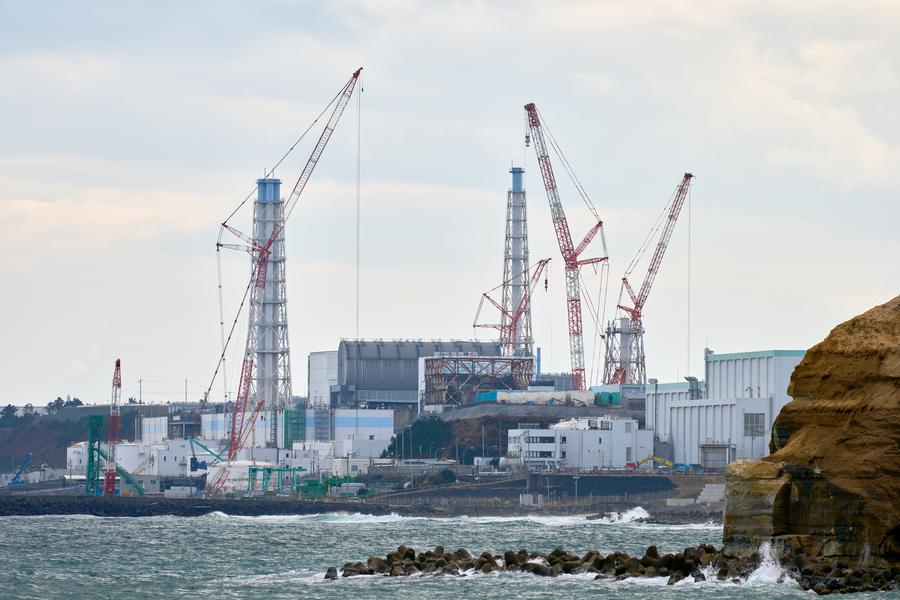
TOKYO, Aug. 8 (Xinhua) — Despite persistent opposition at home and abroad, Japan on Wednesday started its eighth round of release of nuclear-contaminated wastewater from the crippled Fukushima Daiichi Nuclear Power Plant into the Pacific Ocean.
Tokyo Electric Power Company (TEPCO), the plant’s operator, will discharge about 7,800 tons of wastewater from storage tanks into the Pacific Ocean until Aug. 25.
The Chinese Embassy in Japan on Wednesday expressed firm opposition to this irresponsible move of ocean discharge, noting that discharge concerns the health of all mankind, the global marine environment and the international public interests, and is by no means a private matter for Japan.
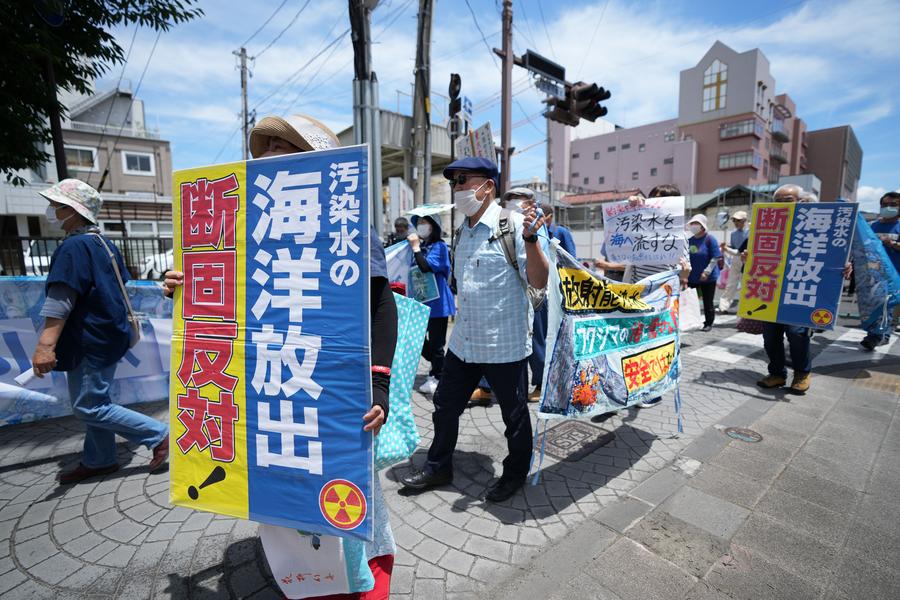
Without addressing the international community’s concerns about the safety of such discharges, the long-term reliability of purification facility, and the effectiveness of monitoring arrangements, Japan’s continued release of nuclear-contaminated water into the ocean shifts the risk of potential contamination to the whole world, a spokesperson for the embassy said.
The spokesperson called on the Japanese side to fully cooperate in setting up an independent international monitoring arrangement that remains effective in the long haul and has substantive participation of stakeholders…………………… more https://english.news.cn/20240808/34fcc4b7f0054fc6a525823c411acbe1/c.html
South Korean nuclear weapons would break U.S. ties, Japan’s defense chief says
Japan Times, By Hyonhee Shin and Josh Smith
Reuters Aug 8, 2024, SEOUL –
South Korea could rupture its U.S. alliance and shock financial markets if it started building nuclear weapons, Defense Minister Shin Won-sik said, dismissing renewed domestic calls for the country’s own arsenal to deter North Korea.
As the neighboring North rapidly expands nuclear and missile capabilities, more South Korean officials and members of President Yoon Suk-yeol’s conservative ruling party have called in recent months for developing nuclear weapons.
The prospect of another term for former U.S. President Donald Trump, who complained about the cost of the U.S. military presence in South Korea and launched unprecedented talks with the North, has further fueled the debate………………..subscribers only https://www.japantimes.co.jp/news/2024/08/08/asia-pacific/politics/south-korean-nuclear-weapons-us/
The Impact of Nuclear Weapons on Children

Content warning: This report includes graphic stories, illustrations and photographs of extreme violence committed against children; detailed descriptions of children’s injuries, suffering and deaths; references to mental illness, suicide and child neglect; and stories of harm inflicted on pregnant women resulting in miscarriages and stillbirths.
Contents
Part I The Children of Hiroshima and Nagasaki
Part II Children Harmed by Nuclear Testing
Every day, children are killed or injured in armed conflicts around the world. Thousands of children – including many babies – are now counted among the dead in the ongoing wars in Gaza and Ukraine: a blight on humanity.
In both cases, the main perpetrators of violence against children are states armed with nuclear weapons; and in any war involving one or more such states, there is an inherent risk of nuclear catastrophe.
As this report shows in compelling and often gut-wrenching detail, it is children who would suffer the most in the event of a nuclear attack against a city today.
The Impact of Nuclear Weapons on Children is a dire warning to the governments of all nuclear-armed states and to the global public that urgent action is needed to rid the world of nuclear weapons.
By sharing the stories of children killed or injured in the US atomic bombings of Hiroshima and Nagasaki in 1945 and of children harmed by nuclear tests, we hope to honour them and ensure that no one else ever suffers as they have.
Hon. Melissa Parke, Executive Director, ICAN, August 2024
Executive Summary
Nuclear weapons are designed to destroy cities; to kill and maim whole populations, children among them.
In a nuclear attack, children are more likely than adults to die or suffer severe injuries, given their greater vulnerability to the effects of nuclear weapons: heat, blast and radiation. The fact that children depend on adults for their survival also places them at higher risk of death and hardship in the aftermath of a nuclear attack, with support systems destroyed.
Tens of thousands of children were killed when the United States detonated two relatively small nuclear weapons (by today’s standard) over the Japanese cities of Hiroshima and Nagasaki in 1945.
Many were instantly reduced to ash and vapour. Others died in agony minutes, hours, days or weeks after the attacks from burn and blast injuries or acute radiation sickness. Countless more died years or even decades later from radiation-related cancers and other illnesses. Leukaemia – cancer of the blood – was especially prevalent among the young.
In Hiroshima and Nagasaki, the scenes of devastation were apocalyptic: Playgrounds scattered with the dead bodies of young girls and boys. Mothers cradling their lifeless babies. Children with their intestines hanging out of their bellies and strips of skin dangling from their limbs.
At some of the schools close to ground zero, the entire student population of several hundred perished in an instant. At others, there were but a few survivors. In Hiroshima, thousands of school students were working outside to create firebreaks on the morning of the attack. Approximately 6,300 of them were killed.
Those children who, by chance, escaped death carried with them severe physical and psychological scars throughout their lifetimes. What they witnessed and experienced on 6 August and 9 August 1945 and in the days that followed was permanently seared into their memories.
Thousands of children lost one or both parents, as well as siblings. Some “A-bomb orphans” were left to roam the streets, with orphanages exceeding capacity.
Many of the babies who were in their mothers’ wombs at the time of the atomic bombings were also harmed as a result of their exposure to ionising radiation. They had a greater risk of dying soon after birth or suffering from congenital abnormalities such as brain damage and microcephaly, as well as cancers and other illnesses later in life.
Pregnant women in Hiroshima and Nagasaki also experienced higher rates of spontaneous abortions and stillbirths.
In communities around the world exposed to fallout from nuclear testing, children have experienced similar harm from radiation.
Since 1945, nuclear-armed states have conducted more than two thousand nuclear test explosions at dozens of locations, dispersing radioactive material far and wide.
Among the general population, children and infants have been the most severely affected, due to their higher vulnerability to the effects of ionising radiation. Young children are three to five times more susceptible to cancer in the long term than adults from a given dose of radiation, and girls are particularly vulnerable.
In the Marshall Islands, where the United States conducted 67 nuclear tests, children played in the radioactive ash that fell from the sky, unaware of the danger. They called it “Bikini snow” – a reference to the atoll where many of the explosions took place. It burned their skin and eyes, and they quickly developed symptoms of acute radiation sickness.
For decades after the tests, women in the Marshall Islands gave birth to severely deformed babies at unusually high rates. Those born alive rarely survived more than a few days. Some had translucent skin and no discernible bones. They would refer to them as “jellyfish babies”, for they could scarcely be recognised as human beings.
Similar stories have been told by people living downwind or downstream of nuclear test sites in the United States, Kazakhstan, Ma’ohi Nui, Algeria, Kiribati, China, Australia and elsewhere.
We have a collective moral duty to honour the memories of the thousands of children killed in Hiroshima and Nagasaki, as well as those harmed by the development and testing of nuclear weapons globally. And we must pursue the goal of a nuclear-weapon-free world with determination and urgency, lest there be any more victims, young or old.
Under international humanitarian law and the Convention on the Rights of the Child, governments have a legal obligation to protect children against harm in armed conflict. To fulfil this obligation, it is imperative that they work together now to eliminate the scourge of nuclear weapons from the world.
In this report, we describe how nuclear weapons are uniquely harmful to children, based on the experiences of children in Hiroshima and Nagasaki and those living near nuclear test sites. We share their first-hand testimonies and depictions of the toll of nuclear weapons on their lives. And we explain how the ever-present fear of nuclear war – the possibility that entire cities might be destroyed at any given moment – causes psychological harm to children everywhere.
Finally, we make an urgent appeal to all governments to protect current and future generations of children by eliminating nuclear weapons, via the landmark UN Treaty on the Prohibition of Nuclear Weapons, which entered into force in 2021.
Key findings
So long as nuclear weapons exist in the world, there is a very real risk that they will be used again, and that risk at present appears to be increasing.
In the event of their use, it is all but certain that many thousands of children – perhaps hundreds of thousands or more – would be counted among the dead and injured, and they would suffer in unique ways and out of proportion to the rest of the population.
In a nuclear attack, children would be more likely than adults:
- To die from burn injuries, as their skin is thinner and more delicate and burns deeper, more quickly and at a lower temperature;
- To die from blast injuries, given the relative frailty of their smaller bodies;
- To die from acute radiation sickness, as they have more cells that are growing and dividing rapidly and are significantly more vulnerable to radiation effects;
- To be unable to free themselves from collapsed and burning buildings or take other steps in the aftermath that would increase their chances of survival;
- To suffer from leukaemia, solid cancers, strokes, heart attacks and other illnesses years later as a result of the delayed effects of radiation damage to their cells; and
- To suffer privation in the aftermath of the attacks, as well as psychological trauma leading to mental disorders and suicide.
Furthermore, babies who were in their mothers’ wombs at the time of the attack would be at greater risk of:
- Death soon after birth or in early childhood;
- Microcephaly, accompanied by intellectual disability, given the higher vulnerability of the developing brain to radiation damage;
- Other developmental abnormalities;
- Growth impairment due to the reduced functioning of the thyroid; and
- Cancers and other radiation-related illnesses during childhood or later in life.
These horrifying realities should have profound implications for policy-making in countries that currently possess nuclear weapons or those that support their retention as part of military alliances.
They should also prompt organisations dedicated to the protection of children and the promotion of their rights to work to address the grave global threat posed by nuclear weapons.
While children played no part in developing these doomsday devices, it is children who would suffer the most in the event of their future use – one of the myriad reasons why such weapons must be urgently eliminated………………………………………………………………………………………………………………………………………………………….. more https://www.icanw.org/children?utm_campaign=2024_children_launch_an&utm_medium=email&utm_source=ican
Hiroshima inviting Israel to attend nuclear bombing anniversary ‘very unfortunate,’ says scholar
Hope Nagasaki’s refusal to invite Israel to its peace event to mark US bombing of Japan ‘makes some kind of impact on the world,’ Richard Falk tells Anadolu
Riyaz ul Khaliq |05.08.2024, https://www.aa.com.tr/en/asia-pacific/hiroshima-inviting-israel-to-attend-nuclear-bombing-anniversary-very-unfortunate-says-scholar/3296156
An invitation for Israel to attend an annual peace event in Hiroshima to mark the US nuclear bombing of the Japanese city was “very unfortunate,” a leading legal scholar told Anadolu.
“It is very unfortunate that Hiroshima does not grasp the fact it was victimized in a way Palestinian people have been victimized by Israel,” said Richard Falk, an American professor emeritus of international law at Princeton University.
Falk’s comments to Anadolu come as the cities of Hiroshima and Nagasaki will be commemorating 79th anniversary of 1945 atomic bombing by the US this week.
While Nagasaki has refused to invite Tel Aviv, Hiroshima will be hosting Israeli officials on Tuesday.
Nagasaki will be holding a similar event on Friday.
The US dropped nuclear bombs on Hiroshima, the site of the world’s first atomic bombing, on Aug. 6, 1945, and then Nagasaki, resulting in the deaths of at least 140,000 people by the end of that year.
“And what Nagasaki is doing by not inviting Israel to its observance of the bombing in World War II is to make a statement that it does not want to be identified with a government that behaves that way,” Falk said, referring to Israel’s treatment of Palestinians, including its ongoing brutal offensive on the Gaza Strip.
“That is a very important lesson for the world and is a very interesting way of highlighting two ways of relating to Israel” amid the war on Gaza, said Falk, who in past served as UN special rapporteur on occupied Palestinian territory. “I hope it makes some kind of impact on the world.”
Japan has refused to invite Russia and Belarus to similar events as Moscow has been waging war on Ukraine since February 2022.
Hiroshima’s local administration has invited Tel Aviv despite accusations of double standards and activists pressing authorities to backtrack on the move.
Local authorities in Hiroshima have called for an “immediate cease-fire in the Palestinian territory.”
Several demonstrations have been held against Israel’s participation in the program on Tuesday.
Israeli war on Gaza ‘changed discourse in Japan’
Saul Takahashi, professor of human rights and peace studies at Osaka Jogakuin University, told Anadolu that there has been “lot of protests and lots of discussions” in Japan about Hiroshima’s decision to invite Israel.
This event is where all the countries in the world come together and pray for peace.
So “how can it be that a country that has been found by International Court of Justice to plausibly be committing genocide … how can it be we invite them (Israel). This is outrageous,” Takahashi told Anadolu.
He said the genocide in Gaza has “changed discourse in Japan for sure.”
“People are much more mindful, they are much more paying attention to the Palestine question … in particular young people and that is big, really big,” said the academic.
Recalling his pre-Oct. 7 lectures on Palestine, which were mostly attended by older individuals, Takahashi said: “I was concerned about the future of the movement (regarding Palestine in Japan).”
“But it is completely different. You have young people in the streets, every week and not just in Tokyo but also in smaller cities and that is very big.”
Last week, both Iran and Hamas accused Israel of assassinating Ismail Haniyeh, the head of Hamas’ political bureau, in Iran’s capital Tehran, an accusation that Israel has neither confirmed nor denied. However, Israeli Prime Minister Benjamin Netanyahu hinted at Israel’s involvement.
Israel, flouting a UN Security Council resolution demanding an immediate cease-fire, has faced international condemnation amid its continued brutal offensive on Gazasince an attack last October by the Palestinian resistance group Hamas.
Nearly 39,600 Palestinians have since been killed, mostly women and children, and nearly 91,400 injured, according to local health authorities.
Almost 10 months into the Israeli war, vast tracts of Gazalie in ruins amid a crippling blockade of food, clean water and medicine.
Israel stands accused of genocide at the International Court of Justice, which ordered it to immediately halt its military operation in the southern city of Rafah, where more than 1 million Palestinians had sought refuge from the war before it was invaded on May 6.
Japan, U.S. urged to work for nuclear abolition at symposium
By NAOKI NAKAYAMA/ Staff Writer, July 28, 2024
NAGASAKI–Japan and the United States have a “special responsibility” to lead efforts to abolish nuclear weapons, the head of a U.S. nongovernmental organization told a 30th international peace symposium.
Ivana Hughes, president of the Nuclear Age Peace Foundation, was speaking at the “International Symposium for Peace: The Road to Nuclear Weapons Abolition” held at the Nagasaki Atomic Bomb Museum on July 27.
She said damage from radiation is still an issue in the Marshall Islands in the Pacific Ocean 70 years after the largest U.S. hydrogen bomb test at Bikini Atoll.
“After all, although for different reasons, the United States and Japan both have a special responsibility to not only join the Treaty on the Prohibition of Nuclear Weapons, but to lead efforts toward its full and complete implementation and total elimination of nuclear weapons,” Hughes said as she wound up her keynote speech.
Many speakers felt that the global situation surrounding nuclear weapons has deteriorated over the past 30 years, with nuclear disarmament stalled, and expressed concerns about growing international tensions, citing Russia’s war in Ukraine and the Israel-Hamas conflict.
“We should think about nuclear abolition from the perspective of the security of ‘mankind,’ not of nations,” said Mitsuru Kurosawa, an expert on nuclear disarmament and professor emeritus at Osaka University.
Batyrkhan Kurmanseit, minister-counselor at the Kazakhstan Embassy in Japan, said Kazakhstan is the only former Soviet republic that ratified the Treaty on the Prohibition of Nuclear Weapons. He said an international framework for nuclear abolition has never been more needed than right now.
The Asahi Shimbun has been a co-sponsor of the annual symposium, which has alternately been held in Hiroshima and Nagasaki with the municipal governments and local peace organizations every summer since 1995.
Terumi Tanaka, a hibakusha atomic bomb survivor and co-chair of the Japan Federation of A- and H-Bomb Sufferers Organization (Nihon Hidankyo), and Seiko Mimaki, an associate professor at Doshisha University’s graduate school specializing in U.S. politics and diplomacy, also participated in the symposium’s panel discussion.
In a speech, Kan Sang-jung, president of Chinzei Gakuin University in Nagasaki Prefecture, emphasized the importance of listening to hibakusha, saying that many lives have been lost as countries clash over what they believe is just amid the post-Cold War rise of nationalism.
Hibakusha Shizuko Mitamura read a hand-made picture card show that tells the story of what happened to her on Aug. 9, 1945, when the city of Nagasaki was leveled by atomic bombing, and the loss of her daughter to cancer in 2010, when she was 39.
‘True horror’: Japan’s Hiroshima atomic bomb survivor campaigns for a nuclear-free world
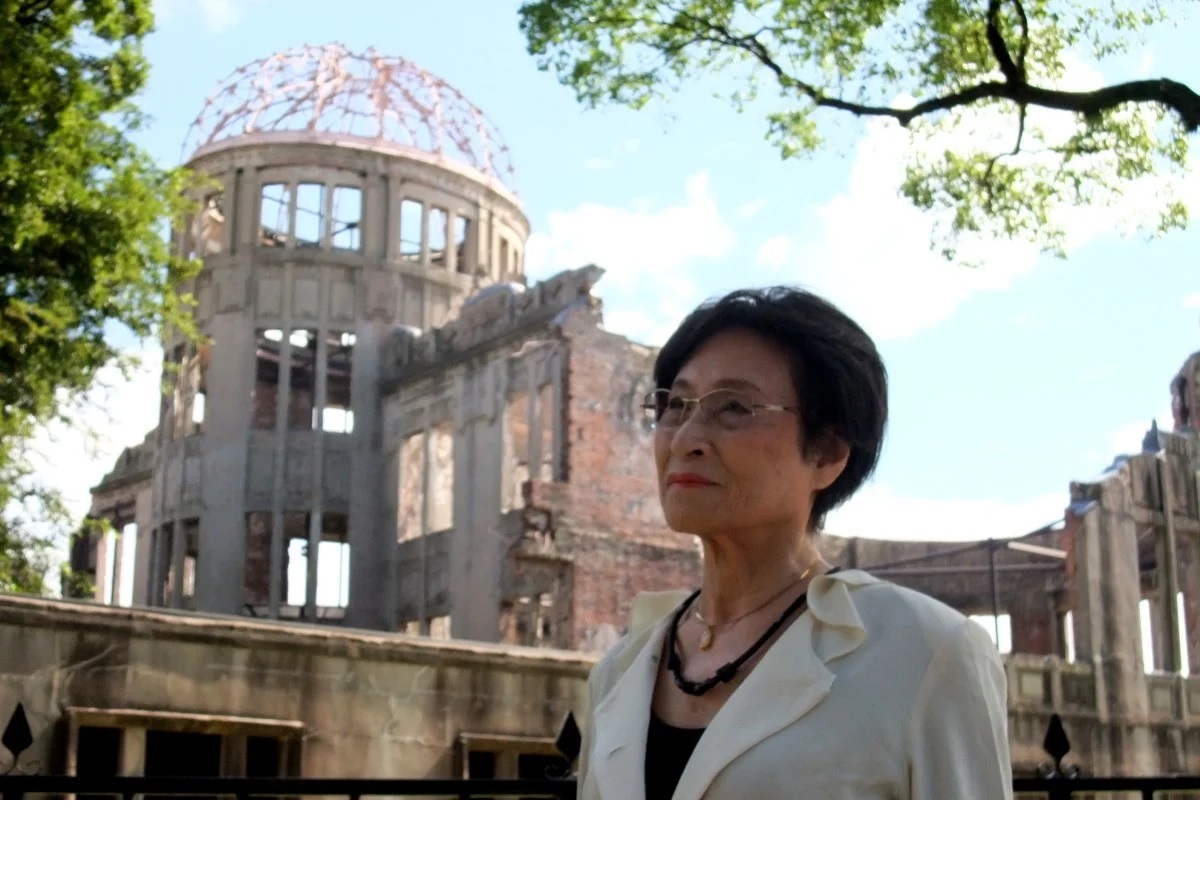
Bun Hashizume, 93, who has written poems about her descent into ‘hell’ after the bombing, has travelled the world to spread her message
Norman Aisbett, SCMP, 3 Aug 24,
What I feel the most about these days is human stupidity,” says 93-year-old Bun Hashizume, from her home in the Japanese temple city of Kamakura.
“I was a victim of the first atomic bomb in human history and I have advocated throughout my life for the abolition of nuclear weapons, but the world leaders still do not understand their true horror.
“Even my poems cannot describe it.”
Rewind to 8.15am on August 6, 1945 in the final throes of World War II.
A US atomic bomb named “Little Boy” was dropped from a B-29 aircraft and exploded at low altitude over the city of Hiroshima. With a blast force equal to 16 kilotons of TNT, it destroyed most buildings and caused mass death and injury.
Then aged 14, Hashizume was a war-mobilised school student working in the four-storey reinforced-concrete Savings Bureau building about 1.5km from the hypocentre of the blast.
Looking back, she recalls a third-floor window being filled “with a sudden flash of light that was so bright I thought the sun had fallen at my feet. A thousand rainbows all at once seemed to explode before my eyes”. And how, after being briefly unconscious and bleeding heavily from a head wound, she staggered downstairs among other workers looking “like a parade of ghosts with wildly dishevelled hair and sooty bodies”.
Once outside the building, it was a regular employee, Tomoyanagi, who “half-carried” her to a nearby Red Cross Hospital, where more shocking scenes and high drama followed.
Hashizume is today the author of The Day the Sun Fell – Memoirs of a Survivor of the Atomic Bomb – translated by Susan Bouterey – which closely details her and her family’s horrific experiences and also explains her present-day opposition to “dangerous” nuclear power plants, which she emphasises during this Australian writer’s long-distance interview with her, via a Japanese interpreter-admirer.
Her drive was such that, at age 70, she began her solo pilgrimages to many countries over 15 years to “become a citizen of the world” and share her anti-nuclear views. With only her aged pension to buy airline tickets and stay in youth hostels, she spoke to anyone or group willing to listen, including schoolchildren. Everywhere, people were also touched by her genuine personal warmth and quiet charm. A small booklet she handed out was entitled, “Fellow Humans! Let Us Foster Love and Wisdom.”
Right now, though, she is homebound due to A-Bomb-related health issues that have plagued her life. She tells of having endured “lifelong” rheumatism, chronic kidney disease, thyroid cancer and more. The past 20 years have also brought numerous breaks of radiation-weakened ribs, collarbones and three compressed fractures of her spine after a fall in Norway in 2003.
She is unable to go outside alone. There are twice-weekly visits to a hospital and three transports per week to a rehabilitation clinic. “Otherwise I’m on my bed reading the newspapers, with care from my eldest son and his family, who live with me.”
Her activist spirit nevertheless endures. She cites recent-times threats of nuclear strikes by North Korea if threatened; by Russia amid the Ukraine war; and an Israeli cabinet minister’s suggestion to nuke Hamas in Gaza The minister was promptly sacked by his embarrassed government which has never admitted that it has nuclear weapons – and subsequent high tensions and conflict between arch-enemies Israel and Iran.
{I believe that nuclear weapons should never be used, stockpiles should be completely abolished, and the Japanese government should join and ratify the Treaty on the Prohibition of Nuclear Weapons as soon as possible,” she says. “It’s no wonder they are being been used as a threat.” She further notes that nine nations have nuclear weapons, but the warheads of only two nations – Russia (5,890) and the US (5,224) – “are enough to destroy all life on Earth several times over”.
A major disappointment for her was the 28th United Nations Climate Change Conference (Cop28) in Dubai when 23 nations including the US and Japan declared they would triple the generation of their nuclear power plants to achieve zero greenhouse gas emissions by 2050.
“It is shocking that Japan joined this dangerous proposal despite the fact that the world’s pervasive emphasis on economic growth, baseless absolute trust in science and technology, and limitless pursuit of energy collapsed in Fukushima in 2011,” she says…………………………………………
After Tomoyanagi left to find her own family, a 16-year-old boy Yoshiaki Iida, who was unknown to Hashizume, helped her outside just before flames engulfed the whole building.
However, she later heard that her brother, Hideo, seven, had died after his back caught fire in an instant when hit from behind by the scorching A-Bomb blast in a school playground. Her other family members survived but with bad injuries and other health problems. Younger sister Shizuko, nine, had been evacuated to a temple when she was struck by the blast wave. Years of radiation sickness caused her suicide at age 19. Older sister Mitsuko, 19, suffered “ghastly” facial wounds at her grandmother’s house.
What does Hashizume remember most after the explosion? She replies: “The complete silence and the smell of burnt corpses that filled the air.”………………………………………………………………………………………………
The Day the Sun Fell – Memoirs of a Survivor of the Atomic Bomb by Bun Hashizume (translated by Susan Bouterey) is published by Austin Macauley Publishers Ltd and also available on Kindle. https://www.scmp.com/week-asia/people/article/3273031/true-horror-japans-hiroshima-atomic-bomb-survivor-campaigns-nuclear-free-world
Nagasaki decides against inviting Israel to commemorate nuclear bombing of Japan amid war on Gaza
In contrast, another US nuclear bomb-hit Hiroshima city has invited Tel Aviv to annual event
Riyaz ul Khaliq 01.08.2024, ISTANBUL https://www.aa.com.tr/en/asia-pacific/nagasaki-decides-against-inviting-israel-to-commemorate-nuclear-bombing-of-japan-amid-war-on-gaza/3290598
The local government in Nagasaki province declared Wednesday it will not invite Israel to its annual conference to commemorate US nuclear bombing of Japan.
Mayor Shiro Suzuki said Israel would “not be invited to the Aug. 9 annual peace ceremony,” Tokyo-based Kyodo News reported.
The decision to not invite Israel to the event comes on a day Israel assassinated Palestinian resistance group Hamas political chief Ismail Haniyeh at his residence in Iranian capital Tehran.
Nagasaki and Hiroshima cities will be commemorating 79th anniversary of 1945 atomic bombing by the US on Japan next month.
Japan has refused to invite Russia and Belarus for similar conference since Moscow waged war on Ukraine in Feb. 2022.
However, local government in Hiroshima has invited Tel Aviv to its event on Aug. 6.
The local authorities in Hiroshima, however, have called for an “immediate cease-fire in the Palestinian territory.”
The Hiroshima government has come under severe criticism for purported double standards and many activists are pressing the authorities to withdraw the invite to Tel Aviv.
Several programs against Israel’s participation have been planned in the run up to Aug. 6.
Japan has witnessed many demonstrations and protests against Israeli war on Palestinian besieged enclave of Gaza, with calls to ceases military relations with Tel Aviv.
Israel, flouting a UN Security Council resolution demanding an immediate cease-fire, has faced international condemnation amid its continued brutal offensive on Gaza since an Oct. 7, 2023 attack by the Palestinian group Hamas.
At least 39,400 Palestinians have since been killed, mostly women and children, and nearly 91,000 injured, according to local health authorities.
Over nine months into the Israeli onslaught, vast tracts of Gaza lie in ruins amid a crippling blockade of food, clean water and medicine.
Israel is accused of genocide at the International Court of Justice, which ordered it to immediately halt its military operation in the southern city of Rafah, where more than 1 million Palestinians had sought refuge from the war before it was invaded on May 6.
Japan continues search for its first nuclear waste disposal site by screening tiny rural town

by undergoing just the first step of screening, the town can receive grants of up to 2 billion yen (US$12.7 million).
Channel Newws Asia Michiyo Ishida, Louisa Tang 31 July 24
Japan has produced more than 19,000 tonnes of nuclear waste since it began generating atomic energy in the 1960s.
GENKAI, Japan: Cattle farmer Hiroshi Nakayama practically grew up with nuclear power in the rural town of Genkai, which has a population of just under 5,000.
The 56-year-old raises 2,000 black-haired wagyu, selling the best as premium and highly sought after Saga beef.
Even though his hometown in southern Kyushu island may one day become Japan’s final destination for nuclear waste, he brushed off concerns that it would affect his business.
Screening began last month to assess if Genkai, which has hosted a nuclear plant for about five decades, is suitable to serve as the country’s first radioactive waste disposal facility.
“Given Japan’s technology, I do not think there will be environmental contamination. Some people say it is dangerous, but no one has died from (the existence of) the nuclear plant,” Mr Nakayama told CNA…………………………
THIRD SITE TO BE SCREENED
Genkai is the third site to undergo screening after two others in Hokkaido which are still being reviewed. It is the only one among them that hosts a nuclear plant.
Japan needs a radioactive waste disposal facility as it has produced more than 19,000 tonnes of nuclear waste since it began generating atomic energy in the 1960s.
This waste will continue to accumulate in interim storage that is dangerous in the long run.
Nuclear waste needs to be stored at least 300 metres underground for about 100,000 years until radioactivity falls to acceptable levels.
Meanwhile, the entire process to select a permanent disposal site will take about 20 years.
Local authorities have the right to pull out at each stage, but by undergoing just the first step of screening, the town can receive grants of up to 2 billion yen (US$12.7 million).
The process begins with the collection of documents describing the town’s geological features. The central government-linked Nuclear Waste Management Organization will then spend two years studying the documents before publishing a report.
Based on that, local leaders will decide whether to move on to the next step.
MAYOR EXPRESSES MISGIVINGS
Some groups in Genkai, including hotel and restaurant associations, had pushed for their town to be screened by submitting petitions. These were approved by the local assembly which represents residents in Genkai.
While the town’s mayor Shintarou Wakiyama gave the green light in May, he said he has misgivings about a disposal site being built there.
One reason he cited was the size of Genkai – just 36 sq km.
“I thought we are too small and not suitable for hosting a final nuclear waste disposal site,” he added……………………………..
By having Genkai undergo screening, he said he hopes other towns will come forward.
He stressed that his decision to approve the screening was not driven by money, noting that the town’s coffers were already in good shape from substantial payouts due to hosting a nuclear plant. https://www.channelnewsasia.com/east-asia/japan-nuclear-radioactive-waste-disposal-site-screening-genkai-town-4513641
1 This Month
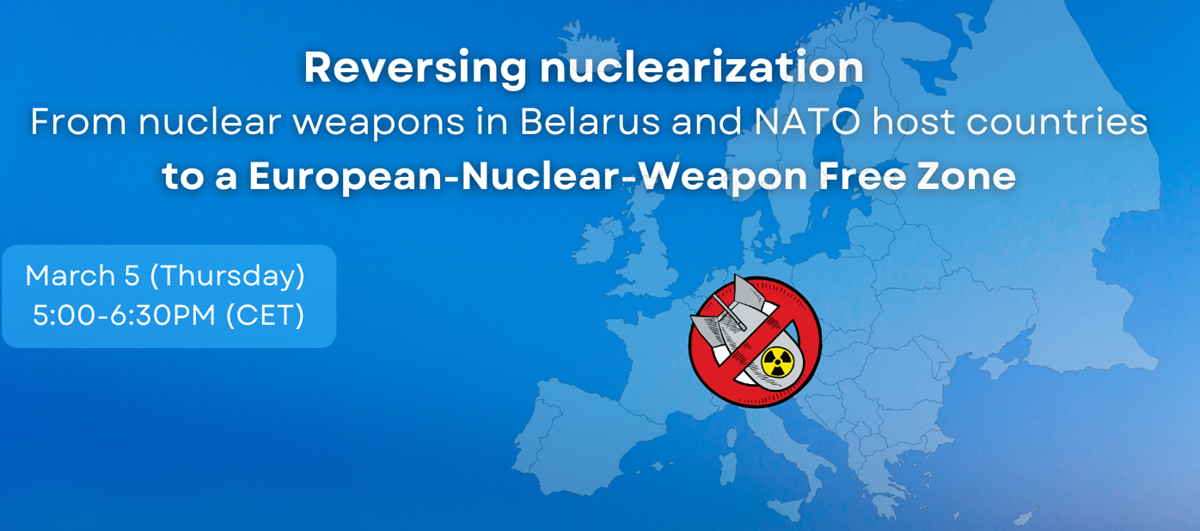
5 March -Online – Reversing nuclearization:
From nuclear weapons in Belarus and NATO host countries to a European-Nuclear-Weapon Free Zone
11am-12:30pm Eastern Time USA / 5pm-6:30pm CET

of the week – Advocating for a
nuclear free beach – https://www.samuellawrencefoundation.org/
The Samuel Lawrence Foundation advocates for a Nuclear Waste Free Beach at San Onofre, join us and take action!
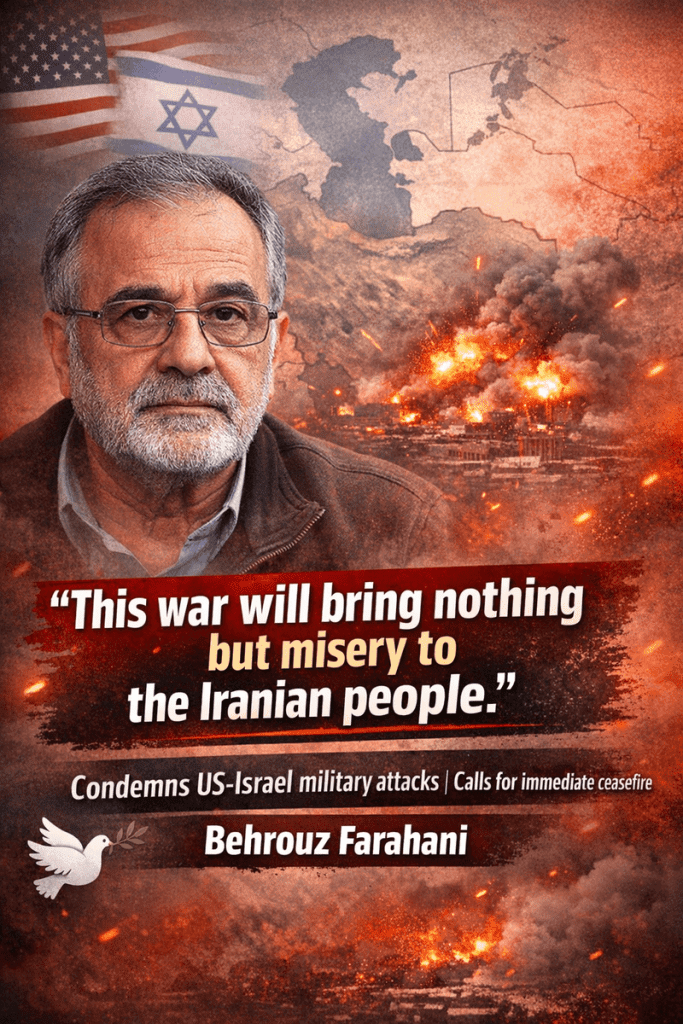
10 March A LIVE WEBINAR THE REAL EFFECTS OF NUCLEAR POWER
What the Industry Isn’t Telling Us
1:00 PM Mountain, 2 pm Central, 3 pm Eastern. Live on the Keepers of the Water Facebook page

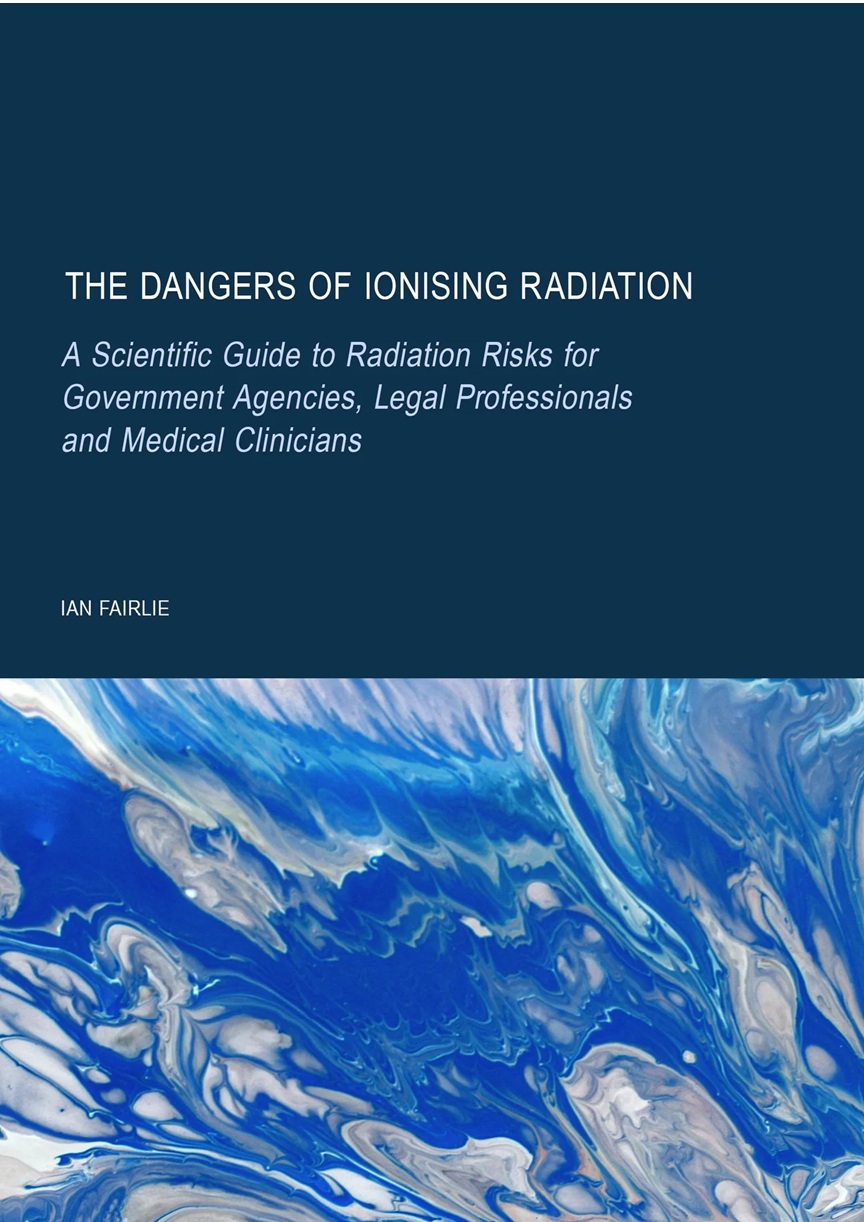
18 March Webinar @ 1 PM EST: An Assessment of SMR Projects: The Case of Canada
register for the zoom:
https://us02web.zoom.us/webinar/register/WN_o8BIIOUvQ2ONJR1nta65DQ#/registration

of the week – STOP SMALL MODULAR REACTORS IN CANADA
To see nuclear-related stories in greater depth and intensity – go to https://nuclearinformation.wordpress.com
-
Archives
- March 2026 (38)
- February 2026 (268)
- January 2026 (308)
- December 2025 (358)
- November 2025 (359)
- October 2025 (376)
- September 2025 (258)
- August 2025 (319)
- July 2025 (230)
- June 2025 (348)
- May 2025 (261)
- April 2025 (305)
-
Categories
- 1
- 1 NUCLEAR ISSUES
- business and costs
- climate change
- culture and arts
- ENERGY
- environment
- health
- history
- indigenous issues
- Legal
- marketing of nuclear
- media
- opposition to nuclear
- PERSONAL STORIES
- politics
- politics international
- Religion and ethics
- safety
- secrets,lies and civil liberties
- spinbuster
- technology
- Uranium
- wastes
- weapons and war
- Women
- 2 WORLD
- ACTION
- AFRICA
- Atrocities
- AUSTRALIA
- Christina's notes
- Christina's themes
- culture and arts
- Events
- Fuk 2022
- Fuk 2023
- Fukushima 2017
- Fukushima 2018
- fukushima 2019
- Fukushima 2020
- Fukushima 2021
- general
- global warming
- Humour (God we need it)
- Nuclear
- RARE EARTHS
- Reference
- resources – print
- Resources -audiovicual
- Weekly Newsletter
- World
- World Nuclear
- YouTube
-
RSS
Entries RSS
Comments RSS
 nuclear-news