USSR Sprinkled More Than 2,500 Nuclear Generators Across The Countryside
Hundreds of these tiny atomic terrors are still unaccounted for in the rugged landscape of the former Soviet Union.
By Erin Marquis, 16 June 23, https://jalopnik.com/ussr-sprinkled-more-than-2-500-nuclear-generators-acros-1850501190
Ah, the USSR. It was a strange place with strange ideas. Ideas such as planting unprotected mini nuclear power sources into inhospitable and hard-to-reach areas. I mean, nothing should go wrong as long as the government always exists to maintain them, right?
Welcome to the world of Radioisotope Thermoelectric Generators or RTGs. It’s a piece of nuclear history I only recently learned about and thought I should bring this whole new horror to your attention as well. These things are just kind of rolling around famously stable Russia, and it seems like it should be a cause for concern.
RTGs are not nuclear reactors, nor are they “nuclear batteries.” Rather they work by converting the heat caused by radioactive decay into electricity. Due to the dangerous nature of the materials used however, countries like America only use RTGs in applications such as space exploration. Voyager, Cassini and New Horizons uses RTGs for power, as do the Mars rovers Perseverance and Curiosity. These probes however, use expensive plutonium-238 as their power sources and we launch them far the hell away from us.
The USSR though? Nah. It’s going to use super cheap, super radioactive Strontium-90 instead, though later, smaller RTGs used equally cheap Caesium-137 or Cerium-144. These three isotopes all have one thing in common; they’re all the products of spent nuclear fission. In other words, waste. The terrestrial Beta-M RTG is about 1.5 meters wide and 1.5 meters tall and weight about one metric ton, according to the International Atomic Energy Agency. The entire unit put out about between 1 and 1000 watts (quite the spread) and had a working life of 10 to 20 years.
Originally built by the USSR’s Navy to power lighthouses and radio navigation beacons along Russia’s expansive arctic coastline, the RTGs provided power hundreds or even thousands of miles from civilization, occasionally completely unprotected and always unsupervised. They were occasionally secured by metal frames or sheds, but sometimes these lighthouses and radio beacons were set up on little more than rough structures hastily constructed out of nearby timber with the RTG stuck outside to face the harsh arctic elements. While the USSR provided regular rolling patrols to maintain the RTGs, that came to a screeching halt in 1991 when the Soviet Union fell. After that, there was no money to maintain the hard-to-reach RTGs, and they became victims of neglect and metal thieves.
After it proved useful for the Navy, the Soviets put the RTGs into service in other rough terrains. That’s how several ended up in the mountains of the former Soviet state of Georgia. Three residents from the village of Lia, Georgia, found a canister high up in the mountains. Since this strange material gave off heat, the three used it to stay warm overnight, but they woke up vomiting and dizzy. A week later, a military hospital diagnosed the three with radiation sickness. Two of the men would make it out with the help of dozens of skin grafts and months in the hospital. But the man who slept closest to the radioisotope source and handled it the most could not be saved.
Their arrival at the hospital launched a mad scramble from the international atomic community to find the orphan source of radiation. Footage of the clean-up crew both training for retrieval and actually snaring the Strontium-90 core shows just how dangerous RTGs are:
That wasn’t the only incident involving RTGs however. In 2001, scrappers broke into a lighthouse on Kandalashka Bay and stole three radioisotope sources (all three were recovered and sent to Moscow). Three men in the mountains of Georgia were also exposed in 2002 after stumbling upon cores left out in the woods. In 2003, scrappers hurled a core into the Baltic Sea, where a team of experts retrieved it.
The profligate use of our stressed freshwater resource by the nuclear industry.
Stressed Freshwater in our Lakes and Rivers Cooling the Heels of the Nuclear Industry – while the Industry wants More and Hotter Waste.
BY MARIANNEWILDART, https://mariannewildart.wordpress.com/2023/06/15/stressed-freshwater-in-our-lakes-and-rivers-are-cooling-the-heels-of-the-nuclear-industry-and-the-industry-wants-more-and-hotter-waste/
There is a deeply worrying unspoken aspect of this heatwave and that is the profligate use of our stressed freshwater resource by the nuclear industry. The hotter the weather the more freshwater is required for processes including the one absolutely essential to protect all life on planet earth from humanity’s greatest hubris – and that is the cooling of high level radioactive wastes. The industry requires top quality water not the rubbish that was given to folk in West Cumbria from the boreholes near Sellafield – nope the industry requires the coolest freshest waster including from Britain’s most iconic lake.
For Fifteen years now Radiation Free Lakeland have been flagging up the nuclear industry’s eyewatering use of our most precious resource, freshwater. For fifteen years the main stream media have shied away from the issue preferring to flag up the freshwater use of fracking which is big and very nasty but on a different scale both in time and quantity of freshwater involved .
Despite the nuclear industry insisting that the public should not have access to information on fresh water use for reasons of ‘national security’ we now have a body of documentation from (largely blacked out) Freedom of Information requests and research which shows that the nuclear industry’s freshwater use is on a scale second to none. The nuclear industry’s abuse of fresh water continues long after other industrys’ fracking, fossil fuel etc will have come and gone.
We have been told by diligent fracking activists that the figure from the hydraulic fracture plan for Cuadrilla was up to 31,000 cubic metres of water to frack the first well. This was based on up to 765 cubic metres per stage. The number of stages in the fracture plan was 41. That is a lot, it is too much and thanks to diligence of fracking campaigners (nuclear campaigners also fought fracking) this was stopped in its tracks. The ALREADY monstrous freshwater use by the nuclear industry in the Preston area was flagged up by nuclear campaigners.
Springfields Nuclear Fuels just off Preston New Road discharges at least 2400 cubic metres A DAY into the River Ribble. The fresh water discharge contains chemical and radioactive contamination – but the industry say this is fine as the super large quantities of fresh water used “dilute and disperse” the nasties.
Springfields Nuclear Fuels which is slap bang in the middle of Cuadrilla’s fracking plans on the Fylde has recieved no, nada, zilch attention over its fresh water use.
The video illustrates information painstakingly gleaned about Springfields freshwater use along with Sellafield’s. The front and the back end of the nuclear industry which are neatly tucked away under a cloak of invisibility in the NW. Sellafield’s abusive use of the Lake District’s freshwater is detailed in the video taken from a talk at New Horizons, St Annes. Lets hope the rain falls soon to replenish our Lakes and Rivers which have been flushing cool water over hot nuclear wastes since the 1940s. The new build plan would mean more and ever hotter wastes to cool into infinity . Our Lakes and rivers are finite.
This abuse of our fresh water has been going on now since the 1940s. Who knew? and Who Cares?
Talks ongoing over plans for Vulcan base to move into hands of Nuclear Decommissioning Authority
By Iain Grant
Talks ongoing over plans for Vulcan base to move into hands of Nuclear
Decommissioning Authority. Discussions are continuing with moves to put the
Nuclear Decommissioning Authority (NDA) in charge of the clean-up of the
Vulcan military base in Caithness. Officials are working on smoothing the
way for the NDA, which already runs the redundant civil fast reactor plant
at Dounreay, to take over the next-door site from the Ministry of Defence
(MoD).
The MoD had put the wheels in motion towards the end of 2021 to seek
bids from private firms to carry out the clean-up of Vulcan, whose
pressurised water reactor shut down eight years ago. But the tender process
was halted soon after, since when the focus has been on paving the way for
the NDA to move in.
The MoD announced the start to the decontamination and
dismantling of the Royal Navy’s long-time nuclear submarine test base had
been put back until early 2026. In the meantime, the plant will continue to
be run by the MoD’s long-time contractor, Rolls-Royce.
Commander Ian
Walker, who heads the small Royal Navy presence at Vulcan, said the NDA
takeover is a credible option. But he said putting Vulcan and Dounreay
under the same operator is not straightforward, as the sites come under
different licensing and regulatory regimes and government departments. He
said: “We’re still looking at how the transfer to the NDA could be enacted
and a decision is expected later this year.” The move has been supported by
Struan Mackie, chair of the Dounreay Stakeholder Group.
John O’Groat Journal 13th June 2023
The US Energy Department is spending $26M to help find a temporary site to store spent nuclear fuel
Federal energy regulators have announced that they are spending $26 million
to find communities willing to accept a temporary federal site to store
spent nuclear fuel while a permanent repository is completed. Thirteen
groups made up of industry, academic, nonprofit, government and community
representatives will each get $2 million to explore the most equitable
approach to picking an interim site to store highly radioactive waste from
nuclear power plants, according to a recent news release from the U.S.
Energy Department. The approach will include a dialogue with residents and
local governments, the department said.
Daily Mail 13th June 2023
Fukushima waste-water plan a nuclear threat to Asia-Pacific
By Shaun Burnie | chinadaily.com.cn 2023-06-13 https://www.chinadaily.com.cn/a/202306/13/WS6487d3e0a31033ad3f7bbf92.html
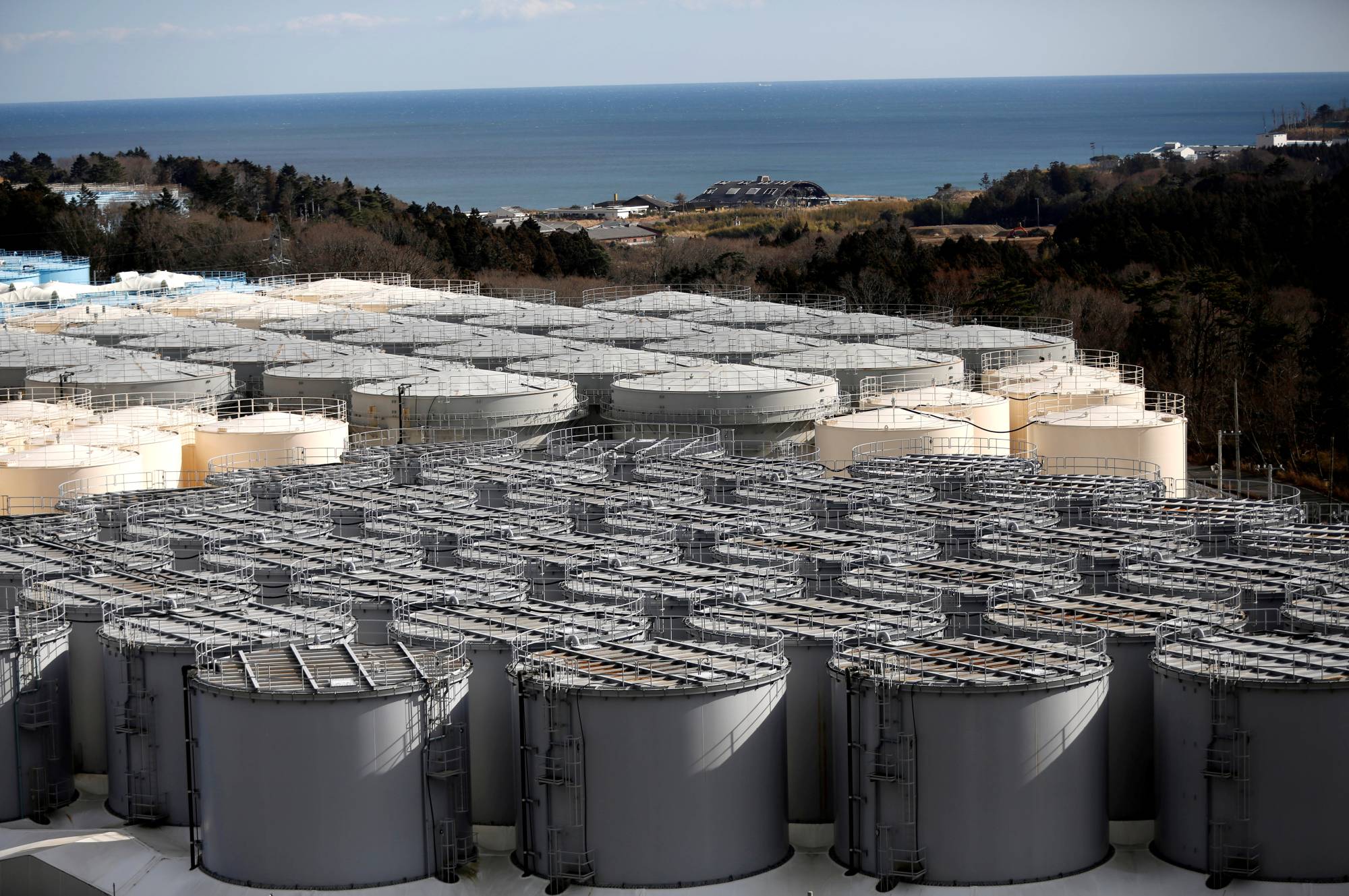
Japan has decided to start discharging radioactive wastewater from the Fukushima Daiichi nuclear power plant into the Pacific Ocean very soon. The operator of the wrecked plant began tests on Monday of newly constructed facilities for discharging treated radioactive wastewater into the sea. Many myths and untruths have been spread about the nuclear-contaminated water. For example, the Japanese government has said, that according to the International Atomic Energy Agency, the global nuclear industry and some scientists, there is nothing to worry about the effects of the radioactive wastewater.
The Japanese government also claims that nearly all the radioactive materials will be removed from the wastewater using the Advanced Liquid Processing System (ALPS) with only tritium remaining before it is released into the Pacific. It is constantly stated that tritium cannot be removed from the wastewater, but would emit very weak radiation and therefore it will have no impact on either the marine environment or human health in the Asia-Pacific region and beyond.
False claims to mislead the Japanese public
As for Tokyo Electric Power Company, the owner of the Fukushima nuclear plant, it claims discharging the wastewater is necessary due to insufficient space for more storage tanks and for it to be able to fully decommissioning the Fukushima plant between 2041 and 2051. TEPCO also says the discharges will meet regulatory standards and will be lawful.
In the real world, it is a lot worse and a lot more complicated than what TEPCO, the Japanese government and the IAEA claims. The ALPS has been a spectacular failure, with major doubts about its effectiveness. In addition to tritium, all the radioactive carbon (C-14) in the wastewater will be released into the ocean along with many other radionuclides (plutonium isotopes, iodine-129, strontium-90). But despite the Japanese government and TEPCO “planning” to keep them below the regulatory limit, they will still be significant.
There is no safety threshold for artificial radioactivity in the environment, and technology does exist to process tritium from the tanks’ water. However, TEPCO and the Japanese government do not want to spend huge amounts of money needed to do so. Tritium is indeed a low energy radioactive material but that does not mean its effect is weak; if ingested, it has the potential to damage plants, animals and humans.
Recent research published by a leading radiation biologist shows scientific literature of the past 60-plus years is clear — tritium, in particular organically bound tritium (OBT), is biologically harmful to all forms of life. The persistence, bioaccumulation and potential biomagnification and increased toxicity of OBT increases the potential impact on the environment if tritiated water is discharged on land or in the sea.
Tritium more dangerous than previously believed
None of the current regulations in Japan (or worldwide) takes into full account the nature of organic forms of tritium. That organic forms of tritium have been found to bioaccumulate in phytoplankton, the base of the marine food chain, is deeply worrying. The fact that there has been no comprehensive environmental impact assessment of these and many other issues is outrageous, and suggests there is a deliberate underestimation of the accumulation and potential toxic effect of tritium on the environment.
Equally important, the many other radioactive materials in the Fukushima wastewater have the potential to cause damage to the environment and human health. In fact, Japan has sufficient storage capacity, including in the areas around the Fukushima plant. And storing the toxic wastewater, TEPCO cannot fully decommission the reactors at Fukushima in the next 20-30 years — probably not in this century. Rather than being lawful, the release of the wastewater into the sea will violate international law, specifically the United Nations Convention on the Law of the Sea.
One reason why the untruths and myths continue to be spread is that there is a lot at stake for the Japanese government and the nuclear industry. Japan’s energy policy is dependent on restarting many nuclear reactors shut down after the 2011 Fukushima disaster. So far, nine have resumed operations — but according to government policy, Japan needs 30-plus reactors by 2030.
Public opinion in Japan has been influenced by the government’s claim that it is safe to operate these nuclear reactors and that it is possible to recover from a three-reactor meltdown without consequences for human health and the environment. Of course, it’s not.
Sweeping real issue under the carpet
TEPCO, the Japanese government or the IAEA refuses to accept that the wastewater crisis points to a deeper nuclear crisis at the Fukushima plant. And it is getting worse, because groundwater entering the plant continues to become highly contaminated, while the water in the tanks requiring ALPS processing increases.
In November 2021, based on TEPCO data, there were 1,284,284 cubic meters of contaminated ALPS water in the storage tanks, of which 832,900 cu m needed further ALPS processing. As of April 20, 2023, the total volume of radioactive wastewater stored in the tanks was 1,330,944 cu m — a 3.6 percent increase in less than 2 years.
Worse, about 70 percent or 931,600 cu m of the wastewater needs to be processed again (and probably many times again) by the ALPS to bring the radioactive concentration levels below the regulatory limit for discharge. This is an increase of nearly 12 percent in less than 2 years.
TEPCO has succeeded in reducing the concentration levels of strontium, iodine and plutonium in only 0.2 percent of the total volume of the wastewater, and it still requires further processing. But no secondary processing has taken place in the past nearly three years. Neither TEPCO nor the Japanese government nor the IAEA wants to talk about this. They have not said how many times the wastewater needs to be processed, how long it will take to do so or whether the efforts will ever be successful.
Problems not new but none solved in 5 years
Greenpeace wrote about these problems and why the ALPS failed nearly five years ago; none of those issues has been resolved. Also, there is a high possibility of the ALPS failing in the future.
To proceed with their discharge plan, the Japanese government and TEPCO have been creating a false impression on the public that significant progress has been made in decommissioning the Fukushima plant. But fact is, the source of the problem — the highly radioactive fuel debris in reactor pressure vessels 1, 2 and 3 — continues to contaminate groundwater. Nearly 1000 cu m of water becomes highly contaminated every 10 days. So until the nuclear fuel is isolated from the environment, contaminated groundwater, potentially hundreds of thousands of cubic meters, will continue to accumulate.
While the Fukushima plant, after being destroyed by the earthquake-triggered tsunami in March 2011, released large amounts of radioactive particles into the environment, most of the radioactive inventory remains inside the melted fuel. As such, the damaged Fukushima plant on the edge of ocean is a long-term radioactive threat to the environment, including the marine environment. And this threat will be aggravated once Japan begins dumping the toxic water into the ocean.
TEPCO, the Japanese government and the IAEA refuse to acknowledge the fact that the decommissioning plan for the Fukushima plant is not attainable, and that they must embark on a comprehensive reassessment of the plan.
Crisis compounded by damage to reactor
The nuclear crisis in Fukushima is compounded by the damage to the reactors, in particular unit 1. The rapid meltdown of the nuclear fuel in March 2011 severely damaged the large concrete block the 440-ton reactor pressure vessel sits on. One of the agencies responsible for its decommissioning has recently demanded that TEPCO work out immediate countermeasures to prevent the possible collapse of the reactor. But with very high radiation levels inside the plant, it’s not clear whether any countermeasures are possible.
Building a very large containment structure covering the reactor buildings, like it was done at the Chernobyl plant in Ukraine after the nuclear disaster in 1986, is probably the only way to prevent highly radioactive dust entering the lower atmosphere in the event of a future collapse. But such a “solution” is not a currently an option for the Japanese government or the nuclear industry, as it would send the wrong message that the decommissioning process is not going according to plan.
There is no scientific, legal or moral justification for Japan to deliberately contaminate our shared and common marine environment. And concerned citizens, scientists, maritime lawyers, the fishing communities across the Asia-Pacific and the world’s leading oceanography universities and institutes have spread public awareness about the nuclear dangers, something that has rarely been done before.
There is a very strong legal case for challenging Japan’s decision to dump the wastewater into the sea but doing so is a major undertaking. For many reasons, no state or group of states may take up the challenge through UNCLOS this year. But since the environmental threat from the Fukushima plant will only intensify, future legal action should not be ruled out.
At a time when our oceans are under so many multiple threats, including from melting glaciers and related climate emergencies, overfishing and biodiversity loss and plastic pollution — there is no reason why Japan should be allowed to dump the radioactive water into the sea.
Greenpeace has been campaigning for protection for our oceans from radioactive contamination since the 1970s. And the most important thing I have learned in my 30 years with Greenpeace is that positive change is possible even if it does not often happen as early as it should but it can happen and people must never give up their efforts or hope.
The author is a senior nuclear specialist with Greenpeace East Asia and has worked in Japan and wider Asia for over 30 years.
Fukushima nuclear plant begins tests of wastewater release plan; fishing officials remain opposed
The operator of the wrecked Fukushima nuclear plant has begun tests of newly constructed facilities for discharging treated radioactive wastewater into sea, a plan strongly opposed by local fishing communities and neighboring countries
By MARI YAMAGUCHI Associated Press. abc news, June 12, 2023,
TOKYO — The operator of the wrecked Fukushima nuclear plant began tests on Monday of newly constructed facilities for discharging treated radioactive wastewater into the sea, a plan strongly opposed by local fishing communities and neighboring countries.
The tests at the Fukushima Daiichi nuclear power plant use fresh water instead of the treated water, operator Tokyo Electric Power Company Holdings said……………………………….
The plan has faced fierce protests from local fishing communities concerned about safety and reputational damage. Nearby countries, including South Korea, China and Pacific Island nations, have also raised safety concerns. Japan’s government has set up a fund to promote Fukushima seafood and provide compensation in case sales fall due to safety concerns.
Fishing officials said they remain opposed to the plan when they met Industry Minister Yasutoshi Nishimura on Saturday when he visited Fukushima and the neighboring prefectures of Ibaraki and Miyagi.
“We stand by our opposition,” Tetsu Nozaki, head of the Fukushima prefectural fisheries association, told Nishimura. Nozaki, however, said the association supports progress in the plant’s decommissioning and hopes to continue the dialogue. “At the moment, our positions remain wide apart.”
………….. In South Korea, fishermen staged a rally in front of the National Assembly in Seoul on Monday against the plan to release treated radioactive water. https://abcnews.go.com/Technology/wireStory/fukushima-nuclear-plant-begins-tests-wastewater-release-plan-100006333
Canada’s controversial nuclear waste disposal design for Chalk River

How safe is the Ottawa River from nuclear waste? Canada’s National Observer April 8th 2019 “……..Nuclear disposal site design
The proposed Near Surface Disposal Facility is not new technology, according to its proponents. The same technology set for Chalk River has also been adopted in the U.K. and Belgium, the company says.
The key component is an engineered containment mound. It is contained by a large cover system designed to keep out rain and other elements. Below the cover, a liner system is meant to collect contaminated water — and alert monitoring systems to leaks — and direct the effluent to treatment systems.
The timeline for the project is monumental. The mound will be filled with low-level nuclear waste that is currently held on site at Chalk River, as well as a small amount of waste that will be transported to the facility from other locations such as hospitals, universities and other nuclear facilities in Canada. Five per cent of the total waste will come from Whiteshell Laboratories in Manitoba, which is undergoing its own decommissioning process.

The waste in the mound would be split into cells according to contaminants or time for decay. A temporary cover would allow time to add radioactive waste for 50 years. When the site is full it would be permanently sealed.
The site would be monitored for 300 years after the permanent cover is installed at which point the radioactive material will have decayed. The facility is designed to last 550 years, the company says.
The radioactive waste inside the mound will break down. The half-life for tritium is around 12 years, and the half-life for strontium-90 is about 29 years. That means half of the tritium or strontium stored on the site decays during that period, with half of the remainder taking a further 12 or 29 years to decay. The process keeps repeating itself until ultimately all the material has broken down.
The engineered containment mound is CNL’s preferred nuclear waste storage option. In its draft environmental impact statement, CNL includes a discussion of the various other types of disposal options and techniques including deep-underground repositories, above-ground cement vaults and different on-and off-site locations.
In an opinion article in the Ottawa Citizen in April 2018, Eva Schacherl, a former executive director of the Canadian Environmental Network, argued the project was “the wrong plan at the wrong site,” and a vault buried hundreds of metres deep below the grounds should have been chosen.
In a draft environmental assessment, the lab did not conduct geological tests far below the surface. Although the deep-underground method provides additional protections against leakage, CNL says there is not enough evidence to outweigh the benefits of its chosen model.
A deep-underground vault would be much more expensive to monitor and maintain over its life cycle, according to CNL’s analysis. CNL has made several changes to the proposal since public consultations began in May 2016, in response to some of the hundreds of initial comments by the public during an ongoing environmental assessment.
Ottawa Riverkeeper advocates a type of facility that does not come into contact with water. “We want a solution that will safeguard all species from the radioactive waste that is currently onsite at Chalk River and Rolphton,” Riverkeeper said in a Nov. 1 update. “We would like to see Canada look to countries like Finland who have constructed siloed geological repositories to safeguard all levels of radioactive waste. We want a disposal facility where radioactive waste does not come into contact with water.”
CNL acknowledged during an interview for this story that it was not transparent enough during the environmental impact statement process in explaining why the particular location near the Ottawa River on the CRL site was the best choice.
Subsequent studies, analyses and updates to the document are part of the delay that will push the delivery of CNL’s final environmental impact statement to the CNSC for approval back to around spring 2020, according to the company. The delay was also caused by technical questions from provincial and government agencies that have required additional study, including a notable point where nuclear waste is discharged into Perch Lake.
The public comment process has led to other significant changes to the project design. The original project was meant to hold predominantly low-level intermediate waste, but also allowed for about one per cent intermediate-level waste or mixed wastes. The company has now decided to restrict the waste going into the storage facility to only the low-level category.
The change was purely driven by feedback from the community, the company representatives said. The site was never intended to hold high-level waste, such as spent nuclear fuel from a reactor.
“It’s in response to concerns from the public or interest groups,” said Meggan Vickerd, director of the nuclear waste facility project for CNL. “Intermediate-level waste was only a fraction of the inventory, plus it was not all of the intermediate-level waste, so we knew we still needed another facility.”
Controversy over near-surface disposal
The company says the project prompted hundreds of public comments during its opening consultation phase. Pat Quinn, CNL’s communications director, says the company is dedicated to transparency and open communication.
Activist organizations and Indigenous groups have raised a number of red flags about the suggested nuclear waste site and the overall security of decommissioning, including its construction about one kilometre away from the river.
Riverkeeper has also emphasized that despite the Canadian government’s rhetoric about the importance of a Nation to Nation relationship, “there has been no consultation with Indigenous Governments to develop a radioactive waste policy on terms that would be acceptable to Indigenous peoples.
“Likewise, there has been no consultation with the Algonquin Anishinaabe people about consolidating all federal radioactive wastes within their traditional, unsurrendered territory.”
Some local farmers have also expressed concern. One is Taylor Hanrath, an organic pork farmer and the owner of Butternutty Farm who lives downstream in Pembroke.
“If there’s a leak at all, in some way, shape, or form it would have the pretty big Ottawa River right beside it to transport it quickly and there’s always going to be the potential for human error, on top of a possible earthquake or tornado.” Hanrath said. “Even right now I don’t know what the plan would be for my farm if a leak were to happen at the current site.”
………The International Atomic Energy Agency indicates better ways to store nuclear waste are to bury it in “caverns, vaults, or silos, at least a few tens of metres below ground level, and up to a few hundred metres below ground level.” It does state, however, that a near-surface facility would be sufficient for low-level waste, such as decommissioned structures, old laboratory materials and soil.
Chalk River: Radioactive Wastes and the Honour of the Crown
Background: May 9, 2023
A consortium of multinational corporations, operating under the banner CNL (Canadian Nuclear Laboratories), is contracted to manage all of the federal government’s nuclear facilities. The contract obliges CNL to “reduce the liability” associated with the multibillion dollar legacy of radioactive wastes created in the name of the Crown by uranium processing (mainly at Port Hope, Ontario) and by nuclear fission (mainly at Chalk River). CNL has been given close to a billion dollars a year for the last five years from Canadian taxpayers.
The Port Hope and Chalk River nuclear facilities are outgrowths of the World War II Atomic Bomb project and the subsequent Cold War era. Canada sold uranium and plutonium almost exclusively for nuclear weapons use from 1941 to 1965. In a very real sense, the “legacy radioactive wastes” at these two sites are in large part leftovers of the American bomb program and the Cold War arms buildup.
How does CNL propose to deal with the radioactive legacy of the nuclear age? At Chalk River, CNL proposes to build a huge earthen mound of “low-level” radioactive and toxic chemical wastes within one kilometre of the Ottawa River. The low-level waste is a minute fraction of the total radio-toxic burden at Chalk River, which includes highly radioactive reactor cores, tanks of reprocessing liquid, plutonium handling facilities, and large quantities of high-level and intermediate-level radioactive wastes for which there is as yet no plan at all. The mound is a cheap and convenient way of dealign with the most voluminous material, clearing the decks for building new facilities that will produce even more challenging forms of nuclear wastes, while ignoring the bulk of the radioactivity that afflicts this “Nuclear Sacrifice Zone”.
The engineered mound – a glorified landfall 5 to 7 stories high – will hold a million cubic metres of toxic waste, on a site that drains into Perch Lake and then into the Ottawa River. Called a “Near Surface Disposal Facility” (NSDF), this megadump is planned to be built on lthe unsurrendered territory of several Algonquin communities that have inhabited the Ottawa Valley for thousands of years.
Canada’s nuclear regulator, the Canadian Nuclear Safety Commission (CNSC) conducted an environmental assessment of the NSDF and held a week of public hearings in February 2022. Since then, two Algonquin communities – the Keboawek First Nation (KFN) and the Kitigan Zibi Anishinabeg (KZA) community, have demonstrated their strong opposition to the proposed megadump, as have more than a hundred communities downstream from Chalk River, including the 18 municipalities comprising the Montreal City Agglomeration Council. KFN has done outstanding work in documenting several key species inhabiting the proposed site that have been totally ignored by the environmental assessment process.CNL is now asking CNSC to grant CNL a licence amendment to prepare the contested site for the NSDF.
Public hearings will be held remotely on June 27 with no opportunity for intervenors to appear in person before the Commission, despite strong requests from the Indigenous communities to allow face-to-face meetings.
All those who intervened in the February 2022 hearings are allowed no more than 5000 words to give their final input on this issue before CNSC renders its decision. Here is the final submission from the Canadian Coalition for Nuclear Responsibility.
Radioactive Wastes and the Honour of the Crown
Final report submitted to the Canadian Nuclear Safety Commission
by Gordon Edwards, president, Canadian Coalition for Nuclear Responsibility
www.ccnr.org/CCNR_CNSC_NSDF_final_2023.pdf
Contents –
1. The Honour of the Crown
2. Protecting the Environment & the Health and Safety of Persons
3. Communicating with Future Genera>ons
4. Safety Culture and the Justification Principle
5. A Tale of Two Dumps
6. List of radioactive poisons
Problems ahead for the nuclear industry in the closing and disposal of dead nuclear reactors
Regions like Europe are expected to face significant growing pains as the
expansion of nuclear generation picks up pace. This will include not only
the challenge of building new facilities, but also how to handle more
widespread decommissioning and maintenance work.
Many existing plants are
ageing, built as long ago as the 1970s with a typical lifespan of around 40
to 50 years. These assets will need to be replaced in the coming decades
for the continent to meet its energy transition goals. The growing need for
decommissioning and maintenance should be met most efficiently and –
above all – safely.
A major challenge that will be increasingly faced by
nuclear projects is the sheer variety of different facilities that were
built from the 1970s onwards. This means that there is no one methodology
that can be applied across all sites. This is not simply a case of
construction and layout, but also the data available – it is quite common
to have to work with a lack of detailed information on older plants built
some 50 years ago or more.
This means that more work is needed early in
each project to ensure the logistic methodologies will work within the
site. This early involvement also gives suppliers the best chance of
developing bespoke equipment within the project timeframe. Problems can
often be solved by addressing them laterally. It can be highly undesirable
or simply impossible to move modules through the plant itself. Instead,
alternative options should be considered such as cutting a hole in the roof
of the containment building, lifting the vessel out using a crane or
gantry, or creating a bespoke engineering solution that has not been used
before.
NS Energy 7th June 2023 https://www.nsenergybusiness.com/features/how-to-ensure-safe-and-effective-nuclear-decommissioning-and-maintenance/
Timeline: The history of radioactive contamination in St. Louis County
The long history of radioactive contamination in St. Louis County began with the Manhattan Project during World War II.
5 on Your Side, Clarissa Cowley, June 8, 2023
FLORISSANT, Mo. — Jana Elementary School has been in the spotlight for months after conflicting reports regarding radioactive pollution at the school. At its root is nearby Coldwater Creek, which was contaminated for years by improperly stored nuclear waste.
In the months since an independent report showed high levels of radioactive lead at the school, parents and community members have called for action to clean up the pollution, and some families said they are even moving out of their homes and away from the Hazelwood School District.
Now the U.S. Army Corps of Engineers planned to hold a public meeting Thursday night at Jana Elementary School after it made public the final results of its testing, which conversely found no radiological concerns at the school.
5 On Your Side has created a timeline of the decades-long saga leading up to this point, citing public documents as well as our own records and reporting.
The details below include information about the atomic waste illegally dumped in the Bridgeton Landfill, which sits inside the West Lake Landfill site off St. Charles Rock Road. It was a dumpsite for radioactive material following World War II, and in 2010, a fire broke out underground not far from that dump site that is still burning. In addition, this timeline breaks down the history of chemical pollution alongside Coldwater Creek near Jana Elementary School.
Timeline:
1940
- The Manhattan Project, an American-led effort during World War II to develop a functional atomic weapon, is officially created. The Mallinckrodt Chemical Works plant in St. Louis begins processing uranium oxide used by the Manhattan Project.
- 1947
- Waste from the uranium oxide production is taken and stored at a site north of St. Louis Lambert International Airport from 1947 until the late 1960s.
- 957
- Mallinckrodt moves uranium processing to a Weldon Spring facility, where it would continue until 1966.
- 1960s
- The toxic waste is purchased and moved from the airport site to a site half a mile away on Latty Avenue. This site and the airport site were located near 19-mile-long Coldwater Creek. Radioactive waste would contaminate the creek, which would then carry the contamination into north St. Louis County.
- 1973
- Atomic waste is illegally dumped in the West Lake Landfill.
- A long-time employee of the Mallinckrodt plant, who took radioactive waste to Coldwater Creek in Styrofoam containers in an open-air truck, dies of brain cancer.
- The EPA takes over West Lake Landfill as a Superfund Site.
- 2004
- Mallinckrodt employees, who worked with uranium used in nuclear weapon manufacturing, become eligible for compensation in Weldon Spring and St. Louis. Workers had to prove how much exposure they had to radiation while working for the Mallinckrodt facility.
- 2010
- A smoldering underground fire is found at the Bridgeton Landfill, raising concerns it would threaten the nearby radioactive material.
- Families and workers around the Bridgeton Landfill are burdened by smelly fumes that were emitting from the fire still burning underground. The smoldering accelerated the decay of solid waste at the site, causing excessive gas release and powerful odors that many living nearby said made them sick.
- 2012
- The Centers for Disease Control and Prevention (CDC) said the United States Army Corps of Engineers (USACE) began a detailed investigation of Coldwater Creek and its floodplain areas in October 2012, working downstream from the historical source areas.
- 2013
- Three years after the underground smoldering started at the landfill, then-Attorney General Chris Koster files a lawsuit against Republic Services over ongoing concerns.
…………………………………………………….January 2022
- The Army Corps of Engineers notified the district that there was low-level radioactive pollution at Coldwater Creek, which is on the edge of Jana Elementary’s property boundary. The letter also said the contamination did not pose an immediate risk. The Corps had previously found low-level radioactive contamination on the banks of Coldwater Creek in its soil samples.
- March 2022
- The EPA’s plan for a $205 million clean-up project at Bridgeton’s West Lake landfill is delayed after finding more extensive radioactive waste.
…………………………August 2022: Several details regarding the levels of contamination begin to come to light. Parents are notified that soil sampling showed a presence of low-level radioactive contamination on the banks of Coldwater Creek. The amount of toxins found around Jana Elementary and the two landfills (Bridgeton and West Lake) had to reach a certain threshold, according to CDC guidelines. Based on these findings, parents became concerned about exposure and health risk.
…………………………………………………………………..June 8, 2023
- The Army Corps of Engineers planned to hold a public meeting to discuss the findings of all three reports with the community.
All Army Corps of Engineers reports can be found here.
World Ocean Day appeal to international bodies over Fukushima dump plan

Nuclear Free Local Authorities 8 June 23
Today (8 June) is celebrated the world over as UN World Ocean Day. The UK/Ireland Nuclear Free Local Authorities have chosen this day to make a final appeal to the International Maritime Organisation and the United Nations to intercede to stop the Japanese Government and nuclear industry from committing a criminal folly.
For the Japanese Government and executives at Tokyo Electric Power (TEPCO) which formerly operated the Fukushima nuclear power plant, plan imminently to dump well over one million tonnes of radioactive water into the Pacific Ocean. This water has been used to cool the reactors at the plant which were destroyed by an earthquake and tsunami in March 2011. The radioactive water has been stored on site in large drums; now there are plans to start to discharge the water out to sea through a pipeline especially built for this purpose.
Although the water has been ‘treated’ this cannot remove the radioactive tritium that is present that if inhaled or ingested can become fatal to marine life and ultimately to any humans who come into contact with it.
Councillor Lawrence O’Neill, Chair of the UK/Ireland Nuclear Free Local Authorities, said: “In looking to release the contaminated water, Japan will be transgressing the commitments it has made as a nation under the London Protocol and the UN Law of the Sea not to pollute our oceans and, more specifically, not to pollute them with radioactive materials.
“We are concerned that not only will marine life be jeopardised but human life too and that the discharge will destroy many livelihoods as this will have an adverse impact on the fishing and tourism industries. We stand with the people and nations of the Pacific in calling upon the Japanese Government and nuclear industry to step back and save our ocean from this blight. This water should be retained on land until it is truly safe.”…………….more https://www.nuclearpolicy.info/news/world-ocean-day-appeal-to-international-bodies-over-fukushima-dump-plan/
Rosatom says nuclear cleanup in Arctic done – Far from the case, says Bellona.
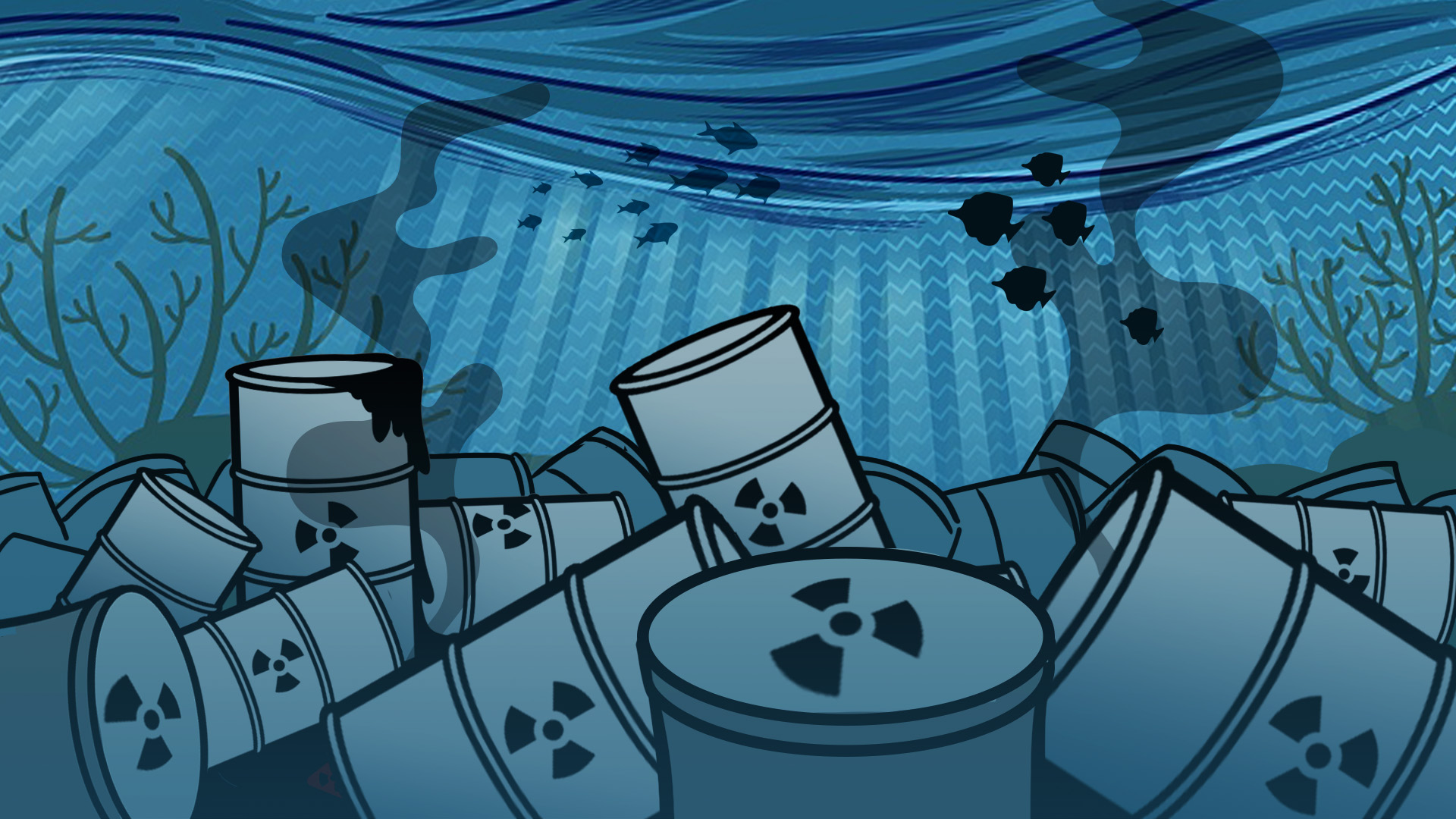
The nuclear cleanup in the Arctic is not done, there is still radioactive waste and spent nuclear fuel that needs securing.
Those items remaining to be cleaned up and secured include at least 11,000 spent nuclear fuel assemblies at Andreyeva Bay, a former Soviet submarine base. They also include two sunken nuclear submarines, over a dozen nuclear reactors and barrels of radioactive waste scuttled by the Soviet Navy in the Kara and Barents Seas. Issues of securing spent fuel and radioactive waste stored on nuclear icebreaker service ships likewise remain unresolved.
Russia’s state nuclear corporation Rosatom said last week that more than two decades worth of efforts to rid the Arctic of radioactive waste and spent nuclear fuel from decommissioned submarines will now come to an end. Bellona fears Rosatom is leaving undone a raft of crucial projects initiated with international support.
June 7, 2023 by Bellona
Russia’s state nuclear corporation Rosatom said last week that more than two decades worth of efforts to rid the Arctic of radioactive waste and spent nuclear fuel from decommissioned submarines will now come to an end. Bellona fears Rosatom is leaving undone a raft of crucial projects initiated with international support.
” [This work]began back in the early 2000s with the analysis of large deposits of spent nuclear fuel from nuclear submarine reactors,” said Rosatom CEO Aleksei Likhachev in remarks reported by official Russian newswire Tass “In total, thousands of tons of radioactive materials have been handled, and today we are at the finish line of this work, returning these territories to public use under strict administrative, public, and international control.”
Since the 1990s, the Bellona Foundation has been involved in discovering and documenting nuclear hazards and radiation threats in Arctic Russia and based on that experience, the organization asserts that Likhachev’s announcement is untrue — Russia is nowhere near the “finish line” in these efforts
Furthermore, Likhachev’s remarks contradict earlier statements from Rosatom that many of these cleanup operations would be ongoing until late in this decade.
“Russian authorities are backtracking on earlier statements from May last year, and confirming Bellona’s fears that these projects will not be continued or completed, says Frederic Hauge, president of the Bellona Foundation.
“The nuclear cleanup in the Arctic is not done, there is still radioactive waste and spent nuclear fuel that needs securing – both in the former marine base at Andreeva Bay and at the bottom of the Arctic seas”, says underlines Hauge.
Since the early 2000s, cleanup projects to rid the Arctic of the nuclear legacy of the Soviet Northern fleet have been ongoing in North-West Russia. These efforts were orchestrated through international cooperation between Russia and other countries and aided by large funding pledges from international donors.
These multinational efforts continued until February of 2022, when Moscow invaded Ukraine. Since then, international assistance to Moscow has been put on ice. But even then, key figures at Rosatom pledged that cleanup work would continue, nonetheless.
But Likhachev’s statement seems to put an end to that and declares victory well before the battle is finished
Those items remaining to be cleaned up and secured include at least 11,000 spent nuclear fuel assemblies at Andreyeva Bay, a former Soviet submarine base. They also include two sunken nuclear submarines, over a dozen nuclear reactors and barrels of radioactive waste scuttled by the Soviet Navy in the Kara and Barents Seas. Issues of securing spent fuel and radioactive waste stored on nuclear icebreaker service ships likewise remain unresolved.
In 2022, after Moscow launched its invasion of Ukraine, Russian authorities sought to assure their international counterparts that each of these projects would nonetheless continue, despite the withdrawal of international assistance.
Bellona had since that time been concerned that Russia, in its state of war, would fail to prioritize these critical projects, and in November the organization warned that the efforts to lift sunken Soviet submarines would at best be indefinitely postponed …………………………………
The issue of the sunken objects left by the Soviet Union will not be solved by itself. Ninety percent of that radiation from the sunken objects in the Kara and Barents seas is emitted by six objects that Rosatom has deemed urgent and targeted for lifting: two nuclear submarines; the reactor compartments from three nuclear submarines; and the reactor from the legendary icebreaker Lenin. …………….
“Why do they choose to say that the cleanup is done now – when that clearly is not the case? Rosatom has time and again underlined the importance of finishing the cleanup projects and lifting the sunken objects from the bottom of the sea, says Hauge.
“If we were to speculate, it might be that they are trying to force a renewed dialogue on financing of these projects, despite the aftermath of Russia’s invasion of Ukraine. Perhaps they are fishing for reactions from Norwegian authorities and other western governments – perhaps particularly when it comes to the sunken objects,” continues Hauge
“They know that the more delayed a decision to raise these subs is, the higher the risk of a lifting operation failing. Thus, such a statement can put pressure on former cooperation partners to reevaluate their decision to discontinue cooperation with Russia and financial support on these topics because of the invasion of Ukraine. If that is the correct interpretation, then it is a form of blackmail – nuclear blackmail,” Hauge concludes. https://bellona.org/news/nuclear-issues/2023-06-rosatom-says-nuclear-cleanup-in-arctic-done-far-from-the-case-says-bellona
Amid opposition, Japan takes 1st step to release nuclear waste water into ocean
China slams Tokyo’s ‘irresponsible’ actions on Fukushima’s contaminated water, urging safe disposal
Alperen Aktas |07.06.2023
Despite mounting pressure, Japan has begun injecting seawater into a drainage tunnel of the crippled Fukushima Daiichi Nuclear Power Plant as a first step to release treated radioactive wastewater into the ocean.
The tunnel was filled with water on Tuesday, triggering a sharp response from the Chinese mission in Tokyo.
Japan plans to release treated radioactive wastewater into the ocean, triggering opposition and concerns from local fishing communities and neighboring countries.
“The harm caused by the discharge of nuclear water into the sea is immeasurable,” China’s diplomatic mission in Japan said in a statement.
“Workers at the crippled Fukushima Daiichi nuclear power plant are sending seawater into an underwater tunnel that has been built to release treated and diluted water from the facility into the ocean,” Japanese public broadcaster NHK reported.
“Once filled with seawater, the tunnel will guide treated water from the plant to a point about 1 kilometer offshore.”
The water release system is nearing completion, with the exception of a reservoir that will store treated water prior to its release. The utility aims to finish all construction tasks by the end of June……………………
Urging Japan not to put future generations at risk, the Chinese Embassy stressed that besides ocean discharge, formation injection, steam discharge, hydrogen discharge, and underground burial are also viable options. However, it is “irresponsible” for the Japanese side not to seriously consider and show other extermination options.
Zhang Kejian, Chairman of China Atomic Energy Authority, also criticized Japan’s “extremely irresponsible” act.
Japan disregarded the concerns of its people and other countries, providing no scientific answers or consulting with neighbors and stakeholders, he said at an International Atomic Energy Agency (IAEA) board of governors meeting held on Monday in Austria.
A signature campaign was launched in South Korea last week to oppose Japan’s intended discharge of radioactive water from the crippled Fukushima nuclear power plant.
The campaign was initiated by South Korea’s leading opposition Democratic Party in the capital Seoul.
DP Chairman Lee Jae-Myung expressed his concerns, questioning how the president and the ruling party can support Japan and grant them immunity and permission to dispose of hazardous nuclear-contaminated water into the ocean.
Japan unveiled the water discharge plan in April 2021, triggering massive criticism from China, South Korea, North Korea, the island nation of Taiwan, and international bodies, including the UN……………………. https://www.aa.com.tr/en/asia-pacific/amid-opposition-japan-takes-1st-step-to-release-nuclear-waste-into-ocean/2916489
Detailed evidence exposes Japan’s lies, loopholes in nuclear-contaminated wastewater dumping plan
Japan’s existing ocean discharge plan and evaluation are based on the assumption that the nuclear-contaminated wastewater can meet discharge standards after treatment.
But unfortunately, the data released by TEPCO showed that as of September 30, 2021, some 70 percent of the then 1.243 million cubic meters of ALPS-treated nuclear-contaminated wastewater still failed to meet the criteria, 18 percent of which even exceeded the standards 10 to 20,000 times over
Firstly, the types of radionuclides that TEPCO monitors are relatively few, making it far from being able to reflect the correct radionuclide dispersion in the contaminated wastewater.
The Fukushima nuclear-contaminated wastewater, coming from the wastewater which was directly in contact with the core of the melted reactor, theoretically contains all the hundreds of types of radionuclides in the melted reactor, such as fission nuclides, a uranium isotope, and transuranic nuclide.
But TEPCO at first only listed 64 types of radionuclides including H-3 and C-14 as a (data) foundation for the works including monitoring and analysis, emission control, and environmental impact assessment. These 64 radionuclides did not include the uranium isotope and certain other α-nuclides, which have long half-lives while some are highly toxic.
TEPCO’s exclusion of the radionuclides mentioned above has greatly compromised the effectiveness of its monitoring work, as well as the credibility of its environmental impact assessment result.
“TEPCO’s plan of only monitoring a few types of radionuclides is unscientific,” the insider told the Global Times.
Later, during the review process of the IAEA Task Force in 2022, TEPCO changed the number of radionuclide types it was monitoring and analyzing to 30, and then decreased it to 29 this year. This is far from enough to provide a complete assessment of the extremely complex nuclides in the Fukushima nuclear-contaminated wastewater.
Secondly, there are missing activity concentration values for multiple radionuclides in TEPCO’s monitoring scheme.
TEPCO’s public report on the 64 radionuclides only provides activity concentration values for 12 radioactive nuclides other than tritium, while over 50 other nuclides do not have specific activity concentration values. The report, while only offering gross α and gross β values, doesn’t disclose the respective concentration levels of many highly toxic radionuclides in the Fukushima nuclear-contaminated wastewater, such as Pu-239, Pu-240 and Am-241.
“[TEPCO’s] current plan only monitors some of the nuclides and the gross α and gross β values, which cannot accurately indicate the fluctuations or changes in the activity of each nuclide after treating the contaminated wastewater due to the fluctuation of the nuclide source term composition,” said the insider.
This operation of TEPCO has largely increased the uncertainty of the [nuclide] source item information of the nuclear-contaminated wastewater, and thus greatly increases the difficulties of making subsequent monitoring plans and marine ecological environmental impact assessment.
Thirdly, TEPCO didn’t make conservative assumptions in many aspects of its monitoring data, and some of the assumptions it made were somewhat “negligent.”
In the process of treating the nuclear-contaminated wastewater, the slight particle shedding of chemical precipitants and inorganic adsorbents in the ALPS may cause some radionuclides to exist in a colloidal state.
Therefore, TEPCO’s assumption that all nuclides in nuclear-contaminated wastewater in the ALPS are water-soluble is obviously invalid, said the insider. “TEPCO should scientifically and comprehensively analyze whether colloidal nuclides are present in the nuclear-contaminated wastewater based on the long-term operation experience of its ALPS system,” he noted.
Huang Lanlan Jun 05, 2023 https://www.globaltimes.cn/page/202306/1291969.shtml
The Fukushima Daiichi Nuclear Power Plant Photo: VCGAs the date for Japan’s planned dumping of nuclear-contaminated wastewater into the ocean approaches, a Pandora’s Box threatening the global marine ecosystem is likely to be opened.
The Japanese government announced its decision on April 13 to release the nuclear-contaminated wastewater from the storage tanks at the Fukushima Daiichi Nuclear Power Plant into the sea. Starting from 2023, the discharge is scheduled to last about 30 years. This decision has garnered widespread attention and sparked great concern across the globe.
While Japanese authorities are busy colluding with some Western politicians in boasting about the discharge plan, Fukushima residents, international experts in ecology, and various stakeholders around the world have kept calling for Japan to reconsider and modify its flawed plan.
Japan’s attempt to “whitewash” the Fukushima nuclear-contaminated wastewater release plan failed again at the Group of Seven (G7) summit in May. The joint statement of the summit did not explicitly state nor allude to the G7 members’ “welcome” of the current dumping plan due to strong opposition. Instead, it only reiterated support for the International Atomic Energy Agency’s (IAEA) review of Fukushima’s treated water release.
An insider familiar with Japan’s dumping plan recently told the Global Times that he has many concerns and doubts about the plan. The insider provided detailed evidence exposing Japan’s lie that whitewashes its dumping plan. He also revealed many loopholes in the plan that the Japanese government and Tokyo Electric Power Company (TEPCO) have refused to talk about or even deliberately concealed from the public.
All provided evidence considered, it is apparent that, currently, Japan is incapable of properly handling the nuclear-contaminated wastewater dumping. The toxic wastewater processed by the Japanese side cannot currently meet international discharge standards, and the country’s reckless behavior, if not stopped and corrected in time, may cause irreparable damage to the global ecosystem.
“There are still many unresolved issues with the source terms of the Fukushima nuclear-contaminated wastewater,” the insider said.
“If the Japanese government and TEPCO continue to have their own way, it may cause improper discharge of nuclear-contaminated water, and that must be taken seriously,” he noted, calling on the two sides to be open, transparent, and honest in solving the problem.
Disappointing data monitoring
Japan’s current plan of releasing nuclear-contaminated wastewater into the sea, though superficially reasonable at first glance, cannot hold up to close scrutiny. Its monitoring on the source terms of the Fukushima nuclear-contaminated wastewater is incomplete, and the data it collects is likely unreliable, observers told the Global Times.
In February 2022, the IAEA Task Force released its first report, the IAEA Review of Safety Related Aspects of Handling ALPS-Treated Water at TEPCO’s Fukushima Daiichi Nuclear Power Station. The report clearly stated that the Task Force “commented on the importance of defining the source term for the discharge of ALPS (Advanced Liquid Processing System) treated water in a sufficiently conservative yet realistic manner.”
Source terms of contaminated water include the composition of radionuclide and the activity of simulation of nuclides dispersion. As the premise of marine environmental monitoring, the accuracy and reliability of the source term-related data is crucial. However, Japan’s data statistics and monitoring on the source terms are disappointingly full of loopholes.
Continue readingTritium found beyond safe limits in treated Fukushima wastewater
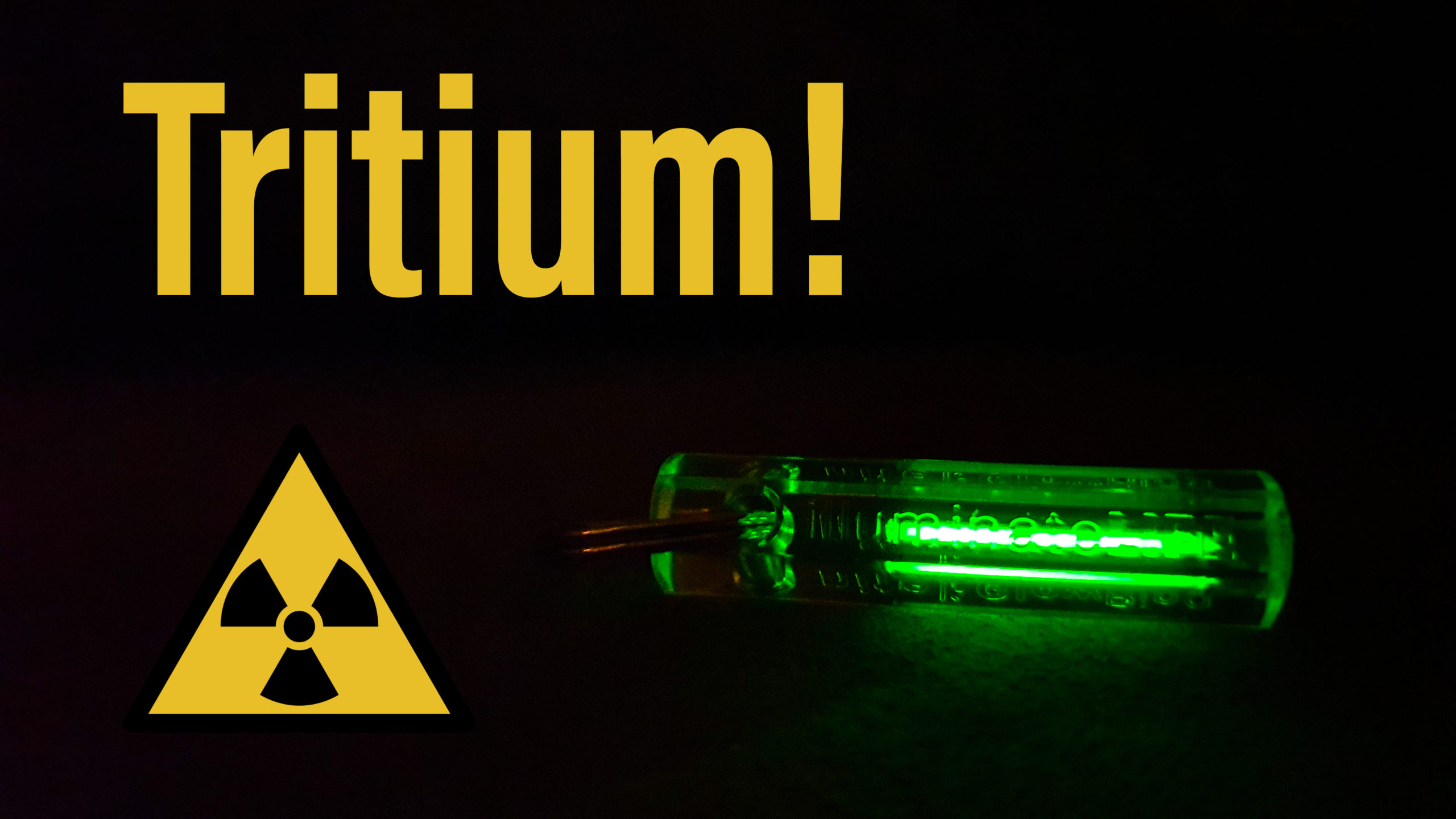
A type of radioactive isotope in the over 1.3 million tons of wastewater
being collected at the destroyed Fukushima nuclear power plant and planned
for discharge by as early as this summer has been found at levels beyond
those earlier suggested to be safe by the Japanese government, a wastewater
safety review report by the International Atomic Energy Agency showed
Thursday.
According to the report, which corroborated analyses of the treated wastewater by six laboratories including the Korea Institute of Nuclear Safety, the activity concentrations of tritium in the treated water were estimated to be at least 148,900 becquerels per liter.
The wastewater filtered through Japan’s Advanced Liquid Processing System at the Fukushima Daiichi Nuclear Power Station contained more tritium than what was stipulated in Japan’s national regulatory standards for discharge, 60,000 becquerels per liter……………………………………………
Korea Herald 1st June 2023
http://www.koreaherald.com/view.php?mp=1&np=1&ud=20230601000750
1 This Month

of the week – Shut Down Drone Warfare!


Tell the Ukrainian Government to Drop Prosecution of Peace Activist Yurii Sheliazhenko

Petition to revoke the licensing of the Near Surface Nuclear Disposal Facility (NSDF) at Chalk River. https://www.ourcommons.ca/petitions/en/Petition/Details?Petition=e-7247
To see nuclear-related stories in greater depth and intensity – go to https://nuclearinformation.wordpress.com
-
Archives
- April 2026 (79)
- March 2026 (251)
- February 2026 (268)
- January 2026 (308)
- December 2025 (358)
- November 2025 (359)
- October 2025 (376)
- September 2025 (257)
- August 2025 (319)
- July 2025 (230)
- June 2025 (348)
- May 2025 (261)
-
Categories
- 1
- 1 NUCLEAR ISSUES
- business and costs
- climate change
- culture and arts
- ENERGY
- environment
- health
- history
- indigenous issues
- Legal
- marketing of nuclear
- media
- opposition to nuclear
- PERSONAL STORIES
- politics
- politics international
- Religion and ethics
- safety
- secrets,lies and civil liberties
- spinbuster
- technology
- Uranium
- wastes
- weapons and war
- Women
- 2 WORLD
- ACTION
- AFRICA
- Atrocities
- AUSTRALIA
- Christina's notes
- Christina's themes
- culture and arts
- Events
- Fuk 2022
- Fuk 2023
- Fukushima 2017
- Fukushima 2018
- fukushima 2019
- Fukushima 2020
- Fukushima 2021
- general
- global warming
- Humour (God we need it)
- Nuclear
- RARE EARTHS
- Reference
- resources – print
- Resources -audiovicual
- Weekly Newsletter
- World
- World Nuclear
- YouTube
-
RSS
Entries RSS
Comments RSS
 nuclear-news