A major update to the International Nuclear Workers Study (INWORKS) was undertaken to strengthen understanding of associations between low-dose exposure to penetrating forms of ionising radiation and mortality. Here, we report on associations between radiation dose and mortality due to haematological malignancies.
Methods
We assembled a cohort of 309 932 radiation-monitored workers (269 487 [87%] males and 40 445 [13%] females) employed for at least 1 year by a nuclear facility in France (60 697 workers), the UK (147 872 workers), and the USA (101 363 workers). Workers were individually monitored for external radiation exposure and followed-up from Jan 1, 1944, to Dec 31, 2016, accruing 10·72 million person-years of follow-up. Radiation-mortality associations were quantified in terms of the excess relative rate (ERR) per Gy of radiation dose to red bone marrow for leukaemia excluding chronic lymphocytic leukaemia (CLL), as well as subtypes of leukaemia, myelodysplastic syndromes, non-Hodgkin and Hodgkin lymphomas, and multiple myeloma. Estimates of association were obtained using Poisson regression methods.
Findings
The association between cumulative dose to red bone marrow, lagged 2 years, and leukaemia (excluding CLL) mortality was well described by a linear model (ERR per Gy 2·68, 90% CI 1·13 to 4·55, n=771) and was not modified by neutron exposure, internal contamination monitoring status, or period of hire. Positive associations were also observed for chronic myeloid leukaemia (9·57, 4·00 to 17·91, n=122) and myelodysplastic syndromes alone (3·19, 0·35 to 7·33, n=163) or combined with acute myeloid leukaemia (1·55, 0·05 to 3·42, n=598). No significant association was observed for acute lymphoblastic leukaemia (4·25, –4·19 to 19·32, n=49) or CLL (0·20, –1·81 to 2·21, n=242). A positive association was observed between radiation dose and multiple myeloma (1·62, 0·06 to 3·64, n=527) whereas minimal evidence of association was observed between radiation dose and non-Hodgkin lymphoma (0·27, –0·61 to 1·39, n=1146) or Hodgkin lymphoma (0·60, –3·64 to 4·83, n=122) mortality.
Interpretation
This study reports a positive association between protracted low dose exposure to ionising radiation and mortality due to some haematological malignancies. Given the relatively low doses typically accrued by workers in this study (16 mGy average cumulative red bone marrow dose) the radiation attributable absolute risk of leukaemia mortality in this population is low (one excess death in 10 000 workers over a 35-year period). These results can inform radiation protection standards and will provide input for discussions on the radiation protection system.
Funding
National Cancer Institute, Centers for Disease Control and Prevention, National Institute for Occupational Safety and Health, Institut de Radioprotection et de Sûreté Nucléaire, Orano, Electricité de France, UK Health Security Agency.
Translation
For the French translation of the abstract see Supplementary Materials section.
The game-changing procedures have reduced the need for serious surgeries, improving health outcomes for many Australians with heart problems and other diseases.
“There are multiple steps that the hospitals take to reduce the exposure, however, a certain degree of exposure is inevitable,” said Interventional and Instructional Cardiologist Dr Samer Noaman.
It’s not fashionable to talk about low level radiation as causing illness. If it gets mentioned at all, well, we tentatively state low level radiation as linked with or associated with illness.
Nice and vague. We all know that you can’t respectably experiment on humans, to get absolute proof.
The nuclear lobby doesn’t mind admitting to the harmful effects of immediate high doses of ionising radiation. Those effects are so bad for the relatively few individuals that suffer them, – why it almost seems to prove that low doses are OK, (even good for you as the “hormesis” fans claim)! It’s easier to dwell on, and deplore the effects of high dose radiation on one person, which is, for some unknown reason, now the most popular topic on my nuclear-news website.
What is ignored, especially by the nuclear lobby, is the collective effect over time, of low level radiation. Nobody seems to have a figure for this. But there have been several thoroughly researched epidemiological studies, showing the harmful effects on exposed populations. The most recent was published in the British Medical Journal (BMJ Aug 16, 2023 accessible free of charge).
The thing is – people can get their head around the idea of one individual having a painful illness and death.
The less dramatic thought is – say for example – if 10 million people were exposed over time to low level radiation, and their risk of fatal cancer was increased from the normal risk of 5%, by another 8% (as the BMJ study showed) that would result in one million three hundred thousand fatal cancers.
When we pause to think about this less exciting information about slowly developing illness of great numbers of people – it’s pretty serious!
So this is the collective effect of low level radiation – that doesn’t get talked about.
One huge study recently has been based on dual research – i.e. on epidemiological research and experimentation on mice. This kind of study is similar to the work of Sir Richard Doll in the 1950s proving that cigarette-smoking causes cancer.
Now the corporate world prefers terms like “linked” and “associated with’ – terms that blur the reality of the scandals of environmental pollution and health. And there’s no bigger scandal than the pervasive lie that low level ionising radiation does not matter.
This paper examines the effect of long-run exposure to low-dose radiation on cognitive performance. We focus on the fallout from the Chernobyl accident, which increased the level of ground radiation in large parts of Europe. To identify a causal effect, we exploit unexpected rainfall patterns in a critical time window after the disaster as well as the trajectory of the radioactive plume, which determine local fallout but have no plausible direct effect on test scores. Based on geo-coded survey data from Germany, we show that people exposed to higher radiation perform significantly worse in standardized cognitive tests 25 years later. An increase in initial exposure by one standard deviation reduces cognitive test scores by around 5% of a standard deviation.
1. Introduction
The last 40 years have seen a drastic increase in radiation exposure. Today, the average person in Europe and America receives about twice the annual dose of radiation compared with in 1980 (NCRP, 2009). This increase is almost entirely due to man-made sources of radiation, such as medical procedures, nuclear power and nuclear weapons. Procedures such as CT scans, X-rays, mammograms or radiotherapy expose patients to low doses of radiation, and their use has been steadily increasing over the past decades. Moreover, the fallout from nuclear disasters such as Chernobyl and Fukushima or a nuclear bomb can expose people thousands of miles from the epicenter.
Medical research shows that subclinical radiation can damage human cells, which has potential knock-on effects on health and cognition and that these effects may occur at all ages. The existing literature has mostly focused on the effect of in-utero exposure, documenting significant adverse effects of radiation exposure during pregnancy on education and labor market outcomes many years later (Almond et al., 2009, Heiervang et al., 2010, Black et al., 2019). However, there is little evidence on the long-term effects of exposure to low-dose radiation after birth. Documenting such effects is important, not least because of the number of potentially affected people: the number of people alive at any one point is substantially greater than the number of fetuses in the womb.
In this paper, we exploit plausibly exogenous variation of the Chernobyl fallout to study the impact of exposure to low-dose radiation on cognitive test scores 25 years after the disaster. We focus on Germany, which received a significant amount of fallout due to weather conditions in the aftermath of the disaster in 1986. Because of the long half-life of the radioactive matter, people who continuously lived in areas with higher initial fallout have been exposed to higher radiation levels for over 30 years. For people exposed after birth, there are two plausible biological channels through which radiation can affect cognitive test scores: a direct effect on the brain because radiation can damage brain cells, and an indirect effect through general health, which may lead to fatigue, thus reducing test performance.
Our dataset – the National Educational Panel Study (NEPS), a representative geo-coded survey – allows us to link fine-grained data on fallout levels in a person’s municipality of residence since 1986 to a battery of standardized cognitive tests done 25 years after the disaster. At the time of the disaster, over half of our sample were adolescents or adults, allowing us to estimate the long-run effect of exposure at these ages.
The central identification challenge is a potential correlation between the local amount of radiation and residential sorting. The local amount of radiation is driven by a combination of several factors, for example wind speed, rainfall, altitude or soil composition. Some of these factors may have also influenced residential sorting prior to 1986, thus potentially leading to omitted variable bias. ………………………………………………………………………
Our central finding is that people exposed to higher levels of radiation from 1986 onward performed significantly worse in cognitive tests 25 years later. A one-standard-deviation higher initial exposure in 1986 reduces test scores by around 5% of standard deviation. Over the course of 25 years, the additional radiation dose of a one-standard-deviation higher initial exposure is roughly equivalent to the dose from 6 chest X-rays or 1.65 mammograms, which indicates that the long-term effects of low-dose radiation can be non-trivial. An additional analysis shows that these effects are not driven by selective migration after the Chernobyl disaster.
This result feeds into two domains of the public debate on radiation. One is about the costs and benefits of nuclear power in many countries. While nuclear power offers the advantage of supplying vast amounts of energy at zero carbon emissions, it comes with the cost of potential disasters. In the last 35 years we have seen two major disasters. Given the proliferation of nuclear power along with the emergence of conflicts like the current war in Ukraine, it is possible that more nuclear disasters may follow. Our results, along with those in other studies, point to significant external costs of nuclear power generation and document an important effect of nuclear disasters on the population. Another public debate, more broadly, deals with exposure to man-made radiation. For example, today the average American receives twice the annual radiation dose compared to in 1980, which is mainly due to medical procedures such as X-rays, mammograms or CT scans (NCRP, 2009). Our results can inform the debate about the long-term consequences of this increase in radiation exposure. The radiation dose from medical procedures is similar to the additional radiation dose Germans in highly affected areas received after Chernobyl. And although these procedures offer high benefits for patients, our findings suggest that they come with a health cost due to a higher radiation exposure.
With this paper, we contribute to three strands of literature. First, our findings contribute to the literature on the effect of pollution on human capital. This literature has produced compelling results for two types of effects. One strand focuses on exposure during pregnancy or early childhood and documents adverse long-term effects of pollution. Another strand focuses on adults and estimates the short-run effect of fluctuations in pollution on outcomes such as productivity, test scores and well-being.1 Our study, in contrast, examines the long-run effects among people exposed after early childhood. These effects are important, not least because of the number of people affected. The cohorts in our sample represent around 24 million people, compared to 200,000 children who were in the womb at the time of Chernobyl. Even if the individual effect is smaller for people exposed after early childhood, our study shows that the environment can have adverse consequences for large parts of the population and, therefore, exposure after early childhood deserves more attention in the literature.
Second, this paper adds new evidence to the emerging literature on pollution and cognitive functioning……………………………………………………….
……………………., this paper contributes to the broader literature on the effects of low-dose radiation. Two recent reviews of the epidemiological literature by Pasqual et al. (2020) and Collett et al. (2020) conclude that there is significant evidence that exposure to low-dose radiation early in life has negative effects on health and cognitive performance.
……………………………….. our results point to even wider-reaching adverse effects of nuclear disasters. Germany is over 1200 km from Chernobyl, and our study shows that large parts of the population have been adversely affected.
2. Historical background and review of the medical literature
2.1. The Chernobyl disaster and its impact in Germany
2.1. The Chernobyl disaster and its impact in Germany
The Chernobyl nuclear disaster in 1986 is one of the two largest nuclear accidents in history. It occurred after a failed simulation of a power cut at a nuclear power plant in Chernobyl/Ukraine on April 26, 1986, which triggered an uncontrolled chain reaction and led to the explosion of the reactor. In the two weeks following the accident, several trillion Becquerel of radioactive matter were emitted from the reactor, stirred up into the atmosphere, and – through strong east winds – carried all over Europe.2 The most affected countries were Belarus, Ukraine as well as the European part of Russia, although other regions, such as Scandinavia, the Balkans, Austria and Germany also received considerable amounts of fallout. The only other accident with comparable levels of fallout was the Fukushima disaster in Japan in 2011 (Yasunari et al., 2011).
Post-Chernobyl radiation in Germany.
………………………………….From 1986 to 1989, the governments of West and East Germany rolled out a comprehensive program to measure radiation across the country. At over 3,000 temporary measuring points, gamma spectrometers measured the radiation of Cs137. Based on the decay of the isotopes, all measurements were backdated to May 1986.
………………………………………….Radiation exposure of the German population.
Humans can be exposed to radiation in three ways, namely through inhaling radioactive particles, ingesting contaminated foods, as well as external exposure, whereby radiation affects the body if a person is present in a place with a given level of radioactivity in the environment. Exposure to radiation through air and ground can be directly assigned to – and therefore be strongly correlated with – a person’s place of residence ……………………………………………………………………………………………………………………………..
Information about the nuclear disaster and reactions of the German public
……………………………………………………………………………………. 2.2. Effects of radiation on the human body
The effect of radiation on the human body is by no means limited to high-dose radiation, such as the one experienced by survivors of nuclear bombs or clean-up workers at the site of the Chernobyl reactor. The medical literature has shown that exposure to subclinical radiation – at doses most people are exposed to, for example due to background radiation, medical procedures, or the fallout from Chernobyl in large parts of Europe – can negatively affect cognition, physical health and well-being. Moreover, while the effects of subclinical radiation may be strongest during pregnancy and early childhood, radiation exposure can have adverse effects throughout a person’s life.
Plausible channels.
Radiation exposure can affect cognitive test scores through four types of channels:
1.A direct effect on cognition, as radiation can impair the functioning of brain cells.
2.An indirect effect through physical health; radiation can impair the functioning of organs and lead to greater fatigue, which in turn may negatively affect test scores.
3.An indirect effect through mental health; a review by Bromet et al. (2011) suggests that people’s worry about the long-term consequences of radiation for physical health may lower their well-being and lead to poor mental health.
4.Indirect effects through behavioral responses, such as internal migration or changes in life style. To the extent that these effects reflect avoidance behavior, they will dampen the negative biological effects.5
In the following, we summarize the evidence from two types of study: one based on observational studies with humans, the other based on experimental studies with mice and rats. While both arguably have their weaknesses – one is non-experimental, the other has limited external validity – together they show that an effect of radiation on cognitive test scores is biologically plausible.
Observational studies.
The effect of radiation on cognitive performance is an active field of research in radiobiology and medicine. Radiation affects the human body through ionization, a process that damages the DNA and can lead to the dysfunction or death of cells (Brenner et al., 2003). Until the 1970s the human brain was considered radio-resistant, that is, brain cells were assumed to be unaffected by radiation. This view changed when lasting cognitive impairments were found in cancer patients who underwent radiotherapy. Studies find cognitive impairments among 50%–90% of adult brain cancer patients who survive more than six months after radiotherapy. The cognitive impairment can manifest itself in decreased verbal and spatial memory, lower problem-solving ability and decreased attention, and is often accompanied by fatigue and changes in mood ……………………………………………….
Laboratory evidence on rats and mice.
The experimental evidence with rodents confirms the evidence found among human cancer patients. Rats who were treated with brain irradiation experience a reduction in cognitive ability, although the biological processes differ between young and old rats………………………………………
While these studies confirm that radiation can plausibly affect cognitive functioning across the life cycle, they are mostly based on once-off radiation treatments. In contrast, after Chernobyl, the German population was constantly exposed to higher ground radiation for many years. A recent experiment on mice by Kempf et al. (2016) is informative about the effect of regular exposure to low-dose radiation. Among mice who were exposed for 300 days, the researchers detected a decrease in cognitive functioning and a higher incidence of Alzheimer’s disease.
Impact on overall health……………………………………….
3. Data and descriptive statistics…………………………………………………..
3.1. The NEPS data
Our main data source is the NEPS, a rich representative dataset on educational trajectories in Germany. ………………………………………………………………………………………………….
3.2. Estimation sample
Our sample includes all survey participants who were born before Chernobyl. We exclude participants born after Chernobyl because the survey only sampled birth cohorts up to December 1986, leaving us with few participants who were born after Chernobyl. Moreover, because we are interested in the effect of post-natal exposure, excluding them ensures that our estimates are not confounded by exposure in utero, which operates through a different biological channel. ……………………………………………………………………………………………………………………………………..
In this paper, we have shown that radiation – even at subclinical doses – has negative long-term effects on cognitive performance………………………………………………………………………………………..
Declaration of Competing Interest
The authors declare that they have no known competing financial interests or personal relationships that could have appeared to influence the work reported in this paper.
“Why Are We Worried? – about decommissioning The San Onofre nuclear power plant ?
Dr. EDWARDS RESPONSE
Good question. If nuclear power were just generating electricity and nothing else, it would be safe. But it also mass-produces deadly radioactive poisons that were never found in nature before the nuclear age began, just 85 years ago.
For instance, nuclear fuel can be safely handled before it goes into the reactor, but after it comes out, it is millions of times more radioactive — and it will kill any nearby human being in a matter of seconds by means of an enormous blast of gamma radiation.
What makes the used fuel suddenly so dangerous? Well, inside the fuel, there are literally hundreds of brand new varieties of radioactive elements that are created by the splitting of uranium atoms – for example, iodine-131, cesium-137, strontium-90. These are radioactive varieties of non-radioactive elements that exist in nature all around us. They are human made radioactive poisons They’re like evil twins.
For example, ordinary table salt has a little bit of iodine added to it. It’s not radioactive. The iodine goes to the thyroid gland and helps to prevent a terrible disfiguring disease called goiter. Well, nuclear plants produce radioactive iodine. It also goes to the thyroid gland and causes cancer. 6000 children in Belarus had to have their thyroid glands surgically removed because of radioactive iodine from the Chernobyl nuclear accident of 1986, in Ukraine.
Meanwhile, in northern England and Wales, for 30 years after the Chernobyl disaster, sheep farmers could not sell their meat for human consumption when it was contaminated with radioactive cesium. To this day, hunters in Germany and Austria who kill a wild boar cannot eat the meat because of radioactive cesium contamination from Chernobyl. It’s in the soil.
You know, everything is made up of atoms. The only difference is that a radioactive atom will explode. It’s called an “atomic disintegration”. Radioactive atoms are like little time bombs. If they explode inside you, they damage living cells, especially DNA molecules. When DNA is damaged, it may make things grow in an unnatural way. Radiation-damaged cells can and do develop into cancers of all kinds.
Meanwhile, in northern England and Wales, for 30 years after the Chernobyl disaster, sheep farmers could not sell their meat for human consumption when it was contaminated with radioactive cesium. To this day, hunters in Germany and Austria who kill a wild boar cannot eat the meat because of radioactive cesium contamination from Chernobyl. It’s in the soil.
You know, everything is made up of atoms. The only difference is that a radioactive atom will explode. It’s called an “atomic disintegration”. Radioactive atoms are like little time bombs. If they explode inside you, they damage living cells, especially DNA molecules. When DNA is damaged, it may make things grow in an unnatural way. Radiation-damaged cells can and do develop into cancers of all kinds.
So radioactive wastes remain dangerous for millions of years. They are the most toxic wastes ever produced by any industry, ever. These poisons are essentially indestructible. Countless billions of dollars are planned to be spent to keep these materials out of the food we eat, the water we drink, and the air we breathe. At Hanford, in Washington State, the radioactive clean-up is estimated to cost more than $300 billion according to the US General Accounting Office. By building more reactors, we are just adding to the burden.
In reality, the ultimate products of a nuclear reactor are radioactive wastes and plutonium which remain dangerous for millions of year. The electricity is just a little blip on the screen, a short-term benefit for just a few decades. The radioactive legacy lasts forever………………………………………………………………………………. ———–
From Hiroshima to Fukushima to You, Dale Dewar, 4 July 2024
“……………………………………………………………………………………………………. Humans have lived with natural radiation for thousands of years – has it caused damage?
There are two distinct examples of natural radiation causing cancer: radon, largely in basements, and skin cancers from cosmic rays.
Cosmic rays were discovered in 1912 by an Austrian physicist, Victor Hess. He went up in a balloon and measured the ionizing radiation as he ascended and found that it was three times higher at 5300 meters elevation than at ground. Others discovered that cosmic rays were largely made up of protons (89%) and alpha particles (10%).
Alpha particles are stopped by skin, beta particles pass just through the skin and x-rays and gamma rays pass completely through a human body. This would make x-ray and gamma rays seem to be the most dangerous as they leave a trail of ions in their passage but if the particles become internal (by eating or breathing) they are up to 20 times more dangerous.
When any of these particles or rays interact with anything including biological matter, they cause ions. Sometimes the damage can be repaired, sometimes it cannot, and the cell dies or replicates the damage. Sometimes the damage affects the very process of replication itself.
This is what happens when a tumour is formed. A cell “goes wild” and doesn’t know when to turn off its growth.
If radioactive dust is inspired or eaten, the release of radioactivity occurs in the body. If it is radium dust, for example, the release of radioactivity continues for as long as the tiny bit of radium is present or 16,400 years (the half-life of radium x 10). The skeletal remains of the “radium girls” will still be radioactive for 16 millennia!
In 1927, an American, Hermann Muller was able to show the effect of radiation (he used x-rays) on genetic material. He had no doubt that it produced mutations in succeeding generations and remained a staunch defender of radiation protection measures and was opposed to atmospheric nuclear tests[iv].
To answer the question, how dangerous is the radiation that we call “background” radiation, the radiation that we cannot avoid? Some European researchers compared the incidence of cancers in children who lived in areas with low background radiation (0.70 mSv) to those who lived in areas with higher background radiation (2.3 mSv). Every tumour marker studied was higher in the children with the higher background radiation.[v]
Why do we know so little about radiation’s danger to health?
The nuclear industry has a singular interest in keeping populations ignorant. It continues to market nuclear energy as “safe” when no nuclear power plant can be operated without release of radiation in the form of tritiated hydrogen gas. By the time that Japan has released all its tritiated water (from Fukushima) into the Pacific Ocean, there will be no “unexposed” population with which to compare cancer rates.
In 1962 Dr. John Gofman was recruited by the US Atomic Energy Commission to head a biomedical unit. He was told that “the AEC was on the hot seat because a series [of atmospheric atomic bomb tests] had clobbered the Utah milkshed[vi]with radioiodine. And they have been getting a lot of flak. They think that maybe if we had a biology group working with the weaponeers at Livermore[vii], such things could be averted.”
The recruitment came with a very generous budget – 3 million dollars (almost three trillion dollars in 2020 dollars). John surrounded himself with scientists and technicians along with an outstanding colleague and Nobel laureate, Arthur Tamplin.
His first task as the chair of the biomedical unit was to squash a research paper[viii] by Dr. Harold Knapp that concluded a one hundred fold increase in the amount of radiation received from fallout by the people who lived in the downwind areas. Gofman and five other experts reviewed the data, asked technical questions and concluded that the research was scientifically sound and ought to be published.
The Atomic Energy Commission (AEC) balked,” We’ve told these people [in the fallout zone] all along that it’s safe and we can’t change our story now.”
Gofman’s committee remained firm.
It was clear that Gofman was not a lapdog hireling. When his department could not support the “Plowshares Project”[ix], the use of atomic bombs for “good”, they became known as the “enemy within”. Gofman thought that they were being teased and it was all in fun but this was the beginning of his demise as a go-to person for the AEC.
In 1969, Dr. Ernest Sternglass published research papers claiming that up to three hundred thousand children might have died from radioactive fallout from atmospheric bomb testing. It received popular coverage in Esquire under the title “The Death of all Children”. John’s colleague Arthur Tamplin re-calculated the data, and his result was an estimation of four thousand. Unfortunately, the AEC was still deeply displeased. The only answer they wanted was zero, that is, no children affected.
The Atomic Energy Commission had been promoting a “safe threshold” of radiation below which no health effects could be detected. A safe threshold made it possible to expose servicemen to atomic bomb tests, for workers in nuclear power plants to receive yearly doses of radiation and for people living near nuclear power plants to receive regular discharges of radiation. Drs Gofman and Tamplin estimated that the cancer risk from radiation was twenty times as bad as the most pessimistic estimate previously made.[x] Not only did they conclude that the risk was high, they also concluded that there was no safe amount of radiation and that it could be assumed that there was some risk all the way down to zero.” They presented their research at the Institute for Electrical Electronic Engineers (IEEE) meeting in October, 1969. A month later, John was invited to give the same paper to hearings convened by Senator Muskie.
Their research was picked up by the Washington Press. Their bosses in the AEC made a decision and started rumors. John heard that he “didn’t care about cancer at all and that he was trying to undermine national defense”[xi]. (He had already resigned his directorship of the laboratory but remained as a research associate.) Dr. Tamplin’s research staff was fired.
When John was called before the Joint Committee on Atomic Energy, a Congressional committee, he and Arthur reviewed all the data they could find. They concluded that “as a matter of fact, we’d underestimated the hazard of radiation when we’d given the Muskie testimony”. They wrote fourteen more research papers. John’s main research was now into chromosomes and their response to radiation. He applied elsewhere for funding to continue, including the Cancer Society but research funding had dried up. The AEC restructured its biomedical unit; it had discovered that doctors and health researchers were hard to control.
At the same time, two scientists with the Union of Concerned Scientists revealed that AEC didn’t know if the cooling system for a type of reactor worked. The credibility held by the AEC became questioable.
The government abolished it and created two new agencies: ERDA (Energy Research and Development Agency) and NRC (Nuclear Regulatory Commission), the former to oversee research and the latter to regulate the industry.
Drs John Gofman, Arthur Tamblin, and Harold Knapp were harassed, ridiculed, and sidelined because their research showed that radiation affected health. The industry didn’t stop there. Drs. Linus Pauling, Alice Stewart, Ernest Sternglass and Hermann Muller suffered similar fates. The US desire for nuclear arms required nuclear power plants. Nuclear radiation had to be safe………………………………………………………………………………………………………………………… https://ionizingradiationandyou.blogspot.com/
From Hiroshima to Fukushima to You, Dale Dewar, 4 July 2024 “…………………………………………………………………………………………………………. Are we still questioning the safety of ionizing radiation? Nuclear industry leaders are delighted to remind me that physicians are the leading causes of the radioactive “burden” that most people carry.
Inadvertent research in medicine
What is less well known is that the medical profession has inadvertently conducted research on radioactivity and, after the fact of the exposures, discovered correlations of injury with radioactivity. Only a few are listed here:
1. Radiation-Induced Meningiomas:
In the early 1900’s until after the discovery of topical anti-fungals[2] in the late 1950’s, the treatment of choice for fungal or yeast infections of the scalp was irradiation, especially for Jewish children planning to immigrate to Isreal. The technique exposed the scalp to 5 – 8 Gy to the scalp, and 1.4 – 1.5 Gy to the surface of the brain. Initially it seemed like a safe thing to do.
But then reports of somnolence (sleepiness) lasting from 4 – 14 days in 30 of 1100 children occurred. By the 1930’s side effects included atrophic changes to the scalp, epilepsy, hemiparesis, emotional changes and dilatation of the brain’s ventricles.
The absolute death knell to the practice occurred in 1966 when University Medical Center (New York) published a study showing a dramatic increase in cancers among those irradiated. An increase rate of psychiatric hospitalizations was also noted.
Studies continue to roll in – the latent phase for meningioma is approximately 30 years but metastatic tumours may take over 40 years to develop. No one irradiates scalps for ringworm now.[xvii]
2. Treatment of tuberculosis using chest fluoroscopy:
Between 1925 and 1954, one of the therapies for tuberculosis was collapse of the lung followed by x-Ray fluoroscopy. More than 2500 of these patients were followed for 30 years. Increases in the rate of cancer of the breast was not seen until about 10 to 15 years after first exposure[3]. There were 147 breast cancers in the treated cohort compared to 113.6 in tuberculosis patients that were not treated with fluoroscopy. The researchers concluded that younger women were more likely to develop cancer and that the risk of developing cancer remained high for their entire lives.
The fluoroscopic and x-ray doses were known. Another finding from this study was that fractionated doses had the same risk of developing cancer as the single total dose.[xviii]
3. Irradiation of the thymus gland and subsequent breast cancer
Young children normally have large thymus glands. With the advent of chest x-rays in the 1920’s, this large thymus was viewed with suspicion. Pediatricians feared that a large thymus could lead to respiratory problems. Until 1953[xix]irradiation of the thymus was done to decrease its size.
The rate of breast cancer among woman who were so treated as children was three times that of those that were not treated. The cancers occurred when women were in their early 30’s, more than 25 years after irradiation.
Since the amount of radiation given to the thymus was quite low, researchers have become concerned about the rising tendency for CT scans of the chest either for diagnosis or treatment. Their results “underscored the importance of limiting radiation exposure in the youngest children as much as possible.”
4. CT scans of children’s heads following injuries.
Like many physicians wishing to comfort parents whose child had a concussion, I was pleased to be able to refer the child to a CT scanner when one became available in 1996. We all slept better at night thinking that a normal CT meant that the kid’s brain was ok.
Maybe we should not have.
A Canadian study of children receiving CTs to the head indicated that as few as four CT scans before the age of six could result in doubling the risk of leukemias, lymphomas and intracranial tumours starting about ten years later.[xx]
5, Secondary cancers resulting from radiation treatment for cancer
Until recently second primary cancers were neither given serious thought nor studied. Most patients receiving radiation did not live long enough, the 15 to 20 years after their treatment, to display the side effects of ionizing radiation.
One of the first studies on this population indicated that the number of second cancers caused by radiation was as high as one person in five.
There are many criticisms of this study not the least of which is that the size of their sample was small and, at ten years, the length of time for the development of solid cancers was short, but the researchers still concluded that “an effort toward a reduction in their incidence is mandatory. In parallel, radiation therapy philosophy must evolve, and the aim of treatment should be to deliver the minimal effective radiation therapy rather than the maximal tolerable dose.[xxi]
Arising from their work were estimations of dose associated with harm. They concluded that the incidence increased with the dose even though thyroid and breast cancers were observed following doses as low as 100 mGy and adults developed cancers following treatment doses as little 500 mGy. The risk of developing sarcoma (bone cancer) was 30.6 times higher for doses of more than 44 Gray than for doses of less than 15 Gray.
6. Side effects of ionizing radiation tracers and heart disease.
Research has shown that the lifetime risk of developing fatal cancer from the use of a radioactive tracer as in a PET or MIBI scan is 1 in 2000, in other words, it is lower than the lifetime risk of dying in a motor vehicle accident (1 in 108).[xxii]
However, when Canadian researchers focused on their 82,861 patients who had heart attacks, they found that 77% underwent at least one cardiac imaging or therapeutic procedure involving low-dose ionizing radiation. By comparing populations, they found that for every 10 mSv of radiation there was a 3% increase in the risk of age- and sex-adjusted cancer over a follow-up period of five years.
Because five year follow-up is very short for the development of cancers, this is an underestimate, probably by a large factor…………………………………………………………………….. https://ionizingradiationandyou.blogspot.com/
From Hiroshima to Fukushima to You, Dale Dewar, 4 July 2024 “…………………………………………………………………………………………………………….. That radioactive elements cause cancer is beyond doubt. Increasing their presence in our environment does increase the incidence of cancer. It seems that these elements may cause any number of other problems – auto-immune and cardiovascular diseases, ill-health and chronic tiredness, headaches and benign tumours all have suspicious links. Lowered resistance to bacterial and viral illnesses has been seen.
Funding to do the studies that extend over years is not available.
Even an accident as large as the Three Mile Nuclear Power plant accident received funding for only nine years. When studies done by Joseph Mancuso, Alice Stewart and Geoffry Knean on Hanford workers showed a health effect not only was their funding cut but demands were made that they release all their hard data to the National Research Council. (Mancuso lost his data but Stewart and Knean had taken most of the documentation home with them, to the UK.)
That radioactivity causes chromosomal defects in fruit flies is also not questioned. To show these effects, if they occur in humans, would require centuries.
The specific effects of some radioactive elements have been well studied:
Radon-222: Cancers caused by radon prompted the Canadian government to establish the Canadian National Radon Program using guidelines developed by the International Radiation Protection Association. Various public health offices believe that alpha radiation from radon causes up to 20% of Canadian lung cancers.
Radon is the main decay product of radium. It has a half-life of only 3.8 days so its decay chain is also of concern for health. One of its products is polonium-210, one of the most poisonous elements on earth. Are cancers blamed on radon really caused by polonium?
Radon has found some use as a tracer but, while found naturally, it is still considered part of uranium waste.
Uranium-238: This isotope of uranium is its most common. Forming 99.27% of natural uranium, it has a half-life of 4.5 billion years. It is the starting of a decay chain that includes radium, radon, polonium and ends with stable lead-210. This isotope, uranium-238, is popularly referred to as “depleted uranium” because its uranium-235 has been removed.
Uranium is a heavy metal and as such, its health effects resemble those of lead and mercury, kidney failure being the most common. It seems to have estrogen-mimicking properties and at least one chronic disease has found to be increased, systemic lupus erythematosus, among a cohort of uranium miners.
The Eldorado uranium miners study looked specifically for lung cancer and found a doubling effect – but was it due to powdered uranium or gaseous radon?
Uranium-235: This isotope is fissile, the isotope desired for nuclear bombs. “Enrichment” of uranium occurs to increase the percentage of U-235 and there are various percentages required for different tasks.
Most light water nuclear reactors require a concentration of 3 – 5% U-235 to operate, to reach criticality and produce the heat to boil water. It is anticipated that the proposed small modular reactors will require HALEU (High Assay Low Enriched) uranium which contains 19.5% uranium-235.
Aside from nuclear bombs and nuclear power plant fuel, uranium has no other functions. Uranium as an ore, refined to “yellow cake” is not very radioactive.
Radium-226: The most stable isotope of radium with a half-life of 1600 years is radium 226, itself a decay product of thorium-230 in the uranium-238 decay chain. Radium is considered the most radioactive element known. It emits alpha, beta and gamma radiation. Its glowing colour is the result of ionization of the air around it.
All 34 known isotopes are radioactive. It is found in nature.
Radium’s use has evolved from the dials of watches until the 1970’s and cancer treatments until the 1990’s when it was discarded in favour of less radioactive but still effective elements. It may have been the first element used in brachytherapy where the element is encapsulated and inserted inside a tumour. It is still used for prostate cancer that has spread to bones.
Radium is a relative of calcium and strontium. When it is in the blood, bones and muscles will absorb it and use it in place of calcium. In the bones and muscles, its radiation induces bone cancers, and cancers of the bone marrow (leukemias). Hence the dial workers and the industrialist developed bone cancers, osteosarcomas.
Strontium-90: Strontium (element 38) is found ubiquitously in radioactive fallout from nuclear bombs or nuclear power plants. It is a fission product of uranium.
Natural strontium is not radioactive, nor are its four isotopes. It belongs to the same family of elements as calcium and human biology treats them very similarly, strontium is scooped out of the blood to incorporate it into bones and muscles. It is believed to have a biophysical[4] half-life of 18 years. Because it is very close to blood-forming components in the bones, it is blamed for increases in leukemia, lymphomas and bone cancers. While in situ, it initially weakens bones.
Strontium-90 decays with a half-life of 29 years to yttrium-90 which also undergoes beta decay to zirconium-90 which is stable.
Strontium-90 has no commercial value and is considered entirely an environmental pollutant.
Iodine-131: Radioactive iodine therapy increases the risk of leukemia, stomach cancer and salivary gland cancer, according to the American Cancer Society[xxiii]. On March 27, 2011, Massachusetts Department of Public Health found I-131 in low concentration in rain water, likely originating from the Fukushima accident.
Iodine-127 is the only stable isotope of the element with 53 protons in its nucleus. Of the remaining 26 isotopes, iodine-131 is not only of greatest concern with respect to nuclear bomb testing fallout, nuclear power plant accidents and natural gas production, but of all fission-related radioisotopes, it has also found the greatest medical use. It has a half-life of about 8 days and emits an energetic electron, a beta particle. It is preferentially filtered out of the blood by the thyroid.
Because it is collected by the thyroid, it can be used in high doses to selectively kill hyperactive thyroid cells whether they are benign or malignant. Also, because it is collected by the thyroid, its action can be mitigated by taking normal oral iodine at the time of exposure.
Its short half-life means that it is an insignificant contributor to nuclear waste.
It decays to xenon-131 which is stable.
Tritium: All threehydrogen isotopes are gasses and can form water with oxygen. Hydrogen itself has one proton in its nucleus and one electron circling it. Deuterium is “heavy water” with one proton and one neutron in its nucleus. Tritium is radioactive with one proton and two neutrons in its nucleus.
While it is naturally formed by cosmic rays hitting hydrogen in the upper atmosphere, the bulk of today’s tritium is released from nuclear power plants. It is often characterized as a short-lived weakly radioactive radioisotope, but a half-life of 12.3 years is questionably “short” in human terms. The beta particle emitted by tritium is low energy but its presence inside human cells is a major concern.
Getting into human cells is pretty easy for a hydrogen isotope because, combined with oxygen, it forms tritiated water and water enters every cell of almost every biological being. It is very difficult to link specific exposures to cancers and chronic disease but using populations studies, researchers can link the health of populations around nuclear power plants with case-matched[5]populations that are not exposed to tritium releases from power plants.
Tritium has had commercial use as the energy source in radio luminescent lights for watches, gun sights, numerous instruments and tools, and even novelty items such as self-illuminating key chains[xxiv]. It is used in a medical and scientific setting as a radioactive tracer. The past use in exit signs was discontinued because of breakage.
Conclusion:
Does ionizing radiation cause cancer? Cancer seems to be at least one consequence of exposure. While it is difficult to determine whether a person has developed cancer because he/she worked in a uranium mine, had a high amount of radon in their home, got struck by cosmic rays, or had too much glyphosate or benzo(a)pyrene[6] in their diet, wherever the more difficult comparison of populations has been done, those affected by the higher ionizing radiation regardless of the element, show increased incidences of cancer.
We can say with certainty is that ionizing radiation causes ions. When It enters human cells, it can pass straight through or, like a cyclone, wreak havoc on the cell’s internal structure.
Ionizing radiation can break up chromosomes, the things in cells that tell the cell what it is. If it is a skin cell, the chromosome will tell the cell to make more skin cells. If the chromosome has been damaged, it may not be able to tell the cell how to make normal skin cells.
To say that ionizing radiation is safe is fraudulent.
What can you do to limit your exposure to ionizing radiation?
1. Whenever you or a child or someone under your care is asked to have an x-ray, ask the person ordering it how the x-ray result will change or otherwise affect treatment. Often the answer will be that they simply want to assess your progress. If you feel good (or better), you already know your progress.
2. Make sure that you are getting the right imaging for the problem you are facing. When a CT scan was suggested for one of my patients, I realized that he would be better served by an MRI which then revealed the small cyst in a tendon.
3. Don’t succumb to the doctor or other care provider’s “curiosity”. Ask questions.
My patient, call him “John”, told me this story. At 79 years of age, he had Chronic Myelogenous Lymphoma and was told by his specialist to have a biannual CT scan. He was feeling quite well.
He asked the doctor, “What are you looking for?” He was told that the physician was looking for “changes”. John already had one CT scan and hadn’t been told the results.
The specialist said that he hadn’t mentioned the previous CT scan because there wasn’t much to report. John thanked him and refused the new CT scan. He told the specialist he would return if his health changed.
4. There is almost no excuse for “routine x-rays”. At one time everyone who entered a hospital was submitted to chest x-rays.
To these choices that affect you personally, there is another action that we should be taking:
5. Oppose development of nuclear weapons and nuclear power. One will not exist without the other. While medical radioisotopes don’t need nuclear power reactors for their use and development nuclear bombs cannot be built or serviced without nuclear power. _…………………….. https://ionizingradiationandyou.blogspot.com/
From Hiroshima to Fukushima to You, Dale Dewar, 4 July 2024 “………………………………………………………………………………………………………………………………….. The ways in which scientists can be harassed might be subtle, for example, their research doesn’t get published or their funding is cut off. It can also be blatant as in public ridicule, not merely their research but also their person. A mighty industry highly subsidized by government and the fascination with big bombs not unsurprisingly had control of much of the media. Scientists could spend inordinate amounts of time defending their positions in industry or in colleges and universities but, in fact, many cannot afford to dissent or even publish critical material.
Dr. Ernest Sternglass defended his research before a US Senate hearing in favour of a ban on atmospheric nuclear bomb tests. The “400,000 dead babies’ theory” was simple mathematics. Every year starting well before atmospheric atomic testing counties had public health numbers for the numbers of babies born and the numbers of babies that reached their first birthday. As health care, vaccinations and antibiotics became widespread and better food became available, there were more children reaching their first birthday. Then suddenly when atmospheric testing started to occur, the number of one-year-olds decreases. It flat lines until the first limited voluntary Test Ban Treaty occurs in 1958 when the healthy trend is resumed. After a brief flurry – including the headlines in Esquire magazine – his work was mothballed.
Dr. Linus Pauling received a Nobel Prize for much of the same results. And then there is the little known exchange between Dr. Kathyrn Behnke who saw an increase in newborn deaths in August 1945 after the Trinity atomic bomb test and the project physician Dr. Warren Spafford who denied her findings, his assistant saying, “we can find no pertinent data concerning infant deaths”[xii]Furthermore, he “wanted to assure you that the safety and health of the people at large is not in any way endangered.”
Several other studies claiming the role of radiation in disease occurred in quick succession. Dr. Alice Stewart in the UK had uncovered a link between x-rays in the mothers and leukemia in the offspring. She found such a strong link that she says, “by the time we reached 32 pairs[xiii], it was there”.
In the USA, Dr. Rosalie Bertell, an epidemiologist working on the Tri-State Leukemia Survey – a project founded to determine why a rare disease in children was suddenly becoming more common. The researchers had found that the use of x-rays on the mothers in their pregnancies was associated with a two-fold increase in leukemias in the so-exposed offspring. What was surprising was that these children continued to show increased leukemias throughout their lives.
The medical profession and the nuclear industry desperately wanted to believe otherwise. A third study out of Harvard done by a male researcher, Dr. McMahon, found the same results
The nuclear industry, if it acknowledged Drs Pauling and Sternglass’s findings, did so dismissively stating that more research must be done. With respect to Drs Stewart, McMahon and Bertell, they strongly emphasized that x-rays are not gamma rays.
It was only a decade later, in my medical class in 1976 at the U of Saskatchewan, the obstetrics professor taught us how to do pelvimetry, the art of calculating the size of a pregnant woman’s pelvis with x-rays, but also said without explaining why, that the practice was “now frowned upon”.
In 1979, Dr. Bertell had become obsessed with radiation and the human body. She was invited to meet with workers at Erwin, Tennessee who were striking – not for higher wages but for the right to retire at age 55 and collect a pension. They didn’t believe that they would live to age 65. One man asked her what was meant by blood in his urine. At a show of hands, every single man present had the same complaint. Rosalie says, “Out of a hundred workers, a hundred had experienced gross blood in the urine.”[xiv]
She tried to get blood samples to do a limited survey of several workers but the union doctors failed to get the sample or deliver them promptly. After Rosalie contacted the doctors, the union leaders were jailed and the men forced back to work.
This small seemingly inconsequential Catholic nun was not to be deterred and kept trying to proceed with a health study of workers at Rocky Flats, Colorado and at Paducah, Kentucky. Officials who supported her were fired or departments “reorganized”. The industry was not about to risk real statistics.
Sometimes, however, they had to accept real statistics. In Canada, a study of uranium miners in Northern Saskatchewan established a connection between uranium mining and lung cancer. The original Eldorado study (named for the mining company) was published in 1986. It counted lung cancer deaths among miners from 1948 to 1980 who had been working at Beaverlodge and Port Radium mines[xv] concluding that there were almost double the cancer deaths among miners than among a cohort of non-miners. They also found, not surprisingly that the higher the exposure to radioactivity, the greater the risk of lung cancer.
Kikk Study
Although several English and French studies had shown a link between radioactive emissions and children’s leukemia (a cancer of the blood), there was huge resistance to accept their findings. The industry found fault, legitimate or otherwise, with all of them.
However, enough people in Germany were concerned about the increase in leukemia in children living close to nuclear power plants that they endeavoured to do the “definitive study”.
The research panel included people of every political bent and various backgrounds with respect to nuclear power – they tried to create a research board that could not be criticized as “biased”. They chose children living within different distances, 5, 10, up to 25 km from the plant and paired them with children outside of those areas.
They used the data from the nuclear power plants to calculate the average amount of radiation that each child likely received.
They concluded that there was a distinctive increase in leukemia that also increased the closer the child was to the nuclear power plant. The researchers said that they didn’t know why.[xvi]
Closer examination reveals what happens. Nuclear power plants average their releases of radioactive gasses over three months although they are actually released intermittently as “puffs” of gasses. What looks like a steady low dose release of tritium is actually a bunch of radioactive puffs of tritium.
In 1976, a professor in the College of Medicine, Dr. Sylvia Fedoruk tossed a well-protected glass vial at me, “Catch” she said. I caught it at which she announced that it contained radioactive iodine. I was hugely pregnant. As I returned the vial, she said, “See, it didn’t hurt you.”[1]
I knew that it was an alpha emitter and that I was well-protected by the glass, but my classmates may not have known. Dr. Fedoruk was deeply invested in developing nuclear medicine, but the incident whetted my interest as well. I wanted to know why there was such aggressive interest in promoting the safety of radioactivity.
The 1962 physics professor’s question had stayed with me, “What about the nuclear waste?”. I was unclear about health risks. I became a member of the International Physicians for Prevention of Nuclear War (IPPNW). Its early iteration did not oppose nuclear power.
Committing to activism in the 1970’s was hardly in the cards. I was in my final year of medical college, mother of two children, partner to someone who was already an activist.
But now it is 2023, and I no longer have babies but I do have a grandchild. I am appalled that we are still spewing ionizing radiation into their atmosphere. And pretending that it is ok. Maybe that generation will be fine but what of the next?
Cancer risks among studies of medical diagnostic radiation exposure in early life without quantitative estimates of dose
Science Direct, 1 August 2022, Mark P. Little a1, Richard Wakeford b1, Simon D. Bouffler c, Kossi Abalo d, Michael Hauptmann e, Nobuyuki Hamada f, Gerald M. Kendall g
Highlights
•There is mounting evidence of cancer risk from low dose radiation in childhood.
•A review was conducted of cancer after exposure in utero/childhood of studies without individual radiation dose estimates.
•There were excess cancer risks associated with radiation exposure in utero.
•There were excess cancer risks associated with radiation exposure in childhood, but also substantial variability in effect.
•These data suggest excess risk following diagnostic radiation exposure in utero, but not after postnatal exposure.
Abstract
Background
There is accumulating evidence of excess risk of cancer in various populations exposed at acute doses below several tens of mSv or doses received over a protracted period. There is also evidence that relative risks are generally higher after radiation exposures in utero or in childhood.
Methods and findings
We reviewed and summarised evidence from 89 studies of cancer following medical diagnostic exposure in utero or in childhood, in which no direct estimates of radiation dose are available. In all of the populations studied exposure was to sparsely ionizing radiation (X-rays). Several of the early studies of in utero exposure exhibit modest but statistically significant excess risks of several types of childhood cancer. There is a highly significant (p < 0.0005) negative trend of odds ratio with calendar period of study, so that more recent studies tend to exhibit reduced excess risk. There is no significant inter-study heterogeneity (p > 0.3). In relation to postnatal exposure there are significant excess risks of leukaemia, brain and solid cancers, with indications of variations in risk by cancer type (p = 0.07) and type of exposure (p = 0.02), with fluoroscopy and computed tomography scans associated with the highest excess risk. However, there is highly significant inter-study heterogeneity (p < 0.01) for all cancer endpoints and all but one type of exposure, although no significant risk trend with calendar period of study.
Conclusions
Overall, this large body of data relating to medical diagnostic radiation exposure in utero provides support for an associated excess risk of childhood cancer. However, the pronounced heterogeneity in studies of postnatal diagnostic exposure, the implied uncertainty as to the meaning of summary measures, and the distinct possibilities of bias, substantially reduce the strength of the evidence from the associations we observe between radiation imaging in childhood and the subsequent risk of cancer being causally related to radiation exposure……………………..
“In the present paper we review studies of early life medical diagnostic exposures, both 61 antenatal and postnatal, in which quantitative radiation dose estimates are lacking, though general indications of the magnitude of the doses are likely to be implicit. The present study complements a parallel and contemporary review that evaluated studies in which quantitative estimates of radiation risk with respect to doses are available (Little et al., 2022b).”…………….. https://www.sciencedirect.com/science/article/abs/pii/S0048969722018162
Standards don’t protect them and studies dismiss them
By Linda Pentz Gunter
In a peer reviewed article published in the British Medical Journal Pediatrics Open in October, my Beyond Nuclear colleague, Cindy Folkers and I, reviewed the studies currently available that look at the impact on children from radiation exposures caused by the nuclear power sector.
In particular, we looked at the disproportionately negative impact on children living in disadvantaged communities, primarily those of color. As we wrote in the article:
“From uranium mining and milling, to fuel manufacture, electricity generation and radioactive waste management, children in frontline and Indigenous communities can be disproportionately harmed due to often increased sensitivity of developing systems to toxic exposures, the lack of resources and racial and class discrimination.”
At about the same time, and as if to confirm our hypothesis, the story of the Jana elementary school in Missouri began to break.
The school is in a predominantly Black community in northern St. Louis and the US army corps of engineers had been called in to assess radioactivity found in classrooms, playgrounds and on sports fields at the school after findings of unacceptable levels of radioactivity on the premises were revealed in an independent report conducted by Dr. Marco Kaltofen, President of Boston Chemical Data Corporation.
The radioactive contamination found at the school was, as the report described it, “consistent with the radioactive legacy uranium processing wastes notoriously found in the heavily contaminated Coldwater Creek in North St. Louis County, MO, and in low-lying areas subject to flooding from the creek.”
The report concluded that “radiological contamination exists at unacceptable levels (greater than 5.0 net pCi/g as alpha radiation) at the Jana School property.”
Those wastes, dating back from the 1940s to 1960s, were produced by a company called Mallinckrodt, which processed uranium from the Belgian Congo as part of the Manhattan Project. The radioactive waste they produced was illegally dumped in what was then surrounding countryside and at the West Lake Landfill. It seeped into creeks and spread into parks and even homes.
A story we ran on Beyond Nuclear International in March 2018 relates the struggle of residents to get their community cleaned up. Atomic Homefront, a compelling documentary about this fight, brings home exactly the toll this environmental crime has taken on people living there, especially women.
Radioactive lead-210, thorium and radium-226 were among the isotopes found at Jana Elementary school, at levels far higher than those considered permissible (but not safe) at Superfund sites. The lead-210 was at levels 22 times what would be considered “expected” in such an environment.
Why had it taken so long to discover this immense and unacceptable risk to children?
Jana’s PTA president, Ashley Bernaugh, believes she knows the answer.
“Jana elementary’s radioactive past looks like a lot of other communities where hazardous waste has been allowed to exist in predominantly minority communities and in lower middle income communities, where it never would have been allowed in upper income level communities because of the public outrage,” she told The Guardian.
By November 9 the corps had declared that radiation levels at the school “showed no levels of radiation higher than ‘the level of radioactivity Mother Nature already provides.’”
“Mother Nature” is a euphemistic reference to “background radiation,” already problematic given the decades of atomic testing and major nuclear accidents that have added to what “background” radiation levels once were but are no longer. Of far greater concern is that these levels, while likely not even safe for adults, are certainly not safe for children.
This determination of what is “safe” is based on a standard that is not only outdated but was wrong from the start. Here is what we wrote about this in our BMJ article.
“Pregnancy, children and women are underprotected by current regulatory standards that are based on ‘allowable’ or ‘permissible’ doses for a ‘Reference Man’. Early in the nuclear weapons era, a ‘permissible dose’ was more aptly recognized as an ‘acceptable injury limit,’ but that language has since been sanitized.”
Reference Man is defined as a nuclear industry worker 20–30 years of age, who weighs around 154 pounds, is 67 inches tall and is a Caucasian Western European or North American in habitat and custom.
“Very early research conducted in the USA in 1945 and 1946 indicated higher susceptibility of pregnancy to radiation exposure. Pregnant dogs injected with radiostrontium had defects in their offspring and yet, complete results of these studies were not made public until 1969,” we wrote.
“By 1960 however, U.S. experts were clearly aware that research indicated higher susceptibility of children, when the Federal Radiation Council (established in 1959 by President Eisenhower) briefly considered a definition for ‘Standard Child’—which they subsequently abandoned in favor of maintaining a Standard Man definition, later renamed Reference Man.”
Reference Man still stands, although our organization, in partnership with the Gender + Radiation Impact Project, are working to get it changed to Reference Girl. (If you are interested in learning more about this, you can join our online classes.)
Why are children, and especially female children, as well as women and especially pregnant women, more susceptible to harm from radiation exposure? This is not fully understood and regulatory practices, particularly in the establishment of protective exposure standards, have failed to take this difference into account.
An examination of Navajo babies born between 1964 and 1981 showed that congenital anomalies, developmental disorders and other adverse birth outcomes were associated with the mother living near uranium mines and wastes.
Other studies — among Aboriginal communities in Australia and members of Indigenous tribes in India —showed similar outcomes. But so-called anecdotal evidence is invariably dismissed in favor of “statistical insignificance”.
Even perhaps the most famous study, in Germany, of children living near nuclear plants showing elevated rates of leukemia directly correlated to the proximity of their homes to the nuclear sites, was dismissed with claims that the doses were simply too low to have such an impact.
As we concluded in our BMJ article, which is fully accessible and can be read in its entirety here, “more independent studies are needed focused on children, especially those in vulnerable frontline and Indigenous communities. In conducting such studies, greater consideration must be applied to culturally significant traditions and habits in these communities.”
Linda Pentz Gunter is the international specialist at Beyond Nuclear and writes for and curates Beyond Nuclear International.
“The Scientists Who Alerted us to Radiation’s Dangers”, now published, contains the biographies of 23 radiation scientists who blew the whistle on radiation risks but were victimised by their governments and their nuclear establishments for doing so. Most of these scientists are no longer with us.
Recent epidemiology evidence clearly shows that the denials and obfuscations on radiation risks by successive governments and their nuclear establishment in the past on both sides of the Atlantic were and are wrong and the maligned scientists were right. Radiation is considerably more dangerous than official reports indicate, both in terms of the numerical magnitudes of cancer risks, but also in terms of the new types of diseases, apart from cancer, now shown to be radiogenic.
Written by a former UK government scientist Dr Ian Fairlie and a US anti-nuclear campaigner, Cindy Folkers, the book preserves the memories of the radiation scientists over the previous half-century or so, mostly from the US and UK.
They portray another 15 more recent radiation scientists who have followed in their footsteps but have managed to avoid being victimised. The book also lists over 150 activists in North America, Japan and Europe who have raised their voices against radiation risks and exposures over the past 30 to 40 years.
Radiation and radioactivity and their current risks are explained in easy-to-understand terms. All scientific statements are backed by evidence via hundreds of references, 14 Appendices, 6 Annexes, a glossary and an extensive bibliography.
This is an up-to-date reference book for all academics on the dangers and risks of radiation and radioactivity. The book also serves to help journalists and students counter the misrepresentations, incorrect assertions, wrong assumptions, and untruths about radiation risks often disseminated by the nuclear (power and weapons) establishments on both sides of the Atlantic.
RNZ, By Mar-Vic Cagurangan, Pacific Island Times, 17 June 24
Despite nearly two decades of relentless lobbying, Guam’s hopes to finally be included in the Radiation Exposure Compensation Act (RECA) crumbled anew when the US House Republican leadership let the program expire without extension or expansion.
While the RECA extension and expansion proposal received bipartisan support in the US Senate, House Speaker Mike Johnson shunned its inclusion in the 2025 National Defense Authorization Act.
Guam Delegate James Moylan said the House Rules Committee ruled his amendment to incorporate the RECA expansion language into the defense spending policy bill “out of order”. As a result, the language didn’t make it to the floor for the House vote.
“The primary reason was that offset costs were not provided, which were estimated at around US$50 billion,” Moylan said in a statement.
“This mirrors the message from House leadership when referencing the RECA measure passed by the Senate, and many in the House, including myself, have been requesting for a vote to take place on the floor.”
RECA, the 1990 legislation that provided financial compensation for atomic test downwinders in three states and pre-1971 uranium miners, expired on June 10.
The expanded version would have added Guam, Colorado, Idaho, Missouri, Montana and New Mexico to the list of areas currently included in RECA, namely Nevada, Arizona and Utah.
“The Republican leadership’s policy is that any new spending measure must have an offset provided, to prevent uncontrolled spending or an unfunded mandate,” Moylan said.
“There are others who believe the measure should be passed regardless, and thus allow the executive branch to identify the funds. We believe a combination of both is needed.”
The Pacific Association of Radiation Survivors led by Robert Celestial has been fighting for Guam’s inclusion in RECA, backed by the National Research Council’s 2005 report declaring the territory’s eligibility for compensation under the program.
“Guam did receive measurable fallout from atmospheric testing of nuclear weapons in the Pacific between 1946 and 1958,” read the council’s report, which recommended that people living on island during that period be compensated under RECA “in a way similar to that of persons considered to be downwinders.”
Despite the latest defeat, Moylan said the advocacy “is far from over” and “building more support along the way”.
The venting may harm pregnant women and fetuses, advocates say.
SEARCHLIGHT NEW MEXICO, by Alicia Inez Guzmán 12 June 24
Last fall, the international community rose up in defense of the Pacific Ocean. Seafood and salt purveyors, public policy professors, scientists and environmentalists, all lambasted Japan’s release of radioactive wastewater from the disastrously damaged Fukushima Daiichi nuclear plant into the sea.
At the heart of the contention was tritium, an element that, by mass, is 150,000 times more radioactive than the plutonium used in the cores of nuclear weapons. Odorless and colorless, tritium — the radioactive form of hydrogen — combines with oxygen to form water. Just one teaspoon is enough to contaminate 100 billion gallons more water up to the U.S. drinking water standard, according to Arjun Makhijani, an expert on nuclear fusion and author of the monograph, “Exploring Tritium Dangers.”
What didn’t make international headlines — but was quietly taking place on the other side of the world — was Los Alamos National Laboratory’s own plans to vent the same radioactive substance into northern New Mexico’s mountain air. Japan’s releases would take place over three decades. LANL’s would include up to three times more tritium — and take place in a matter of days.
There is no hard timeline for the release, but if the plans are approved by the Environmental Protection Agency, LANL is looking at a period with “sufficiently warm weather,” a spokesperson from the National Nuclear Security Administration wrote by email. That could mean as soon as this summer.
Those controversial plans date back to 2016, when LANL discovered that a potentially explosive amount of hydrogen and oxygen was building up in four containers of tritium waste stored in a decades-old nuclear dump called Area G. The safest and most technically viable solution, the lab decided — and the best way to protect workers — would be to release the pressure and, with it, thousands of curies of tritium into the air.
When advocates caught wind of the venting in March 2020, Covid was in its earliest and most unnerving phase. Pueblo leaders, advocates and environmentalists wrote impassioned letters to the lab and the EPA, demanding that they change or, at the very least, postpone the release until after the pandemic. At the same time, Tewa Women United, a nonprofit founded by Indigenous women from northern New Mexico, issued its first online petition, focusing on tritium’s ability to cross the placental barrier and possibly harm pregnant women and their fetuses. Only after a maelstrom of opposition did the lab pause its plans and begin briefing local tribes and other concerned members of the community.
“We see this as a generational health issue,” said Kayleigh Warren, Tewa Women United’s food and seed sovereignty coordinator. “Just like all the issues of radioactive exposure are generational health issues.”
Last fall, the lab again sought the EPA’s consent. A second petition from Tewa Women United followed. Eight months later, the federal agency’s decision is still pending.
The NNSA, which oversees the health of America’s nuclear weapons stockpile from within the Department of Energy, declined Searchlight New Mexico’s requests for an interview.
The crux of the issue comes down to what is and isn’t known about the state of the containers’ contents. Computer modeling suggests they are pressurized and flammable, but the actual explosive risk has not been measured, the lab has conceded.
Critics have requested that the contents be sampled first to determine whether there is any explosive risk and whether venting is even needed. The EPA says that sampling would require going through the same red tape as venting. The lab, for its part, plans to sample and vent the contents in one fell swoop.
But why, critics wonder, are these containers in this state in the first place? Were they knowingly over packed and left for years to grow into ticking time bombs?
“I do not like the position we’re in,” James Kenney, cabinet secretary of the New Mexico Environment Department, told the Legislature’s Radioactive and Hazardous Materials Committee in 2020. The containers, he said, had been “neglected for so long by both DOE and the Environment Department” that NMED potentially faces a lose-lose situation: Vent the tritium drums and try to prevent the emissions from being released into the air or “run the risk of leaving those drums onsite knowing that they are pressurized and could rupture, meaning an uncontrolled amount of tritium would go out.”
Venting and vexing
State and federal documents paint a kind of chicken-and-egg dilemma. The containers can’t be moved until the pressure is vented. But the movement itself may cause more pressure to build up, requiring a second, third or even fourth venting……………………………………………………………………………………………………………………
Tritium 101
Plutonium and uranium are familiar to most people, if by name only. But few know anything at all about tritium — a radioactive isotope of hydrogen that is used to make watch dials and EXIT signs glow bright neon. Tritium’s other, lesser-known use is as a “boost gas,” which, when inserted into the hollow core of a plutonium pit, amplifies a nuclear weapon’s yield. Globally, hundreds of atmospheric weapons tests dispersed tritium into the atmosphere, steeping rain, sea, and groundwater with the element and, ultimately, lacing sediment worldwide.
Tritium is widely produced at nuclear reactors and is today tested, handled and routinely released at Los Alamos National Laboratory.
Criticisms of this venting have always centered on two of the element’s key characteristics: First, it travels “tens to hundreds of miles,” according to lab documents. Second, when tritium is in the form of water, it becomes omnipresent and easy for bodies to absorb.
“Tritium is unique in this,” wrote Makhijani. “It makes water, the stuff of life, most of the mass of living beings, radioactive.”
Years of LANL reports depict tritium’s ubiquity in the lands and ecosystem within its bounds, a palimpsest of radioactive decay. This is measured in curies, a basic unit that counts the rate of decay second by second.
The lab’s first environmental impact statement, published in 1979, estimated that it had buried close to 262,000 curies of tritium at Area G and released tens of thousands more into the air from various stacks over the decades. The lab had two major accidental releases of tritium around the same time — 22,000 curies in the summer of 1976 and nearly 31,000 curies in the fall of 1977.
Today, trees have taken it into their root systems on Area G’s southeast edge. Rodents scurrying in and out of waste shafts are riddled with the substance, owing to tritium vapors from years past. A barn owl ate those rodents and had 740 times more tritium concentration in its body than the U.S. drinking water standard, the common reference value for indicating tritium contamination. The lab’s honeybee colonies — kept to determine how radioactive contaminants are absorbed — produced tritiated honey up to 380 times more concentrated than the drinking water standard, reports show.
The EPA set the current standard for radioactive emissions at DOE facilities in 1989, but that didn’t stop the lab from releasing thousands of curies of tritium into the air shortly afterward. In 1991, the EPA issued a notice of non-compliance to the lab for not calculating how much of a radiation dose the public received. Another notice followed in 1992.
Concerned Citizens for Nuclear Safety filed a lawsuit two years later alleging that the DOE hadn’t properly monitored radioactive emissions, as required by the Clean Air Act. At the time, a former lab safety officer, Luke Bartlein, observed what he described in an affidavit as a “pattern and practice of deception at LANL with respect to the radionuclide air monitoring system.” It was routine for lab staffers and management to vent glove boxes and other materials contaminated with tritium outside so that the contamination would deliberately “not register” on the stack monitors, he recounted, leading to false emissions reports.
The lab settled in 1997; a consent decree followed and would stay in effect until 2003. The lab says it has maintained low annual emissions ever since…………………………………………………………………………………………………………………………………….
In 1999, Makhijani and more than 100 scientists, activists and physicians across the country and worldwide signed a letter to the National Academy of Sciences. Their ask? To evaluate how radionuclides that cross the placental boundary, including tritium, impact the fetus, a request Makhijani renewed in 2022.
As he put it, tritium — the “most ubiquitous pollutant from both nuclear power and nuclear weapons” — has largely escaped regulatory and scientific scrutiny when it comes to matters of pregnancy.
Cindy Folkers, the radiation and health hazard specialist at Beyond Nuclear, a national advocacy organization, believes the reason is rooted in the radiation establishment’s fear of liability. “You get layers and layers and layers and layers of denial.”
The scant research that does exist comes from pregnant women who survived atomic bombs in Hiroshima and Nagasaki. In 1986, the International Commission on Radiation Protection concluded that exposing a fetus to ionizing radiation, the kind that tritium emits, has a “damaging effect…upon the development of the embryonic and fetal brain.” The area most at risk of harm, it went on, is the forebrain, which controls complex and fundamental functions like thinking and processing information, eating, sleeping and reproduction.
Ionizing radiation damages the cell in two ways. On the one hand, it breaks apart the building blocks from which humans are made, causing rifts in DNA. On the other, it fundamentally changes the chemistry of the cell, breaking apart its water molecules and upsetting its metabolism.
That’s what makes it different from, say, an X-ray, Folkers said. “A machine can be shut off,” but “a radioactive particle that’s inside your body will continue irradiating you.” For a pregnant woman, this adds up to “cumulative biological damage,” the kind that cuts across generations.
“We’re dealing with a life cycle,” Folkers said. “And females are an integral part of that life cycle. Not only are they more damaged by radioactivity, and their risks are higher for cancer, but they are also carrying in them the future generations. So when you’re dealing with a female baby who’s developing in the womb, you are dealing with that child’s children at the very least.”
The US Nuclear Regulatory Commission (NRC) has formally apologized for multiple false assurances from its staff that a major leak of radioactive tritium from Xcel Energy’s Monticello nuclear reactor had not reached the Mississippi River — the drinking water source for 20 million people, including, 3.7 million in the Minneapolis/St. Paul metro area.
In opening remarks to an NRC-sponsored public hearing at the Monticello (Minn.) Community Center May 15, 2024, senior NRC Branch 1 Environmental Project Manager Stephen Koenick, made jaws drop around the room when he quashed and corrected the NRC staff’s oft-repeated claims that 820,000 gallons of radioactive tritium-contaminated cooling water, that leaked from the 53-year-old reactor, had not been detected in the Mississippi.
Koenick said, “I would like to take a moment to address and clarify some miscommunication regarding the presence of detectable tritium in the Mississippi River. I know we … reported there [was] no indication [that the] tritium leak made it to the Mississippi. However, … in our Draft Environmental Impact Statement we … conclude there were some very low concentrations of tritium in the Mississippi River.” In this extremely rare and incriminating confession, Koenick went on: “So we apologize for this miscommunication.” (Transcribed from cellphone recording of the hearing.)
This official U-turn and apology from NRC managerial staff over its use of routinized PR-driven claims of “no danger to the public” — in this case regarding a major radioactive leak — should ravage the credibility an arguably industry-captured commission. Nothing it says should be taken at face value.
The NRC’s about-face nullifies months of repeatedly saying to the press, which then duly reported, that no detectable tritium had been found by Xcel’s testing of the Mississippi River. On March 18, 2023, NRC spokesperson Victoria Mitlyng even told the press, “There is no pathway for the tritium to get into drinking water.” Absurdly, even an official NRC email message sent to Nukewatch the same evening of the May 15 public hearing, states: “As far as the Mississippi River, samples taken from the river so far have not shown increased tritium concentrations.”
A week before the formal disavowal, on May 7, 2024, NRC presenters at an NRC-sponsored public hearing, held in the same Monticello community center, repeated on the record that Xcel had found “no detectable levels” of tritium in the Mississippi. Since the massive leak was disclosed in March 2023, Xcel has claimed, as it does in a company website posting (“Monticello Groundwater: Progress on the recovery and treatment of tritium in the groundwater….as of Nov. 18, 2023”): “We test the river regularly for tritium and have not found any, indicating that if it is present, it is at such low levels, and is dispersing so quickly, that it cannot be detected by highly sensitive instruments.”
Xcel’s tritium contamination of the Mississippi has been confirmed by the NRC’s April 2024 “draft Site-specific Environmental Impact Statement” (Draft EIS) regarding Xcel’s request for an extended operating license, and by Xcel’s own 2023 “Annual Radioactive Effluent Release Report”, which says on page 2: “Tritium was detected in newly developed MW-33A [monitoring well-33A] and MW-37A which resulted in MNGP [Monticello Nuclear Generating Plant] reporting an abnormal discharge to the Mississippi River.” Monitoring wells 33A and 37A are the two closest to the river.
Xcel has now, and for a second time, applied to the NRC for an extended operating license which, if granted, would allow the achey, breaky Monticello jalopy to run until the age of 80. No power reactor on earth has ever done so. Such official lying and its protection of corporate contamination of drinking water ought to be scandal enough to cancel any consideration of Xcel’s license extension. Public denunciations or “comments” on the NRC’s Draft EIS on the application are being accepted until June 25. To send yours, see: www.nukewatchinfo.org.
John LaForge is a Co-director of Nukewatch, a peace and environmental justice group in Wisconsin, and edits its newsletter.


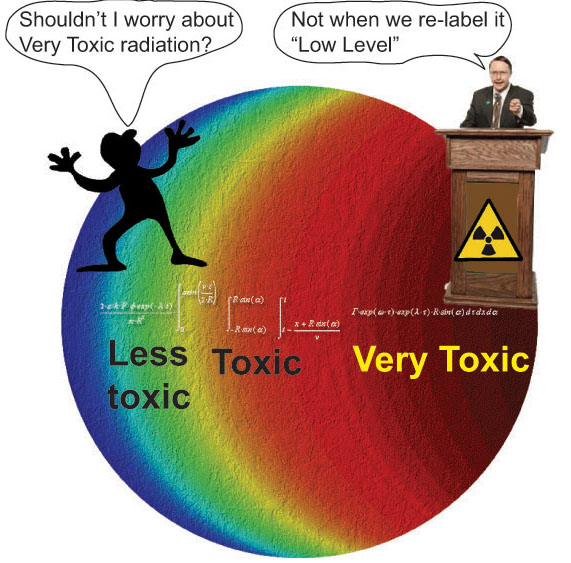

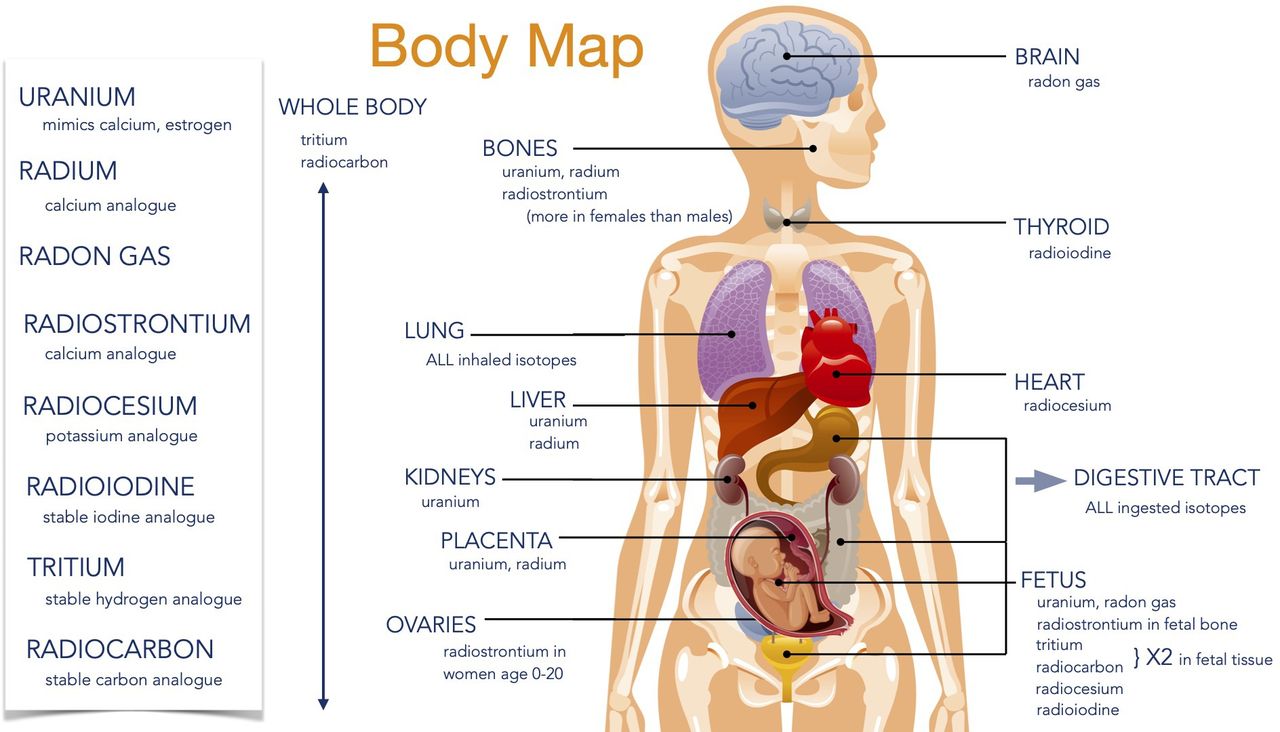




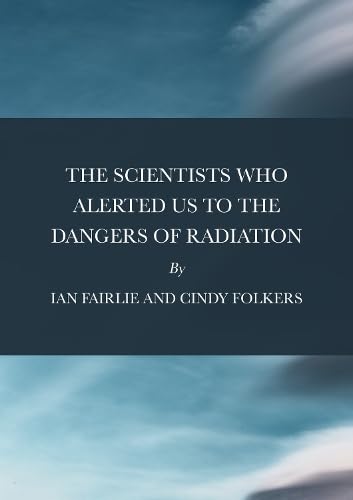






 nuclear-news