Nuclear Regulatory Commission undervalues American lives
That’s a key, but controversial, question for the federal government. Although it might seem distasteful to put a monetary value on a life, when federal agencies consider adopting new health and safety rules — or strengthening old ones — they often do just that and weigh the proposed rule’s costs against its lifesaving benefits. The lower value they give to a life, the easier it is for them to reject a proposed safety measure as too costly. Continue reading
Inspector resigns as 127 Fukushima children diagnosed malignant or possible malignant thyroid tumor
 127 Fukushima children diagnosed malignant or possible malignant thyroid tumor / Inspector Suzuki resigned http://fukushima-diary.com/2015/05/127-fukushima-children-diagnosed-malignant-or-possible-malignant-thyroid-tumor-inspector-suzuki-resigned/ 5/18/2015, Fukushima prefectural government announced they found malignant or possible malignant thyroid tumor from 127 children so far.
Among 127 children, they confirmed 103 children cases are thyroid cancer.
Before 311, pediatric thyroid cancer was found only in one of 1 million children. The population of Fukushima prefecture is approx. 200 million in 2012.
They have tested only 0.4 million children so far.
Also, Fukushima health investigative committee announced in the press conference that the thyroid tumor inspector, Suzuki, professor from Fukushima medical university resigned “in order to focus on the medical treatment of thyroid cancer”. The successor, Otsuru, who is also a professor of Fukushima medical university stated he is a physician so he cannot treat the cancer.
Hidden horrors of Israel’s nuclear history of the Dimona reactor

 Dimona: Israel’s ‘Little Hiroshima’, Middle East Eye Richard Silverstein Tuesday 19 May 2015 Despite the utter lack of utility of Israel’s WMDs, the state’s nuclear workers have paid a huge and terrible price In the early stages of research, before Dimona existed, there were accidents that exposed scientists to lethal levels of radiation. Some of them died and their names are known (though not well). Less known is that Dimona had a series of accidents – the most serious in 1966 – that exposed hundreds of its workers to similarly lethal doses.
Avner Cohen, the world’s leading scholar of the Israeli nuclear programme, told me that in the first 20-25 years the processes used to protect workers were primitive and sloppy. Mistakes were common, often not intentionally, but because relatively little was known about the proper handling of radioactive materials. In some cases, documentation was fabricated.
This is the subject of Orna Ben Dor’s riveting two-part documentary, The Dark Secret of the Dimona Reactor (Part 1 and Part 2, both in Hebrew), produced for Israeli TV. Workers there call the nuclear plant “Little Hiroshima,” alluding not only to the destructive power of what’s produced there, but the tragic impact that the reactor has on those who work within it.
The documentary, while it exposes many secrets and crimes of the state against its workers, is also unintentionally maddening because it deals with a subject that the nation deems justifiably opaque. For that reason, no one in the Israeli Atomic Energy Commission, which runs Dimona, will speak on the record to the cameras. No journalist is allowed within the facility. Few if any records are made public regarding the functioning of the reactor.
According to Ben Dor, the medical oversight of workers was a sham. They were given tests that were never processed and told they had a clean bill of health, only to find out months or years later they were dying of cancer. The few records that are accessible happen only because of lawsuits that pry them loose from the fingers of the state.
The real story of the film is the extraordinary lengths to which the state will go to shield itself and its nuclear project from public awareness. Following on from this is the nation’s willingness to treat those scientists, engineers and researchers who devoted their lives to this sacred project as refuse to be discarded once they get sick and die, no longer providing any useful service. There is a schizophrenic nature both to the documentary and the victims portrayed. On the one hand, they are patriots who understand the danger posed and accept it for the sake of protecting the state from its enemies. But on the other, they are human beings who demand that the country treat those who paid the ultimate sacrifice with dignity.
Treated as garbage
Fukushima radioactive contamination will build up in the biosphere
 Fukushima : Build-Up In Biosphere Expected http://yournewswire.com/fukushima-build-up-in-biosphere-expected/ Edmondo Burr April 15
http://yournewswire.com/fukushima-build-up-in-biosphere-expected/#sthash.kMSyx76L.dpuf Scientists have raised concern over the rate of radioactive contamination of the Pacific, due to the Fukushima nuclear accident.
- Expert : Plutonium-241 from Fukushima nearly 70,000 times more than atomic bomb fallout in Japan.
- Officials : Molten fuel now ‘particle-like’, contains ‘special’ nuclear materials.
- Gov’t Labs : Large areas of oceans contaminated by plutonium from events such as Fukushima; Build-up in biosphere expected; Considerable hazard to humans.
Energy News statement :
Detection of long-lived plutonium isotopes in environmental samples by Accelerator Mass Spectrometry (AMS) — Plutonium isotopes 239Pu, 240Pu and 242Pu are anthropogenic radionuclides emitted into the environment by nuclear activities. Pu is accumulated in the human body and hence, poses a considerable hazard to human health. Due to the long half-lives, these isotopes are present in the biosphere on large time scales and abuild-up can be expected. Therefore it is important to study the contamination pathway of Pu into the drinking water… a method to detect long-lived Pu isotopes by Accelerator Mass Spectrometry (AMS) is being developed. AMS requires only few milligrams of sample material… Consequently, more samples from different locations can be taken which is essential when searching for locally increased Pu concentrations as in the Pacific Ocean after the Fukushima accident… Samples from different locations in the Pacific Ocean and from the snow-hydrosphere are planned… Continue reading
Japan raises the ‘acceptable’ radiation level for nuclear emergency workers
 NRA to raise nuclear worker radiation exposure limit for emergencies http://www.japantimes.co.jp/news/2015/05/21/national/nra-raise-nuclear-worker-radiation-exposure-limit-emergencies/#.VV-819KeAXA KYODO
In light of the Fukushima meltdowns, the regulator had been considering raising the limit in the event of another disaster as Japan gets closer to reactivating some of its reactors, which remain offline amid heightened safety concerns.
Shunichi Tanaka, the NRA’s chairman, told a news conference that the current limit could be an obstacle in containing a crisis in the future, and the revision, which will entail a legal amendment, is “a step forward” in addressing the issue.
The regulator said it believes raising the limit to 250 millisieverts is appropriate based on overseas standards and scientific studies.
Huge rise in thyroid cancer in Fukushima’s children
Officials: 6,000% cancer rate increase in Fukushima children’s thyroids — Expert: Urgent countermeasures against the suspected outbreak are necessary — Professor: Gov’t stopped me from checking thyroid exposure levels after 3/11 (VIDEO) http://enenews.com/officials-6000-increase-thyroid-cancer-rate-among-fukushima-children-asahi-16-new-cases-detected-first-3-months-2015-professor-urgent-countermeasures-against-suspected-outbreak-necessary-govt?utm_source=feedburner&utm_medium=email&utm_campaign=Feed%3A+ENENews+%28Energy+News%29
Asahi Shimbun, May 19, 2015 (emphasis added): Fukushima finds 16 new cases of thyroid cancer in young people… authorities said May 18, although they added it is “unlikely” a direct result of the nuclear accident…The 16 new cases were detected between January and March, and bring the total number of young people diagnosed with the disease in the testing program to 103… 127 [have been diagnosed or suspected of having thyroid cancer]… many cases of thyroid cancer in infants were reported after the 1986 Chernobyl disaster. However, this has not proven to be the case so far with regard to the Fukushima nuclear crisis.
Fukushima Voice, May 19, 2015: The Thyroid Examination Evaluation Subcommittee… came to a conclusion [that this] clearly represents an excess incidence… by an order of magnitude(At the November 11, 2014 subcommittee meeting, it was described as “61 times“)… this increase can be a result of either excess occurrence due to radiation exposure or over-diagnosis… “it is not possible to conclude if thyroid cancer cases detected during the screening are radiation-induced… it is unlikely these cases are the effect of radiation exposure… the exposure dose is far less than the Chernobyl accident and that there have been no cancer cases in children younger than 5… early internal exposure dose from radioactive iodine is extremely critical in assessing the effect of the accident.”
The subcommittee and Asahi article discount the link between these cancers and the Fukushima disaster due to a lack of cases among infants. Asahi claims this is unlike Chernobyl, where “many cases of thyroid cancer in infants” had developed. Is this accurate? According toShinichi Suzuki, who was in charge of the Fukushima Thyroid Examination, March 2015: “There is a striking similarity between the [age] profiles of patients diagnosed during the period of latency after Chernobylin Ukraine and currently in Fukushima.”
Also, the subcommittee noted “the early internal exposure dose from radioactive iodine is extremely critical in assessing the effect of the accident” — what does that dose data show?
Japan Focus, Dec 8, 2014: Sakiyama Hisako, former senior researcher at the National Institute of Radiological Sciences… observed that power was deployed to stop measurements of thyroid exposure being taken… Professor Tokonami Shinji of Hirosaki University… tried to measure exposure levels immediately after the explosions [but] was halted by Fukushima Prefecture, which accused him of stirring up trouble… Tokonami went on to test 65 Fukushima residents one month after the explosions [and] found radioactive iodine in the thyroids of 50 out of the 65 (77%)… He estimated the equivalent dose to the thyroid [was up to] 87 mSv [and] infants who remained in areas with high iodine levels may have been exposed to over 100 mSv.
FUKUDEN (pdf), Dec 31, 2014: Prof. Toshihide Tsuda, an epidemiology specialist [said] “When we analyzed the results of the thyroid cancer survey conducted in the Fukushima Prefecture according to location, it is obvious that there are more numbers of thyroid cancer cases in the Nakadori area (middle area), and we urgently need to take necessary measures.”
Prof. Tsuda, Eiji Yamamoto & Etsuji Suzuki of Okayama Univ.: [The thyroid cancer] incidence rate ratio was 26.98… in the nearest area, and in Fukushima city, it was 19.41… compared with the Japanese mean… [E]xcess incidence rate ratios were observed… Dose-response relationship by distance from the plant was indicated… countermeasures against the suspected outbreak are necessary in Fukushima and the neighboring areas.
Radioactive iodine – the forgotten nuclear danger
The nuclear danger of iodine , Chemistry world, 21 May 15
In both the Fukushima and the 1986 Chernobyl accidents, volatile iodine species were released into the environment with tellurium. Of all the fission products, iodine poses a special threat to public health because it has a high fission yield, it can spread as volatile species and in mammals it accumulates readily in the thyroid, a small but vital organ. While the vast majority of iodine radioactivity is short-lived, it can have life-changing effects. A thyroid cancer patient who has lost their thyroid function as a result of surgery or 131I treatment, will require hormone replacement medication for life.
Transport properties
The problem of radioactive iodine is complicated by the variety of different species it can form. Each has different transport properties in the environment. For example, most of the airborne 131I from Chernobyl that reached Japan was in the form of organic iodine compounds.1 Furthermore, some iodine-containing compounds will pass through some accident mitigation systems. A water-filled scrubber will capture iodine oxide aerosols or other iodine-containing solids. Meanwhile, the sodium thiosulfate in the large scrubbers used in Swedish nuclear power plants will capture elemental iodine. However, although alkyl iodides will react with sodium thiosulfate to form Bunte salts, the reaction can be slow, allowing some proportion to escape. It is also important to note that, depending on the species, it is possible for some older sampling methods to underestimate the amount of radioactive iodine released in an accident.
20 May 2015Chemistry WorldOnce in the environment, the potential for human exposure increases with dangerous consequences. Research with 132I has shown that humans retain a large fraction of the iodine in inhaled methyl and ethyl iodide. But iodine can take part in lots of reactions before it even leaves the reactor. During normal operation, the temperature gradients in nuclear fuel pellets cause the iodine and caesium to migrate into the gap between the fuel and the cladding.2 The fission process forms 133Xe, which, with a half-life of 5.2 days, has plenty of time to diffuse into the cooler parts of the fuel. There, the xenon decays to form caesium, which reacts with iodine to form caesium iodide. If the fuel is overheated and damaged, caesium iodide aerosols can be delivered into the containment space.The caesium iodide can be converted by redox reactions into iodine, even without available oxygen gas: as an accident starts, the irradiation of water generates oxidants such as hydroxyl radicals and hydrogen peroxide…..http://www.rsc.org/chemistryworld/2015/05/fukushima-iodine-nuclear-accident
Neurological and heart disease – huge rise in Fukushima evacuees
Huge spike in neurological diseases after Fukushima — 600% rise in disorders among evacuees — Similar abnormalities reported post-Chernobyl — Cases of heart disease, brain infarction also up — Physicians: “Great concern there will be additional health hazards” http://enenews.com/study-reveals-large-spike-neurological-diseases-fukushima-600-increase-disorders-causing-hearing-loss-dizziness-people-evacuation-area-cases-heart-disease-brain-infarction-physicians-great-co?utm_source=feedburner&utm_medium=email&utm_campaign=Feed%3A+ENENews+%28Energy+News%29
Journal article by authors from Soma General Hospital and Tohoku University, Apr 7, 2015 (emphasis added): Change in and Long-Term Investigation of Neuro-Otologic Disorders in Disaster-Stricken Fukushima Prefecture
[Neuro-otology: Branch of clinical medicine which treats neurological disorders of the ear]
- Soma City [is] 44 km north of Fukushima Daiichi… almost all patients who require hospitalization for ear, nose, and throat (ENT) care were referred to our department… We thus investigated the influence of the disaster on internal ear diseases.
- Regarding the evacuation area, the total number of patients [in the ENT department]increased 4.64 times [364% in 1st year], 4.24 times [324% in 2nd year], and 4.54 times[354% in 3rd year] compared with the number before the disaster.
- New patients [with vertigo, Meniere’s disease, and acute low-tone sensorineural hearing loss] in Shinchi Town… increased by 64.3%, 114.3%, and 46.4% [in years 1, 2, and 3] respectively… In the case of Minami-Soma City, except the evacuation area… increased by 84.2%, 152.6%, and 142.1%, respectively… Regarding the evacuation area… the numbers of patients with vertigo, MD, or ALHL became 7 times [600% increase in 1st year], 5 times [400% increase in 2nd year], and 7 times [600% increase in 3rd year].
- Although the causes for MD and ALHL are still unknown [the rise] might be due to increased tension and stress… As for the cases [of vertigo] we were unable to establish the neuro-otologic pathogeneses in… 72% [and] there may have been cases of psychogenic dizziness… administration of an anti-vertigenous drug or advice to keep calm and to have a sound mind did not help… There were some difficult cases where ENT treatment alone did not work, presumably because these cases were complicated with some mental diseases… In some serious cases, we… referred the patients to psychiatric care or prescribed psychosomatic medicine. Some patients refused our advice… or to admit that they had a mental problem.
- The number of reported cases of heart disease and brain infarction have increased in the devastated area… Diabetes, osteoporosis, and psychiatric illnesses were feared to have worsened… There is a great concern that there will be additional health hazards, and we strongly feel the need for administrative support.
Journal of the American Academy of Audiology (pdf), 1995: Ototoxicity and Irradiation — Additional Etiologies of Hearing Loss in Adults… The article [discusses] the effects of irradiation on hearing [in patients] exposed to excessive radiation as a result of theChernobyl nuclear disaster… Shidlovckaya of the Kiev Research Institute of Otolaryngology has been studying [cleanup workers from] Chernobyl… her patients have evidenced a number of disorders, including hearing loss… When Shidlovckaya divided her population into three groups – [those] who worked directly at the disaster site; residents… nearby; and residents… some distance from the disaster site – an interesting pattern in the auditory resultsemerged… analysis indicated that, in 100 percent of [workers] examined, there aredisturbances or abnormalities… Furthermore, the… lesser radiation exposure… the less likely it was that these deviations would be present… Obviously, this is an important area of further research and could have a significant impact on our reaction to patients who have been exposed to radiation…
Annals of the New York Academy of Sciences, 2009: Diseases of Sense Organs — Throughout the more contaminated territories [around Chernobyl,] hearing abnormalities occur with greater frequency… Between 46 and 69% of surveyed liquidators had some hearing disorder.
Watch: St. Louis Children’s Hospital on radiation-induced hearing loss
Nuclear power link to breast cancer
 Breast cancer and nuclear power – statistics reveal the link ‘they’ wanted to hide, Ecologist Chris Busby 18th May 2015 The link between nuclear power and cancer is real, writes Chris Busby, and revealed in the UK’s cancer statistics – if only you look for it. Previous approaches have focused on rare cancers over large, poorly selected populations. But look at common cancers among those most exposed to nuclear radiation, and the statistical evidence is overwhelming.
Do nuclear sites cause increases in cancer in those living nearby? This is the question which has always been the key to stopping the development of nuclear energy.
For if the answer is Yes, the laws would cut in; human rights would cut in. Check Mate. The nuclear industry and its supporters have always known this, just as the cigarette companies and the asbestos makers recognised their own specific nemesis.
You can argue about the economics of nuclear till you are blue in the face, but they can always move the goalposts, global warming, future security of supply, special new safe thorium reactors and so forth. But killing people with your radioactive discharges: that’s it. The End.
This week saw the publication in a peer-reviewed journal – Jacobs Journal of Epidemiology and Preventive Medicine – of a study which I carried out in 2003 of breast cancer mortality 1995-2002 near Bradwell nuclear power station in Essex. Continue reading
High radio frequency (RF) exposure – a health hazard requiring Radiation Warnings on Cell Phones
California City Will Vote on Requiring Radiation Warnings on Cell Phones http://time.com/3855722/radiation-warnings-cell-phones/ Victor Luckerson @VLuck May 12, 2015 Some scientists have called for further study about the impact of the radiation
The city council in Berkeley, Calif. will vote Tuesday on whether cell phones should come with a warning notice explaining the dangers of high radio frequency (RF) exposure. If the law is passed, retailers in the city would have to warn customers that carrying a phone in a pocket or bra while it is on and connected to a wireless network could expose the user to excessive RF radiation.
Cell phones emit radio frequency energy that can be absorbed by human tissue. There isn’t any conclusive evidence that this type of radiation causes cancer, but some scientists have called for further study into the issue. Cell phone makers such as Apple recommend keeping your cell phone at least 5 to 10 mm away from your body to avoid excessive RF exposure, but these warnings are often buried in phone manuals or deep in settings menus.
Lawmakers have attempted to institute similar ordinances in places such as Maine, Hawaii and New Mexico, but Berkeley would be the first place to actually pass such a law. In Berkeley, 82% of adults would like to know the recommended distance a phone should be kept from their bodies, according to a survey funded by the California Brain Tumor Association.
Scientific warning against health danger from electromagnetic radiation
Scientists warn against mobile phone ‘radiation’ http://www.euronews.com/2015/05/12/scientists-warn-against-mobile-phone-radiation/ Scientists are warning against the constant use of mobile phones, lap tops, tablets and other wireless devices.
They claim too much electromagnetic radiation is being emitted from them which could be a reason for risingcancer rates and an increase in autism and obesity.
Nearly 200 experts are calling on the UN to provide guidelines as they say the radiation is damaging DNA in our cells.Their advice is to turn off devices when not in use.
The scientists, from 39 different countries, are from a group called the International EMF Scientist Appeal.More information about the EMF group can be found here.
A description of the appeal can be found here.
Scientists investigate effects of Fukushima radiation on Pacific Ocean animals
US university testing animals in Pacific for Fukushima radiation — Photos show bodies riddled with tumors, eyes bleeding, covered in lesions — Some are missing testicles, eyeballs — Skin disintegrating, peeling off, turning yellow — Mammals affected by diseases never seen in species (WARNING: Graphic Pics)http://enenews.com/university-testing-animals-pacific-fukushima-radiation-gruesome-photos-show-bodies-riddled-massive-tumors-cysts-bleeding-eyes-covered-lesions-missing-testicles-eyeballs-skin-disintegrating-pe?utm_source=feedburner&utm_medium=email&utm_campaign=Feed%3A+ENENews+%28Energy+News%29
Colorado St. Univ., Apr 13, 2015 (emphasis added): CSU partners with Fukushima University to study radiation effects… Many CSU faculty and researchers are contributing to radiation research in Japan… including Thomas Johnson… professor of health physics, who is testing trace radiation samples in seal populations in thenorthern Pacific Ocean, where radiation from the Fukushima disaster was released.
Alaska Marine Science Symposium presentation, Raphaela Stimmelmayr (Dept. of Wildlife Management, North Slope Borough) & Gay Sheffield (Univ.of Alaska – Fairbanks Marine Advisory Program), 2014:
Incidental Gross Necropsy Findings in Subsistence-Harvested Ice Seals and Walruses
• Reproductive system: adnexal cysts [uterus], uterine and penile melanosis [darkening of skin], cliteromegaly [enlarged clitoris], cryptorchism [testicle(s) absent from scrotum], retained placenta;
• Endocrine system: thyroid cysts, adrenal nodules;
• Musculoskeletal system: synovial cyst [fluid-filled sacs in spine due to degeneration];
• Integumentary system: panniculitis [inflammation of fatty tissue], epidermal molt, skin sloughing;
• Respiratory system: lung tumor, parasitic granulomas [inflammation that forms when immune system is unable to eliminate a substance];
• Digestive system: microdontia [teeth smaller than normal], chronic interstitial pancreatitis [inflammation of pancreas], hepatic cyst [liver], cholestatic jaundice [yellowing of skin caused by thickening of bile or problems in liver], geophagia [eating dirt], and primary diffuse peritoneal tumor [membrane lining abdomen];
• A variety of the observed disease conditions are reported for the first time in ice seals and/or walruses.
• The majority of observed conditions in our material is classified as benign and are mostly inconsequential to the health of the harvested animals.
Neuropathy in Navajo children almost certainly caused by uranium mining pollution
fragile communities continue to live amid the poisoned wells and contaminated earth, and the uranium riddled sagebrush flats are home for the next generation of Navajo children.
Abandoned Uranium Mines Plague Navajo Nation, Earth Island Journal BY SONIA LUOKKALA – MAY 5, 2015 Mining companies left behind a legacy of poisoned wells and contaminated earth
We are in Diné Bikéyah, land of the Navajo. “………The incidence of Navajo neuropathy is five times
higher on the western side of the Navajo reservation than on the eastern side. Some researchers believe this discrepancy is linked to the land: On the western side, the mines were mostly tunnels, whereas in the west they were primarily open pits. After the uranium companies left, the unfilled pits started to fill with water. Some, as deep as 130 feet, eventually formed into small lakes. Unsuspecting Navajos and their livestock use the contaminated water for drinking.
A 1990 study of Navajo neuropathy ruled out water contamination as a possible cause of the disease………As the Los Angeles Times also reported, in 1986, Thomas Payne an environmental health officer for Indian Health Services, along with a National Park Service ranger, took water samples at 48 sites surrounding Cameron, AZ, a town in Navajo Nation. These samples revealed uranium levels in wells as high as 139 picocuries per liter. In abandoned pits, the levels were as high as 4,024 pinocuries. The EPA limit for safe drinking water is 20 picocuries per liter. ….. Continue reading
more intensive medical examinations needed – for Fukushima’s children
74% chance of lymph node metastasis Not only is the number of thyroid cancers large, but also the symptoms are serious. Last year Fukushima Medical University published 55 cases of thyroid cancer in Fukushima: 2 of them were anaplastic carcinoma, and 74% of them lymph node metastasis. Normally, the prognosis of thyroid cancer among adults is good: little metastasis and slow progression. But this is not true of thyroid cancer found in Fukushima.
The Government Must Expand Medical Examinations for Victims of the Fukushima Nuclear Disaster http://www.foejapan.org/en/energy/doc/150310.html 10 March 2015
117 children in Fukushima have been suspected of having thyroid cancer: the second round of medical examination found 8 children. On February 12, 2015, the Oversight Committee for Fukushima Prefecture Health Management Survey held a meeting. According to the committee, the total number of children suspected of thyroid cancer reached 117. Of them, 86 already went through surgery and were confirmed to have suffered thyroid cancer. Since April 2014, the second round of medical examination has been conducted on 75,311 children. 8 of them had shown “no abnormality” at the first round, but they were newly suspected of thyroid cancer after the second round. One of them went through surgery and indeed had thyroid cancer.Every time a child in Fukushima was diagnosed with thyroid cancer, Fukushima Medical University and the Japanese government insisted on “screening effects” – namely, an early ultrasound scan simply detected thyroid cancer that would have been otherwise found much later. The university and the government also argue that thyroid cancer develops slowly: Since the number of paediatric thyroid cancers began to increase only five years after the Chernobyl Nuclear Disaster, the cases of paediatric thyroid cancers in Fukushima so far are unlikely to have be caused by the Fukushima Daiichi Nuclear Disaster. But if their argument had been correct, they would not have found any thyroid cancer after the second round of medical examination. Nonetheless, Hokuto Hoshi, chairman of the oversight committee, stated, “Of course, we cannot completely preclude the possibility of causal relationship between the nuclear disaster and thyroid cancer. But, given the results of medical examinations, we don’t think it’s necessary to change our position, that is, the causal relationship is unlikely.”
74% chance of lymph node metastasis Not only is the number of thyroid cancers large, but also the symptoms are serious. Last year Fukushima Medical University published 55 cases of thyroid cancer in Fukushima: 2 of them were anaplastic carcinoma, and 74% of them lymph node metastasis. Normally, the prognosis of thyroid cancer among adults is good: little metastasis and slow progression. But this is not true of thyroid cancer found in Fukushima. Moreover, the nuclear fallout contaminated not only Fukushima but also adjacent prefectures, as suggested by UNSCEAR’s report. In light of the real extent of nuclear pollution, the government must expand the coverage of medical examinations for areas outside of Fukushima Prefecture.
Treatment for other diseases than thyroid cancer
While we tend to focus on thyroid cancer, we also should keep in mind the necessity of systematic medical examinations for thyroid malfunction and other illnesses. According to longitudinal surveys on A-bomb survivors, radiation dose exceeding 1 mSv (with regard to a particular organ) is statistically correlated with the increased likelihood of uterine fibroid, thyroid diseases, cataract, kidney and ureteral stones (among men), hypertension, and heart attack. The national report, published by the Ukraine government 25 years after the Chernobyl disaster, also describes thyroid malfunction and many other illnesses related to immune, respiratory, and digestive systems.
Problems with MOE’s “Expert Committee” and “Current Policy”
Victims of the nuclear disaster and NGOs demanded the government to (1) improve medical examinations and (2) extend them to municipalities outside of Fukushima Prefecture. The Ministry of Environment (MOE), responsible for the health of disaster victims, established the “Expert Committee” in November 2013. The committee is chaired by Shigenobu Nagataki, emeritus professor at Nagasaki University, one of the longstanding defenders of the “radioactivity-is-safe” ideology who helped to underestimate health effects of the Chernobyl disaster. The committee also includes members who received monetary contributions from the Federation of Electric Power Companies of Japan, sit on radioactivity, nuclear safety, and emergency response commissions, and are responsible for the failures to distribute potassium iodine tablets and use SPEEDI in the aftermath of the nuclear disaster. Put another way, those who helped to create disaster victims deliberated on policy for victims’ health management.
The selection of committee members, as well as the way the committee’s deliberation was framed, was therefore meant to defend the foregone conclusion, not to expand the current medical examinations for disaster victims. Indeed, the mid-term report published by the expert committee in December 2014 not only failed to offer epidemiological analysis of thyroid cancer and other illnesses in Fukushima Prefecture, not to mention case studies, but also concluded that the level of radiation exposure outside the prefecture is too low to warrant any medical examination. Given this report, MOE announced its “current policy” on February 28, 2015, to promote “nationwide cancer registration” as well as “risk-communication projects” to educate citizens with “accurate” information about health effects of radioactivity, instead of expanding medical examinations for disaster victims inside and outside of Fukushima.
Conclusion
Article 13.2 in the Act on the Protection and Support for the Children and other Victims of the TEPCO Disaster guarantees lifelong medical examinations for victims residing in areas where radiation doses are estimated to exceed a certain level, whereas Article 13.3 promises to subsidize medical expenses for illnesses related to the nuclear disaster. However, these measures are yet to be implemented. At this rate, we are concerned that adequate investigation and prevention of thyroid cancer and other illnesses, both inside and outside of Fukushima, will not take place. We therefore demand that the government effectively implement the Act, given that our knowledge of health effects of radioactivity is very much incomplete at present.
| Details of the 8 children suspected of thyroid cancer after the second roundSex: 4 boys and 4 girls Age: 6 to 17 at the time of the disaster Size of tumour: 6-17.3 mm Residence: Namie, Date, Tamura, Ōkuma, Fukushima Estimated dose: less than 1 mSv (2), 2.1 mSv maximum, unknown (2) First-round results: A1 (5), A2 (3) |
Contact:
Friends of the Earth Japan
1-21-9 Komone Itabashi-ku Tokyo 173-0037
TEL: (+81)3-6909-5983
FAX: (+81)3-6909-5986
E-mail: info@foejapan.org
Astronauts at risk from brain damage due to ionising radiation
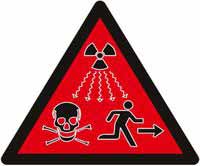 Study: Deep-Space Radiation Could Damage Astronauts’ Brains Cosmic rays could leave travelers to Mars confused, forgetful and slow to react. WSJ, By ROBERT LEE HOTZ May 1, 2015
As NASA develops plans for a manned mission to Mars, scientists said Friday that cosmic rays during an interplanetary voyage could cause subtle brain damage, leaving astronauts confused, forgetful and slow to react to the unexpected.
In a NASA-funded study of radiation-exposed mice published Friday in Science Advances, researchers at the University of California, Irvine and the University of Nevada warned that prolonged bombardment by charged particles in deep space could affect the brain cells involved in decision-making and memory, with implications for possible manned forays into deep space.
“These sorts of cognitive changes could manifest during the mission and could be a real problem,” said Cary Zeitlin at the Southwest Research Institute in San Antonio, who wasn’t involved in the study. In 2013, Dr. Zeitlin reported radiation levels between Earth and Mars detected by the Mars Science Laboratory craft during its cruise to the red planet, and found that the exposure was the equivalent of getting “a whole-body CT scan once every 5 or 6 days.”
Deep-space radiation is a unique mix of gamma rays, high-energy protons and cosmic rays from newborn black holes, and radiation from exploding stars. Earth’s bulk, atmosphere and magnetic field blocks or deflects most deep-space cosmic rays. Shielding on spacecraft also helps.
In 54 years of human spaceflight, astronauts have rarely experienced a full dose. Apollo crews, who ventured furthest from Earth’s protective shield on their journeys to the Moon, reported seeing flashes of light when they closed their eyes, caused by galactic cosmic rays speeding through their retinas………
The researchers found the mice had damaged neurons and synapses in areas associated with memory and decision-making, such as the hippocampus and prefrontal cortex………http://www.wsj.com/articles/study-deep-space-radiation-could-damage-astronauts-brains-1430503356
1 This Month
29 Jan. Thursday 7-8 p.m. Webinar – World’s Largest Nuclear Station in Port Hope, ON?
To see nuclear-related stories in greater depth and intensity – go to https://nuclearinformation.wordpress.com/


31st January – Challenging the War Machine – a DECLASSIFIED UK SUMMIT


Website of the Week
Now until to February 10, 2026 Radioactive waste storage in France: the debate is finally open! How to participate?
-
Archives
- January 2026 (288)
- December 2025 (358)
- November 2025 (359)
- October 2025 (376)
- September 2025 (258)
- August 2025 (319)
- July 2025 (230)
- June 2025 (348)
- May 2025 (261)
- April 2025 (305)
- March 2025 (319)
- February 2025 (234)
-
Categories
- 1
- 1 NUCLEAR ISSUES
- business and costs
- climate change
- culture and arts
- ENERGY
- environment
- health
- history
- indigenous issues
- Legal
- marketing of nuclear
- media
- opposition to nuclear
- PERSONAL STORIES
- politics
- politics international
- Religion and ethics
- safety
- secrets,lies and civil liberties
- spinbuster
- technology
- Uranium
- wastes
- weapons and war
- Women
- 2 WORLD
- ACTION
- AFRICA
- Atrocities
- AUSTRALIA
- Christina's notes
- Christina's themes
- culture and arts
- Events
- Fuk 2022
- Fuk 2023
- Fukushima 2017
- Fukushima 2018
- fukushima 2019
- Fukushima 2020
- Fukushima 2021
- general
- global warming
- Humour (God we need it)
- Nuclear
- RARE EARTHS
- Reference
- resources – print
- Resources -audiovicual
- Weekly Newsletter
- World
- World Nuclear
- YouTube
-
RSS
Entries RSS
Comments RSS
 nuclear-news
