Maori workers exposed to radiation in cleaning up USA’s failed nuclear reactor in Antarctica
Detour: Antarctica – Kiwis ‘exposed to radiation’ at Antarctic power plant, https://www.nzherald.co.nz/travel/detour-antarctica-kiwis-exposed-to-radiation-at-antarctic-power-plant/NY5WTQ72JF4OFUW4F35ZSUCB6U/ 8 Jan, 2022 By Thomas Bywater, Thomas Bywater is a writer and digital producer for Herald Travel
In a major new Herald podcast series, Detour: Antarctica, Thomas Bywater goes in search of the white continent’s hidden stories. In this accompanying text series, he reveals a few of his discoveries to whet your appetite for the podcast. You can read them all, and experience a very special visual presentation, by clicking here. To follow Detour: Antarctica, visit iHeartRadio, or wherever you get your podcasts.
The Waitangi Tribunal will consider whether NZ Defence Force personnel were appropriately warned of potential exposure to radiation while working at a decommissioned nuclear reactor in Antarctica.
It’s among a raft of historic claims dating from 1860 to the present day before the Military Veterans Inquiry.
After an initial hearing in 2016, the Waitangi Tribunal last year admitted the Antarctic kaupapa to be considered alongside the other claims.
“It’s been a bloody long journey,” said solicitors Bennion Law, the Wellington firm representing the Antarctic claimants.
Between 1972 and the early 1980s, more than 300 tonnes of radioactive rubble was shipped off the continent via the seasonal resupply link.
Handled by US and New Zealand personnel without properly measuring potential exposure, the submission argues the Crown failed in its duty of care for the largely Māori contingent, including NZ Army Cargo Team One.
“This failure of active protection was and continues to be in breach of Te Tiriti o Waitangi,” reads the submission.
The rubble came from PM3A, a portable nuclear power unit on Ross Island, belonging to the US Navy. Decommissioned in 1972, its checkered 10-year operating history led it to be known as ‘Nukey Poo’ among base inhabitants. After recording 438 operating errors it was shut off for good.
Due to US obligations to the Antarctic Treaty, nuclear waste had to be removed.
Peter Breen, Assistant Base Mechanic at New Zealand’s Scott Base for 1981-82, led the effort to get similar New Zealand stories heard.
He hopes that NZDF personnel involved in the cleanup of Ross Island might get medallic recognition “similar to those who were exposed at Mururoa Atoll”. Sailors were awarded the Special Service Medal Nuclear Testing for observing French bomb sites in the Pacific in 1973, roughly the same time their colleagues were helping clear radioactive material from Antarctica.
A public advisory regarding potential historic radiation exposure at McMurdo Station was published in 2018.
Since 1975 the Waitangi Tribunal has been a permanent commission by the Ministry of Justice to raise Māori claims relating to the Crown’s obligations in the Treaty of Waitangi.
The current Military Veterans’ Kaupapa includes hearings as diverse as the injury of George Nepata while training in Singapore, to the exposure of soldiers to DBP insecticides during the Malayan Emergency.
Commenced in 2014 in the “centenary year of the onset of the First World War” the Māori military veterans inquiry has dragged on to twice the duration of the Great War.
Of the three claimants in the Antarctic veterans’ claim, Edwin (Chaddy) Chadwick, Apiha Papuni and Kelly Tako, only Tako survives.
“We’re obviously concerned with time because we’re losing veterans,” said Bennion Law.
Detour: Antarctica is a New Zealand Herald podcast. You can follow the series on iHeartRadio, Apple Podcasts, Spotify or wherever you get your podcasts.
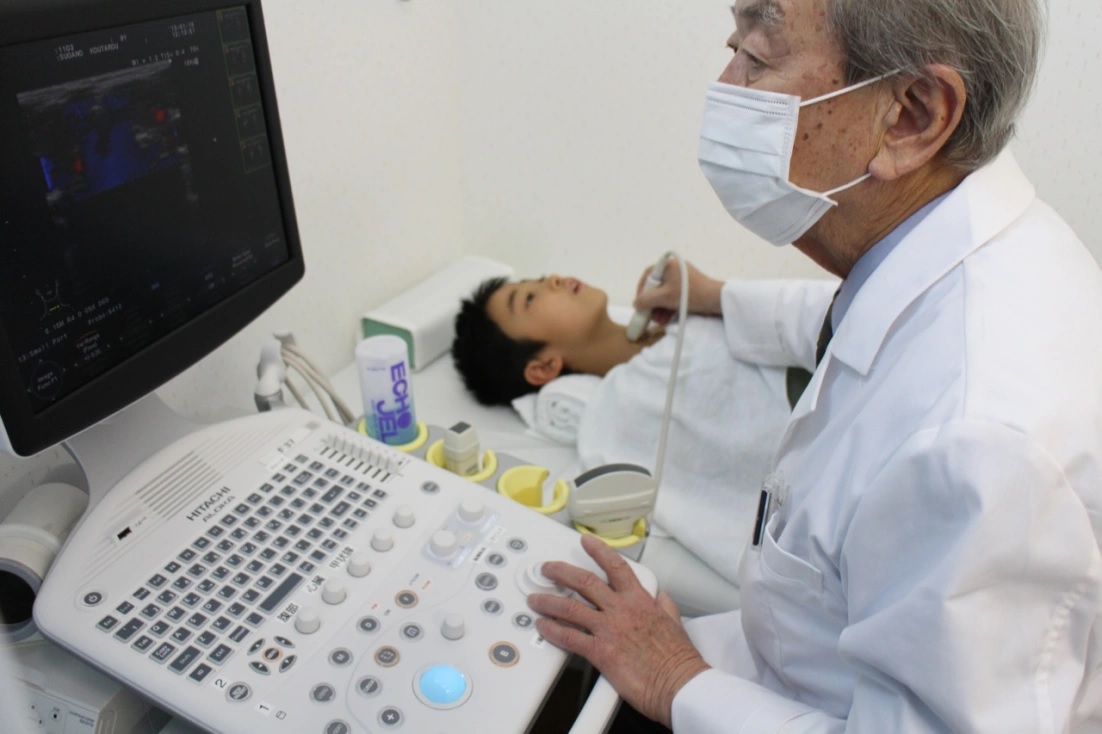
Childhood thyroid cancer cases confirmed in the Fukushima Health Management Survey and others
BY CITIZENS’ NUCLEAR INFORMATION CENTER · APRIL 5, 2023 https://cnic.jp/english/?p=6551
Fukushima Prefecture has been implementing thyroid gland examinations for children (born between April 2, 1992 and April 1, 2012) who were living in the prefecture at the time of the earthquake and nuclear disaster. The results are summarized in the table below: [on original]
In addition to the 295 children with thyroid cancer confirmed in the survey (excluding one with benign nodules), 43 other patients were identified outside of the tally in the cancer registry, bringing the total number of children aged 18 or younger with malignant or suspected malignant thyroid cancer who were living in Fukushima Prefecture at the time of the accident to 338. Note that the screening uptake rate at the age of 25 is low.
Surveys have found thyroid cancer in children at a rate dozens of times higher than normal.
Mental illness plagues Japan’s nuclear disaster survivors
Some 37 percent of the survivors of Japan’s Fukushima Daiichi nuclear
power plant disaster of 2011 still suffer from mental illness due to
financial crisis, isolation, and drastic changes in living conditions, says
a survey.
The survey results indicated that the victims suffer from
post-traumatic stress disorder or PTSD due to “anxieties about
compensation and indemnification,” “unemployment” and “nuisances
just by being an evacuee.” The survey was conducted by the Waseda
Institute of Medical Anthropology on Disaster Reconstruction and the
Disaster Relief Assistance Network Saitama, a citizens group, between
January to April 2022 among 5,350 households, the Asahi Shimbun reported on
April 3.
Union of Catholic Asian News 4th April 2023
https://www.ucanews.com/news/mental-illness-plagues-japans-nuclear-disaster-survivors/100894
South Korea to keep Fukushima seafood ban despite thaw with Japan
Aljazeera, 30 Mar 23
President Yoon Seok-yeol’s administration says ‘health and safety’ top priority despite improving Seoul-Tokyo ties.
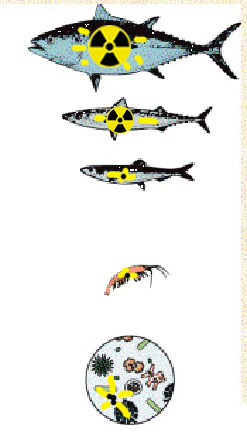
South Korea has ruled out lifting a ban on Japanese seafood imports from the area around the Fukushima nuclear plant despite warming relations between Seoul and Tokyo.
“
“Seafood imports from near the tsunami-stricken plant will “never come into” South Korea due to health concerns related to leaked radiation, the administration of President Yoon Seok-yeol said on Thursday.
With regard to the import of Japanese seafood products, the government’s stance remains unchanged that the health and safety of the people are the top priority,” the presidential office said in a statement, South Korea’s Yonhap News Agency reported.
South Korea has banned Japanese seafood imports from eight prefectures, including Fukushima, since 2013 due to fears of radiation contamination from the meltdown of the plant following an earthquake and tsunami.
…………………………………………….. Apart from South Korea, mainland China and Hong Kong continue to block imports of food from the region, including all dairy products and fruits and vegetables. https://www.aljazeera.com/economy/2023/3/30/south-korea-to-keep-fukushima-seafood-ban-despite-thaw-with-japan
Low-dose Radiation Linked to Heart Disease
Columbia University Irving Medical Center, March 23, 2023
People exposed to low doses of ionizing radiation have an extra, but modest, risk of developing heart disease during their lifetime, according to a new study(link is external and opens in a new window) published by an international consortium of researchers.
“The study suggests that radiation exposure, across a range of doses, may be related to an increased risk of not just cancer, as has been previously appreciated, but also of cardiovascular diseases,” says Andrew Einstein, MD, PhD, professor of medicine at Columbia University Vagelos College of Physicians and Surgeons and one of the study’s senior authors.
“It should not steer people away from receiving radiation if necessary—in fact many medical uses of radiation are lifesaving—but it underscores the importance of ensuring that radiation is used appropriately and kept as low as reasonably achievable.”…………
The researchers used data from 93 studies covering all ranges of radiation exposures to find a relationship between dose and heart disease.
They found an increased excess lifetime risk of 2.3 to 3.9 cardiovascular deaths per 100 persons exposed to one Gy of radiation. (In the United States, about 25 out of every 100 people die from cardiovascular disease; a person exposed to 1 Gy of radiation will have a slightly higher, 27% to 29%, risk of dying from cardiovascular disease).
Few people other than those receiving radiation therapy will receive 1 Gy during their lives. But the researchers also found a higher risk of heart disease at low dose ranges (<0.1 Gy) more commonly experienced by the public and also for protracted exposures to low doses.
More research is needed to determine the precise increased excess lifetime risk of heart disease from these low doses.
“The effect of lower doses of radiation on the heart and blood vessels may have been underestimated in the past,” Einstein says. “Our new study suggests that guidelines and standards for protection of workers exposed to radiation should be reconsidered, and efforts to ensure optimal radiation protection of patients should be redoubled.”
References
More information
The study, titled “Ionising radiation and cardiovascular disease: systematic review and meta-analysis(link is external and opens in a new window),” was published March 8 in The BMJ…………………………….. https://www.cuimc.columbia.edu/news/low-dose-radiation-linked-heart-disease
—
Cry from soldier, unrecognised victim of depleted uranium radiation

Depleted uranium, used in some types of ammunition and military armour, is the dense, low-cost leftover once uranium has been processed….
A high-ranking official from Veterans Affairs says a handful of vets mistakenly believe their bodies have been damaged by depleted uranium…..
the Federal Court of Canada has found depleted uranium to be an issue. The court ruled the Veterans Affairs Department must compensate retired serviceman Steve Dornan for a cancer his doctors say resulted from exposure to depleted uranium residue.
Poisoned soldier plans hunger strike at minister’s office in exchange for care, Montreal CTV.ca Andy Blatchford, The Canadian Press, 30 Oct 11, MONTREAL — An ex-soldier who says he was poisoned while serving overseas is planning to go on a hunger strike outside the office of Canada’s veterans affairs minister until he gets medical treatment.

Iraqi children with congenital disabilities caused by depleted uranium
 Iraqi Kids Test Positive for Depleted Uranium Remnants Near Former US Air Base, https://truthout.org/articles/iraqi-children-test-positive-for-depleted-uranium-near-former-us-air-base/ Mike Ludwig, September 19, 2019 For the first time, independent researchers have found that the bodies of Iraqi children born with congenital disabilities, such as heart disease and malformed limbs, near a former United States air base in southern Iraq are contaminated with high levels of radioactive heavy metals associated with toxic depleted uranium pollution leftover from the 2003 U.S.-led invasion. Iraqi Kids Test Positive for Depleted Uranium Remnants Near Former US Air Base, https://truthout.org/articles/iraqi-children-test-positive-for-depleted-uranium-near-former-us-air-base/ Mike Ludwig, September 19, 2019 For the first time, independent researchers have found that the bodies of Iraqi children born with congenital disabilities, such as heart disease and malformed limbs, near a former United States air base in southern Iraq are contaminated with high levels of radioactive heavy metals associated with toxic depleted uranium pollution leftover from the 2003 U.S.-led invasion.
The findings appear to bolster claims made by Iraqi doctors who observed high rates of congenital disabilities in babies born in areas that experienced heavy fighting during the bloody first year of the most recent Iraq war. In 2016, researchers tested the hair and teeth of children from villages in proximity to the Talil Air Base, a former U.S. air base, located south of Baghdad and near the city Nasiriyah. They found elevated levels of uranium and of thorium, two slightly radioactive heavy metals linked to cancer and used to make nuclear fuel. Thorium is a direct decay product of depleted uranium, a chemically toxic byproduct of the nuclear power industry that was added to weapons used during the first year of the war in Iraq. Thanks to its high density, depleted uranium can reinforce tank armor and allow bullets and other munitions to penetrate armored vehicles and other heavy defenses. Depleted uranium was also released into the environment from trash dumps and burn pits outside U.S. military bases. Mozhgan Savabieasfahani, an independent researcher based in Michigan and a co-author of the study, said that levels of thorium in children born with congenital disabilities near the Talil Air Base were up to 28 times higher than in a control group of children who were born without congenital disabilities and live much further away. “We are basically seeing a depleted uranium footprint on these children,” Savabieasfahani said in an interview. Using statistical analysis, the researchers also determined that living near the air base was associated with an increased risk of giving birth to a child with congenital disabilities, including congenital heart disease, spinal deformations, cleft lip and missing or malformed and paralyzed limbs. The results of the study will soon be published in the journal Environmental Pollution, where the authors argue more research is needed to determine the extent that toxins left behind after the U.S.-led war and occupation are continuing to contaminate and sicken the Iraqi population. For years following the 2003 U.S-led invasion, Iraqi doctors raised alarms about increasing numbers of babies being born with congenital disabilities in areas of heavy fighting. Other peer-reviewed studies found dramatic increases in child cancer, leukemia, miscarriages and infant mortality in cities such as Fallujah, which saw the largest battles of the war. Scientists, Iraqi physicians and international observers have long suspected depleted uranium to be the culprit. In 2014, one Iraqi doctor told Truthout reporter Dahr Jamail that depleted uranium pollution amounted to “genocide.” The U.S. government provided Iraq’s health ministry with data to track depleted uranium contamination but has said it would be impossible to identify all the material used during wartime. War leaves behind a variety of potentially toxic pollutants, and some researchers have cast doubt on the connection between depleted uranium and congenital disabilities, noting that Iraq has faced a number environmental problems in recent decades. However, political manipulation was suspected to have skewed results of at least one study, a survey of congenital disabilities released by the World Health Organization and the Iraqi government in 2013 that contradicted claims made by Iraqi doctors. While the authors caution that more research is needed, by identifying the presence of thorium in the teeth and hair of Iraqi children born with congenital disabilities near the Talil Air Base, the latest studies draw direct links to depleted uranium and the U.S. military. “Baby teeth are highly sensitive to environmental exposures,” said Savabieasfahani. “Such high levels of thorium simply suggest high exposure at an early age and potentially in utero.” Up to 2,000 metric tons of depleted uranium entered the Iraqi environment in 2003, mostly from thousands of rounds fired by the U.S., according to United Nations estimates. Depleted uranium munitions were also fired by U.S. forces in Iraq, Kuwait and Saudi Arabia during the Persian Gulf War in 1993. Researchers and veterans have long suspected that depleted uranium could be a potential cause of Gulf War syndrome, a wide range of harmful symptoms experienced by thousands of service members for years after the war. The U.S. has also imported thousands of tons of military equipment into Iraq, including tanks, trucks, bombers, armored vehicles, infantry weapons, antiaircraft systems, artillery and mortars – some of which were coated with depleted uranium. Much of this equipment eventually found its way into military junkyards, dozens of which remain scattered near former U.S. military bases and other installations across country. Depleted uranium was also stored at U.S. military bases and was known to leak into the environment. The Talil Air Base, which served as a focal point for the new study, is only one of dozens of sites across Iraq where the U.S. military is believed to have left a highly toxic legacy. “What we see here, and what we imply with this study, is that we could see this very same scenario around every single U.S. military base in Iraq,” Savabieasfahani said. “The exposure of pregnant mothers to the pollutions of war, including uranium and thorium, irreversibly damages their unborn children.” In 2013, international observers reported that between 300 and 365 sites with depleted uranium contamination were identified by Iraqi authorities in the years following the 2003 U.S. invasion, with an estimated cleanup cost of $30 million to $45 million. In some cases, military junk contaminated with depleted uranium was being sold as scrap metal, spreading the contamination further. At one scrap site, children were seen climbing and playing on contaminated scrap metal. Savabieasfahani, who has researched military pollution across Iraq, said the violence of war continues through pollution long after the carnage ends and the troops come home. Dropping tons of bombs and releasing millions of bullets leaves toxic residues in the air, water and soil of the “targeted population,” poisoning the landscape – and the people — for generations. Of course, U.S. war making in Iraq has not ended. The U.S. military continues to train Iraqi security forces and lead a coalition that carried out airstrikes against ISIS (also known as Daesh) insurgents in Iraq as recently as last week. “The U.S. must be held responsible and forced to clean up all the sites which it has polluted. Technology exists for the cleanup of radiation contamination,” Savabieasfahani said. “The removal and disposal of U.S.-created military junkyards would go a long way toward cleaning toxic releases out of the Iraqi environment.” The U.N. Internal Law Commission is currently circulating 24 draft principles urging governments to protect the environment from the ravages of war. In July, an international group of scientists renewed calls for a Fifth Geneva Convention that would establish an international treaty declaring environmental destruction a war crime under international law. While a Fifth Geneva convention on environmental war crimes would be significant, it would not ensure accountability for the U.S., which routinely shields itself from international prosecution for its war crimes. |
|
Why were studies canceled? — Beyond Nuclear International

Do federal agencies fear a connection between nuclear power and cancer?
Why were studies canceled? — Beyond Nuclear International
Federal agencies won’t look at cancer impacts of commercial nuclear facilities
By Cindy Folkers, 12 Mar 23
If you thought the government of the United States, the country with the most nuclear power reactors in the world, might be interested in finding out the cancer impact of nuclear power on our children, you’d be wrong. But, our government is willing to give failed, uneconomic, decaying nuclear power reactors oodles of taxpayer money without first figuring out if and how they harm our children. Assessing potential health damage should be a prerequisite for reactor license renewal.
Citizens and lawmakers from California have been working to revivify a cancelled National Academy of Sciences (NAS) health study originally requested and funded by the U.S. Nuclear Regulatory Commission (NRC) in 2010. The study was to have been carried out in two phases. The first phase “identified scientifically sound approaches for carrying out an assessment of cancer risks” that would inform the study design(s) to be carried out in Phase 2.
Phase 1 recommended examining seven pilot sites, six of which are operating or closed nuclear power plants: Big Rock Point (MI, closed), Dresden (IL), Haddam (CT, closed), Millstone (CT), Oyster Creek (NJ), and San Onofre (CA, closed). The seventh site, Nuclear Fuel Services (TN), is a fuel processing and stockpile conversion facility.

There were also two study designs recommended in the subsequent 2012 Phase 1 report: an ecologic study that would look at a variety of cancers among adults and children over the operational history of the facilities; and a record-linkage-based case-control study examining cancer risks for childhood exposures to radiation during more recent operating histories of the facilities. Because the case-control study would have focused on children, Beyond Nuclear supported this study type over the ecologic study recommendation.
The NAS was preparing to perform the pilot study at the seven sites in order to see which study type had the stronger methodology to be performed nationwide when it was scuttled by the NRC in 2015.
The NRC justified the cancelation by publicly contending that it would cost too much, take too long, and not be able to see any health impact — claims that are still disputed. The NAS health study would have cost an estimated $8 million at the time it was first proposed.
Yet, at the same time that the NRC claimed the cancer study was too expensive, it signed a 20-year lease for a third building at its Rockville, MD headquarters (against the advice of Congress) that will eventually mount to a cost of $350 million. The decision was made in anticipation of the so-called Nuclear Renaissance, which instead fizzled, leaving the NRC scrambling to lease out the new space instead.
The NAS was considering using new ways of examining the health impacts of radioactivity from NRC licensed sites by implementing a more detailed, more thorough, publicly shared research protocol. Such a protocol could have opened up the NRC’s regulatory regime to exhaustive scrutiny, revealing just how inadequate it is for examining health impacts.
Instead of asking the NRC to restart the original study, three members of the U.S. House of Representatives from California have asked the U.S. Department of Health and Human Services (HHS) to pick up the NAS study where the NRC left off, only to be rebuffed with the jaw-dropping claim by HHS Secretary Xavier Becerra, that such a study would be “premature”(letter from X. Becerra to Hon. Mike Levin (D-CA), September 12, 2022), despite 60+ years of exposures to radiation from nuclear power. Becerra wants more delays to allow “collaboration” with other agencies, like the U.S. Department of Energy that has historically been sanctioned from involvement in certain health studies.
In fact, such studies done in Europe have shown increases of childhood leukemia around nuclear facilities worldwide. These studies were not “premature”, they were revelatory. Despite these findings, there has never been independent nationwide analysis in the U.S. examining connections between childhood cancer and nuclear power facilities. The NAS case-control study under consideration had a design similar to the European studies that found linkage between living near a nuclear reactor and increases in childhood cancers.
While Bacerra claims it is “premature” to study health impacts from nuclear power, it seems to be just the right time to throw more bailout money down the nuclear bottomless pit in order to keep the current reactor fleet running without knowing what their health impacts have been or will be.
In an ironic twist, the first $1.1 billion nuclear bailout was given to Diablo Canyon in California, a slap in the face for those asking for the health study. This taxpayer largess given to the California nuclear power plant was just a small piece of the $30 billion subsidy (by some estimates, nuclear subsidies could be even higher) earmarked for nuclear power in the Inflation Reduction Act.
The two Diablo Canyon nuclear generating units released 72 curies of tritium gas alone in 2019, part of a suite of radionuclides routinely released by operating reactors. This particular isotope is a radioactive form of hydrogen that can collect in fetal tissue to twice the concentration as it does in maternal tissue. It is well-known that pregnancy development is particularly sensitive to damage from radiation exposure — more so than adults or even children — clearly making this an issue that should interest HHS, as well as one that should help determine whether nuclear power can continue to operate or if its impact on our future generations might be too great. After all, we have readily available, cheaper and safer alternatives.
Despite its published motto — “Protecting people and the environment” — the NRC’s main focus has always been nuclear reactor operations, while downplaying and denying rather than investigating health impacts. The agency’s cancellation of the child cancer study was industry-friendly and tone-deaf; in other words, expected. It had undertaken the study to soothe public anxiety about health impacts. When the NRC learned the study might not accomplish this, or worse, might reveal the agency’s shortcomings as a watchdog agency, it pulled the plug.
From HHS, on the other hand, I expected better. “Health” after all, is in their name.
Cindy Folkers is the Radiation and Health Hazard Specialist at Beyond Nuclear.
12 yrs after Fukushima nuclear disaster, gov’t not facing evacuees’ hardship

March 11, 2023 (Mainichi Japan) Editorial:
https://mainichi.jp/english/articles/20230311/p2a/00m/0op/006000c
Today marks 12 years since the Great East Japan Earthquake of March 11, 2011. Over 22,000 lives were lost due to the cataclysm, including a massive tsunami that struck coastal regions and the disaster at the Fukushima Daiichi Nuclear Power Station.
Today, some 31,000 people are still living as evacuees. Around 90% of them are residents of Fukushima Prefecture. In municipalities mostly within so-called “difficult-to-return zones” where radiation levels are high, many residents have been barred from coming back, and reconstruction has been delayed.
The government is proceeding with decontamination of the areas it has designated as bases for reconstruction within these zones. However, they account for less than 10% of the zones’ total area. It also plans to prepare places outside these reconstruction bases so that people who want to return to those areas can do so, but it is expected that decontamination will be limited to the homes to which people want to return and the surrounding roads. This has left residents who want the whole area decontaminated at a loss.
Local ties lost
The town of Namie in Fukushima Prefecture is a prime example of the difficult circumstances. The current population stands below 2,000 — less than a tenth of what it was before the 2011 disaster. The fact that it has the largest area of difficult-to-return zones, accounting for 80% of the entire town, has put it at a significant disadvantage.
“Even if just one part is decontaminated and a person comes back alone, they can’t live in a mountain village. The government first needs to prepare an environment in which the local community can maintain itself,” stressed Shigeru Sasaki, 68, who has evacuated within Fukushima Prefecture.
Before the disaster, Sasaki lived in the eastern part of the Tsushima district, located in a gorge in Namie. When the Obon season arrived, residents in the settlement would go out together and cut the grass along roads and work together to protect the community.
Since the nuclear disaster, however, the entire Tsushima district has been off-limits as a place to dwell. Sasaki is the deputy leader of a group of 650 plaintiffs in a class action against the government and Fukushima Daiichi operator Tokyo Electric Power Company (TEPCO) Holdings Inc. They are calling for the town to be restored to its original state, bringing radiation levels down to what they were before the disaster, but their claims were rejected by a district court. They are now appealing.
Last year, there was a change in government policy that struck a nerve with those whose lives were turned upside down by the nuclear disaster. The administration of Prime Minister Fumio Kishida effectively extended the operating life of existing nuclear reactors, which had been set at a maximum of 60 years, and also set out to promote replacing them with next-generation nuclear power plants. It is thus lowering the banner of “freedom from reliance on nuclear power” that had been held up from the time of the meltdown.
Sasaki was unable to hide his anger. “We see Tsushima in such a state, yet the government is acting as if the problems in Fukushima are over,” he said.
Meanwhile, some residents have voiced concerns that moves to go back to nuclear power will cause memories of the disaster to fade.
Since 2012, the year after the Fukushima disaster, the Namie Machi Monogatari Tsutae-tai, a town storytellers’ group, has performed picture story shows inside and outside Fukushima Prefecture, conveying the confusion immediately after the disaster and the hardship of life as evacuees. Group founder Yoshihiro Ozawa, 77, lamented, “What was the point of all our activities to date to make sure that people don’t forget the accident?”
Ozawa’s health has deteriorated and so he has given up on returning to Namie, where medical infrastructure remains inadequate. He and his wife still live in the place where they evacuated, and they have little contact with neighbors. He worries about what will happen when one of them ends up alone there.
“My friends and relatives are all scattered. I want people to know that Fukushima still has many issues,” Ozawa said.
Anger at the government for forgetting the lessons of 3.11
While the Japanese government wants to quickly close the book on the nuclear disaster, the locals cannot escape from the disaster’s prolonged effects. There is a wide gap between the perceptions of the two sides.
It is said that it will take several decades to decommission the Fukushima Daiichi reactors. In a survey asking residents why they were hesitant to return, quite a few people cited concerns about nuclear power plant safety, in addition to a lack of hospitals and commercial facilities.
Treated wastewater that continues to accumulate at the Fukushima Daiichi is set to be released into the ocean sometime from this spring onward. However, those in the fishery and others harbor strong concerns about reputational damage. At the end of last year, TEPCO announced compensation standards in the event of such damage, but there are no signs it will be able to gain people’s understanding.
Contaminated soil and other items collected during clean-up efforts across the prefecture remain in interim storage facilities in the local towns of Okuma and Futaba. They are supposed to be moved outside the prefecture for final disposal by 2045, but a destination for the material remains undecided.
Such problems, which are difficult to solve, weigh heavily on the future of the region.
Residents have not only lost their hometowns and a place to live; they have lost the happiness and security of living in close contact with those familiar to them. Twelve years after the outbreak of the nuclear disaster, this sense of profound loss has yet to heal.
The nuclear disaster is not over.
Rather than hurrying to retreat to nuclear power, the government should look squarely at the hardship of each and every resident. It has a responsibility to put effort into supporting them so that wherever they find shelter, they can make connections with people and find a purpose in life.
The voices of the victims

The right to avoid exposure is “a fundamental right to protect human life”
The voices of the victims — Beyond Nuclear International
Firsthand accounts from Fukushima survivors and others afflicted by the nuclear sector
From Nos Voisins Lontains 3.11 (Our Faraway Neighbors 3.11)
Where are the voices of nuclear victims? It is becoming increasingly difficult to hear them. In denial of the harmful consequences of atomic plants, there is an attempt, for example, to downplay and minimize the damage caused by nuclear accidents and more generally the nuclear risk, limiting it merely to the number of deaths.
But there is a far wider web of suffering, especially because nuclear power accidents often do not cause instant, headline-grabbing deaths, but later ones, after a long latency period. This makes them harder to quantify and more easily dismissed.
In the context of the revival of nuclear power in France and Japan, it seems important to return to the field and listen to the voices of the victims. To that end, Nos Voisins Lontains 3.11 has created a new YouTube Channel — Voix des victimes du nucléaire (Voices of the nuclear victims).
In this series, the NGO Nos Voisins Lointains 3.11 (Our Faraway Neighbours 3.11) proposes to broadcast their voices with English subtitles. We are not presenting only the voices of the Fukushima nuclear accident victims, but also more widely the words of the victims of all nuclear uses, military or civil.
We hope that the courage and perseverance of these people will allow the warning voices of so many Cassandras to be heard far and wide, piercing the curse of the powerful nuclear industry and the political powers that support it.
The first video message is from Akiko Morimatsu. You can watch her testimony below. The transcript of her remarks follows.
My name is Akiko MORIMATSU.
The Great East Japan Earthquake of March 11, 2011 was followed by the TEPCO Fukushima Daiichi nuclear accident. What happened to us, the residents of Fukushima? What damage did the people living near the plant suffer? I would like to tell you about it in a concrete way.
On March 11, 2011, I was living in Koriyama, a town in Fukushima Prefecture, located about 60 km from the Fukushima Daiichi plant. There were four of us. Me, my husband and two children. A 5-month-old girl and a 3-year-old boy.
First of all, I would like to tell you that when a nuclear accident occurs, regardless of our age or sex, whether we are for or against nuclear power, we are all confronted with the problem of exposure to radioactivity. Radiation is invisible and colourless. There is no pain or tingling on the skin. And there is the issue of low-dose radiation exposure. At a great distance, you are exposed to low doses of radiation. Besides the fact that radiation cannot be perceived by the senses, people do not die instantly.
In this context, we, living 60km from the plant, lost our home in the Great Earthquake, and then after this natural disaster, we suffered a man-made disaster: the nuclear accident.
Of course, we did not hear the explosions at the nuclear power plant, nor did we see the damaged plant buildings directly. We only learned about the accident through the news on TV. Apart from that, there was no way to know that an accident with explosions took place. There was no way of knowing the exact situation of the Fukushima Daiichi plant, nor how much radiation we would be exposed to.
First of all, I would like to tell you that when a nuclear accident occurs, regardless of our age or sex, whether we are for or against nuclear power, we are all confronted with the problem of exposure to radioactivity. Radiation is invisible and colourless. There is no pain or tingling on the skin. And there is the issue of low-dose radiation exposure. At a great distance, you are exposed to low doses of radiation. Besides the fact that radiation cannot be perceived by the senses, people do not die instantly.
In this context, we, living 60km from the plant, lost our home in the Great Earthquake, and then after this natural disaster, we suffered a man-made disaster: the nuclear accident.
Of course, we did not hear the explosions at the nuclear power plant, nor did we see the damaged plant buildings directly. We only learned about the accident through the news on TV. Apart from that, there was no way to know that an accident with explosions took place. There was no way of knowing the exact situation of the Fukushima Daiichi plant, nor how much radiation we would be exposed to. . We didn’t know how much radiation we had to endure, because neither the state authorities nor the operator TEPCO provided accurate information. We, the people living near the plant, had to make many decisions in this ignorance.
I’m going to tell you about the most difficult thing I have had to do in the last 12 years since the accident. After the explosions at the nuclear power plant, we were well aware of the explosions… But we, who were 60 km away from the plant, were not evacuated by force. Apart from the evacuation order, there was also a confinement order. Gradually, within a radius of 2 km, then 3 km around the nuclear power plant, the population was forcibly evacuated. The circular mandatory evacuation zone gradually expanded. And from 20 to 30 km from the power plant, there was the order to stay indoors. That was the order given by the government. But we, 60 km away, did not receive the confinement order. We were not evacuated either. We were left on our own without any protection.
In this situation, I learned from the TV that the tap water, the drinking water, was contaminated. The first information I got was about the tap water in Kanamachi in Tokyo. They had found radioactive substances in the water. It was on a television program.
The Kanamachi water treatment plant was 200 km from the Fukushima Daiichi plant. We were only 60 km from the plant. Within the 200 km radius, the radioactivity increased, and with the rain radioactive substances contaminated the drinking water. Since the tap water at 200 km from the plant was contaminated, the water at 60 km had to be contaminated without any doubt. So, we learned about the radioactive contamination of our drinking water from the TV news.
Up to that point, it was known that radioactive material had been dispersed, but at 60km, there were no orders to evacuate or to stay indoors. There were repeated statements from the Prime Minister’s Office that there would be no immediate impact on health. The issue of exposure was indeed on our minds. But when I found out that the water in Tokyo was contaminated, and that the water in Fukushima was also contaminated, I realised that I was unknowingly drinking radioactive water. But even after learning this fact, I had to continue drinking the water. And so did my two children, aged 5 months and 3 years. My 5-month-old daughter was clinging to life through breast milk from a mother who was drinking contaminated water.
We also heard on the news that there had been a huge radioactive fallout in and around Fukushima, that shipments of leafy vegetables had been suspended, that farmers were going to lose their livelihoods, and that there had been suicides of desperate farmers. They had lost all hope in the future of their profession. All this we heard on TV.
So, we learned that there really was radioactive contamination. I learned that the farmers had milked the cows, but since shipping was no longer possible, they had to dump the milk in the fields.
As a nursing mother in Fukushima, I thought that we were also mammals like the cows. We humans were also exposed to high doses of radioactivity in the air, and we had to drink tap water, knowing that it was polluted.
I heard about the biological concentration. Milk was even more radioactive than water. That’s why the milk had to be thrown away. Yet I was drinking radioactive water, I was breastfeeding my 5-month-old daughter, and my milk concentrated the radioactivity.
didn’t want to be exposed to radiation myself, and of course I didn’t want my five-month-old child to be exposed to radiation. But we were totally denied the right to choose to refuse exposure. Above all, a baby can’t say she doesn’t want to drink breast milk because it is contaminated. My three-year-old son brought me a glass when he was thirsty, saying “mummy, give me a glass of water”. Knowing that the tap water was contaminated, I was obliged to give him this water.
This is my experience.
The will to avoid exposure, the right to avoid exposure, are fundamental rights to protect life. Their violation is the most serious of all the damages caused by the nuclear accident. I think this issue should be at the heart of the nuclear debate.
I am not the only one who gave poisoned water to our children. Many people living in the area affected by the nuclear disaster had the same experience.
In order to avoid repeating these experiences and to improve the radioprotection policy, I would like you all to think together about the real damage caused by a nuclear accident, starting with whether you can drink radio-contaminated water. I think that this would naturally lead to a certain conclusion.
The most serious damage I suffered from the nuclear accident was that I was subjected to radiation exposure that was not chosen and was avoidable.
This is the most serious damage to which I would strongly like to draw your attention.
Headline photo of Akiko Morimatsu and her son in Geneva at the UN courtesy of Nos Voisins Lontains 3.11.
Dr Ian Fairlie -Low-dose radiation a health in the nuclear industry , as well as in medicine
Dr Ian Fairlie , 12 Mar 23
This is an important new study in the BMJ …a meta analysis of 93 health studies. https://www.bmj.com/content/380/bmj-2022-072924
The authors conclude, inter alia, “Our findings suggest that radiation detriment might have been significantly underestimated, implying that radiation protection and optimisation at low doses should be rethought.” And also
“This finding has considerable implications for the system of radiological protection, assuming that the extrapolation is permissible, even, for example, over the restricted dose range 0-0.5 Gy. This added risk would nearly double the low dose detriment.”
These conclusions are supported in an accompanying BMJ editorial https://www.bmj.com/content/380/bmj-2022-074589
In initial thoughts: we should note that almost all of these studies concern medical exposures (ie for diagnostic or for cancer treatment purposes). Environmental exposures are hardly mentioned at all. However radiation exposures do occur to nuclear workers and to populations near nuclear facilities. Therefore we should be concerned about their cardiovascular health risks too.
For example, there exists a 2017 INWORKS study – strangely omitted in this BMJ meta analysis – of increased deaths to nuclear workers from cardiovascular diseases. see
[1][ Gillies M, Richardson DB, Cardis E, Daniels RD, O’Hagan JA, Haylock R, Laurier D, Leuraud K, Moissonnier M, Schubauer-Berigan MK, Thierry-Chef I, Kesminiene A, “Mortality from Circulatory Diseases and other Non-Cancer Outcomes among Nuclear Workers in France, the United Kingdom and the United States” (2017) 188:3 (INWORKS) Radiat Res at pp 276-290, online: https://meridian.allenpress.com/radiation-research/article/188/3/276/192902/Mortality-from-Circulatory-Diseases-and-other-Non.
It remains to be seen whether the nuclear establishment (ICRP, UNSCEAR, IAEA, WHO etc) will pay any attention to this study.
Low-dose radiation linked to increased lifetime risk of heart disease

by British Medical Journal, https://medicalxpress.com/news/2023-03-low-dose-linked-lifetime-heart-disease.html 8 March 23,
Exposure to low doses of ionizing radiation is associated with a modestly increased excess risk of heart disease, finds an analysis of the latest evidence published by The BMJ today.
The researchers say these findings “have implications for patients who undergo radiation exposure as part of their medical care, as well as policy makers involved in managing radiation risks to radiation workers and the public.”
A linked editorial suggests that these risks “should now be carefully considered in protection against radiation in medicine and elsewhere.”
It’s well recognized that exposure to high dose radiation can damage the heart, but firm evidence linking low dose radiation to heart disease (e.g., scatter radiation dose from radiotherapy or working in the nuclear industry) is less clear.
To address this knowledge gap, an international team of researchers examined scientific databases for studies evaluating links between a range of cardiovascular diseases and exposure to radiation (mostly radiotherapy and occupational exposures).
They excluded uninformative datasets or those largely duplicating others, leaving 93 studies, published mainly during the past decade, suitable for analysis. These studies covered a broad range of doses, brief and prolonged exposures, and evaluated frequency (incidence) and mortality of various types of vascular diseases.
After taking account of other important factors, such as age at exposure, the researchers found consistent evidence for a dose dependent increase in cardiovascular risks across a broad range of radiation doses.
For example, the relative risk per gray (Gy) increased for all cardiovascular disease and for specific types of cardiovascular disease, and there was a higher relative risk per dose unit at lower dose ranges (less than 0.1 Gy), and also for lower dose rates (multiple exposures over hours to years).
At a population level, excess absolute risks ranged from 2.33% per Gy for a current England and Wales population to 3.66% per Gy for Germany, largely reflecting the underlying rates of cardiovascular disease mortality in these populations.
This equates to a modest but significantly increased excess lifetime risk of 2.3-3.9 cardiovascular deaths per 100 persons exposed to one Gy of radiation, explain the authors.
Substantial variation was found between studies, although this was markedly reduced when the authors restricted their analysis to higher quality studies or to those at moderate doses (less than 0.5 Gy) or low dose rates (less than 5 mGy/h).
The authors suggest that mechanisms for these cardiovascular effects are poorly understood, even at high dose.
They also acknowledge that few studies assessed the possible modifying effects of lifestyle and medical risk factors on radiation risk, particularly major modifiable risk factors for cardiovascular disease like smoking, obesity, diabetes, high blood pressure and high cholesterol, and say further research is needed in this area.
In conclusion, they say their findings support an association between acute high dose and (to a lesser extent) chronic low dose radiation exposure and most types of cardiovascular disease and suggest that “radiation detriment might have been significantly underestimated, implying that radiation protection and optimization at low doses should be rethought.”
This view is supported by Professor Anssi Auvinen at Tampere University in Finland in a linked editorial, who points out that while inconsistencies and gaps remain in the evidence linking vascular disease to low dose radiation exposure, “evidence for cardiovascular disease will soon need to be added to the existing list of radiation-induced health risks.”
This will involve revisiting concepts and standards in radiological protection, while more stringent standards for justification and optimization, especially for high dose procedures, will have to be considered, he explains.
Their implementation will also require training to improve awareness, knowledge, and understanding of the risks associated with specific procedures and cumulative exposure, as well as risk communication for patients and the public, he concludes.
Compensation sought for victims of nuclear weapons development
By Russell Kinsaul https://www.kmov.com/2023/03/07/compensation-sought-victims-nuclear-weapons-development/
Mar. 7, 2023
ST. LOUIS, Mo. (KMOV) – Two Republican state representatives from Wentzville are seeking a full accounting of the contamination and potential caused by the nuclear weapons work that took place in the St. Louis region decades ago.
Additionally, they hope to get the state to press the federal government for compensation for people who developed rare cancers and diseases that were likely caused by radiation exposure.
Representative Tricia Byrnes filed House Concurrent Resolution number 21 last week, and Representative Richard West filed the companion House concurrent Resolution number 22. The legislation calls for a joint investigation by various departments of state government.
“We hope to get the state of Missouri and its agencies to stand up and ask the federal government to step in with some kind of legislative remedy,” said Byrnes.
“We’ve been fighting this as singular battles, St. Louis City, St. Louis County, St. Charles County. And I think if all the leaders come together, we approached the federal government and say, look, we want to be made whole,” said West.
Uranium was processed in the 1940′s and 1950′s at Mallinckrodt Chemical Works at a facility downtown for atomic bombs. Some of the waste was stored along Banshee Road near Lambert St. Louis International Airport and contributed to the contamination of nearby Coldwater Creek. Some of the waste was also stored in the 9200 block of Latty Avenue and eventually was illegally buried at West Lake Landfill.
Uranium was also processed at the Weldon Spring Chemical Plant along Highway 94 in St. Charles County from 1957-1966. After the plant closed and before it became a Superfund Cleanup site, children were known to play in the abandoned buildings. People also swam in a nearby quarry where radioactive waste and remnants of the downtown St. Louis site were dumped.
Both Byrnes and West have relatives who’ve been diagnosed with rare cancers and diseases that are associated with exposure to radiation.
“The victims of this are starting to become numerous,” said West.
In 2018 the Missouri Department of Health and Senior Services found elevated levels of cancer in the zip codes that Coldwater Creek runs through. And the CDC concluded that contamination in the creek was the likely cause.
The Energy Employees Occupational Illness Compensation Program Act (EEOICPA) was set up to compensate nuclear weapons workers who develop one of about two dozen types of cancer associated with radiation exposure. A similar program called the Radiation Exposure Compensation Act (RECA) was set up to compensate people who lived downwind from nuclear bomb tests and also developed one of the cancers on the government list.
West and Byrnes are seeking to get the State of Missouri to advocate, on behalf of residents of the region with radiation-related cancers and illnesses, to be compensated similarly.
Both pieces of legislation have been assigned to the General Laws committee, which will hold a hearing on the legislation Tuesday, March 7, at 4 p.m. Byrnes and West are requesting that anyone who was diagnosed with radiation-related cancer or illness which may have been caused by the local work on the nuclear weapons program, to attend the hearing and tell their story.
Seoul offers radiation tests to N Korea defectors as group flags nuclear risks

By Kelly Ng and Jean Mackenzie, BBC News, 24 Feb 23
South Korea will offer radiation testing to 881 North Korean defectors after concerns were raised about their exposure to the North’s nuclear tests.
It comes after a research report warned that residents around Punggye-ri, the main nuclear testing site, could be exposed to radioactive leaks in water.
The Transitional Justice Working Group (TJWG) estimates that up to half a million residents are at risk.
It also potentially affects people in China, South Korea and Japan.
The group – which was established in Seoul in 2014 by activists and researchers from South Korea, North Korea, US, UK and Canada – analysed publicly available data and open-source intelligence for its latest report.
North Korea last tested a nuclear bomb in 2017 – the most powerful of six tests conducted at Punggye-ri.
It said the tests were conducted safely, but scientists have long raised fears that radioactive material might have escaped into the surrounding soil and groundwater.
North Korean defectors, who once lived near the site, have previously reported seeing strange illnesses in their communities, but scientists have not been able to establish a link.
Authorities in Seoul are now inviting all North Koreans, who escaped from nearby towns near the site, to be tested for signs of radiation.
Nuclear experts the BBC spoke to largely agree with the possibility of nuclear contamination laid out in TJWG’s report but say its extent will be hard to determine.
Nuclear radiation can damage living cells partially or completely, sometimes resulting in cancer. As with most toxins, the risks associated with radioactive materials depend on the amount of exposure.
The Ministry of Unification, an executive department in South Korea promoting Korean reunification, stopped testing defectors for radiation exposure in 2019.
Nine of the 40 defectors tested in 2017 and 2018 showed “worrying levels” of genetic abnormalities, the group said in its report. While the TJWG did not directly attribute these to radiation exposure, it noted higher radiation doses for those who showed more abnormalities.
In particular, the TJWG flagged the leakage of radioactive materials into groundwater as a particular concern, given people’s growing tendency to consume groundwater.
North Korea’s 2008 census data shows that a sixth of households in the northernmost province of North Hamgyong, where Punggye-ri is located, use groundwater as drinking and agricultural water.
This proportion is likely to have gone up due to a chronic shortage of electricity across the country. Electricity is supplied only on a part-time basis even in the capital Pyongyang, which is always prioritised in resource allocation…………………………………………………………..
The group has urged South Korean and Chinese authorities to disclose results of past tests, for radiation exposure. It is also calling for an international inquiry into the radiation risks for communities around Punggye-ri. https://www.bbc.com/news/world-asia-64714337
Our Global Surveillance System on NUKE TESTING is inadequate
For the ones whom are not aware, there is a global monitoring and surveillance system that detects radioactive particles and gases on a global scale from 80 stations to detect the “smoking gun” in regards to nuclear testing globally in which Canada and the US are collaborators for surveillance purposes.
Suffice to say, pending global atmospheric transport, there are not enough monitoring stations in Canada or the US.
This is because of the complexity of the jet stream (northern hemisphere) and the long-range transport of these radioactive particles emitted by nuclear testing because of atmospheric dilution or long-range transport, especially xenon (gas), either because of atmospheric dilution or weather patterns in the northern atmosphere. Climate change will in time make this even more problematic.
This is because of the complexity of the jet stream (northern hemisphere) and the long-range transport of these radioactive particles emitted by nuclear testing because of atmospheric dilution or long-range transport, especially xenon (gas), either because of atmospheric dilution or weather patterns in the northern atmosphere. Climate change will in time make this even more problematic.
Coriolis forces:
Link: https://education.nationalgeographic.org/resource/coriolis-effect/
Check out the link below for more details on the global surveillance system on radioactive fallouts from nuke testing: Link: https://www.ctbto.org/our-work/monitoring-technologies/radionuclide-monitoring
“How the radionuclide monitoring network works
The 80-station radionuclide monitoring network enables a continuous worldwide observation of aerosol samples of radionuclides. The network is supported by 16 radionuclide laboratories with expertise in environmental monitoring, providing independent additional analysis of IMS samples.”
“Radionuclide technology is complementary to the three waveform technologies used in the CTBT verification regime, and the only one that can confirm whether an explosion detected and located by the others is indicative of a nuclear test.”
“Radionuclide stations measure radioactive particles and noble gases, i.e. radionuclides, in the air. A radionuclide is an isotope with an unstable nucleus that loses its excess energy by emitting radiation in the form of particles or electromagnetic waves in a process called radioactive decay.”
1 This Month
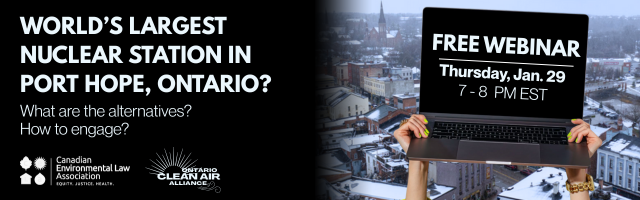
29 Jan. Thursday 7-8 p.m. Webinar – World’s Largest Nuclear Station in Port Hope, ON?

31st January – Challenging the War Machine – a DECLASSIFIED UK SUMMIT


Website of the Week
Now until to February 10, 2026 Radioactive waste storage in France: the debate is finally open! How to participate?
-
Archives
- January 2026 (227)
- December 2025 (358)
- November 2025 (359)
- October 2025 (376)
- September 2025 (258)
- August 2025 (319)
- July 2025 (230)
- June 2025 (348)
- May 2025 (261)
- April 2025 (305)
- March 2025 (319)
- February 2025 (234)
-
Categories
- 1
- 1 NUCLEAR ISSUES
- business and costs
- climate change
- culture and arts
- ENERGY
- environment
- health
- history
- indigenous issues
- Legal
- marketing of nuclear
- media
- opposition to nuclear
- PERSONAL STORIES
- politics
- politics international
- Religion and ethics
- safety
- secrets,lies and civil liberties
- spinbuster
- technology
- Uranium
- wastes
- weapons and war
- Women
- 2 WORLD
- ACTION
- AFRICA
- Atrocities
- AUSTRALIA
- Christina's notes
- Christina's themes
- culture and arts
- Events
- Fuk 2022
- Fuk 2023
- Fukushima 2017
- Fukushima 2018
- fukushima 2019
- Fukushima 2020
- Fukushima 2021
- general
- global warming
- Humour (God we need it)
- Nuclear
- RARE EARTHS
- Reference
- resources – print
- Resources -audiovicual
- Weekly Newsletter
- World
- World Nuclear
- YouTube
-
RSS
Entries RSS
Comments RSS
 nuclear-news