Air Force expanding review of cancers for members who worked on nuclear missiles

The Air Force is expanding its study of whether service members who worked with nuclear missiles have had unusually high rates of cancer after a preliminary review determined that a deeper examination is needed
abc news, ByTARA COPP Associated Press, December 5, 2023
WASHINGTON — The Air Force is expanding its study of whether service members who worked with nuclear missiles have had unusually high rates of cancer after a preliminary review determined that a deeper examination is needed.
The initial study was launched in response to reports that many who served are now ill. The Air Force isn’t making its initial findings of cancer numbers public for a month or so, but released its initial assessment Monday that more review is necessary.
“We’ve determined that additional study is warranted” based on preliminary analyses of the data, said Lt. Col. Keith Beam, one of several Air Force medical officers who updated reporters on the service’s missile community cancer review.
The findings are part of a sweeping review undertaken by the Air Force earlier this year to determine if missileers — the launch officers who worked underground to operate the nation’s silo-launched nuclear missiles — were exposed to unsafe contaminants. The review began after scores of those current or former missile launch officers came forward this year to report they have been diagnosed with cancer.
In response, medical teams went out to each nuclear missile base to conduct thousands of tests of the air, water, soil and surface areas inside and around each of its three nuclear missile bases; Malmstrom Air Force Base in Montana, Minot Air Force Base in North Dakota and F.E. Warren Air Force Base in Wyoming.
The full Air Force study will look not just at the missileers but at the whole missile community, to include all who supported the ICBM mission……………………………………………………………………………………………. more https://abcnews.go.com/Health/wireStory/air-force-expanding-review-cancers-service-members-worked-105361384
Soaring death rates raise concerns about Portsmouth nuclear plant
A low-cancer county has now become a high-cancer county.
Joseph Mangano, 26 Nov 23, https://www.cincinnati.com/story/opinion/contributors/2023/11/26/reports-raise-concerns-about-radiation-exposure-from-portsmouth-plant/71664443007/
Death rates in southern Ohio, especially in Pike County, are rising sharply and are among the highest in the U.S., according to two recent reports, which raises concerns about past, present and future exposures to toxic radiation from the Portsmouth nuclear plant in Piketon.
Beginning in 1954, the Portsmouth plant enriched uranium for fuel, first for nuclear weapons and later for nuclear power reactors. The enrichment process involves the creation of various radioactive chemicals, including americium, neptunium, plutonium, technetium, and several forms of uranium.
Each of these toxins, which are among the most dangerous on the planet, have been detected in the local environment, raising questions about exposures to workers and residents, and whether their health has been affected. And while uranium enrichment at Portsmouth ceased in 2001, various operations proposed for the site by federal officials would create additional radioactive products, and pose new health threats.
Health studies have never been a priority in Portsmouth’s long history. A federal analysis of plant workers only looked at deaths before 1991. Another federal study near U.S. nuclear plants, including Portsmouth, only used data from 1950 to 1984. Both are outdated.
Last year, the Ohio Nuclear Free Network supported a current, updated and detailed evaluation of trends in cancer and other health measures in and around Pike County. Two reports have been issued, using statistics made public by the U.S. Centers for Disease Control and Prevention and the Ohio Cancer Registry.
The first report found the Pike County cancer death rate was below the U.S. rate for decades, but has exceeded the U.S. since the early 1990s, with the greatest excess (33% higher) occurring in the most recent period. Pike County also has the highest rate of cancer incidence (newly-diagnosed cases) of all 88 Ohio counties. A low-cancer county has now become a high-cancer county.
The report also reviewed death rates for all causes combined. Until the mid-1990s, the Pike County rate was slightly higher than the U.S. rate. But ever since the gap has grown, especially for premature deaths (persons dying before age 75); the current rate is a staggering 85% above the U.S. − among the highest of all U.S. counties.
A second report addressed several questions. One question was whether the unexpectedly high disease and death rates stopped at the Pike County border. The answer was a clear “no” − as similar trends occurred in six counties bordering Pike (although none quite as dramatic as Pike). Local death rates for persons are especially high for those in their mid-20s to mid-50s − the prime of life − more than double the U.S. rate.
Another question was whether socioeconomic needs could explain the decline in health, as Pike has high poverty rates, relatively low access to medical care, and higher unemployment rates. But increases in death rates in six equally-needy Ohio counties were much lower; thus, “it’s just Appalachia” could not explain most of the increases.
Pike County and surrounding areas consist of small towns and rural areas. Few large industries which pollute the environment exist locally. The exception is the Portsmouth nuclear plant, which creates the most hazardous chemicals known on earth. Other factors can increase risk of disease and death, but decades-long environmental radioactivity exposures must be regarded as a factor, even a major factor, in the sharp increase in local disease and death rates.
Currently, the U.S. Energy Department has proposed or is considering additional nuclear-related operations at the Portsmouth site. These include reprocessing, modular reactors, molten salt reactors, uranium enrichment and uranium purification.
Knowing a large decline in local health for decades means extra caution should be taken to protect residents from any health hazards. Expanding an industry that may have already harmed many who live near Portsmouth is not the answer. Public officials entrusted with reducing harm to the public should act accordingly, and oppose these new initiatives.
Joseph Mangano is executive director of the Radiation and Public Health Project and serves as a consultant to the Ohio Nuclear Free Network.
Exposure to CT Radiation and Risk of Blood Cancers in Young Patients
By The ASCO Post Staff, 11/14/2023
Investigators may have uncovered an association between exposure to computed tomography (CT) radiation in young patients and an increased risk of hematologic malignancies, according to a recent study published by Bosch de Basea Gomez et al in Nature Medicine. These recent findings highlighted the significance of continuing to apply strict radiologic protection measures in young patients.
Background
Currently, more than 1 million young patients in Europe undergo CT scans each year. The impact of these scans in patient management—including diagnostic efficacy, treatment planning, and disease follow-up—is generally considered positive. However, the extensive use of this procedure in recent decades has raised concerns in the medical and scientific community about the potential cancer risks associated with exposure to ionizing radiation, particularly in young patients.
“The exposure associated with CT scans is considered low (< 100 mGy), but it is still higher than for other diagnostic procedures,” explained senior study author Elisabeth Cardis, PhD, Head of the Radiation Group at the Barcelona Institute for Global Health.
Previous studies have suggested that young patients exposed to CT scans may have an increased risk of developing cancer, but these studies faced several methodologic limitations.
Study Methods and Results
In the recent multinational EPI-CT study, the investigators—including clinicians, epidemiologists, and dosimetrists from Belgium, Denmark, France, Germany, the Netherlands, Norway, Spain, Sweden, and the United Kingdom—analyzed the data of 984,174 patients who underwent at least one CT scan prior to age 22 to address the limitations of the previous research.
The dose of radiation delivered to the bone marrow was estimated for each of the patients. By linking this information to national cancer registries, the investigators were able to identify those who developed hematologic malignancies after an average follow-up of 7.8 years. However, for those who had CT scans in the early years of the technology, the investigators were able to monitor cancer incidence for more than 20 years after their first scan.
The investigators determined there was a clear correlation between the total radiation doses to the bone marrow from CT scans and the risk of developing both myeloid and lymphoid malignancies. A dose of 100 mGy multiplied the risk of developing a hematologic malginancy by a factor of about three. The investigators suggested that a typical scan today (with an average dose of about 8 mGy) may increase the risk of developing hematologic malignancies by about 16%………………………………………………. more https://ascopost.com/news/november-2023/exposure-to-ct-radiation-and-risk-of-blood-cancers-in-young-patients/
Frozen fallout: radioactive dust from accidents and weapons testing accumulates on glaciers.
Physics World, 20 Jun 2023 James Dacey
Glacier surfaces in certain parts of the world contain concerning amounts of toxic radioactive materials, a result of weapons testing and nuclear accidents such as the Chernobyl disaster in 1986. Fallout radionuclides accumulate within cryoconite – a granular sediment found in holes on glacier surfaces – and there is a risk of this material entering local ecosystems as glaciers melt due to climate change. Glaciologists and ecologists say this poses urgent questions. What regions are at highest risk? How diluted is the nuclear material entering proglacial zones? What impact might that have on organisms?…..
Classified! The secret radiation files.


most of the exposure people received came in the form of internal exposures from ingesting radioactivity, not from external, ambient gamma rays in the environment.
Medical examinations of people in contaminated regions showed a significant increase in the general number of chromosomal mutations in newborns, and the frequency of birth defects in southern Belarus was found to be significantly higher than the control. In terms of general health, Konoplia reported, adults showed an increase in diseases of the circulatory system, hypertension, coronary illness, heart attacks, and myocardial problems, plus a rise in respiratory diseases.
Researchers on the UN team who had security clearances had access to classified studies that showed that 79 percent of children in the Marshall Islands exposed to American bomb blasts under the age of ten had developed thyroid cancer. Seventy-nine percent of several hundred children had thyroid cancer when the background rate was one in a million.
Health physicists fear lawsuits more than nuclear accidents
By Kate Brown, 12 Nov 23, https://beyondnuclearinternational.org/2023/11/12/classified-the-secret-radiation-files/
In 1987, a year after the Chernobyl accident, the US Health Physics Society met in Columbia, Maryland. Health physicists are scientists who are responsible for radiological protection at nuclear power plants, nuclear weapons plants, and hospitals. They are called on in cases of nuclear accidents. The conference’s keynote speaker came from the Department of Energy (DOE); the title of his talk drew on a sports analogy: “Radiation: The Offense and the Defense.” Switching metaphors to geopolitics, the speaker announced to the hall of nuclear professionals that his talk amounted to “the party line.” The biggest threat to nuclear industries, he told the gathered professionals, was not more disasters like Chernobyl and Three Mile Island but lawsuits.
After the address, lawyers from the Department of Justice (DOJ) met in break-out groups with the health physicists to prepare them to serve as “expert witnesses” against claimants suing the US government for alleged health problems due to exposure from radioactivity issued in the production and testing of nuclear weapons during the Cold War. That’s right: the DOE and the DOJ were preparing private citizens to defend the US government and its corporate contractors as they ostensibly served as “objective” scientific experts in US courts.
Health physics is an extremely important field for our everyday lives. Health physicists set standards for radiation protection and evaluate damage after nuclear emergencies. They determine where radiologists set the dial for CT scans and X-rays. They calculate how radioactive our food can be (and our food is often radioactive) and determine acceptable levels of radiation in our workplaces, environments, bodies of water, and air. Despite its importance, as it is practiced inside university labs and government organizations, health physics is far from an independent field engaged in the objective, open-ended pursuit of knowledge.
Compromised Science
The field of health physics emerged inside the Manhattan Project along with the development of the world’s first nuclear bombs. From the United States, it migrated abroad. For the past seventy-five years, the vast majority of health physicists have been employed in national nuclear agencies or in universities with research underwritten by national nuclear agencies. As much as we in the academy like to make distinctions between apolitical, academic research and politicized paid research outside the academy, during the Cold War those distinctions hardly made sense. From the end of World War II until the 1970s, federal grants paid for 70 percent of university research. The largest federal donors were the Department of Defense, the US Atomic Energy Agency, and a dozen federal security agencies.
Historian Peter Galison estimated in 2004 that the volume of classified research surpassed open literature in American libraries by five to ten times. Put another way, for every article published by American academics in open journals, five to ten articles were filed in sealed repositories available only to the 4 million Americans with security clearances. Often, the same researchers penned both open and classified work. Health physics benefited from the largesse of the Pentagon and the Atomic Energy Commission, which produced nuclear weapons for US arsenals. Correspondingly, the field suffered from a closed circle of knowledge that has had a major impact on our abilities to assess and respond to both nuclear emergencies and quotidian radioactive contamination.
Tracking the production of knowledge in the field of health physics shows how the effective renunciation of facts has played a major role in this branch of science. More generally, it demonstrates how the boundary between open and classified research is critical yet rarely acknowledged. The response of international health physicists to the Chernobyl disaster, which occurred in Soviet Ukraine in April 1986, shows heavily politicized science in action. History reveals that the official, federally sponsored cultivation of “alternative facts” is not new but has deep roots in the twentieth century.
Chernobyl came at an unfortunate time for nuclear professionals. As the Cold War creaked to an end, lawsuits abounded. In the 1980s, Marshall Islanders—their homes blasted in nuclear tests, their bodies subjected to classified medical study by scientists contracted by the Atomic Energy Agency—went to court. In Utah and Nevada, those who lived downwind from the Nevada Test Site were lining up for lawsuits. Meanwhile, the Metropolitan Edison Company in Pennsylvania faced lawsuits from plaintiffs living near the Three Mile Island nuclear power plant, which suffered a partial meltdown in 1979.
In the late 1980s, reporters and congressional investigators began to inquire into US government agencies’ wide-scale engagement in human radiation experiments, which included exposing tens of thousands of soldiers to nuclear blasts. These legal actions and investigations constituted an existential threat for nuclear industries, civilian and military. Chernobyl cast into doubt industry statements that nuclear energy is safer than coal, than flying, than living in high-altitude Denver. If another nuclear accident were to occur, UN International Atomic Energy Agency (IAEA) head Hans Blix told the IAEA board of governors a few weeks after the Chernobyl explosions, “I fear the general public will no longer believe any contention that the risk of a severe accident was so small as to be almost negligible.”
Because radioactivity is insensible, society relies on scientists and their technologies to count ionizing radiation and analyze its effect on biological organisms. In 1986, the three-decades-old Life Span Study of Japanese bomb survivors served in the West as the “gold standard” for radiation exposure. It became the chief referent in lawsuits over health damage from radioactive contaminants. The Life Span Study started in 1950. In subsequent decades, American and Japanese scientists followed bomb survivors and their offspring, looking for possible health effects from exposure to the bomb blasts. By 1986, the group had detected a significant increase in a handful of cancers and, surprisingly, no birth defects, though geneticists had expected them.
The Life Span Study told scientists a great deal about the effects of a single exposure of a terrifically large blast of radiation lasting less than a second but little about the impact of chronic, low doses of radioactivity—the kind of exposures served up by the Chernobyl accident and related to the ongoing lawsuits in the United States. At the time, like now, scientists confessed they knew very little about the effects of low doses of radioactivity on human health. For that reason, after Chernobyl, leading scientific administrators in UN agencies and national health agencies called for using the Chernobyl accident to carry out a long-term, large-scale epidemiological study to determine the effects of low doses of radiation on human health. Unfortunately, those requests went nowhere at first because Soviet officials asserted that health damage was limited to the two dozen firefighters who died from acute radiation poisoning. They insisted that they were monitoring the health of neighboring residents and found no change in their health. Soviet spokespeople told the international community that they did not need help, thank you very much.
Silos of Knowledge
Health physics, a moribund field in the West and a secretive field in the Soviet Union, suddenly appeared in the spotlight after the Chernobyl accident. Archival records show that two silos of knowledge about the effects of low doses of radiation on human health emerged in the wake of the Chernobyl accident. Western health physicists oriented around the Life Span Study, while Soviet health physicists worked from specialized, closed clinics producing literature that mostly was filed in classified libraries. A few months after the accident, Western health physicists— extrapolating from Hiroshima—announced that, given the reported levels of radioactivity released in the accident, they expected to see no detectable health problems as a result. From the Soviet side, spokespeople gave vague assurances, but scientists were silent. For security reasons, Soviet health physicists did not take the podium. Anyway, they were busy.
Behind the Iron Curtain, Soviet scientists near the accident quietly got to work figuring out the extent of the damage. A few days after the accident, Anatolii Romanenko, minister of health in Ukraine, called up medical brigades to examine evacuees and villagers in contaminated areas. Several thousand doctors and nurses fanned out across the Soviet countryside. The effort would have been unimaginable outside of a socialist state highly skilled in the art of mass mobilization. In Ukraine alone, doctors examined seventy thousand children and over one hundred thousand adults in the summer following the accident. People judged to have received high doses were sent to hospitals in Kiev, Leningrad, and Moscow. By late May, the number of hospitalized citizens rose to the tens of thousands.
For the subsequent five years, the last years of the Soviet Union, doctors and medical researchers in Ukraine and Belarus tracked health statistics in contaminated regions. They reported the results in classified documents each year. Their reports show that after the accident, frequencies of health problems in five major disease categories grew annually. Soviet doctors did not have access to ambient measurements of radioactivity in the environment and the food chain because that information was classified, so doctors did what they had long done in the Soviet Union. They used their patients’ bodies as biological barometers to determine doses of radioactivity. Medical practitioners counted white and red blood cells, held radiation detection counters to the thyroids of their patients, measured blood pressure, and scanned urine. They looked for chromosomal damage in blood cells and counts of radioactivity in tooth enamel. Using these biomarkers, Soviet doctors determined the doses of radioactivity their patients had encountered externally and ingested internally. Doctors calculated the range of radioactive isotopes lodged in their patients’ bodies. A KGB general who ran his own KGB clinic in Kiev for KGB agents and their families counted twelve different radioactive isotopes in organs and tissue of his patients.
In 1986, in neighboring Belarus, which received the majority of Chernobyl fallout, scientists at the Belarusian Academy of Science set up case-control studies to track the impact in real time on the health of children and pregnant women, two populations judged to be especially vulnerable. The academy also commissioned dozens of studies of radioactive contamination in the atmosphere, soils, plants, agricultural products, and livestock. They drew on a body of knowledge that Soviet scientists had clandestinely developed over four decades in clinics stationed near secret nuclear installations that had suffered a large number of accidents and spills of radioactive effluents during the Cold War rush to produce weapons. In April 1989, the respected president of the Belarusian Academy of Science sent to Moscow a twenty-five-page report that reflected the renaissance of science in the fields of radioecology and radiobiology that had flourished in the contaminated regions as a result of the Chernobyl disaster. Evgenii Konoplia laid out what his Institute of Radiobiology had found.
Almost the entire territory of Belarus had been contaminated, Konoplia wrote, except for a few northern regions.
Continue readingFukushima nuclear plant workers sent to hospital after being splashed with tainted water
Guardian, 27 Oct 23
The operator Tepco says the workers came in contact with the wastewater when a hose came off accidentally and have been taken to hospital as a precaution
Four workers at the Fukushima nuclear plant were splashed with water containing radioactive materials, with two of them taken to hospital as a precaution, according to the plant operator.
The incident, which took place on Wednesday, highlights the dangers Japan still faces in decommissioning the plant. The reactor was knocked out by an immense tsunami in 2011 in the world’s worst atomic disaster since Chornobyl in 1986.
Five workers were cleaning pipes at the system filtering wastewater for release into the sea when two were splashed after a hose came off accidentally, according to a spokesperson for operator Tepco.
Two others were contaminated when they were cleaning up the spill, the spokesperson added………
Tepco said that both would stay in hospital for “about two weeks” for follow-up examinations and that the company was analysing how the accident had occurred while reviewing measures to prevent a repeat of it………………………
more https://www.theguardian.com/environment/2023/oct/27/fukushima-nuclear-plant-workers-hospitalised-after-being-splashed-with-tainted-water #nuclear #antinuclear #NoNukes #radiation
Multiple radionuclides detected in Fukushima nuke wastewater planned for 3rd round of ocean discharge
Xinhua 21 Oct 23 https://www.chinadaily.com.cn/a/202310/21/WS65339e99a31090682a5e9ef2.html
TOKYO — The third batch of Fukushima nuclear-contaminated water to be released during Japan’s next round of ocean discharge contains carbon-14, cobalt 60, strontium-90 and other radionuclides, according to pre-discharge test results released by the Tokyo Electric Power Company (TEPCO).
Despite mounting concerns and opposition among local fishermen as well as from other countries, TEPCO said that preparations for the third round of ocean discharge will begin after the second round of discharge is completed and relevant maintenance and confirmation operations are carried out.
The nuclear-contaminated wastewater from the crippled Fukushima Daiichi nuclear power plant, after advanced liquid processing system (ALPS) treatment, must enter the measurement and confirmation facility and wait for pre-discharge test results before being discharged into the ocean.
The measurement and confirmation facility is split into three groups of 10 tanks with each of the groups used on a rotating basis as receiving tanks, measurement and confirmation tanks, and discharge tanks.
At present, the 10 tanks in Group B were emptied in the first round of discharge starting on Aug 24. Meanwhile, the 10 tanks in Group C were confirmed to meet the discharge standards on Sept 21, and the discharge started on Oct 5.
The sampling of the nuclear wastewater stored in Group A tanks for the third round of discharge was completed on July 10. The analysis results showed that they contained trace amounts of carbon-14, cobalt 60, strontium-90, iodine-129 and cesium-137, of which strontium-90 was not detected in the second round of discharge from Oct 5, according to reports released on Thursday by TEPCO.
TEPCO claims that its ALPS facility, a multi-nuclide removal system, can remove 62 radioactive substances except tritium, but it was found that about 70 percent of the water in the storage tanks contained non-tritium radionuclides at a concentration exceeding the regulatory standards applicable for discharge into the environment. #nuclear #antinuclear #nuclearfree #NoNukes
Fresh stock of iodine tablets for Swiss living near nuclear plants
People living within a 50km radius of Swiss nuclear power plants will receive a fresh stock of iodine tablets over the coming weeks and until next April.
October 13, 2023
The government has purchased 12 million packs of iodine tablets. The budget for the iodine distribution campaign is CHF34 million of which CHF11 million will be financed by the nuclear power plant operators, who will pay CHF 1.22 million a year into government’s general fund from 2021 to 20……………………………………………………. more https://www.swissinfo.ch/eng/business/fresh-stock-of-iodine-tablets-for-swiss-living-near-nuclear-plants/48887374
#nuclear #antinuclear #NuclearFree #NoNukes #NuclearPlants
Deadly radioactive dust
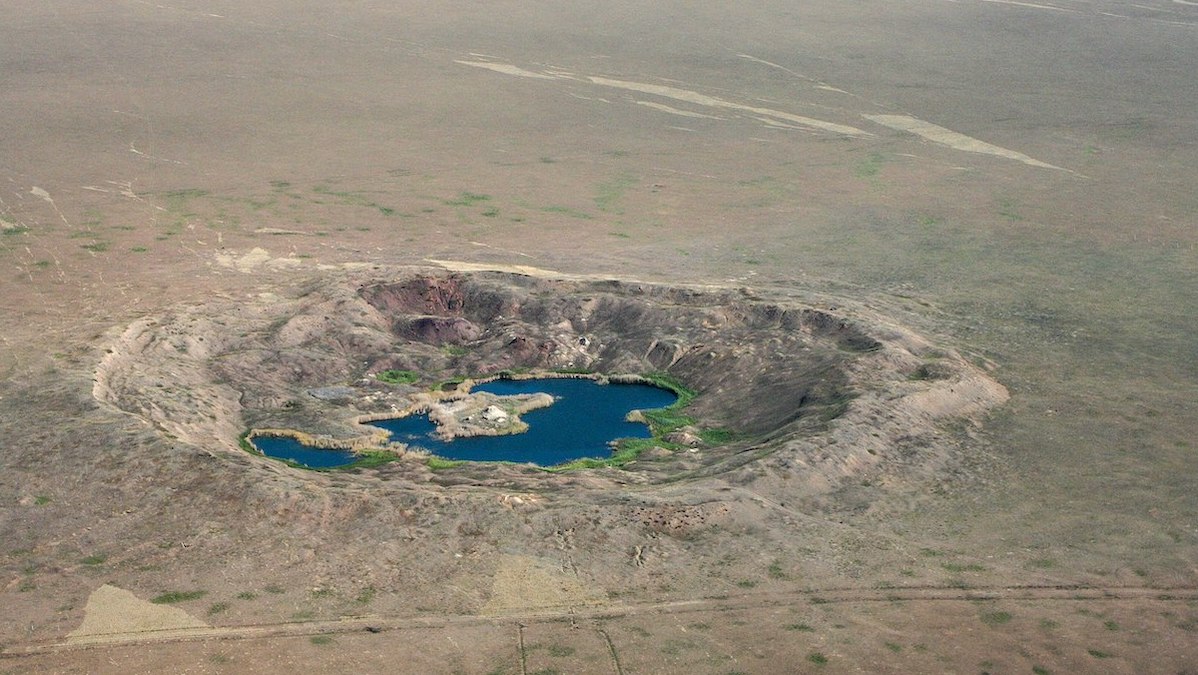
In the case of Semipalatinsk, the former Soviet Union’s nuclear testing grounds, the exposure was due to the passage of radioactive clouds. The area and the people were exposed gradually not only during the passage of the cloud but also from the subsequent contamination of the area.
by beyondnuclearinternational https://beyondnuclearinternational.org/2023/10/15/deadly-dust/
A look at the studies of professor Masaharu Hoshi. From Impact
The risks of radiation exposure are better understood today thanks to researchers dedicated to working with the victims of exposure, understanding their symptoms, identifying treatments and developing safety protocols. This article looks at the work of one such researcher, Dr. Masaharu Hoshi.
Harnessing atomic particles and radiation led to powerful and world changing technologies. The field of medical imaging has saved countless lives and continues to push the boundaries of medical interventions and research, which would have been impossible without the first x-ray machines. Unfortunately, not all inventions have been so altruistic.
The advent of nuclear weapons showed the world the destructive potential possible via scientific inquiry. While the dangerous effects of radiation exposure were documented from the inception of this technology, catastrophic events like the bombing of Hiroshima and Nagasaki and nuclear disasters at Chernobyl, Semipalatinsk or Fukushima provide a real-time glimpse into the long-term effects of exposure.
Investigating the causes of this exposure in order to prevent future accidents is essential, but so too is cataloguing the rates and types of exposure among the victims. With this information, correlations between exposure and health effects, both short- and long-term, can be assessed. This data is crucial for understanding the mechanisms behind radiation effects on living creatures and in assessing risks, safety protocols and treatment. Since the 1980s, Dr Masaharu Hoshi, Professor Emeritus at Hiroshima University, has been traveling around the world, visiting the sites of nuclear disasters in an effort to fully comprehend the risks. In doing so he is also revealing that there is still much we need to learn regarding the effects of radiation exposure.
Quantifying the risks
“I started my research with the people exposed to radiation in Hiroshima and Nagasaki in the year 1980,” says Hoshi. “Before that I completed my dissertation on nuclear physics with a specialty in radiation measurement.” This graduate training positioned him to become an expert on the effects of radiation.
The work that commenced in Hiroshima and Nagasaki right after the blast showed that with higher doses of radiation, the greater the effect on the human body, in the form of symptoms like carcinogenesis. The ratio between exposure and effects is termed risk. This measure of risk is useful in treating people exposed to radiation and it can quantify how much risk individuals face depending on the dose of exposure.
Quantifying the risks
“I started my research with the people exposed to radiation in Hiroshima and Nagasaki in the year 1980,” says Hoshi. “Before that I completed my dissertation on nuclear physics with a specialty in radiation measurement.” This graduate training positioned him to become an expert on the effects of radiation.
The work that commenced in Hiroshima and Nagasaki right after the blast showed that with higher doses of radiation, the greater the effect on the human body, in the form of symptoms like carcinogenesis. The ratio between exposure and effects is termed risk. This measure of risk is useful in treating people exposed to radiation and it can quantify how much risk individuals face depending on the dose of exposure.
“This work can inform us whether a medical check-up is required every two years depending on the degree of exposure, or if hospitalization is necessary if there has been too much exposure,” explains Hoshi.
He says that the work done in Japan has informed laws regarding radiation exposure safety and protocols in countries around the world, but this is only one scenario in which a person can come into contact with the deadly rays.
“The people exposed to radiation in Hiroshima and Nagasaki from the atomic bomb were exposed to gamma rays, including a few neutrons, in a short instant,” outlines Hoshi. “From 1 microsecond to about 1 minute which is quite different from the gradual exposure of actual workers in the radiation industry.”
In the case of Semipalatinsk, the former Soviet Union’s nuclear testing grounds, the exposure was due to the passage of radioactive clouds. The area and the people were exposed gradually not only during the passage of the cloud but also from the subsequent contamination of the area. “Therefore, the risk is considered to be different from that of the atomic bomb survivors of Hiroshima and Nagasaki,” confirms Hoshi.
“Because of that, we started our study on the radiation dose and the health effects occurring in Semipalatinsk, which has been going on since 1994.”
Over the course of these studies over decades he has worked with colleagues to amass databases of over 300,000 cases of exposure and long-term follow-up. It was among these cases, spread out in different locations, that a pattern emerged, revealing yet another variable to consider during an exposure event, being radioactive microparticles.
Radiation detectives
Initially in Japan, research started on people who came to the area right after the explosion to help their families and were not the direct victims of the bombing. For these individuals the calculated radiation exposure dose was less than 10 mSv which, according to Hoshi, is usually not a problem.
“Using the Hiroshima University database of people who were exposed to the bombing incident, we found that the mortality rate was higher for those who came to the vicinity directly after the explosion and the cause for this was unknown,” he states.
Furthermore, Hoshi began to see a similar pattern of exposure and symptoms in other places. In Semipalatinsk it was called Kainal Syndrome and again there was no explanation. Many of the survivors of Chernobyl, Gulf War and Hiroshima Nagasaki who entered after the bombing also suffered from hair loss, severe malaise, which can lead to an inability to work, bleeding, diarrhea and more.
“It was then that I understood I would have to use epidemiological ideas to uncover what all of these victims had in common,” he says. Eventually, he realised that commonality was radioactive dust.
Hoshi and his team began investigating the potential for radioactive microparticles to cause internal exposure in all organs of the rats, especially in the lung. They found the effects are 20 times more dangerous than usual external exposure according to the animal experiments.
“With regards to the effects of radioactive particles, some experts have previously pointed it out,” says Hoshi. “However, since there was no supporting research, it has been ignored by public institutions.”
The effects of radiation exposure are the same for every person on the planet, no one country or group of people are immune. Furthermore, when disaster strikes it is usually not contained to one spot. Contamination of air and water can spread over vast distances, bringing with them their deadly side effects. Hoshi and his collaborators are acutely aware of this and are working hard to share their data as far and as wide as possible.
Furthermore, Hoshi stresses that due to the need for a variety of expertise, collaboration is absolutely essential.
“For example, these results are not possible without the input from reactor physicists, radiation and medical physicists, epidemiologists, thyroid specialists, pathologists, medical doctors, as well as statistics and computer database experts,” he highlights.
Hoshi is grateful for all of the hard work this diverse group has done and will continue to do for the benefit of victims and potential victims. Along with further research on progressive treatment and protection, Hoshi plans to continually develop this field. Their work will carry on studying the effects of radioactive dust and ways to protect against it as well as tackling the big problem of evaluating dose exposure from radioactive dust.
This article first appeared on impact.pub whose content is available under a creative commons license.
Dr Masaharu Hoshi is Professor Emeritus at Hiroshima University’s Peace Center. You can read his studies here and here. #nuclear #antinuclear #NuclearFree #NoNukes #NuclearPlants #radiation
Low-Dose Radiation Affects Cardiovascular Disease Risk in Human Aortic Endothelial Cells by Altering Gene Expression under Normal and Diabetic Conditions.
#nuclear #Nuclear-free #anti-nuclear #NoNukes
by Soo-Ho Lee 1,†, Ye Ji Jeong 1,†, Jeongwoo Park 1,2, Hyun-Yong Kim 1, Yeonghoon Son 1, Kwang Seok Kim 1,* and Hae-June Lee 1,*
Divisions of Radiation Biomedical Research, Korea Institute of Radiological and Medical Sciences, Seoul 01812, Korea
2 New Drug Development Center, Daegu Gyeongbuk Medical Innovation Foundation, Daegu 41061, Korea
*Authors to whom correspondence should be addressed.
†These authors contributed equally to this work.
2 August 2022 (This article belongs to the Special Issue Advances in Radiation Toxicity)
Abstract
High doses of ionizing radiation can cause cardiovascular diseases (CVDs); however, the effects of <100 mGy radiation on CVD remain underreported. Endothelial cells (ECs) play major roles in cardiovascular health and disease, and their function is reduced by stimuli such as chronic disease, metabolic disorders, and smoking. However, whether exposure to low-dose radiation results in the disruption of similar molecular mechanisms in ECs under diabetic and non-diabetic states remains largely unknown; we aimed to address this gap in knowledge through the molecular and functional characterization of primary human aortic endothelial cells (HAECs) derived from patients with type 2 diabetes (T2D-HAECs) and normal HAECs in response to low-dose radiation. To address these limitations, we performed RNA sequencing on HAECs and T2D-HAECs following exposure to 100 mGy of ionizing radiation and examined the transcriptome changes associated with the low-dose radiation. Compared with that in the non-irradiation group, low-dose irradiation induced 243 differentially expressed genes (DEGs) (133 down-regulated and 110 up-regulated) in HAECs and 378 DEGs (195 down-regulated and 183 up-regulated) in T2D-HAECs. We also discovered a significant association between the DEGs and the interferon (IFN)-I signaling pathway, which is associated with CVD by Kyoto Encyclopedia of Genes and Genomes (KEGG) pathway analysis, protein–protein network analysis, and module analysis. Our findings demonstrate the potential impact of low-dose radiation on EC functions that are related to the risk of CVD.
Keywords: low-dose radiation; endothelial cells; diabetes mellitus; gene profiling; cardiovascular disease …………………………………………………………………………….more https://www.mdpi.com/1422-0067/23/15/8577
Fukushima Study Links Low-Dose Radiation to Diabetes
Mirage, 3 Oct 23
New research to be presented at this year’s Annual Meeting of The European Association for the Study of Diabetes (EASD), Hamburg (2-6 Oct), suggests that exposure to low doses of radiation may contribute to an increased risk of diabetes.
The study by Dr Huan Hu and Dr Toshiteru Ohkubo from the Japanese National Institute of Occupational Safety and Health involved more than 6,000 out of around 20,000 emergency workers who responded to the radiation accident at the Fukushima Daiichi Nuclear Power Plant, which was hit by a huge tsunami in March 2011.
Substantial amounts of radioactive materials were released into the environment following explosions at the nuclear plant.
In 2014, the Epidemiological Study of Health Effects in Fukushima Emergency Workers (NEWS) was established to clarify the long-term health effects of radiation among emergency workers.
Few human studies have examined the impact of radiation exposure on diabetes development, particularly at low doses. To find out more, researchers examined the association between low-dose radiation exposure and risk of diabetes in 5,326 male emergency workers (average age 46 years) taking part in the NEWS study.
Between March and December 2011, individual emergency worker’s radiation exposure was measured using a pocket alarm dosemeter for external exposure and a whole-body counter for internal exposure.
Study participants underwent regular health examinations involving more than 70 components, including blood sugar, lipids, urine tests, inflammation biomarkers, thyroid function tests, and eye examinations.
Between 2012 and 2021, 392 participants developed diabetes—defined as a fast plasma glucose level of at least 126 mg/dL, an HbA1c level of at least 6.5%, or self-reported diagnosis of diabetes.
The researchers assessed the association between incident diabetes and cumulative radiation exposure after adjusting for a wide range of potential confounders including age, body mass index, smoking, alcohol consumption, leisure-time physical activity, employment at the nuclear power plant, dyslipidaemia (abnormally high levels of fats in the blood), and high blood pressure.
The analysis found that compared with the lowest cumulative low-dose radiation exposure (0-4 millisieverts [mSv]), the risk of developing diabetes was 6% higher for workers exposed to 5-9 mSv, and 47% and 33% greater for those exposed to 10-19 mSv and 20-49 mSv, respectively.
However, no elevated risk was detected in those exposed to radiation doses of 50 mSv or higher, likely due to the small sample size in this group.
“Our findings suggest an increased risk of diabetes among nuclear emergency workers from low levels of radiation. While the potential mechanisms remain somewhat unclear, reports suggest that radiation can adversely affect pancreatic cells responsible for insulin production, potentially contributing to diabetes. Additionally, there is an association between radiation exposure and heightened inflammation, a well-known factor in insulin resistance and the development of diabetes”, explains lead author Dr Hu.
He adds, “Ongoing follow-up of NEWS participants will provide an even clearer picture of diabetes risk at low radiation doses. As more diabetes cases emerge within our study group, our expanded dataset will enable more robust analyses, allowing researchers to better assess the link between radiation exposure and diabetes risk.”……………………………………………………………………………………………………….. more https://www.miragenews.com/fukushima-study-links-low-dose-radiation-to-1095852/
The Ukrainian Morale in the Battlefield: A Snapshot

Pepe Escobar. September 19, 2023 https://strategic-culture.su/news/2023/09/19/the-ukrainian-morale-in-the-battlefield-a-snapshot/
It’s now firmly established that the Ukrainian counter-offensive turned out to be the feeder of a bloody meat grinder of astonishing proportions
Of every 100 people who joined Ukrainian units last Fall, months before the counter-offensive, only 10 to 20 remain. The rest are dead, wounded or incapacitated. These stats were confirmed by the online publication Poltavashchyna.
It’s quite enlightening to check the following snapshot of the Ukrainian frontlines only five months ago, in Spring, slightly before the start of the counter-offensive. The data was leaked by Ukrainians. The authenticity of the documents has been fully confirmed.
This is a report prepared by the temporary acting commander of the 2nd mechanized battalion of military unit A4007, Captain Dmytro Bilyi. He is reporting directly to the commander of the military unit.
Bilyi says that between April 19 and 20, 2023, he as temporary acting commander as well as other officers have concluded that the 2nd battalion had reached critically low morale and psychological conditions.
The battalion had also suffered numerous sanitary and irretrievable losses. Most soldiers refused to perform combat missions. The level of morale in different companies was evaluated as ranging between 20% and 42%.
( Report supplied on the original – in Ukrainian)
This is a list of soldiers from military unit A7097 who have voluntarily left a position called “Sadik”. Translation: the Ukrainians lost control over this strong point, Sadik, because of these guys. Among them there is a Captain, Mykhailo Shabunin.
(List supplied on original)
This is another report about a group of soldiers who have “voluntarily” abandoned the battlefield. (List supplied on original)
This is an urgent report on the critically low level of combat readiness of the 5th company of the 2nd battalion. The staffing of the company fell to 60% – and the unit needs to be withdrawn from the frontline. ( List supplied on original)
This is the personal data of 10 servicemen that left. So relatives and friends can actually get some info about soldiers. (provided on original)
This is an urgent report by Major Dmytro Hnatyuk, commander of the 2nd batallion on massive “voluntary” withdrawing of firing positions Yaremche, Dakh, Derevo, Polohy, Halych.
Hnatyuk managed to get some 10 soldiers to return to their positions. The rest didn’t.
What next?
The documents above paint a clear picture of what was going on in the frontlines back in April. The situation now may be even more dire. The Ukrainians already started their counteroffensive with very low morale. No wonder the actual results were catastrophic.
And yet none of that should elicit complacency. There’s a feeling that as it stands all’s quiet in the Donbass front. Not really. Ukrainians continue to assault Russian positions with maniacal persistence. After all they dispose of infinite numbers of infantry – faithful to Kiev’s “logic” of war to the last Ukrainian.
The Kiev machine is now being retooled, and new units are being prepared. Russians did destroy an astonishing number of Western weaponry, but Kiev’s forces are not depleted – yet.
There was quite a lot of expectation that after the failed counter-offensive Kiev would negotiate. That won’t happen. The Hegemon won’t allow it. So the “counter-offensive”, 2.0 or whatever, will continue. Kiev’s forces are getting ready for renewed action before the Summer of 2024. So Russia better get its own devastating offensive rolling – sooner rather than later.
Never forget: the Hegemon’s Plan A is yet another Forever War. There’s no Plan B.
Important new BMJ article increases our perception of radiation risks

September 3, 2023
The BMJ article which was published on Aug 16, 2023 (accessible free of charge) is the result of a lengthy occupational study by US Professor David Richardson and a team of 11 academics and public health researchers in the US, UK, France and Spain. https://www.bmj.com/content/382/bmj-2022-074520
Its conclusion states
“This major update to INWORKS provides a direct estimate of the association between protracted low dose exposure to ionising radiation and solid cancer mortality based on some of the world’s most informative cohorts of radiation workers. The summary estimate of excess relative rate solid cancer mortality per Gy is larger than estimates currently informing radiation protection, and some evidence suggests a steeper slope for the dose-response association in the low dose range than over the full dose range. These results can help to strengthen radiation protection, especially for low dose exposures that are of primary interest in contemporary medical, occupational, and environmental settings.”
In a nutshell, the article’s findings
- substantially increase our perception of radiogenic risks
- confirm that the linear no threshold model for radiation risks is acceptable
- give new hard evidence of increased risks at low levels of exposure
- act to question the continued use of the LSS studies of Japanese bomb survivors in deriving absolute radiation risks for the public
- act to question the ICRP’s continued use of DDREFs which at present halve radiation risks, and
- act to put pressure on ICRP, WHO, IAEA, etc to revise upwards the current low risks of radiation.
DISCUSSION
- Numerical Risk of Radiation…………………………………………………………………………………………………..So it can be shown that the INWORKS study increases the currently perceived absolute risk of fatal cancer in the UK from ~ 5% to 13% per Sv. This is a substantial increase and will need to be addressed by the ICRP and national authorities.
- 2. Strengthens and Increases the risks found older studies. Second, the new study strengthens an earlier 2018 study (Richardson et al, 2018) by the same team by adding another 10 years’ data to the epidemiology datasets used in the metastudy. It not only strengthens the findings but actually increases the observed ERR risk by ~10% ie from 0.47 to 0.52 per Gy.
- 3. Increased Risks at Low Doses. Perhaps most significant, are the study’s findings of higher risks at very low doses between 0 and 150 mGy which are the doses we need to be concerned with………………………………………………………………………………………………………………………………………more https://www.ianfairlie.org/news/important-new-bmj-article-increases-our-perception-of-radiation-risks/?fbclid=IwAR0TtpWfyxm1ebiaHGw_eUJd1n1PWRfkmGF3n-YtBnO0rMIRi2XqcPzYYWY
We are all Hibakusha- the global footprint of nuclear fallout

By M.V. Ramana https://beyondnuclearinternational.org/2023/09/03/we-are-all-hibakusha/
The front page of the Times of India of August 7, 1945, carried the headline World’s deadliest bomb hits Japan: Carries blast power of 20,000 tons of TNT. For millions around the world, headlines of that sort would have been their first intimation of the process of nuclear fission on a large scale.
But, a careful stratigrapher, who studies layers in the soil or rock, might be able to discern that, in fact, nuclear fission had occurred in July 1945. The stratigrapher would just have to look for plutonium at Crawford Lake in Ontario, Canada, the site proposed as the “golden spike” spot to mark the start of the Anthropocene (recognising the problems with its definition as highlighted in Down To Earth’s interview with Amitav Ghosh).
What happened in July 1945 was, of course, Trinity, the world’s first nuclear weapon test, now familiar to many through the film Oppenheimer. A group of researchers recently reconstructed how the plutonium released during that explosion would have been transported by the wind. They calculated that direct radioactive fallout from that test would have reached Crawford Lake within four days of the test, “on July 20, 1945 before peaking on July 22, 1945”.
Since Crawford Lake is nearly 3,000 kilometres from the Trinity test site in New Mexico, it stands to reason that many other places would also have received radioactive fallout from the Trinity test. Now consider the fact that there have been at least 528 nuclear weapon tests around the world that took place above the ground, plus the bombs dropped on Hiroshima and Nagasaki—and you can easily imagine how radioactive fallout must have fallen practically everywhere, whether on land or in the oceans.
Not included in the abovementioned list of 528 is the debated 1979 “Vela incident” that most likely involved an Israeli nuclear weapon test with help from South Africa. It is described as debated only because political elites in the United States, whose Vela satellite 6911 detected a double-flash of light that is characteristic of nuclear explosions, did not want to impose sanctions on Israel.
In 2018, two scientists collected a range of evidence consistent with such a nuclear test, importantly cases of radioactive element iodine-131 that was found in the thyroids of some sheep in 1979—in the south east part of Australia, across the oceans. Again, proof that radioactive fallout from nuclear weapon tests spread out globally.
But it is not just nuclear weapons tests. Accidents at nuclear power plants, too, have produced radioactive fallout that has contaminated the peoples of the world. Radioactive cesium released by the 1986 Chernobyl reactor explosion was found in multiple countries across Western Europe. Yet again, sheep, this time in England, Scotland and Wales, were contaminated, and for a time scientists could not even understand the behaviour of the radioactive cesium that the sheep were ingesting.
The sheep remained contaminated for decades. Restrictions on sheep were lifted in all areas only in 2012. Of course, closer to Chernobyl, many areas are still highly contaminated. Radiation levels go up and down depending on outside events, such as forest fires or the Russian army invading the area.
Even without nuclear weapons explosions and reactor accidents, people around the world are exposed to radioactive materials—from reprocessing plants. These facilities chemically process the irradiated spent fuel from nuclear power plants, while also producing very large volumes of liquid and gaseous radioactive effluents. These effluents are released into the air; exposure to these constitutes the largest component of the radiation dose to “members of the public from radionuclides released in effluents from the nuclear fuel cycle”.
People in South Asia have, of course, been exposed to radioactive fallout from nuclear explosions conducted by other countries, nuclear reactor accidents, and reprocessing plants. What about the nuclear weapons exploded by India and Pakistan in 1998, and by India, in 1974? All of these weapons were exploded underground, which should, in principle, have contained all the radioactive materials within the soil. If so, their route for exposing people to radiation can only be by contaminating underground water sources, sometime in the future.
But underground nuclear weapon tests do, sometimes, vent, releasing radioactive materials into the air. After the Limited Test Ban Treaty of 1963, all US nuclear weapons tests were designed to completely contain the radioactivity underground. Nevertheless, 105 of them vented radioactive materials into the atmosphere. A further 287 tests had “operational releases” whereby radioactivity was released during routine post-test activities. Similarly, several hundred underground nuclear weapons explosions at the Novaya Zemlya test site in the Soviet Union released radioactivity into the atmosphere.
Radioactive materials from these releases spread far and wide. In 1970, radioactive materials vented during the Baneberry test were detected as far as Canada; but Canadian diplomats told US officials that “they had no intention to make a formal protest or to conceive of the event as a violation” of the Limited Test Ban Treaty.
It is possible, though not very probable, that the 1998 or the 1974 nuclear tests vented radioactivity. One reason to suspect venting is that residents of the villages near Pokhran, India have repeatedly complained of different kinds of physical illnesses, and demanded that radiation levels be checked. So far, no comprehensive and independent examination of the health of these people or the radioactivity levels in the area has been conducted.
Nearly eight decades since the nuclear age started, people around the world, not to mention the flora and fauna, have all been exposed to radioactive materials from nuclear activities. Any exposure to radioactivity elevates the risk of developing cancer or cardiovascular disease, two great health scourges in modern times.
We are all, in the words of Robert “Bo” Jacobs, the “Global Hibakusha”, survivors of the nuclear age but always at risk of developing one of the diseases associated with radiation exposure. And the worldwide spread of fallout is not, as Jacobs points out, “something that happened, it is something that is still happening”.
1 This Month


31st January – Challenging the War Machine – a DECLASSIFIED UK SUMMIT



Website of the Week
Now until to February 10, 2026 Radioactive waste storage in France: the debate is finally open! How to participate?
-
Archives
- January 2026 (227)
- December 2025 (358)
- November 2025 (359)
- October 2025 (377)
- September 2025 (258)
- August 2025 (319)
- July 2025 (230)
- June 2025 (348)
- May 2025 (261)
- April 2025 (305)
- March 2025 (319)
- February 2025 (234)
-
Categories
- 1
- 1 NUCLEAR ISSUES
- business and costs
- climate change
- culture and arts
- ENERGY
- environment
- health
- history
- indigenous issues
- Legal
- marketing of nuclear
- media
- opposition to nuclear
- PERSONAL STORIES
- politics
- politics international
- Religion and ethics
- safety
- secrets,lies and civil liberties
- spinbuster
- technology
- Uranium
- wastes
- weapons and war
- Women
- 2 WORLD
- ACTION
- AFRICA
- Atrocities
- AUSTRALIA
- Christina's notes
- Christina's themes
- culture and arts
- Events
- Fuk 2022
- Fuk 2023
- Fukushima 2017
- Fukushima 2018
- fukushima 2019
- Fukushima 2020
- Fukushima 2021
- general
- global warming
- Humour (God we need it)
- Nuclear
- RARE EARTHS
- Reference
- resources – print
- Resources -audiovicual
- Weekly Newsletter
- World
- World Nuclear
- YouTube
-
RSS
Entries RSS
Comments RSS
 nuclear-news