“…………………………………………………………………………………… The Fukushima Daiichi nuclear plant, built by General Electric (GE) in the mid-1960s, was designed to withstand natural disasters, but its creators never foresaw an earthquake like that. When the plant’s sensors detected the quake, its reactors automatically shut down. That emergency shutdown (or scram) halted its fission process, triggering backup power to keep cold seawater flowing through the reactors and spent-fuel containers to prevent overheating. Things at Fukushima were going according to plan until that massive tsunami battered the plant, washing away transmission towers and damaging electrical systems. There were backup generators in the basement, but those, too, had been inundated by waves of seawater, and an already bad situation was about to get far worse.
A power outage at a nuclear power plant is known as a “station blackout.” As you might imagine, it’s one of the worst scenarios any nuclear facility could possibly experience. If all electricity is lost, that means water is no longer being pumped into the reactor’s scalding-hot core to cool it down. And if that core isn’t constantly being cooled, one thing is certain: disaster will ensue. The fission process itself may be complicated, but that’s basic physics. To make matters worse, there were three operatingreactors at Fukushima Daiichi. Luckily, three others had already been shut down for maintenance. If power wasn’t restored in short order, that would mean that all three of Fukushima’s reactors were in very big trouble.
We would later learn that no one — not at TEPCO, GE, or among Japanese regulators — had ever considered the possibility that all the reactors might lose electricity at once. They had only drawn up plans for one reactor to go down, in which case the others could keep the plant running. But all of them offline, and every generator out of commission? There was no precedent or playbook for that.
The nuclear industry has a reasonably polite name for a disaster like the one that was rocking Fukushima. They refer to it as a “beyond design-basis accident” because no single nuclear plant design can account for every possible problem it might encounter in its lifetime. The fact that there’s a term for this should make you anxious.
Meltdowns and Fallout
Over the next several days, the emergency at Fukushima Daiichi only worsened. Every effort to restore power to its reactors hit a dead end. On-site radiation-detection equipment, which would have triggered warnings and guided evacuation efforts for those in danger, was no longer functioning. Plans to pump water into the reactors to cool them had faltered. Their cores kept overheating, and the boiling pools of spent fuel were at risk of drying out, potentially triggering a massive fire that would release extreme amounts of radiation.
Within three days, following a series of fires, hydrogen explosions, and panic among those aware of what was happening, Fukushima’s Units 1, 2, and 3 experienced full-scale core meltdowns. Over 150,000 people within an 18-mile radius had already been forced to evacuate, and radiation plumes would take two weeks to spread across the northern hemisphere, although the Japanese government wouldn’t admit publicly that any meltdown had occurred until June 2011, three months later.
The only good news for the 13 million people living 150 miles south in Tokyo was that, during and immediately after the meltdowns, prevailing winds carried much of Fukushima’s radioactive material away from the smoldering reactors and out to sea. It’s estimated that 80% of the fallout from Fukushima ended up in the ocean, meaning most of it headed east rather than toward population centers to the south and west. The other fortunate news was that the spent fuel containers had somehow survived it all. If their water levels in the pools had been drained, far more radiation would have been released.
But Tokyo wasn’t completely spared. After years of research, scientists discovered that cesium-rich microparticles had blanketed the greater Tokyo area, an unpopular discovery that drew backlash and threats of academic censorship. Areas around the Fukushima exclusion zones recorded the highest radiation levels. Japanese government officials continually downplayed the dangers of the accident and were reluctant to even classify the event as a Level 7 nuclear disaster, the highest rating on the International Nuclear Event Scale, which would have placed it on a par with the 1986 Chernobyl nuclear disaster. Japanese officials have also failed to conduct long-term epidemiological studies that would include baseline measurements of cancer rates, which has cast doubt on thyroid screenings that found troubling incidents of cancer far higher than researchers expected.
Radioactive Fish
Prior to the earthquake, the ocean’s cesium-137 levels near Fukushima were 2 Becquerels (a unit of radioactivity) per cubic meter, well below the recommended drinking water threshold of 10,000 Becquerels. Just after March 11, 2011, cesium-137 levels there spiked to fifty million before decreasing as sea currents dispersed the radioactive particles away from the coast. The ocean, however, had been poisoned.
In the years that followed the Fukushima nuclear disaster, researchers documented a frightening, yet predictable trend. Radioactive isotopes in seawater were taken up by marine plants (phytoplankton), which then moved up the food chain into tiny marine animals (zooplankton) and, eventually, to fish.
Cesium-137 consumed by fish can reside in their bodies for months, while Strontium-90 remains in their bones for years. If humans then eat such fish, they will also be exposed to those radioactive particles. The more contaminated fish they eat, the greater the radioactive buildup will be.
In 2023, over a decade after the incident, radiation levels remained sky-high in black rockfish caught off the Fukushima coast. Other bottom-dwelling species have been found to be laden with radioactivity, too, including eel and rock trout. Further concerns have been raised about the treated radioactive water that TEPCO continued to release into the ocean, prompting China to suspend seafood imports from Japan. Aside from those findings, there have been very few studies examining the effects of Fukushima’s radiation on ecosystems or on the people of Japan.
“Japan has clamped down on scientific efforts to study the nuclear catastrophe,” claims pediatrician Alex Rosen of International Physicians for the Prevention of Nuclear War. “There is hardly any literature, any publicized research, on the health effects on humans, and those that are published come from a small group of researchers at Fukushima Medical University.”
Recognizing such levels of radiation, even if confined to the waters near Fukushima, would cast the country’s nuclear industry as a significant threat — not only to Japan but globally. Any admission that Fukushima’s radiation is linked to increased cancer rates would raise broader concerns about nuclear power’s future viability. Radiation exposure is cumulative and, although Fukushima didn’t immediately cause mass casualties, it wasn’t a benign accident either. It took decades before it was accepted that Chernobyl had caused tens of thousands of excess cancer deaths. It may take even longer to completely understand Fukushima’s full effects. In the meantime, the still ongoing cleanup of the burned-out facilities may cost as much as 80 trillion yen ($500 billion).
It’s been 15 years since Fukushima’s reactors experienced those meltdowns and we still don’t fully understand their long-term repercussions. Nuclear power advocates will argue that Fukushima wasn’t a serious incident and that nuclear technology is still safe. They’ll minimize radiation threats, remain optimistic that new reactor designs will never falter, dismiss the fact that there’s simply no permanent solution for radioactive waste, and overlook the inseparable connection between nuclear power and atomic weapons. After all, among other things, we’ll undoubtedly need nuclear energy to help power the artificial intelligence craze, right?………………………………………………………………………………………………………………………………………………………………………. With nine nuclear-armed nations and roughly 12,000 nuclear warheads on this planet, worries about nuclear war are unavoidable. However, the danger of a nuclear disaster at a seemingly “peaceful” nuclear facility is often ignored. The future of atomic energy remains uncertain, but it is our duty to eliminate this hazardous energy source before another Fukushima triggers a war-like catastrophe all its own.mhttps://scheerpost.com/2026/03/20/searching-for-solace-in-a-nuclearized-world/
When a hypothesis is at odds with data, you don’t discard the data – you modify the hypothesis.
Medical data trump hypothetical estimates of “radiation doses” that are disconnected from reality, not measured nor even measurable.
Internal exposures to alpha emitters like plutonium and pure beta emitters like tritium and carbon-14 are notoriously difficult to measure, especially when it comes to pregnant women and their developing fetuses.Too often, medical data have been mistrusted or even discarded because the estimated radiation doses were “too low” to account for the harmful effects recorded
This happened in the aftermath of the TMI nuclear accident, for example, and following the German KiKK study that found significantly increased leukaemia in children under 5 within 5 kilometres of any one of Germany’s then-operating 17 nuclear power reactors.All 17 reactors are now shut down, as Germany has completely phased out of nuclear power.
——————————————————————————–
‘Robust and consistent’ signal: Cancer mortality rates higher near nuclear power plants
By Mark Leiser, Fact checked by Heather Bile, Healio, March 16, 2026
[from Hematology/Oncology News Today]
Key Takeaways
An analysis of every U.S. county showed higher cancer mortality rates in those located closer to nuclear power plants.
The findings cannot prove causality but warrant further investigation, researchers concluded.
U.S. counties located closer to nuclear power plants have higher cancer mortality rates than those located farther away, results of a national analysis showed.
The study — which accounted for environmental, socioeconomic and other factors — yielded results that remained consistent through multiple sensitivity analyses.
During the 19 year study period, researchers estimated that 115,586 cancer deaths nationwide could be attributed to nuclear power plant proximity.
Data derived from Alwadi A, et al. Nat Commun. 2026;doi:10.1038/s41467-026-69285-4.
In light of increased attention on nuclear power as a low-carbon energy alternative, more research into its potential effects on public health is warranted, according to Yazan Alwadi, PhD, postdoctoral research fellow in the department of environmental health at Harvard T.H. Chan School of Public Health.
“We want to be very clear that we cannot prove causality. However, the signal we observed is very robust and consistent, and it is surprising it has not been shown before,” Alwadi told Healio. “In my opinion, we have all the evidence we need to justify going to the next level of investigation.”
Impact of ‘normal operation’
A majority of studies that examined the effects of routine operation assessed cancer incidence or mortality in a specific region located near one or two plants. The limited setting reduces the statistical power to detect effects, he said.
Alwadi and colleagues launched their study after local public health officials in Plymouth County, Massachusetts — where the now-closed Pilgrim Nuclear Power Station is located — asked them to evaluate what they considered concerning cancer patterns in the region.
“Rather than focusing on a single county, we felt it was scientifically stronger to conduct a national analysis,” Alwadi said.
The researchers used U.S. Energy Information Administration records to identify the locations and operational dates of all nuclear power plants located within 200 km — about 124 miles — from the center of any U.S. county. They obtained county-level cancer mortality data from the CDC, focusing on the period between 2000 and 2018.
Alwadi and colleagues employed what they described as a “spatially resolved, inverse distance-weighted proximity metric.”
They used statistical modeling to calculate cumulative effects of multiple nearby nuclear power plants on people aged 35 years or older, controlling for potential confounders — such as BMI, smoking prevalence, household income and educational attainment — in each county.
A positive association
The results revealed a positive association between proximity to nuclear power plants and cancer mortality.
Investigators estimated 115,586 cancer deaths (95% CI, 56,964-173,326) during the 19-year study period — or approximately 6,400 per year across the country — could be attributed to nuclear power plant proximity.
For men and women in most age groups, results showed considerably higher relative risks when equivalent plant distance was 50 km or less, with risk curves beginning to plateau with greater distance.
Relative risk estimates were lowest among the 35-to-44 age group for both women and men, then began to increase with age.
Investigators estimated 115,586 cancer deaths (95% CI, 56,964-173,326) during the 19-year study period — or approximately 6,400 per year across the country — could be attributed to nuclear power plant proximity.
For men and women in most age groups, results showed considerably higher relative risks when equivalent plant distance was 50 km or less, with risk curves beginning to plateau with greater distance.
Relative risk estimates were lowest among the 35-to-44 age group for both women and men, then began to increase with age.
Among women, those aged 55 to 64 years exhibited the highest relative risk (RR = 1.19), with 2.1% (95% CI, 1.3%-2.9%) of cancer deaths in that age group attributable to nuclear power plant proximity.
Among men, those aged 65 to 74 years had the highest relative risk (RR = 1.2), with an estimated 2% (95% CI, 1.2%-2.7%) of cancer deaths in that age group attributable to nuclear power plant proximity.
Overall results showed the highest attributable cancer mortality burden among individuals aged 65 to 84 years. Researchers estimated 4,266 deaths (95% CI, 3,000-9,112) per year among those aged 65 or older to be attributable to proximity to nuclear power plants.
Among women, those aged 55 to 64 years exhibited the highest relative risk (RR = 1.19), with 2.1% (95% CI, 1.3%-2.9%) of cancer deaths in that age group attributable to nuclear power plant proximity.
Among men, those aged 65 to 74 years had the highest relative risk (RR = 1.2), with an estimated 2% (95% CI, 1.2%-2.7%) of cancer deaths in that age group attributable to nuclear power plant proximity.
Overall results showed the highest attributable cancer mortality burden among individuals aged 65 to 84 years. Researchers estimated 4,266 deaths (95% CI, 3,000-9,112) per year among those aged 65 or older to be attributable to proximity to nuclear power plants.
The associations between proximity and cancer mortality persisted in multiple sensitivity analyses, Alwadi said. In one, researchers adjusted the distance from nuclear power plants to county centers, changing by increments of 10 km until it reached a 100-km radius. In another, investigators varied the average proximity window across five intervals, ranging from 2 years to 20 years.
The consistency of the results demonstrate that they “are not driven by arbitrary choices in model variables or parameters,” the researchers wrote.
The investigators acknowledged study limitations.
The analysis assumed equal impact of all nuclear power plants rather than incorporating direct radiation measurements, and it assessed all malignancies combined even though radiation sensitivities and latency periods vary by cancer type.
Also, the standard formula investigators used to calculate attributable fraction assumes a causal relationship between the outcome and exposure without accounting for potential exposure misclassification or residual confounding.
‘We need to dig deeper’
The study is the first to the authors’ knowledge that uses a continuous proximity metric to examine nuclear power plant proximity and cancer mortality on a national level.
The use of 19 years of national cancer mortality data and a 10-year average nuclear power plant proximity window allowed for a “robust temporal assessment” of proximity’s long-term effects, the researchers wrote.
However, the findings have been the subject of some public criticism.
The Breakthrough Institute — a California-based research center that seeks to identify technological solutions to environmental challenges — published a post on its website challenging the accuracy of the paper, as well as another that Alwadi’s research group previously published that showed an association between residential proximity to nuclear power plants and elevated cancer incidence among people in Massachusetts.
The Breakthrough Institute — a California-based research center that seeks to identify technological solutions to environmental challenges — published a post on its website challenging the accuracy of the paper, as well as another that Alwadi’s research group previously published that showed an association between residential proximity to nuclear power plants and elevated cancer incidence among people in Massachusetts.
“The two papers make the fundamental mistake of confusing correlation with causation,” the online post reads.
The post authors point to the lack of a control group in the Massachusetts state-level analysis and use of “an improperly sampled group” in the national study. Distance from a nuclear plant is not a substitute measure of radiation dose, they argued, noting factors such as wind direction, shielding or monitored emissions had not been taken into account. Researchers also could not demonstrate that people who live nearby receive “any incremental dose beyond natural background radiation,” they added.
Consequently, the research is “fundamentally dangerous” and increases public health risks by “fueling efforts” to close existing nuclear plants and prevent new ones from coming online, the post authors wrote, suggesting this would compound the health risks associated with fossil-fueled electricity generation.
Alwadi said he is aware of the criticisms but believes many of them result from “lack of knowledge of statistics or epidemiology.”
Many of the concerns expressed in the online post already have been acknowledged by researchers in the manuscript as study limitations or addressed in sensitivity analyses performed to answer questions raised by peer reviewers prior to publication, Alwadi said. The methodology “has been put through the wringer and checked step by step,” he added.
“Anyone can write what they want on their own website,” Alwadi said. “If they have a legitimate criticism, they can submit it to the journal. If the editors determine it is valid, we would have to respond to it. We haven’t received anything like that.
“We have, however, received emails from so many people asking to collaborate with us or to investigate this more closely in specific regions,” Alwadi added. “People are very interested in this. They want to know if there is an effect. We want to know, too.”
Alwadi and colleagues are continuing to analyze additional datasets and perform cohort analyses. They have hypotheses that they hope will serve as the foundation for exposure pathway-specific analyses. Alwadi also emphasized the need for additional research into latency effects and impacts on risks for specific malignancies.
“The best data we get comes from randomized clinical trials, but that design is not applicable to the study of environmental exposures,” Alwadi said.
“Epidemiological studies progress in stages. If you find a signal, you keep going. We certainly did not want to see an effect, but we observed a systematic association that is robust to sensitivity analyses and observed across multiple datasets and geographic aggregations.
“We acknowledge that does not establish causality,” he added. “But what if you lived in a town and noticed that everybody who drank from a specific well got sick? If you didn’t know the exact mechanism, would you still drink from that well or would you investigate it? That’s all we’re saying. We need to dig deeper.”
1. Today saw release of a report prepared for the US Department of Energy that will, alongside others from US agencies like OSHA, be feeding into the US NRC review of radiation Protection Standards mandated by the Trump Directive (EO 24300) issued in May last year. The NRC draft of revised regulations on Radiation Safety is expected 30 April 2026. The attached report to the US DoE – with particular significance for radiation safety for workers in and populations living close to nuclear power reactors – gives a clear indication of how this process is likely to result in significant weakening of protection standards
In summary it advocates
abandoning the Linear No Threshold and As low as Reasonably Achievable principles that offer some protection at low levels of exposure based on the principle that there is no safe level of exposure
resetting the annual occupational exposure limit to 100 mSv – a doubling of the current US standard of 50mSv and a five-fold increase in the 20mSv annual occupational standard that applies in most other countries including Australia
raising the public exposure limit from 1 mSv to 5 mSv
I think we can expect other US agencies to submit similar reports
2. As previous posts on this issue have noted these proposals to weaken radiation protection for workers and the public come at a time when the evidence is mounting from studies of workers and communities exposed to radiation releases in and from Nuclear power pants for a revision that would tighten the current standards. Today saw the release of a new book by Ian Fairlie – The Dangers of Ionising Radiation: A Scientific Guide to Radiation Risks for Government Agencies, Legal Professionals and Medical Clinicians has just been published (Ethics International Press. 2026) https://ethicspress.com/products/the-dangers-of-ionising-radiationAs anticipated this updates much of the earlier work in Ian Fairlie and Cindy Folkers book –
The Navajo Nation – a 27,000-square-mile piece of land that overlaps with parts of Arizona, New Mexico, and Utah – has more than 500 abandoned uranium mines that have been identified by the EPA.
‘The government was mining this uranium for the nuclear program, for nuclear weapons, and they put national security and having easy, inexpensive access to uranium ahead of the interests of the health and well-being of the people living there
Teracita Keyanna’s youngest son was born with a hole in his heart after she spent decades living in a uranium-contaminated Navajo community in New Mexico.
Kravin Keyanna, now 19, spent the first decade of his life dealing with a severely weakened immune system. He constantly got ear infections, his mother said, which led to him having sensitive hearing.
‘We spent a lot of time in the hospital because he was more sickly than most kids,’ Teracita told the Daily Mail. ‘Because of his immune system, they didn’t want to do surgery on him because they were afraid that it was going to cause more harm in the long run.’
After about 11 years, his heart closed up on its own and healed without surgical intervention.
Meanwhile, Teracita’s 11-year-old daughter, Katherine, has continued to develop abnormal tissue growths underneath her top layer of skin near her lymph nodes.
‘She’s had to have them removed. And so she has gone through four different surgeries in five different locations,’ Teracita said. ‘Her first surgery was when she was 3 years old and the latest one was last year at 10 years old.’
Kravin and Katherine spent years of their childhood living on Red Water Pond Road, a Navajo settlement less than two miles away from the New Mexico border. Their family home was sandwiched between three abandoned uranium mines that remain highly toxic to this day.
These mines were part of a Cold War-era uranium boom that helped build America’s nuclear arsenal. Extraordinarily high levels of radiation from hundreds of long-forgotten sites in the Navajo Nation have exposed generations of Native American families to elevated health risks, including cancer and other unknown ailments.
Teracita was born in 1981 and has spent the majority of her life in the Red Water Pond Road community. Uranium ore extraction continued in the area until 1986 at the two nearby mining sites owned by Quivira Mining.
Mining at the United Nuclear Corporation-owned Northeast Church Rock Mine, immediately south of her ancestral home, lasted until 1982.
‘When I was young, nobody ever told me personally about the dangers of uranium,’ she said. ‘I didn’t know that the mines that were near my home were uranium mines. It was like living with a time bomb, and you didn’t even know that it was there.’
Doug Brugge, the chair of the Department of Public Health Sciences at the University of Connecticut School of Medicine, said Kravin and Katherine’s conditions cannot be definitively tied to uranium exposure. But he didn’t dismiss the possibility either.
Brugge led a project in the 1990s that interviewed Navajo uranium miners, many of whom developed lung cancer from the radon gas released when cutting into uranium ore.
The effects on them are ‘unequivocally well established,’ Brugge said. The effects on their wives, children and grandchildren are murkier and harder to pin down.
Brugge actually grew up in the Navajo Nation as one of the few white children among his peers. He left with his family when he was 14 and when he returned in his thirties to study the uranium issue, he heard many stories similar to Teracita’s.
‘The thing that has long bothered me is many people told us they didn’t know. They had no idea there was anything hazardous associated with this mining,’ he said. ‘A lot of them didn’t speak English. They had a limited education level. Their access to news and media was fairly limited.’
On top of a lack of communication from authorities about the dangers, Teracita said the mines near her did not have fences or barriers, which meant people and livestock could freely wander into contaminated areas.
n March 2024, the Environmental Protection Agency took soil samples from Church Rock No. 1, the nearest Quivira-owned mine to where Teracita lived.
Exposure to contaminated surface soil at and around the 44-acre site carried an estimated one-in-100 cancer risk — meaning one additional person out of every 100 exposed residents could develop cancer in their lifetime. About 30 families, including Teracita’s, lived near the mine as of 2006, according to the EPA.
Brugge said that level of risk is ‘really high’ and pointed out that the EPA is usually already concerned if it’s at one in 100,000 or one in a million.
Teracita also lived half a mile away from the Church Rock uranium mill, also owned by United Nuclear Corporation. Facilities like this can extract uranium from mined rock to produce a powder called ‘yellowcake’.
This material can later be converted for use as fuel in nuclear power plants or, at higher enrichment levels, in nuclear weapons. The process is not entirely clean, however, as it also produces sandy-looking radioactive waste called ‘mill tailings’.
In 1979, two years before Teracita was born, the Church Rock uranium mill had a catastrophic spill that sent 1,100 tons of mill tailings and 93 million gallons of radioactive wastewater into the Navajo Nation via the Puerco River.
There have not been extensive studies on the extent of the damage caused by this disaster, which to this day is considered the largest accidental release of radioactive material in US history.
While it is unknown how many people were possibly exposed and developed health conditions later in life, children who swam in the river or herded sheep across the water were left with serious burns on their skin.
Teracita said many of her neighbors and friends on Red Water Pond Road have mysteriously developed diabetes or cirrhosis of the liver without excessive drinking or smoking.
Teracita lived on Red Water Pond Road with her family until around 2018, when the EPA offered them financial assistance to move away while the agency cleaned up the mines. Prior to that, she had been exploring economically feasible ways to leave.
‘I was already trying to figure out what we could do for our kids in order to safeguard them further, considering that when I was a kid, nobody safeguarded me,’ she said.
The Department of Energy says there are a total of 4,225 uranium mines across the United States, the vast majority of them abandoned.
The Navajo Nation – a 27,000-square-mile piece of land that overlaps with parts of Arizona, New Mexico, and Utah – has more than 500 abandoned uranium mines that have been identified by the EPA.
This means the Navajo have just over 11 percent of the country’s abandoned mines within their borders, despite making up just 0.8 percent of America’s total landmass.
‘The government was mining this uranium for the nuclear program, for nuclear weapons, and they put national security and having easy, inexpensive access to uranium ahead of the interests of the health and well-being of the people living there” Brugge said.
It is not just the Navajo, who call themselves Diné in their language, who have been disproportionately exposed to the radioactive byproducts of mining operations, most of which ceased in the 1980s.
Nature Communications volume 17, Article number: 1560 (2026) , 23 February 2026 [Excellent graphics and tables]
Abstract
Understanding the potential health implications of living near nuclear power plants is important given the renewed interest in nuclear energy as a low-carbon power source. Here we show that U.S. counties located closer to operational nuclear power plants have higher cancer mortality rates than those farther away.
Using nationwide mortality data from 2000-2018, we assess long-term spatial patterns of cancer mortality in relation to proximity to nuclear facilities while accounting for socioeconomic, demographic, behavioral, environmental, and healthcare factors. Cancer mortality is higher across multiple age groups in both males and females, with the strongest associations among older adults, males aged 65–74 and females aged 55–64. While our findings cannot establish causality, they highlight the need for further research into potential exposure pathways, latency effects, and cancer-specific risks, emphasizing the importance of addressing these potentially substantial but overlooked risks to public health.
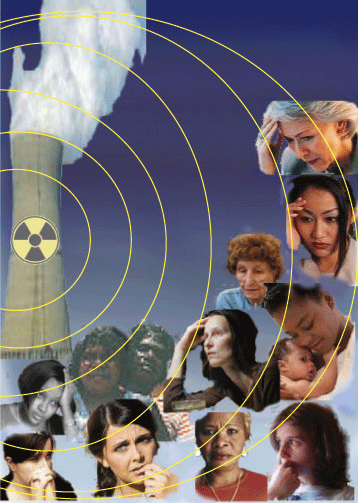
…………………………………………………………….Nuclear power plants emit radioactive pollutants that can disperse into the surrounding environment, leading to potential human exposure through inhalation, ingestion, and direct contact. These pollutants can be transported through air, water, and soil, contributing to long-term environmental contamination1. Populations residing near nuclear power plants may experience low-level chronic exposure to ionizing radiation via environmental release pathways. While our study does not include dosimetry, ionizing radiation is a well-established carcinogen2,3,4,5,6,7 and thus motivates investigation into proximity-based exposure patterns.
………………………Despite the importance and prevalence of nuclear power plants in the U.S., epidemiologic research regarding their health impacts remains rare. Most U.S. studies have focused on individual plants or limited regions, with only a few national assessments to date – many of which relied on fixed distance cutoffs to classify exposed populations8,9,11,12,19,21,22,23,24,25. These studies often focus on a single facility and its surrounding communities, which restricts their statistical power to detect effects and ability to capture broader exposure patterns. Furthermore, differences in study design, exposure assessment methods, and geographic scope make it difficult to draw generalizable conclusions.
In this work, we assess the association between county-level proximity to nuclear power plants and cancer mortality across the United States from 2000 to 2018. We find that counties located closer to operational nuclear power plants have higher cancer mortality rates, with stronger associations observed among older adults. These associations remain consistent across multiple sensitivity analyses and proximity definitions. The results highlight spatial patterns of cancer risk in relation to nuclear power generation and emphasize the importance of evaluating potential long-term health implications of nuclear energy infrastructure in population-scale studies…………………………………………………………………………………………………………………………………………………………………. https://www.nature.com/articles/s41467-026-69285-4
The study found that U.S. counties located closer to nuclear power plants experienced higher cancer mortality rates, even after accounting for socioeconomic, environmental, and health care factors. The researchers estimated that over the course of the study period, roughly 115,000 cancer deaths across the U.S. (or about 6,400 deaths per year) were attributable to proximity to NPPs.
Boston, MA—U.S. counties located closer to operational nuclear power plants (NPPs) have higher rates of cancer mortality than those located farther away, according to a new study led by Harvard T.H. Chan School of Public Health.
The study is the first of the 21st century to analyze proximity to NPPs and cancer mortality across all NPPs and every U.S. county. The researchers emphasized that the findings are not enough to establish causality but do highlight the need for further research into nuclear power’s health impacts.
The study was published Feb. 23, 2026, in Nature Communications.
Numerous studies on the potential link between NPPs and cancer have been conducted around the world, with conflicting results. In the U.S., these studies have been rare and limited in their scope, focused on a single NPP and its surrounding community.
To expand the evidence base, the researchers conducted a national assessment of NPPs and cancer mortality between 2000 and 2018 using “continuous proximity.” They used advanced statistical modeling that captured the cumulative impact of all nearby NPPs, rather than just one. The locations and dates of operation of U.S. NPPs—as well as some nearby in Canada—were obtained from the U.S. Energy Information Administration, and county-level data on cancer mortality was obtained from the Centers for Disease Control and Prevention. The researchers controlled for potential confounders in each county, including educational attainment, median household income, racial composition, average temperature and relative humidity, smoking prevalence, BMI, and proximity to the nearest hospital.
The study found that U.S. counties located closer to nuclear power plants experienced higher cancer mortality rates, even after accounting for socioeconomic, environmental, and health care factors. The researchers estimated that over the course of the study period, roughly 115,000 cancer deaths across the U.S. (or about 6,400 deaths per year) were attributable to proximity to NPPs. The association was strongest among older adults.
“Our study suggests that living near a NPP may carry a measurable cancer risk—one that lessens with distance,” said senior author Petros Koutrakis, Akira Yamaguchi Professor of Environmental Health and Human Habitation. “We recommend that more studies be done that address the issue of NPPs and health impacts, particularly at a time when nuclear power is being promoted as a clean solution to climate change.”
The researchers noted that the results are consistent with the results of a similar study they conducted in Massachusetts, which identified elevated cancer incidence among populations living closer to NPPs.
They also noted some limitations to the study, including that it did not incorporate direct radiation measurements and instead assumed equal impact by all NPPs.
Article information
“National Analysis of Cancer Mortality and Proximity to Nuclear Power Plants in the United States,” Yazan Alwadi, Barrak Alahmad, Carolina L. Zilli Vieira, Philip J. Landrigan, David C. Christiani, Eric Garshick, Marco Kaltofen, Brent Coull, Joel Schwartz, John S. Evans, Petros Koutrakis, Nature Communications, February 23, 2026, doi: 10.1038/s41467-026-69285-4
2.1 per cent of cancers in women aged 55-64 attributable to living near a plant, research shows
Sarah Knapton,Telegraph, Science Editor, 23 February 2026
Middle-aged women are the most at risk from living near power plants, a study suggests.
Researchers at Harvard University found that US counties closer to nuclear plants had higher cancer death rates than those farther away, even after accounting for socioeconomic, environmental and health factors.
The team estimated that 2.1 per cent of cancers in women aged 55-64 were “attributable” to living near a plant, the highest of all age groups and genders.
Similarly, 2 per cent of cancers in men aged 65-74 were linked to nuclear plants, the highest age range for males.
Younger people aged 35-44 had the lowest risk, with proximity to nuclear plants accounting for 0.4 per cent of cancers in females and 0.6 per cent in males.
Radiation fears
“Our study suggests that living near a nuclear power plant may carry a measurable cancer risk – one that lessens with distance,” said Dr Petros Koutrakis, the senior author and professor of environmental health and human habitation at Harvard TH Chan School of Public Health.
“We recommend that more studies be done that address the issue of nuclear power plants and health impacts, particularly at a time when nuclear power is being promoted as a clean solution to climate change.”
Last year, Harvard discovered that people living near the Mallinckrodt Chemical Works in Missouri, which processed uranium for the first atomic bomb, had a far higher chance of developing most cancers than those living farther away.
There have been ongoing fears that radiation from power stations can cause cancer, with some evidence showing clusters of leukaemia and non-Hodgkin lymphoma near Sellafield in Cumbria, and Dounreay, on the north coast of Scotland.
The Committee on Medical Aspects of Radiation in the Environment was set up in 1985 to investigate.
Although it confirmed the raised rates, it also found that other nearby villages did not show similar increases as might be expected if the plants were to blame.
The Military Connection. For Australian workers and the public, the situation is complicated by and made more urgent as a result of the Australia, UK, USA (AUKUS) agreement regarding the building and stationing of nuclear-powered submarines in Australia. We have already seen the creation of a separate Australian Naval Nuclear Power Standards Regulator (ANNPSR) that will be responsible for all standards in the construction, operation, maintenance, decommissioning, and radioactive waste management from the submarines built or stationed here. We can expect pressure from the USA to have these standards align with those in the USA. As such the ANNPSR could become a back door for pressuring the current standards agency ARPANSA to revise and weaken rather than tighten protection standards across the full range of other occupational and public radiation health risks.
Radiation Protection Standards For most of the past century national and international standards agencies have regulated radiation protection based on three fundamental principles.
1 A ”Linear No Threshold ‘ (LNT) model based on scientific evidence that indicates there is no safe level of exposure. Any dose however small can be the one which can cause cancer – sometimes taking years to develop – or genetic damage affecting future generations.
2 That, therefore, all exposures should be kept ‘As Low As Reasonably Achievable’ – known as the ALARA principle
3 And that exposures to workers and the public should be kept below specified annual limits.
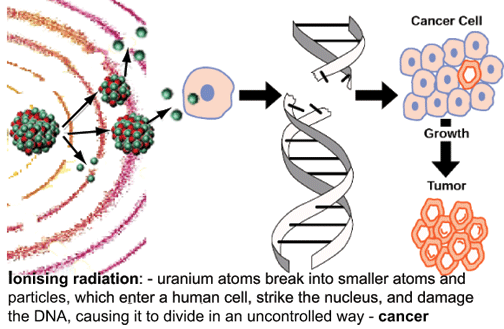
The science behind this protection regime is based on the capacity of ionising radiation to cause damage at the cellular level in the human body. Radiation striking a cell can either cause no damage or it may kill the cell outright – in which case, unless too many cells are killed at once, the body will eliminate the dead cells and function healthily. The problem comes when the cell is merely damaged, and the natural process of repair is imperfect, leaving the cell to replicate in this damaged form – which may in some cases lead to the kind of growth we call a cancer, other long term health or genetic damage. The level of this kind of damage (known as stochastic) is a hit-and-miss affair – a low level of radiation exposure doesn’t determine a health effect but as the level of exposure increases, it increases the probability of the damage.
Current Standards Need Tightening The limits on exposure have been progressively tightened over the years as estimates of the cancer risks, mainly drawn from the Life-Span Studies (LSS) of Japanese survivors of the Hiroshima and Nagasaki atomic bomb blasts in 1945, showed progressively higher rates of this stochastic health damage. Recent evidence from studies of workers in the Nuclear Industries in France the UK and USA (The INWORKS studies) suggest the worker-exposure limits need to again be revised – and significantly tightened. In addition, studies on health of populations living close to nuclear power plants in Europe and the USA show significantly elevated rates of cancer in both children and the elderly directly related to living distance from these facilities.
United States Proposals Would Weaken Current Standards Unfortunately, it appears that the USA is headed in the opposite direction and given the recent behaviour of the current President, may soon pressure other countries to follow suit. In May 2025 US President Donald Trump issued a Directive (EO 14300) Instructing the US Nuclear Regulatory Commission (NRC) to revise all its regulations – in particular, to revise those relating to radiation health and safety. He instructed the NRC to abandon the LNT and ALARA principles and re-set limits on worker and public exposures based on ‘deterministic’ rather than ‘probabilistic’/’stochastic ‘ health outcomes – potentially allowing much higher levels of exposure.
Exactly how the NRC will respond to these directives is unclear. To comply with the president’s orders would put the USA in conflict with national and international agencies such as the International Commission of Radiological Protection (ICRP), the United Nations Scientific Committee on Atomic Radiation (UNSCEAR), the US National Academy of Science’s. Committee on the Biological Effects of Ionising Radiation (the BEIR committee) and other countries’ national agencies including the Australian Radiation Protection and Nuclear Standards Agency (ARPANSA) – all of which have recently reaffirmed commitment to the LN and ARPANSA principles and the current annual limits on worker and public exposure.
TThe draft of the revised NRC regulations on radiation protection is expected on 30 April 2026 with a 30-day period for comments before the final comprehensive revision of all NRC regulations is published in November 2026.
An international Campaign These US proposals have stimulated the beginnings of an international campaign bringing together trade unions, environment and public health groups and communities concerned about current and future exposures from mining, industrial, medical, and nuclear radiation sources. The objectives of this campaign are two-fold:
1 To pressure national and international agencies with responsibility for radiation protection to publicly repudiate any US regulations that align with the Trump Directive and resist any pressures from the US to similarly weaken existing national standards. 2. To build pressure on these national and international agencies to revise and tighten the standards in line with the best available scientific evidence that the health risks are greater than those used to set current standards.
The Military Connection For Australian workers and the public, the situation is complicated by and made more urgent as a result of the Australia, UK, USA (AUKUS) agreement regarding the building and stationing of nuclear-powered submarines in Australia. We have already seen the creation of a separate Australian Naval Nuclear Power Standards Regulator (ANNPSR) that will be responsible for all standards in the construction, operation, maintenance, decommissioning, and radioactive waste management from the submarines built or stationed here. We can expect pressure from the USA to have these standards align with those in the USA. As such the ANNPSR could become a back door for pressuring the current standards agency ARPANSA to revise and weaken rather than tighten protection standards across the full range of other occupational and public radiation health risks.
For further information For references to the scientific evidence and to be kept informed of developments as this campaign evolves contact:
WARNING: DISTRESSING CONTENT Nuclear plant worker Hisashi Ouchi suffered the highest radiation dose in history after 1999 Japan accident, enduring 83 agonising days before death.
Hisashi Ouchi, a 35‑year‑old nuclear plant worker, survived a 1999 criticality accident that delivered the highest recorded radiation dose to a human, enduring 83 days of severe medical complications before dying of multiple organ failure. A government probe later blamed inadequate supervision, safety culture, and training, leading to negligence charges against six plant officials.
Key points:
On September 30, 1999, a criticality accident at a Japanese nuclear fuel processing plant exposed worker Hisashi Ouchi to an estimated 17,000 millisieverts of radiation.
The dose Ouchi received was about 850 times the annual occupational limit for nuclear workers and roughly 140 times higher than the exposure of residents near Chernobyl.
Ouchi was hospitalized at the University of Tokyo Hospital, where he underwent experimental treatments for 83 days, during which his skin sloughed off, his eyelids fell off, and his digestive system collapsed.
Medical staff administered up to ten blood transfusions daily, and painkillers were reported to be ineffective; Ouchi reportedly said, “I can’t take it anymore. I am not a guinea pig.”
He died on December 21, 1999, and the official cause of death was recorded as multiple organ failure
A nuclear facility worker suffered what many consider to be the most agonising death ever recorded after a routine procedure went catastrophically wrong.
Hisashi Ouchi, 35, was exposed to an incomprehensible level of radiation when colleagues accidentally added excessive uranium to a processing vessel, sparking an uncontrolled nuclear chain reaction on September 30, 1999.
The unfortunate Ouchi was positioned nearest to the vessel, consequently subjecting him to 17,000 millisieverts of radiation – equivalent to 200,000 X-rays.
The exposure he received was 850 times the safe yearly limit for nuclear facility workers, 140 times greater than what Chernobyl residents experienced after the 1986 catastrophe, and the most severe dose ever documented in human history.
Within seconds and minutes of his exposure, Ouchi became violently sick. Whilst most individuals subjected to such levels would die within days, Ouchi survived, reports the Mirror.
He was taken to hospital alert but in critical condition, as his white blood cell count had been virtually eliminated, leaving him completely without an immune system.
Medical staff moved him to the University of Tokyo Hospital, where they tried various experimental procedures in a frantic bid to preserve his life.
What ensued was 83 days of torment for the nuclear facility worker.
Radiation had completely obliterated Ouchi’s capacity to heal and regenerate cells, causing his skin to gradually slough away, his blood vessels to fail, and his eyelids to fall off.
Fluids seeped relentlessly from his ravaged flesh and accumulated in his lungs, compelling medics to maintain him on life support.
Making his ordeal even more harrowing, his digestive system collapsed entirely, inflicting excruciating agony and causing litres of fluid to drain from his body daily. Despite numerous skin grafts and stem cell treatments, his body remained unable to recover.
Breathing became impossible without mechanical assistance, and nourishment could only be administered via feeding tube.
The agony became so unbearable that, two months into his treatment, Ouchi’s heart ceased beating, yet medical staff chose to revive him.
His wife reportedly held onto hope that he would survive until at least January 1, 2000, so they could welcome the new millennium together.
During lucid moments, he remained fully aware of his deteriorating condition.
According to accounts, Ouchi eventually reached breaking point and spoke six chilling words to hospital staff: “I can’t take it anymore. I am not a guinea pig.”
Medical professionals were compelled to administer up to ten blood transfusions daily merely to sustain his life. Painkillers appeared utterly ineffective, and at one stage, he reportedly pleaded for the treatment to cease.
Ouchi passed away on December 21, 1999, from multiple organ failure, nearly three months following the incident. Multiple organ failure was recorded as the official cause of death.
Four months afterwards, in April 2000, his colleague Shinohara also died from multiple organ failure at the age of 40.
Supervisor Yokokawa, who had been seated at his workstation when the criticality incident unfolded, managed to survive.
A probe by the Japanese government determined that the accident was due to a lack of regulatory supervision, a deficient safety culture, and insufficient training for employees.
Six officials from the company running the plant were subsequently charged with professional negligence and breaches of nuclear safety laws. In 2003, they received suspended prison sentences for their deadly neglect.
The DNA damage from ionizing radiation (IR) erupting from the Chernobyl nuclear disaster of 1986 is showing up in the children of those originally exposed, researchers have found – the first time such a transgenerational link has been clearly established.
Previous studies have been inconclusive about whether this genetic damage could be passed from parent to child, but here the researchers – led by a team from the University of Bonn in Germany – looked for something slightly different.
Rather than picking out new DNA mutations in the next generation, they looked for what are known as clustered de novo mutations (cDNMs): two or more mutations in close proximity, found in the children but not the parents. These would be mutations resulting from breaks in the parental DNA caused by radiation exposure.
“We found a significant increase in the cDNM count in offspring of irradiated parents, and a potential association between the dose estimations and the number of cDNMs in the respective offspring,” write the researchers in their published paper.
“Despite uncertainty concerning the precise nature and quantity of the IR involved, the present study is the first to provide evidence for the existence of a transgenerational effect of prolonged paternal exposure to low-dose IR on the human genome.”
The findings are based on whole genome sequencing scans of 130 offspring of Chernobyl cleanup workers, 110 offspring of German military radar operators who were likely exposed to stray radiation, and 1,275 offspring of parents unexposed to radiation, used as controls.
On average, the researchers found 2.65 cDNMs per child in the Chernobyl group, 1.48 per child in the German radar group, and 0.88 per child in the control group. The researchers say those numbers are likely to be overestimates due to noise in the data, but even after making statistical adjustments, the difference was still significant.
What’s more, a higher radiation dose for the parent tended to mean a higher number of clusters in the child. This fits with the idea that radiation creates molecules known as reactive oxygen species, which are able to break DNA strands – breaks which can leave behind the clusters described in this study, if repaired imperfectly.
The good news is that the risk to health should be relatively small: children of exposed parents weren’t found to have any higher risk of disease. This is partly because a lot of the cDNMs likely fall in ‘non-coding’ DNA, rather than in genes that directly encode proteins.
“Given the low overall increase in cDNMs following paternal exposure to ionizing radiation and the low proportion of the genome that is protein coding, the likelihood that a disease occurring in the offspring of exposed parents is triggered by a cDNM is minimal,” the researchers write.
To put this in perspective, we know that older dads are more likely to pass on more DNA mutations to their children. The subsequent risk of disease associated with parental age at the time of conception is higher than the potential risks from radiation exposure examined here, the researchers report.
There are some limitations to note. As the initial radiation exposure happened decades ago, the researchers had to estimate people’s exposure using historical records and decades-old devices.
Participation in the study was also voluntary, which may have introduced some bias, as those who suspected they’d been exposed to radiation may have been more likely to enrol.
Even with those limitations, we now know that with prolonged exposure, ionizing radiation can leave subtle traces in the DNA of the generations to come – emphasizing the need for safety precautions and careful monitoring for those at risk.
“The potential of transmission of radiation-induced genetic alterations to the next generation is of particular concern for parents who may have been exposed to higher doses of IR and potentially for longer periods of time than considered safe,” write the researchers.
The MAHA Commission 2025 report unfotunately ignored radioactivity as a possible cause of rising cancer and chronic illness. But even leaving aside nuclear accidents, studies show living near nuclear plants elevates cancer risk. Nuclear reactors generate radioactive waste and ionizing radiation, which get into the environment, contaminating air, water, soil and food.
Harmful isotopes like Cesium-137 aren’t natural; they’re made only in reactors, but persist in the environment and food for centuries. Decades after Chernobyl, for instance, researchers found Cesium-137 in meat from domestic and game animals in Poland, and in food and children’s bodies in Belarus, which caused pediatric cardiovascular disease.
Cesium-137 has a 30-year half-life but remains dangerous for 300 years, especially when ingested or inhaled. It lodges in soft tissues inside the body, irradiating cells and increasing cancer risk, according to the Centers for Disease Control and Prevention. Even very low doses have been shown to cause cancer, renal pathology and other damage.
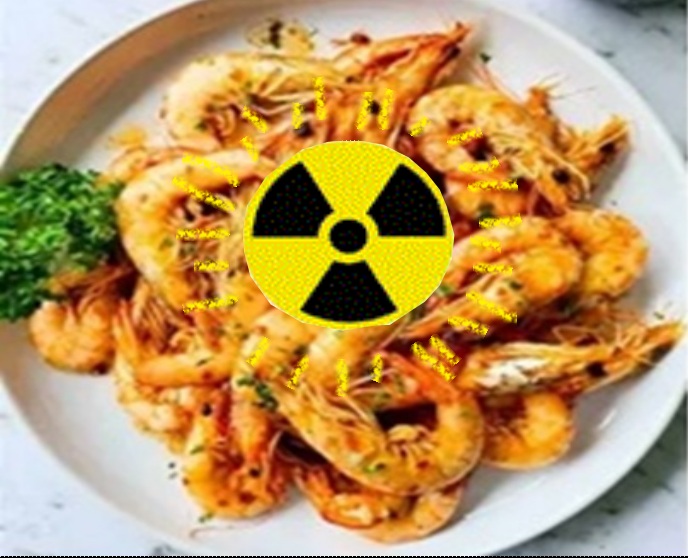
This summer, the Food and Drug Administration issued multiple health hazard warnings about Cesium-137 detected in imported Indonesian shrimp, triggering massive recalls and worried coverage in mainstream outlets like “Martha Stewart Living.” Consumer Reports found evidence a wide swath of Indonesia’s land may be contaminated.
U.S. Sens. Bill Cassidy (R-L.) and John Kennedy (R-La.) then launched an inquiry, asking grocery chains how they will keep radioactive shrimp off their shelves. Kennedy said that eating Cesium-137-laced shrimp “will kill you. Even if doesn’t turn you into the alien from ‘Alien,’ I guarantee you’ll grow another ear.” Rep. Clay Higgins (R-La.) wrote to President Trump, calling radioactive shrimp a “significant public health threat” and asking him to pause all shrimp imports.
“Alien” shrimp penetrated public consciousness, but the radioactivity problem is much bigger. The FDA recently found radioactive cloves, and Malta customs officials found radioactive clothing, both contaminated with Cesium-137. The World Customs Organization launched “Operation Stingray” to intercept nuclear and radioactive materials, seizing 51 shipments in just three weeks.
Such action is overdue. Long before so-called “forever chemicals” or microplastics were recognized as health threats, watchdog groups were flagging the threat of radioactivity in food, especially after the 2011 Fukushima disaster. A 2013 FDA Citizen Petition demanded tighter regulation and lower allowable radioactivity levels. My organization has collected 1,600 comments and thousands of companion signatures.
Health advocacy groups recently pointed this out in a joint letter, exhorting Kennedy and federal officials to “finally address the impact of radiation contamination of U.S. food on the trajectory of cancer and chronic illness by setting and enforcing much safer levels for Americans.” In its reply FDA demurred, calling it “unlikely that a fish exposed to significant levels of radionuclides near the [Fukushima] reactor could travel to U.S. waters and be caught and harvested.”
Yet we see evidence of consumer goods contaminated with radioactivity all around us. Instead of downplaying the problem, the FDA should tighten and enforce protective standards.
The Indonesian shrimp flagged as a health hazard had 68 becquerels of Cesium-137. The FDA’s “derived intervention level” — more of a guideline than an enforceable standard — is about 20 times higher, at 1,200 becquerels.
No level of Cesium-137 or other harmful radioactive isotopes is safe, yet Trump’s recent executive orders raise exposure limits and depart from the longstanding linear no-threshold model of radiation safety. Advocates warned the public health consequences would be severe, with women, children and fetuses worst impacted.
The standard should be, if Cesium-137 or other isotopes of concern are detectable in food items, they ought to be pulled off shelves, or at the very least labeled with warnings so consumers can make an informed decision. Unfortunately, that’s not the system we have. The importance of humility and transparency are among the lessons of Chernobyl and Fukushima, but the Trump administration is ignoring them in an explosion of hubris.
That’s nothing new; it’s deep in the nuclear culture. That 2011 International Commission on Radiological Protection report states, “There may be situations where a sustainable agricultural economy is not possible without placing contaminated food on the market. As such foods will be subject to market forces, this will necessitate an effective communication strategy to overcome the negative reactions from consumers outside the contaminated areas.”
But a communications strategy designed to soft-pedal radioactive contamination of food won’t make America healthy. Only setting and enforcing science-based standards will.
Kimberly Roberson is director of the Fukushima Fallout Awareness Network, a project of the National Institute for Science, Law and Public Policy.
18 December 2025, Springer Nature, Volume 24, article number 92, (2025)
“………………………………………. Results
Proximity to plants significantly increased cancer incidence, with risk declining by distance. At 2 km, females showed RRs of 1.52 (95% CI: 1.20–1.94) for ages 55–64, 2.00 (1.59–2.52) for 65–74, and 2.53 (1.98–3.22) for 75 + . Males showed RRs of 1.97 (1.57–2.48), 1.75 (1.42–2.16), and 1.63 (1.29–2.06), respectively. Cancer site-specific analyses showed significant associations for lung, prostate, breast, colorectal, bladder, melanoma, leukemia, thyroid, uterine, kidney, laryngeal, pancreatic, oral, esophageal, and Hodgkin lymphoma, with variation by sex and age. We estimated 10,815 female and 9,803 male cancer cases attributable to proximity, corresponding to attributable fractions of 4.1% (95% CI: 2.4–5.7%) and 3.5% (95% CI: 1.8–5.2%).
Conclusions
Residential proximity to nuclear plants in Massachusetts is associated with elevated cancer risks, particularly among older adults, underscoring the need for continued epidemiologic monitoring amid renewed interest in nuclear energy. https://link.springer.com/article/10.1186/s12940-025-01248-6
Small amounts of radioactive substances have been detected in air samples in Finland though there was no risk to public health, Reuters reported citing the country’s nuclear safety watchdog.
“The concentrations were very low and posed no risk to people or the environment,” the Radiation and Nuclear Safety Authority (STUK) said in a statement, according to Reuters.
According to the report, STUK said that the radioactive substances did not originate from Finnish nuclear power plants, though it did not offer an explanation for their detection.
“In many cases, the source of the radioactive substances cannot be identified,” the agency said.
Finland, Sweden, Russia and the wider region have a number of nuclear power reactors.
Only in the years since the programme ended has the true impact come to light. While the French military measured radiation levels after each explosion, the data was kept secret until victims’ associations won a legal battle to have it partially declassified in 2013.
“Every family in French Polynesia has a lot of cancer. It’s just not one. Some have, as we say, cocktails of cancer,”
Thirty years ago this week, on an island in the South Pacific, France conducted its final nuclear test – ending a programme that exposed thousands of people to radiation over decades. The islands of French Polynesia are still living with the fallout.
“It started with my grandmother. She had thyroid cancer during the Nineties. Then her first child, my auntie, had thyroid cancer too.”
Hinamoeura Morgant-Cross was a child in Tahiti when France last exploded a nuclear bomb. She has few memories of the years when her home was a testing ground, but they have changed the course of her life.
“My mum had thyroid problems… And also, my sister had thyroid problems. She has to take medication for the rest of her life. My auntie also got breast cancer a few years ago.
“And I have had chronic myeloid leukaemia since I was 24 years old.”
France tested nuclear weapons in Polynesia for 30 years. The explosions started in 1966, after France had already tested several bombs in the Algerian Sahara.
After Algeria claimed independence, France moved the tests to its colony in the South Pacific. They continued until 27 January 1996 – more than three years after the United States’ final test, four since the United Kingdom’s and five since the Soviet Union’s.
France chose two uninhabited atolls as its test sites, Moruroa and Fangataufa, which between them took the impact of 193 explosions – the biggest around 200 times more powerful than the bomb the US dropped on Hiroshima.
At least 41 took place in the open air, before tests were moved underground in 1975. Mushroom clouds drifted over the ocean, carrying radiation to populated islands – including Tahiti, more than 1,200 kilometres away.
Only in the years since the programme ended has the true impact come to light. While the French military measured radiation levels after each explosion, the data was kept secret until victims’ associations won a legal battle to have it partially declassified in 2013.
“Around 20 boxes” of documents out of thousands were released in that first batch, according to Patrice Bouveret of the Observatoire des Armements, a Lyon-based campaign group that helped make them public. But the information was enough for journalists and researchers to map a far broader pattern of exposure than France had ever publicly acknowledged.
One 1974 test alone exposed an estimated 110,000 people to more than the annual “safe” dose of radiation, according to a 2021 investigation led by public-interest newsroom Disclose.
The revelations pushed French President Emmanuel Macron to order the opening of all archives – with the exception of details that might suggest how to build a nuclear device. Tens of thousands of documents have since been released and continue to lay bare the gap between what French authorities knew about the risks, and what they told those most affected.
‘Cocktails of cancer’
“Every family in French Polynesia has a lot of cancer. It’s just not one. Some have, as we say, cocktails of cancer,” says Morgant-Cross, today a member of the French Polynesian parliament and an anti-nuclear campaigner.
“But it’s hard for them to think that it can be related to the nuclear tests because of the decades of French propaganda saying that French nuclear tests are clean.”
Visiting Tahiti in September 1966, president Charles de Gaulle declared that all precautions had been taken to ensure the tests would “not cause any inconvenience whatsoever to the dear people of Polynesia”.
Nearly three decades later, president Jacques Chirac – who ordered France’s final nuclear tests in 1995-96, reversing a moratorium that had halted the programme since 1992 – was still insisting that they had “strictly no ecological consequences”.
For years, Polynesians were told their lifestyle and eating habits were to blame for health problems, according to Morgant-Cross. She only made the connection between her family’s history of cancer and the nuclear tests, she says, when she met survivors in other countries.
Seeing the list of diseases that research has linked to radiation exposure, she realised the thyroid cancer that afflicted her relatives, as well as her own rare form of leukaemia, were among them.
“These aren’t illnesses that show up immediately after an explosion,” says Bouveret. “It’s not like a week later you get sick. They develop a long time afterwards.”
In 2023, France’s National Institute of Health and Medical Research, Inserm, used declassified military data to estimate how much radiation thyroid cancer patients had been exposed to and calculate what role it played. Researchers said nuclear tests “are most likely responsible for a small increase in the incidence of thyroid cancers in French Polynesia” – though they warned the estimated doses were probably inaccurate.
The difficulty of proving harm to health has been a barrier to compensation. France introduced a law in 2010 allowing victims to claim reparations from the state, but the criteria to qualify – which include demonstrating exposure to a certain level of radiation – have proved hard to meet.
Only 1,026 people had successfully claimed by the end of 2024, Bouveret says – 607 in mainland France, 417 from Polynesia and two from Algeria. “It’s ridiculous when you consider the number of people who have been impacted by these diseases.”
A bill to reform the law is before the French parliament. It would also bind the state to cover the costs of treating illnesses caused by radiation – estimated at some €855 million, and currently borne by French Polynesian social security.
A society upended
The broader consequences of France’s nuclear tests are even harder to quantify.
The programme kicked off massive construction, drawing islanders to help build military bases and research stations. Many stayed to work at the new sites, concentrating the population and shifting labour away from traditional fishing and farming.
Corals were flattened to make way for ships, which may have contributed to a dramatic rise in ciguatera – a type of food poisoning caused by eating fish sickened by toxins from plankton found on damaged reefs.
“They really poisoned our main food,” says Morgant-Cross. “We eat fish from breakfast to dinner.” Today the archipelago is largely dependent on food shipped in from elsewhere, and like other parts of overseas France, suffers from high cost of living.
As de Gaulle promised, the nuclear programme brought economic opportunities – but they depended on jobs and money provided by the French state, binding Polynesia ever more tightly to France.
Bouveret believes that helped stymie the archipelago’s aspirations to independence. Now, given the costs of caring for nuclear victims and containing the lingering radiation on Moruroa and Fangataufa, he says separating from France looks “extremely difficult”.
For Morgant-Cross, the first step is to “decolonise minds” and help Polynesians fathom the damage done. While she was at school in the 1990s, she recalls, children were still taught “we should be grateful” for the nuclear tests.
Things have changed since then, but confronting the past remains difficult – and not only for the generation who remember when speaking out could cost people their jobs or lead to arrest.
“As a mother of two boys, I really hope that they don’t have the burden of this issue like myself,” she says.
“I felt some trauma, but without understanding where it came from. And I understood with my grandmother, when I saw the fear in her eyes… I saw how guilty she felt because of the leukaemia that I have. She felt that if she had protested more, maybe I would not be sick today.
Nuclear weapons testing has affected every single human on the planet, causing at least four million premature deaths from cancer and other diseases over time, according to a new report delving into the deadly legacy.
More than 2,400 nuclear devices were detonated in tests conducted worldwide between 1945 and 2017.
Of the nine countries known to possess nuclear weapons — Russia, the United States, China, France, the United Kingdom, Pakistan, India, Israel and North Korea — only Pyongyang has conducted nuclear tests since the 1990s.
But a new report from the Norwegian People’s Aid (NPA) humanitarian organisation, provided exclusively to AFP, details how the effects of past tests are still being felt worldwide.
“They poisoned us,” Hinamoeura Cross, a 37-year-old Tahitian parliamentarian who was aged seven when France detonated its last nuclear explosion near her home in French Polynesia in 1996.
Seventeen years later, she was diagnosed with leukaemia, in a family where her grandmother, mother and aunt already suffered from thyroid cancer.
The explosions are known to have caused enduring and widespread harm to human health, societies and ecosystems.
But the NPA report details over 304 pages how an ongoing culture of secrecy, along with lacking international engagement and a dearth of data, have left many affected communities scrambling for answers.
“Past nuclear testing continues to kill today,” said NPA chief Raymond Johansen, voicing hope the report would “strengthen the resolve to prevent nuclear weapons from ever being tested or used again”.
– ‘Very dangerous’ –
The issue has gained fresh relevance after US President Donald Trump’s suggestion last November that Washington could resume nuclear testing, accusing Russia and China of already doing so — charges they rejected.
“This is very, very, very dangerous,” warned Ivana Hughes, a Columbia University chemistry lecturer and head of the Nuclear Age Peace Foundation, who contributed to the NPA report.
“The nuclear testing period shows us that the consequences are extremely long-lasting and very serious,” she told AFP.
The heaviest burden of past tests has fallen on communities living near test sites, today located in 15 different countries, including many former colonies of nuclear-armed states.
Survivors there continue to face elevated rates of illness, congenital anomalies and trauma.
The impact is also felt globally.
“Every person alive today carries radioactive isotopes from atmospheric testing in their bones,” report co-author and University of South Carolina anthropology professor Magdalena Stawkowski told AFP.
– Millions of early deaths –
Hundreds of thousands of people around the globe are known to have already died from illnesses linked to past nuclear test detonations, the report highlighted.
It pointed to strong scientific evidence connecting radiation exposure to DNA damage, cancer, cardiovascular disease and genetic effects, even at low doses.
“The risks that radiation poses are really much greater than previously thought,” report co-author Tilman Ruff told AFP.
The atmospheric tests alone, which were conducted up to 1980, are expected over time to cause at least two million excess cancer deaths, he said.
And “the same number of additional early deaths (are expected) from heart attacks and strokes”, said Ruff, a Melbourne University public health fellow and co-founder of the International Campaign to Abolish Nuclear Weapons, which won the 2017 Nobel Peace Prize.
Ionising radiation, or particles that can snap DNA bonds in cells and turn them cancerous, is “intensely biologically harmful”, he said.
“There is no level below which there are no effects”.
The risks are not uniform, with foetuses and young children most affected, and girls and women 52-percent more susceptible to the cancer-inducing effects of radiation than boys and men.
Culture of secrecy –
The NPA report documented a persistent culture of secrecy among states that had tested nuclear weapons.
In Kiribati, for instance, studies by Britain and the United States on health and environmental impacts remain classified, preventing victims from learning what was done to them.
And in Algeria, the precise sites where France buried radioactive waste after its tests there remain undisclosed, the report said.
None of the nuclear-armed states has ever apologised for the tests, and even in cases where they eventually acknowledged damage, the report said compensation schemes have tended to “function more to limit liability than to help victims in good faith”.
Local communities, meanwhile, frequently lack adequate healthcare and health screening, as well as basic risk education — leaving people unaware of the dangers or how to protect themselves.
“The harm is underestimated, it’s under-communicated, and it’s under-addressed,” Stawkowski said.
– ‘Guinea pigs’ –
When Cross was diagnosed with leukaemia aged 24, she did not immediately blame the nuclear explosions in French Polynesia decades earlier.
“France’s propaganda was very powerful,” she told AFP, adding that in school she had only learned about the tests’ positive economic impact for France’s South Pacific islands and atolls.
She was later “shocked” to discover that rather than a handful of harmless “tests”, France conducted 193 explosions in French Polynesia between 1966 and 1996.
The biggest was around 200 times more powerful than the bomb the United States dropped on Hiroshima in 1945.
“These weren’t just tests. They were real bombs,” she said, charging that her people had been treated as “guinea pigs” for decades.
– ‘Trauma’ –
Other communities near test sites have also borne a heavy burden.
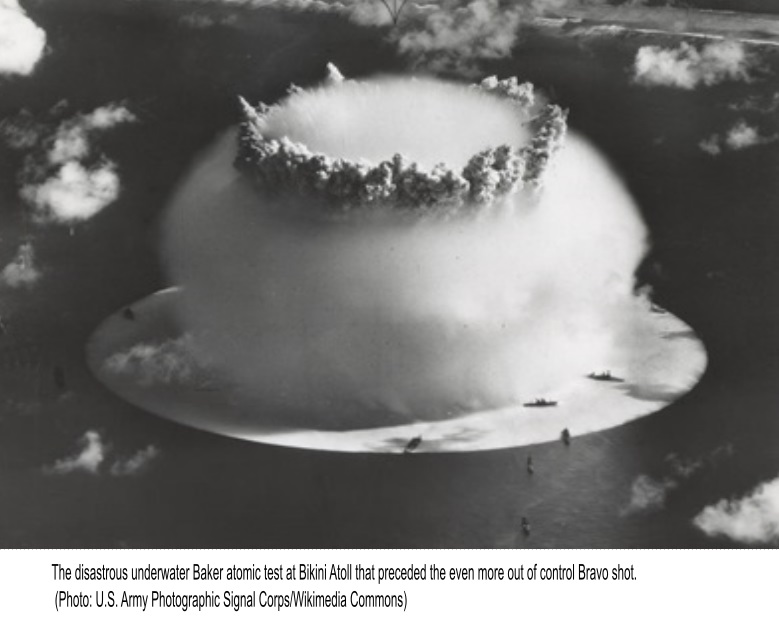
Hughes pointed to the impact of the United States’ 15-megaton Bravo test at Bikini Atoll in the Marshall Islands on March 1, 1954 — “equivalent to 1,000 Hiroshima bombs — an absolute monstrosity”.
It vaporised one island and exposed thousands nearby to radioactive fallout.
Rongelap, about 120 kilometres (75 miles) from Bikini, saw “vaporised coral atoll mixed in with radioactive isotopes falling onto the island from the sky, with the children thinking it was snow”, Hughes said.
The report criticised the “minimal” international response to the problem.
It especially highlighted the nuclear-armed states’ responsibility to scale up efforts to assess needs, assist victims and clean up contaminated environments.
“We want to understand what happened to us,” Cross said.









 nuclear-news